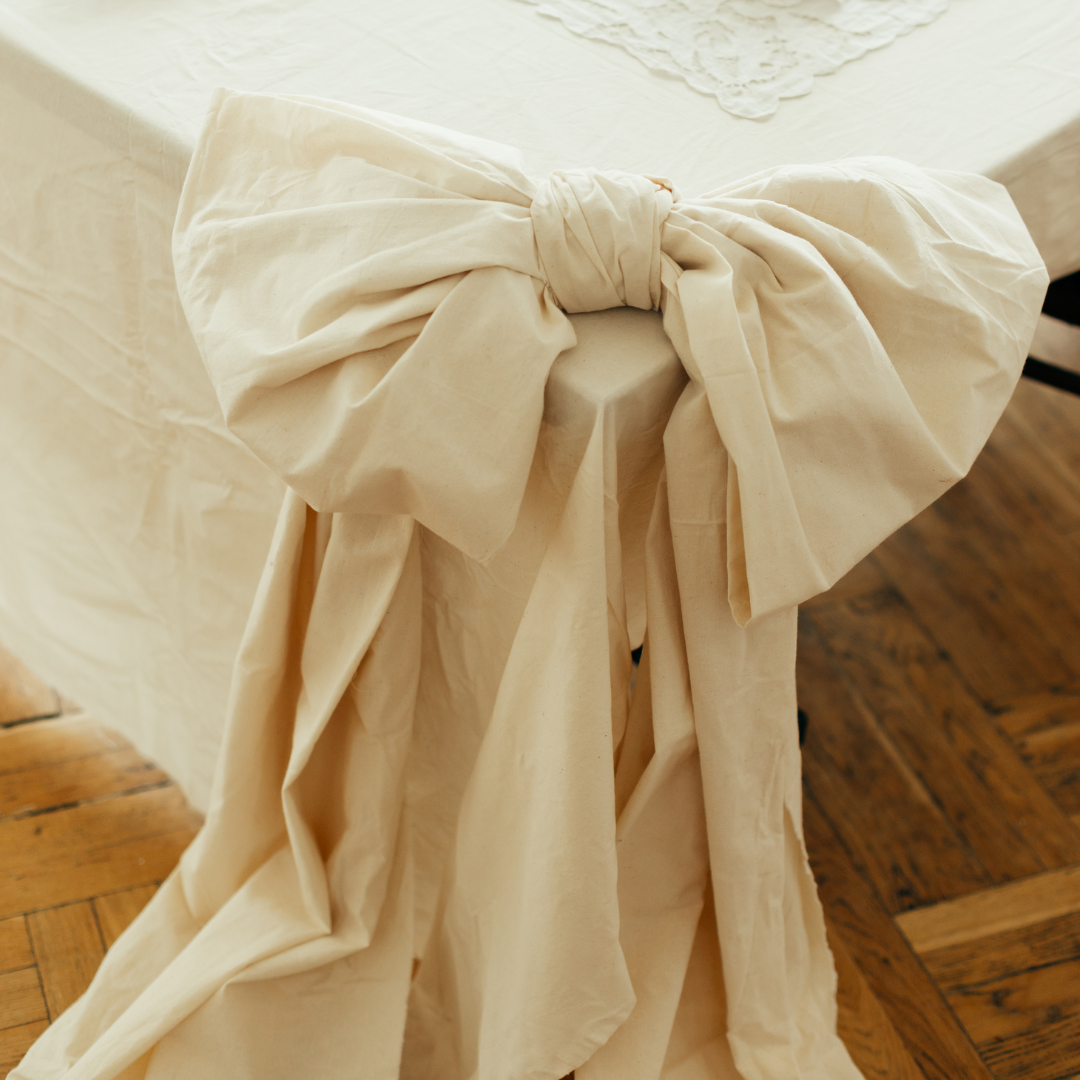
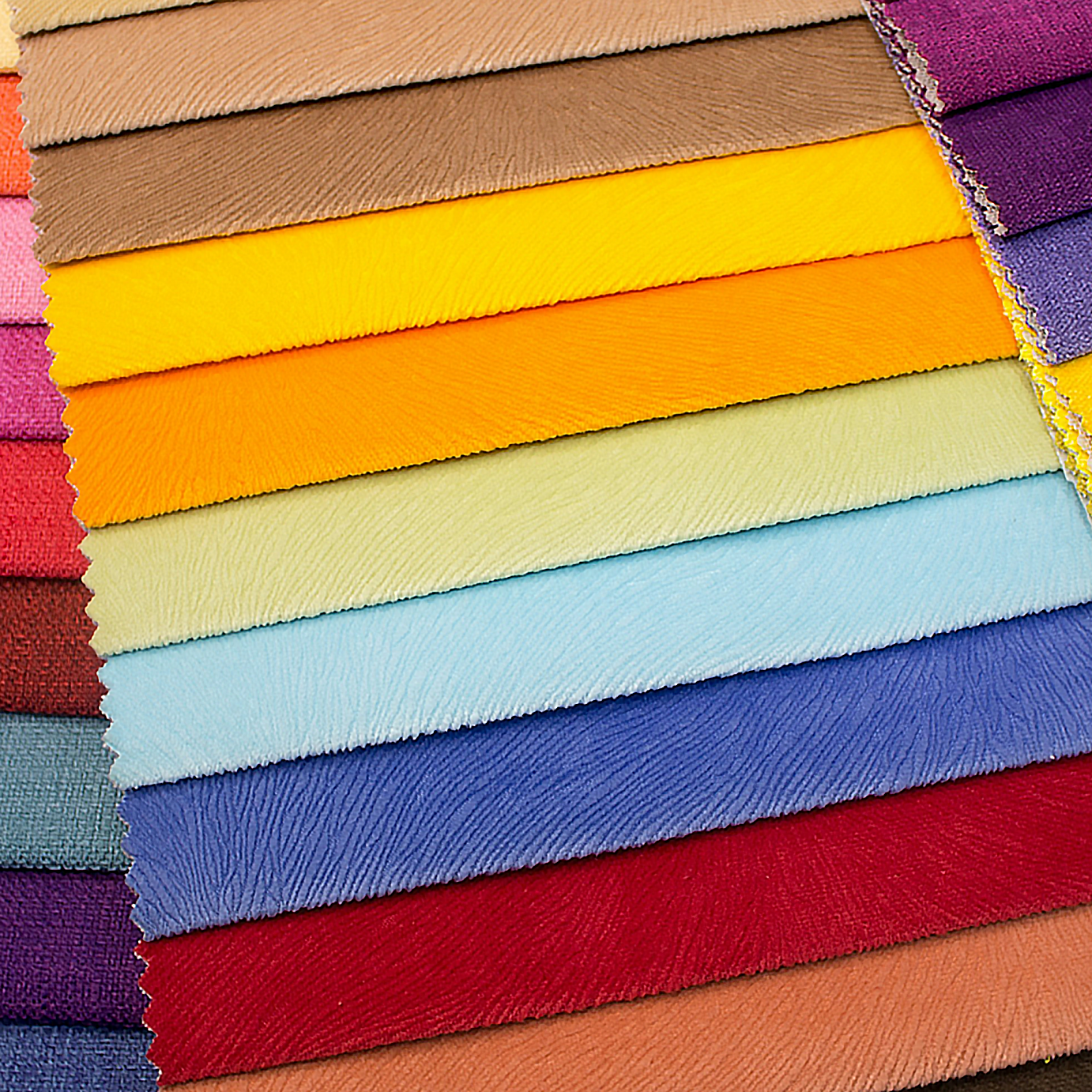

In the fitting room, two wedding dresses can seem to use the same kind of sheer fabric until real life exposes the difference. One sleeve looks soft, airy, and romantic when the bride lifts her arm. The other feels scratchy at the wrist, reads harsher in daylight, or turns unexpectedly bare under flash photography. That is usually the moment we stop asking which sheer sounds the most bridal and start asking the better question: what does this part of the dress actually need the fabric to do?
When we help brides, dressmakers, designers, and advanced home sewists choose sheers, we do not treat chiffon, organza, tulle, mesh, and lace as interchangeable just because they all let light through. For wedding dresses, the right choice depends on the effect you want, where the fabric will sit on the body, how it will move over lining, and whether it needs to feel gentle against skin for hours. A veil, an illusion neckline, a layered skirt, and a sculptural bow may all be sheer details, but they rarely want the same fabric.
What counts as a bridal sheer? In practical terms, it is any fabric that brings lightness, translucency, or layered visual softness to the gown. That includes obvious candidates like chiffon, organza, tulle, mesh, and lace, but also embroidered sheers and certain net-like or overlay fabrics that are chosen for a specific bridal job. We like to sort them on three linked scales: softness versus structure, transparency versus coverage, and movement versus hold.
That lens matters because wedding-dress sheers are never judged in isolation. A sheer may feel perfect on the bolt and still be wrong once it becomes bishop sleeves, a chapel veil, an illusion back, or a floating overskirt. Bridal fabrics have to perform under movement, ceremony lighting, flash photography, close-up skin contact, steaming, and layering over lining, satin, charmeuse, or other understructures. That is why choosing by finished effect is more reliable than choosing by name alone.
The Bridal Sheer Spectrum
Chiffon: soft movement and fluid romance
Chiffon is often the first fabric people picture when they want softness. It is lightweight, airy, and known for graceful drape rather than crisp hold. On a wedding dress, chiffon is at its best when the goal is movement: soft sleeves, flutter layers, draped overlays, cape details, light trains, blouson effects, and romantic toppers that should skim rather than stand away from the body. It is a staple bridal sheer because it creates motion without looking heavy.
What chiffon does not usually do well is provide sculptural shape on its own. If you want a bow that stands up cleanly, a sharply architectural overskirt, or a veil with more body, chiffon can feel too limp. It also needs to be judged over the exact lining or underlayer you plan to use, because its transparency changes noticeably with color contrast and layering. For bridal work, that means swatching matters.
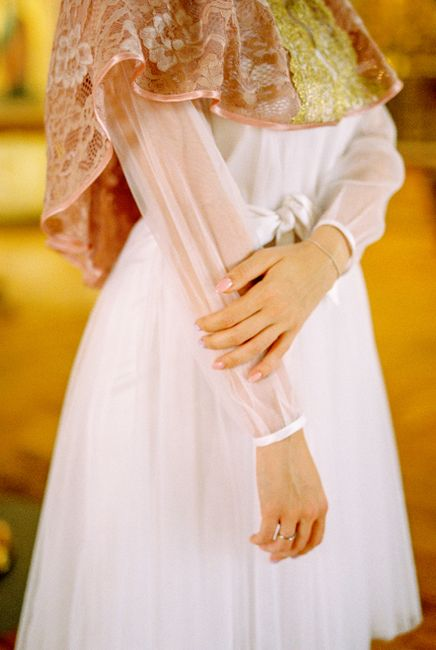
Organza: airy structure with a cleaner edge
Organza is sheer, but it is not soft in the same way chiffon is soft. It has more body, more spring, and more visible structure. That makes it a strong choice for bridal details that need lift: overskirts, fuller layered skirts, shaped sleeves, veils with presence, bows, ruffles, removable trains, and decorative overlays that should float outward instead of collapsing inward. In photos, organza often reads crisp, luminous, and dimensional.
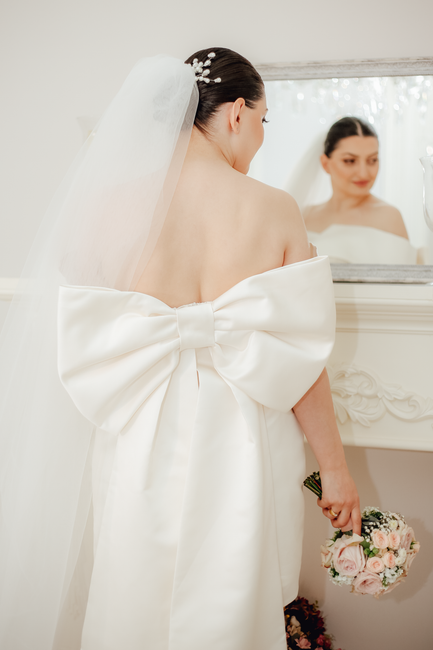
For some brides, that structure is exactly the point. For others, it can feel too firm if the fabric sits directly on sensitive skin or if the dress vision is more liquid than airy. Organza can also show its personality quickly in gathers and seams, so it is worth matching the fabric not just to the gown silhouette, but to the exact bridal mood — ethereal softness versus sculpted lightness.
Tulle: volume, atmosphere, and classic bridal layering
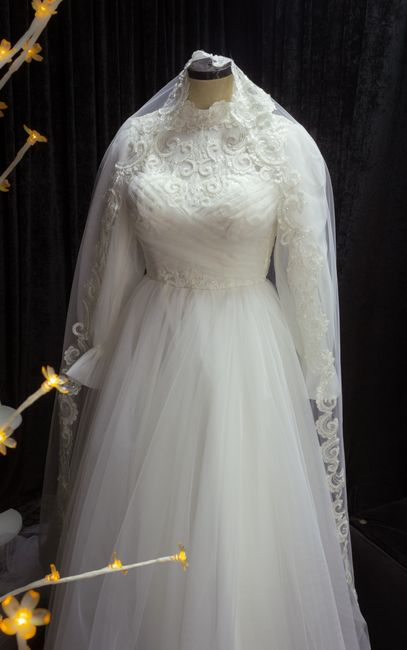
Tulle covers a wide range, which is why the name can be misleading. Some tulles are soft and drapey enough for gentle overlays or veiling, while others are firmer and better for support, fullness, or shape. In bridal use, tulle is a workhorse sheer for veils, underskirt layers, gathered overlays, sleeves, toppers, trains, and volume-building skirt effects. It can create that unmistakable cloudlike bridal atmosphere that many gowns rely on.
The catch is comfort and hand. A stiffer tulle can be useful structurally, but unpleasant at the armhole, neckline, or wrist. A softer tulle may feel lovely and still fail to give a dramatic skirt enough lift. This is where we always remind readers that “tulle” is a family, not one exact answer. The right bridal tulle depends on whether you need softness, fullness, support, or some blend of the three.
Mesh and illusion fabrics: close-to-skin subtlety
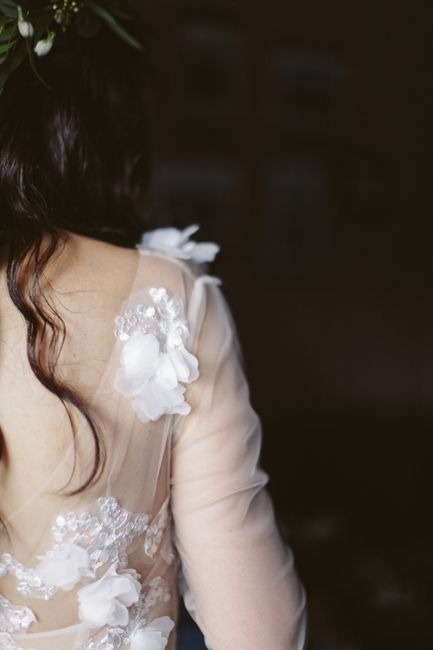
Mesh is often the quiet hero of bridal construction. When brides want illusion necklines, barely there sleeves, inset panels, side cutout coverage, or support areas that should disappear visually, mesh is often more useful than a showier sheer. It tends to be chosen for how it behaves on the body: stretch, recovery, comfort, transparency control, and how well it blends with skin tone. For illusion work, the fabric has to cooperate at close range, not just from across the room.
This is also where a careful online product description becomes especially important. Fiber, stretch, and recovery can make the difference between an illusion panel that lies cleanly and one that bags, shines, or fights the gown. For bridal alterations and custom builds, mesh is often the sensible choice for support-minded sheerness, even when it is not the most glamorous fabric name in the conversation.
Lace and embroidered sheers: pattern, texture, and strategic coverage
Lace and embroidered sheers bring visual detail as much as transparency. They are ideal when the sheer part of the gown should contribute motif, texture, edging, appliqué opportunities, or selective coverage. Think illusion backs with pattern placement, sheer sleeves with floral dimension, bodice overlays, necklines, toppers, veils with decorative borders, and trains that need more than plain translucence.
These fabrics can solve several bridal problems at once. They may soften transparency, add coverage without losing lightness, and create continuity between bodice, sleeve, and veil. But they also introduce new variables: motif scale, edge finish, seaming challenges, skin feel, and how the embroidery behaves over curves, boning, or lining seams. For professionals and home sewists alike, placement planning matters as much as the base fabric itself.
Adjacent bridal sheers: when the answer is between categories
Not every wedding-dress sheer falls neatly into one label. Some projects call for a soft net, a specialty overlay, a shimmer sheer used sparingly, or an embroidered mesh that behaves more like one family in drape and another in appearance. This is one reason we encourage buyers to think in terms of behavior first. If the fabric needs to float, skim, hold shape, soften the body line, or blend into skin, those functions usually point us to the right family faster than the name alone.
How We Choose by Dress Part
- Sleeves. For soft, romantic sleeves, chiffon and softer tulles are often first choices because they move gently and feel less rigid. For puff sleeves or sleeves that need visible shape, organza can be the better fit. For illusion sleeves that should nearly disappear, mesh usually makes more sense than a more obvious sheer.
- Overlays and toppers. Chiffon works well when the overlay should flow over the body with softness. Organza is stronger when the overlay needs lift, body, or a more sculpted look. Lace and embroidered sheers are ideal when the overlay itself should provide pattern and decorative interest.
- Veils and trains. Tulle is the classic workhorse here because it can range from soft and airy to more structured. Organza can be beautiful for a more fashion-forward, crisp veil or shaped train detail. Chiffon can work for soft cape-like veil effects, though it usually gives a different, drapier mood than traditional veiling.
- Illusion necklines, backs, and insets. Mesh is usually the best starting point because it is chosen for body comfort, transparency control, and blend. Lace or embroidery can then be layered over it for coverage, motif placement, and a more finished bridal effect.
- Fuller skirt layers. Tulle and organza are often the practical choices when the gown needs air, volume, or visible shape. Chiffon can soften the top layer beautifully, but it rarely replaces the structural role of those fabrics underneath. This is one of the most common areas where mixing fabric families produces the best result.
- Sculptural accents. For bows, ruffles, shaped shoulder details, detachable overskirts, and dramatic flourishes, organza usually outperforms softer sheers because it holds form better. If the goal is softness instead of sculpture, chiffon becomes the more natural choice.
The less obvious cases are often the most important. A bride may say she wants chiffon because she likes the word soft, when what she actually wants is a sleeve that stands away from the arm with airy volume. That is usually an organza or tulle conversation. Another bride may ask for tulle sleeves because the veil is tulle, but if the sleeve needs to feel gentle and drape at the cuff, chiffon or a softer net may be the smarter solution. Bridal success often comes from separating the visual reference from the functional requirement.
Quick Match Guide
| Dress Detail | Best-Fit Sheer Family | Strong Backup |
|---|---|---|
| Soft flutter sleeve | Chiffon | Soft tulle |
| Puff or shaped sleeve | Organza | Structured tulle |
| Illusion neckline or back | Mesh | Mesh with lace overlay |
| Floaty overlay | Chiffon | Soft organza |
| Voluminous skirt layer | Tulle | Organza |
| Sculptural bow or accent | Organza | Structured tulle |
| Decorative sheer bodice or topper | Lace or embroidered sheer | Mesh base with appliqué |
| Traditional airy veil | Tulle | Soft organza |
Where Bridal Sheer Choices Go Wrong
Most expensive bridal mistakes happen when the fabric and the dress part are asking for opposite behaviors. A sheer chosen for softness may be too limp once it is gathered into a dramatic sleeve. A crisp sheer may look beautiful in the hand but feel abrasive at the neck or upper arm. A fabric that appears modest on the bolt may turn far more transparent over a contrasting lining or under venue lighting. And some sheers that seem elegant online can read shinier or flatter in flash photography than expected.
We also see disappointment when buyers judge the sheer alone instead of the full layered system. Bridal fabrics rarely work solo. The lining, underlayer, seam finish, skin tone, embellishment placement, and even hem treatment all affect the final look. If you are making sleeves, overlays, veils, café-curtain-style reception décor, bridal bows, aisle accents, or a matching topper from the same fabric family, remember that one sheer can behave differently in each use. Versatility is possible, but only when the specs support it.
- Too limp for the shape you want.
- Too crisp for comfortable skin contact.
- Too transparent over the chosen lining.
- Too shiny for the bridal mood.
- Too rough for sleeves, necklines, or illusion areas.
- Too weak in recovery for fitted or body-adjacent details.
What To Check Before Ordering Online
This is where a good product page earns trust. Before ordering bridal sheers, we recommend checking fiber content, width, hand, transparency level, and whether the fabric has stretch or recovery. If the fabric is for sleeves, illusion details, or any area that touches skin for long wear, comfort matters as much as appearance. If it is for fuller skirt layers, bows, or detachable elements, body and hold move to the top of the list.
Swatches are especially valuable for wedding work because bridal decisions are rarely just color decisions. They are hand decisions, layering decisions, and photo decisions. We want to see how the sheer looks over lining, over skin, in daylight, and under indoor light. We also want to test whether two or three layers create the right level of softness or coverage. For designers, manufacturers, and serious home sewists, this is the difference between informed planning and guesswork.
Yardage planning should also reflect the job. Veils, overlays, gathered skirts, toppers, removable trains, aisle décor, and decorative bridal accents all consume fabric differently. Fuller effects usually need more than first-time buyers expect, while narrow widths can change the cutting plan entirely. This is why we favor suppliers that give clear specs, accessible cuts, and enough assortment to let you compare options across the same bridal project instead of forcing a compromise.
When you are ready to order, a fabric source with educational descriptions and bridal-friendly range makes the process much easier. At Zelouf, we built our assortment for exactly this kind of comparison shopping, whether you are choosing chiffon for a soft overlay, organza for sculptural volume, mesh for illusion support, or layered sheers for a full custom gown. The goal is not just to buy a sheer fabric by the yard. It is to buy the right one for the exact bridal effect you need.
Frequently Asked Questions
Is chiffon or tulle better for wedding dresses?
Neither is universally better. Chiffon is usually better for soft drape, gentle sleeves, and fluid overlays. Tulle is often better for veils, layered fullness, and airy volume. The dress part matters more than the popularity of the fabric name.
What sheer fabric is best for illusion sleeves?
Mesh is usually the strongest starting point for illusion sleeves because it is chosen for body comfort, transparency control, and recovery. Lace or embroidered motifs can be added over it when you want more bridal detail.
Can organza be used for a soft wedding look?
Yes, but it gives a different kind of softness than chiffon. Organza reads airy and light, yet still more structured. If your vision is flowing and liquid, chiffon may be the better match. If you want shape with lightness, organza often performs beautifully.
Should I order swatches for bridal sheers?
Yes. Bridal sheers should be tested for hand, transparency, layering behavior, and comfort against skin. A swatch lets you compare how the fabric behaves over lining and under real light before committing to yardage.
How should bridal sheer fabrics be cared for?
Care depends on the exact fabric and finish, but for washable styles the consistent guideline is: Machine Wash, Cold; Gentle Detergent, No Bleach. Tumble Dry, Low Heat. Do not wring.