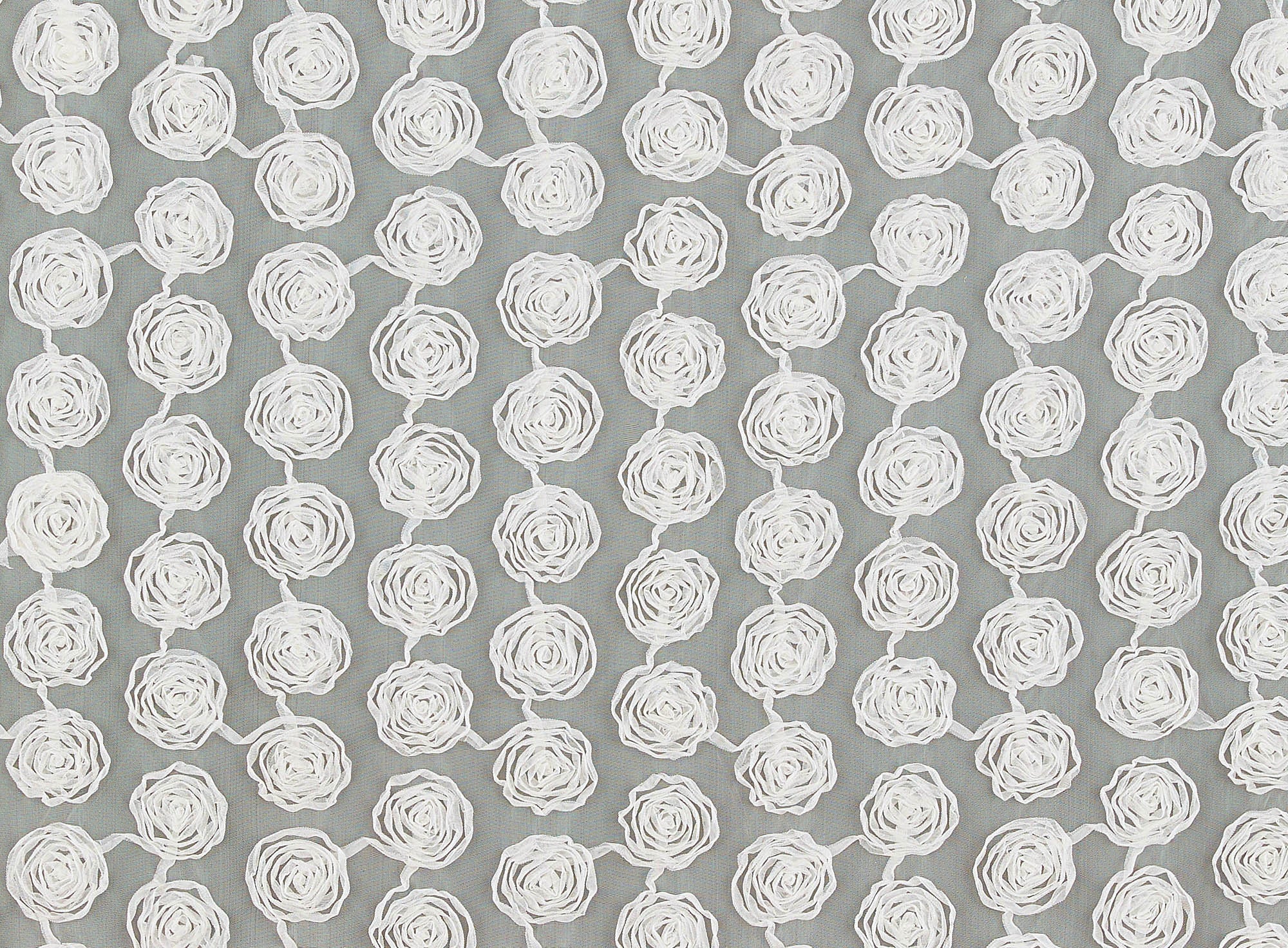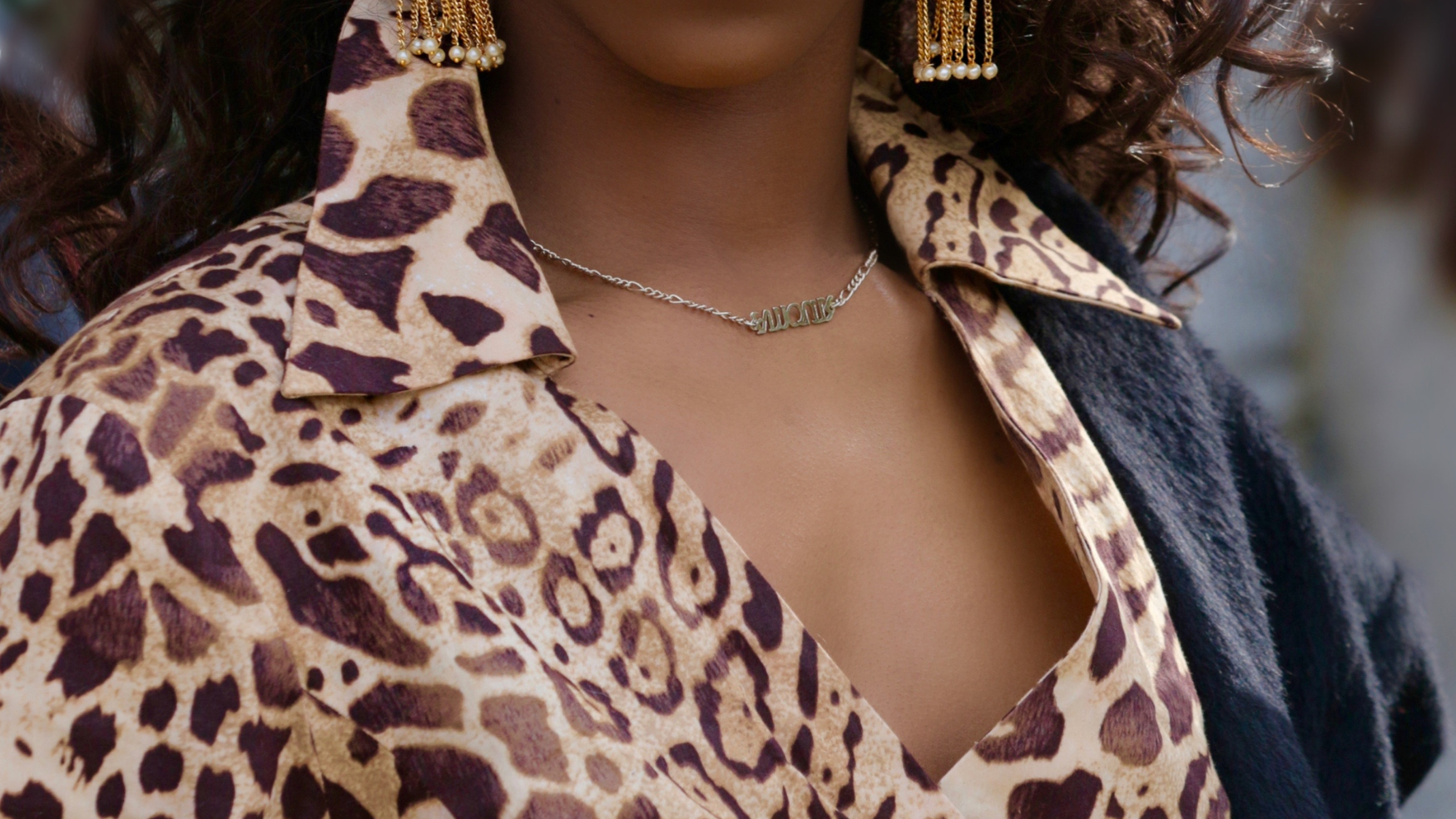
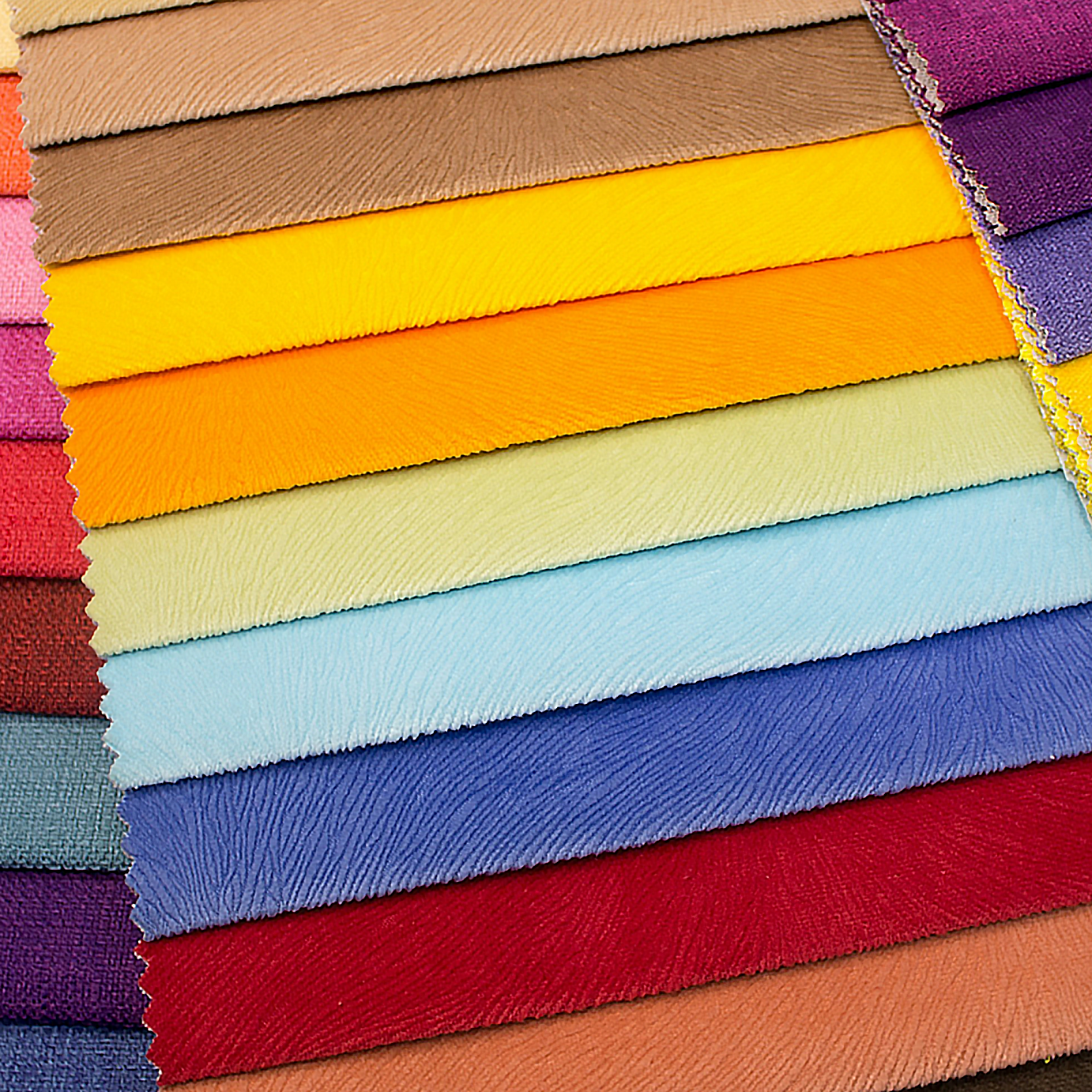

Bonded fabric combines two or more layers of material into a single composite. It is used in everything from structured fashion garments to technical outerwear. In this post, we'll cover how bonded fabrics are made, where they're used, and how to work with them.
What is bonded fabric?

Bonded fabric refers to a type of material made by combining two or more different fabrics or materials. For example, bonding a polyester knit to a polyurethane film or laminating a fleece backing to a woven shell, through a bonding process. This bonding process creates a single, composite material that leverages the properties of each individual component. The bonding is achieved using adhesives, heat, pressure, or a combination of these methods.
Let's explore them in detail:
-
Adhesive Bonding:
This involves using adhesives or glue to bond fabrics. The adhesive is applied to one or both surfaces, then heated or cured to form a durable bond.
This is one of the most common methods and works across a wide range of fabric types. It gives you good control over the finished hand feel, since the adhesive weight and spread can be adjusted.
-
Heat Bonding:
Heat bonding, also known as heat sealing, involves using heat and pressure to fuse fabrics. This can be done using heat-activated adhesives or by melting the fibers in the fabric to form a bond. It's most common in technical outerwear and performance fabrics, where a clean finish without adhesive residue matters.
-
Ultrasonic Bonding:
This method uses high-frequency ultrasonic vibrations to bond fabrics together without the need for adhesives or stitching. The vibrations create localized heat, melting the fibers and forming a bond.
Bonded fabrics can combine a wide range of materials, including different types of textiles, foams, films, and membranes. The resulting material often exhibits enhanced properties, such as improved strength, durability, water resistance, or insulation.

In fashion, bonded fabrics are loved for their versatility. They allow designers to create innovative, structured garments while incorporating diverse textures and functionalities.
Common bonded fabric constructions include bonded leather (a split leather or polyurethane face bonded to a fabric backing), bonded fleece (a fleece layer fused to a woven or knit shell), and bonded jersey (a stretch knit bonded to a second layer for added body).

Zelouf Jianna Bonded Glitter Mesh
What are bonded fabrics used for?
The short answer is a lot. Bonded construction shows up across fashion, accessories, home goods, and industrial applications. Here's where it does its best work:
1. Outerwear and Apparel:
This is probably where you'll most often encounter bonded fabric in fashion production. By combining layers, manufacturers get weather resistance, insulation, and stretch into a single material without stacking separate lining, interlining, and shell fabrics on top of each other. This allows the garments to be:
- Lighter
- Cleaner in silhouetter
- Easier to construct
Common examples include:
- Weather-resistant jackets and rainwear
- Softshell jackets
- Insulated coats and winter outerwear
- Windproof garments
- Structured fashion outerwear
One of our popular options, the Zelouf Jianna Bonded Glitter Mesh, is a good example of bonded fabric crossing into fashion-forward territory. It brings together visual texture and structural backing, something a single layer of glitter mesh wouldn't hold on its own.
This is how it looks:

2. Accessories
Dimensional stability makes bonded fabrics a natural fit for bags, luggage, and belts. A bonded material holds its shape under daily use, resists deformation, and can offer a degree of water resistance without added coatings.
Examples include:
- Many high-quality bags, backpacks, and luggage items include bonded fabrics for their strength, water resistance, and stylish appearance.
- Some belts and accessories use bonded materials for their durability and ability to maintain shape and structure.
- Bonded fabrics are used in vehicle interiors for their durability, comfort, and aesthetic appeal.
- Car Interiors, Seat covers, headliners, door panels, and other parts of car interiors often use bonded fabrics for their durability and ease of maintenance.
Many premium bags and luggage products use bonded fabrics because they help the product retain its shape, resist everyday wear, and provide a degree of water resistance without adding unnecessary weight.
Home Furnishings:
Bonded fabrics are also used in home furnishings because they are more durable, structurally sound, and visually appealing as a single material. Common applications include:
- Upholstery furniture
- Curtains and Drapes
- Dining chairs
- Decorative panels
Industrial and Technical Applications:
Bonded fabrics are used in industrial and technical settings because their engineered construction can be tailored to meet specific performance requirements.
By combining layers with different properties, manufacturers can produce materials that meet demanding standards for strength, protection, or filtration that a single-layer fabric couldn't achieve on its own.
Common examples include:
- Surgical drapes and disposable medical gowns
- Protective workwear and safety clothing
- Filtration membranes and air filtration systems
- Geotextiles used in construction and civil engineering
- Automotive insulation and noise-dampening panels
Our Zelouf Bonded ITY Jersey Knit is a good example of a fashion-forward construction that also delivers real performance. It combines the stretch of ITY with a bonded second layer for added structure.

What are some tips for working with bonded fabric?
Working with bonded fabric requires attention to certain techniques and considerations due to its composite nature and specific characteristics. Here are some tips for working with bonded fabrics:
1. Use the Right Tools:
Sharp scissors or a rotary cutter are non-negotiable here. Dull blades snag the bonded layers and compromise the edge. For sewing, use a ballpoint for stretch or knit-based bonded fabrics, since it passes between fibers rather than piercing them. For woven-bonded fabrics, a universal or sharp needle is the better call.
2. Test Before You Sew:
Run a test on scraps first. Bonded fabrics can behave unpredictably with certain thread weights, stitch lengths, or tension settings. A quick test saves you from discovering problems mid-production.
3. Be Careful With Heat
Bonded fabrics can be heat-sensitive, especially constructions that use polyurethane films or heat-activated adhesives. Press with a cloth between the iron and the fabric, use a low heat setting, and always test a small area before pressing an entire panel. Direct steam can leave water marks or weaken bonds in certain materials.
4. Reinforce Your Seams
Bonded fabrics experience stress at seam lines, especially in garments with fitted silhouettes or frequent movement. Finishing seams with a serger, a zigzag stitch, or a seam sealant adds durability and helps keep the layers from separating at stress points over time.
5. Handle With Care During Curring
Rough handling can cause layers to shift or partially separate before you even get to the machine. Avoid excessive stretching while cutting, and pay attention to nap or pattern direction across both layers so the finished pieces line up correctly.
6. Use Compatible Adhesives:
If your construction calls for additional adhesives at any point, make sure they're compatible with the existing bond. Incompatible adhesives can weaken the original bond or cause delamination down the line.
7. Pin and Mark Carefully:
Excessive pinning through bonded layers can leave permanent holes, especially on smooth-faced fabrics. Clips or temporary fabric adhesive are better options for holding pieces in place while you work.
8. Finish Edges Cleanly:
When hemming or finishing edges, fold and stitch carefully to preserve the integrity of both layers. A clean hem on bonded fabric looks polished and also keeps the layers from peeling back at the edges with wear or washing.
9. Read Manufacturer Instructions:
Always refer to the manufacturer's instructions or guidelines specific to the bonded fabric you're using. They may provide valuable tips or precautions tailored to that particular material.
10. Laundering
For laundry, most bonded fabrics should be machine-washed on a gentle/cold cycle or dry cleaned, depending on the face fabric. Avoid high-heat tumble drying, which can weaken the adhesive bond and cause delamination over time.
Tip: Always check the care label to know the exact care instructions.
By following these tips and taking care when working with bonded fabrics, you can enhance the durability and appearance of your projects while making the most of the unique properties offered by these composite materials.
Where can I buy bonded fabric?
At Zelouf Fabrics, we carry dozens of bonded fabric constructions, available wholesale or by the yard. Our collection covers fashion-forward options and performance-ready materials. Browse the full collection, or order a FREE swatch (just pay shipping) to feel the construction before you commit.