
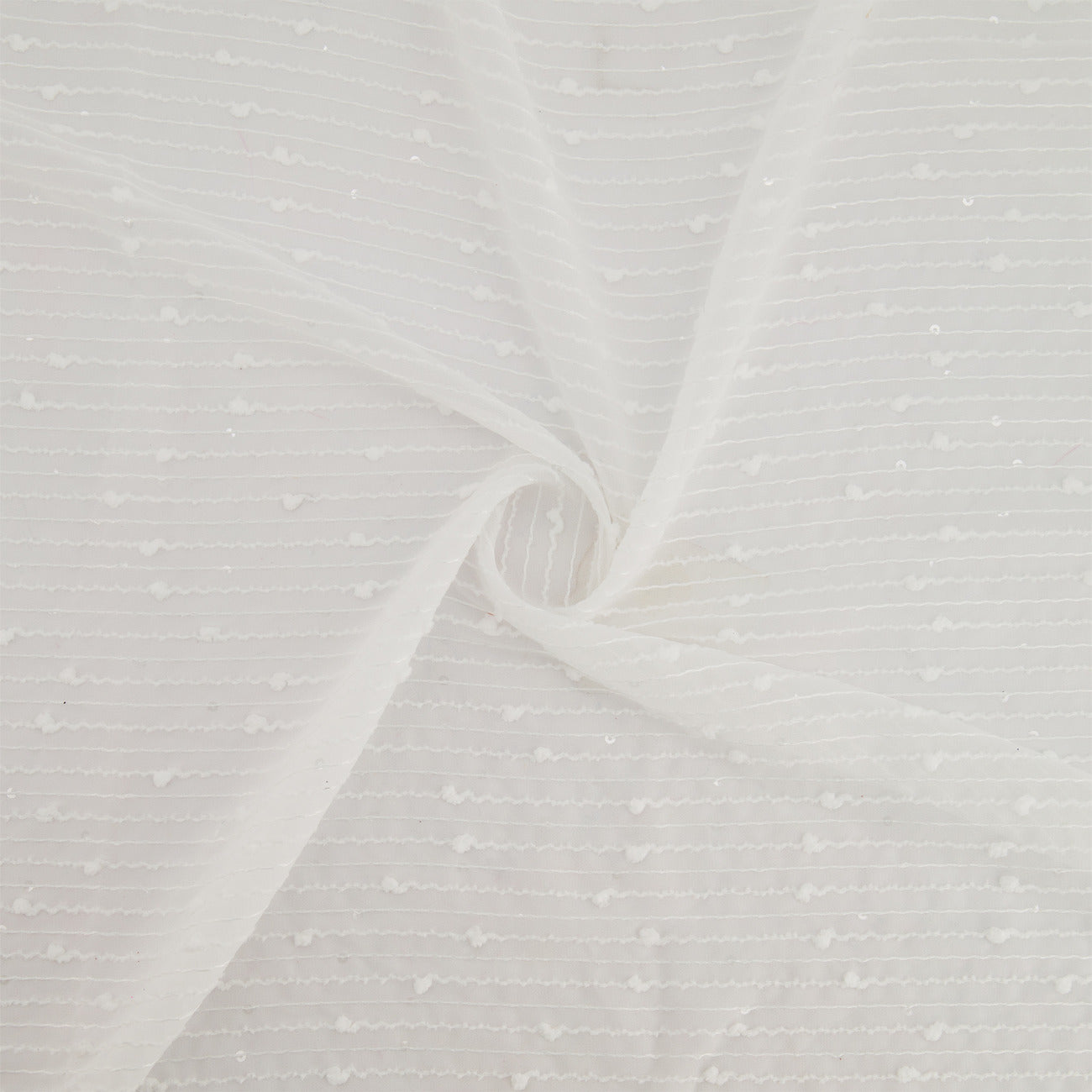
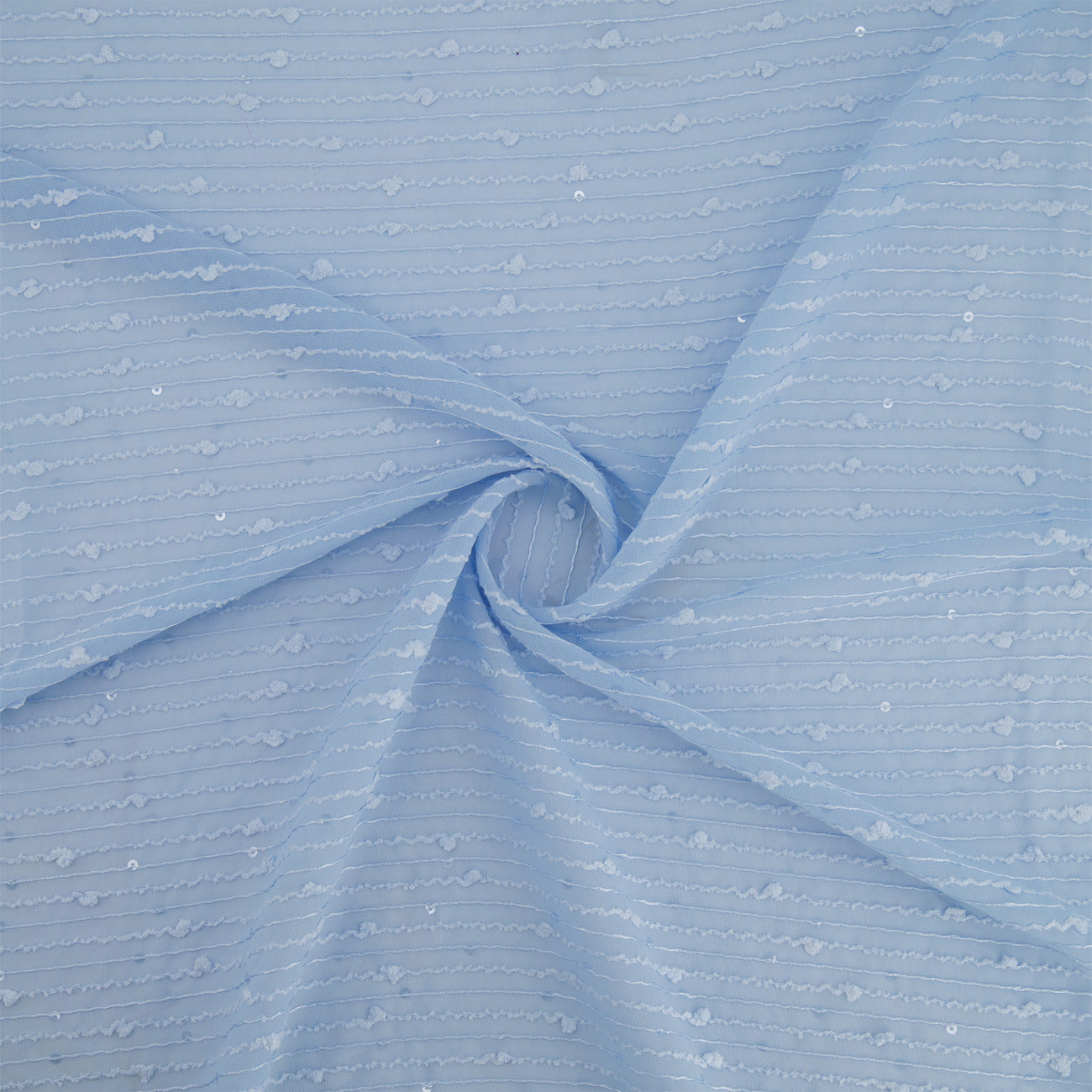
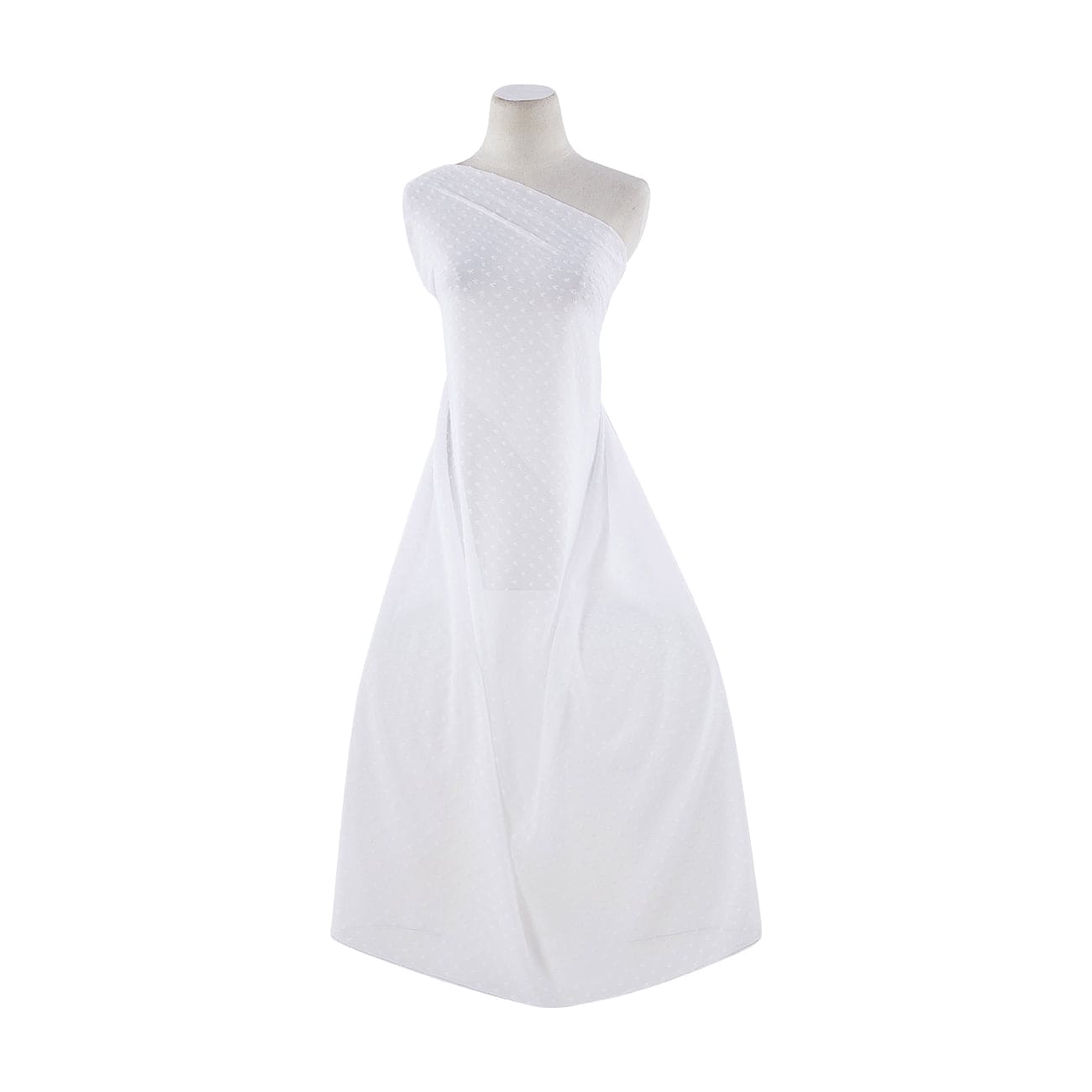
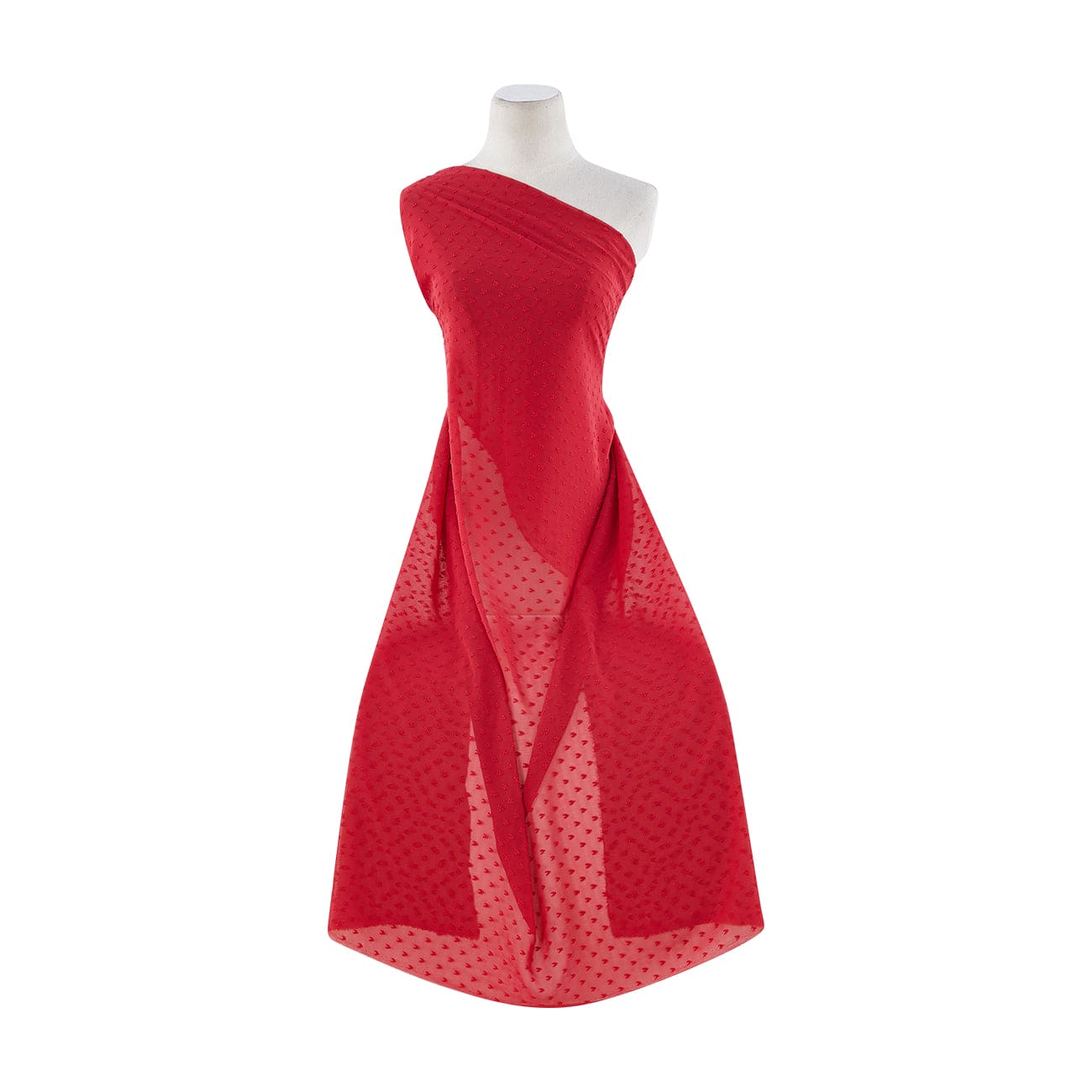
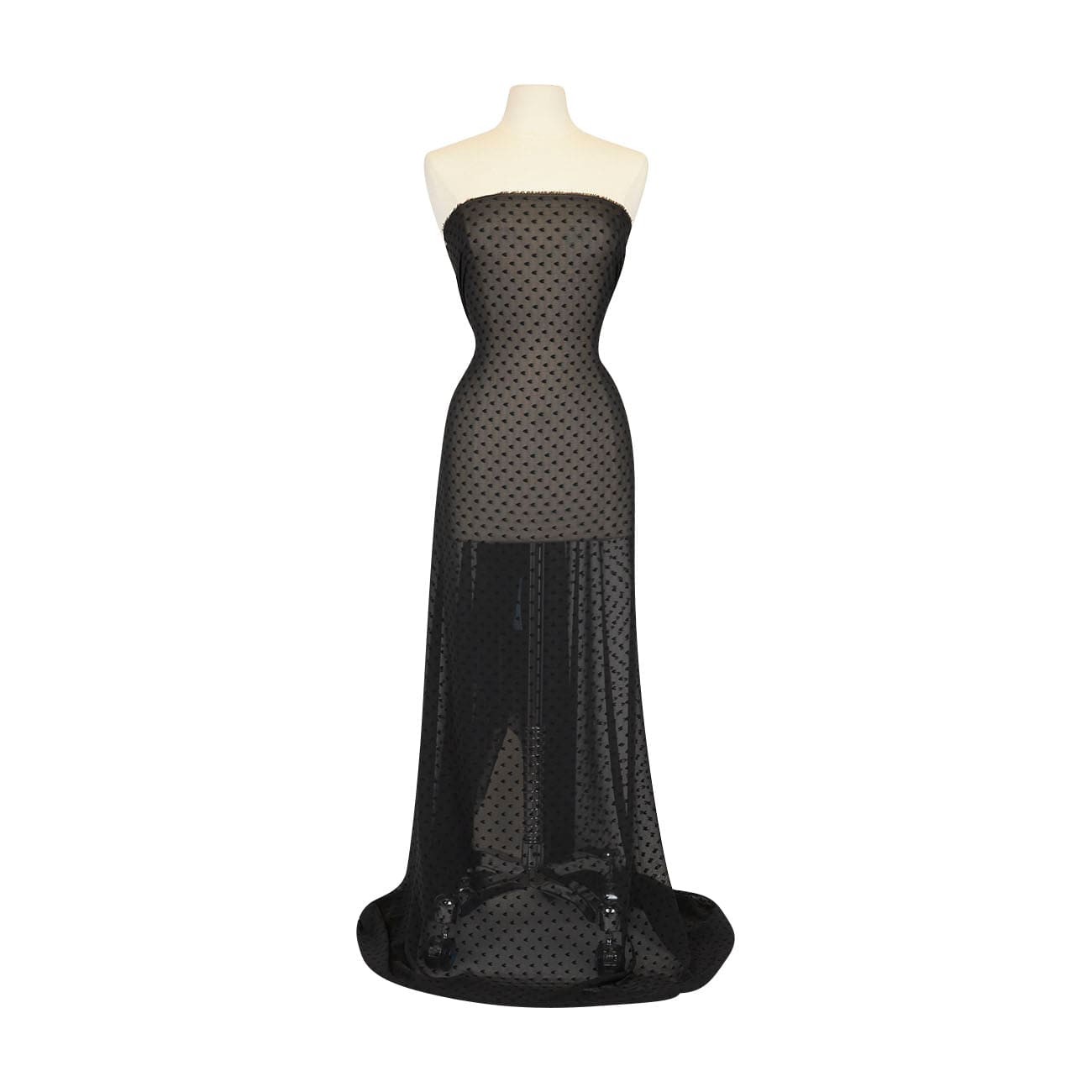
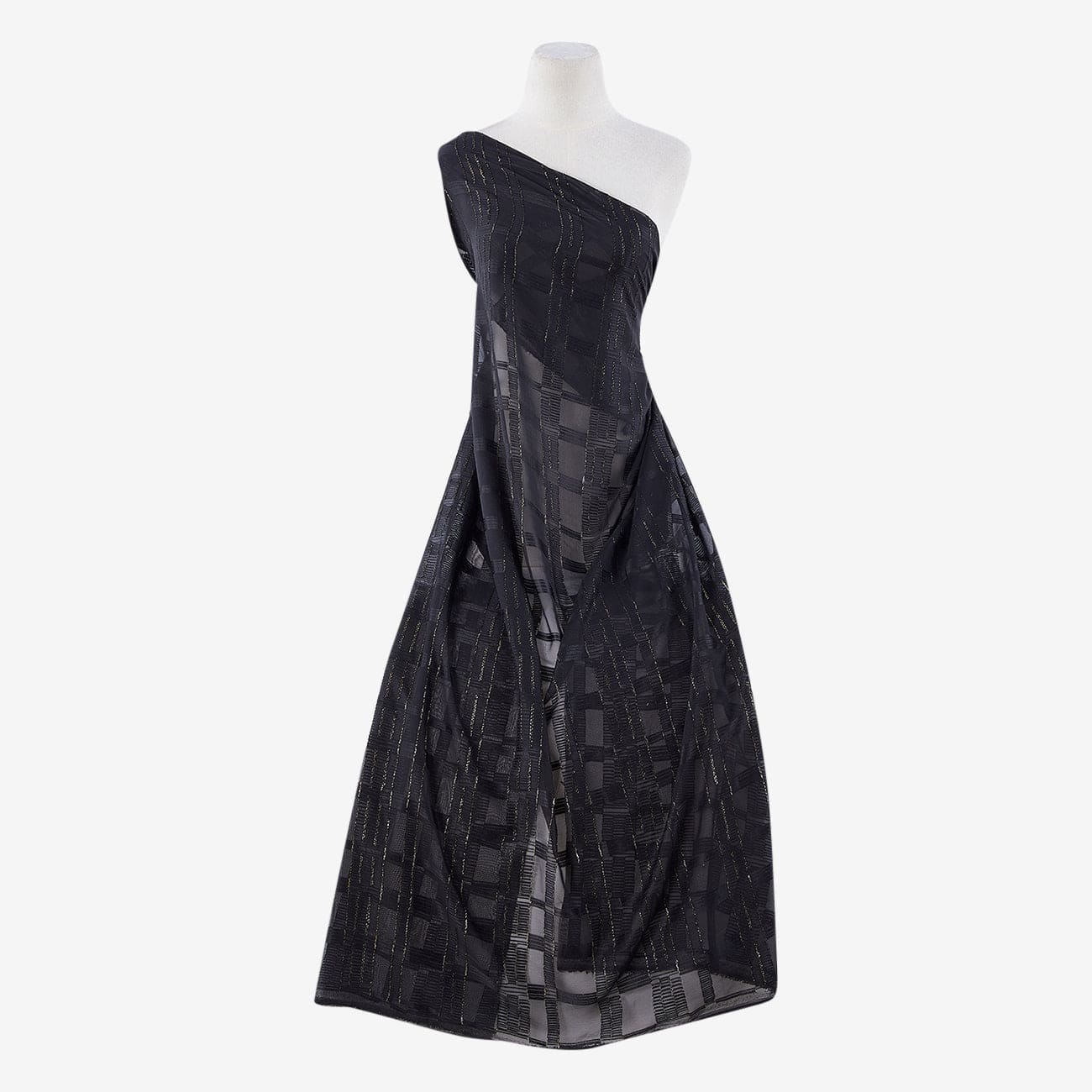
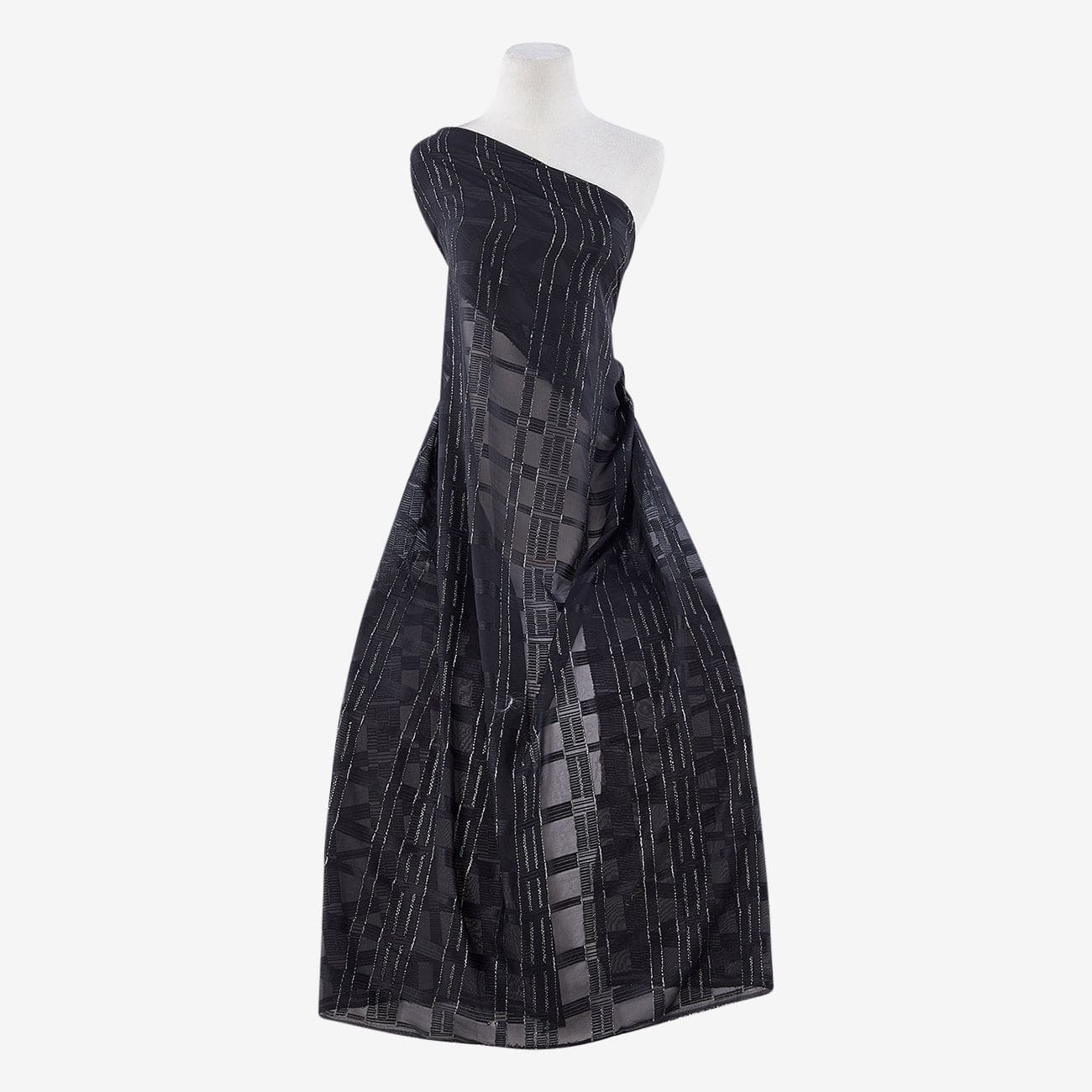
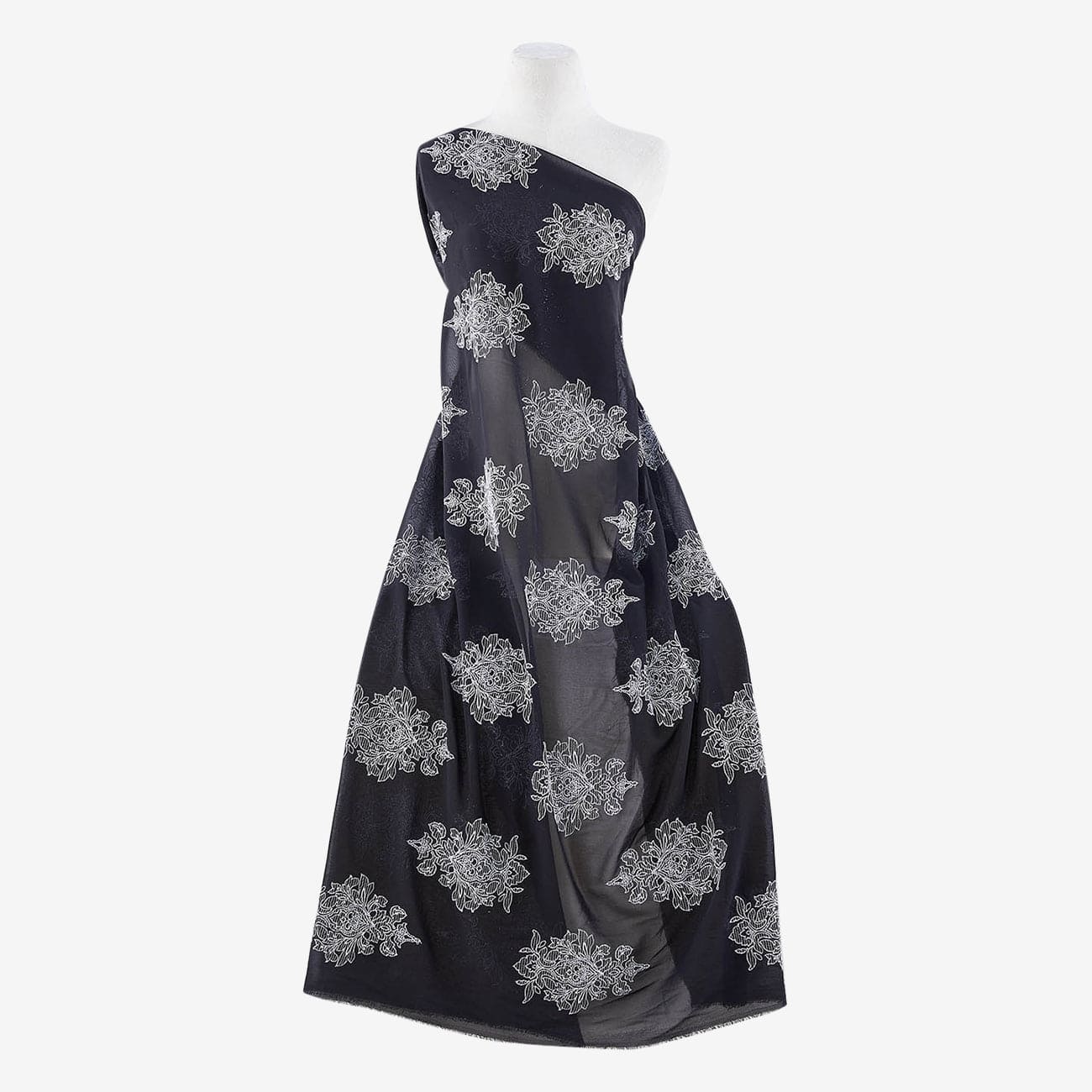
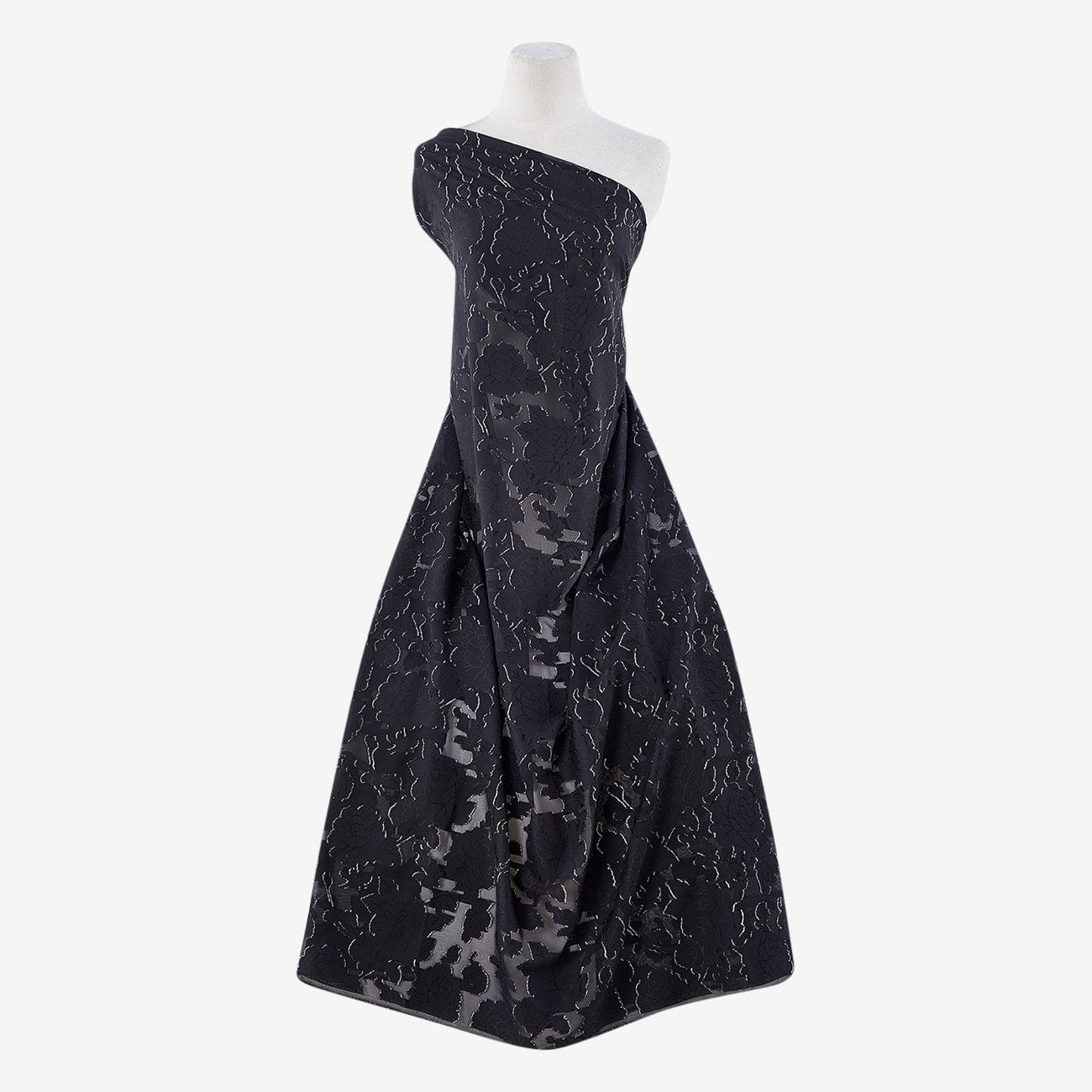
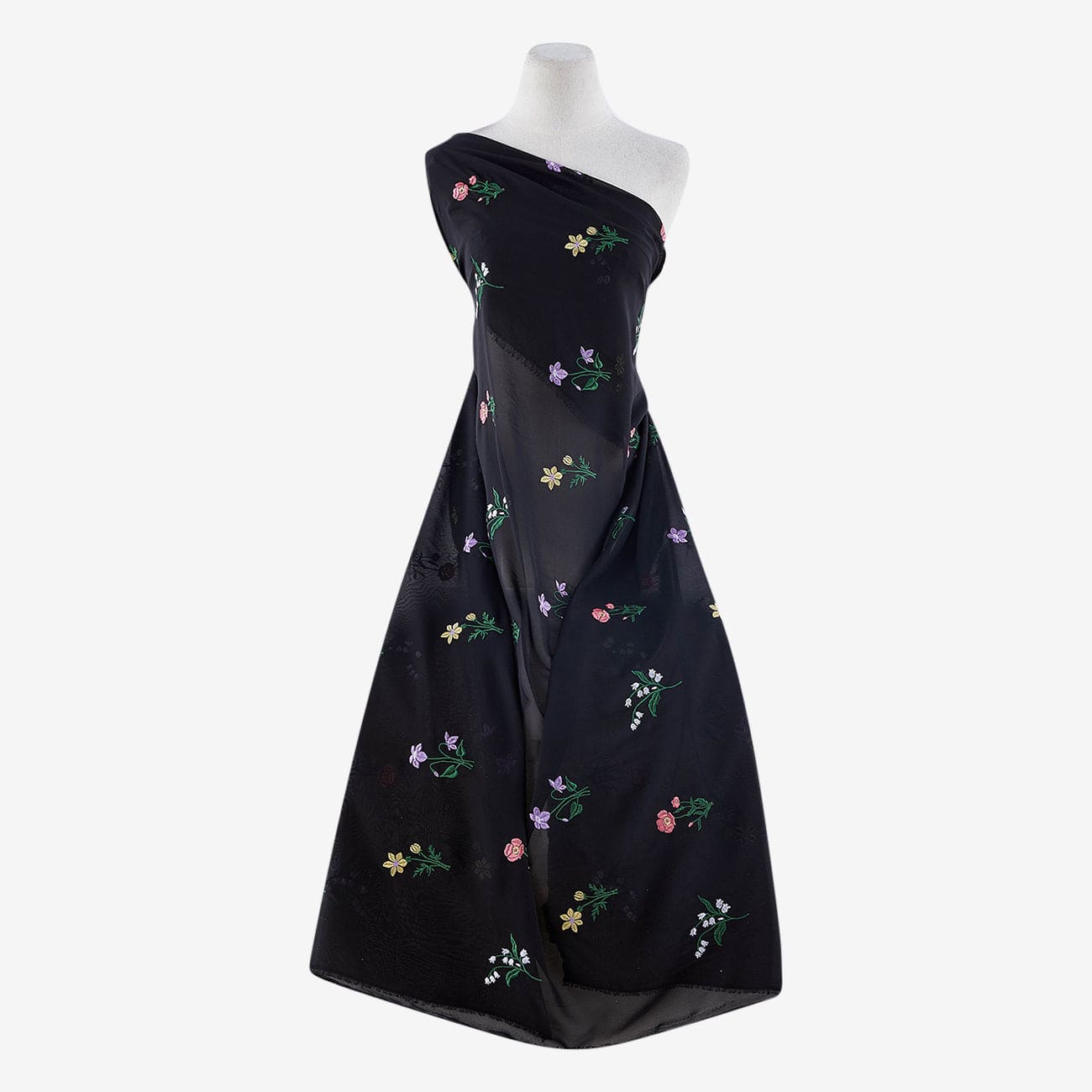
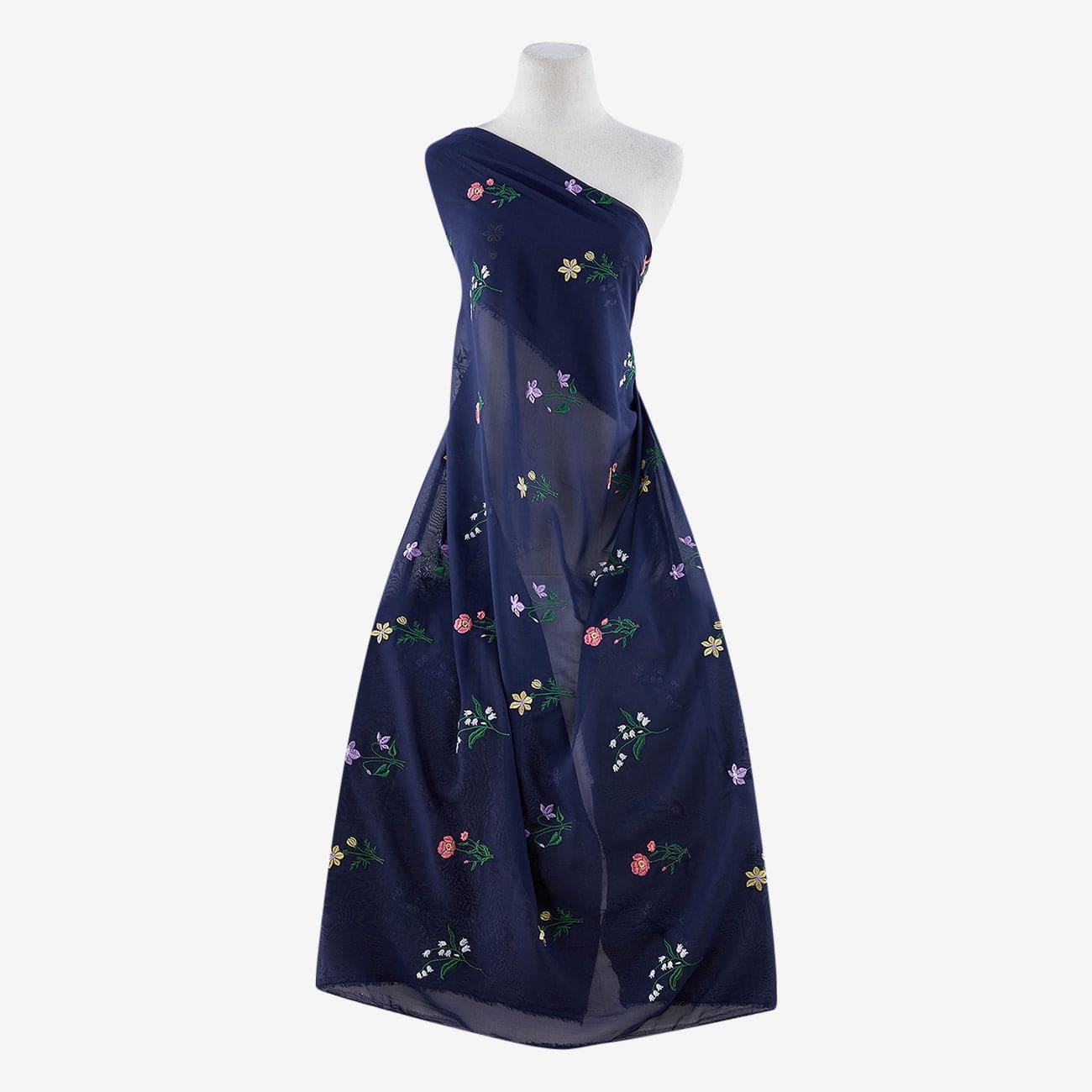
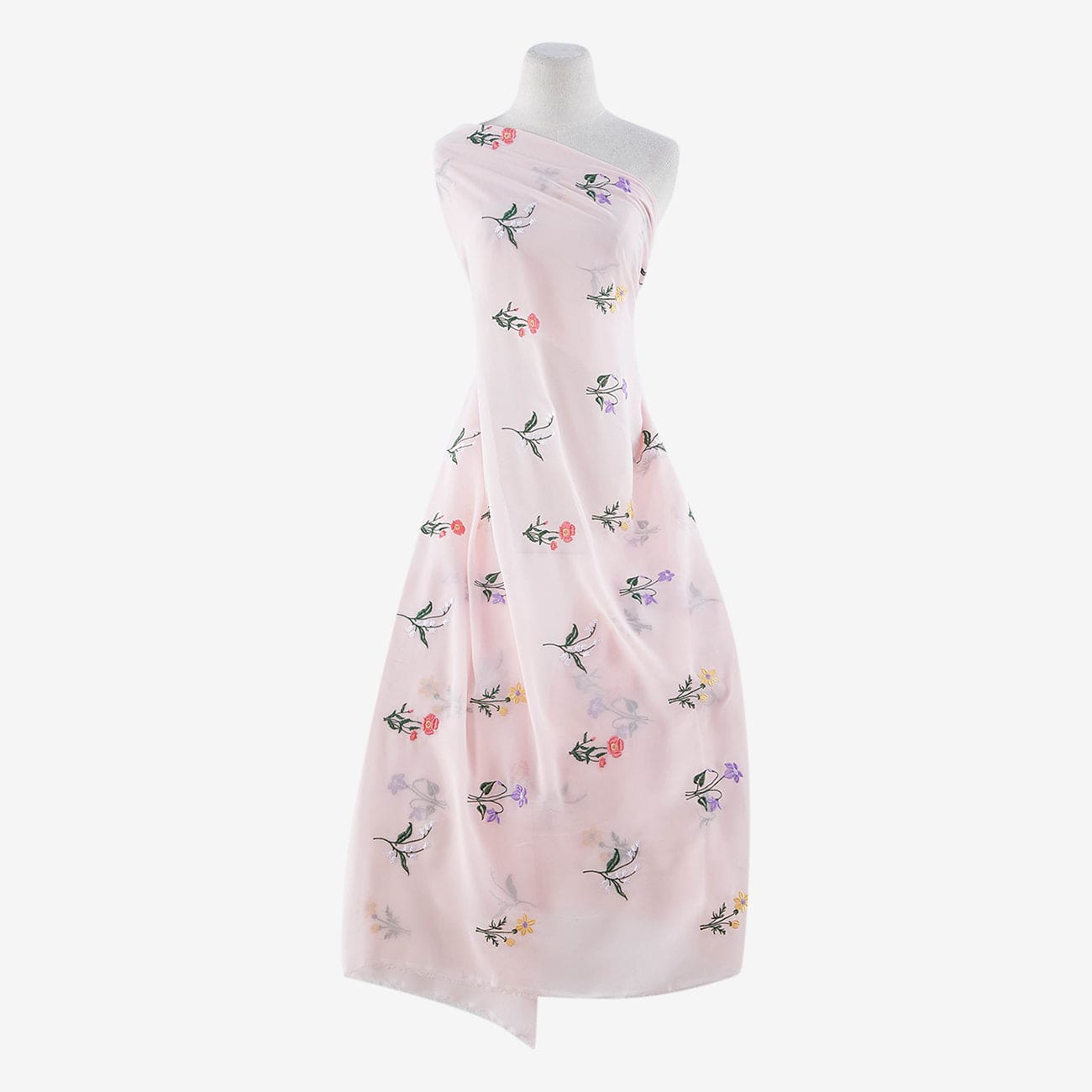
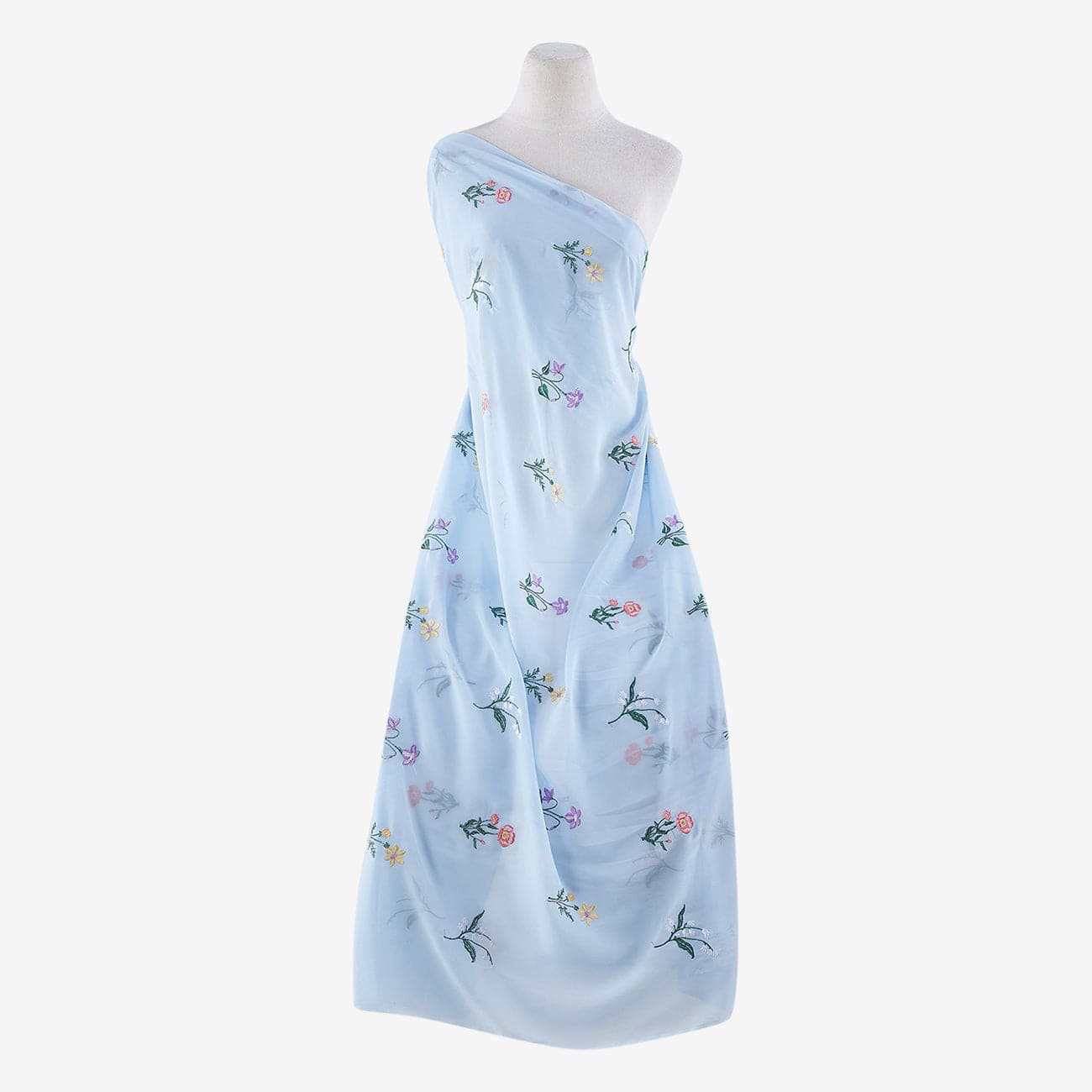
How to Use Embroidered Chiffon Fabric in Fashion Design
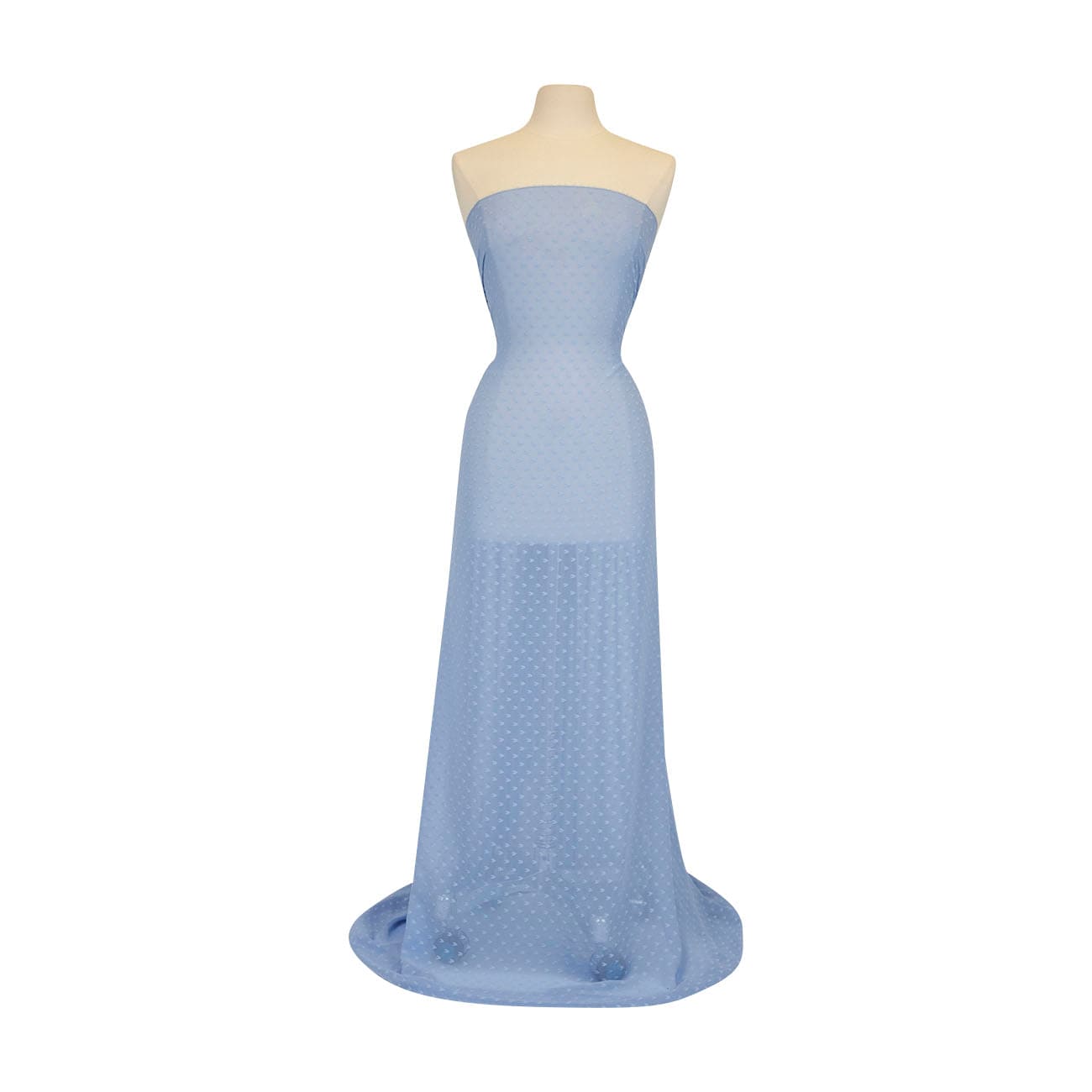
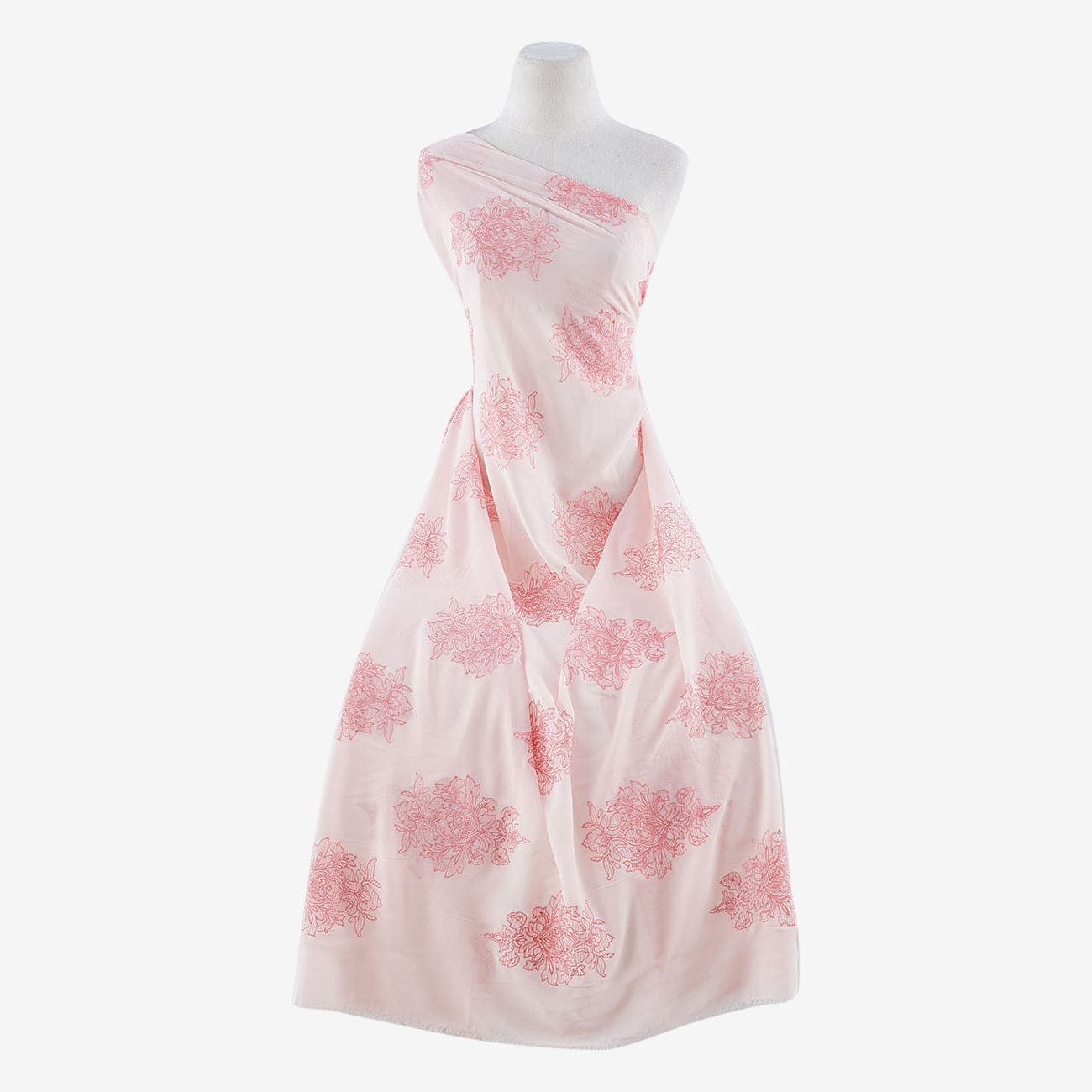
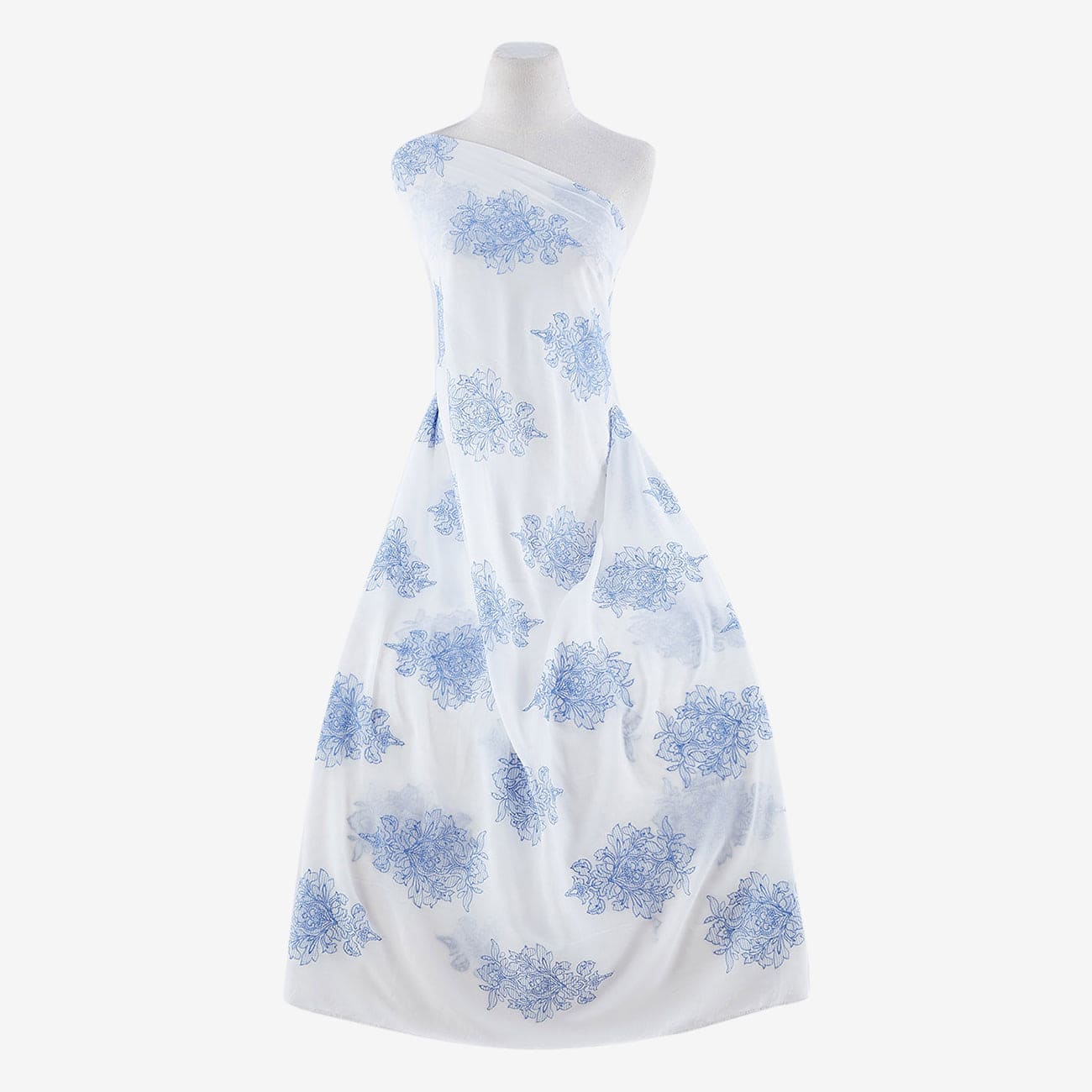
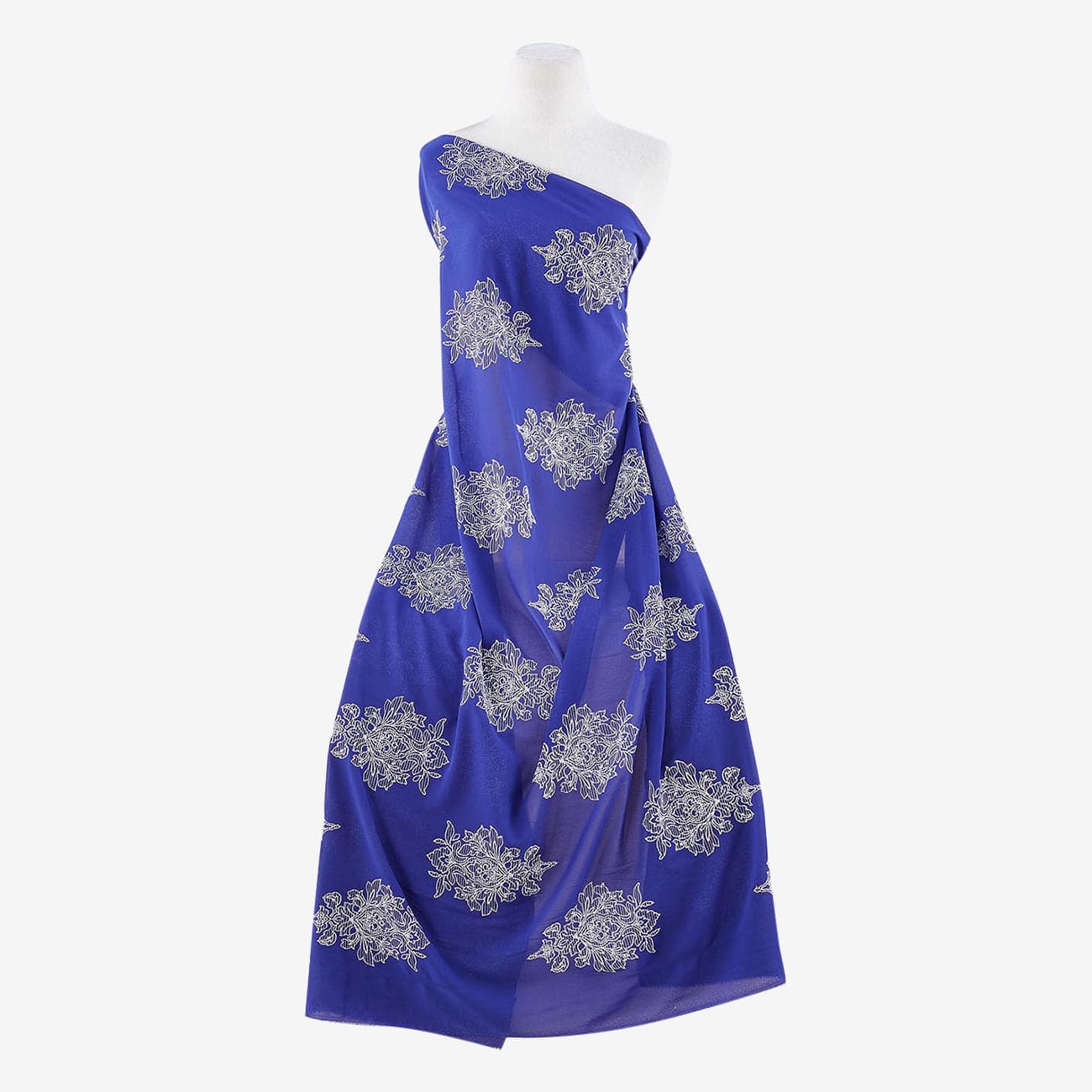
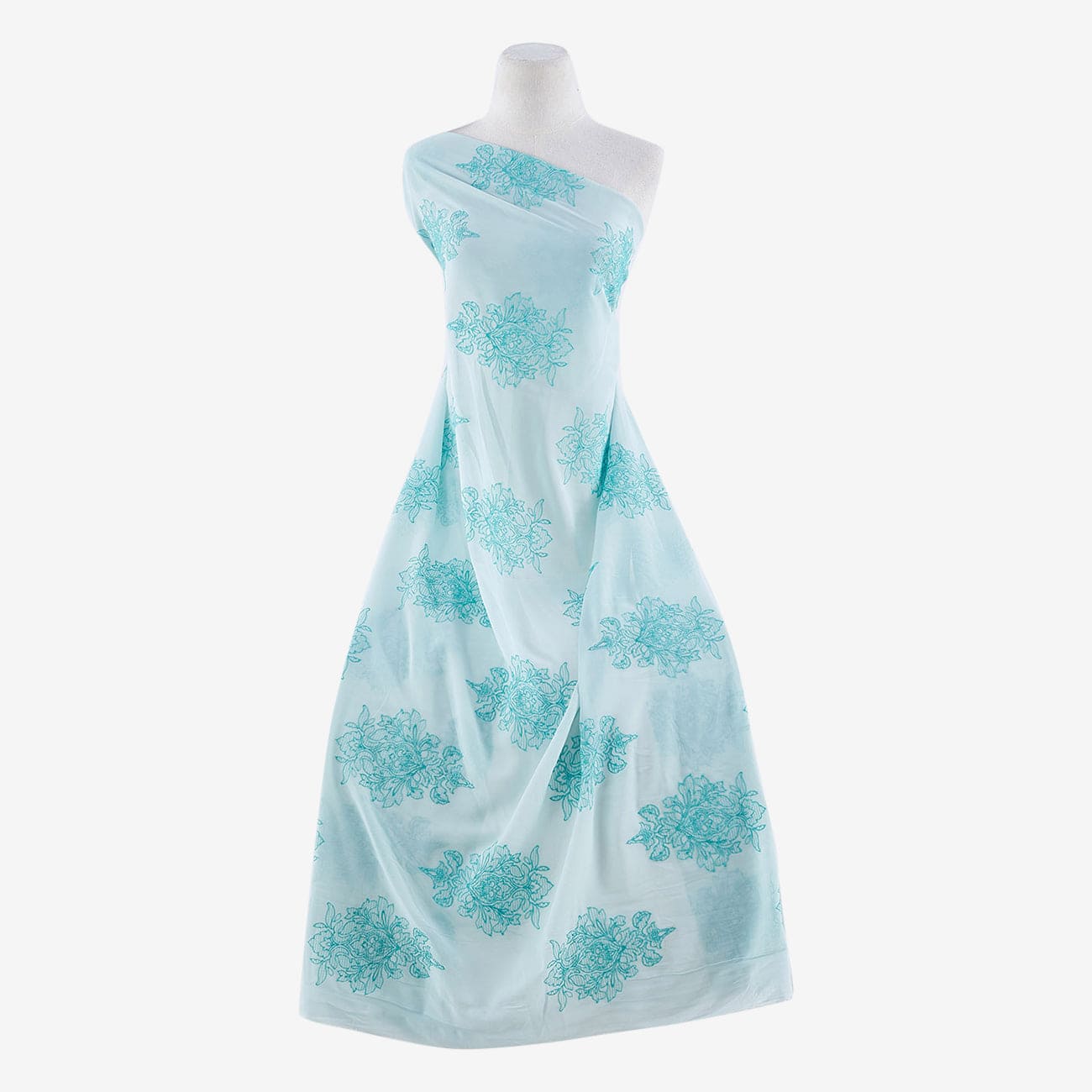
Embroidered chiffon demands a thoughtful approach to design — the embroidery itself is the primary design element, and the silhouette, construction, and styling should be chosen to showcase rather than compete with the surface work. The most successful embroidered chiffon designs are those where the construction is restrained enough to let the embroidery speak, and the silhouette is generous enough to allow the full pattern to read as intended.
Bridal Gowns and Veils
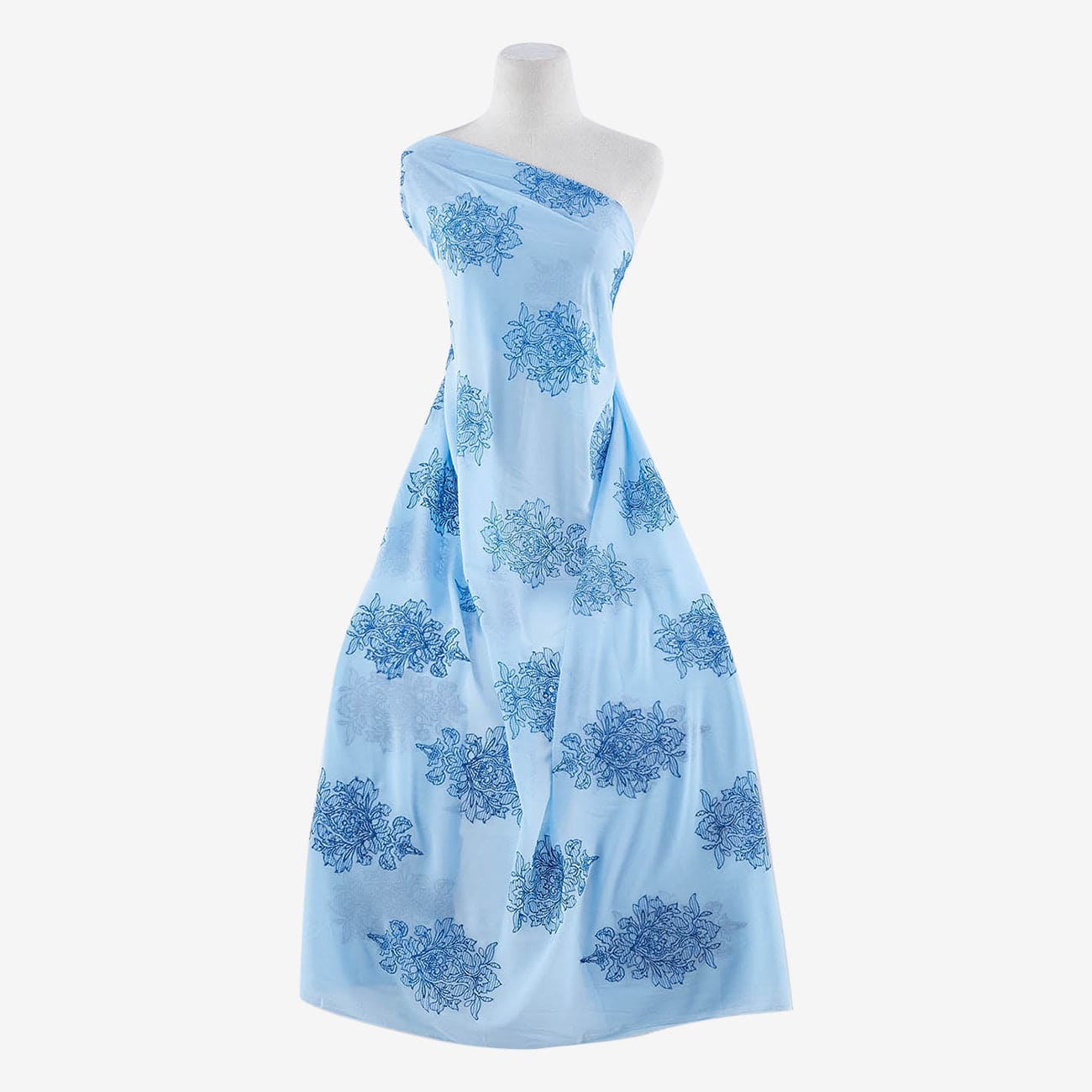
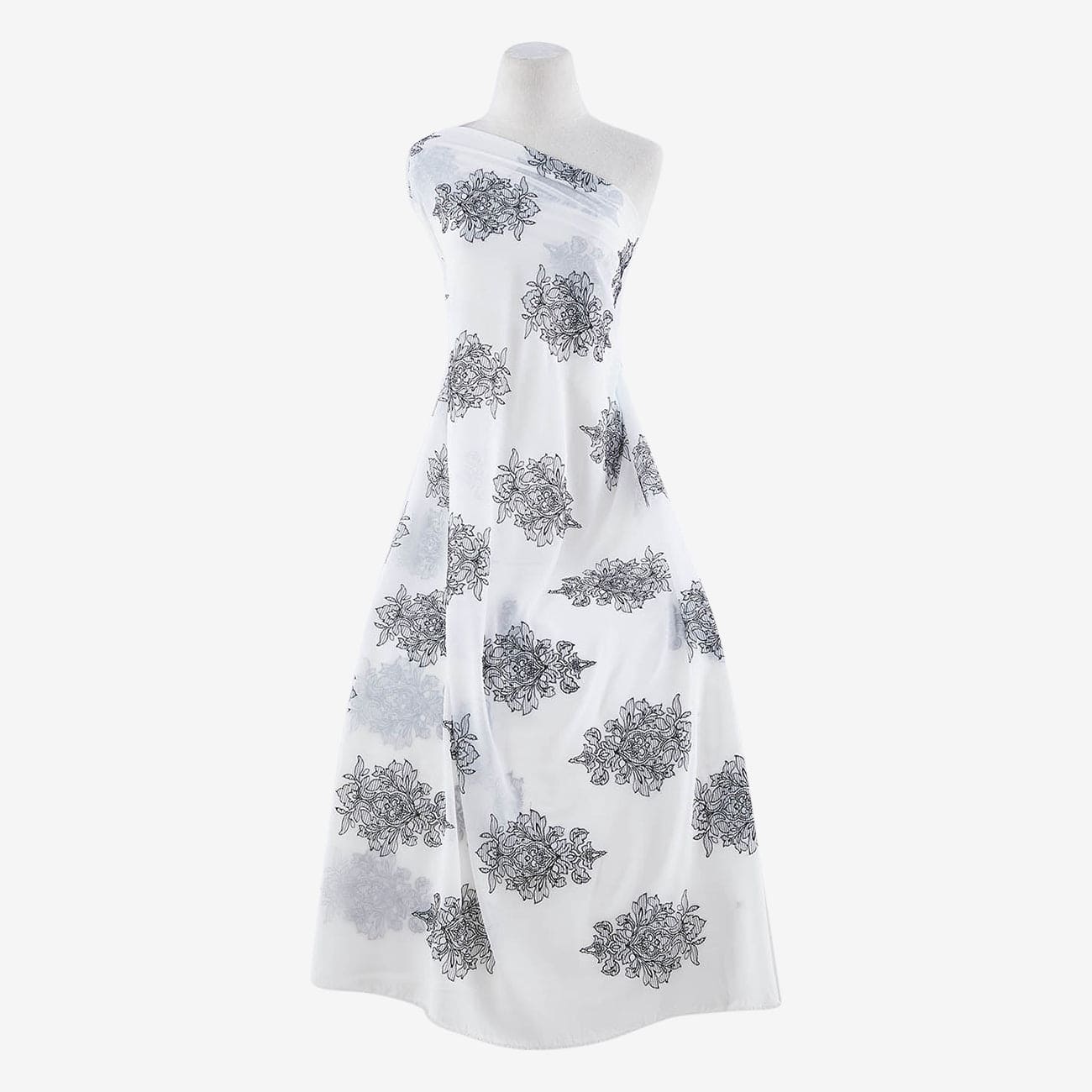
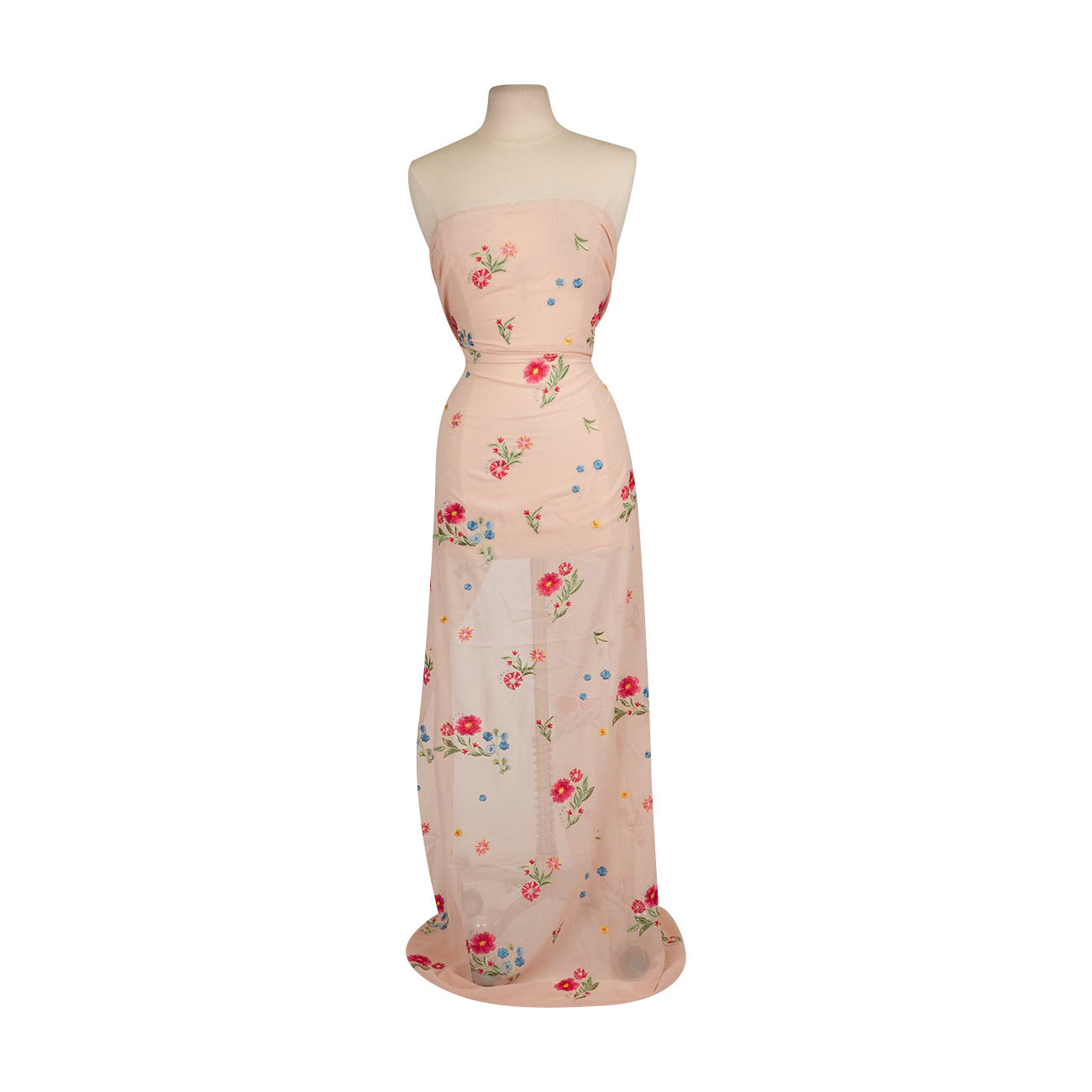
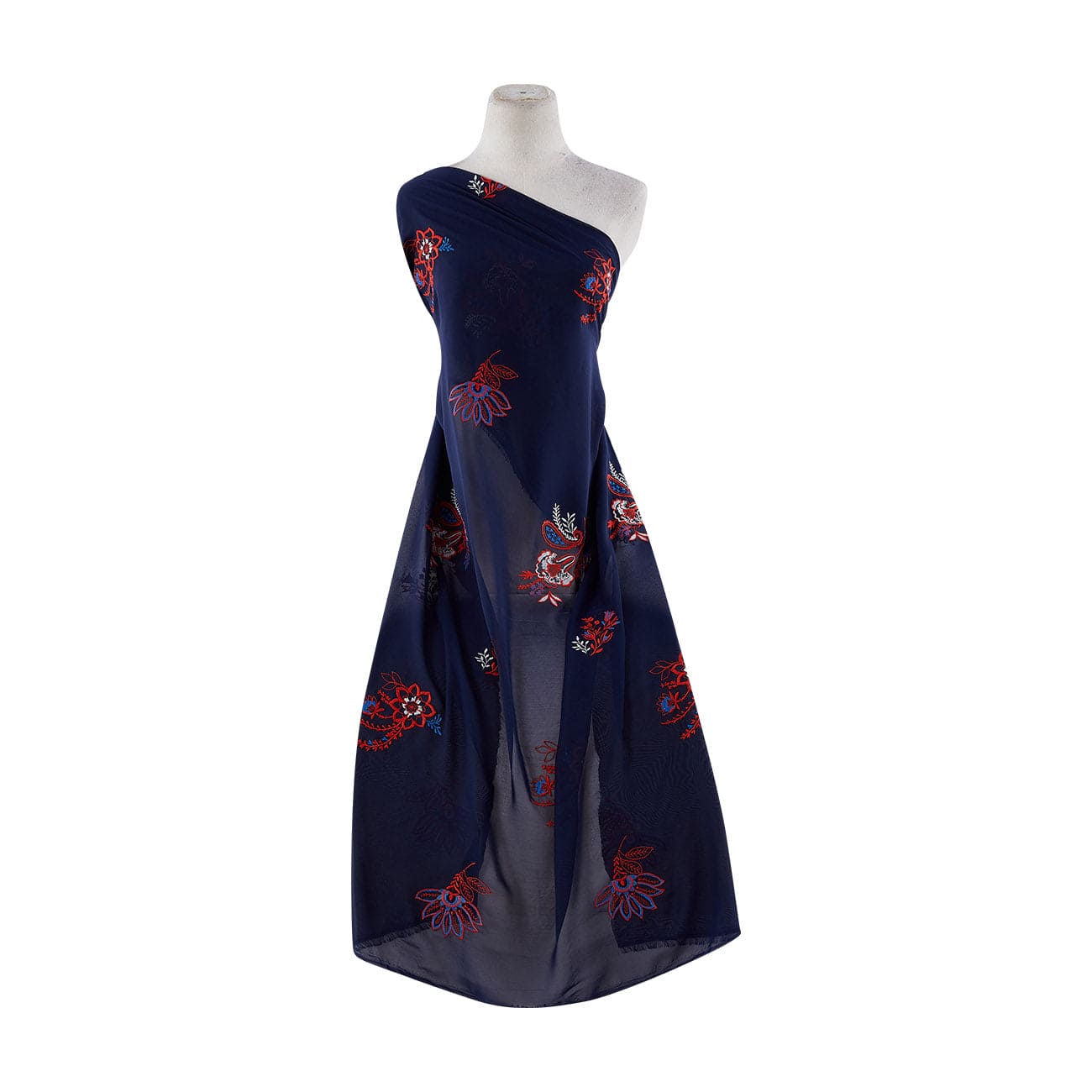
Embroidered chiffon is a bridal fabric of the highest order. Delicate floral thread work on a sheer ivory or white chiffon base creates a garment that reads as both romantic and artisanal — the embroidery catches light differently as the wearer moves, and the sheer base gives the work an ethereal quality that opaque embroidered fabrics cannot match. Use it for full skirt panels, overlay bodices, cathedral trains, and long veils where the embroidery can be seen across its full repeat.
Formal and Evening Wear
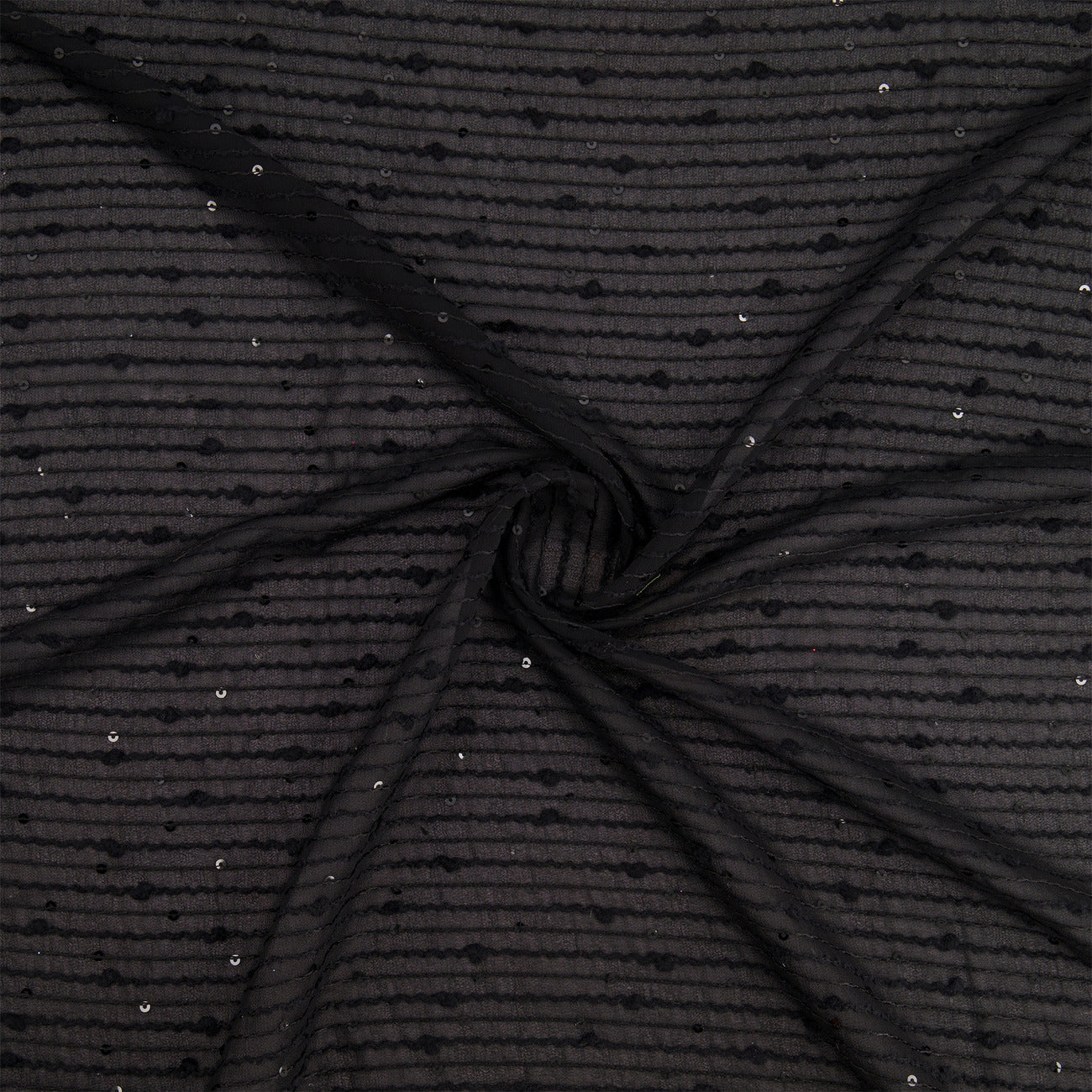
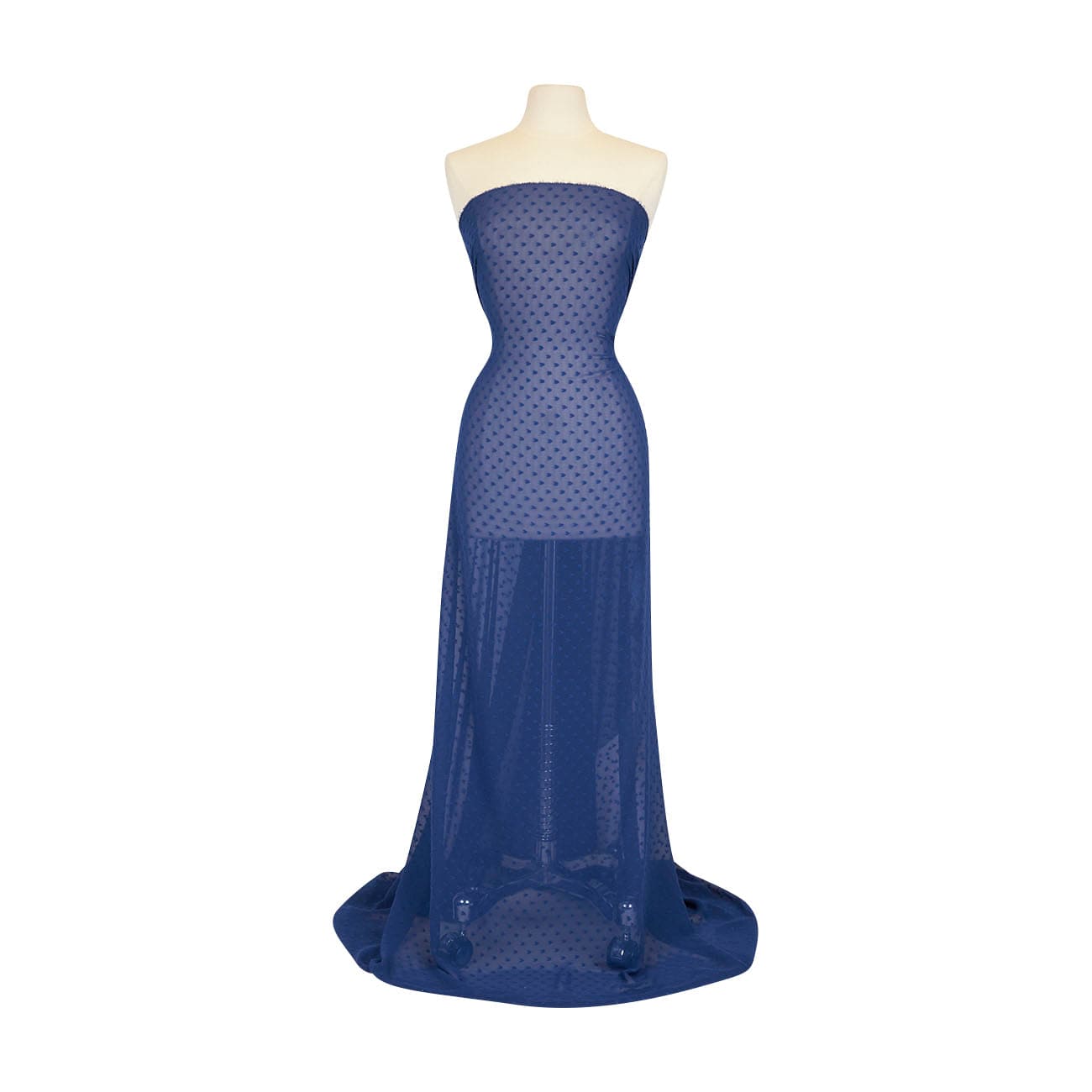
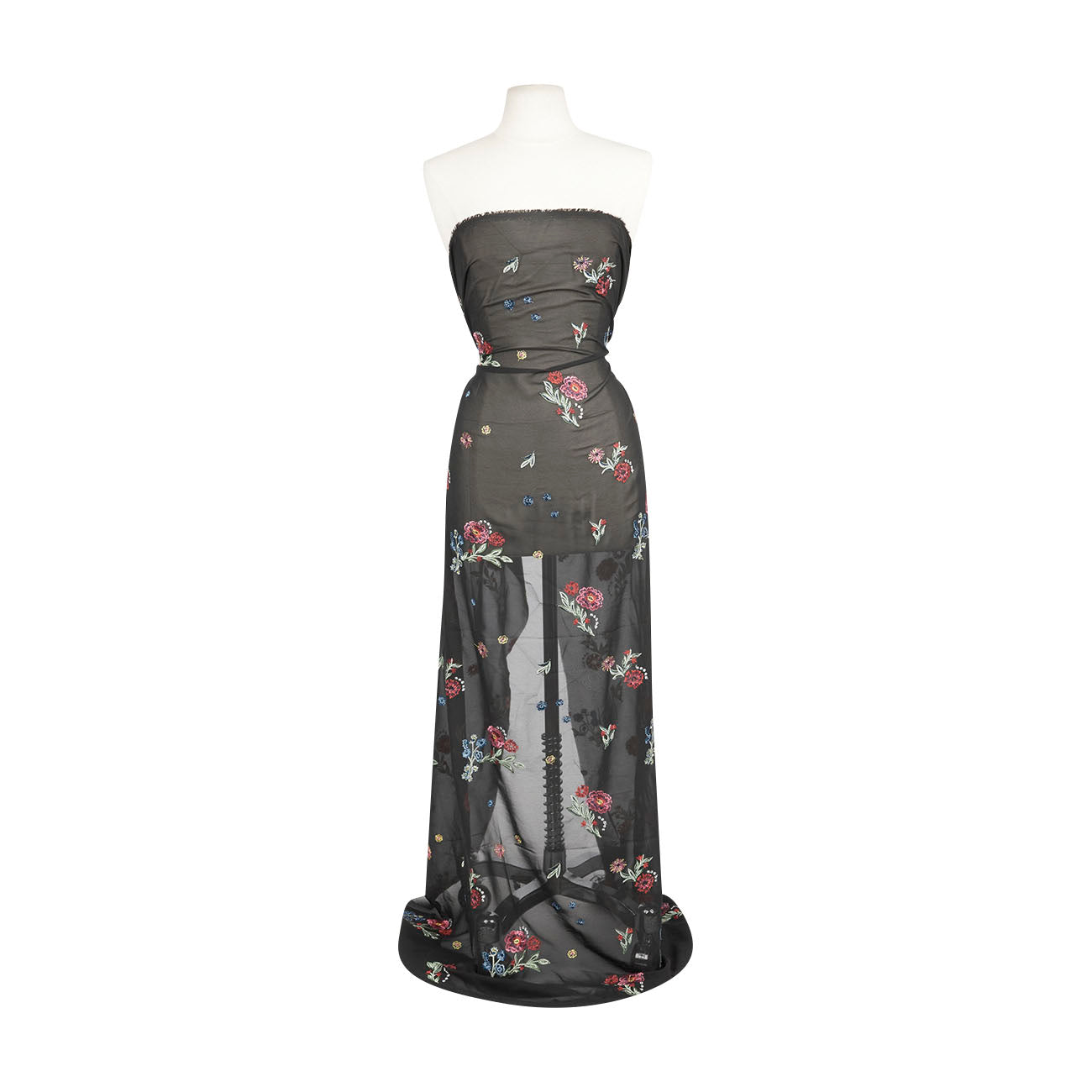
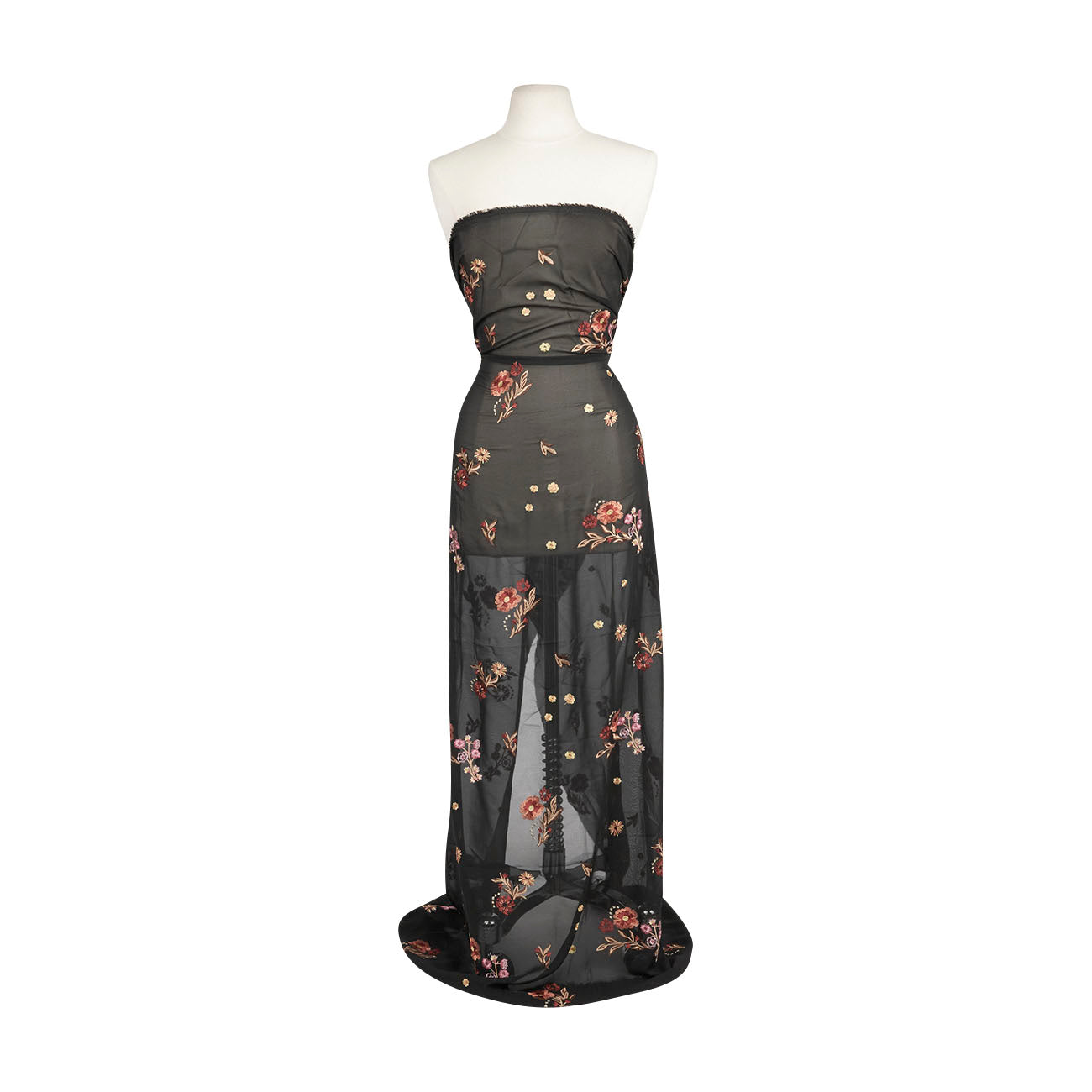
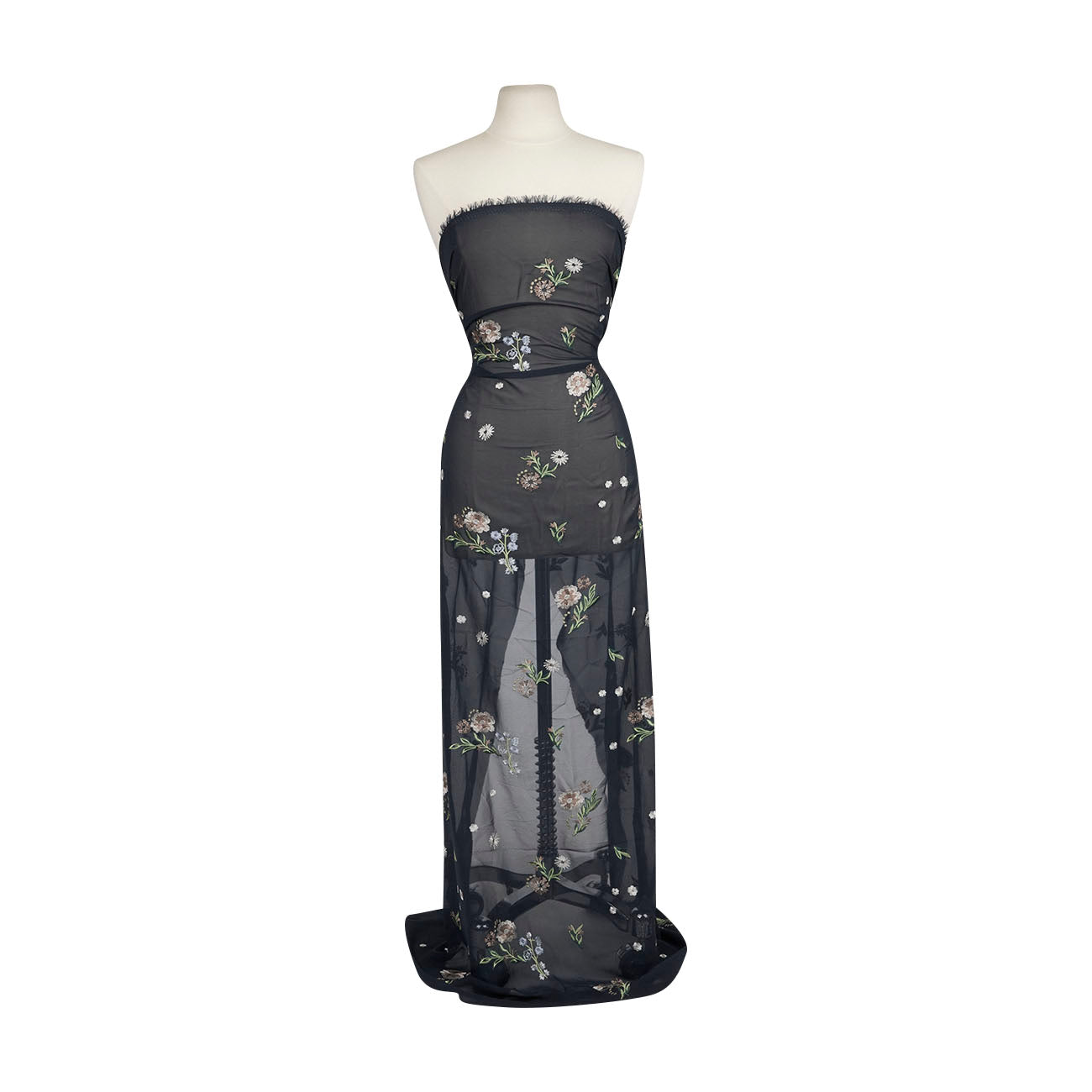
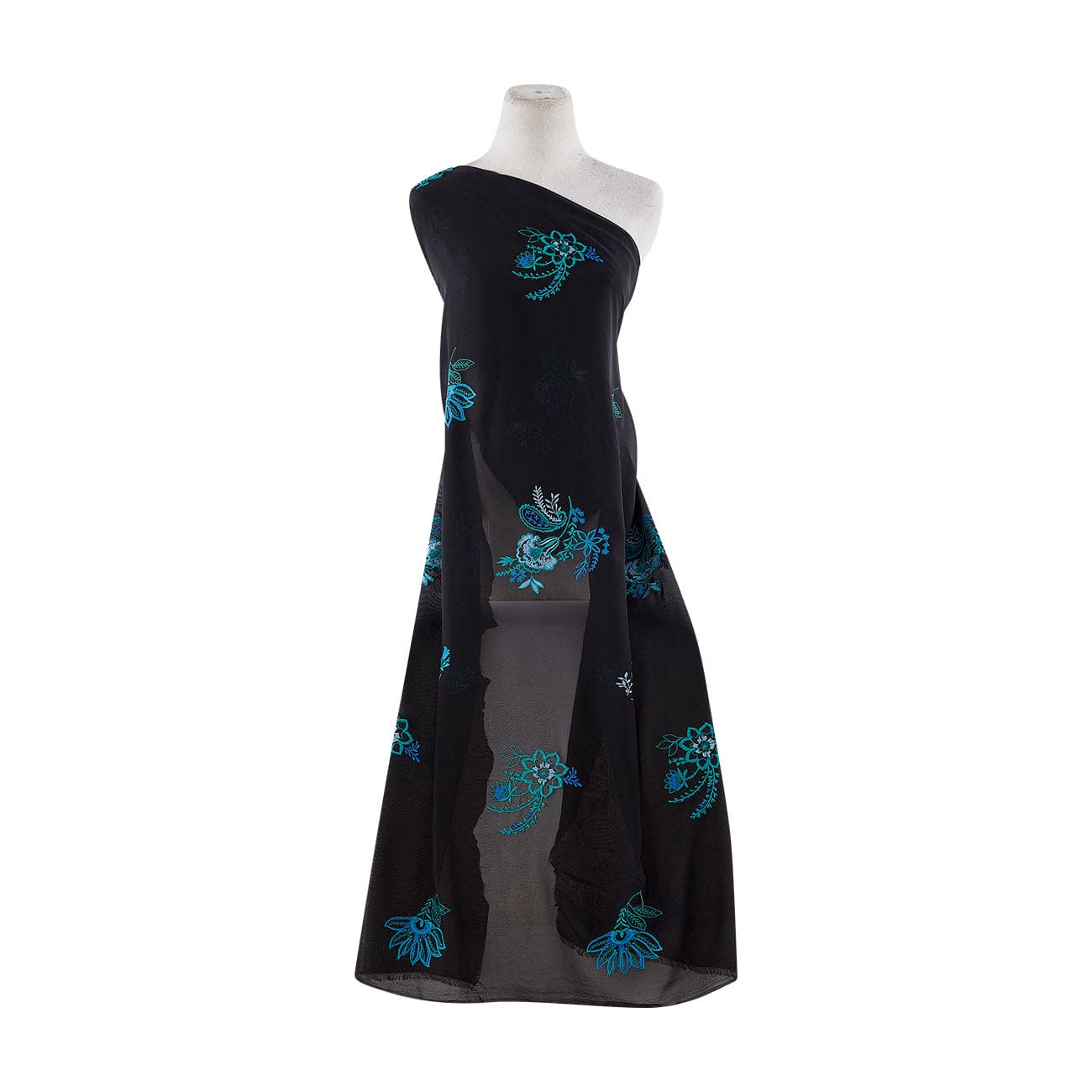
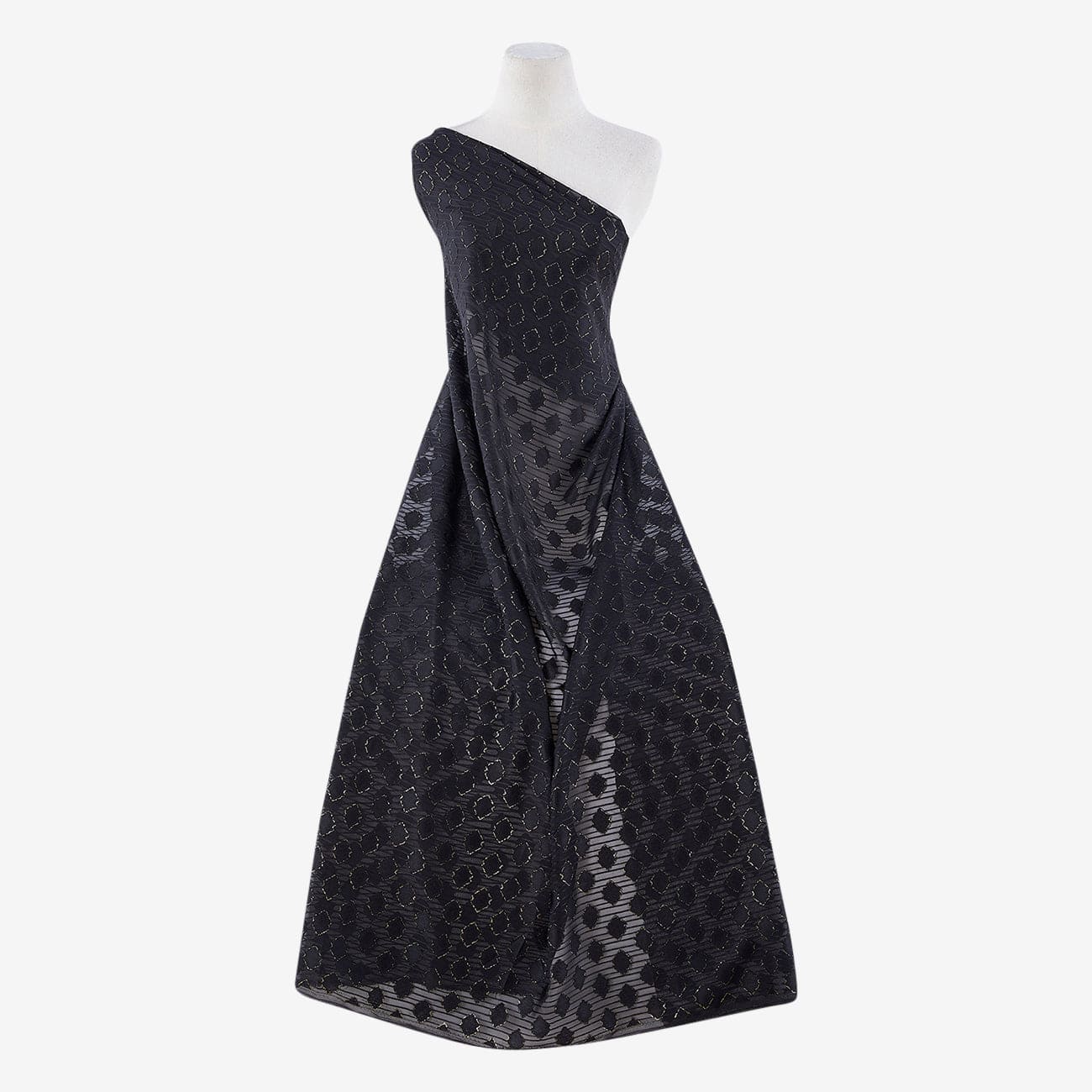
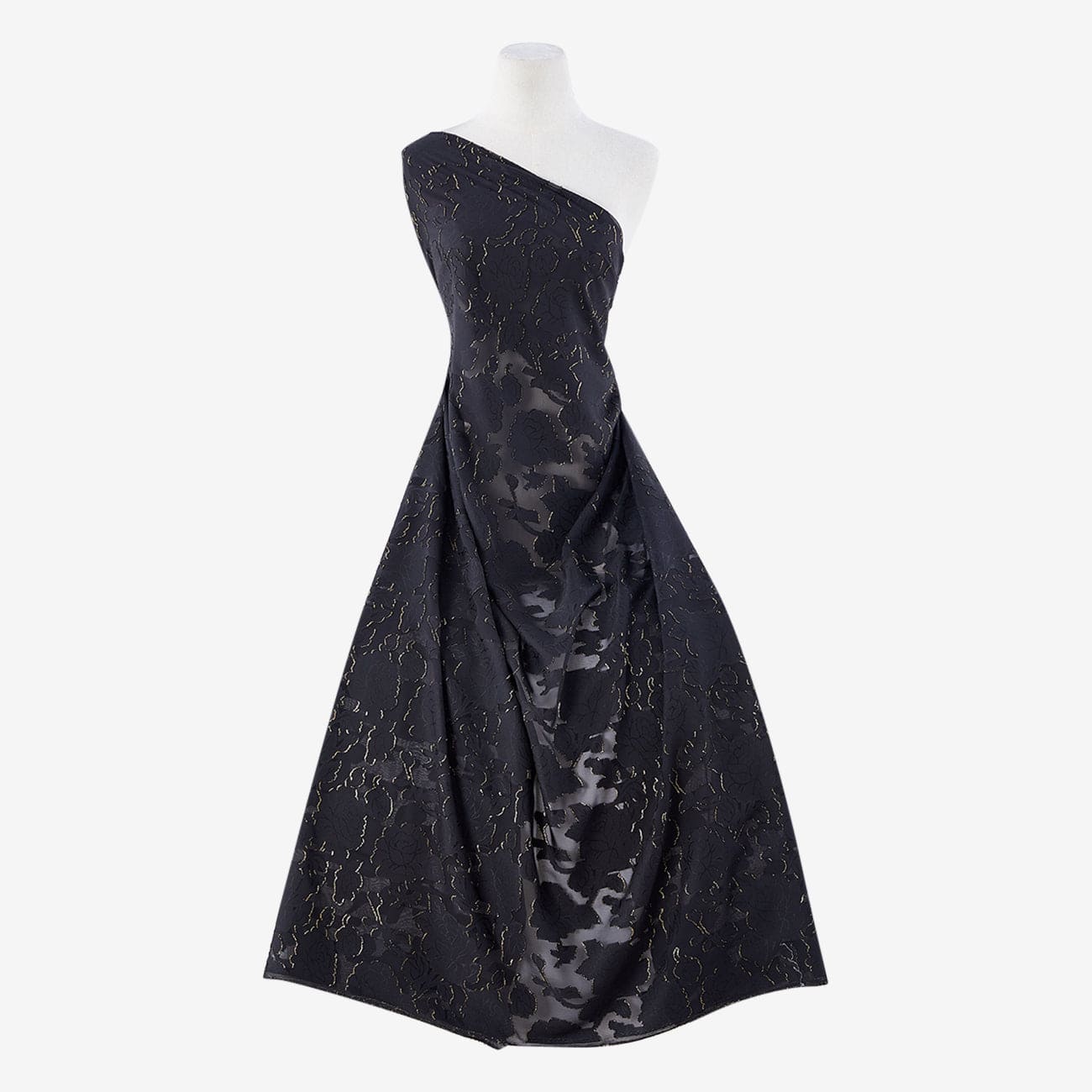
Embroidered chiffon in deeper, richer colorways — navy, black, burgundy, deep emerald — creates evening garments of immediate sophistication. The embroidery adds surface dimension that catches and reflects light under event and stage lighting, eliminating the need for additional embellishment. A column gown or A-line dress in embroidered chiffon reads as complete and considered without sequins, beading, or additional detail. For warm metallic embroidery on rich ground colors, explore our gold chiffon fabric collection for coordinating base fabrics that complement embroidered metallic thread work.
Occasion and Festive Dressing
Embroidered chiffon occupies a natural position in festive and occasion dressing across cultures and markets. In South Asian and Middle Eastern fashion contexts, heavily embroidered chiffon is a primary fabric for formal occasion wear — dupattas, lehengas, salwar suits, and occasion sarees all frequently use embroidered chiffon for its combination of lightness, drape, and surface richness. In Western occasion markets, embroidered chiffon suits mother-of-the-bride dressing, cocktail wear, and any occasion where a fabric that reads as genuinely special is required.
Blouses and Tops
An embroidered chiffon blouse is a wardrobe piece that reads as elevated and considered in a way that plain or printed chiffon cannot achieve. Placement embroidery — concentrated at the collar, cuffs, or front panel — creates a focal point that makes a simple construction feel designed. Allover embroidered chiffon blouses suit occasion and special event dressing; more restrained placement embroidery works for professional and contemporary markets where subtlety is preferred.
Overlays and Layering
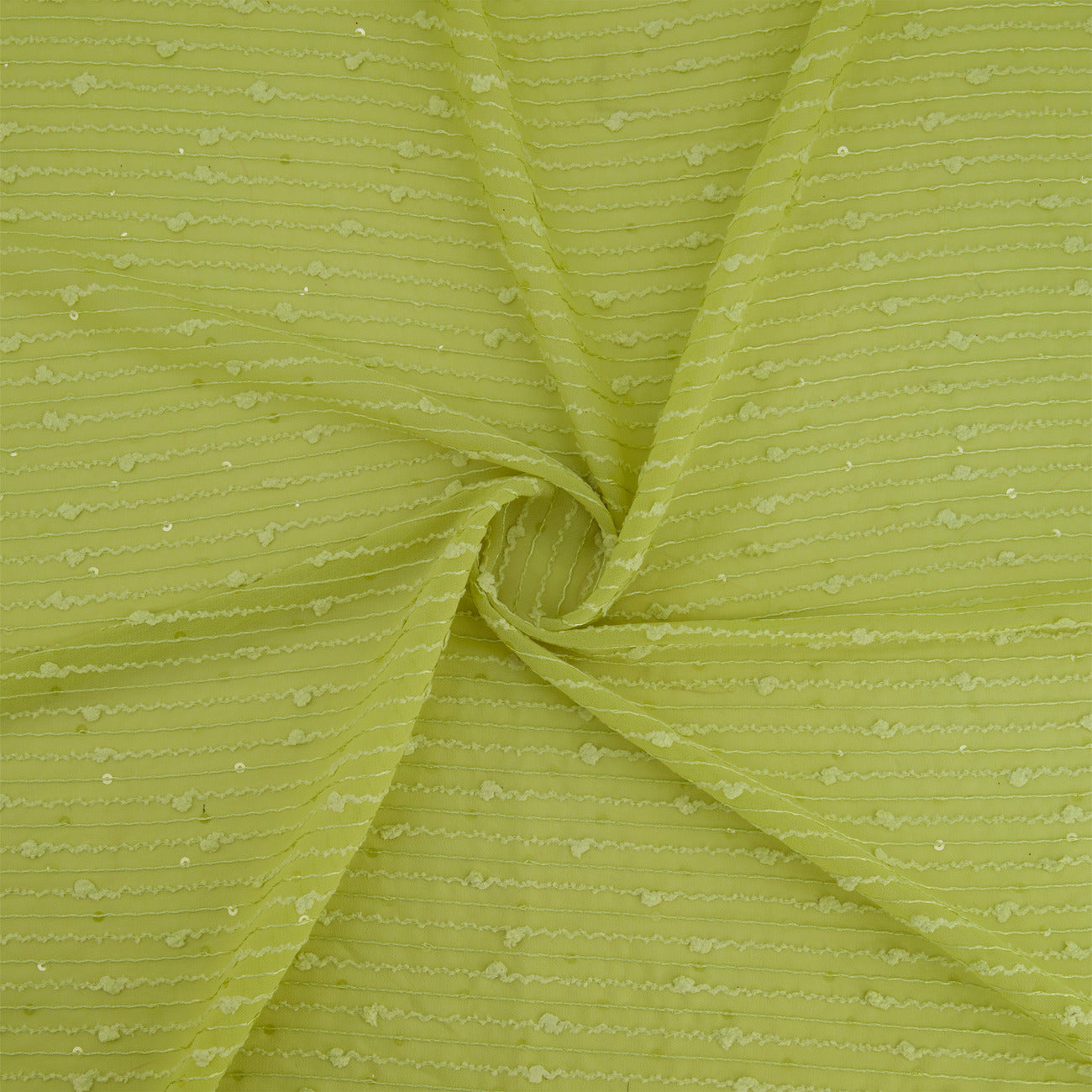
Embroidered chiffon used as an overlay introduces both color and surface dimension to a garment without full construction commitment. An embroidered chiffon overlay above a solid silk or satin base allows the embroidery to be seen against a stable ground — the sheer base of the chiffon means the underlayer color influences how both the ground fabric and the thread work read in the finished design. Layer embroidered chiffon over red chiffon fabric for a rich, festive combination where the embroidery reads against a warm, saturated ground; over green chiffon fabric for a botanical, nature-inspired layering that suits both occasion and contemporary design directions.
Dupattas and Draped Accessories
Embroidered chiffon is the fabric of choice for dupattas, stoles, and draped accessories in South Asian occasion dressing. Its lightweight construction allows generous yardage without adding bulk or weight, and the embroidery adds the ceremonial richness that these accessories require. Border embroidery designs — where the embroidered detail runs along the length and ends of the fabric — work particularly well for draped accessories where the embroidery needs to frame and finish the edge rather than cover the full surface.
Each embroidery style and design carries its own cultural reference, market positioning, and design application. For the full range of chiffon styles, weights, and finishes beyond embroidered options, explore our complete chiffon fabric hub.
Why Choose Embroidered Chiffon
Embroidered chiffon earns its position at the luxury end of the chiffon family because it delivers a level of surface richness and visual complexity that plain, printed, or even iridescent chiffon cannot approach. The combination of handcraft-referencing embroidery with the inherent elegance of sheer chiffon creates a fabric that communicates genuine quality — it reads as something that required skill, time, and intention to produce, and that quality translates directly into the garments made from it.
Designers choose embroidered chiffon because it does much of the design work independently. A well-chosen embroidered chiffon in the right colorway requires minimal additional embellishment, complex construction, or styling to make an impact — the fabric itself is the statement. This makes it particularly valuable for occasion and bridal markets where the expectation of a special, memorable garment is high, and where the fabric's quality is as important to the customer as the construction.
The chiffon base is uniquely suited to carrying embroidery with a lightness that heavier embroidered fabrics — jacquard, brocade, heavily beaded textiles — cannot achieve. The embroidery sits on the sheer surface without weighing it down, allowing the fabric to retain the fluid drape and movement that makes chiffon so desirable in the first place. A heavily embroidered chiffon gown moves with the same grace as a plain chiffon garment — the embellishment rides the fabric rather than constraining it.
For designs that call for embroidery alongside gradient color, layering embroidered chiffon above an ombre base creates a surface where the thread work reads differently across the color transition — an effect that is impossible to achieve in pre-constructed embroidered fabric and that gives bespoke and custom designs a genuinely unique quality. Combine with crepe chiffon fabric for designs that require a stable, textured base alongside the embroidered sheer layer — the pebbled surface of crepe chiffon provides a natural contrast to the smooth embroidered ground of standard chiffon.
Fabric Types and Use Cases
|
Fabric Type |
Best Used For |
|
Floral Embroidered Chiffon |
Bridal gowns, romantic occasion wear, overlays, dupattas |
|
Geometric Embroidered Chiffon |
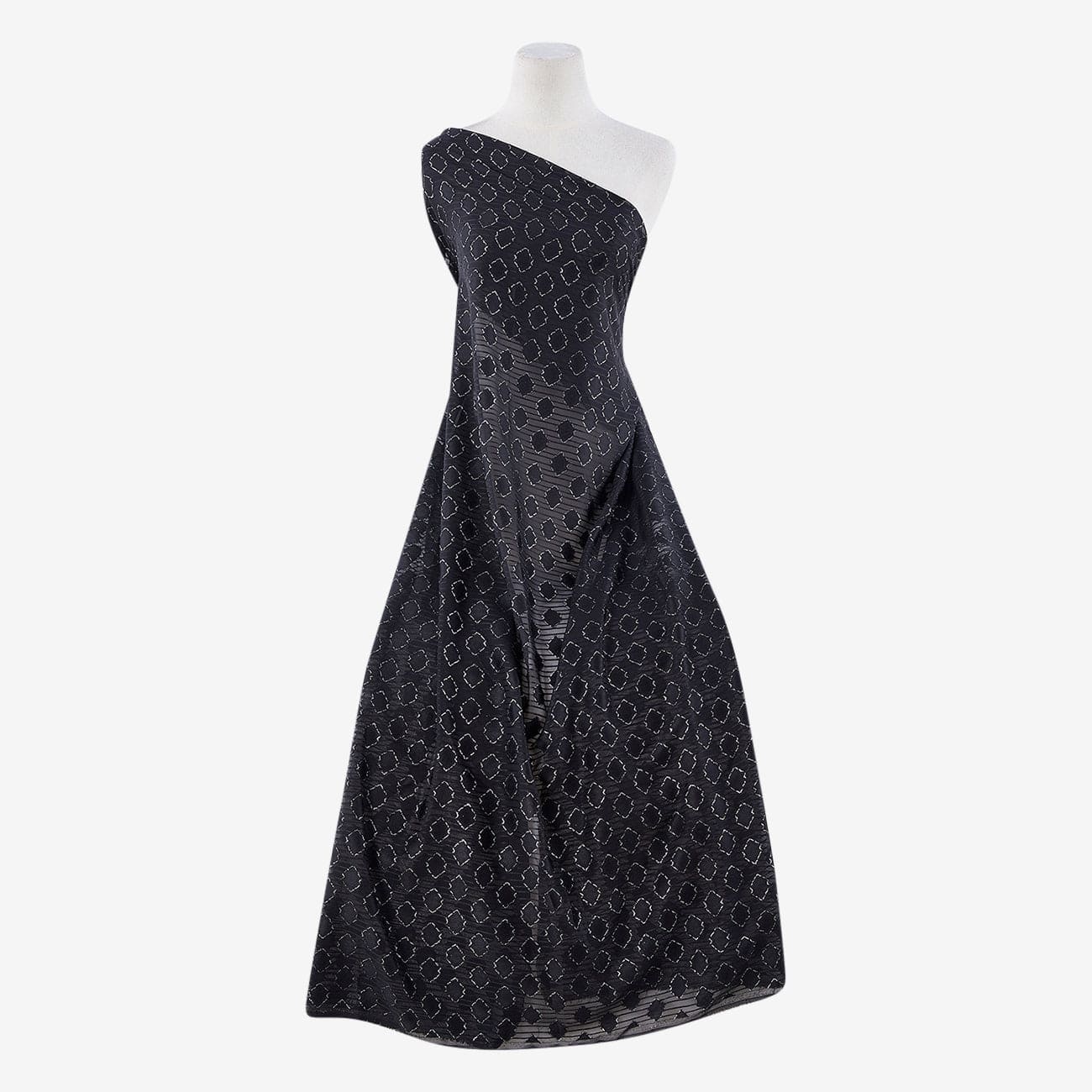
Contemporary formal wear, editorial looks, structured occasion pieces |
|
Allover Embroidered Chiffon |
Full garments where the embroidery covers the complete surface |
|
Border Embroidered Chiffon |
Dupattas, sarees, draped accessories, hem-detailed garments |
|
Metallic Thread Embroidered Chiffon |
Evening wear, festive occasion dressing, gala and formal events |
|
Botanical designs, nature-inspired occasion and bridal wear |
|
|
Festive occasion dressing, South Asian formal wear, dramatic evening |
|
|
Luxury formal wear, festive dressing, metallic occasion pieces |
|
|
Structured occasion dresses, textured formal blouses, layered designs |
|
|
Placement Embroidered Chiffon |
Targeted embellishment at collar, cuffs, or front panels |
Each embroidery style and construction brings a different level of surface richness and design application. Allover embroidery creates the most complete, luxurious result; border and placement embroidery suits designs where the embroidery needs to be positioned deliberately rather than distributed across the full surface; metallic thread work adds a reflective quality that performs particularly well under event and stage lighting.
How to Choose the Right Embroidered Chiffon
Selecting the right embroidered chiffon requires attention to embroidery density, thread type, ground fabric weight, and how the embroidery pattern will interact with the pattern pieces and seam lines of your design.
Embroidery Density and Coverage
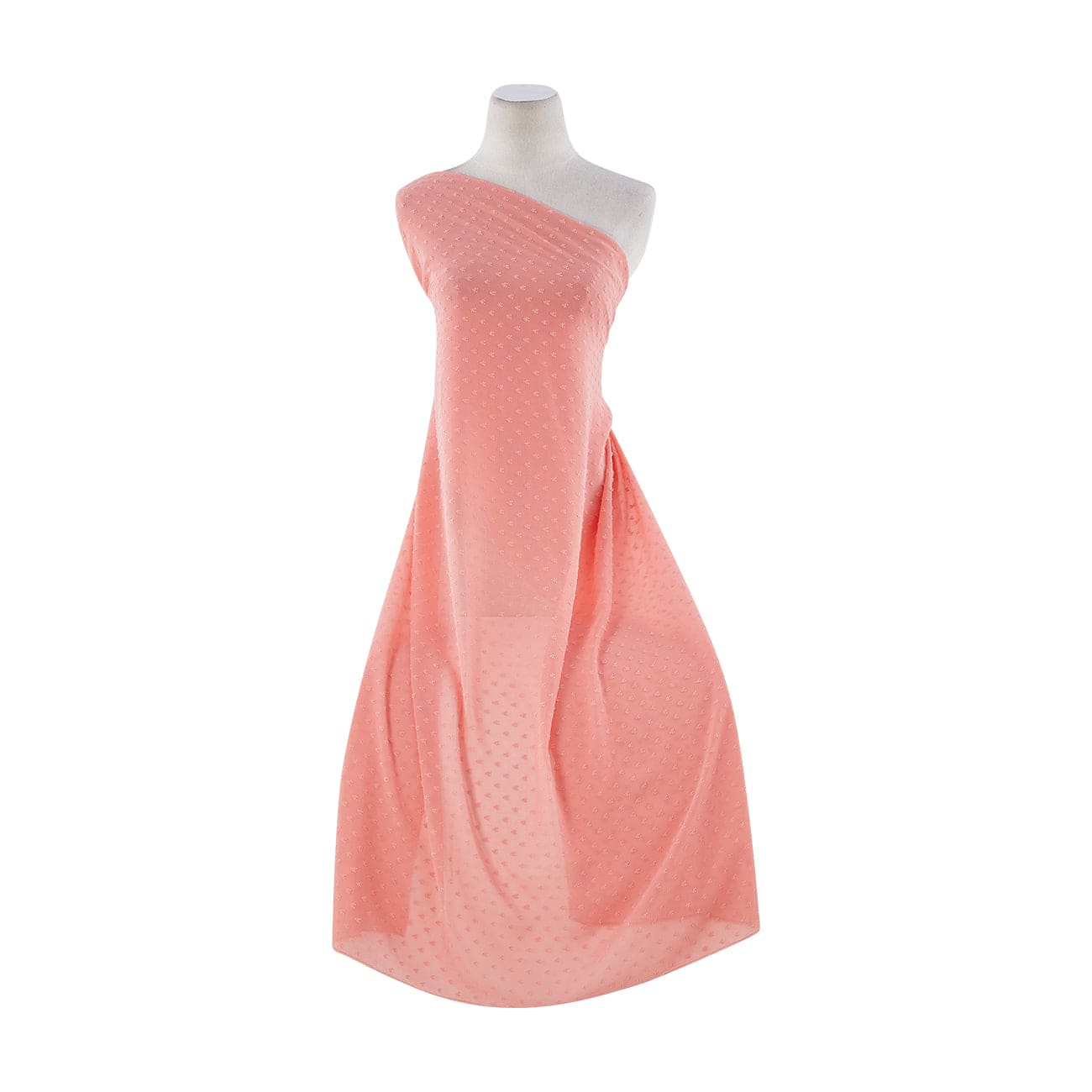
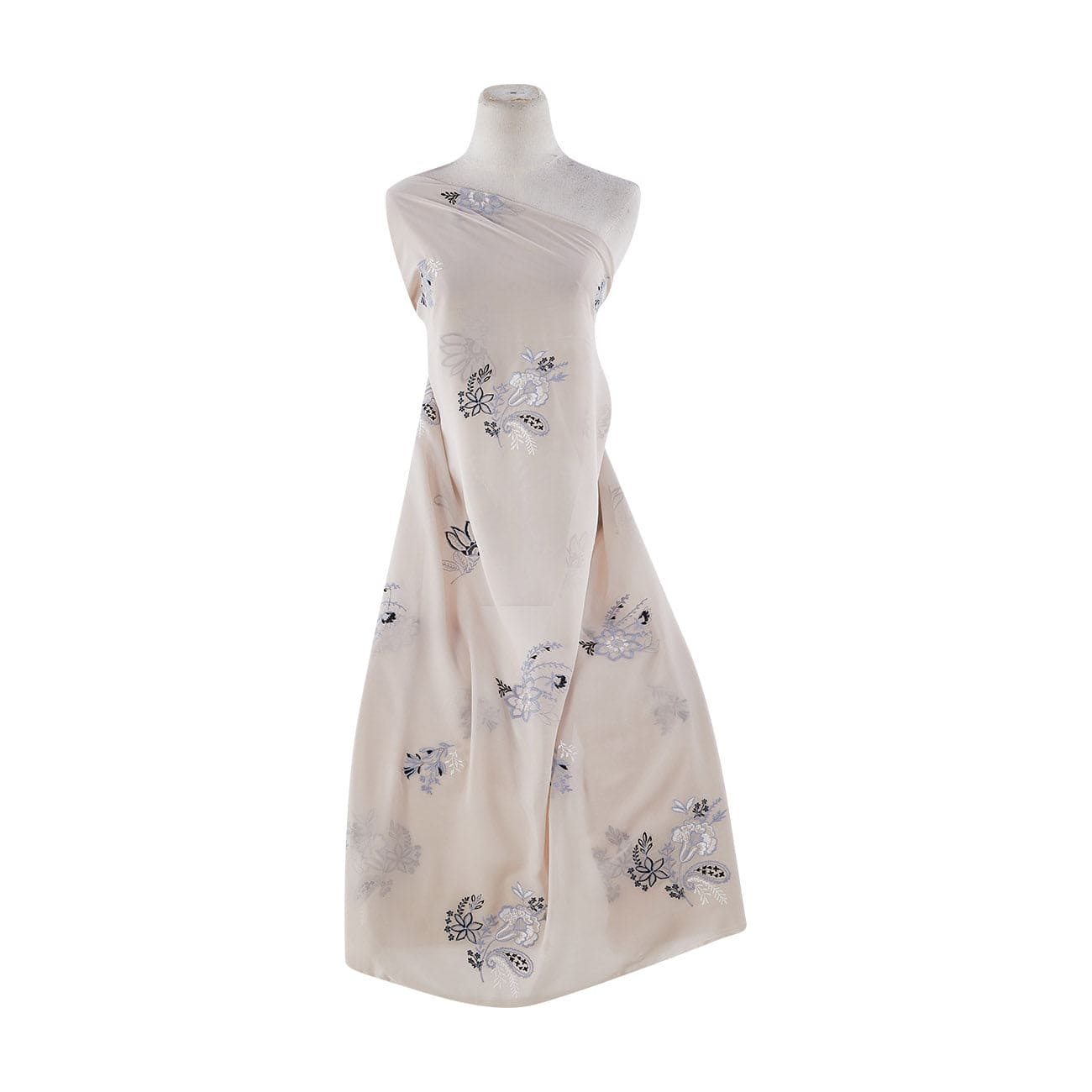
Embroidered chiffon ranges from lightly scattered motif work — where embroidered elements are distributed across the fabric with visible chiffon ground between — to dense allover embroidery where the thread work covers nearly the full surface. Lightly embroidered chiffon retains more of the base fabric's drape and fluidity; densely embroidered chiffon is heavier and more structured, behaving more like an embroidered woven than a plain chiffon. Choose the density that suits the silhouette — fluid, gathered designs can carry lighter embroidery more effectively; structured, tailored designs may benefit from the added body of a more densely embroidered fabric.
Thread Type and Surface Character
Embroidered chiffon is available with several thread types, each creating a distinct surface character. Cotton or rayon thread embroidery has a soft, matte finish that reads as artisanal and delicate — ideal for bridal and romantic occasion contexts. Metallic thread embroidery catches and reflects light, adding a festive, celebratory quality that suits evening, gala, and culturally specific occasion dressing. For designs that coordinate metallic embroidery with a warm, luminous ground, gold chiffon fabric provides a complementary base that amplifies the metallic thread work rather than competing with it.
Ground Color and Embroidery Contrast
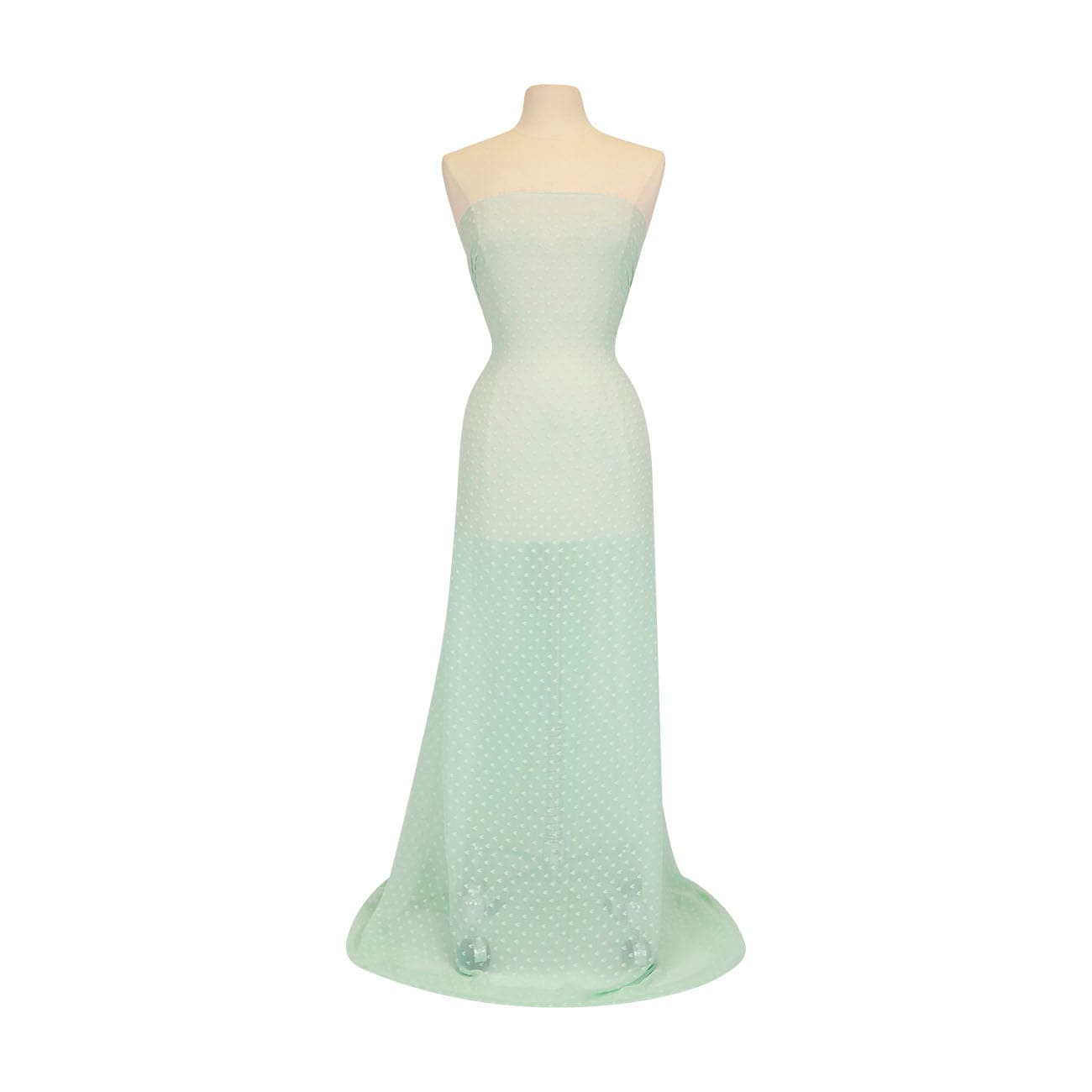
The relationship between the chiffon ground color and the embroidery thread color determines how the surface work reads in a finished garment. High-contrast combinations — white embroidery on a deep navy or black ground, or gold metallic thread on deep red chiffon fabric — create immediate visual impact and read clearly from a distance. Tonal combinations — ivory thread on cream chiffon, or sage embroidery on green chiffon fabric— read as subtle and refined, revealing their detail only on close inspection. Consider viewing distance when choosing contrast level — theatrical and performance applications require high contrast to read from the audience; bridal and intimate occasion dressing can support much more subtle tonal embroidery.
Pattern Repeat and Seam Placement
For embroidered chiffon with a repeating motif, seam placement relative to the embroidery pattern requires careful planning. Motifs that are cut through by a seam line create a disrupted, unfinished appearance; motifs that are deliberately centered or framed by construction lines read as intentional and designed. Plan your pattern layout with the embroidery repeat in mind, and allow extra yardage for positioning adjustments. For border embroidery, calculate the position of the border at the hem, collar, or cuff before cutting any other pattern pieces.
Combining with Crepe Chiffon Fabric
For designs that combine embroidered chiffon panels with a contrasting base or underlayer, crepe chiffon provides a textured, pebbled surface that reads as a natural companion to embroidered plain chiffon. The slight surface texture of crepe chiffon creates a visual distinction between the two fabrics without introducing a dramatic contrast in weight or drape — making it an ideal choice for yokes, underlayers, and structural sections in garments where the embroidered chiffon is used for the most visible panels.
Sewing and Construction Tips
Embroidered chiffon requires additional care in construction compared to plain chiffon. Use a fine microtex needle (size 60/8 or 70/10) and reduce presser foot pressure to avoid snagging the embroidery thread during stitching. Cut carefully around embroidered motifs where possible, and plan seam lines to avoid cutting through the center of significant embroidery elements. Stabilize seam allowances with a lightweight interfacing or stay-stitching before construction to prevent the embroidery from distorting under tension. Press from the wrong side on a padded surface — never press directly over embroidery, as the thread and any metallic elements can be flattened or damaged by direct iron contact.
Mixing Fabric Styles
Embroidered chiffon works most effectively in multi-fabric designs where it is positioned as the statement fabric and supported by simpler, complementary materials. Combine it with plain satin or charmeuse in a color that matches the chiffon ground for a classic occasion combination — the embroidered chiffon reads above a clean, stable base without competition. Layer it over lace for an ultra-luxurious bridal combination where two high-embellishment fabrics are united by a shared aesthetic of surface richness and artisanal craft.
For color-driven combinations, layer embroidered chiffon above red chiffon fabric for a festive, high-impact layering where the embroidery reads against a saturated warm ground — a combination with strong resonance in South Asian, Middle Eastern, and Latin American occasion dressing. Combine with green chiffon fabric for botanical and nature-inspired designs where the embroidery motifs — floral, leaf, or vine work — coordinate naturally with the ground color beneath. For garments that call for both metallic embroidery and a warm, luminous palette, build around gold chiffon fabric as the underlayer or lining — gold metallic thread work above a gold or champagne ground creates a tonal, all-over richness that reads as genuinely luxurious.
For designs that require both embroidery and surface texture, crepe chiffon fabric provides a pebbled, slightly structured companion fabric that contrasts naturally with the smooth embroidered ground of standard chiffon — use embroidered chiffon for the most decorative panels and crepe chiffon for yokes, underlayers, and structural sections where a more stable, textured surface is an asset. The combination reads as considered and multi-dimensional without introducing dramatic differences in weight or drape.
Order free swatches to experience the embroidery, hand, and drape firsthand. Every embroidered chiffon style is available by the yard and ready to ship, so you can design, sample, and produce without delay.
Frequently Asked Questions
How do I prevent embroidery from snagging during construction?
Work slowly and carefully, using a fine microtex needle and reduced presser foot pressure. Keep the embroidered surface face-up where possible during stitching so you can see the thread work and avoid running the needle through embroidered areas. When seaming, position seam lines to run through the plain chiffon ground between embroidered motifs rather than through the embroidery itself wherever the design allows.
Can embroidered chiffon be cut and sewn at home?
Yes, with appropriate preparation and the right tools. Use sharp scissors or a rotary cutter, work in a single layer, and plan your cutting layout carefully around the embroidery repeat and motif placement. A fine needle, reduced presser foot pressure, and slow sewing speed will produce clean, professional results. If the embroidery is particularly dense or includes metallic elements, consider hand-finishing seam allowances rather than relying on a machine serger, which can catch and pull embroidered threads.
Is embroidered chiffon suitable for washing at home?
Most polyester embroidered chiffon can be gently hand washed in cool water with a mild detergent, but the embroidery adds complexity to the care equation. Metallic thread embroidery in particular can be sensitive to agitation and heat — dry cleaning is the safest option for finished garments with significant metallic thread work. Always test a swatch before washing a finished embroidered chiffon garment, and press only from the wrong side on a padded surface, never directly over the embroidery.
How do I line an embroidered chiffon garment?
Line embroidered chiffon with a lightweight fabric that complements rather than competes with the surface work — silk charmeuse, polyester satin, or a fine crepe in a matching or coordinating color are all appropriate choices. Attach the lining at the waist, neckline, and hem rather than seaming it to the chiffon at every point, which allows both layers to move independently and prevents the lining from pulling or distorting the embroidered surface.
Can embroidered chiffon be used for cultural and traditional occasion garments?
Absolutely — embroidered chiffon has a central place in traditional occasion dressing across South Asian, Middle Eastern, and East Asian fashion cultures. Its combination of lightweight drape, sheer quality, and surface embellishment makes it ideally suited to dupattas, lehengas, salwar suits, occasion sarees, abayas, and kaftans where both the fabric's physical quality and its embellished surface are culturally significant elements of the garment.