
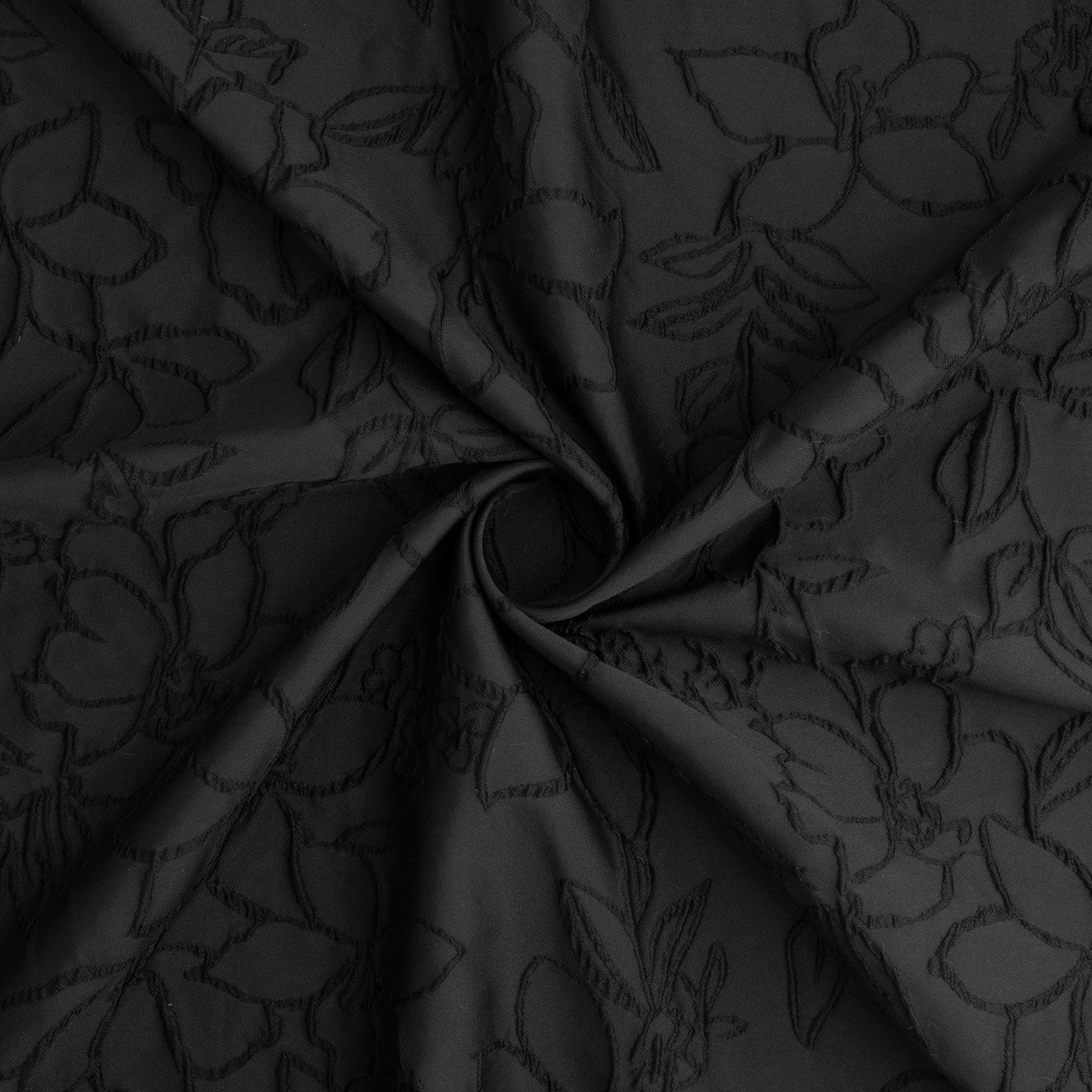
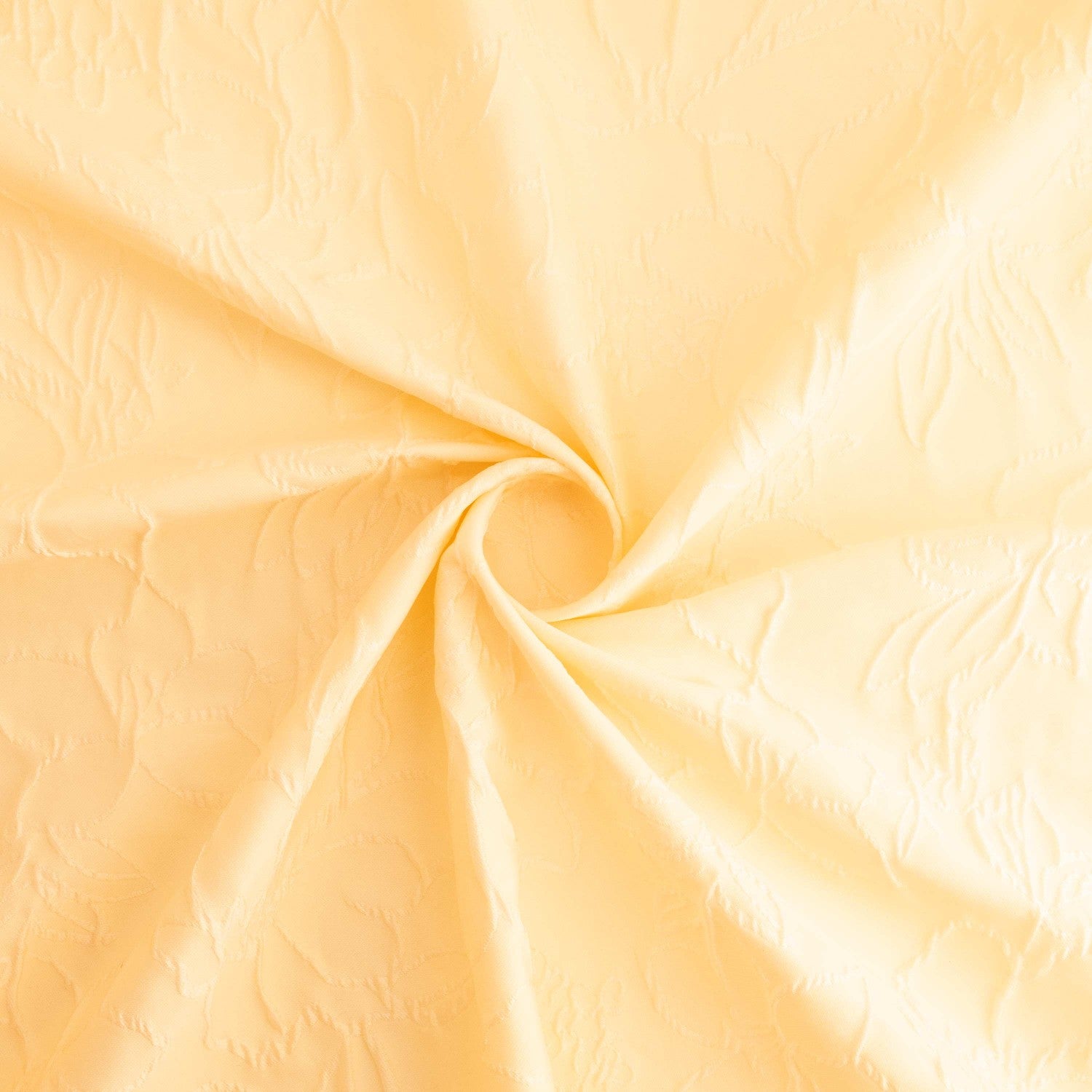
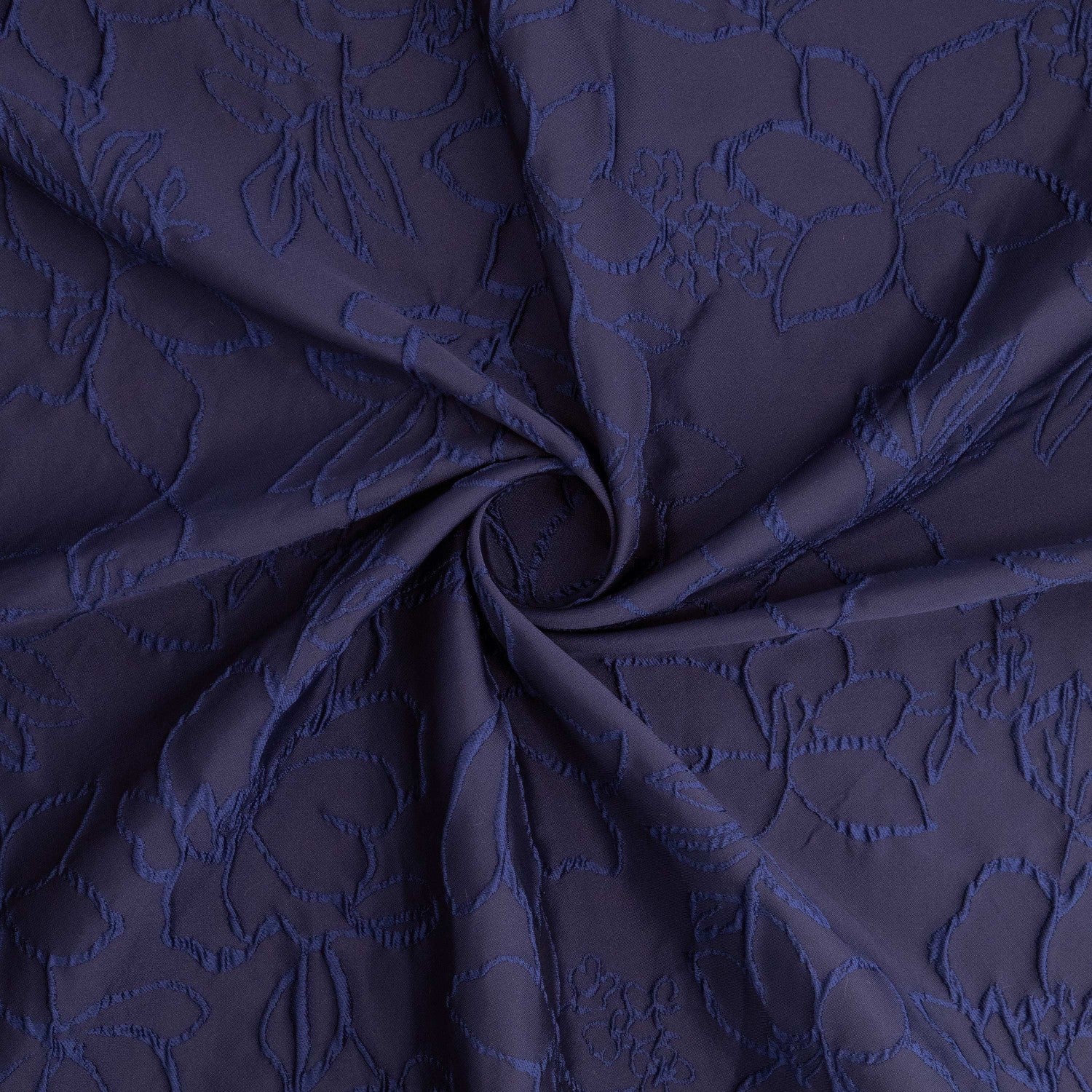
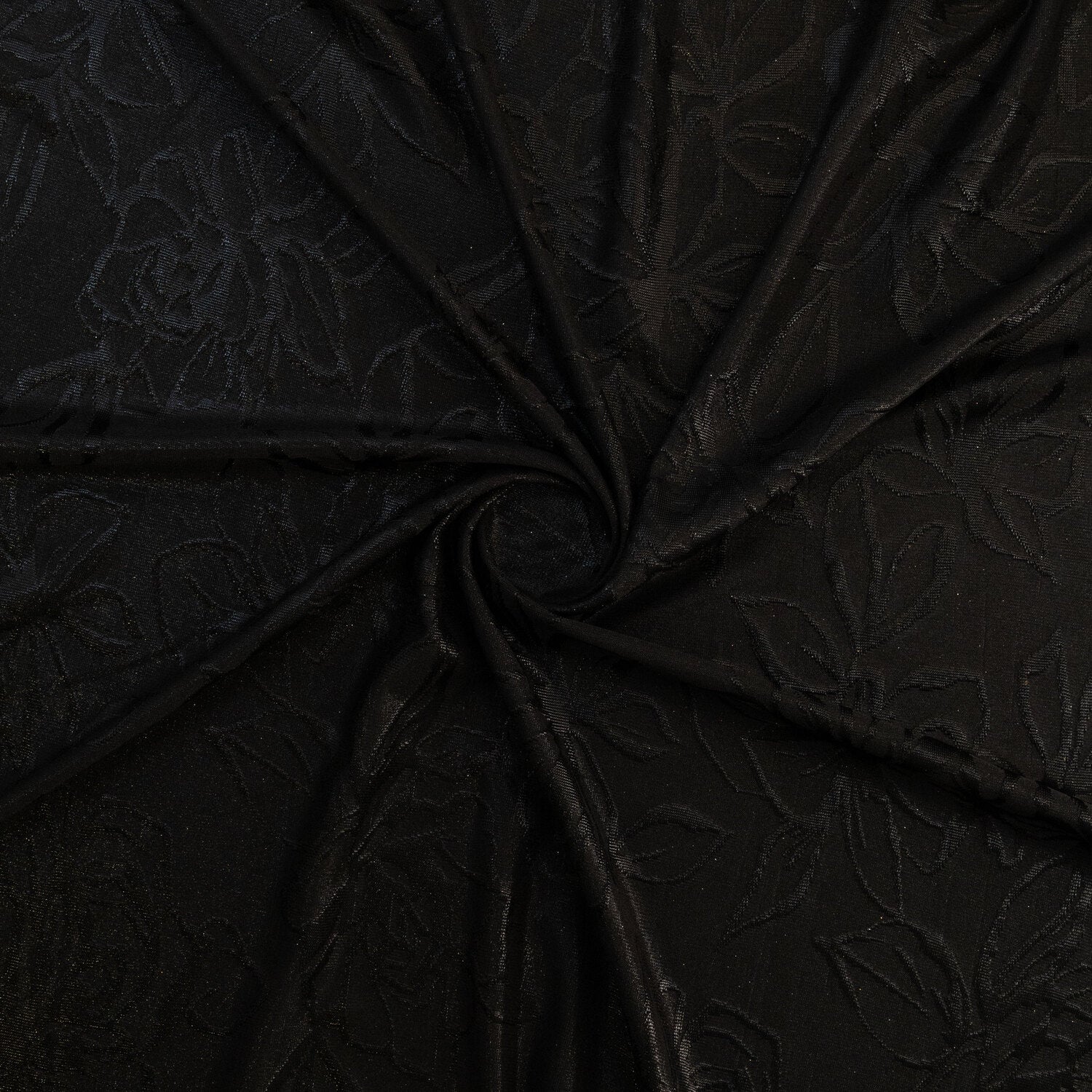
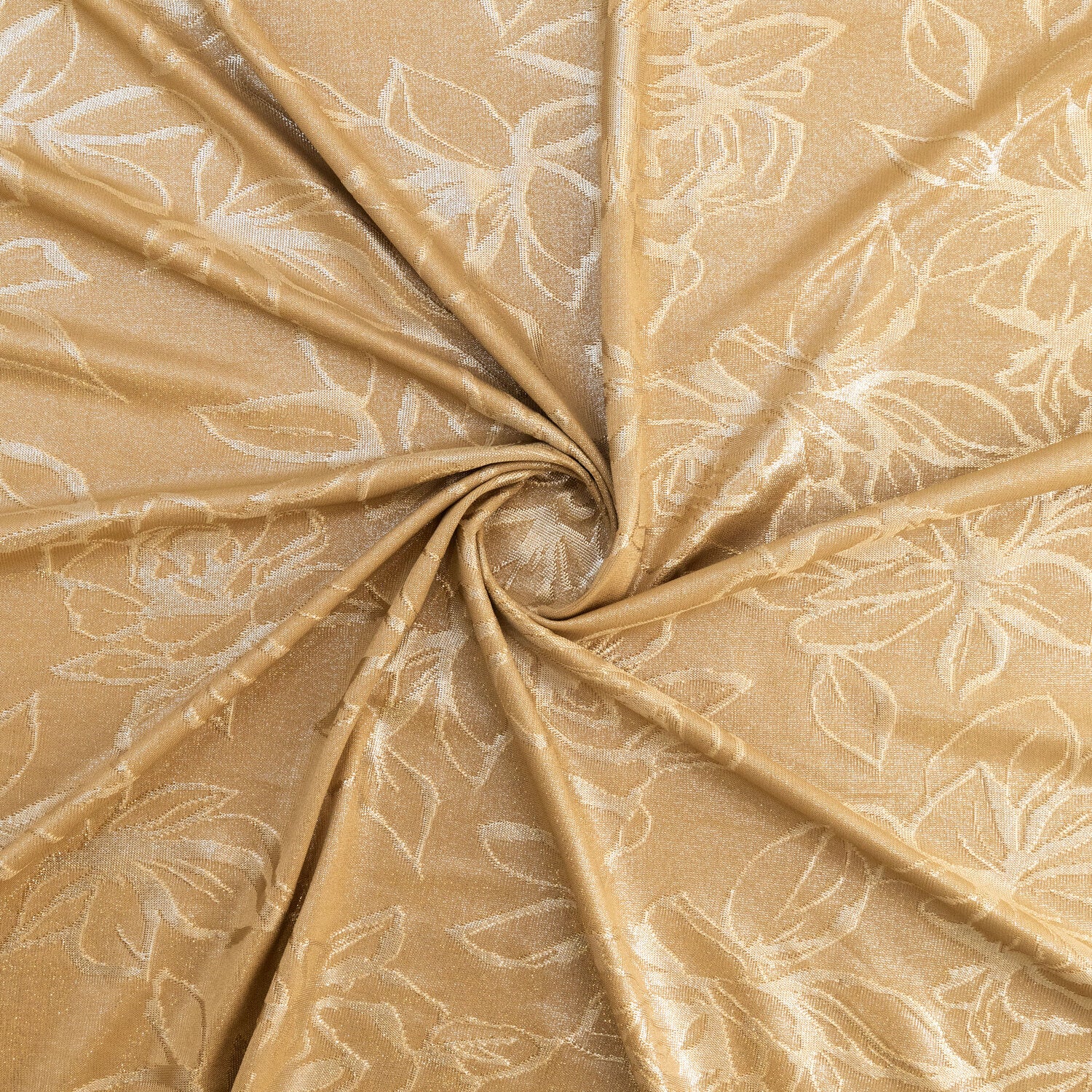
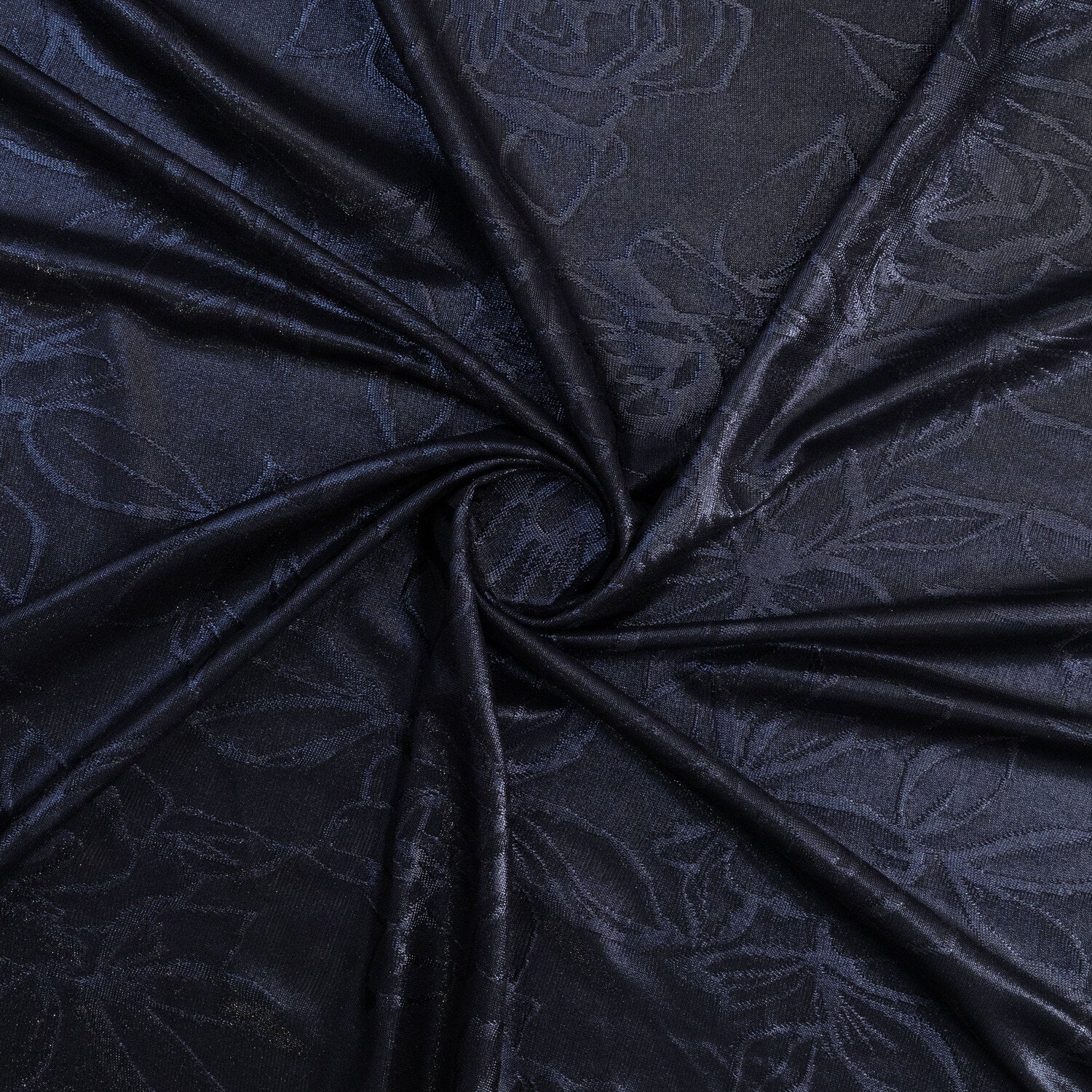
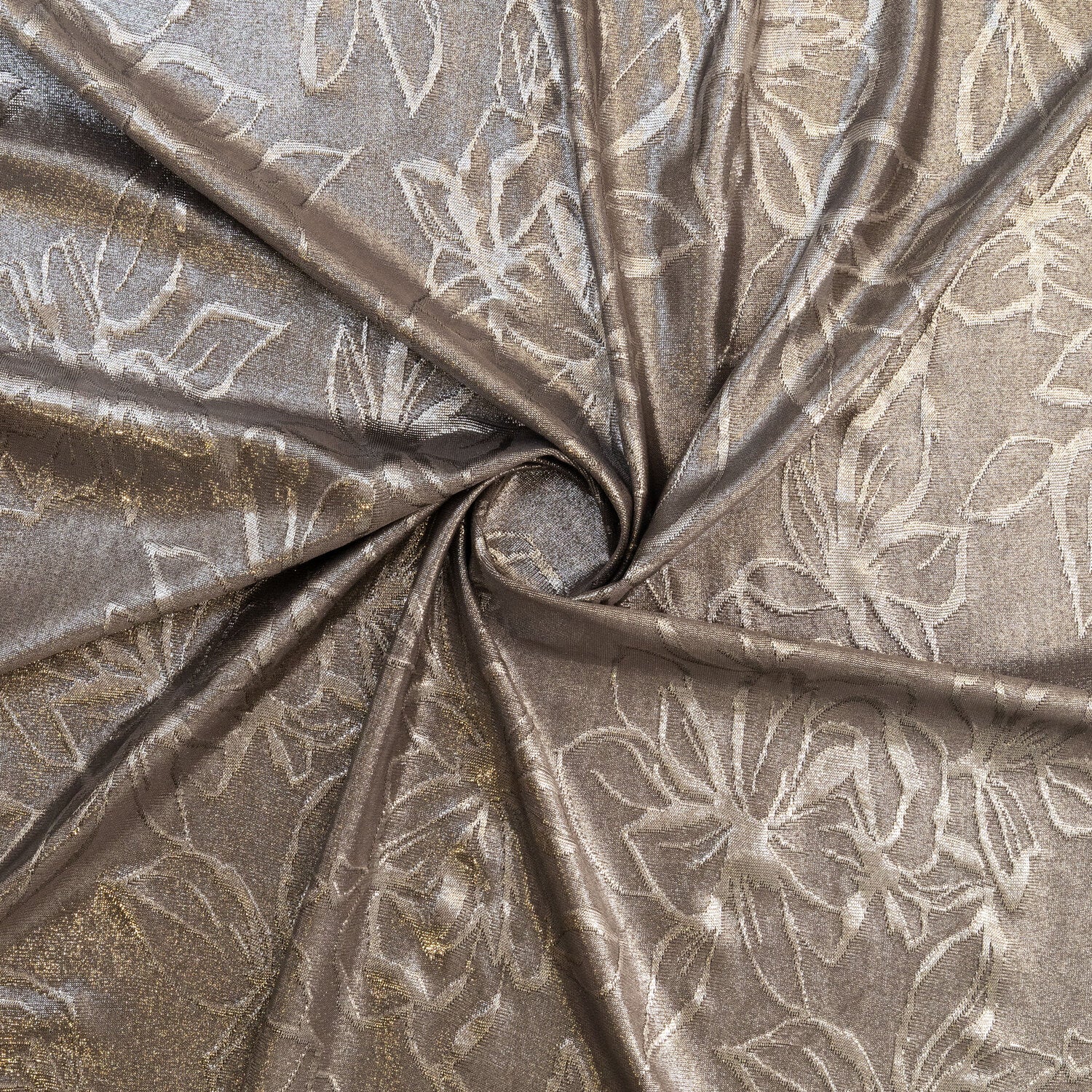
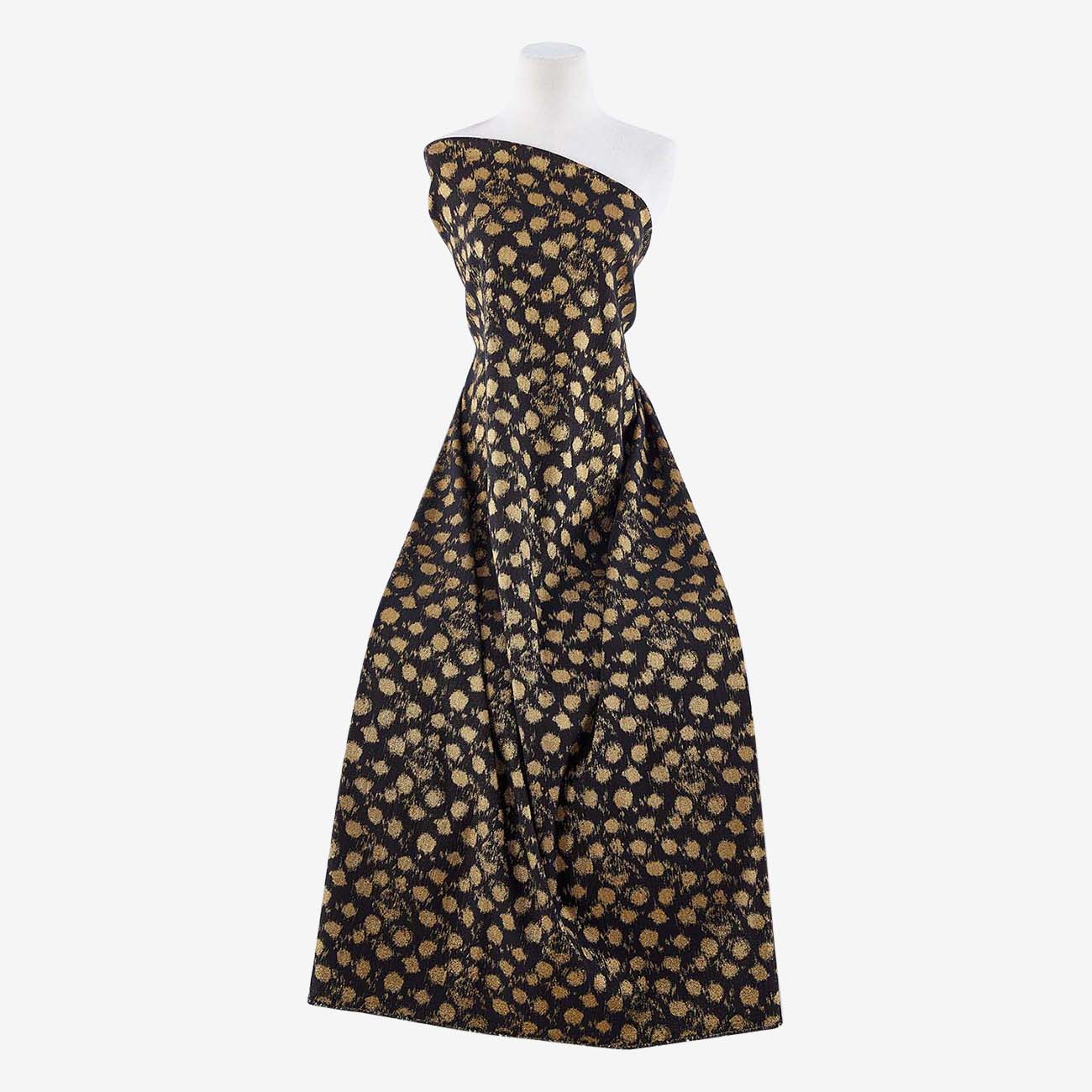
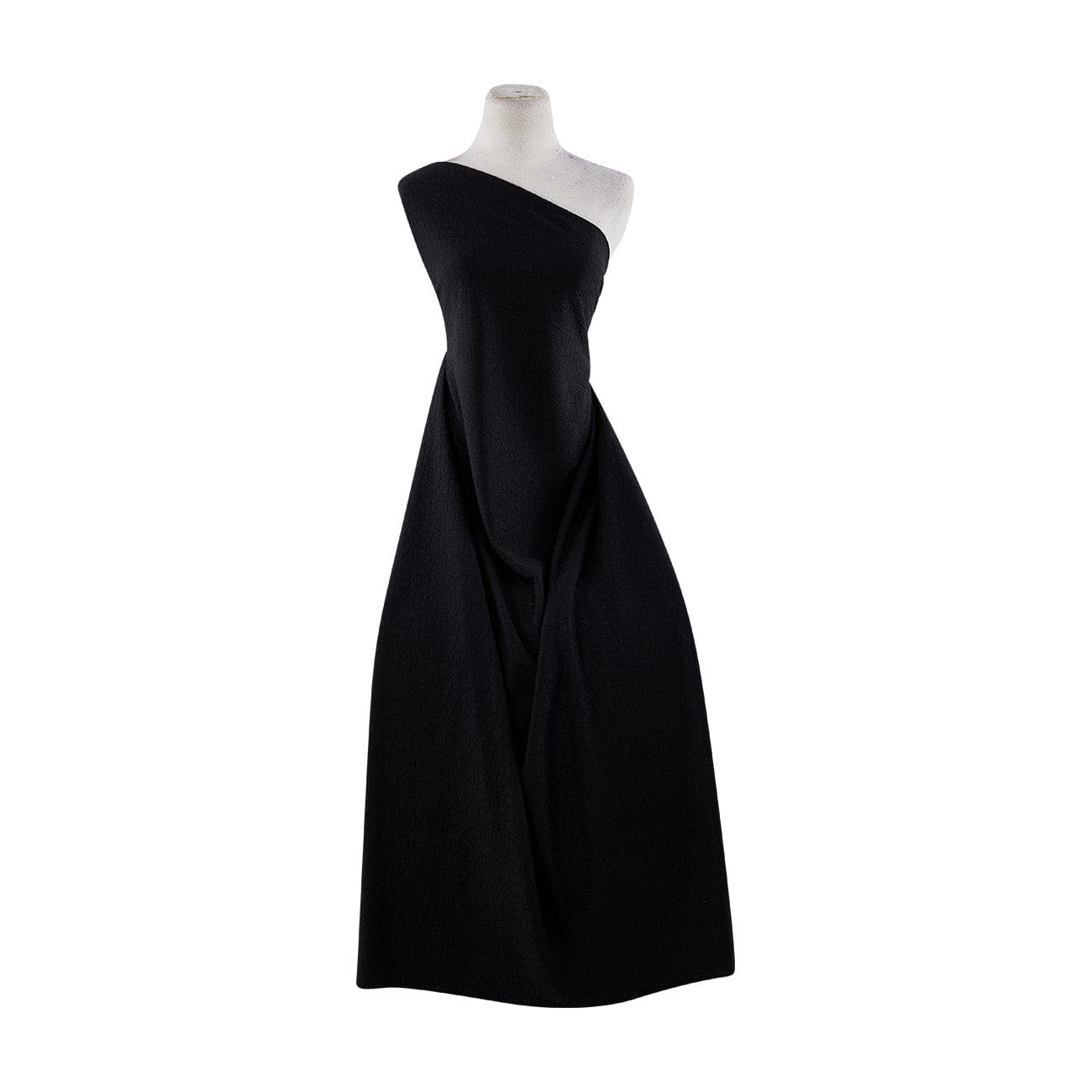
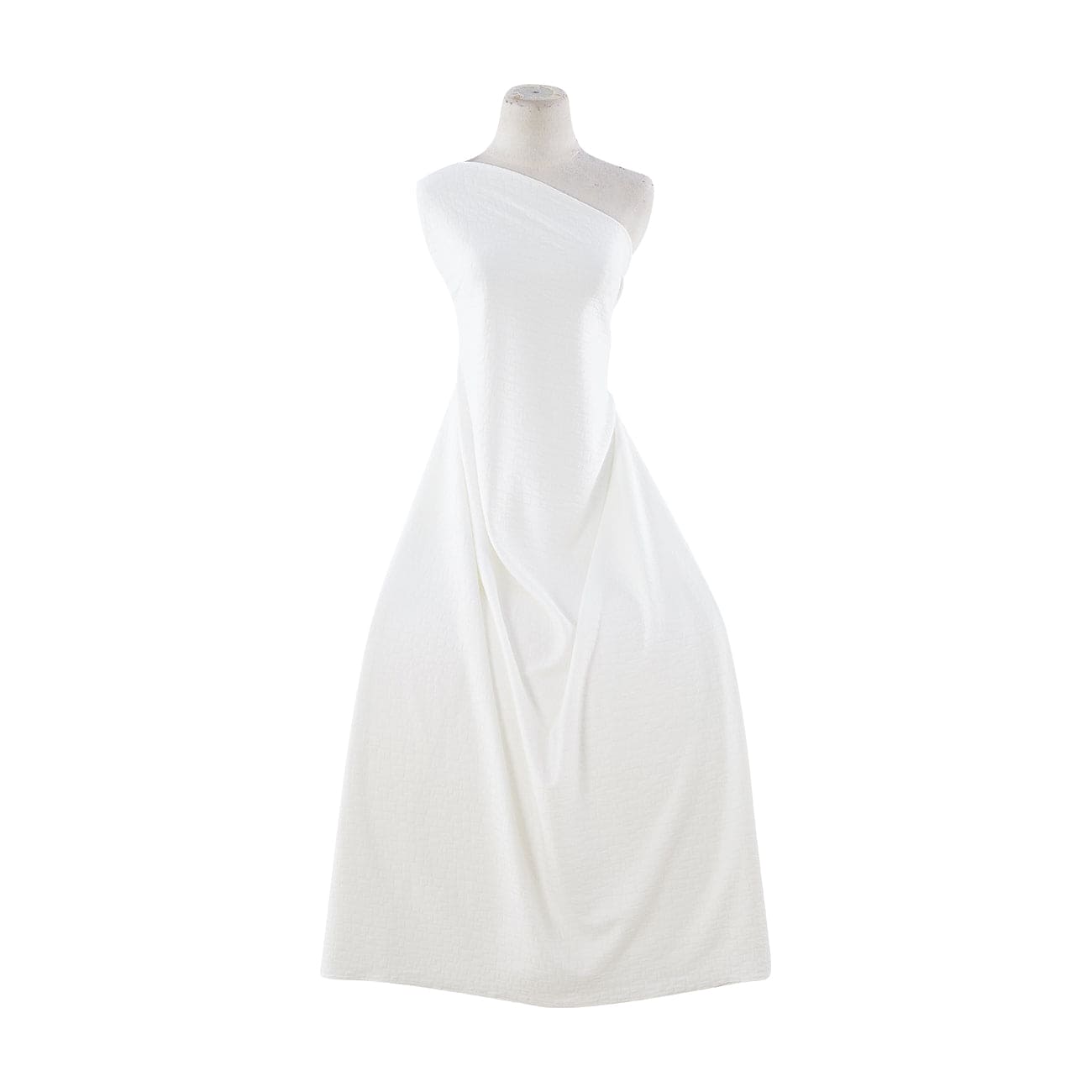
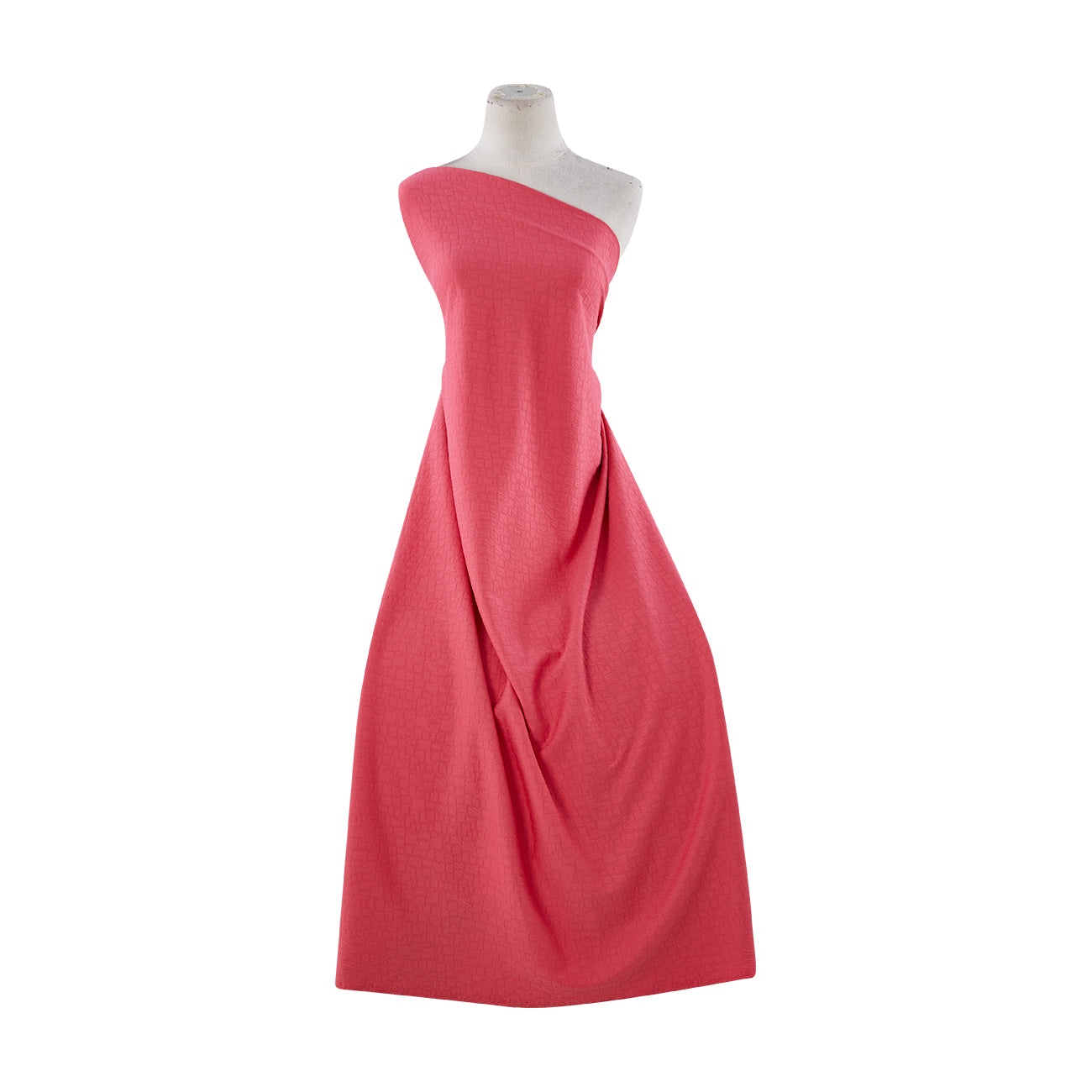
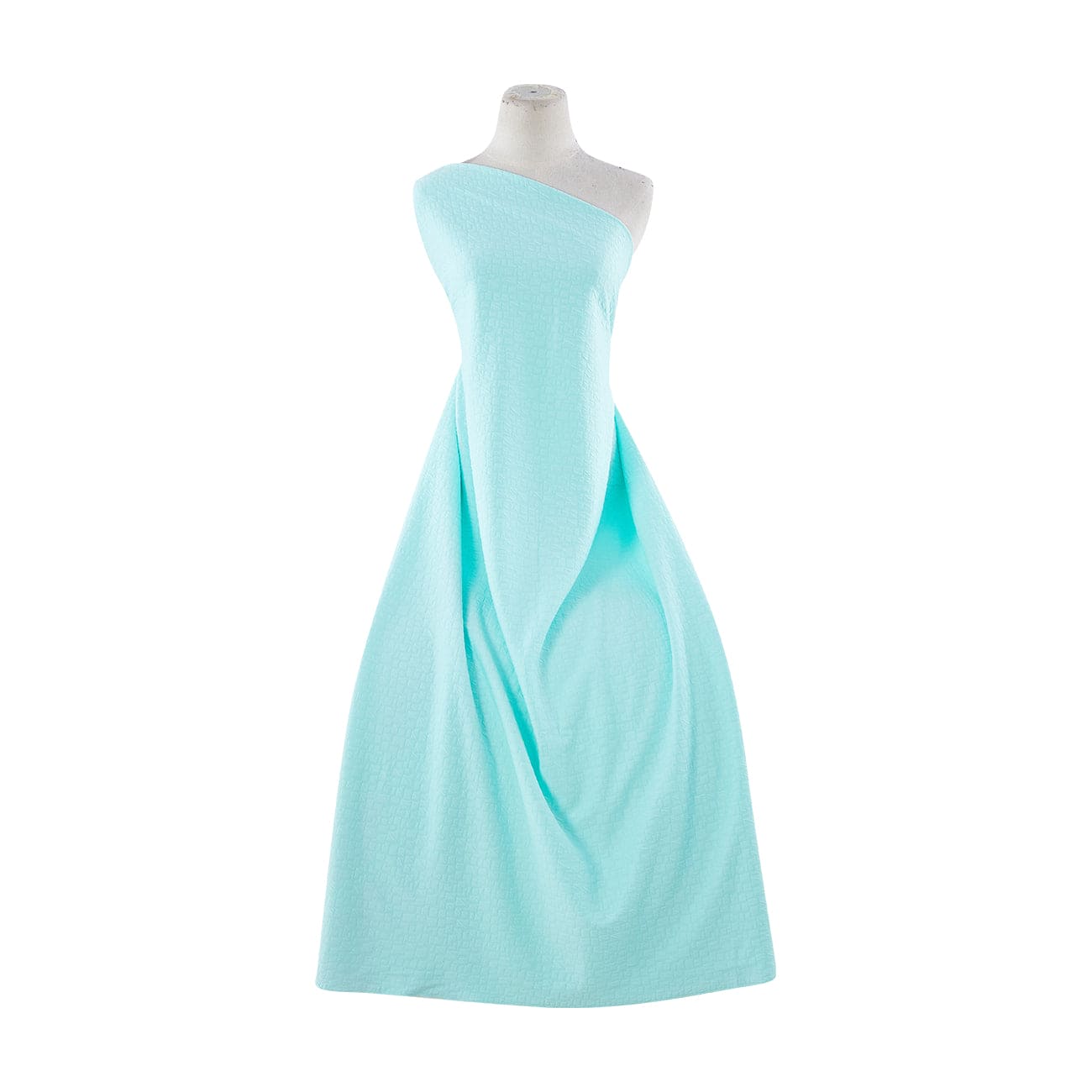
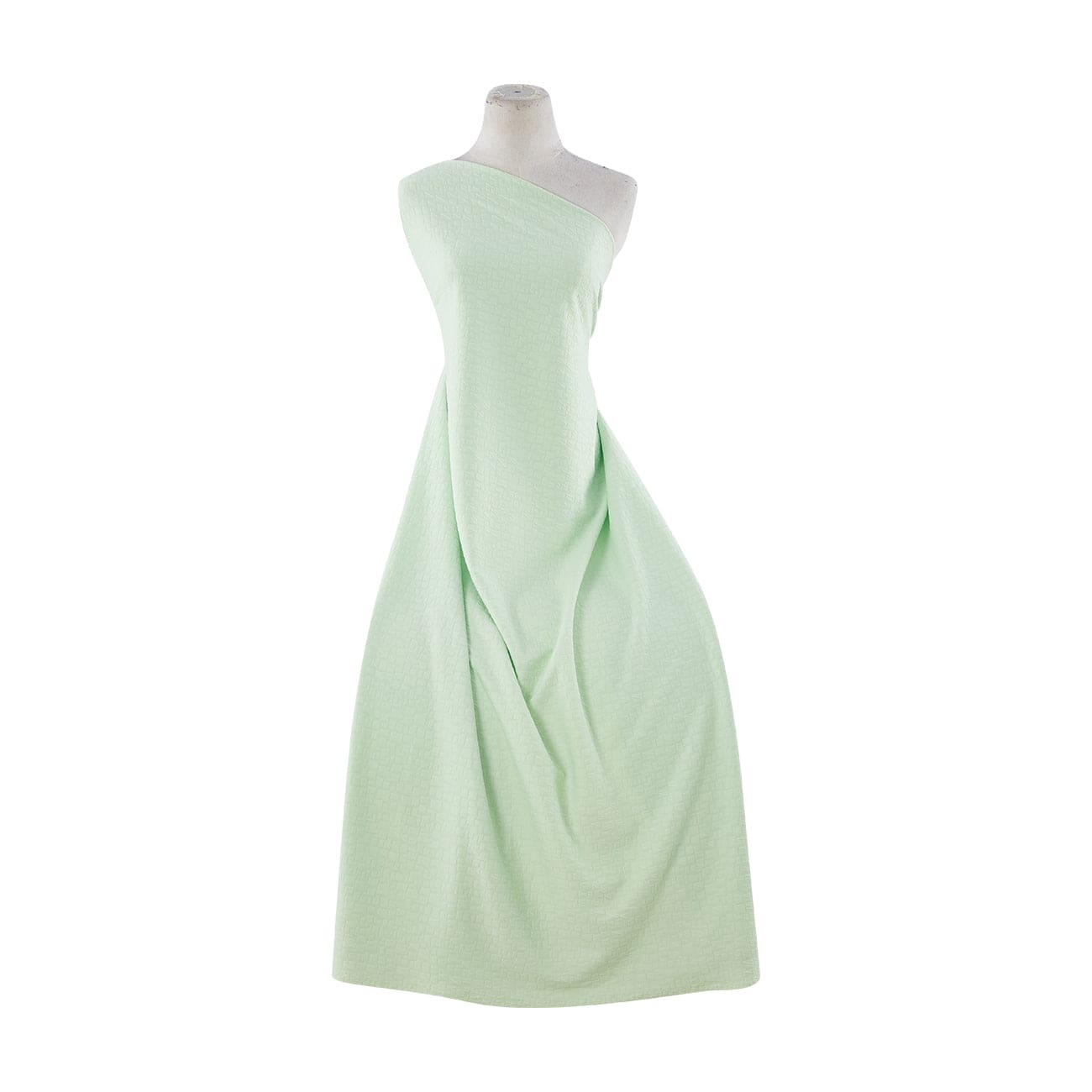
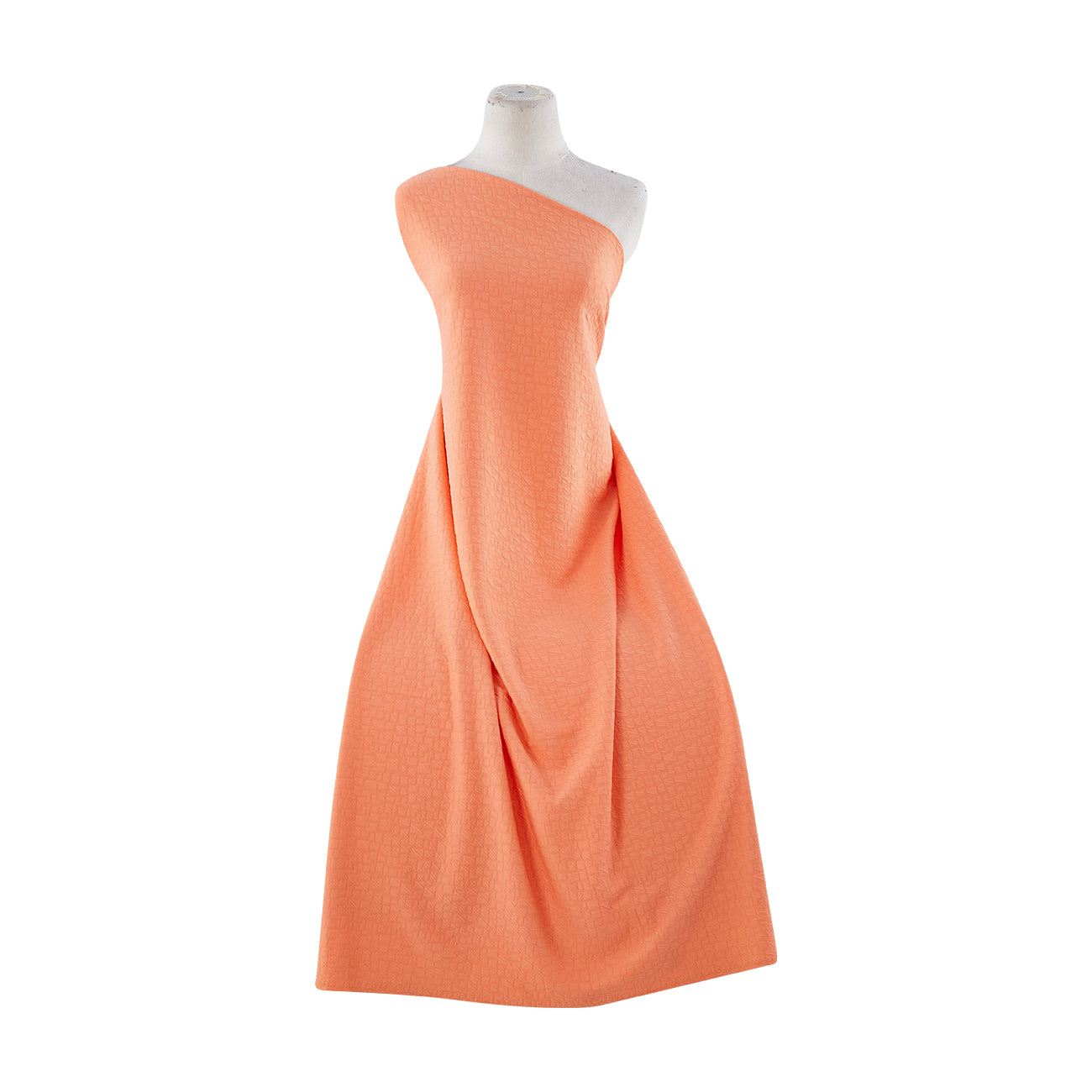
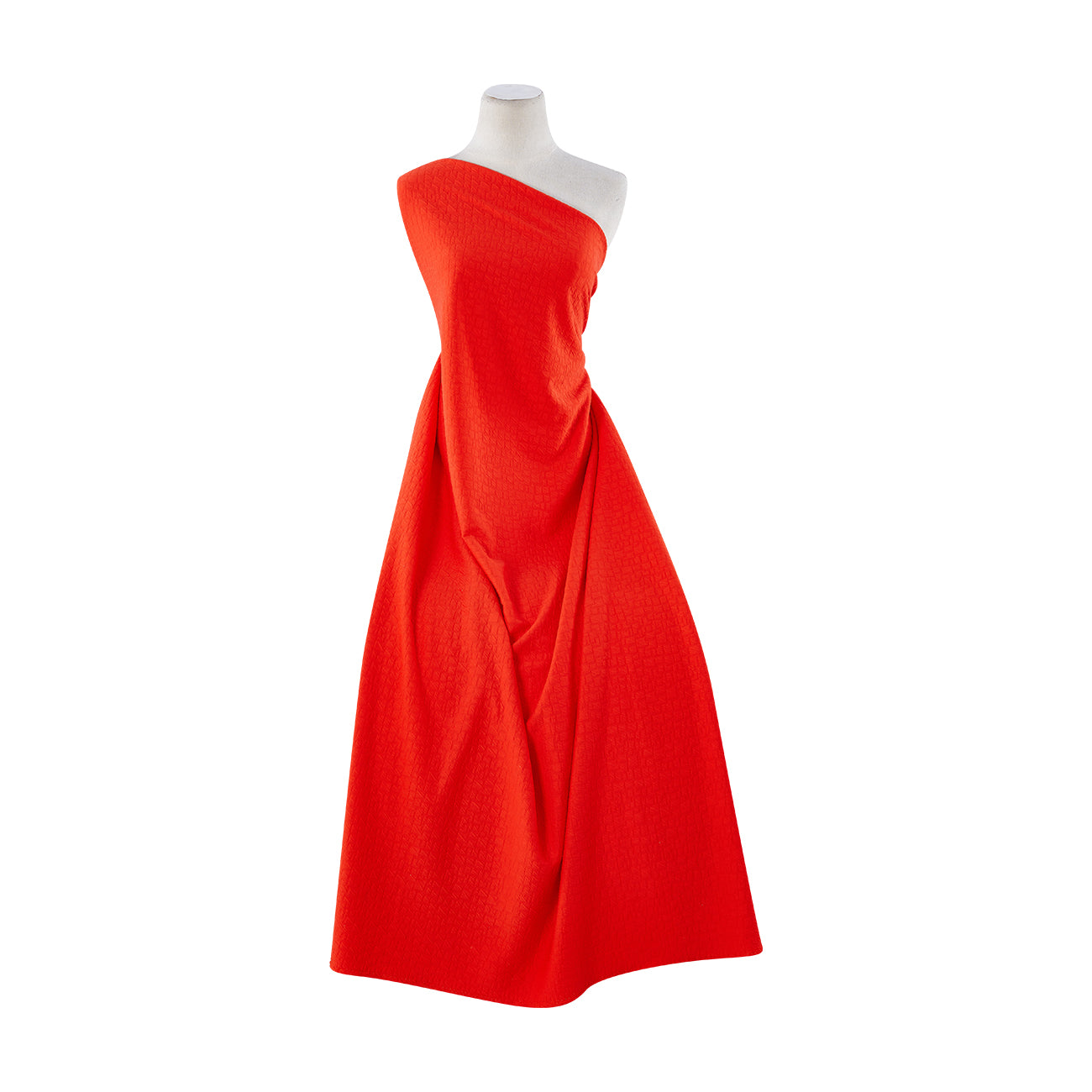
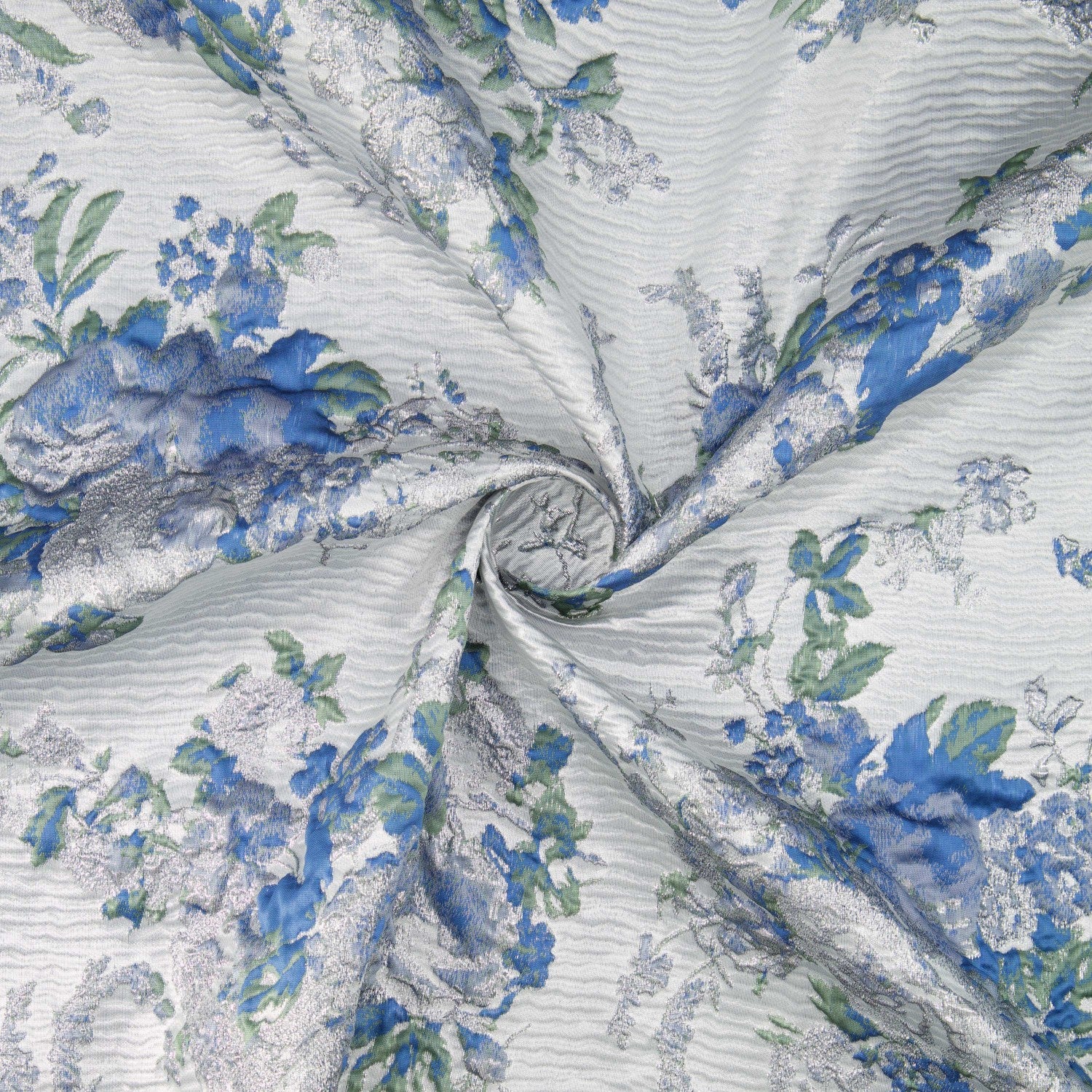
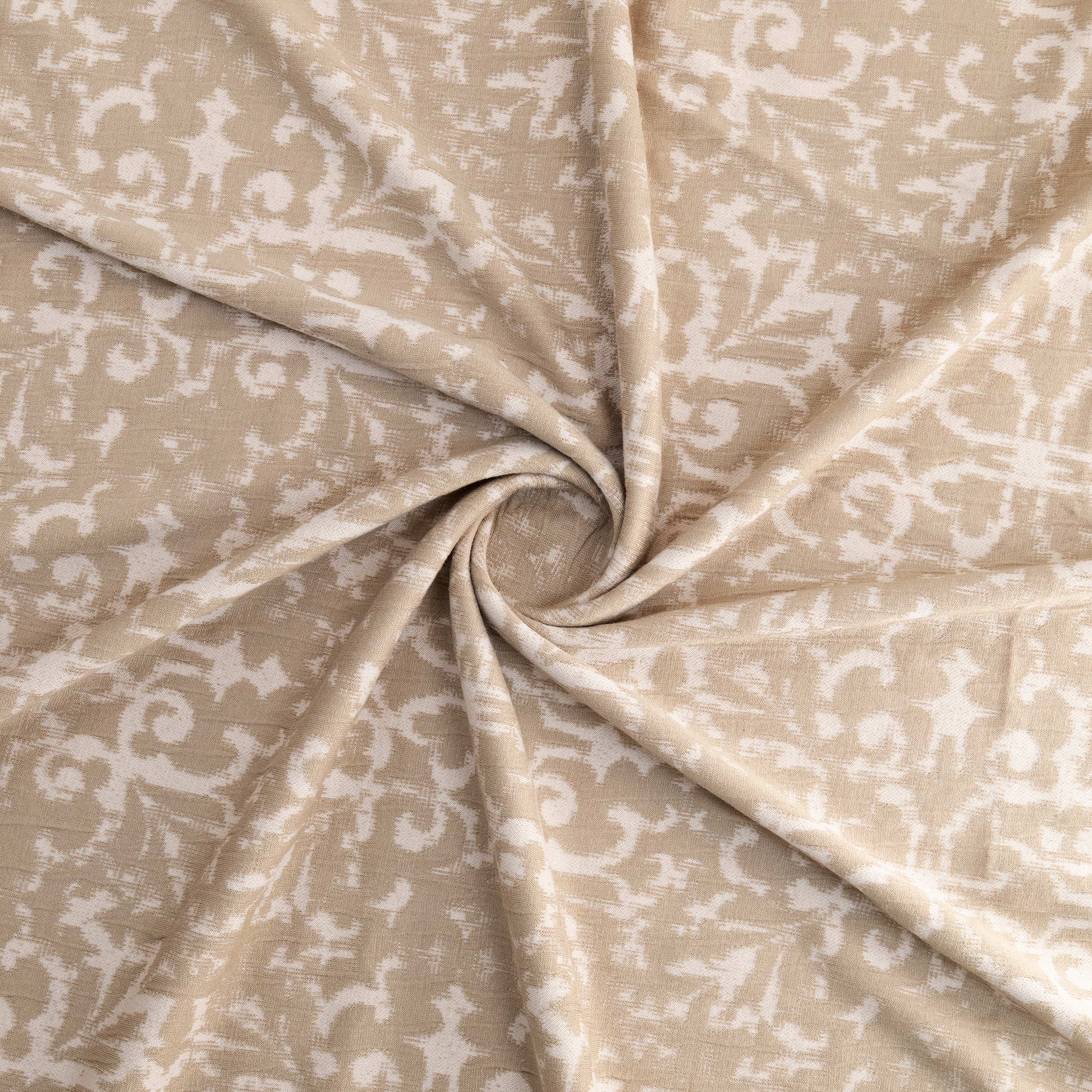
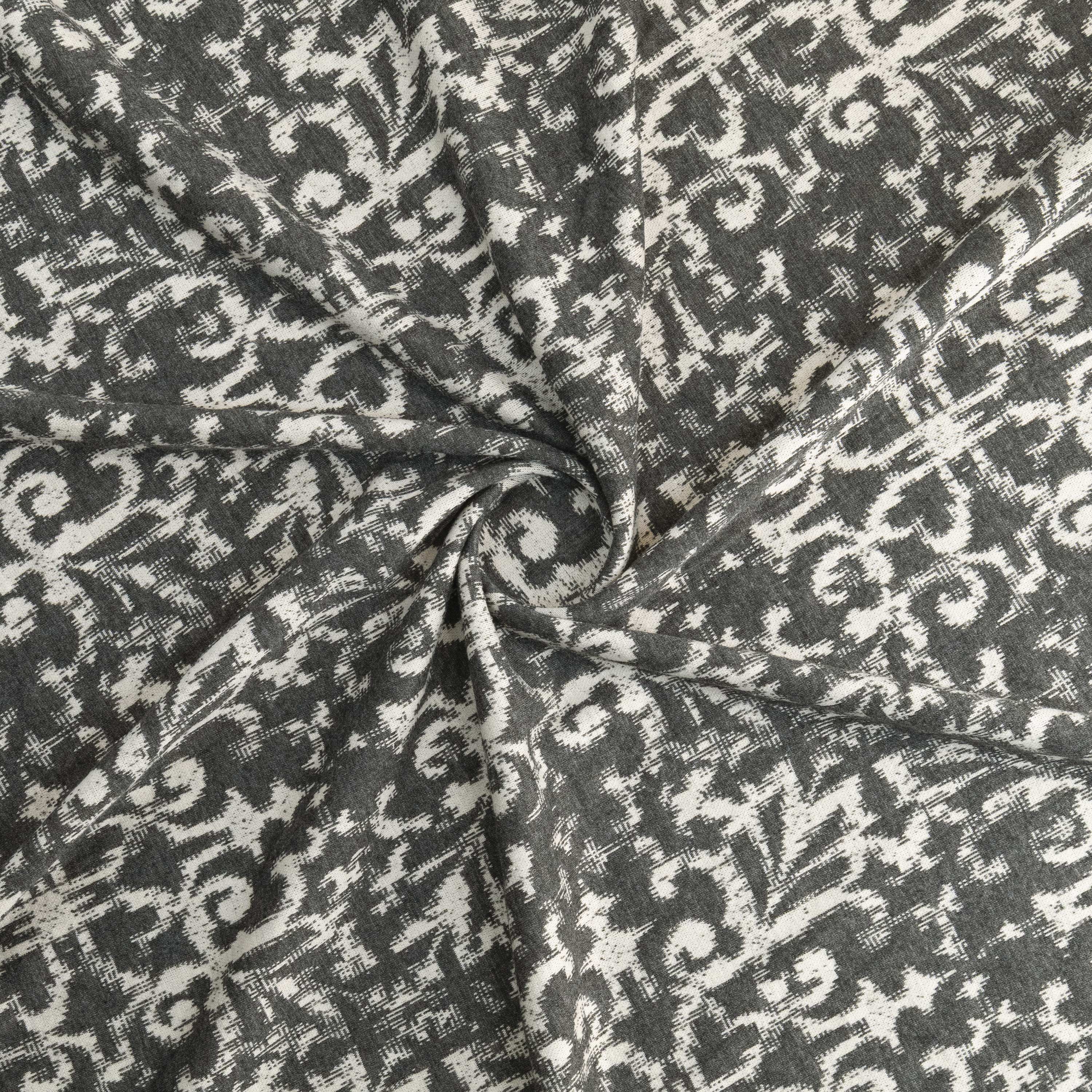
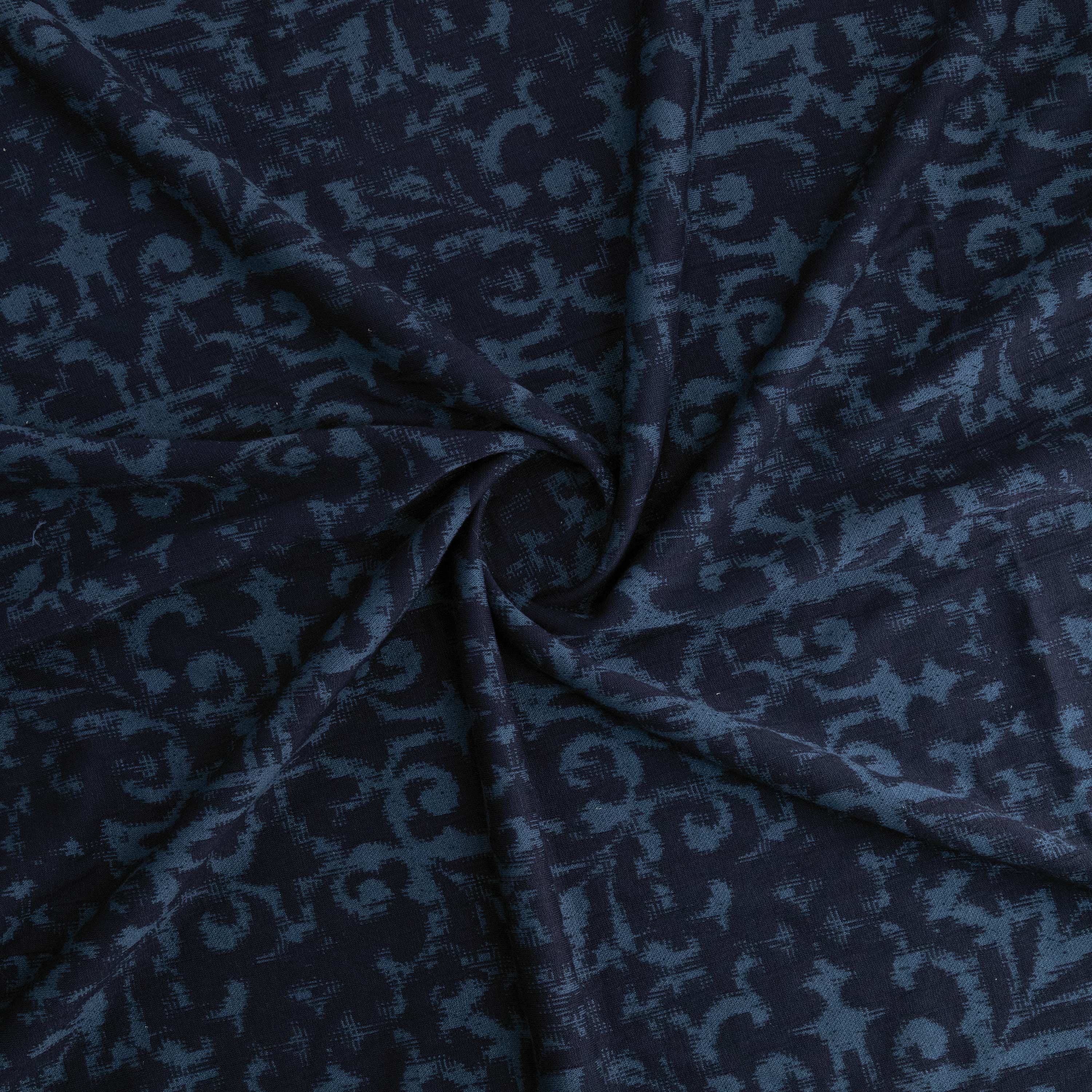
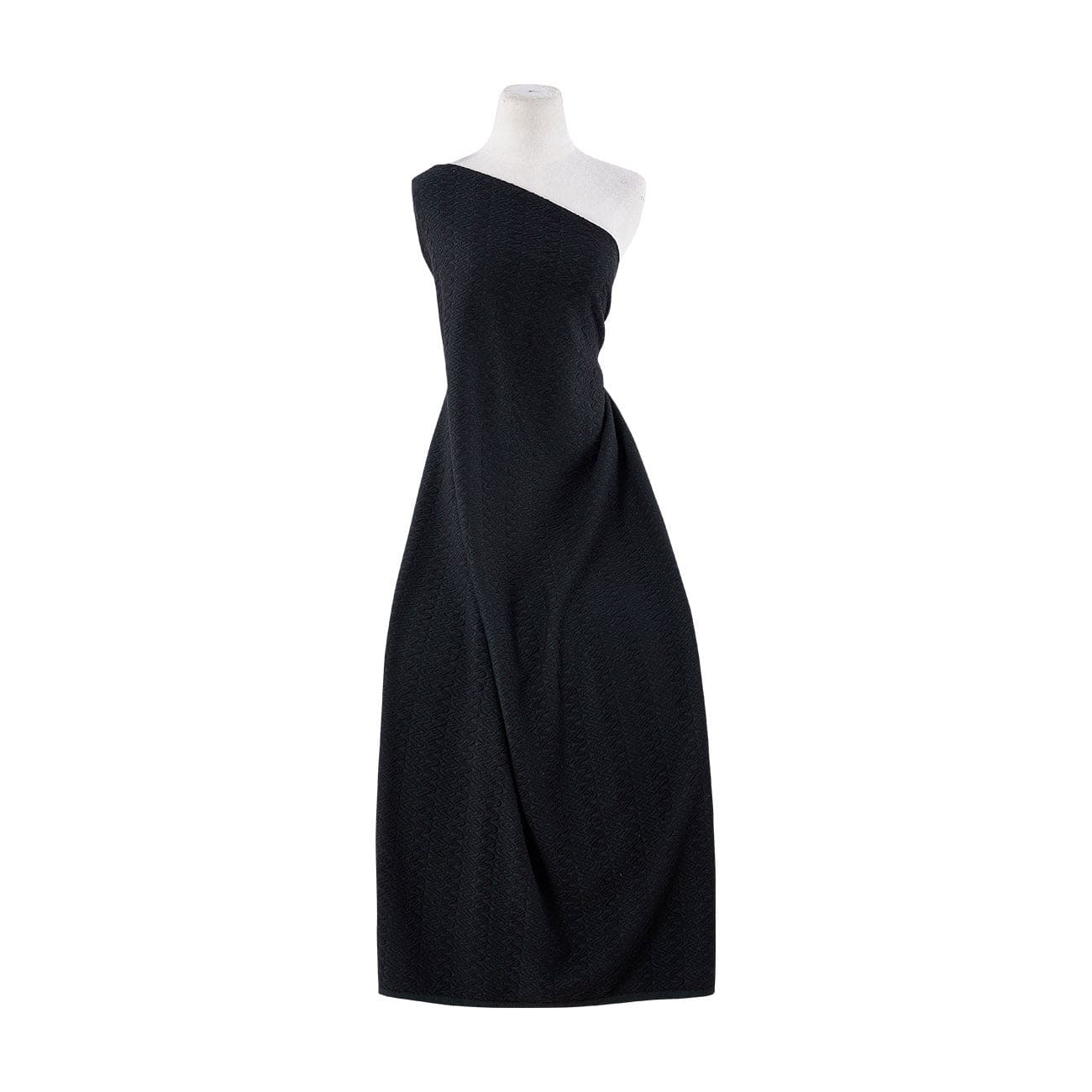
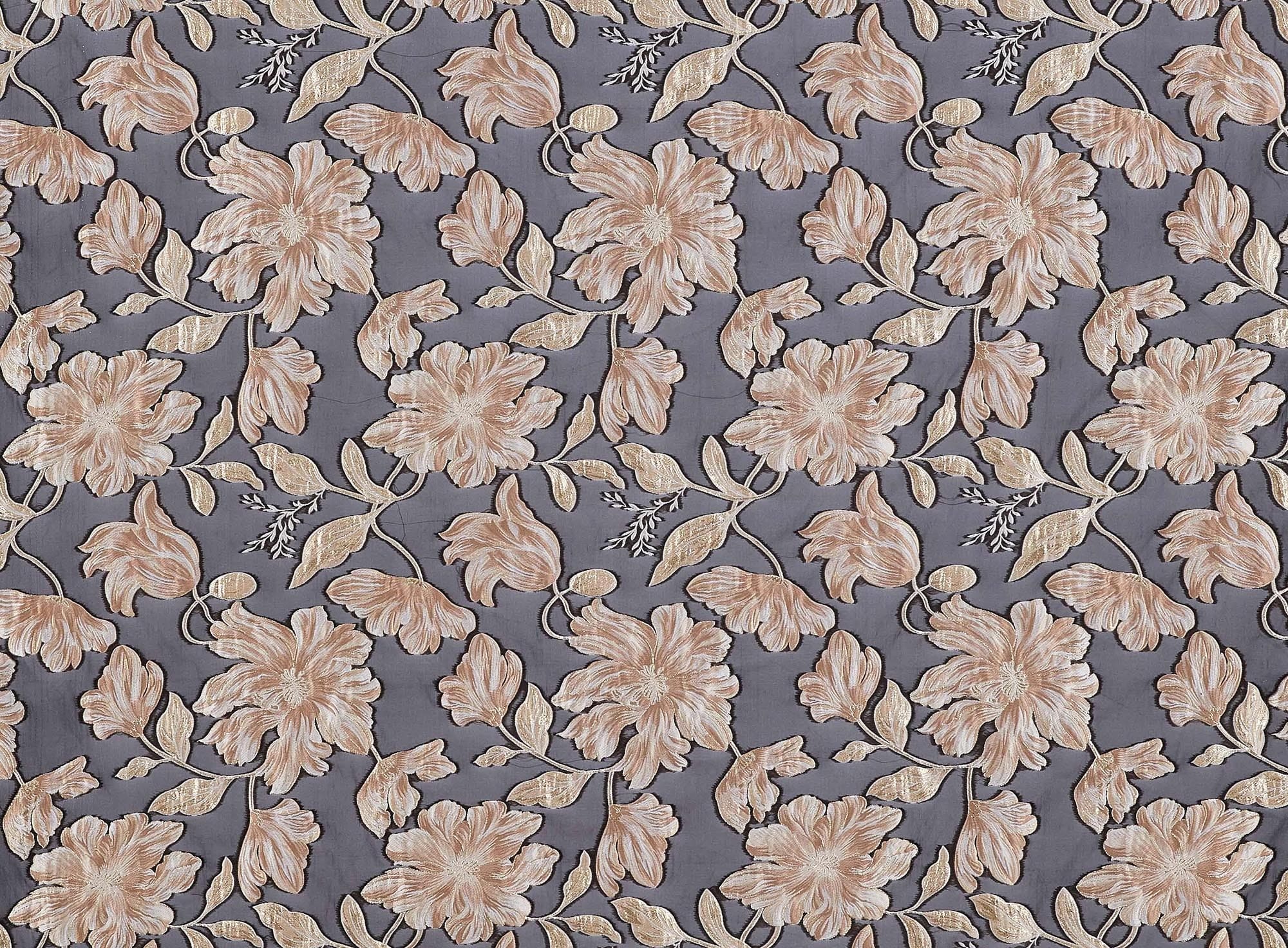
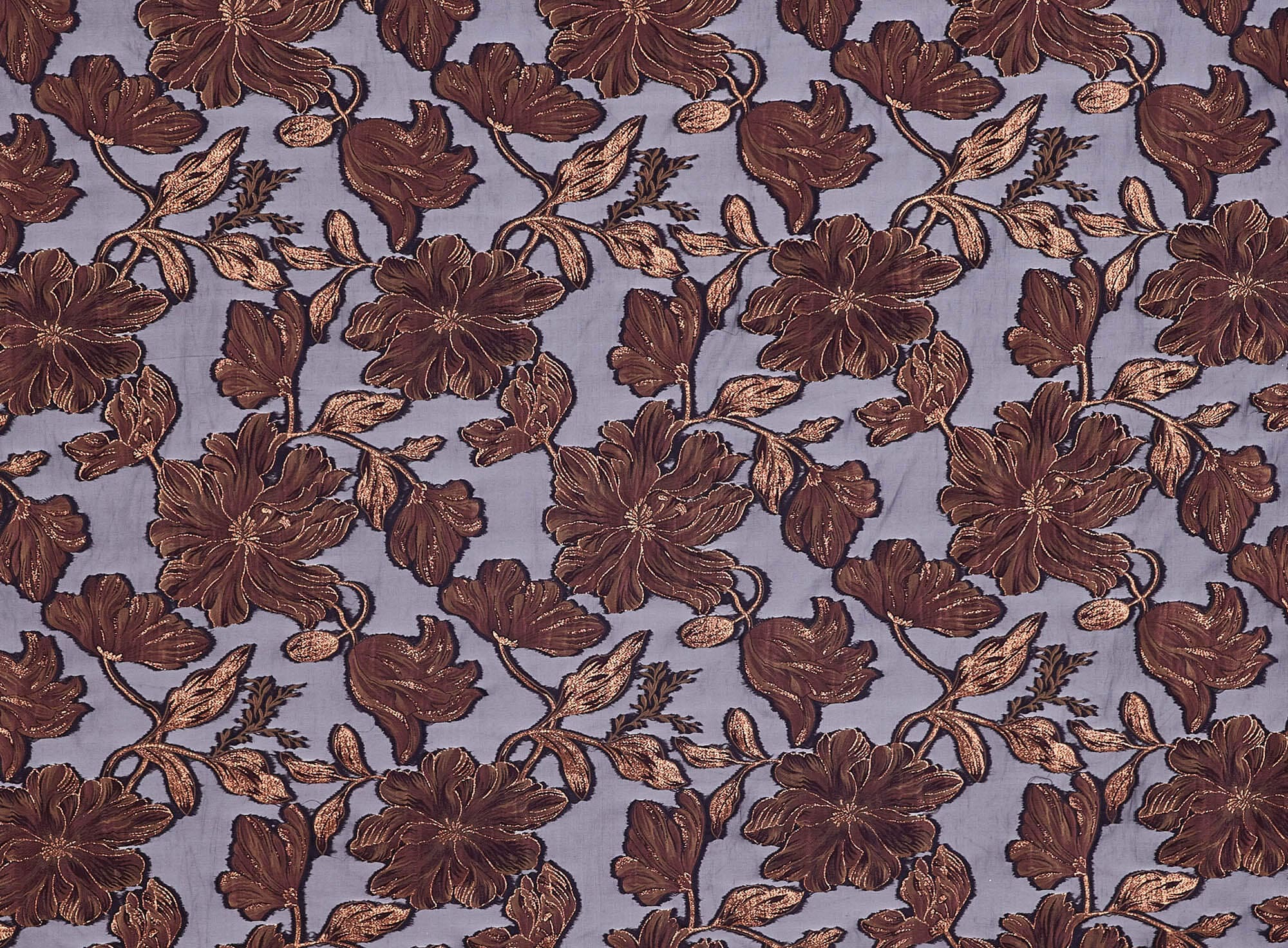
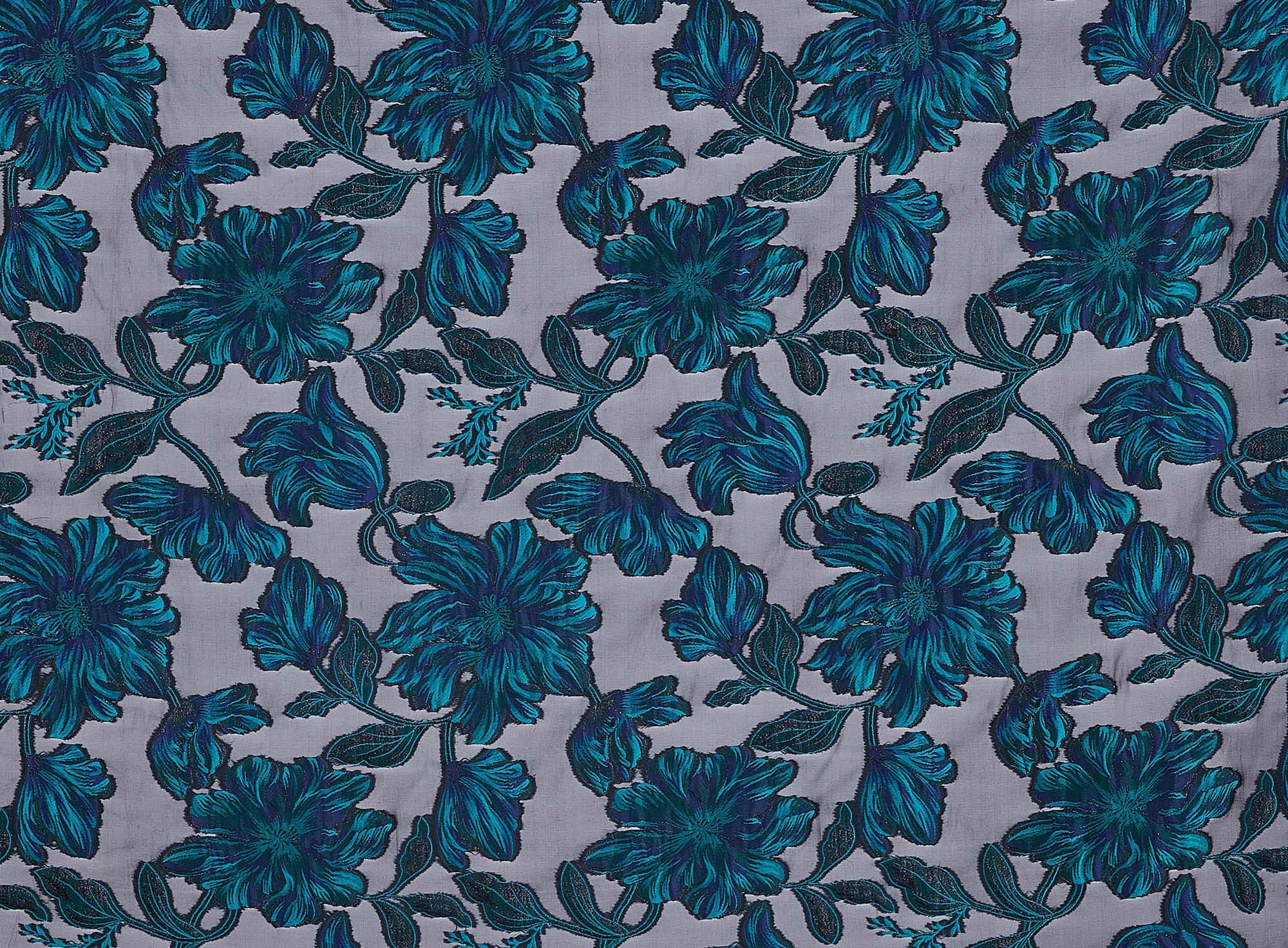
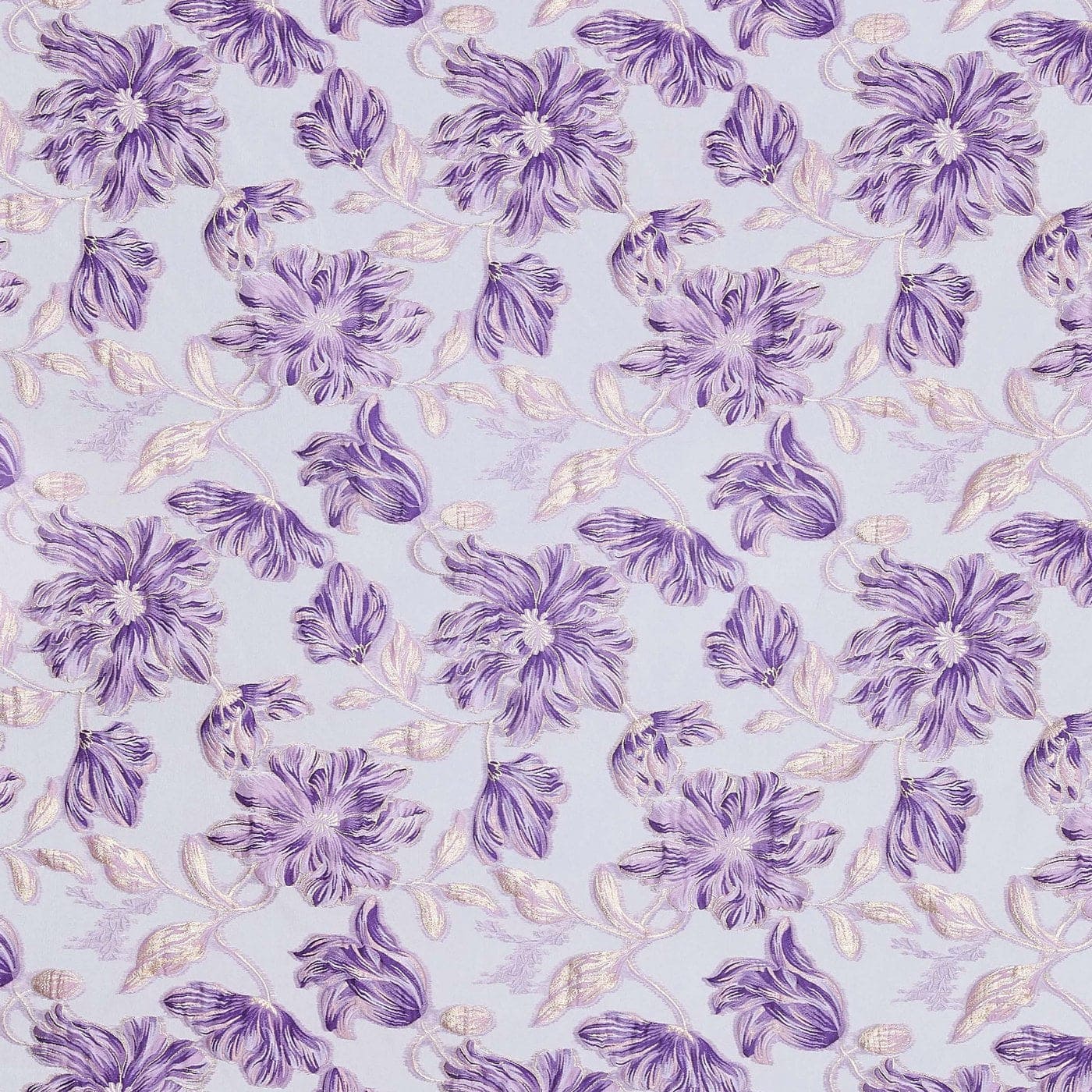
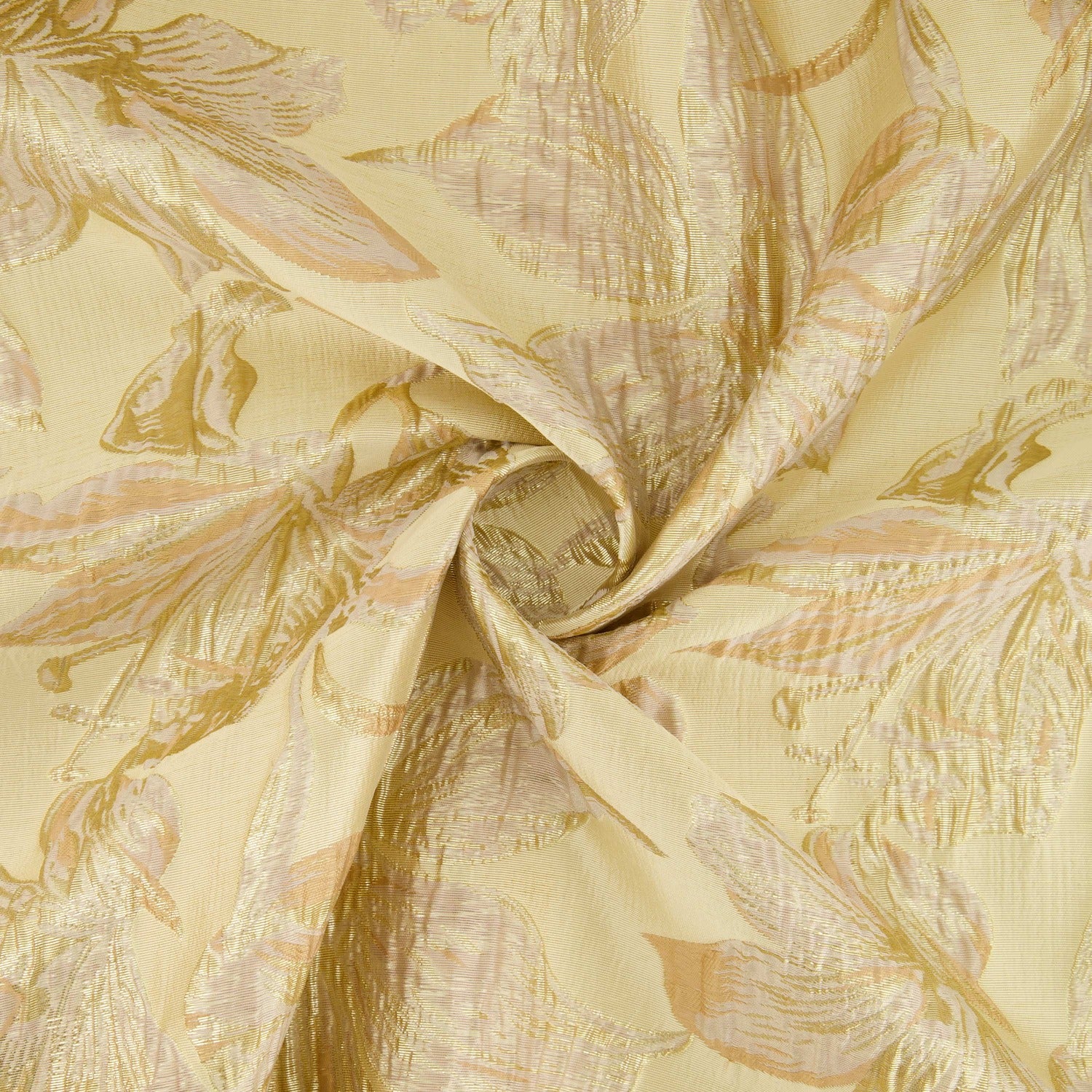
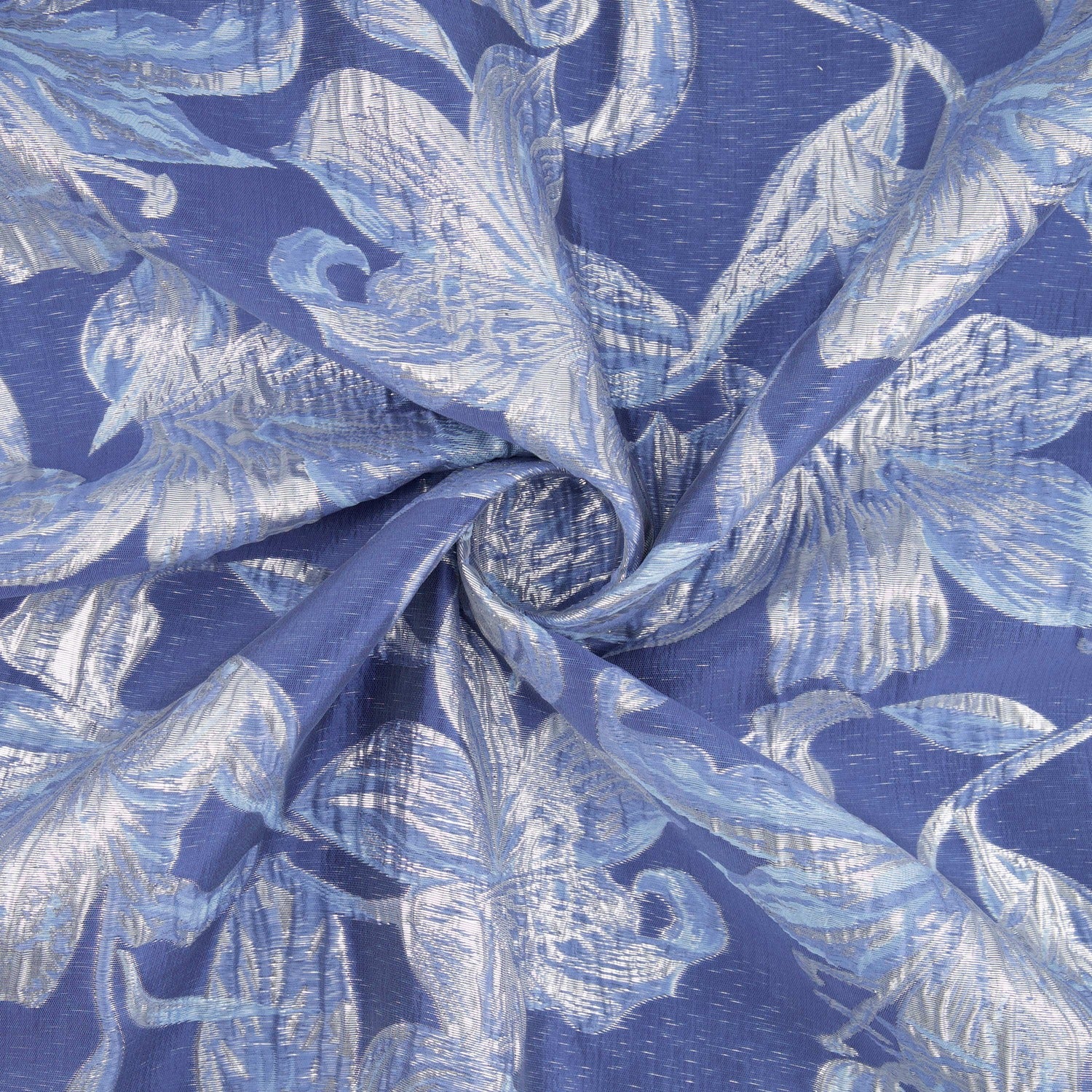
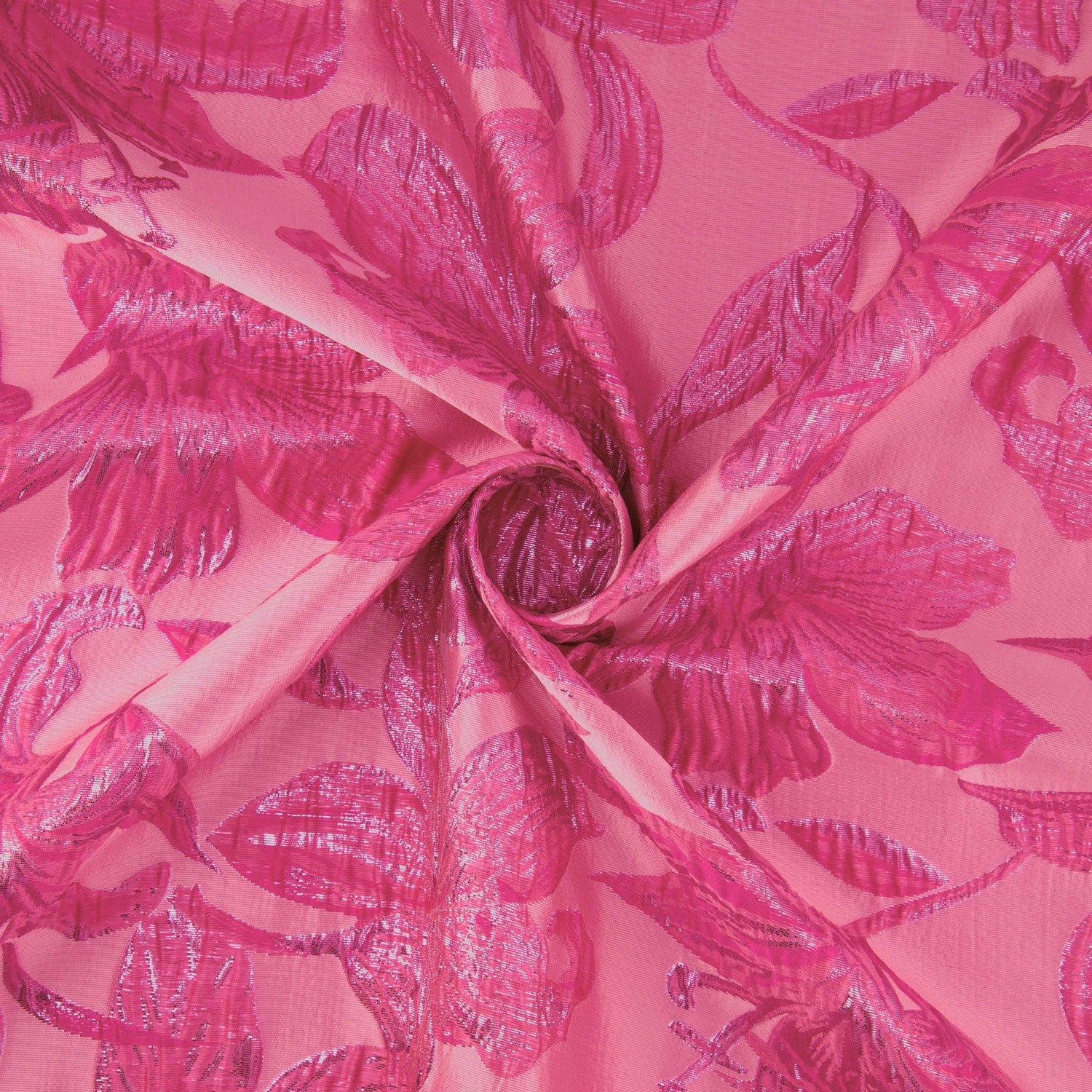
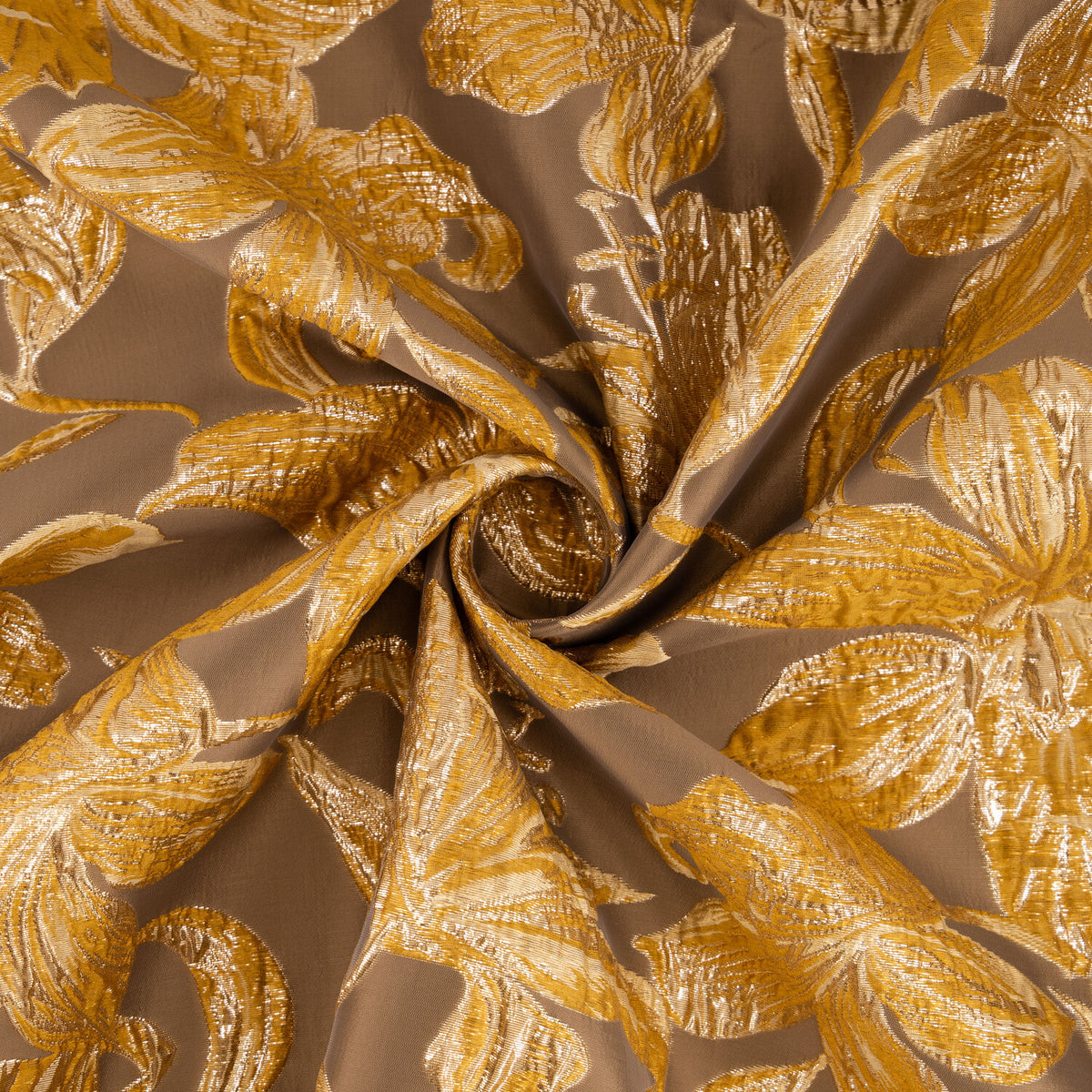
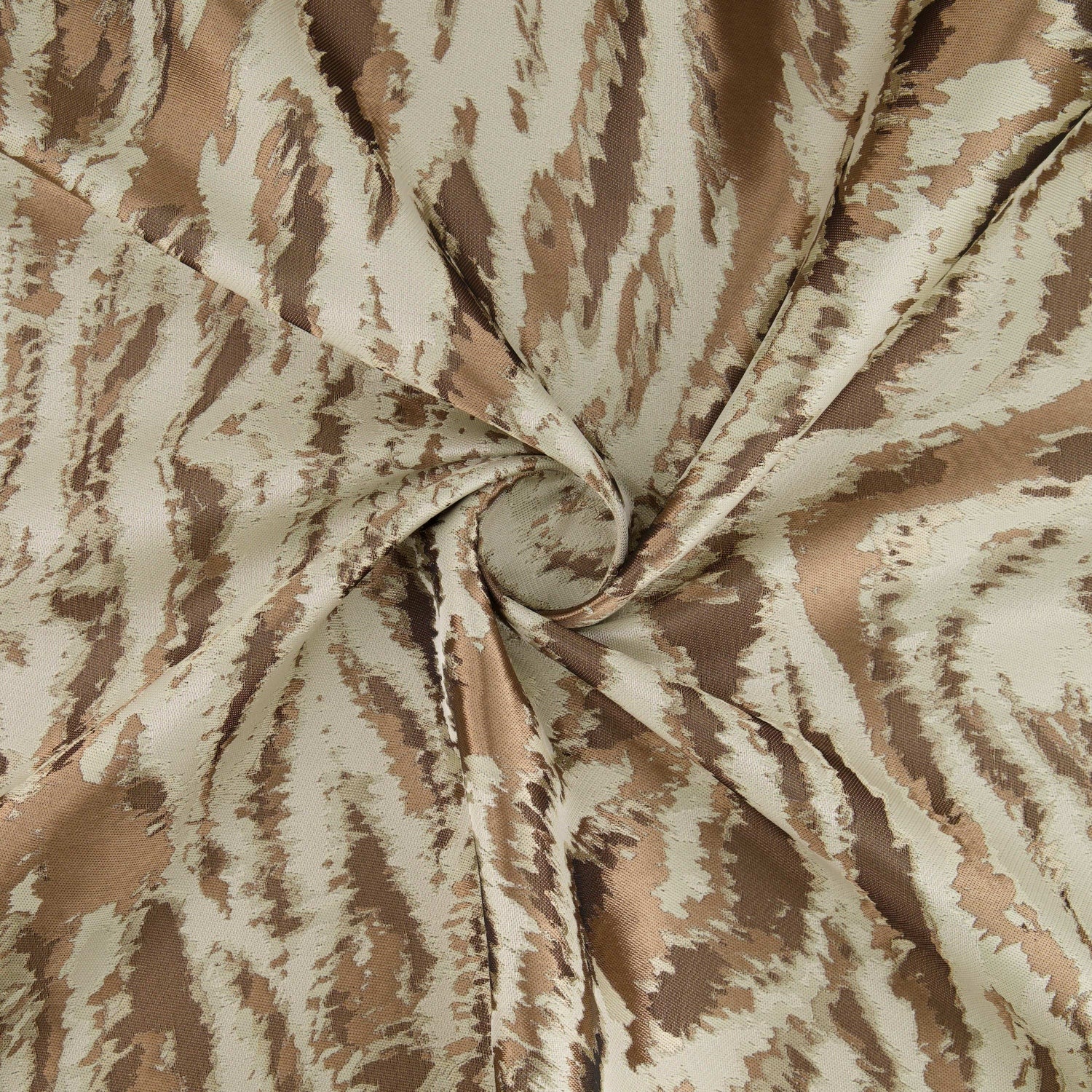
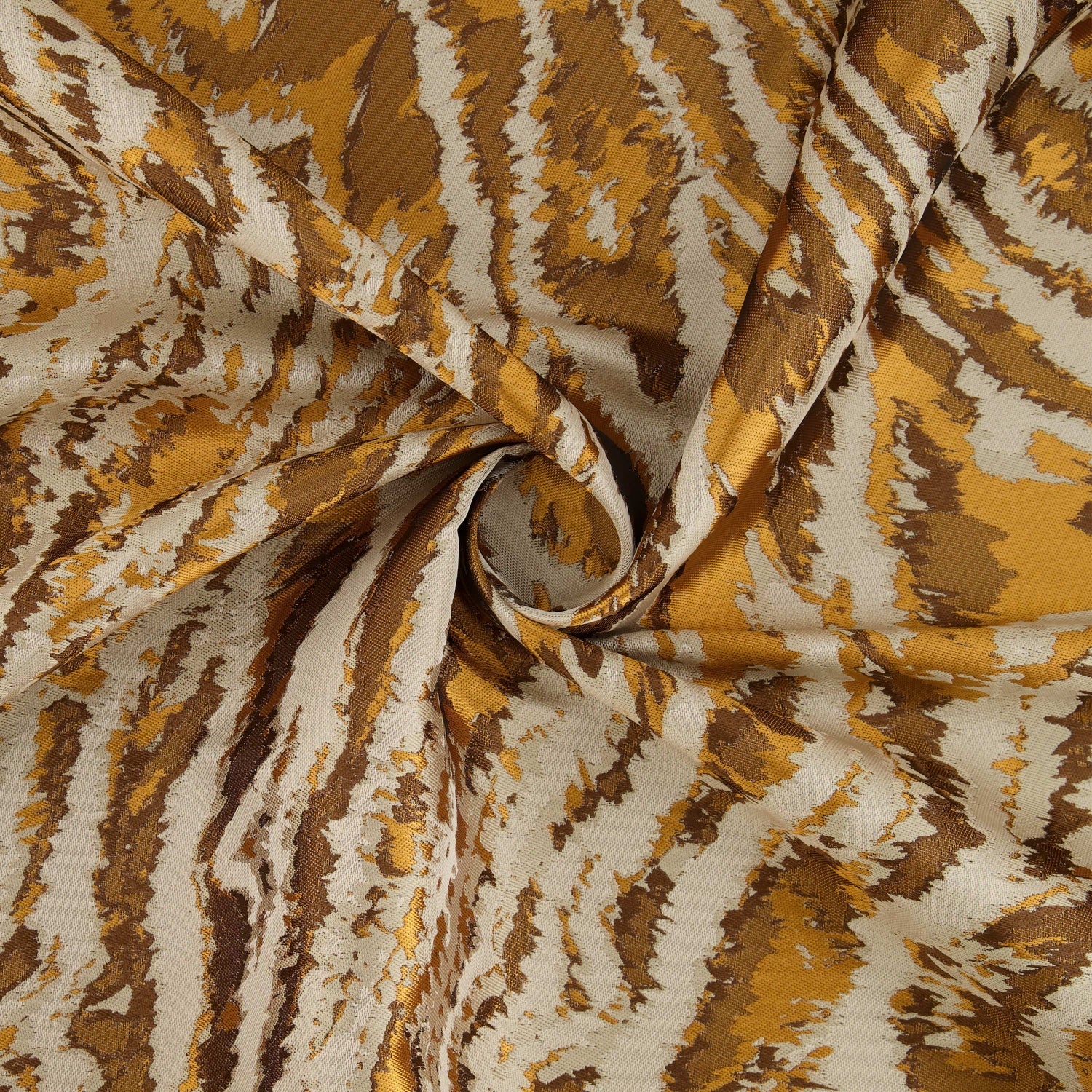
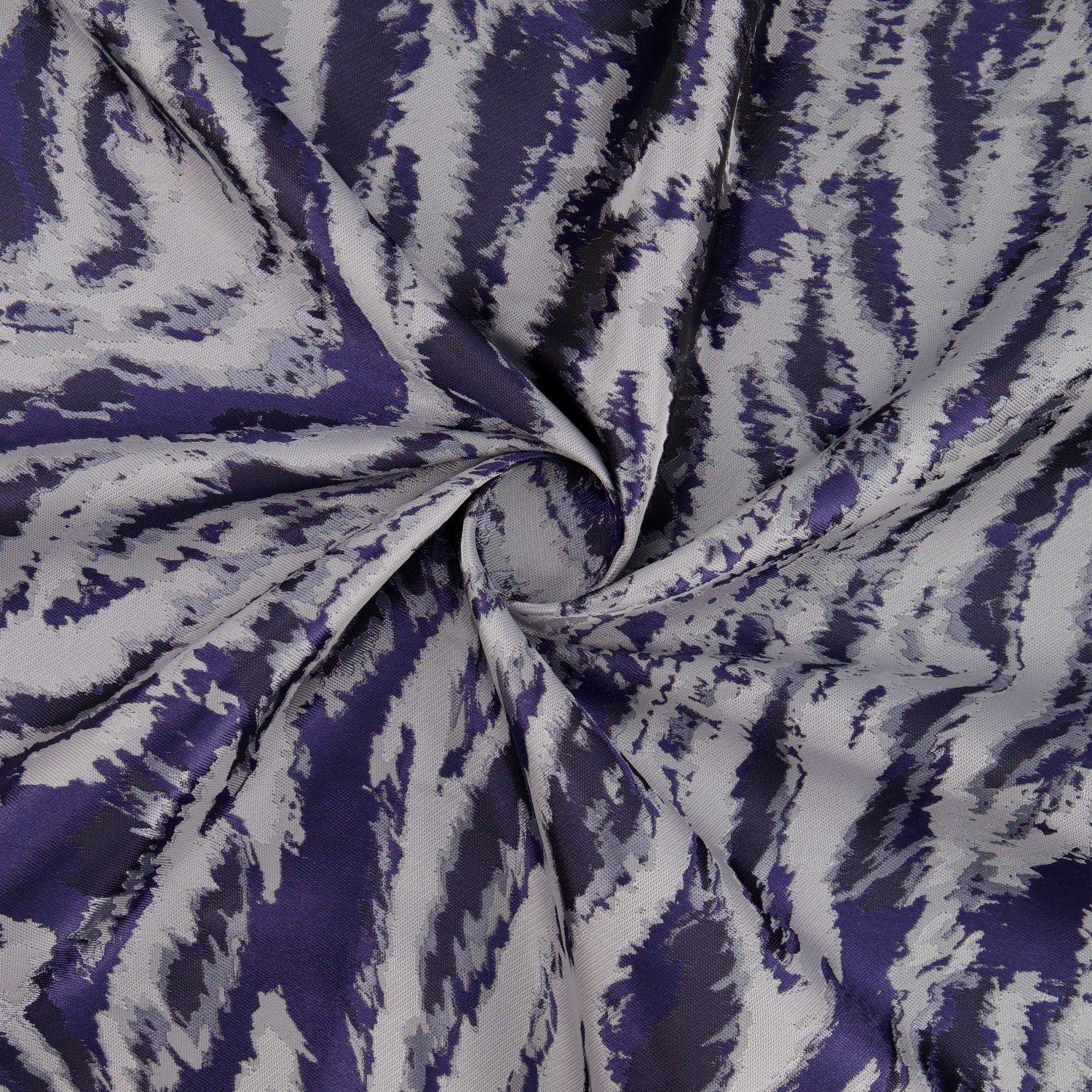
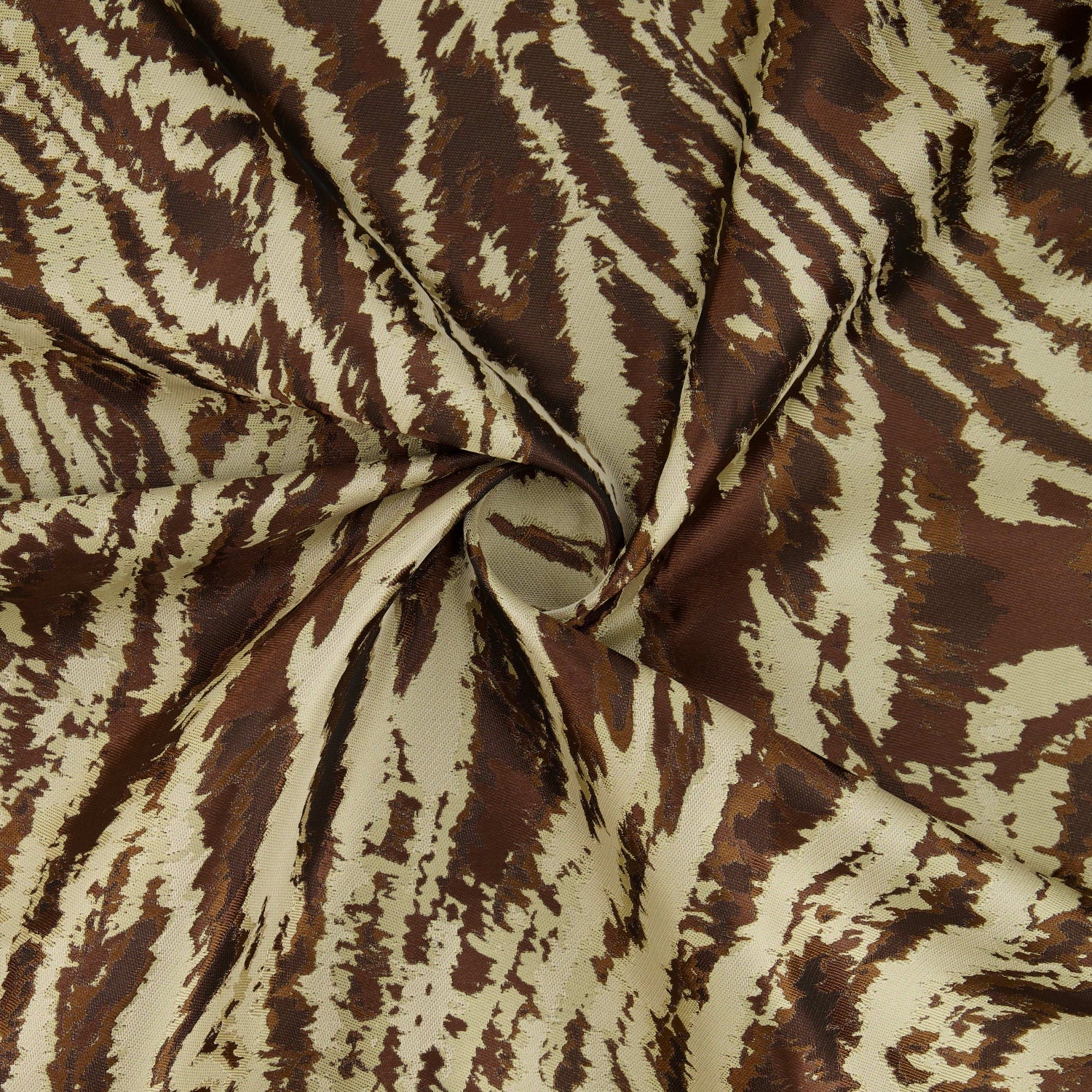
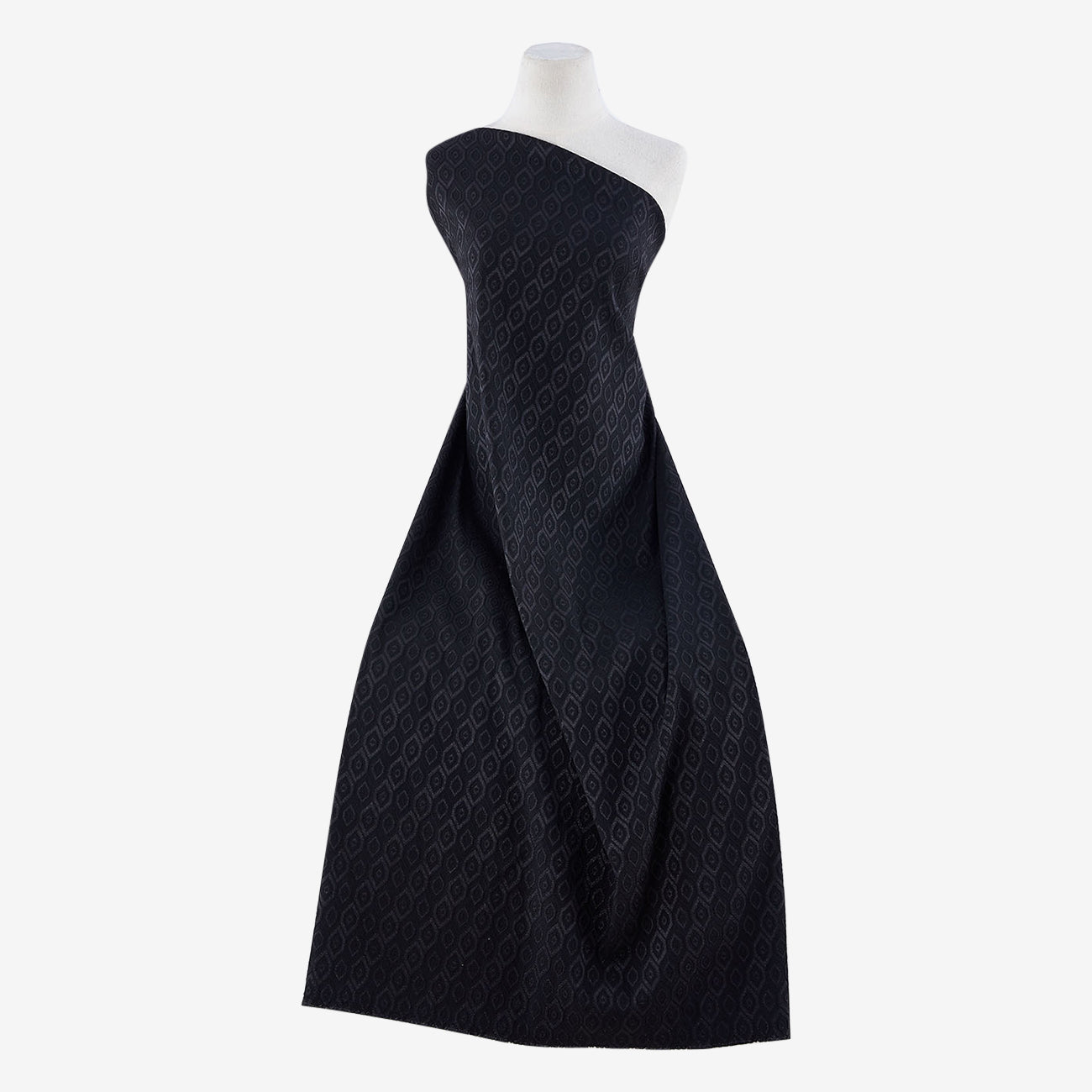
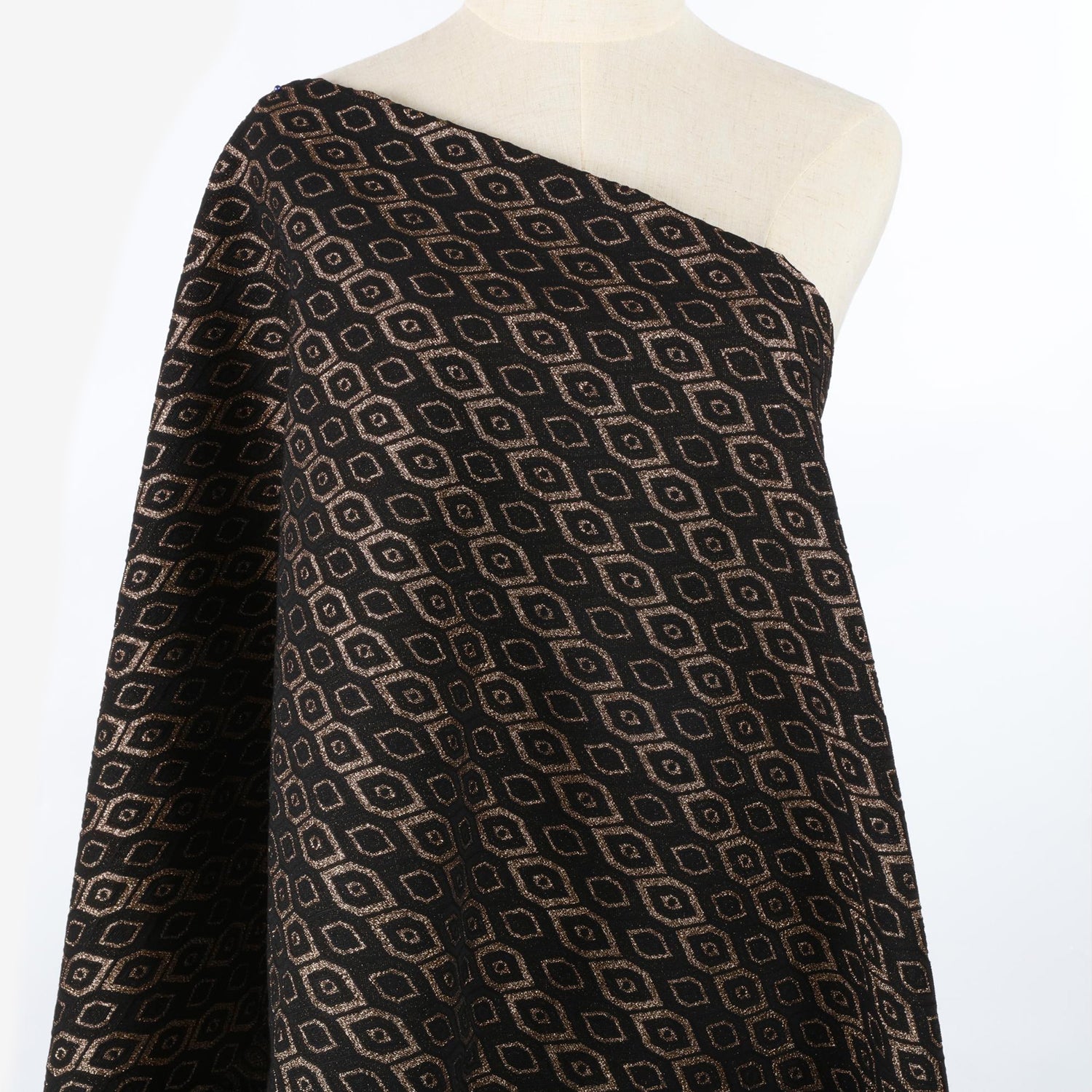
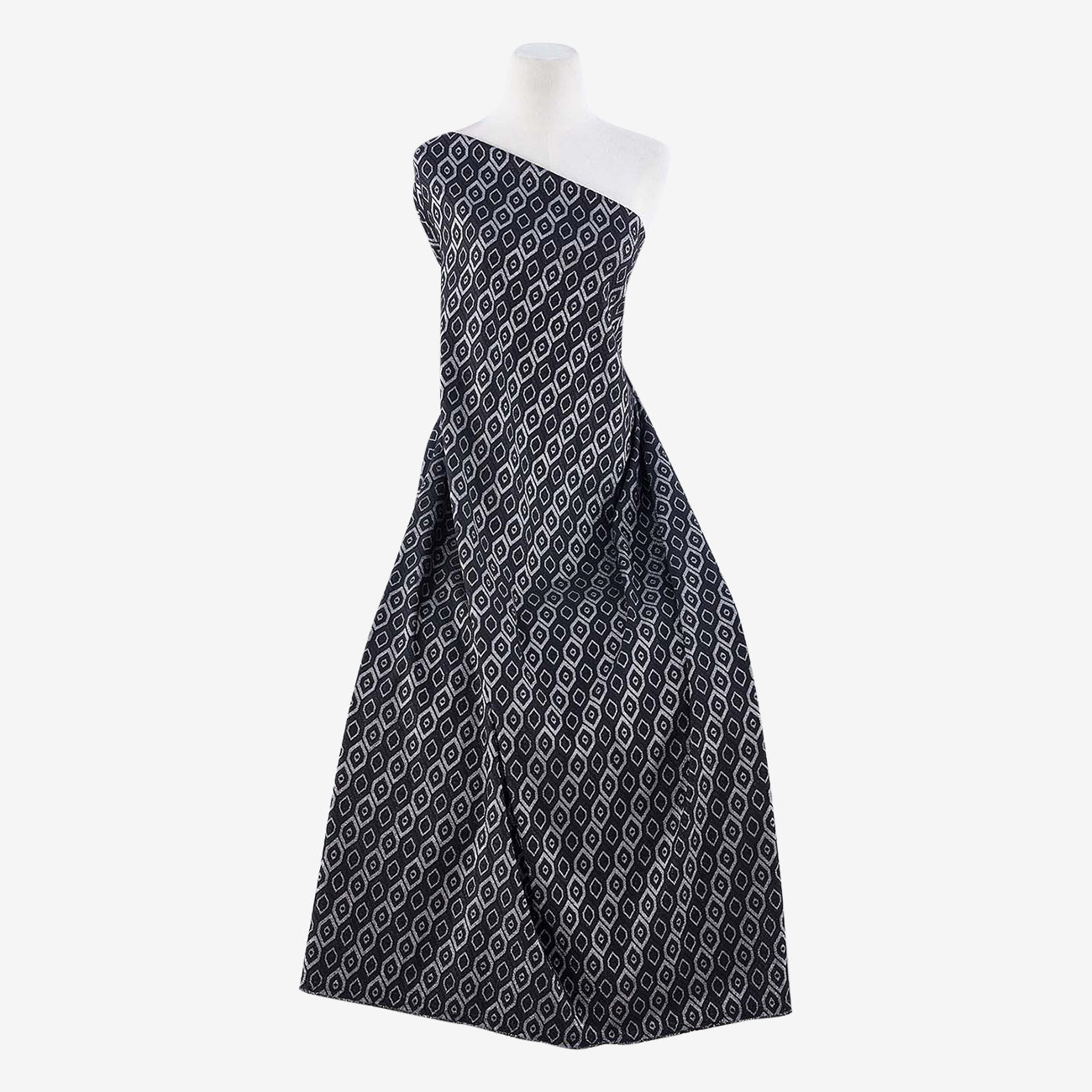
What Is Jacquard Fabric? History and How It’s Made
Jacquard fabric gets its defining characteristic from the loom mechanism that produces it. Before the Jacquard loom attachment existed, weavers had to manually lift individual heddles to control which warp threads were raised for each pass of the weft, a slow, error-prone process that made complex pattern repeats expensive and inconsistent.
How the Punched Card Mechanism Works
Joseph Marie Jacquard’s 1804 invention in Lyon, France changed that by encoding the lifting sequence onto a chain of punched cards, holes in the card allowed hooks to pass through and raise specific warp threads, while solid sections blocked them. Each row of holes corresponded to one weft pick, and the cards advanced automatically with each pass of the shuttle.
Impact on Textile Production
The practical consequence was enormous. A pattern that once required a skilled draw-boy working alongside the weaver could now be reproduced exactly, card after card, yard after yard. Lyon’s silk weaving industry adopted the mechanism rapidly, and within decades it had spread across Europe’s textile centers. The punched card logic was precise enough that Charles Babbage later cited it as an influence on his Analytical Engine, an early conceptual computing machine.
Modern Computer-Controlled Looms
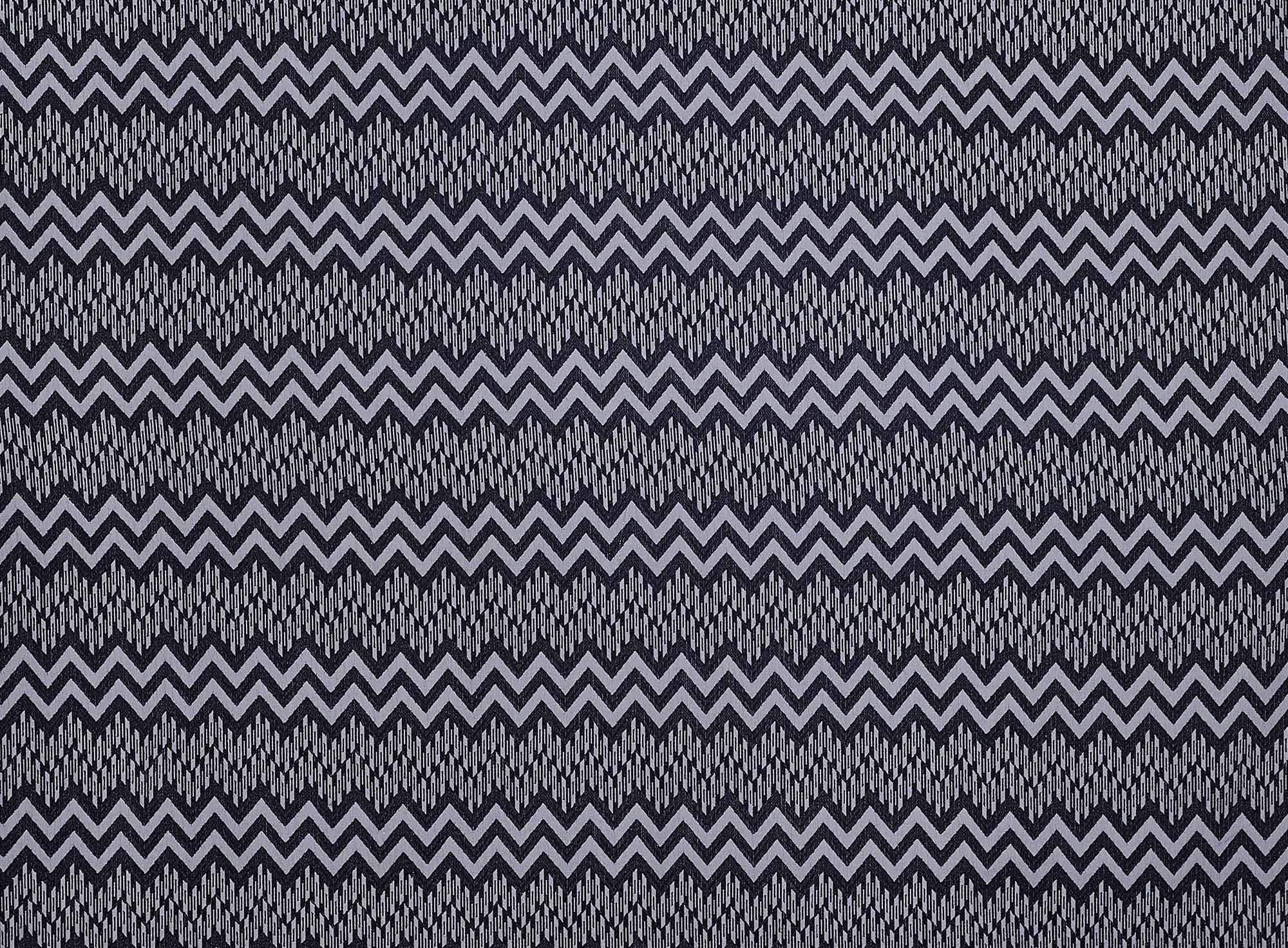
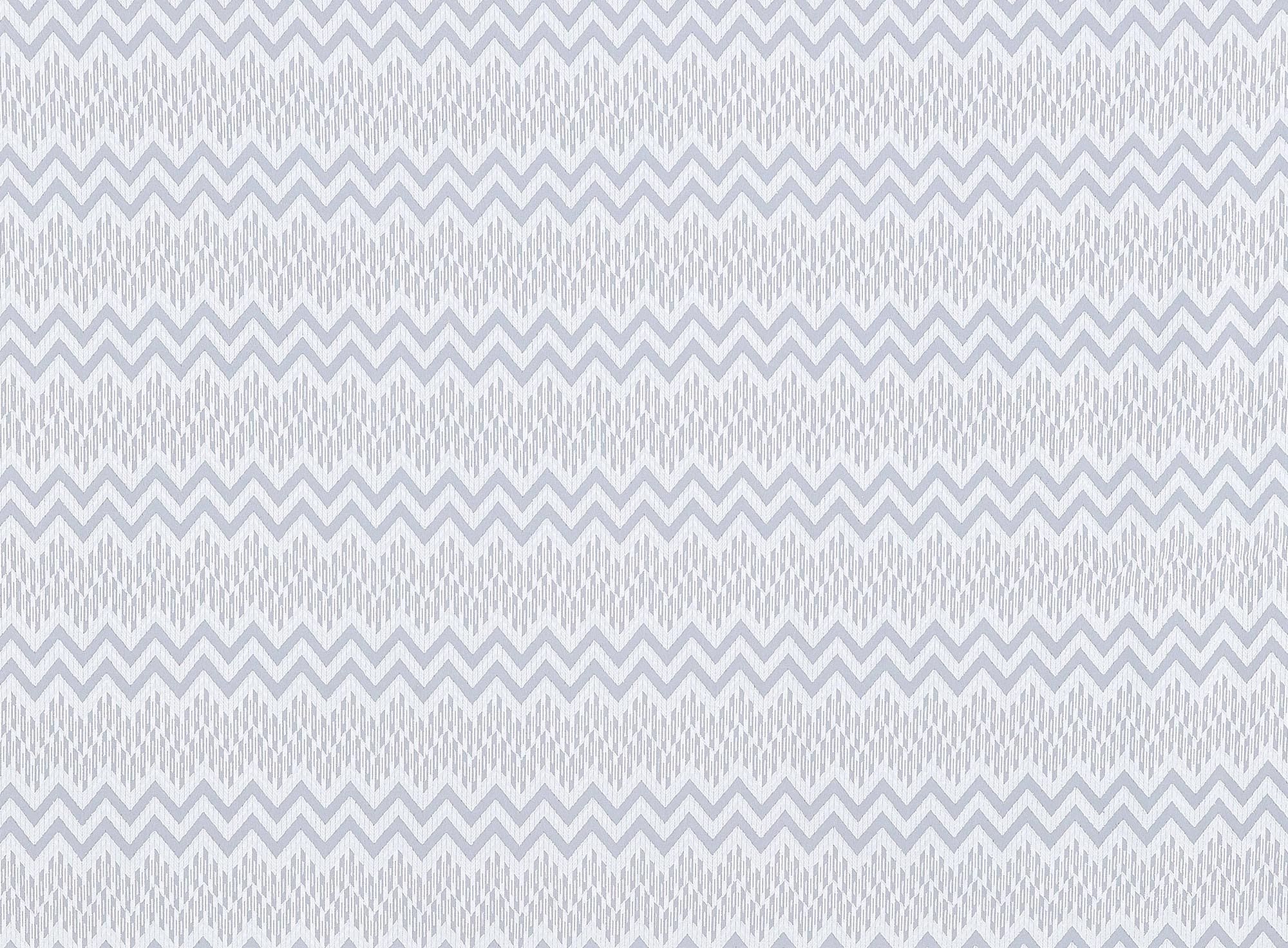
Modern Jacquard looms are computer-controlled rather than card-driven, but the underlying principle is identical, each warp thread is addressed individually, allowing the loom to build any pattern the designer can draft. This is what separates jacquard from simpler weave structures like plain weave or twill-based weave, where the interlacement follows a fixed, repeating rule across all threads. In a jacquard fabric, the interlacement itself is the pattern.
Jacquard Fabric Types by Fiber
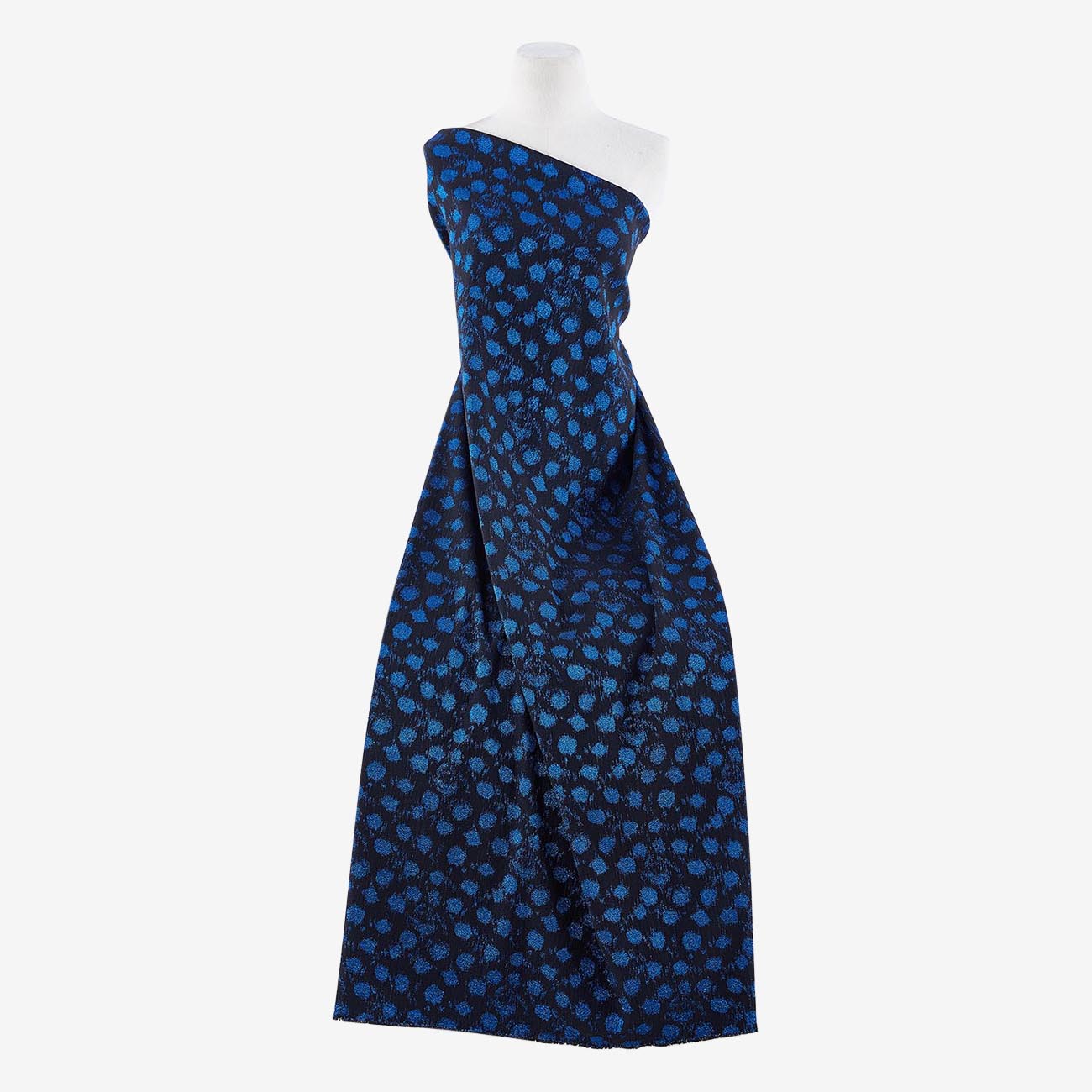
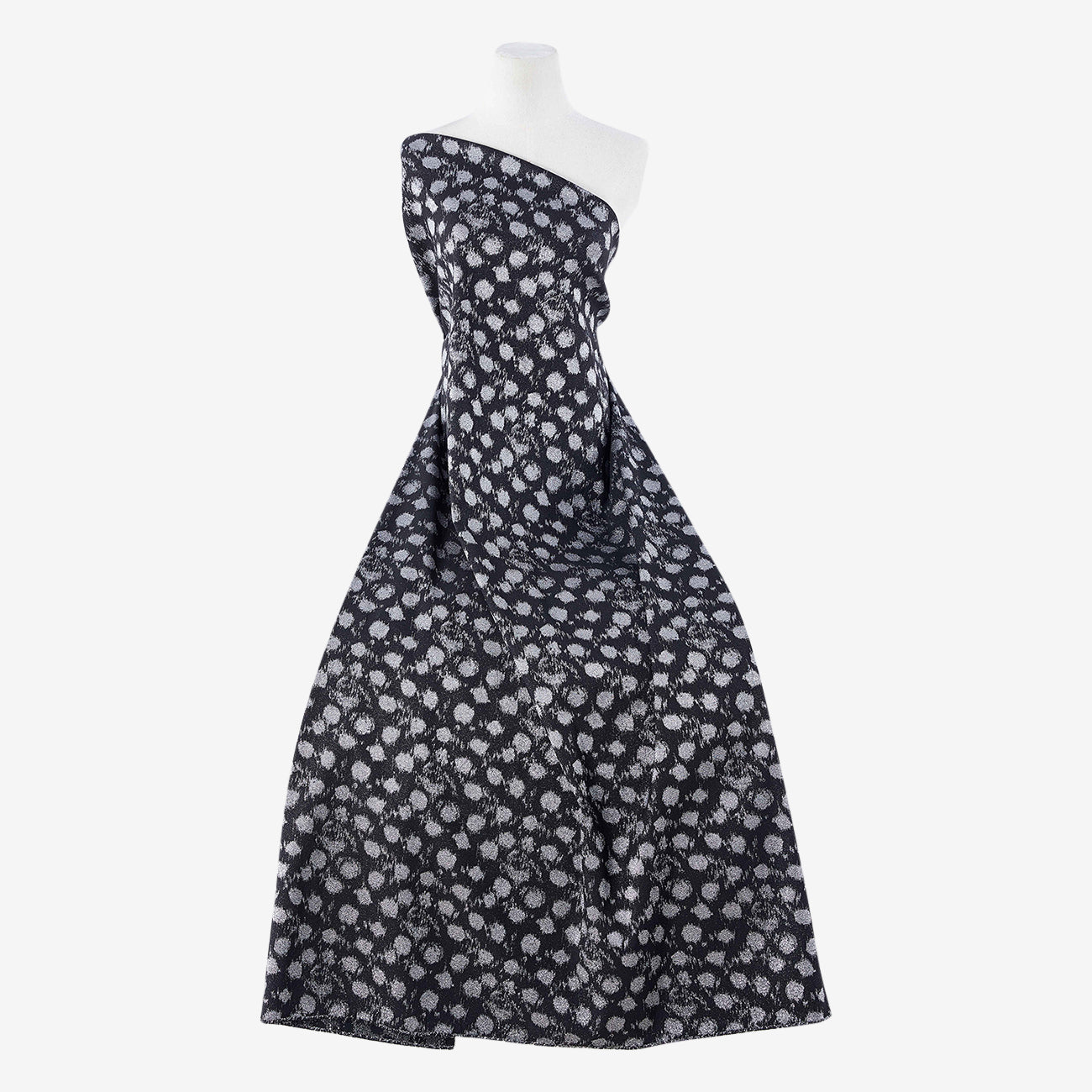
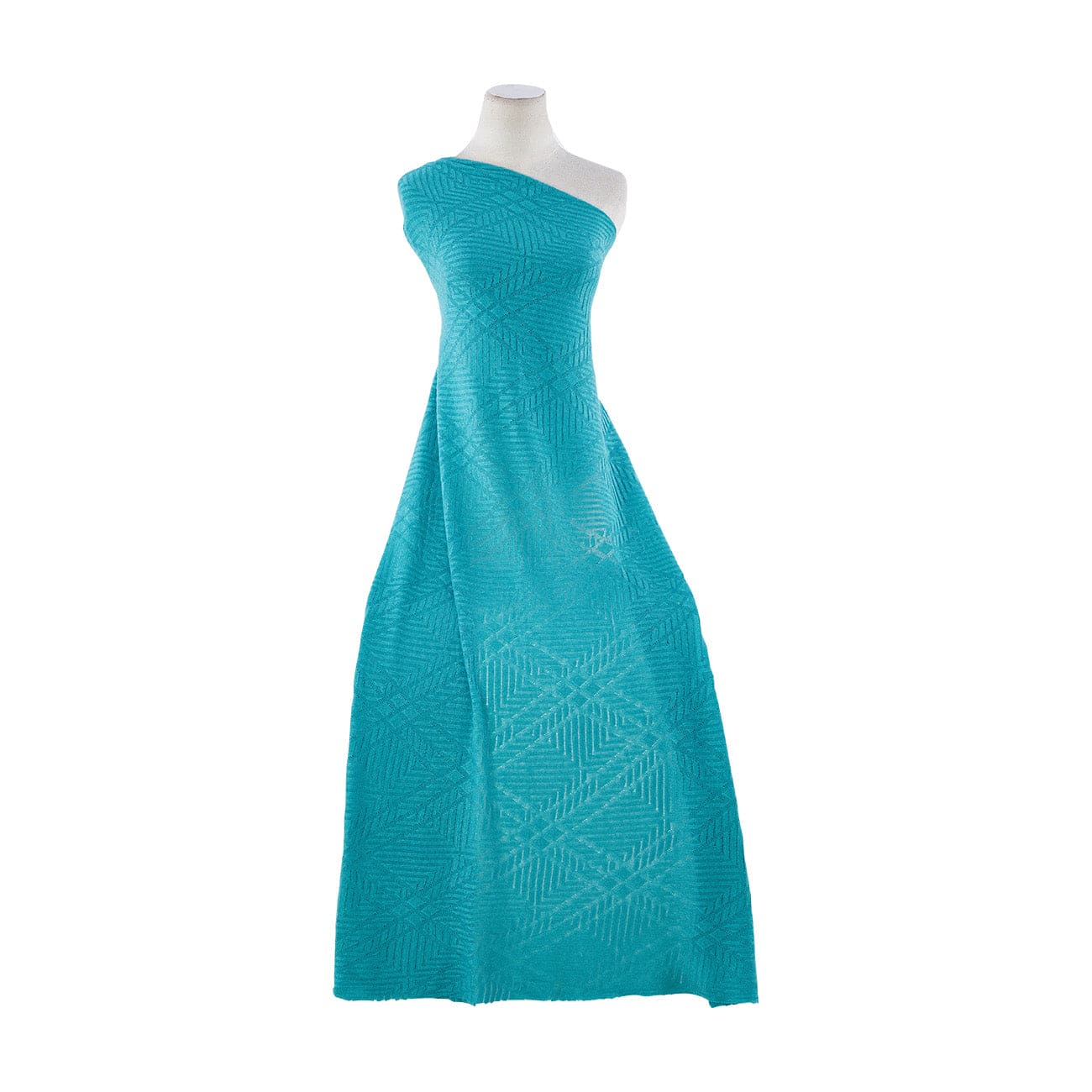
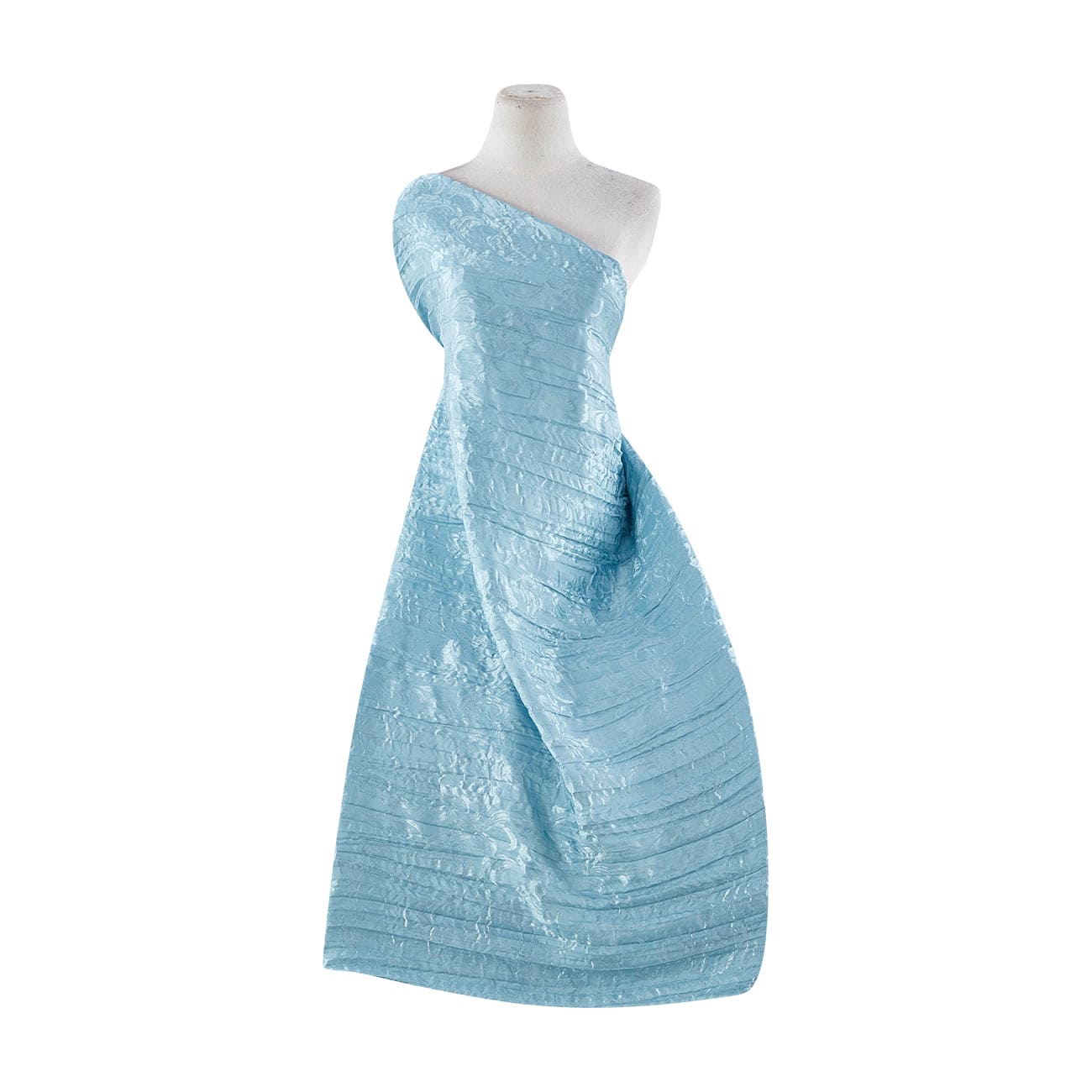
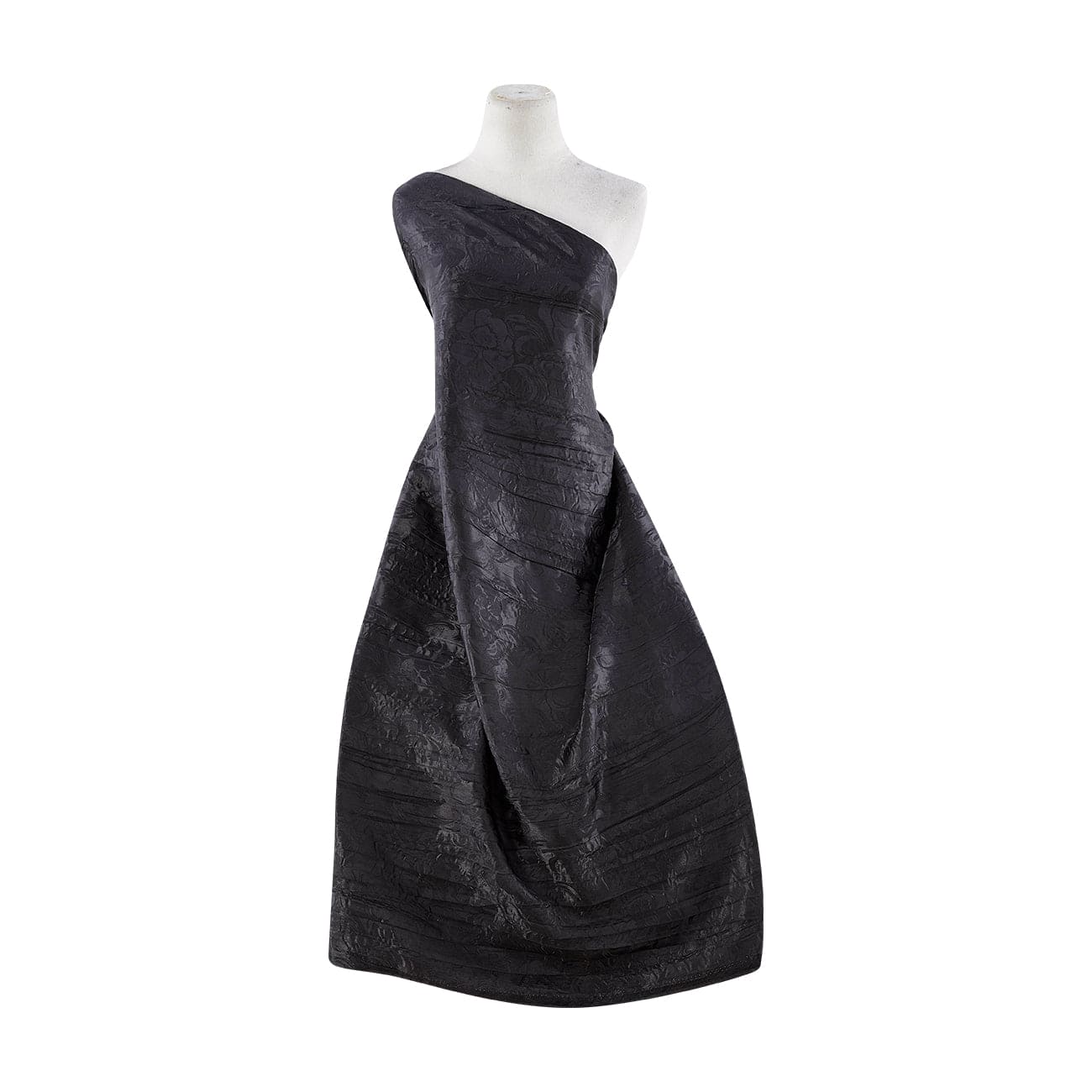
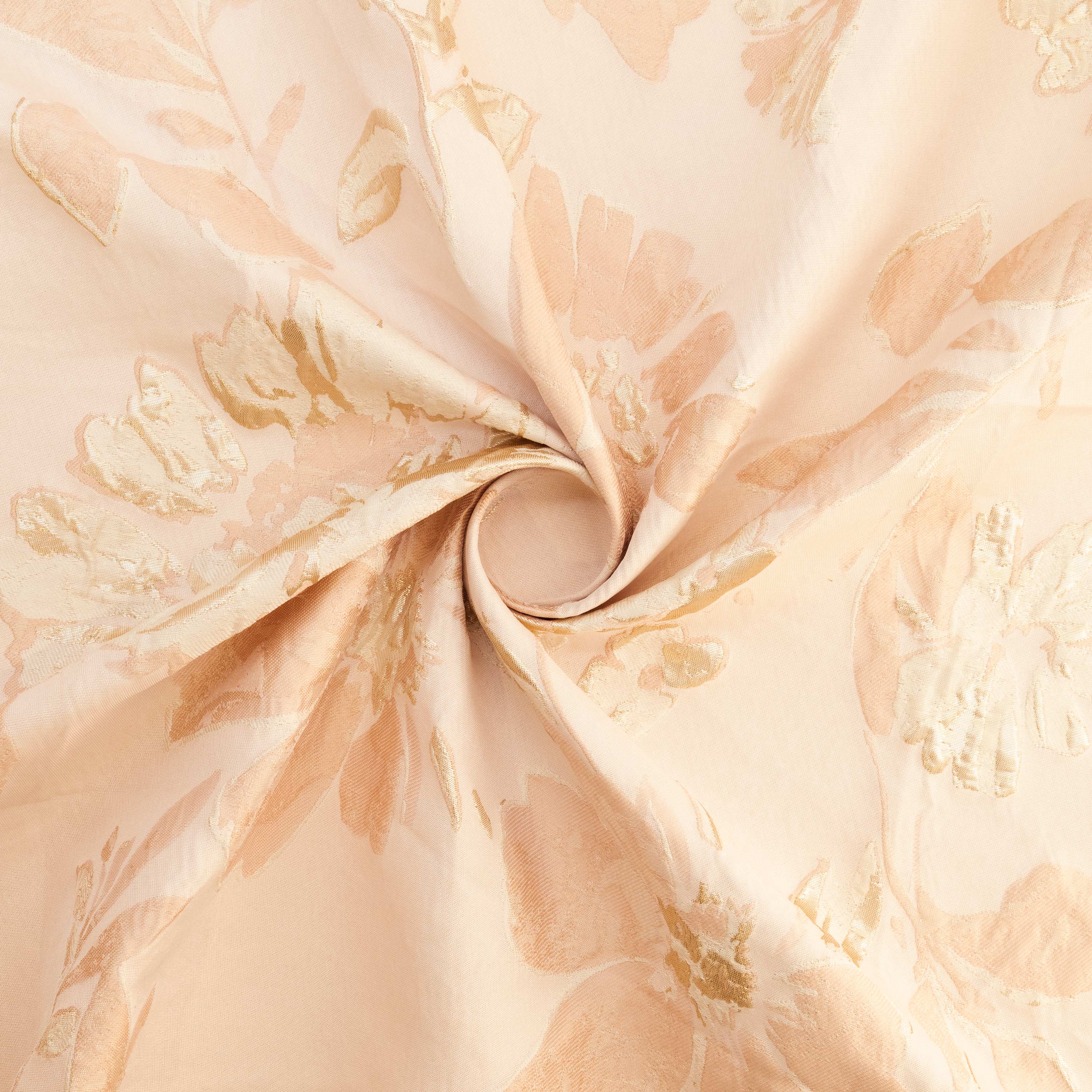
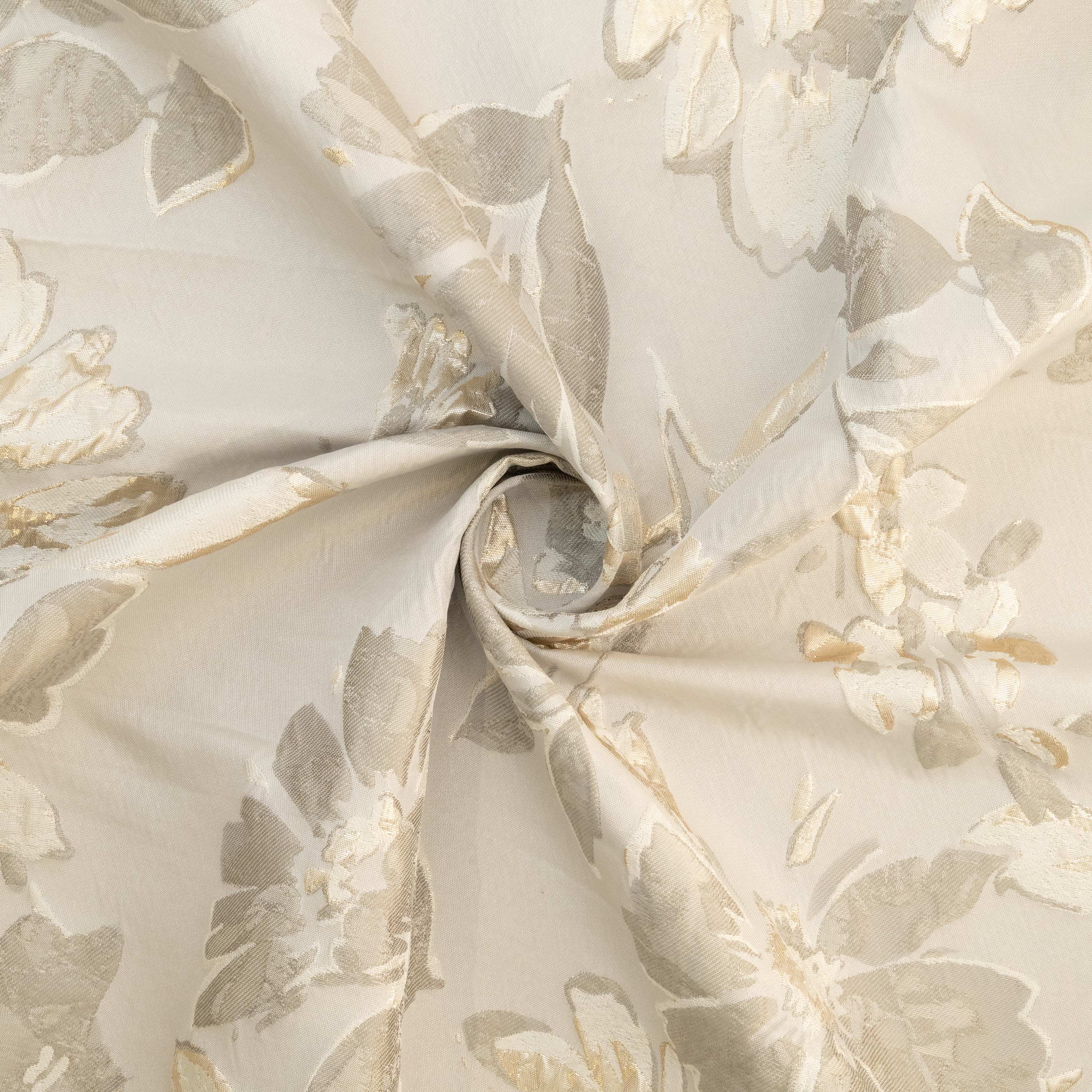
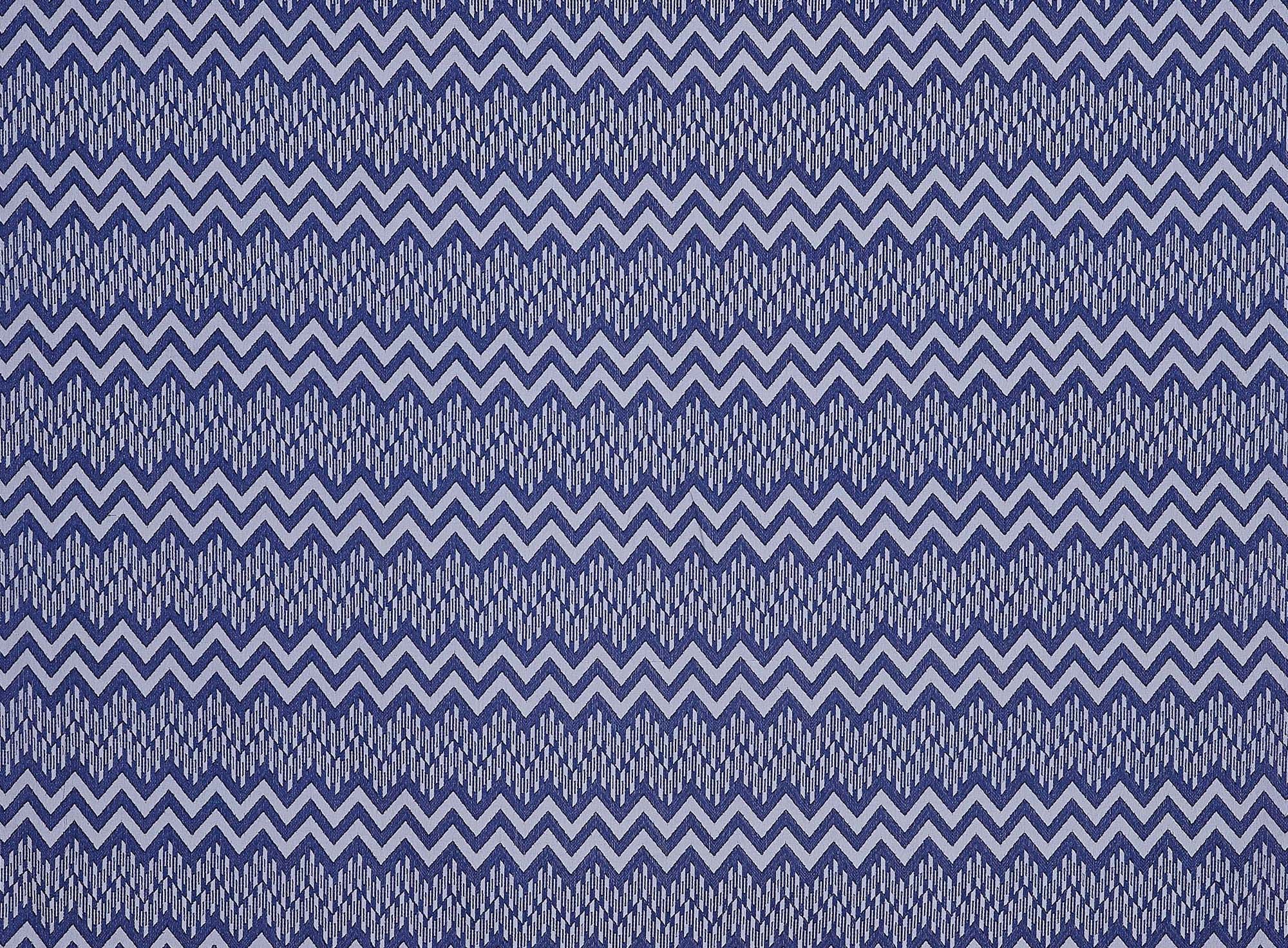
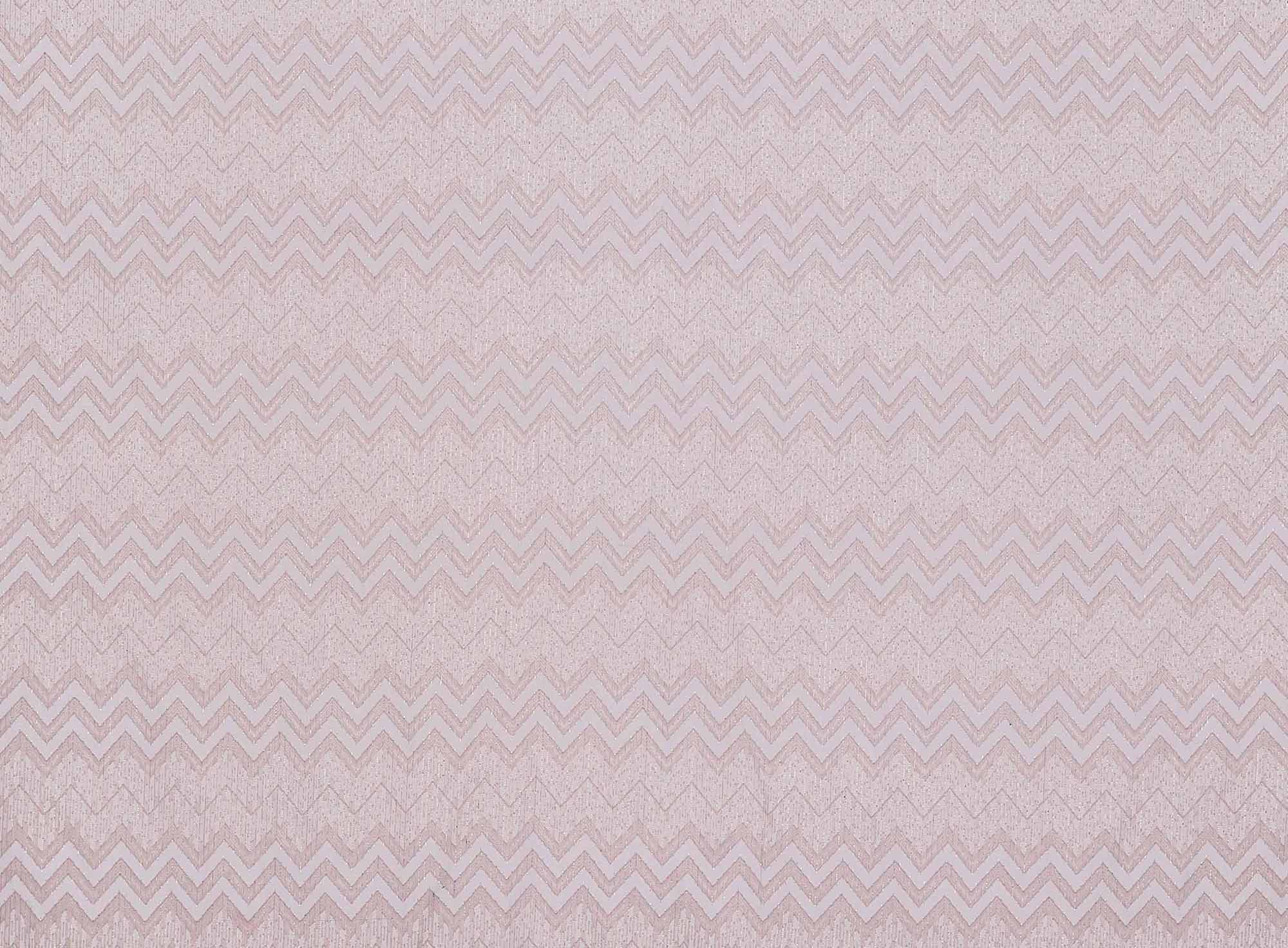
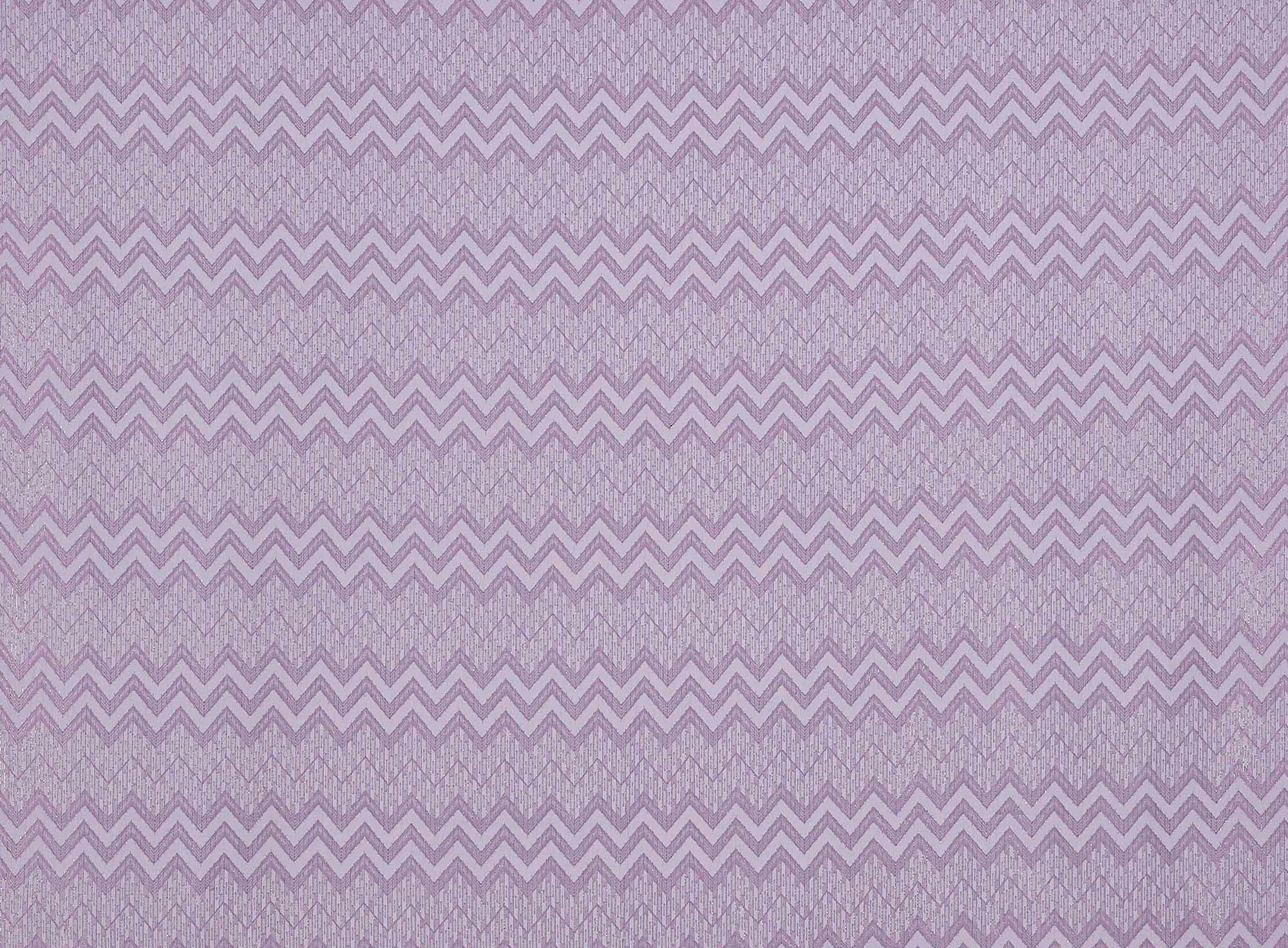
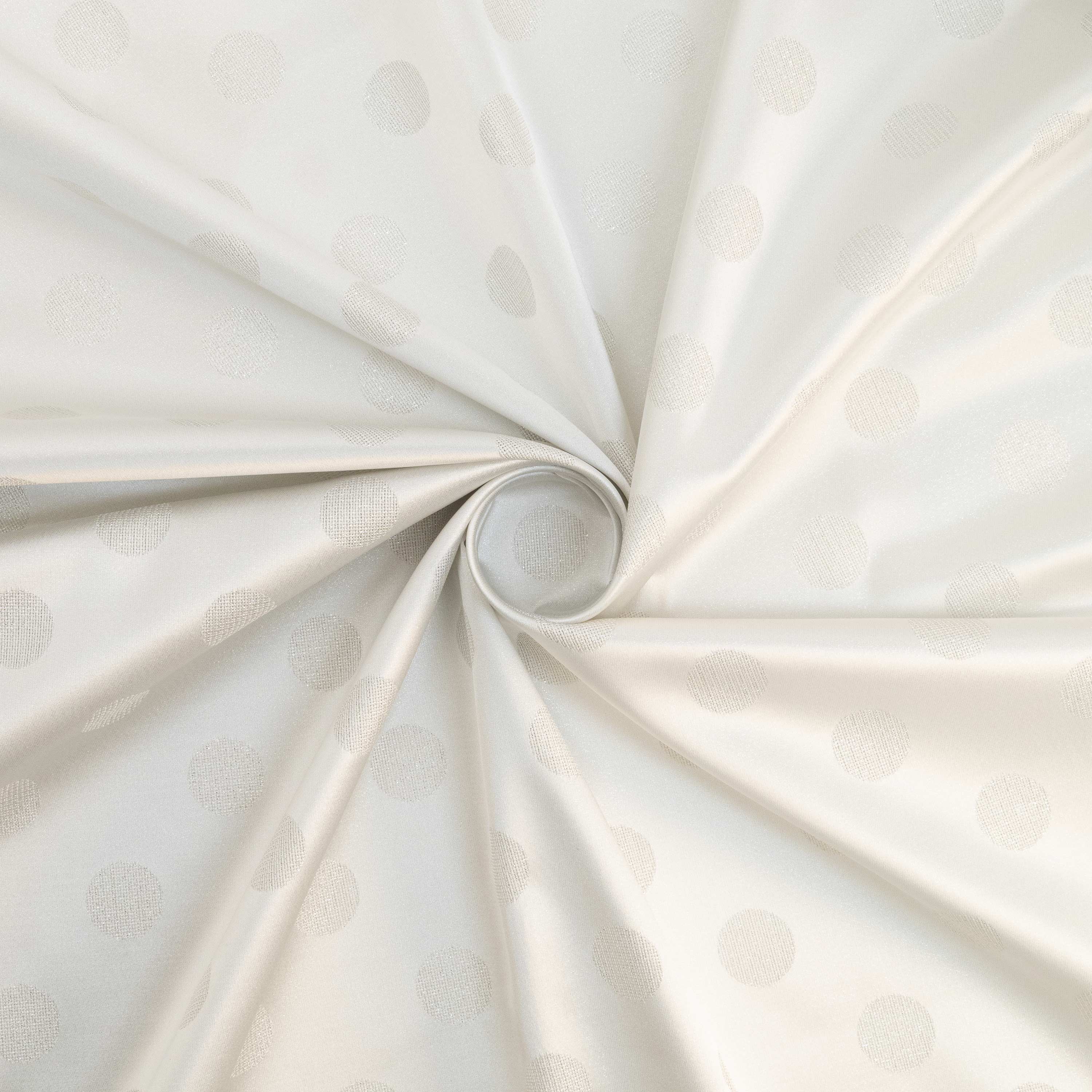
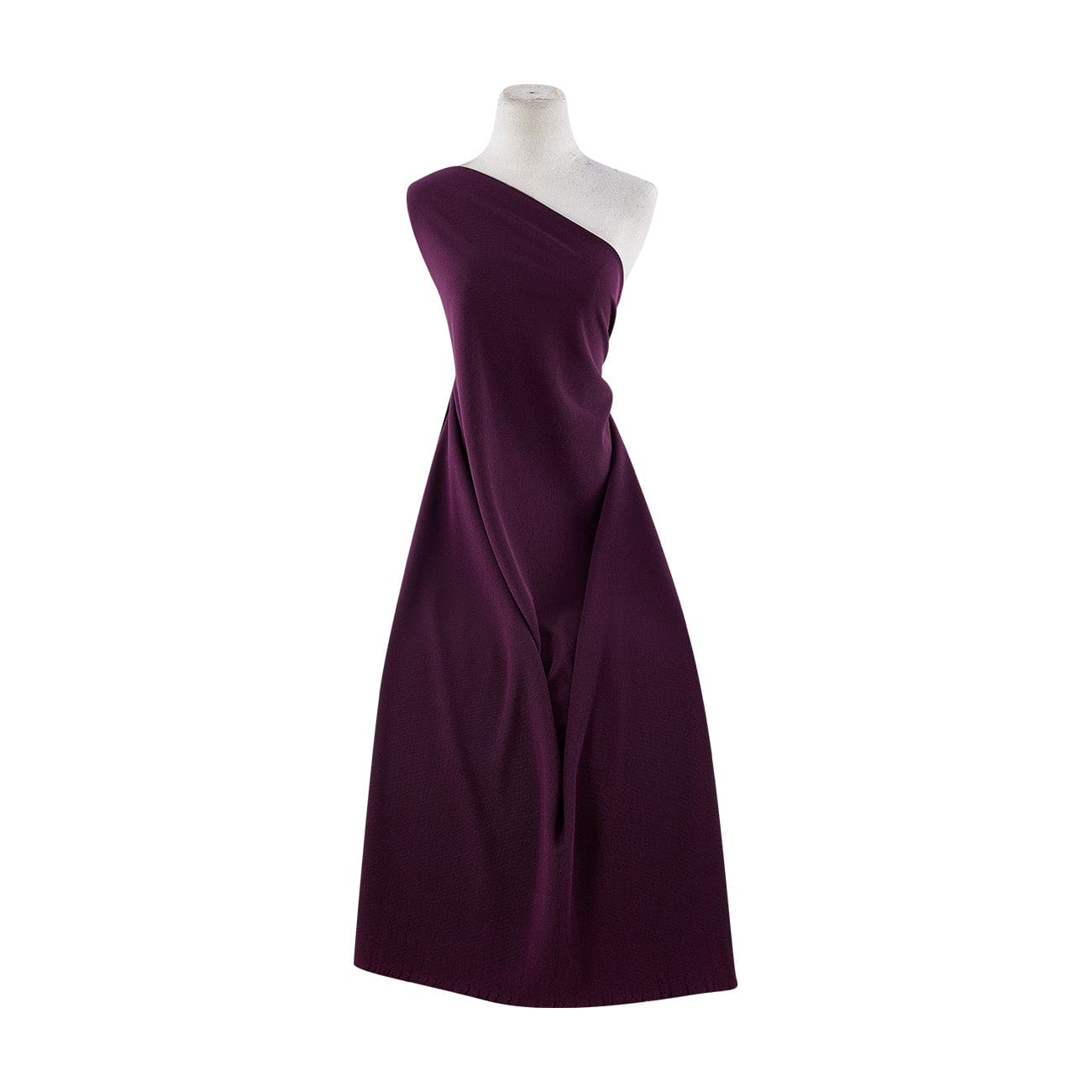
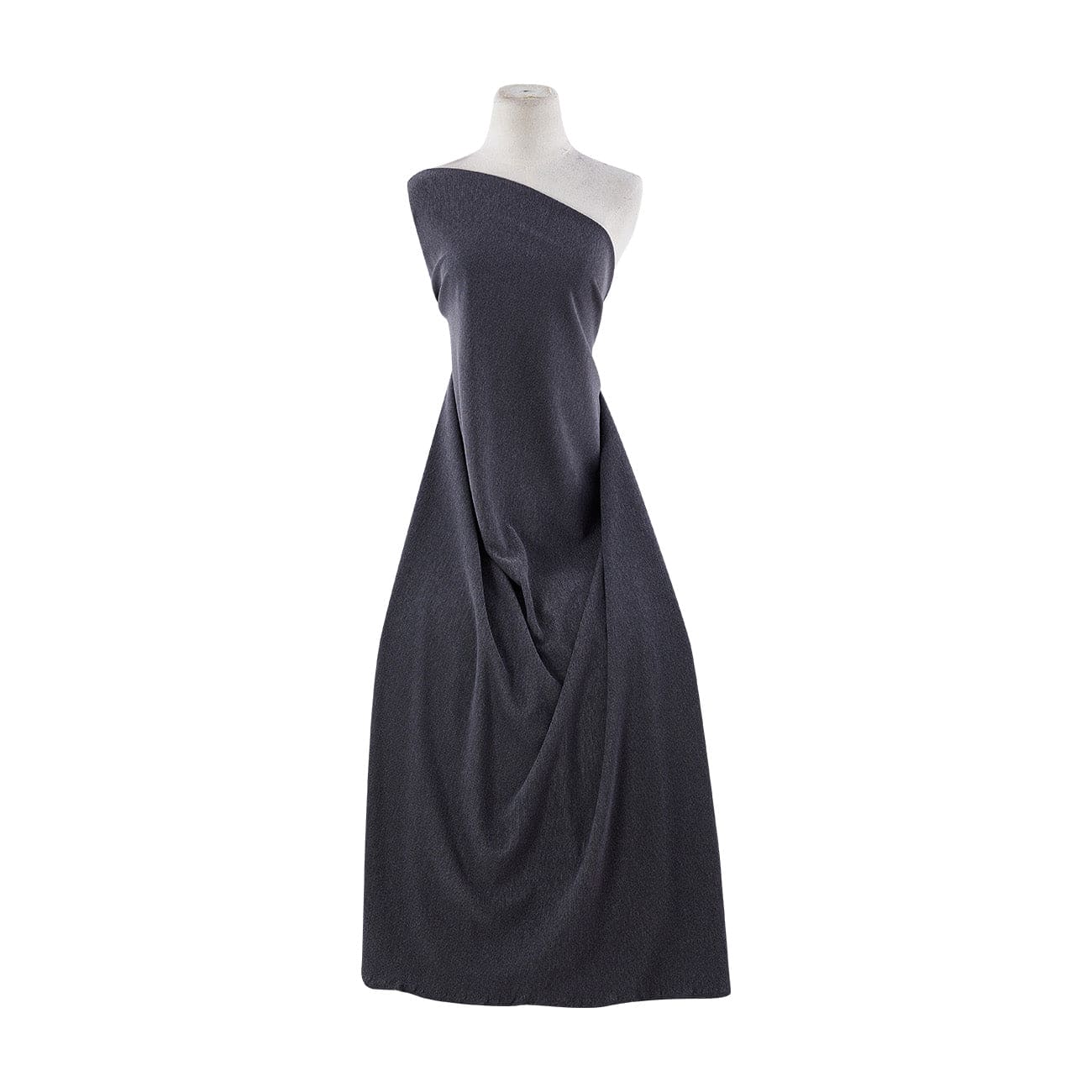
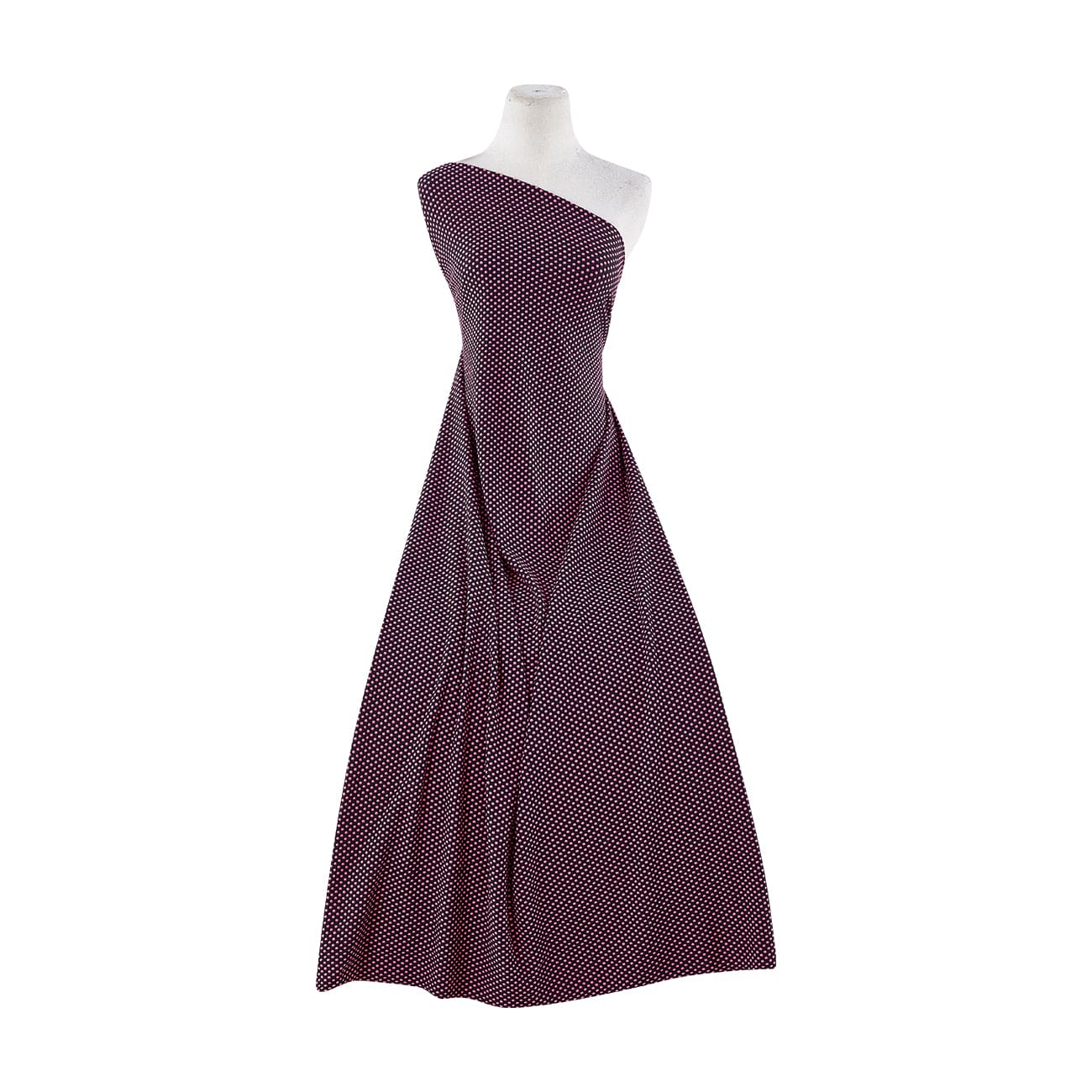
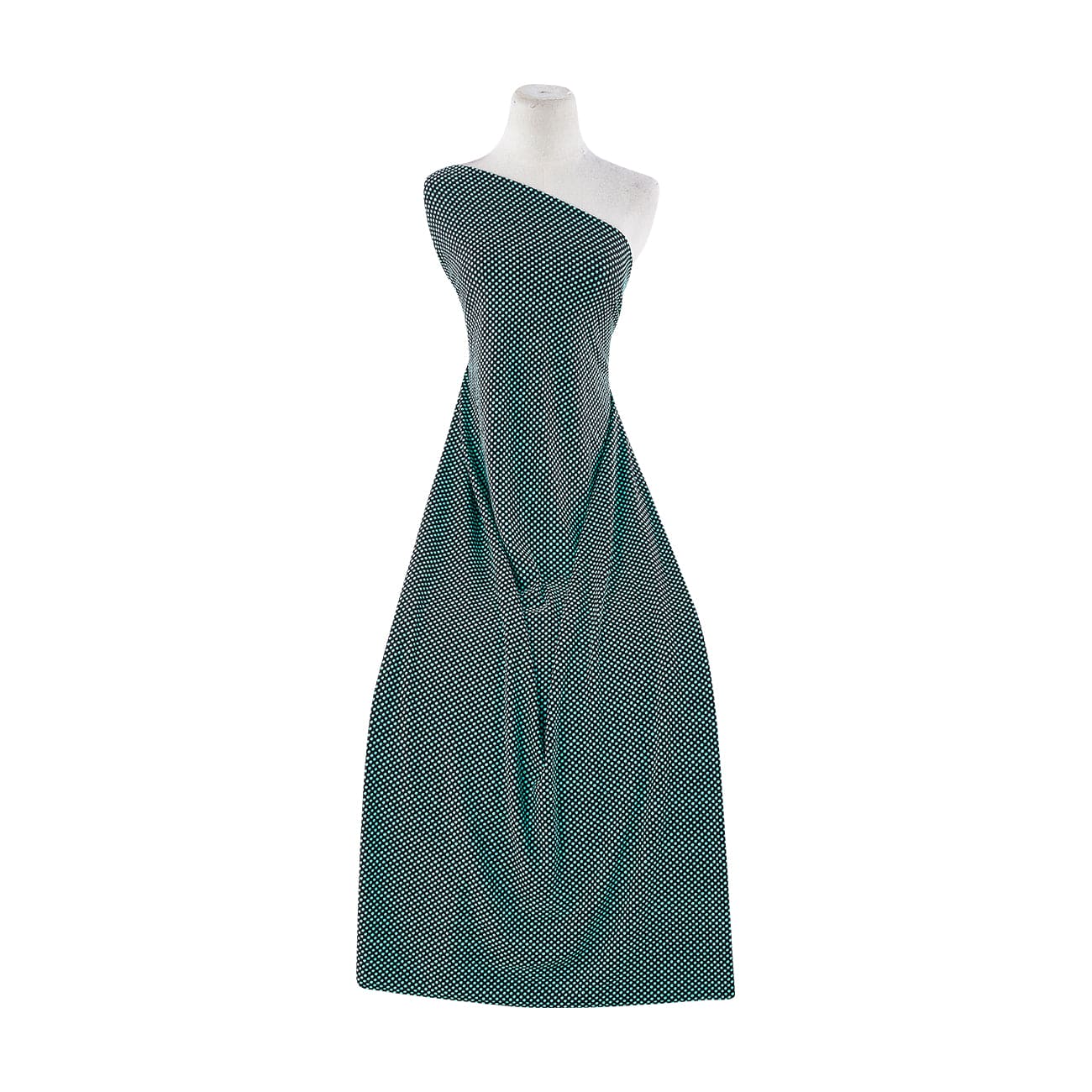
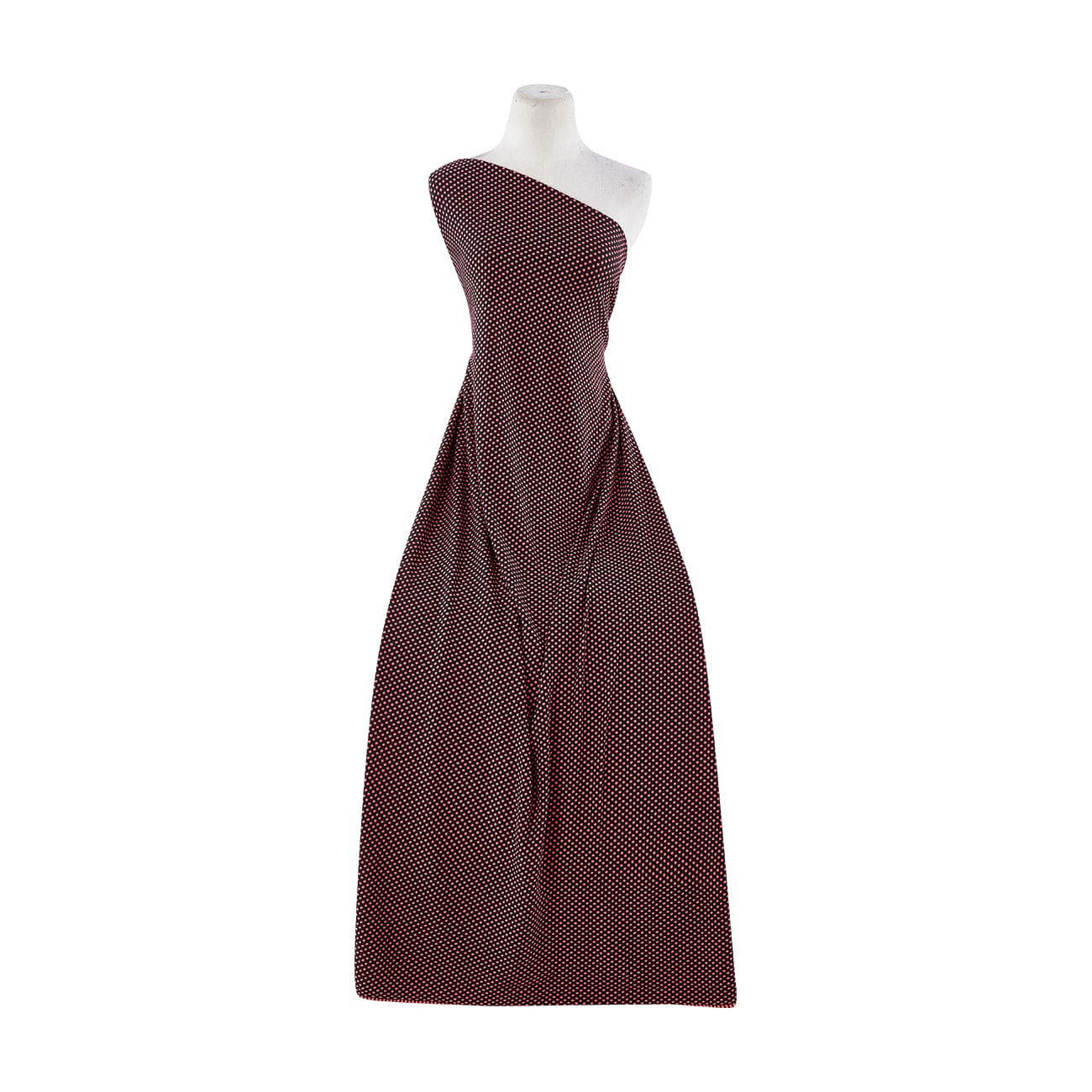
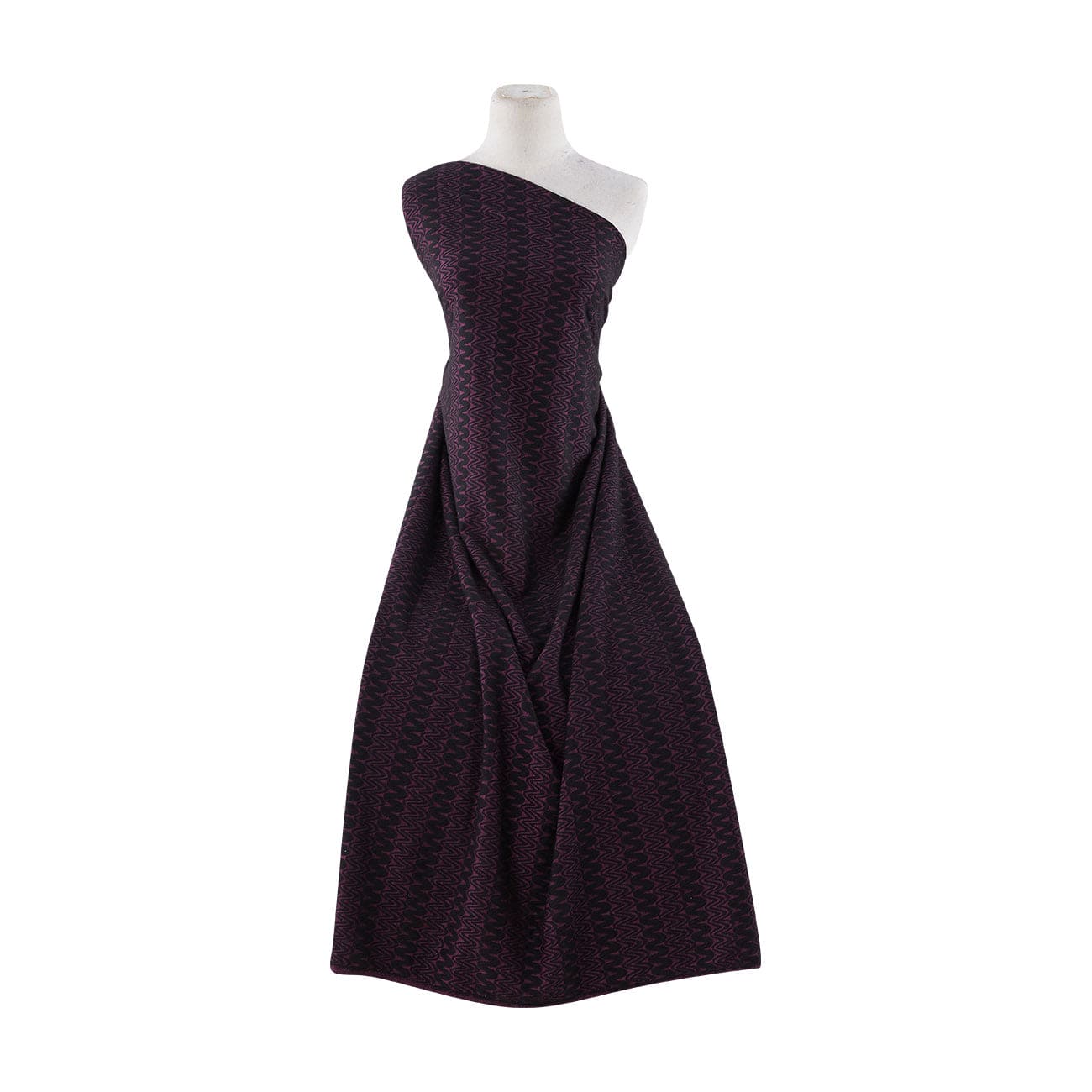
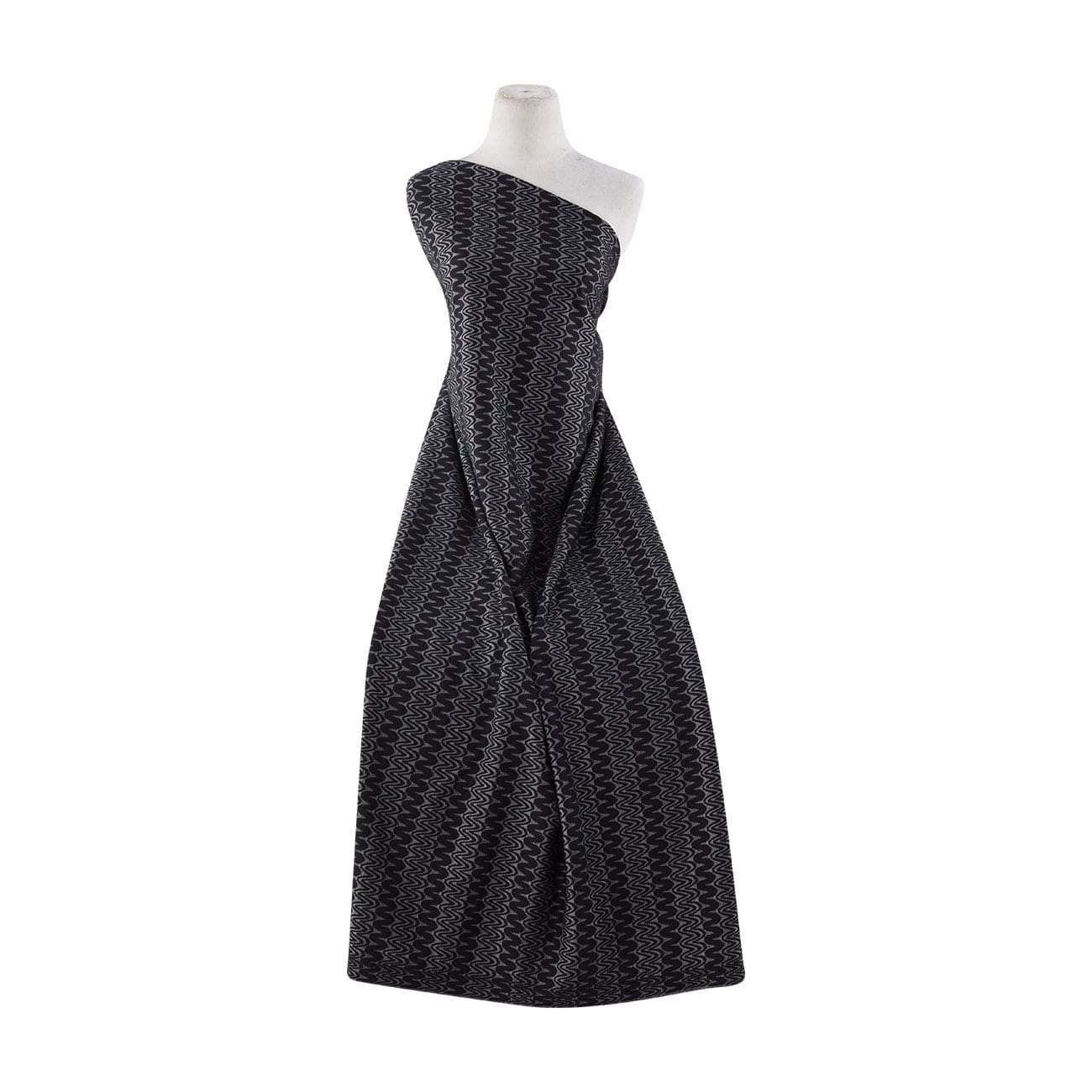
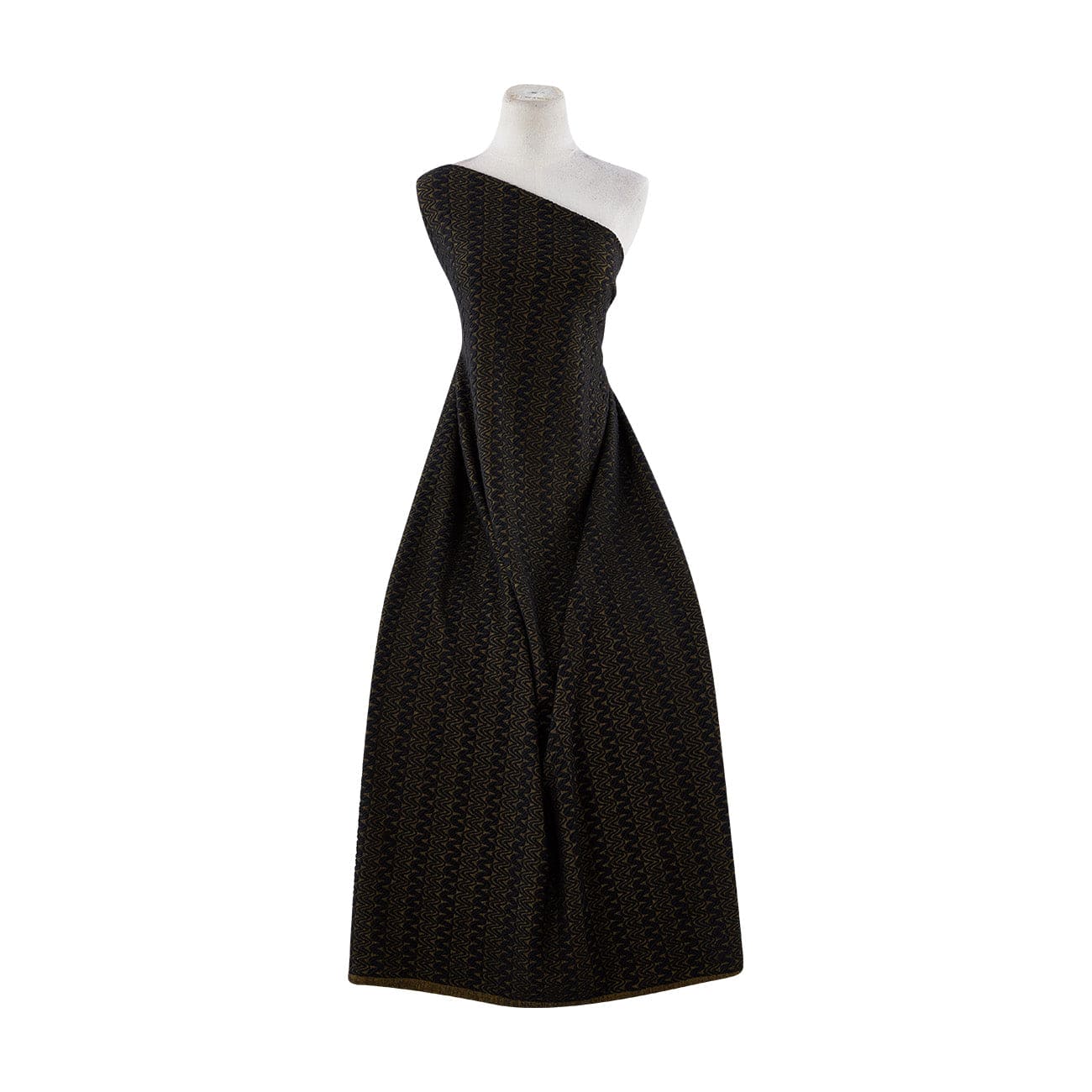
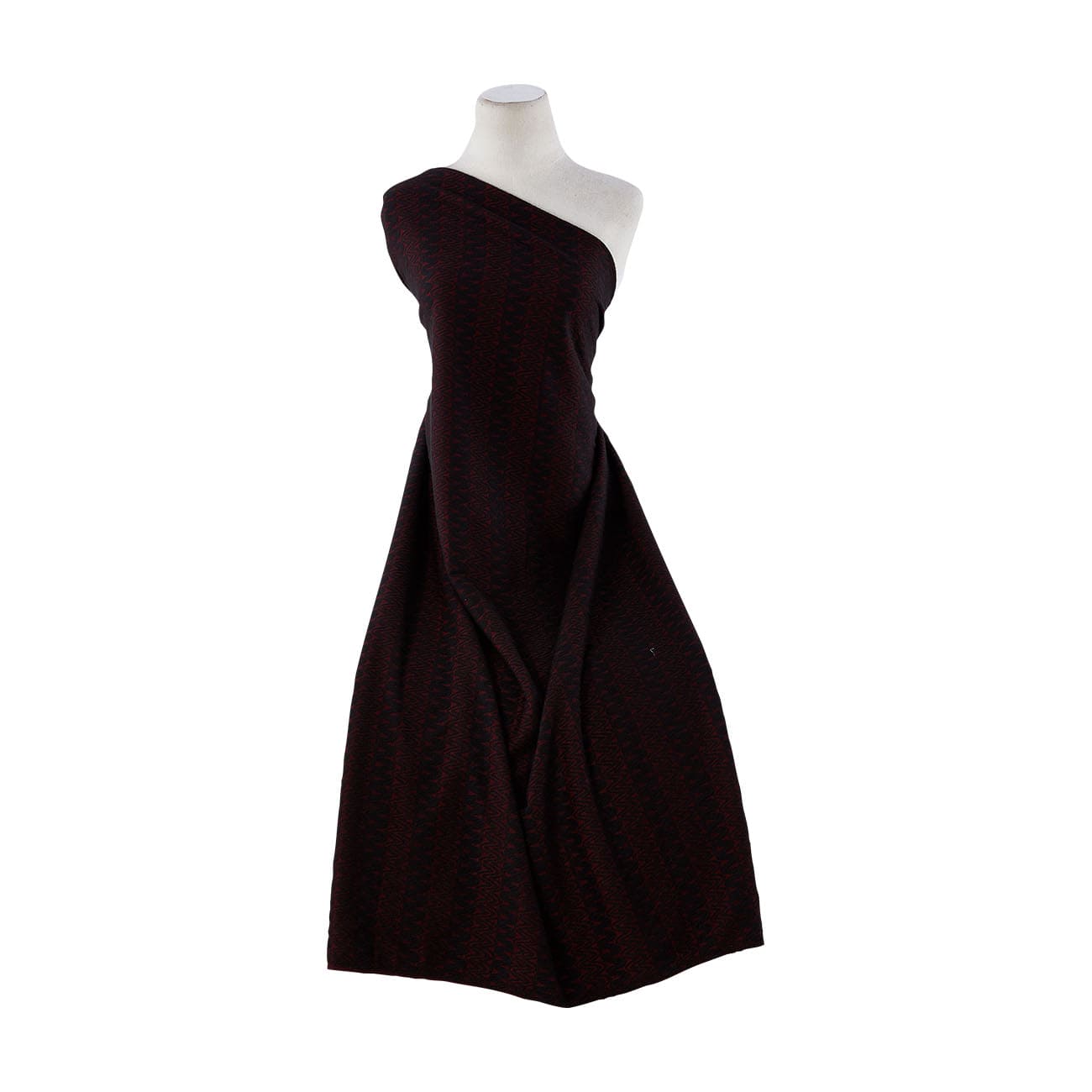
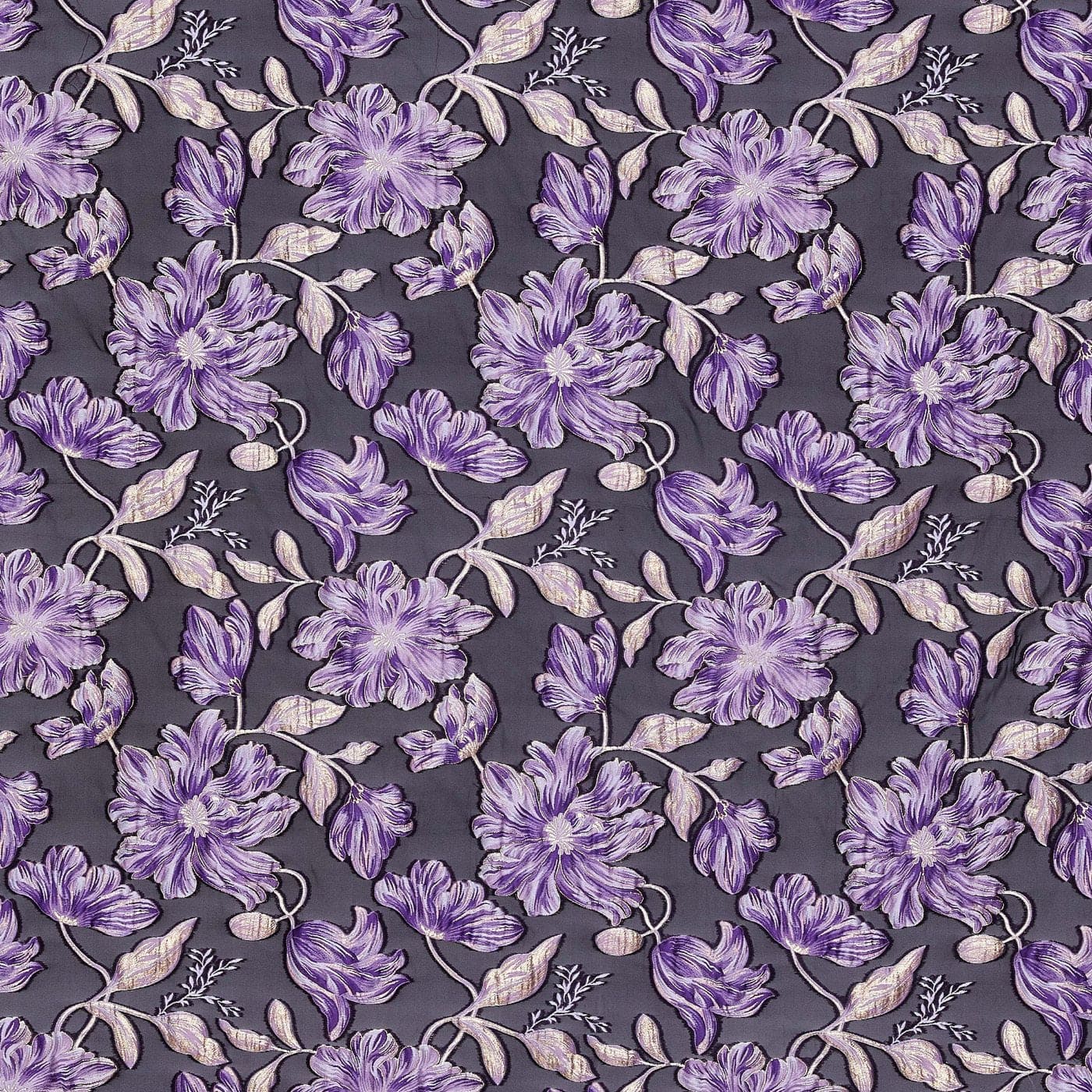
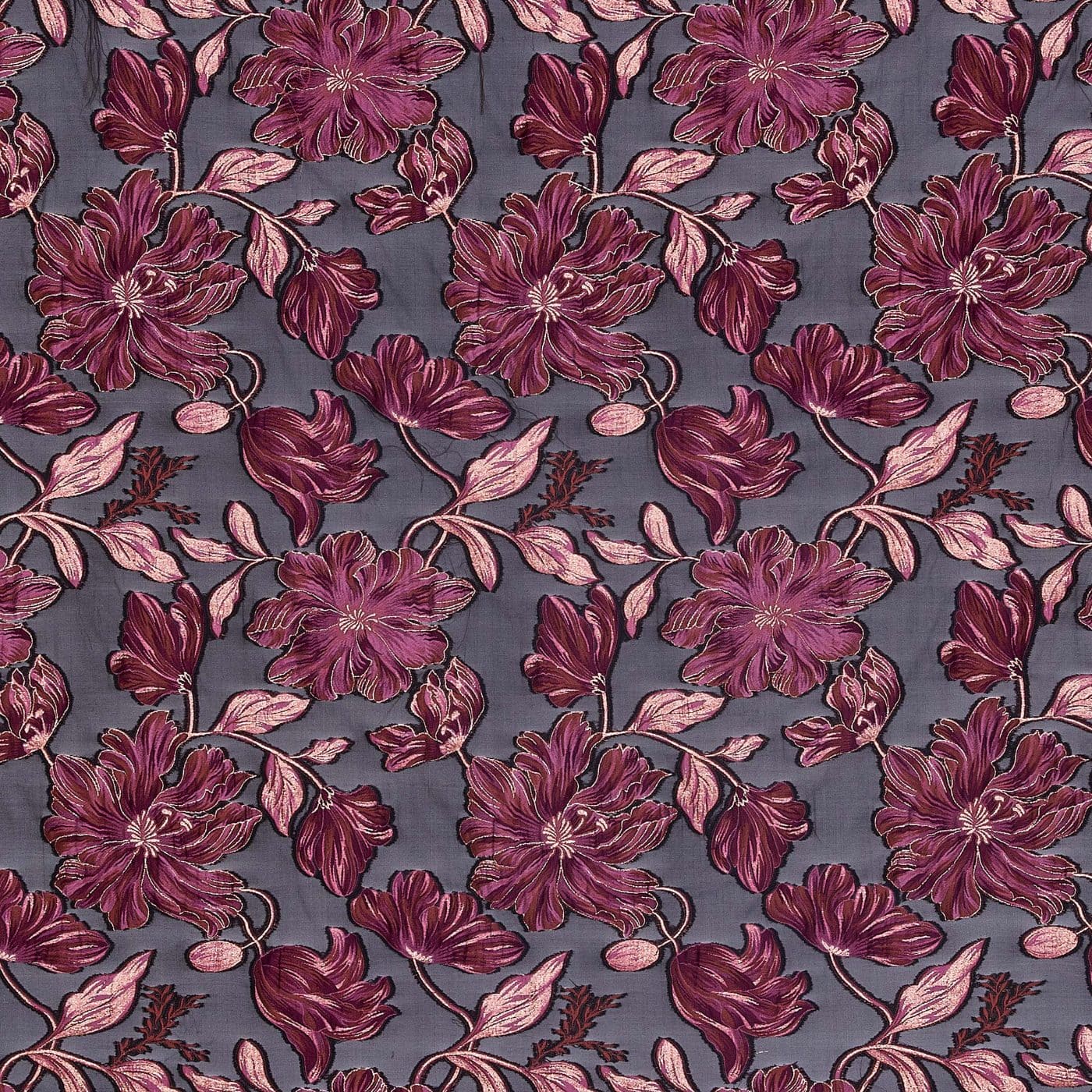
Because the method works with any fiber, the resulting fabrics vary considerably. A silk jacquard carries a fluid drape and a luminous surface. A cotton jacquard is more matte and structured. A polyester jacquard, the most common construction in fashion fabrics today, can be engineered for stretch recovery, metallic lurex integration, or a scuba crepe base depending on the yarn and backing used. The fabrics pattern jacquard produces can range from a delicate small floral to a large-scale tapestry repeat, all from the same fundamental mechanism.
Types of Jacquard Fabric
Because jacquard refers to a weaving method rather than a single material, it encompasses a wide range of fabric types, each with distinct weight, texture, and best-use applications. Understanding the construction of each type is the right starting point before selecting yardage for your project.
Brocade Jacquard
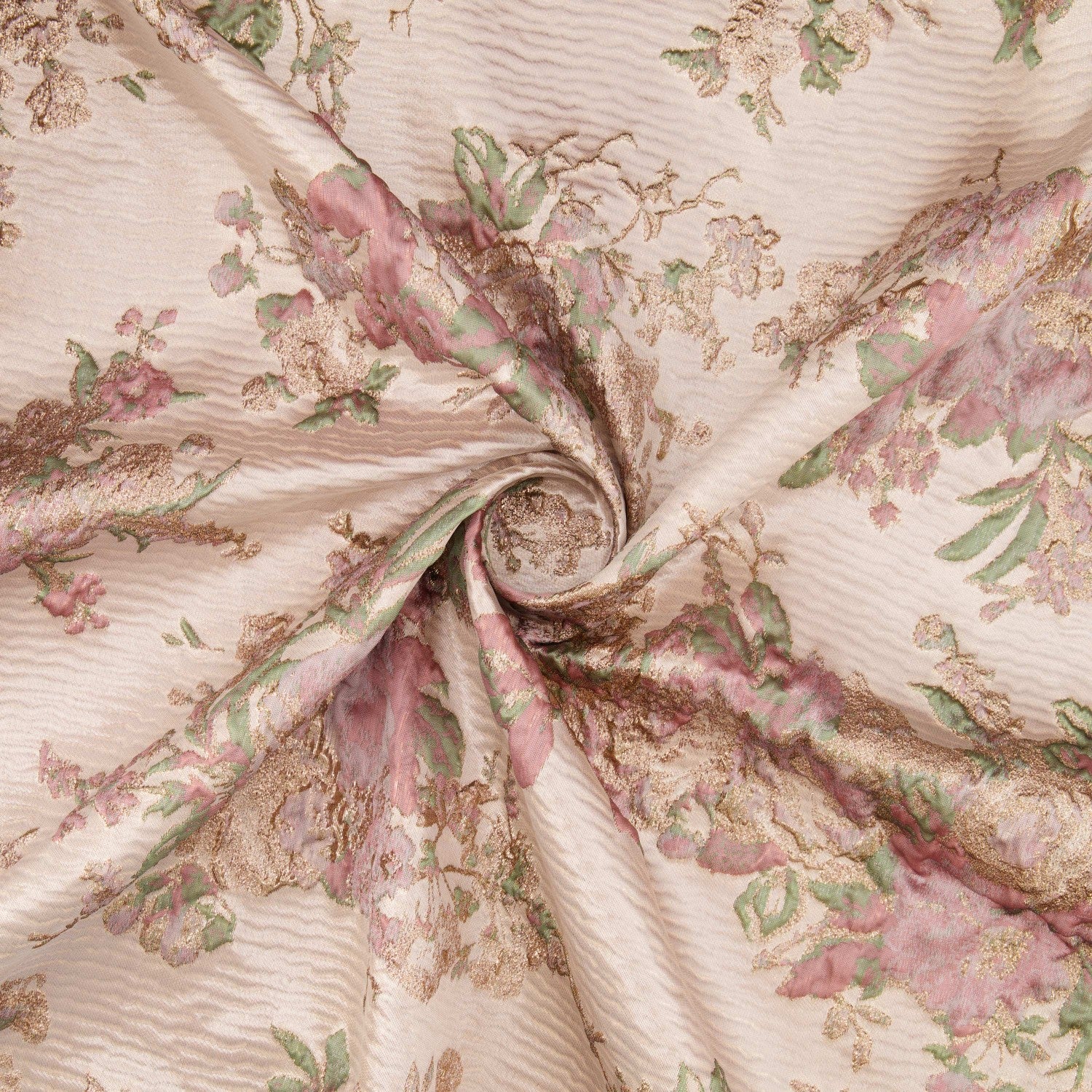
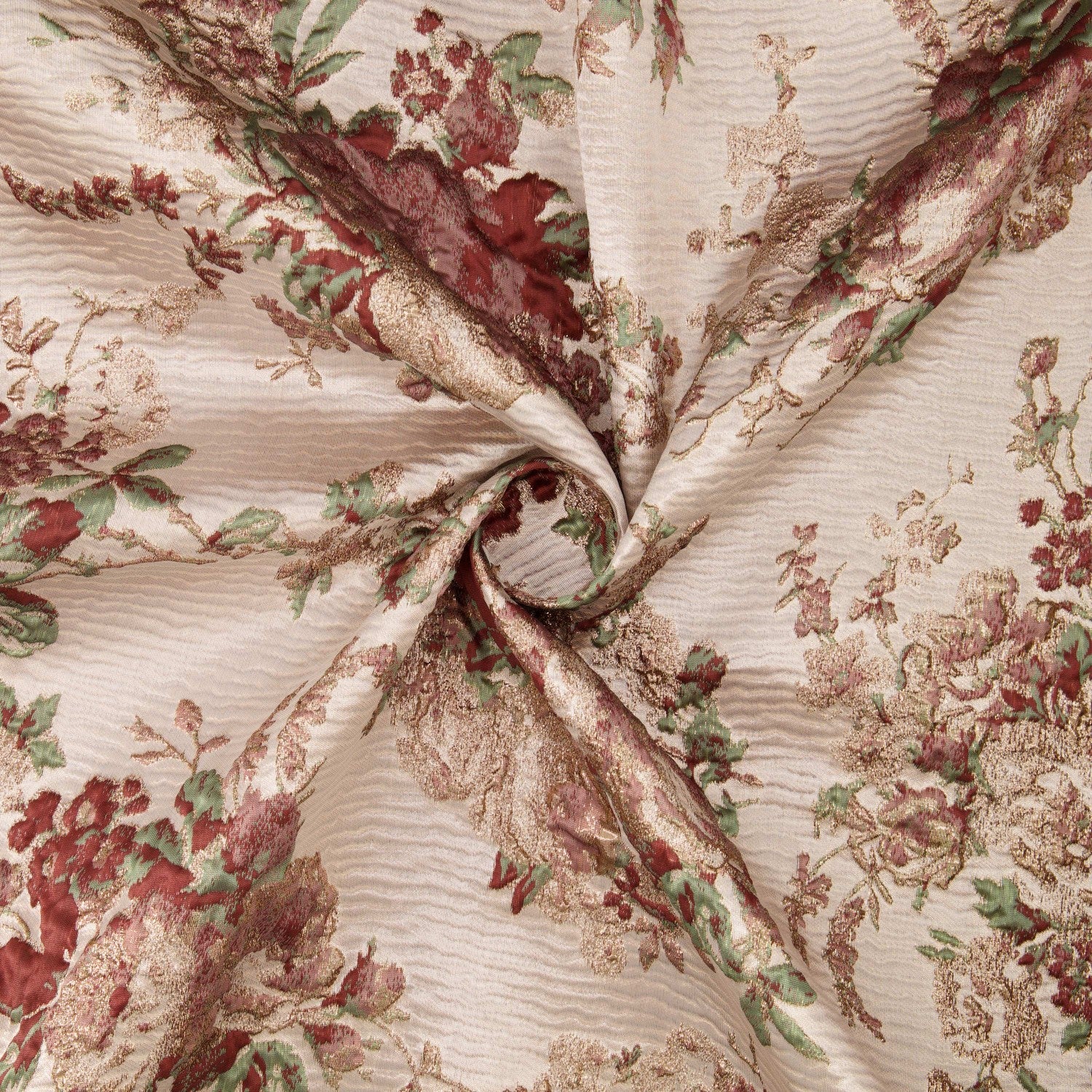
Brocade is woven on a Jacquard loom using supplementary weft threads that float across the surface to create a raised, embossed pattern. Those supplementary threads are not structural, they sit on top of the ground weave, which gives brocade its characteristic relief and slight stiffness. The visual result is rich and dimensional, making brocade a common choice for structured eveningwear, blazers, and upholstery.
Damask Jacquard
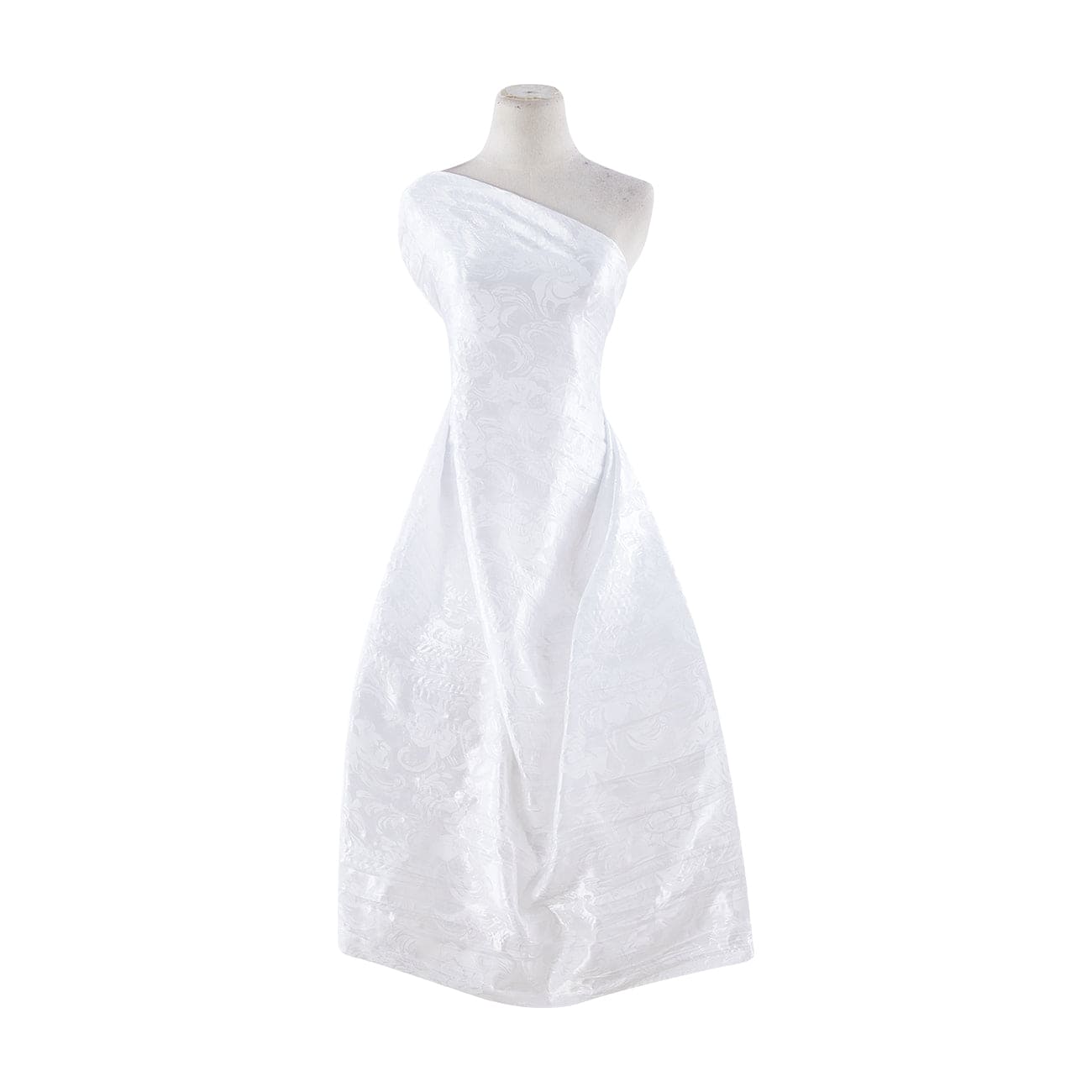
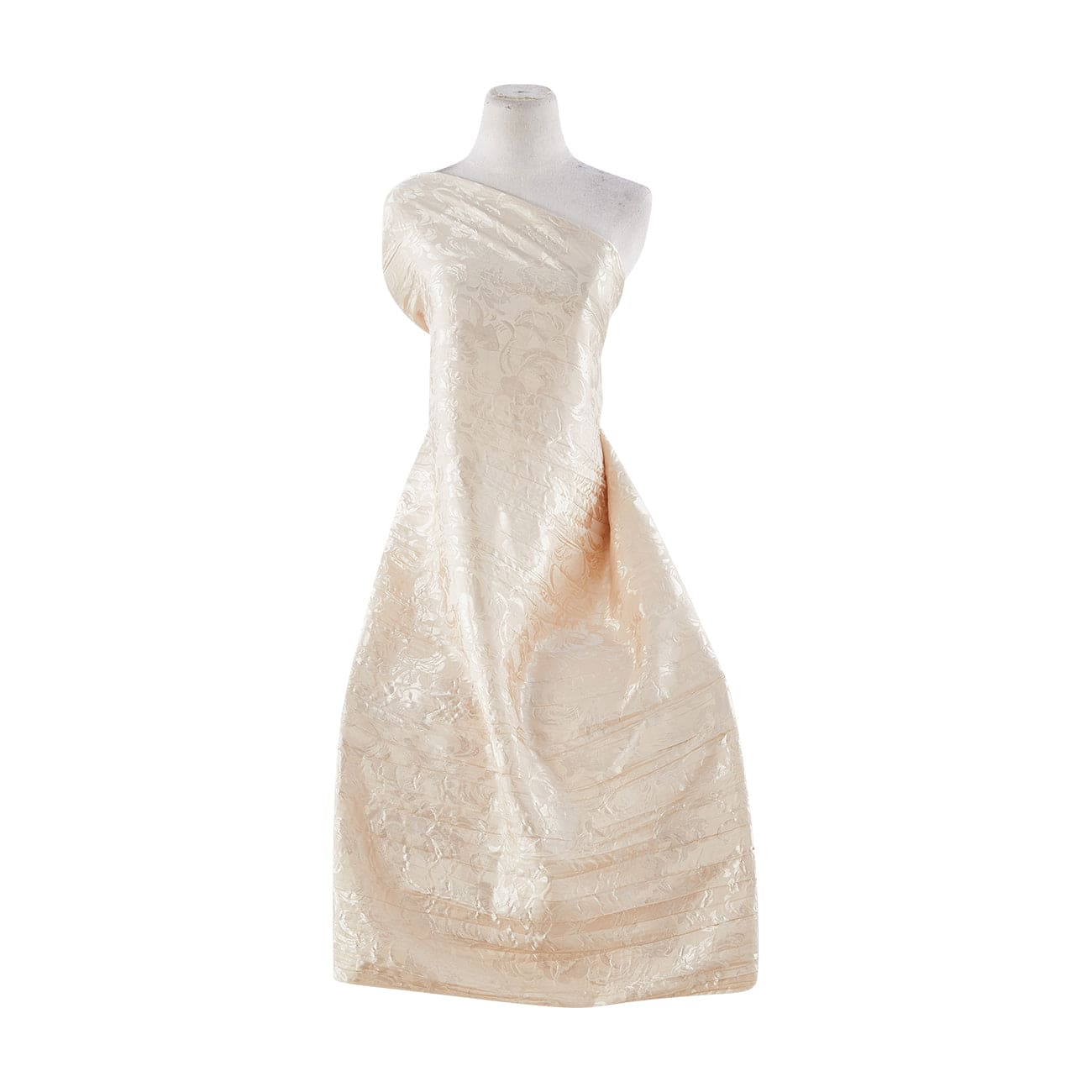
Damask uses the Jacquard mechanism to create a reversible fabric where the pattern is formed by contrasting warp-faced and weft-faced satin weave areas within the same cloth. Because no supplementary threads are added, damask is flatter and more fluid than brocade, and the pattern reads clearly on both faces. It is a strong pick for draperies, table runners, and garments where a refined, tonal surface is preferred.
Matelasse Jacquard
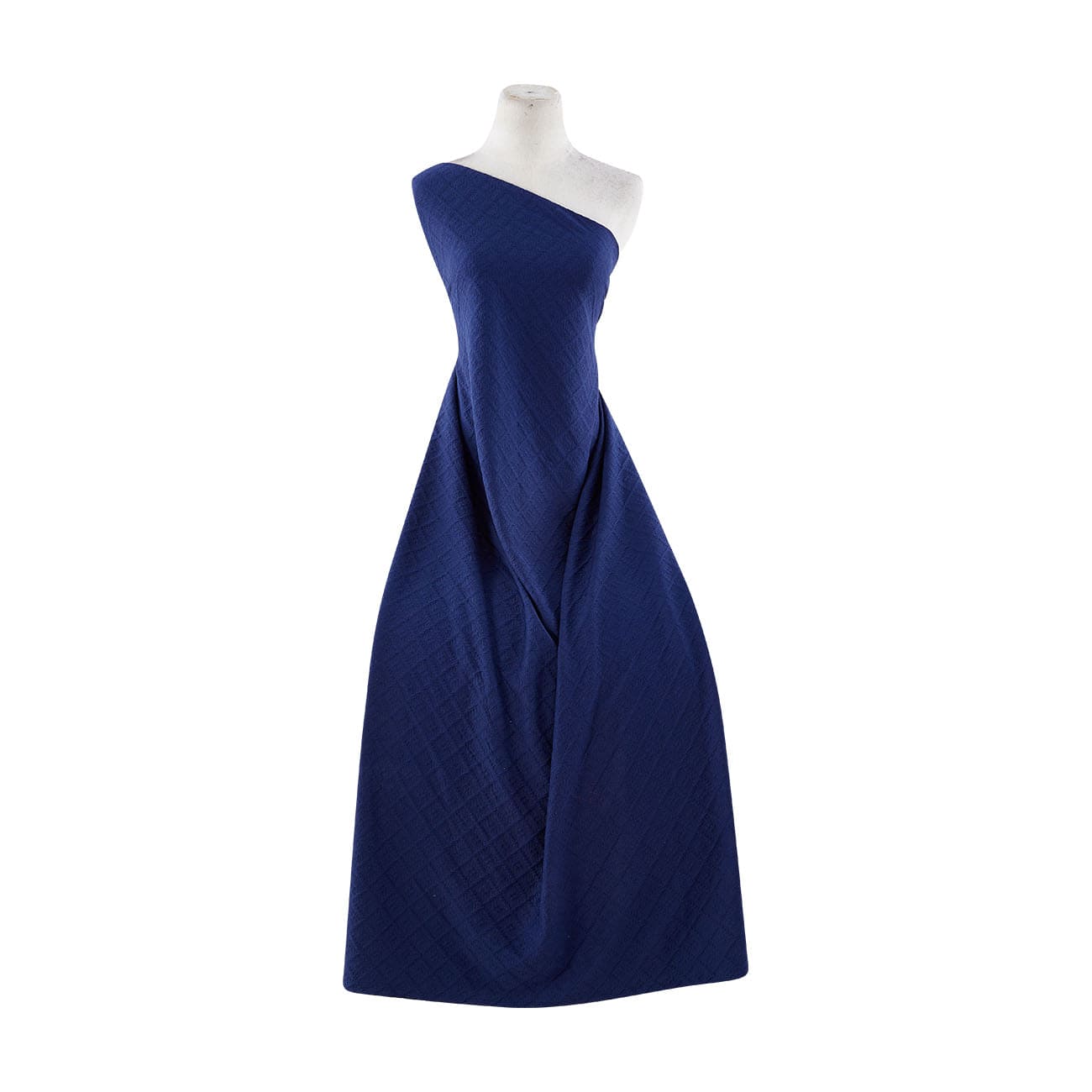
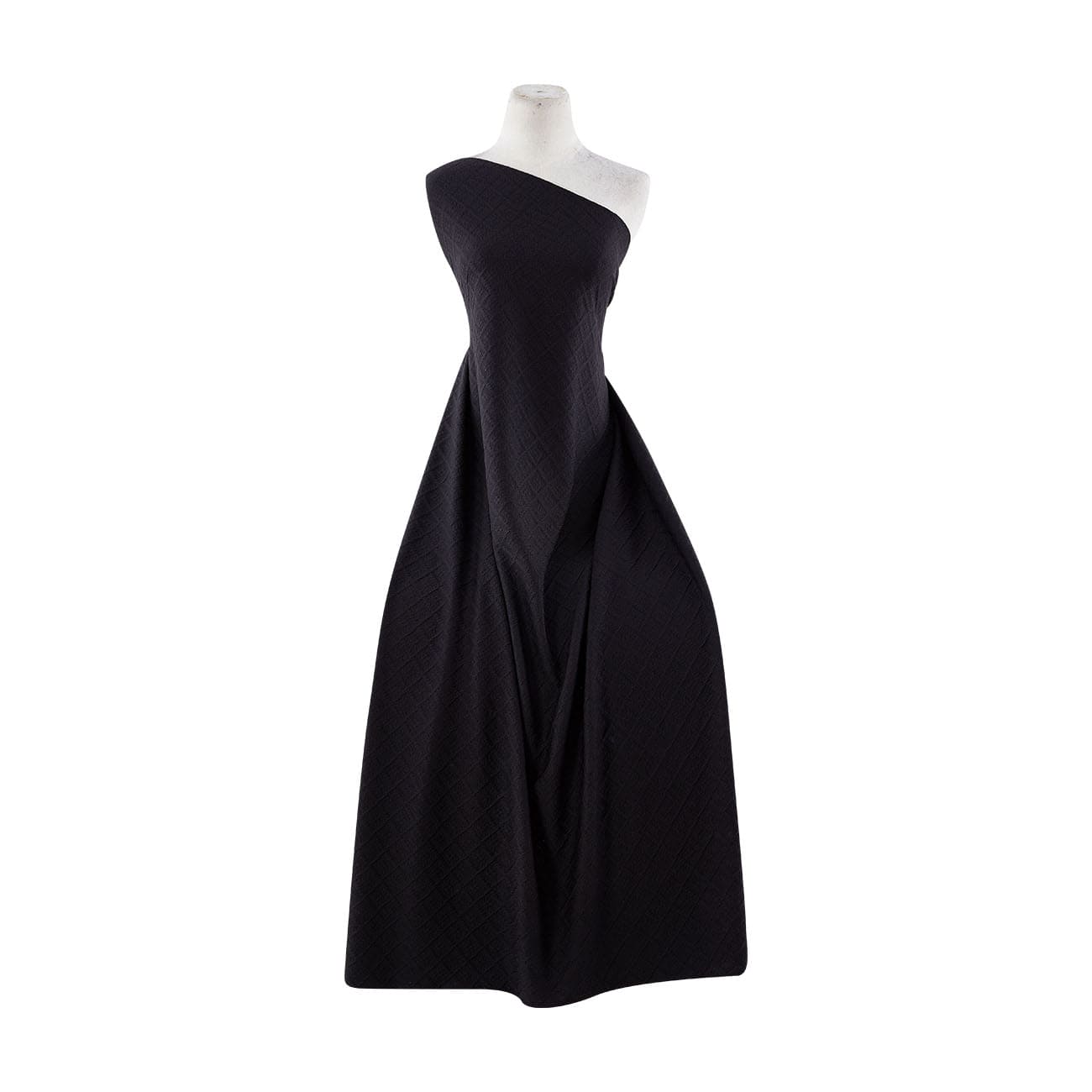
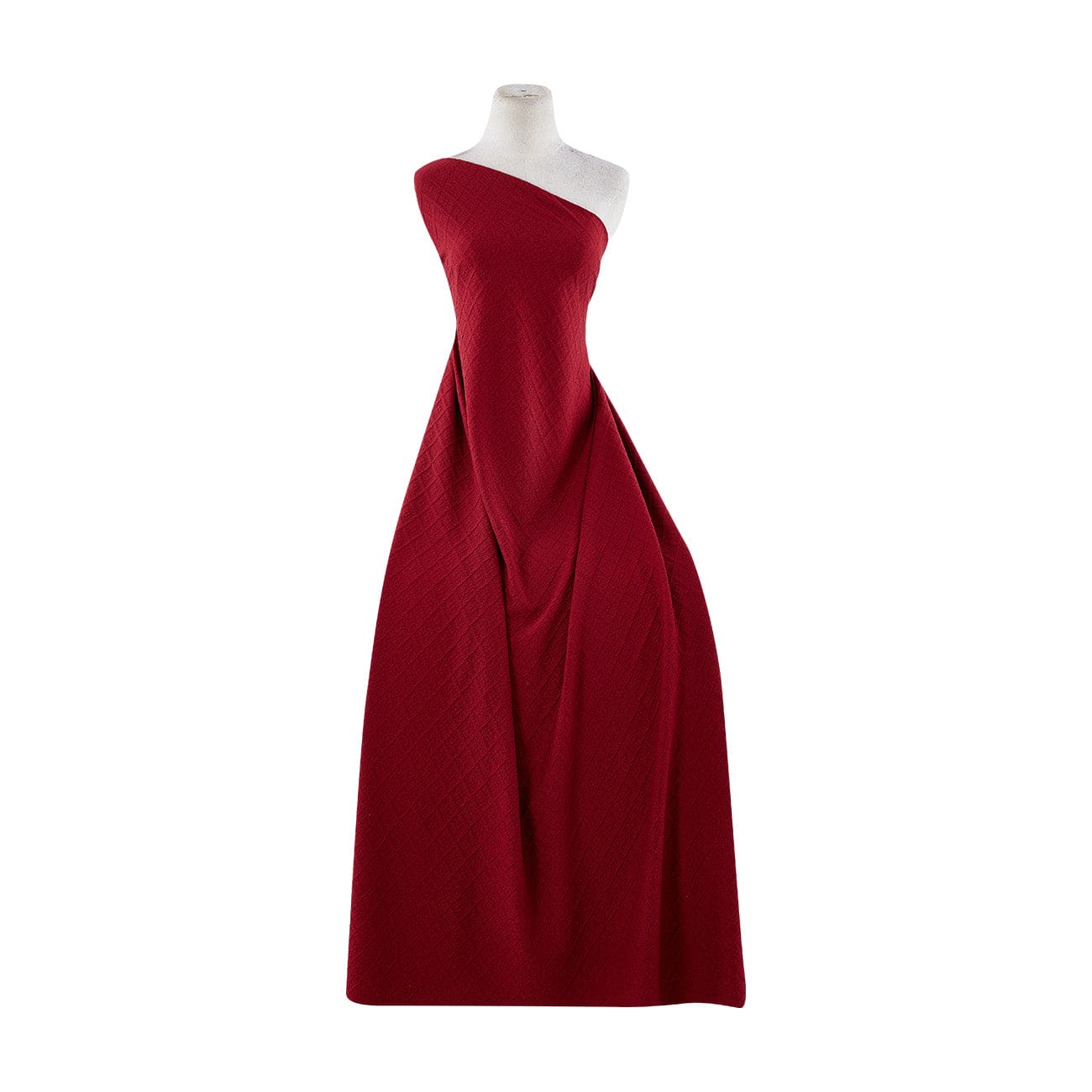
Matelasse jacquard is a double-cloth construction where two layers of fabric are woven simultaneously and selectively joined, creating a puckered, quilted surface without any actual quilting stitches. The hand is substantial and the surface has a three-dimensional quality that reads as textured even at a distance.
Tapestry Jacquard
Tapestry jacquard is a heavyweight, densely woven construction that uses multiple colored weft threads to build pictorial or highly complex geometric patterns. The GSM range is typically high, and the fabric has a firm hand and stable structure. It is most commonly used for upholstery, throw pillows, and structured bags rather than garments.
Lurex Jacquard
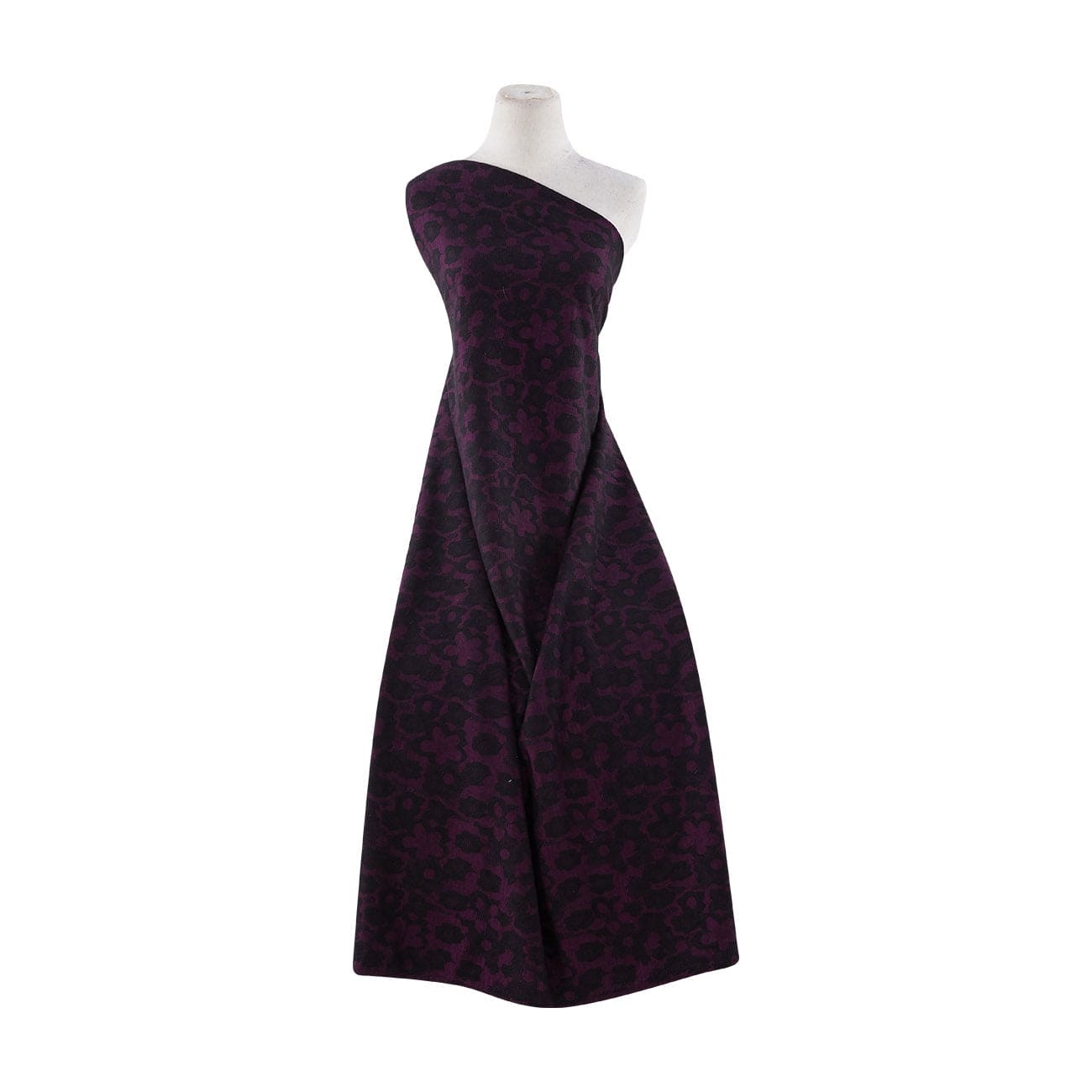
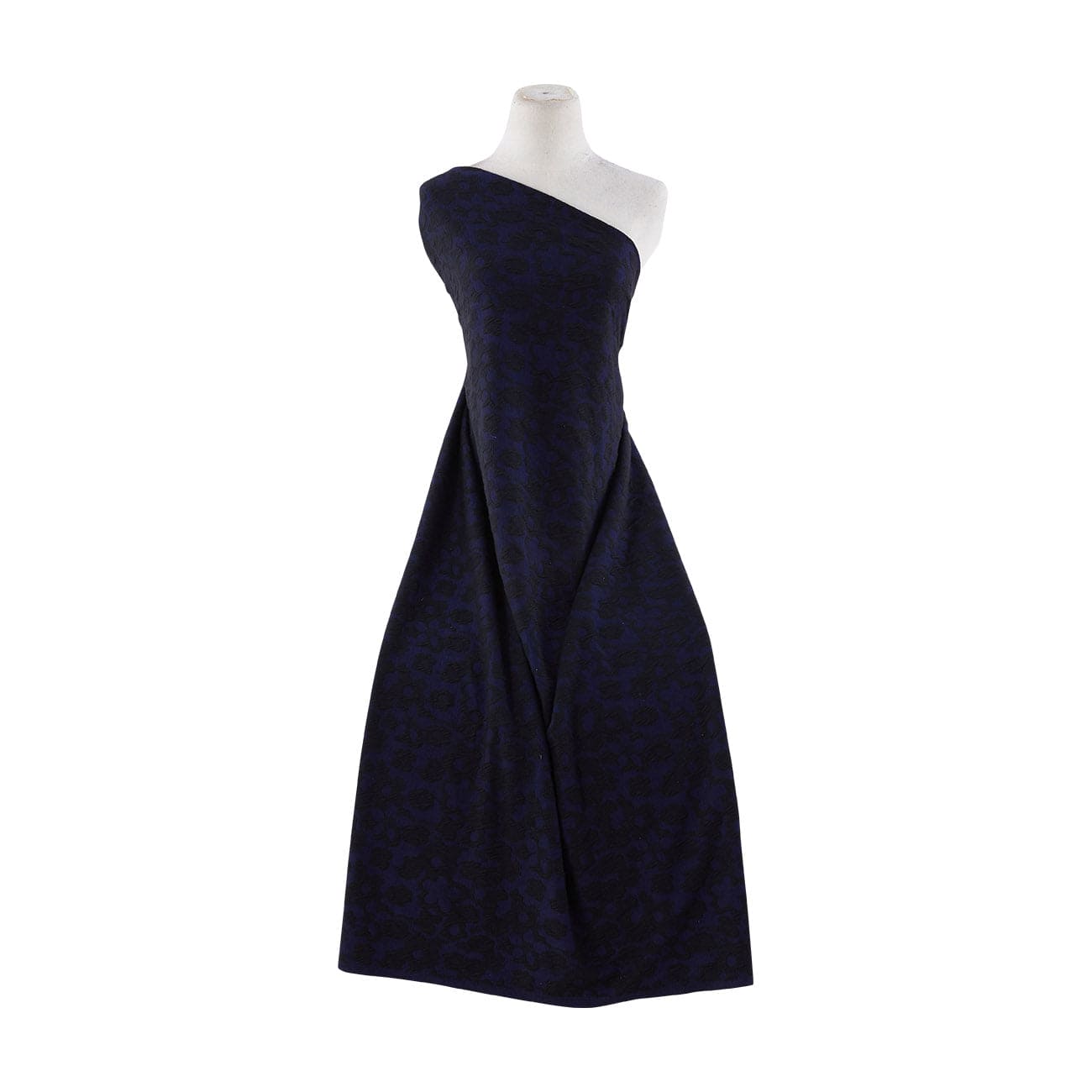
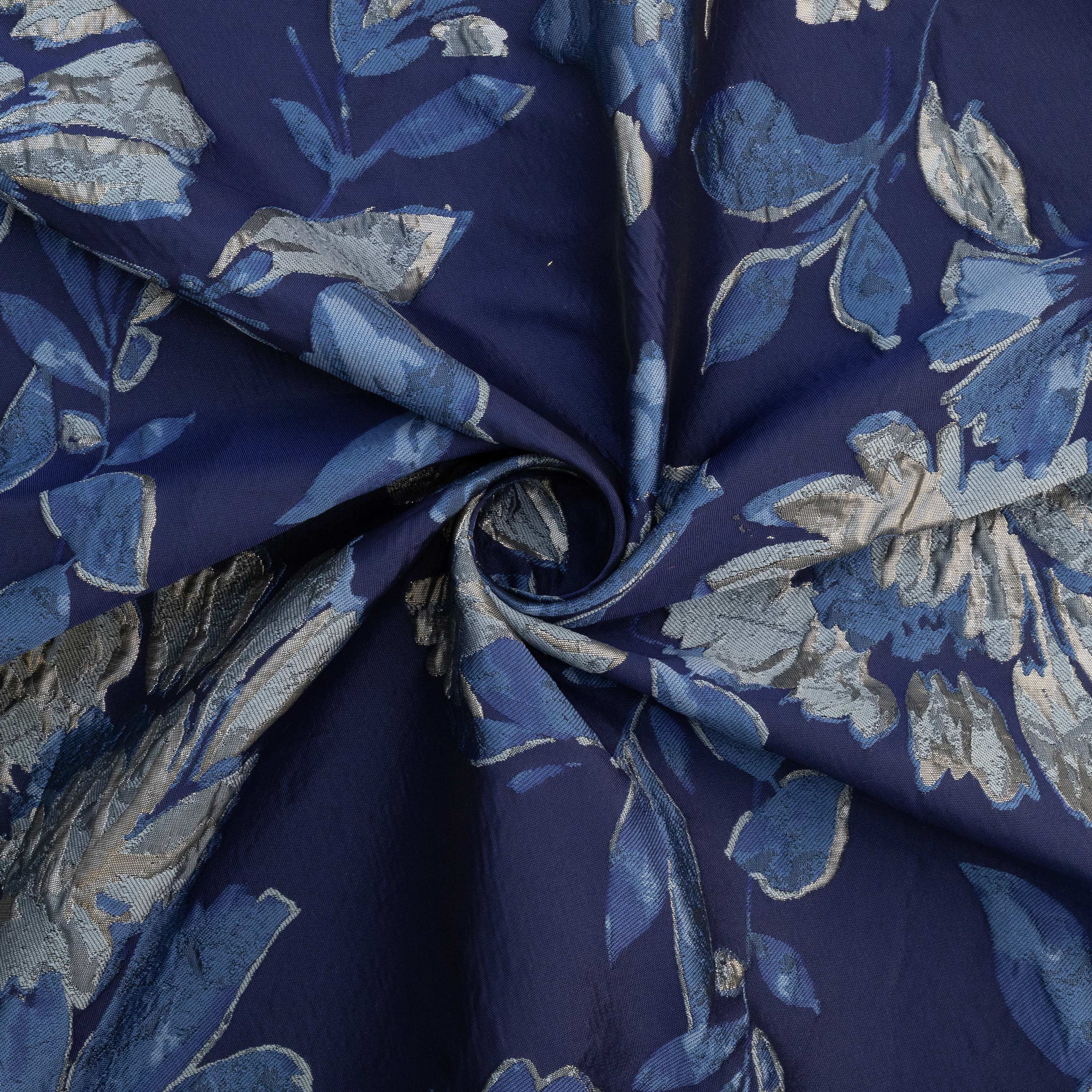
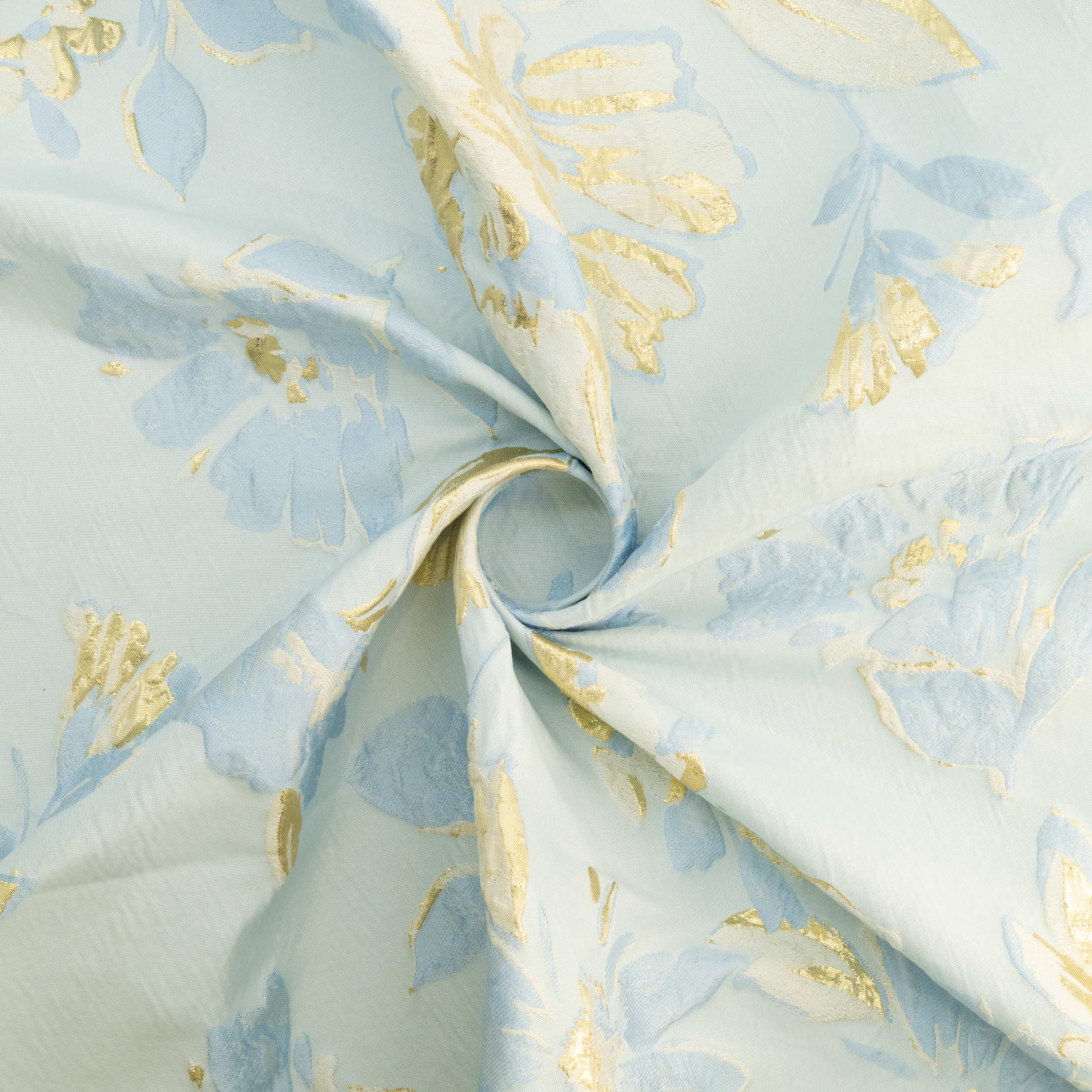
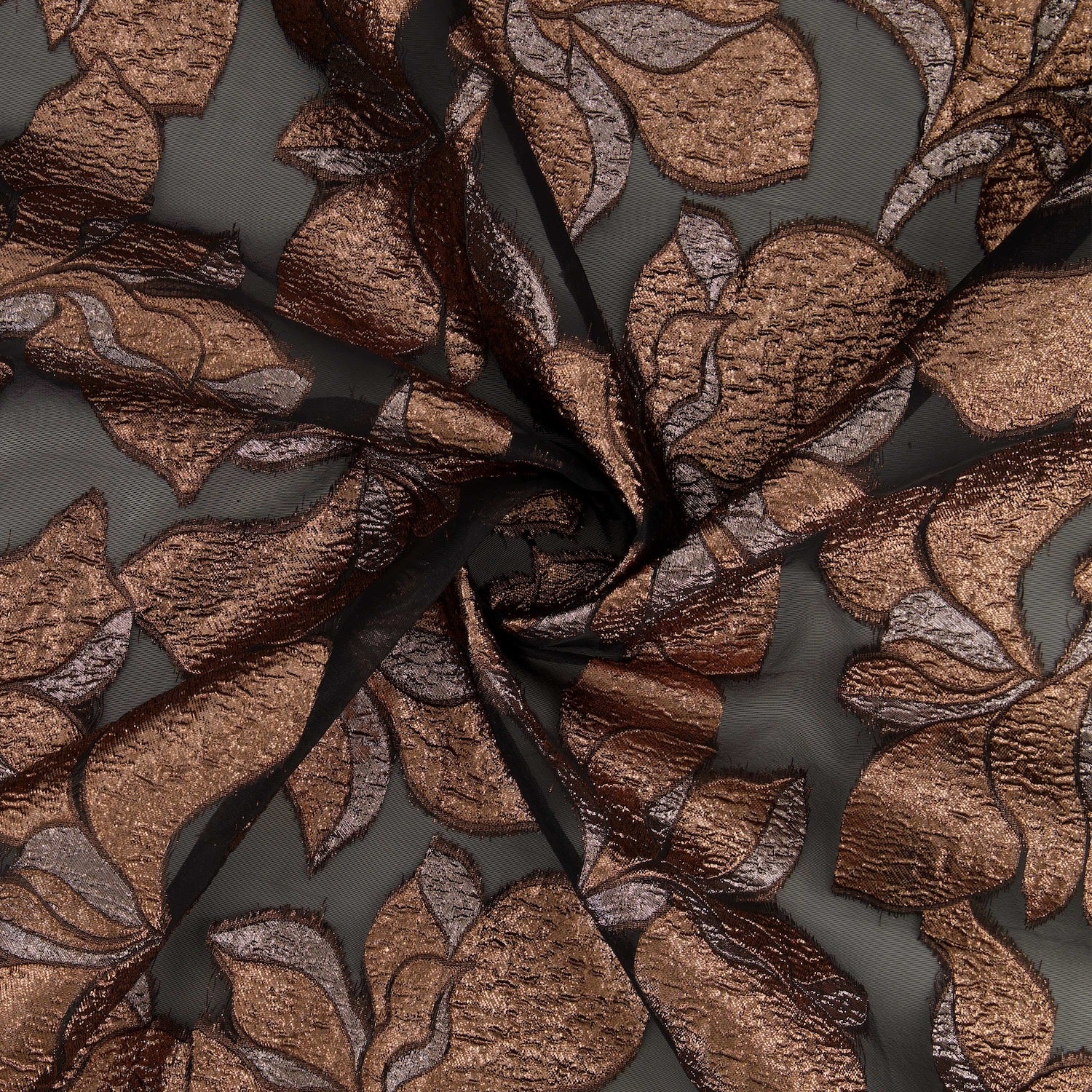
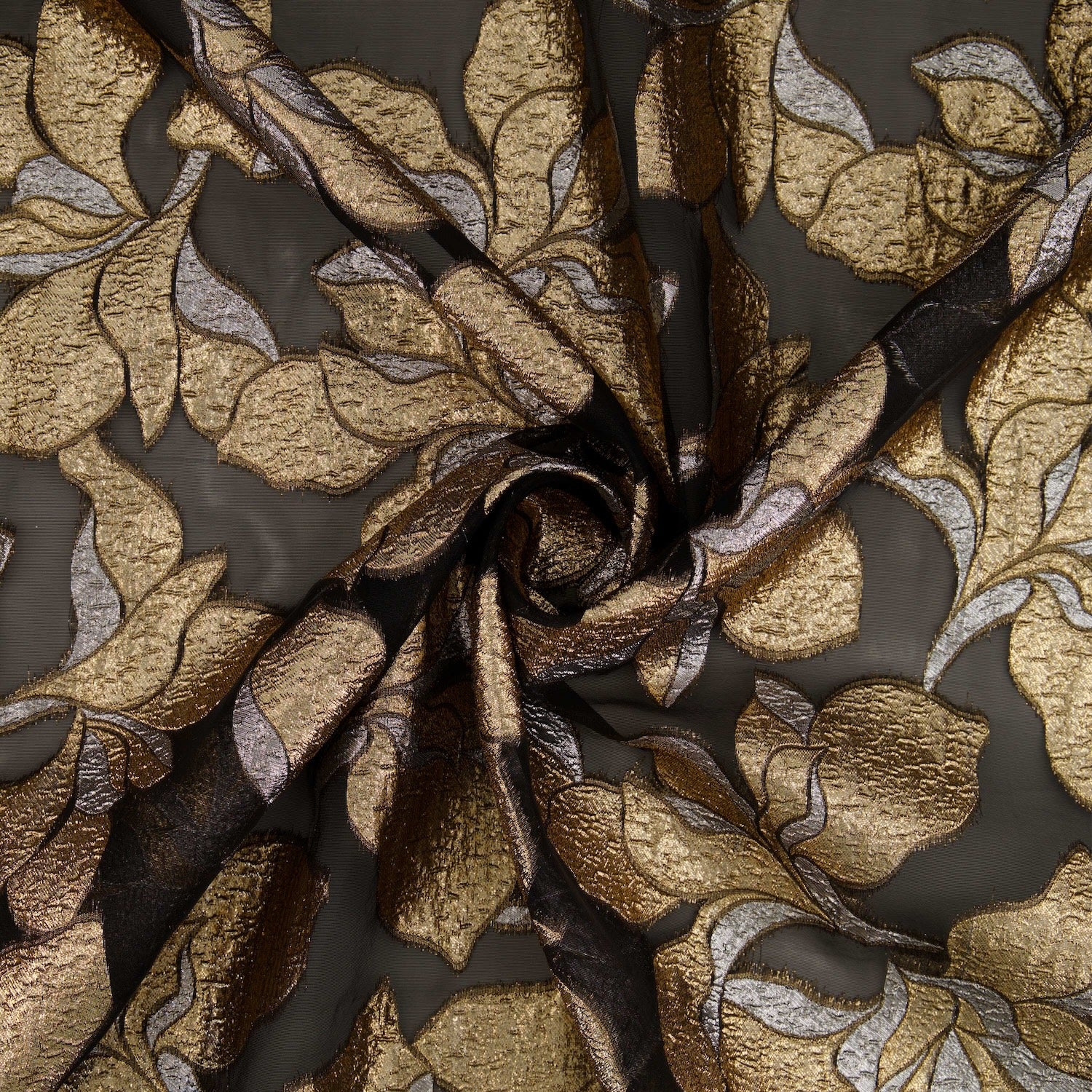
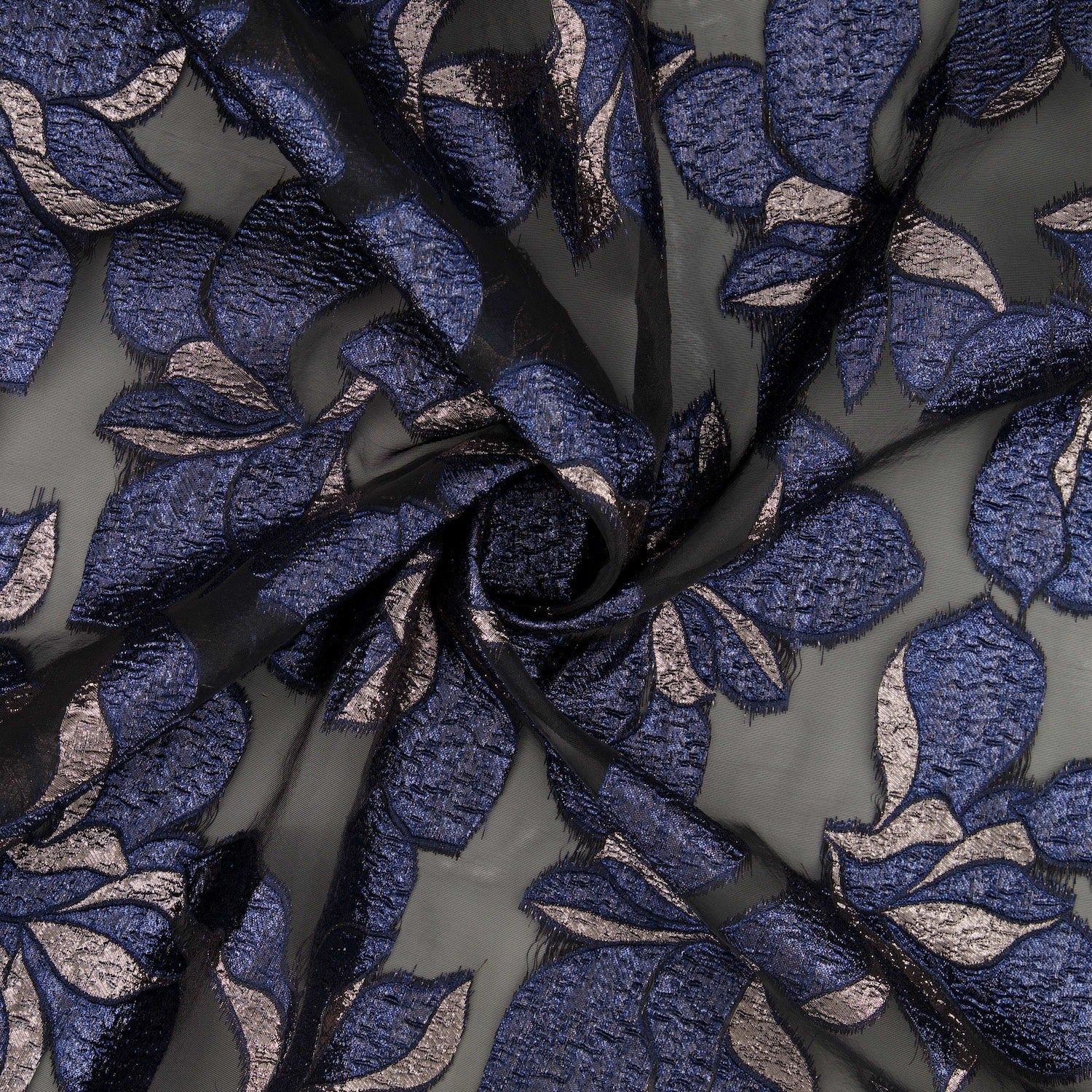
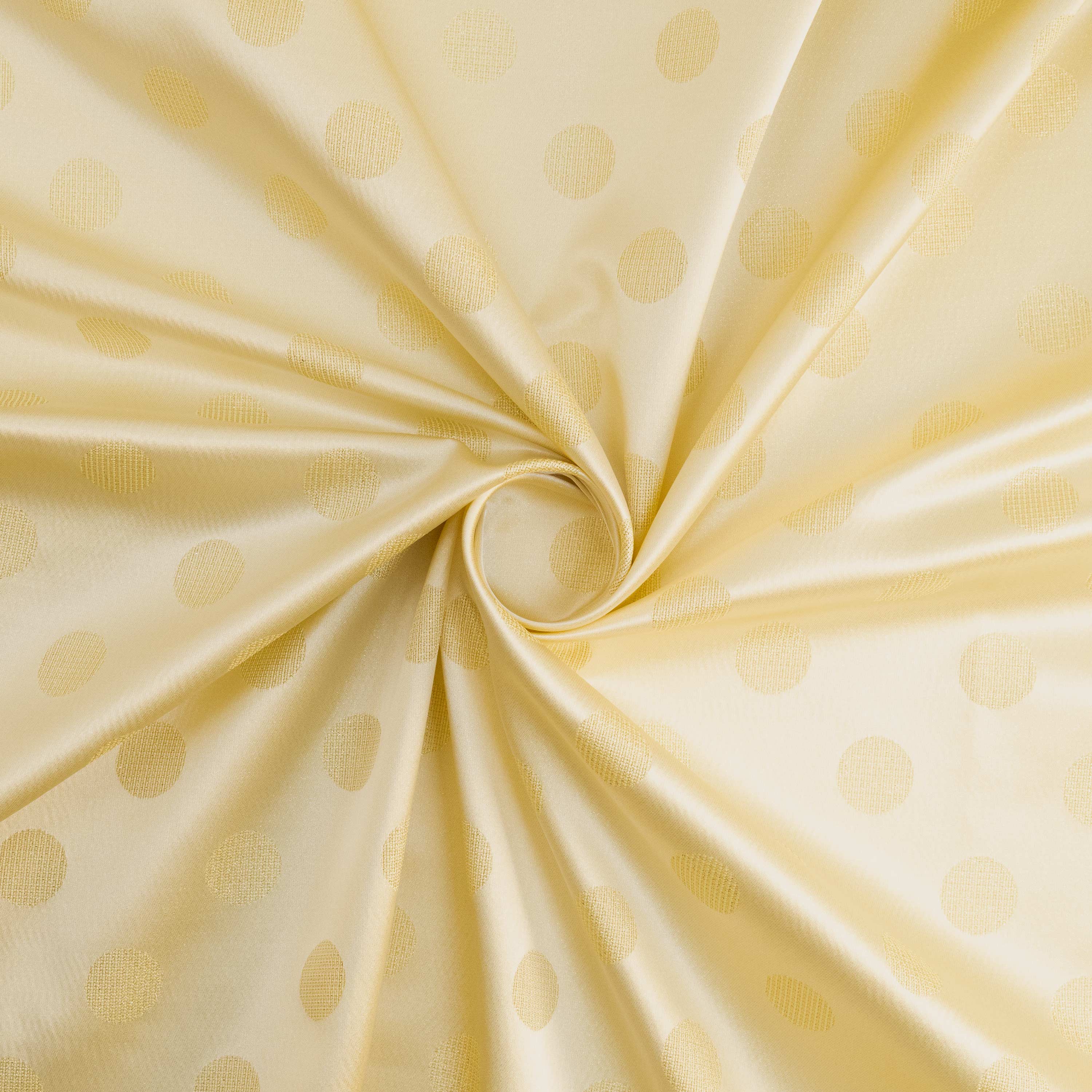
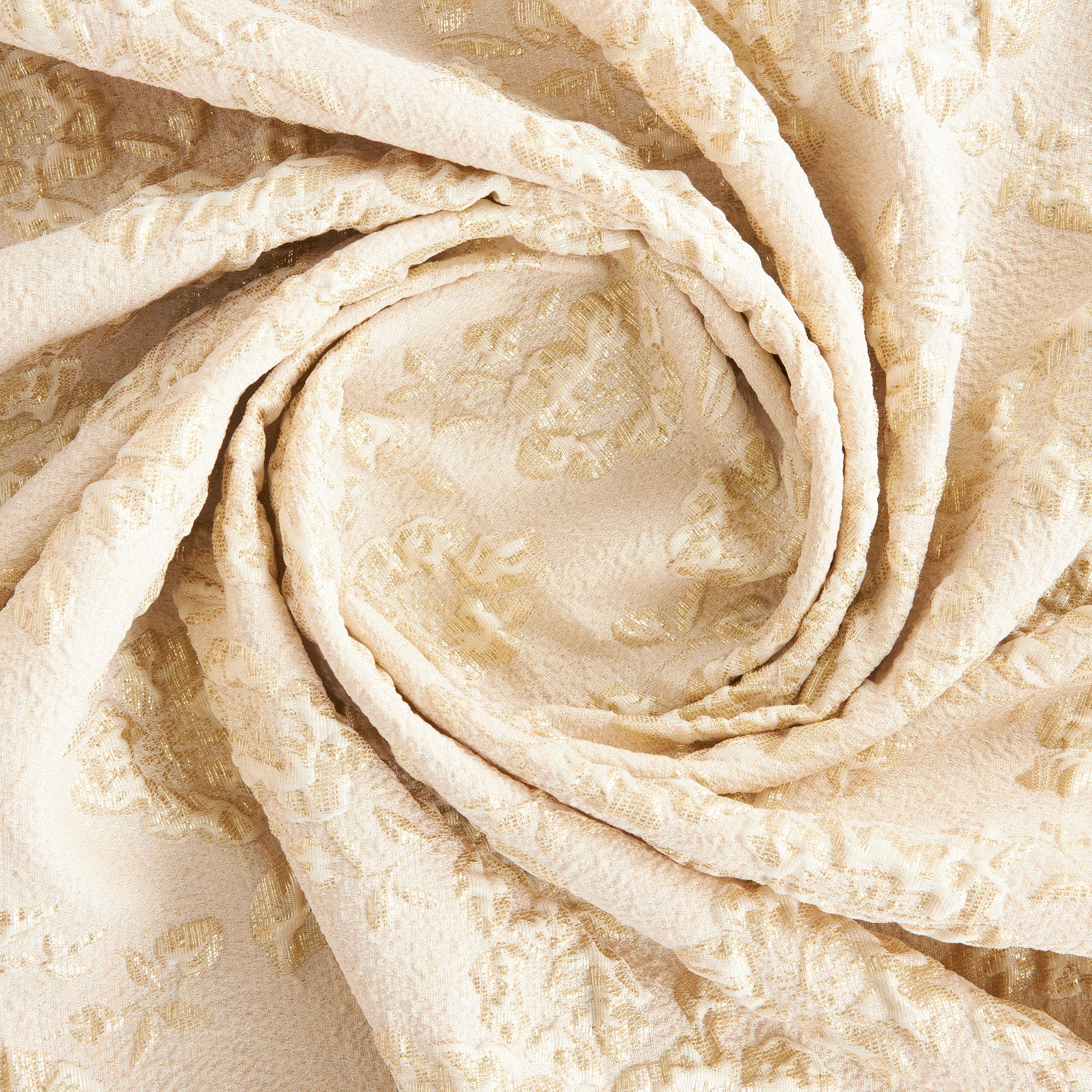
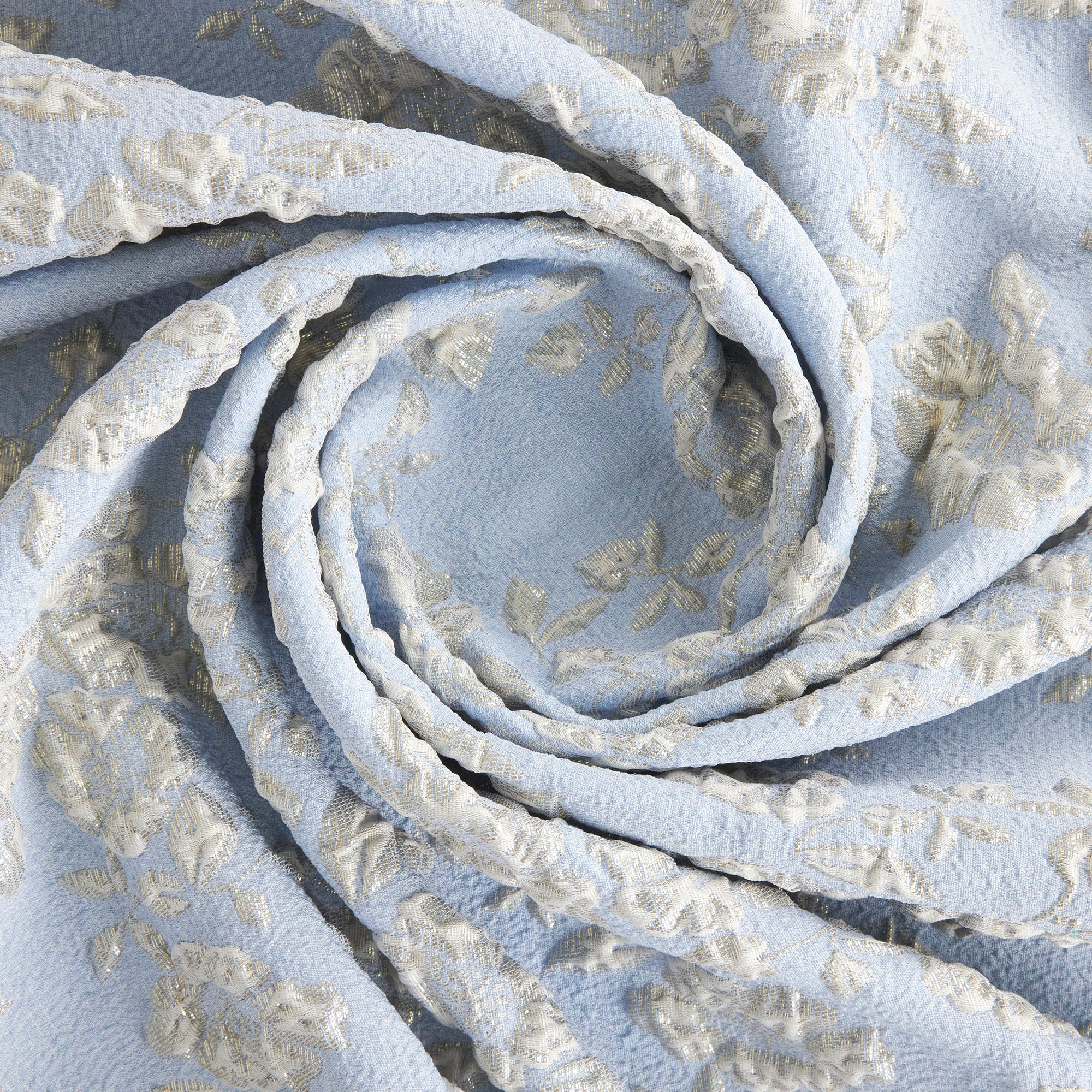
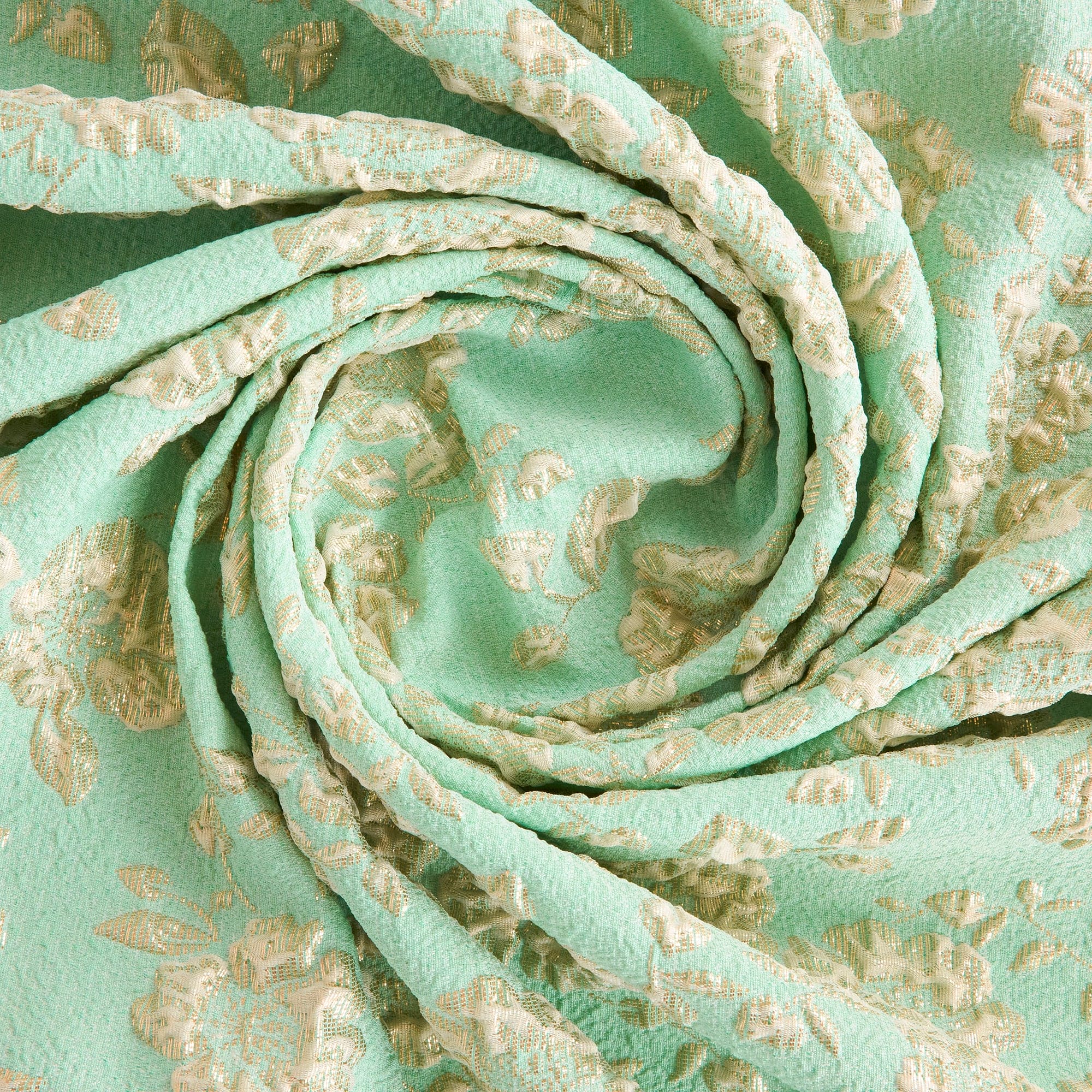
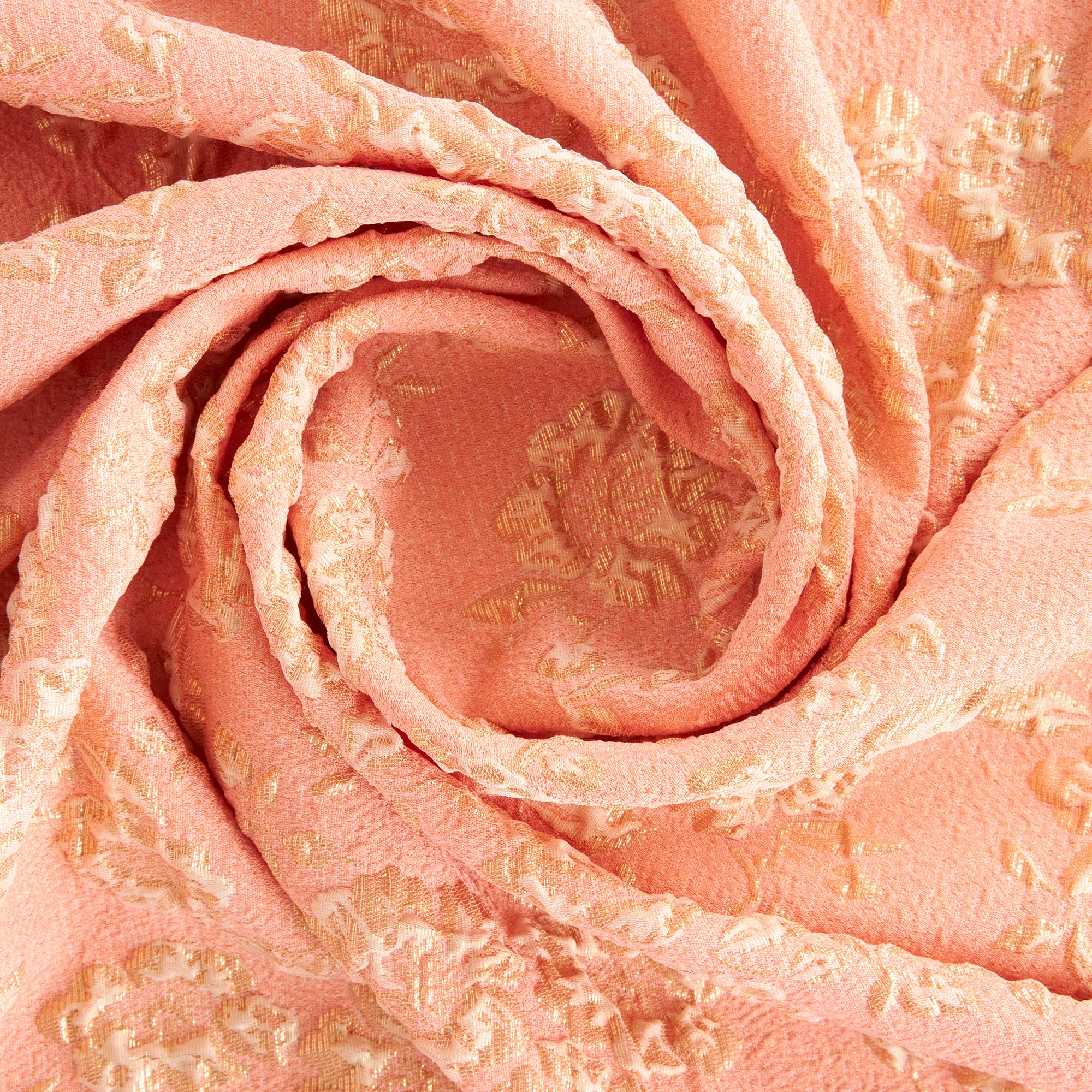
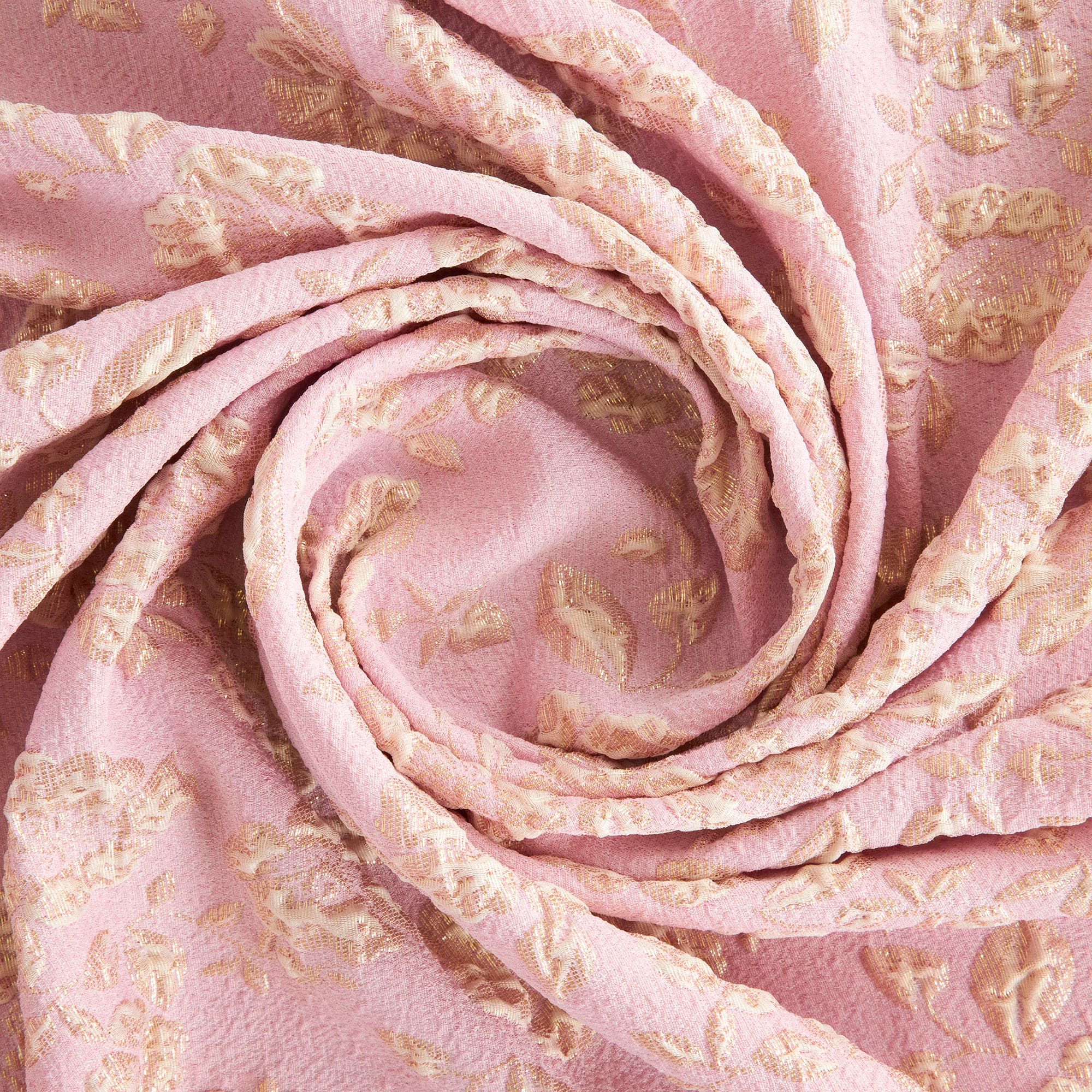
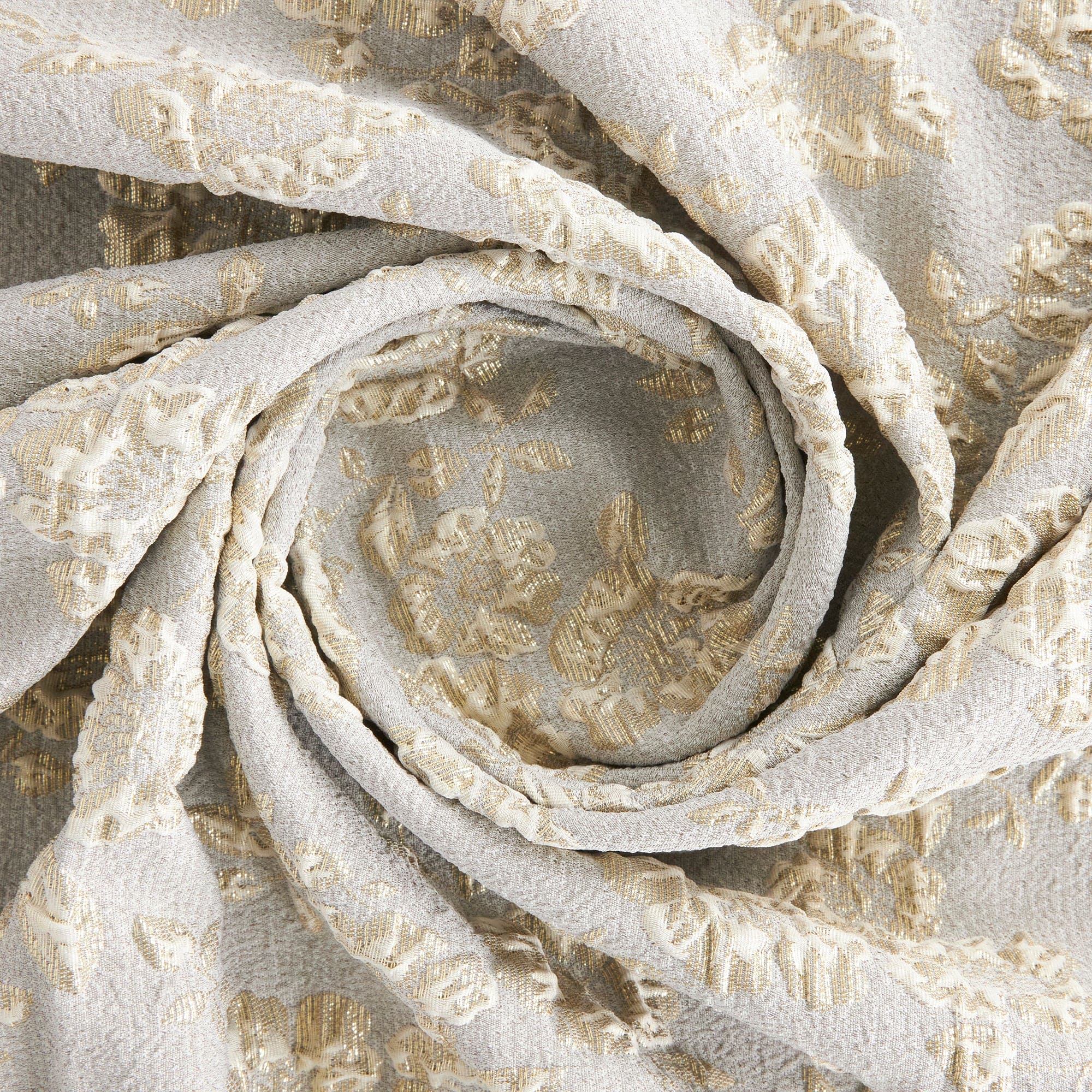
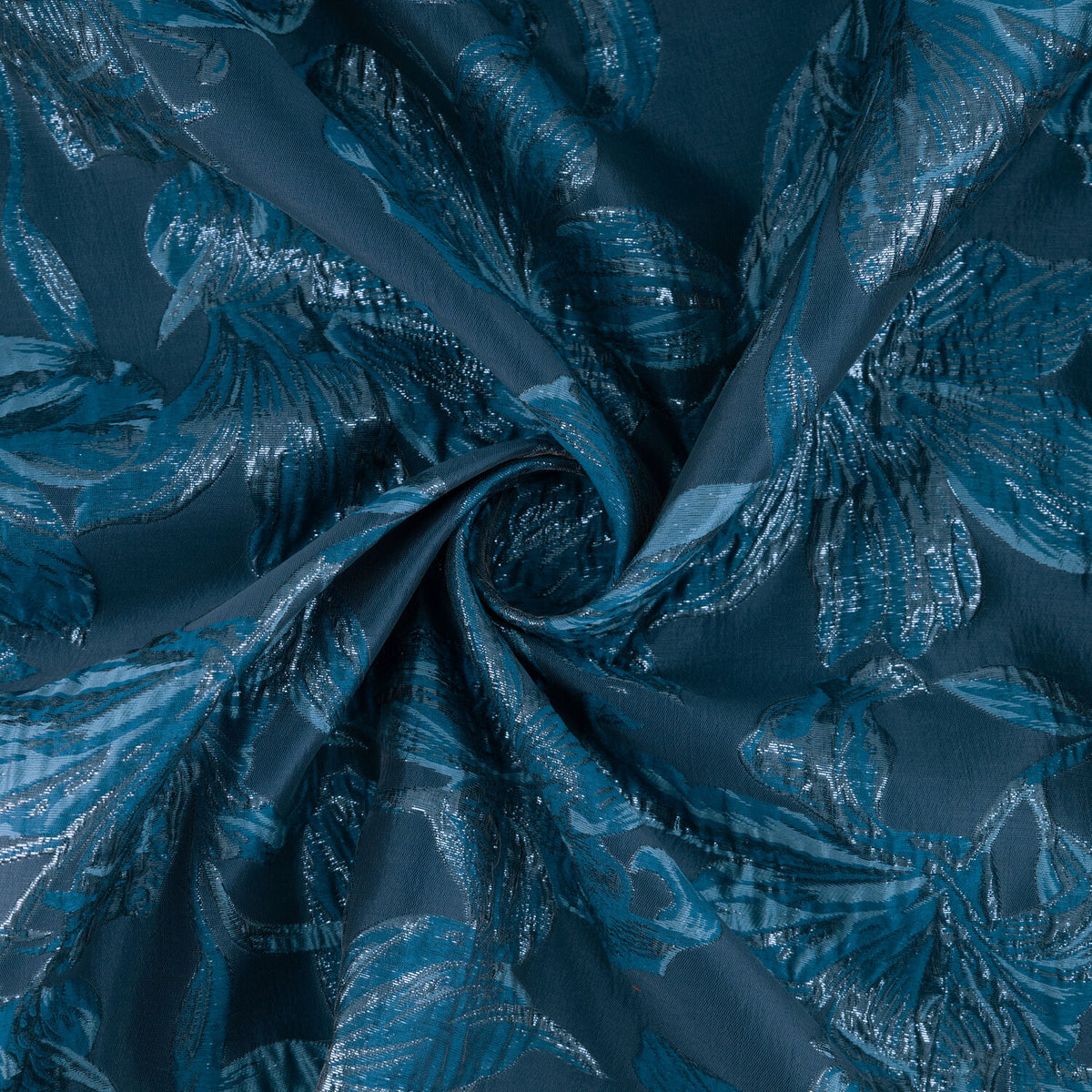
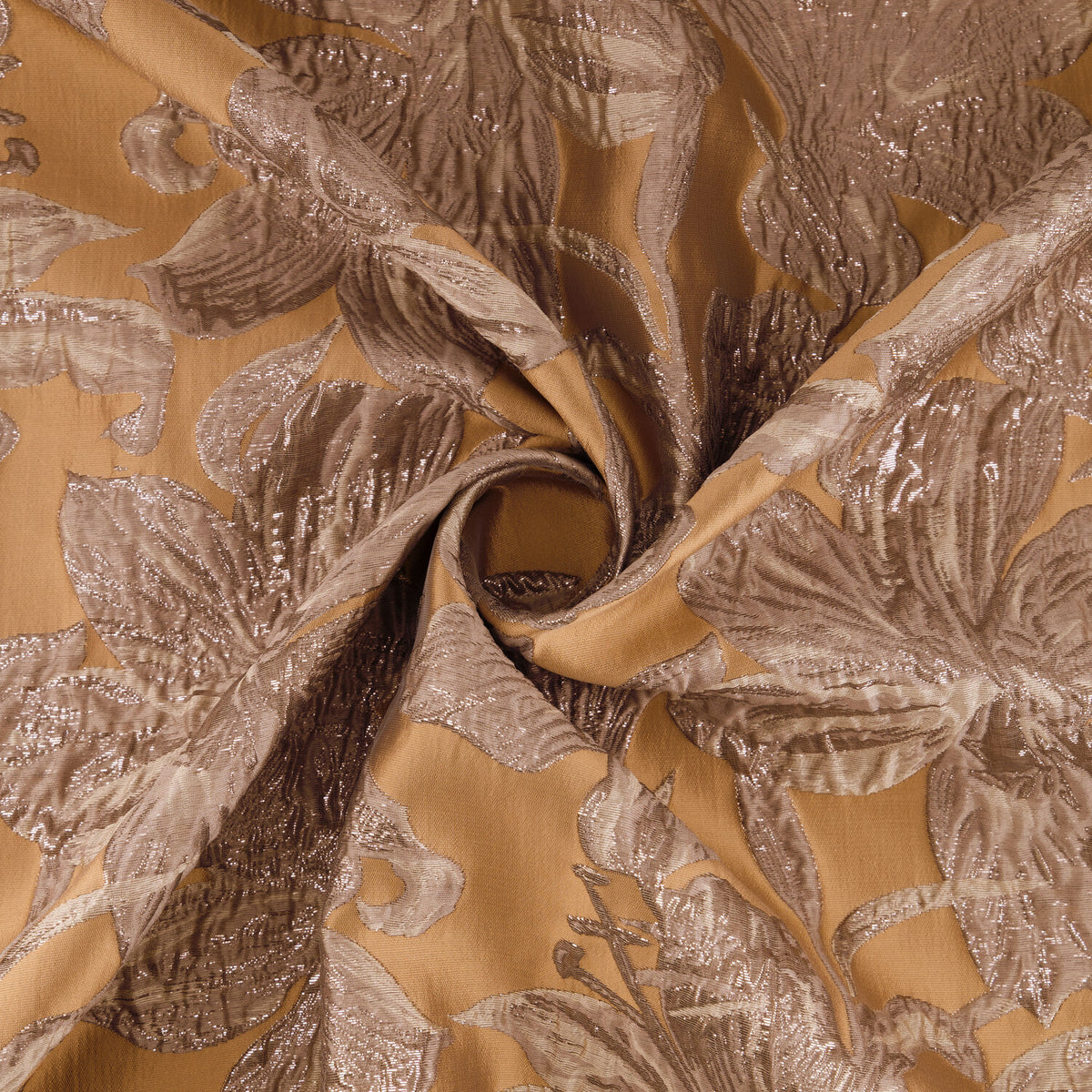
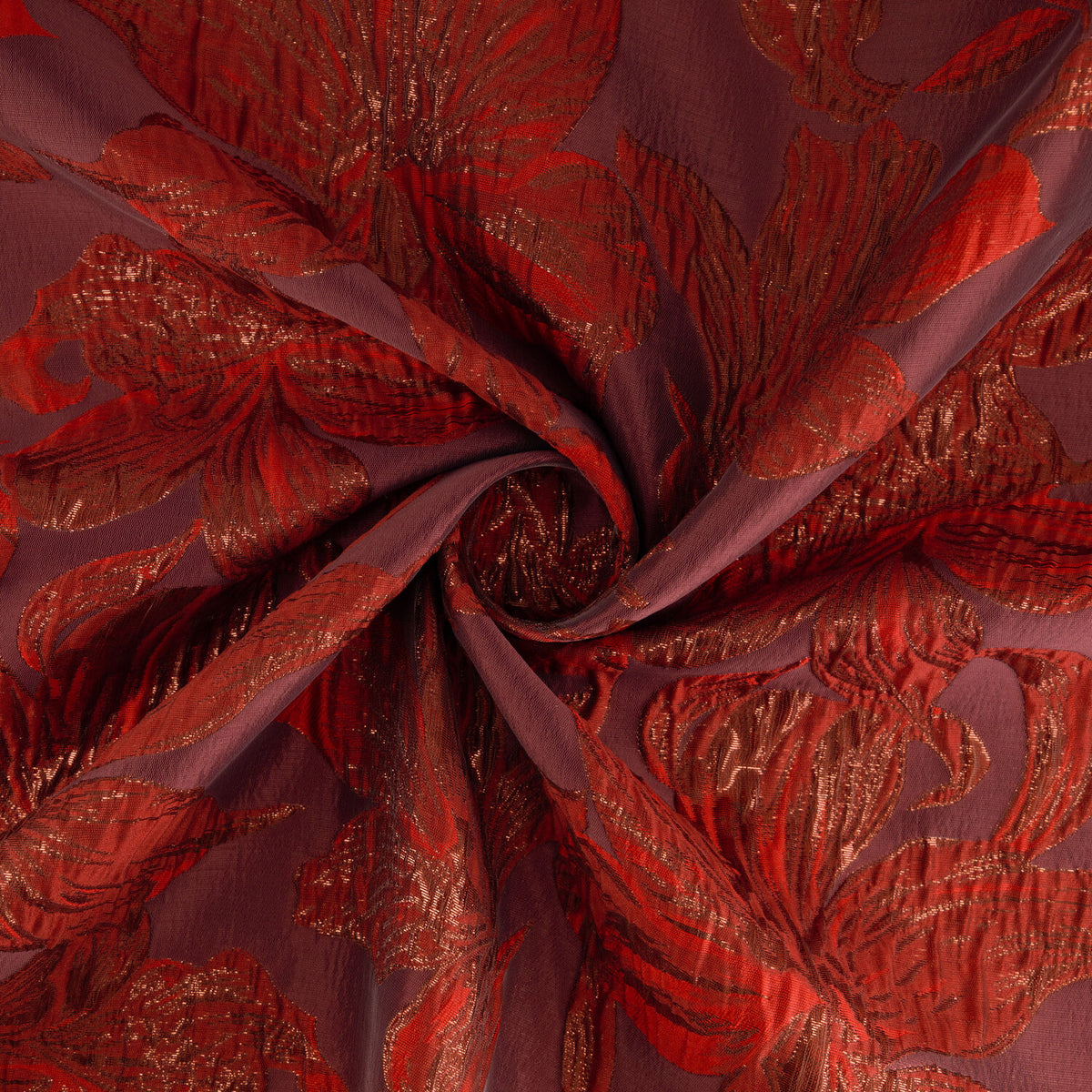
Lurex jacquard integrates metallic yarn, lurex, into the woven structure alongside the ground fiber, typically polyester. The metallic threads catch light differently depending on the weave angle, producing a surface that shifts between matte and reflective. This construction is well-represented in the collection: the PHOENIX PAISLEY LUREX JACQUARD, BONNIE LUREX JACQUARD, and CAROLINE HOUNDSTOOTH LUREX JACQUARD each demonstrate different pattern scales and lurex densities.
Stretch Jacquard
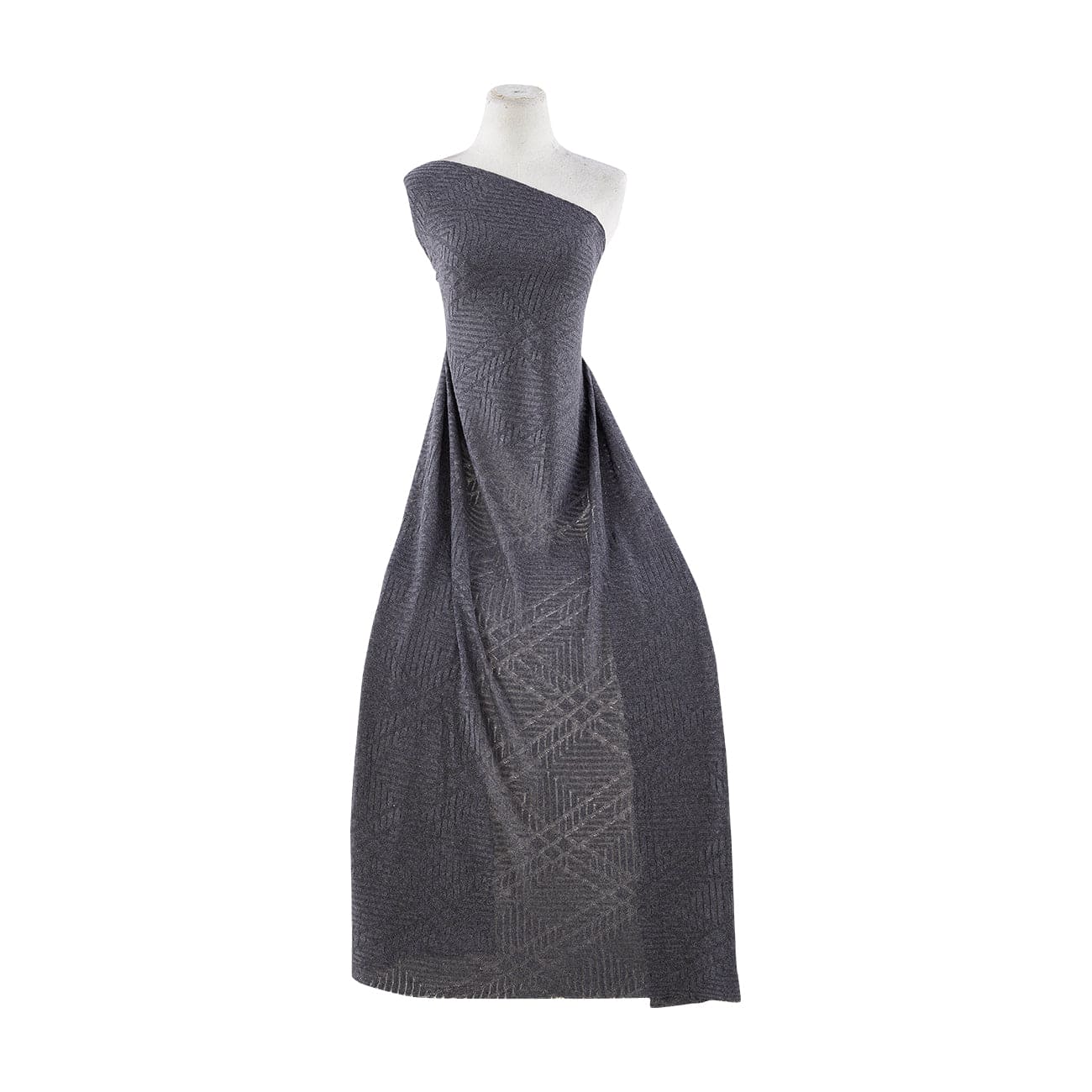
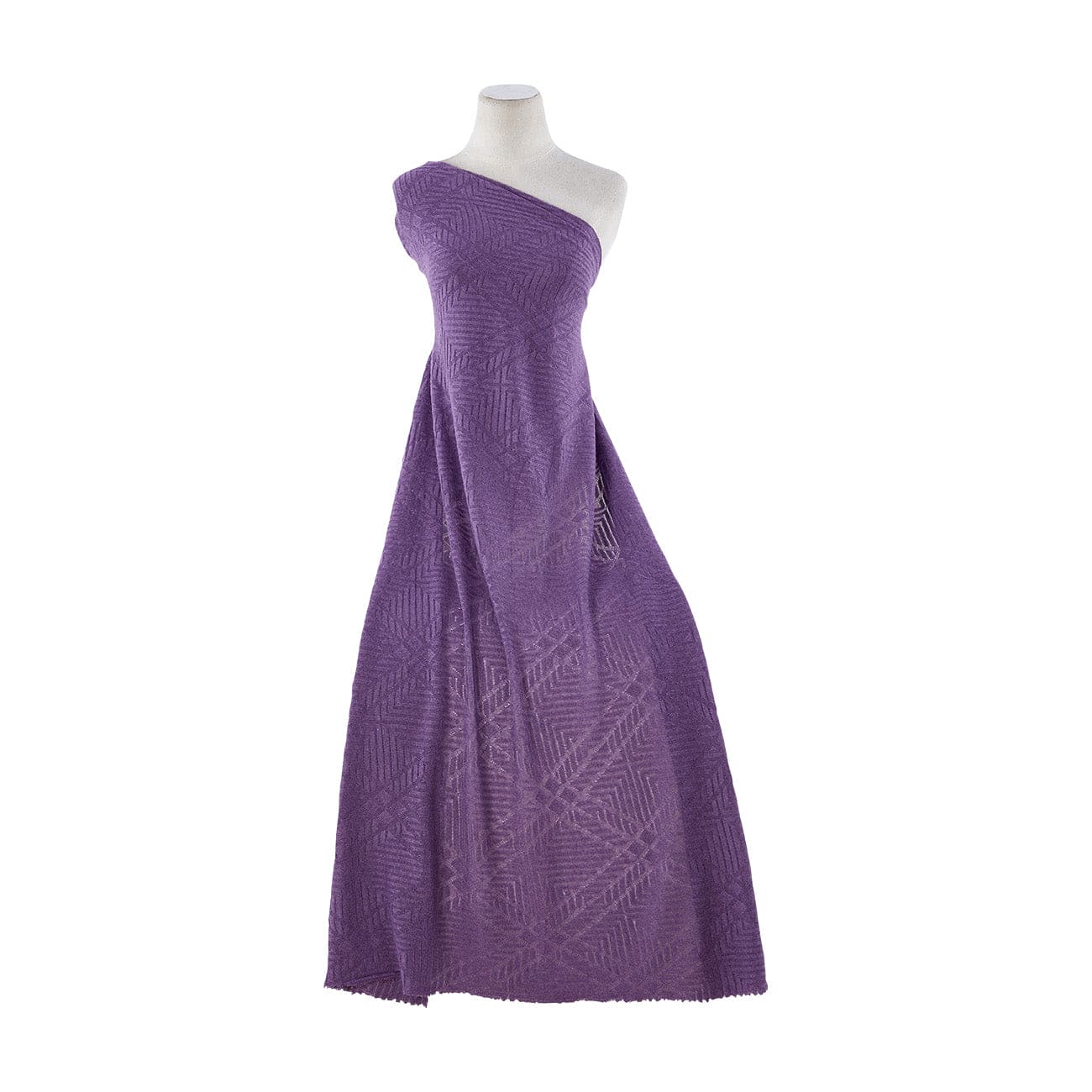
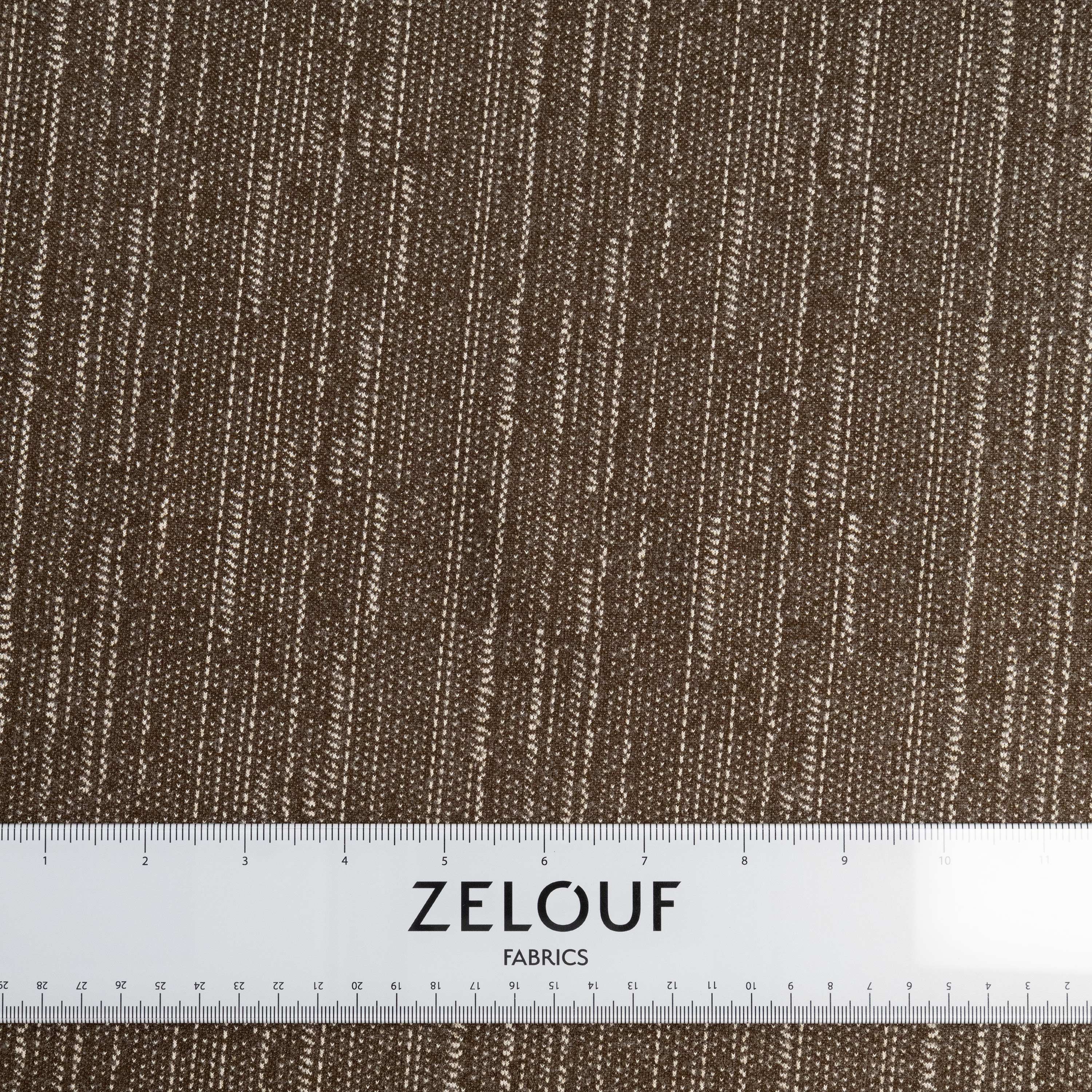
Stretch jacquard is built on a woven base that incorporates elastane or a knit-backed construction to deliver four-way stretch recovery alongside the surface complexity of a jacquard pattern. The ADA TEXTURE KNIT JACQUARD is an example of a knit jacquard construction, while the MORGAN STRIPE LUREX STRETCH JACQUARD and DIANE CHECK LUREX STRETCH JACQUARD combine stretch with metallic lurex integration.
Scuba Crepe Jacquard
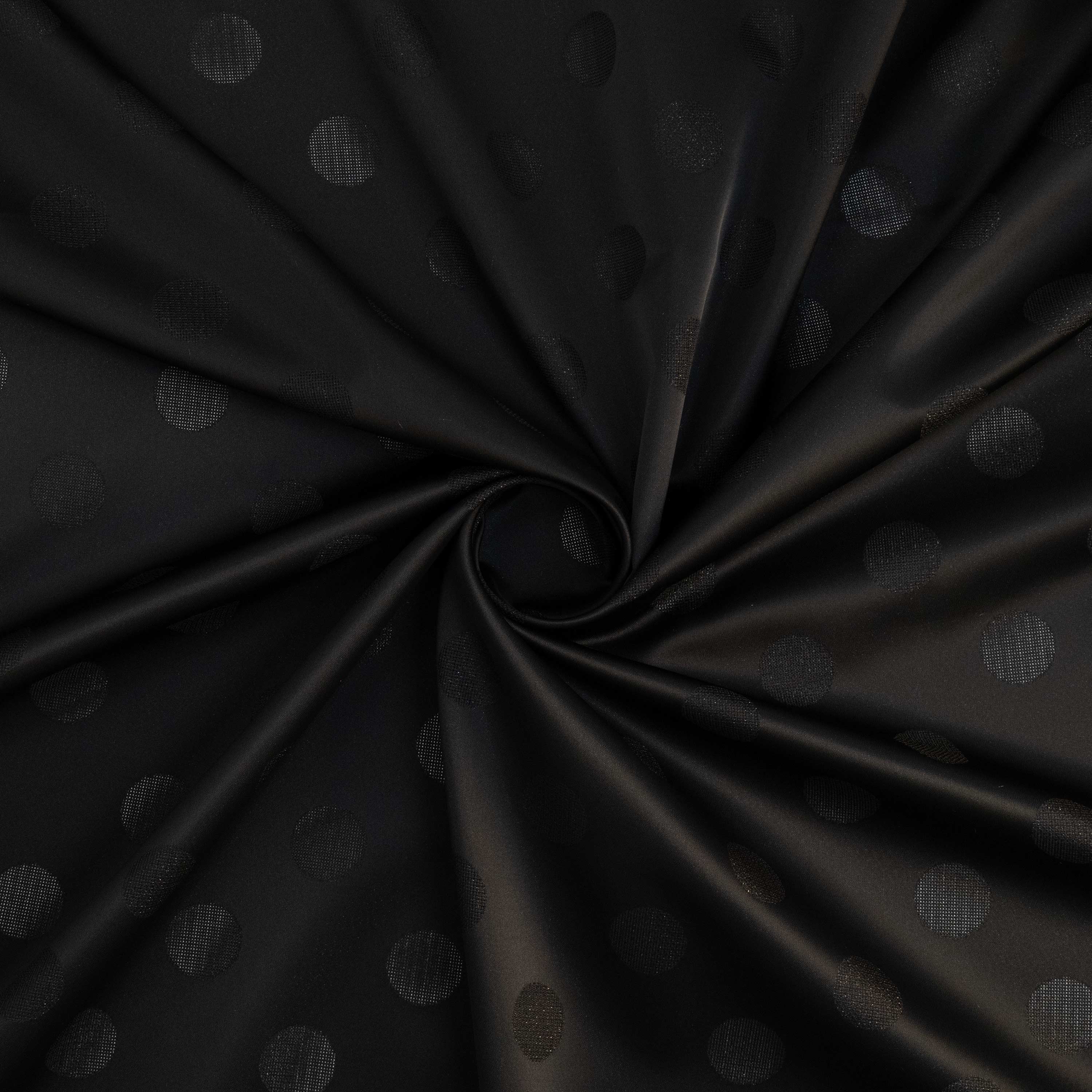
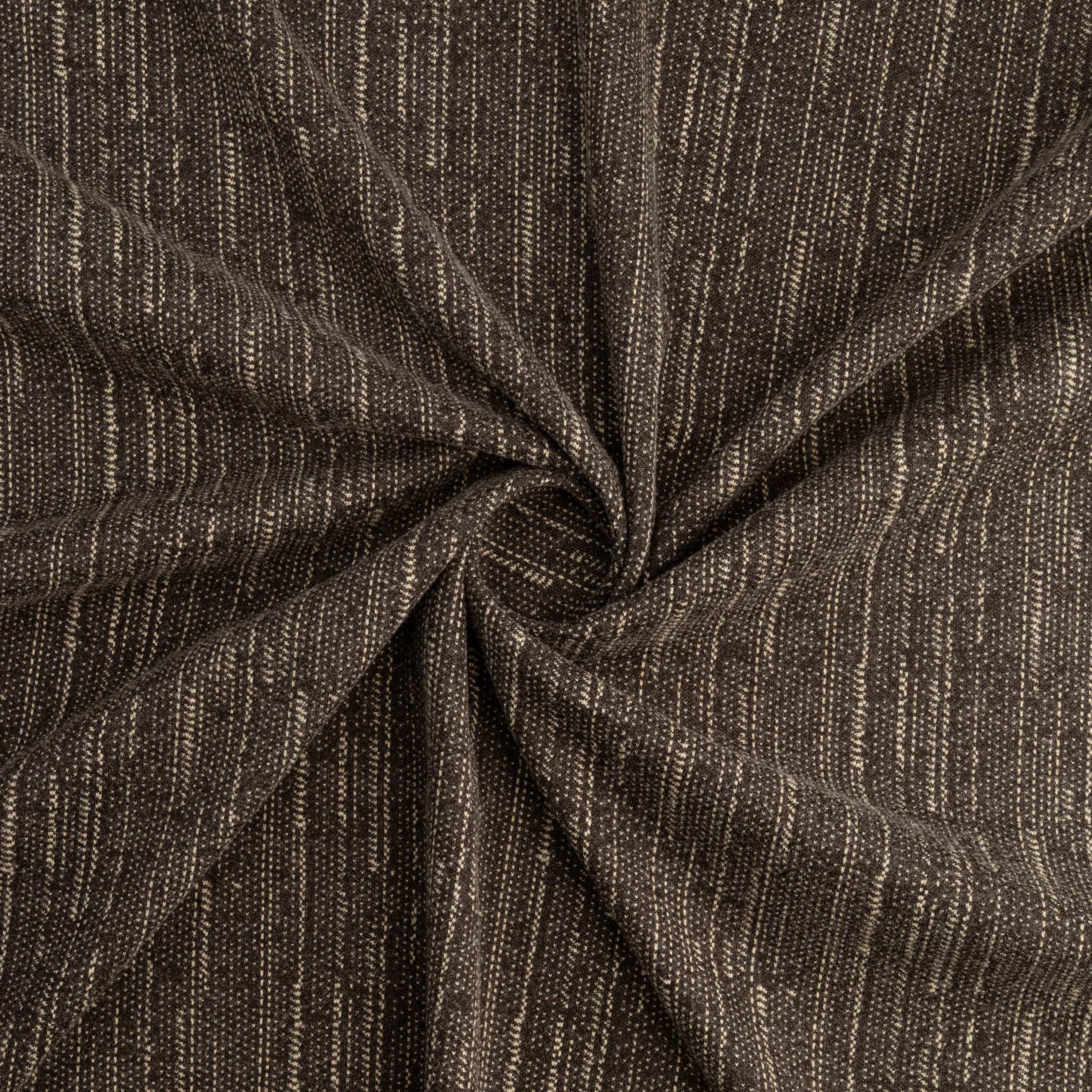
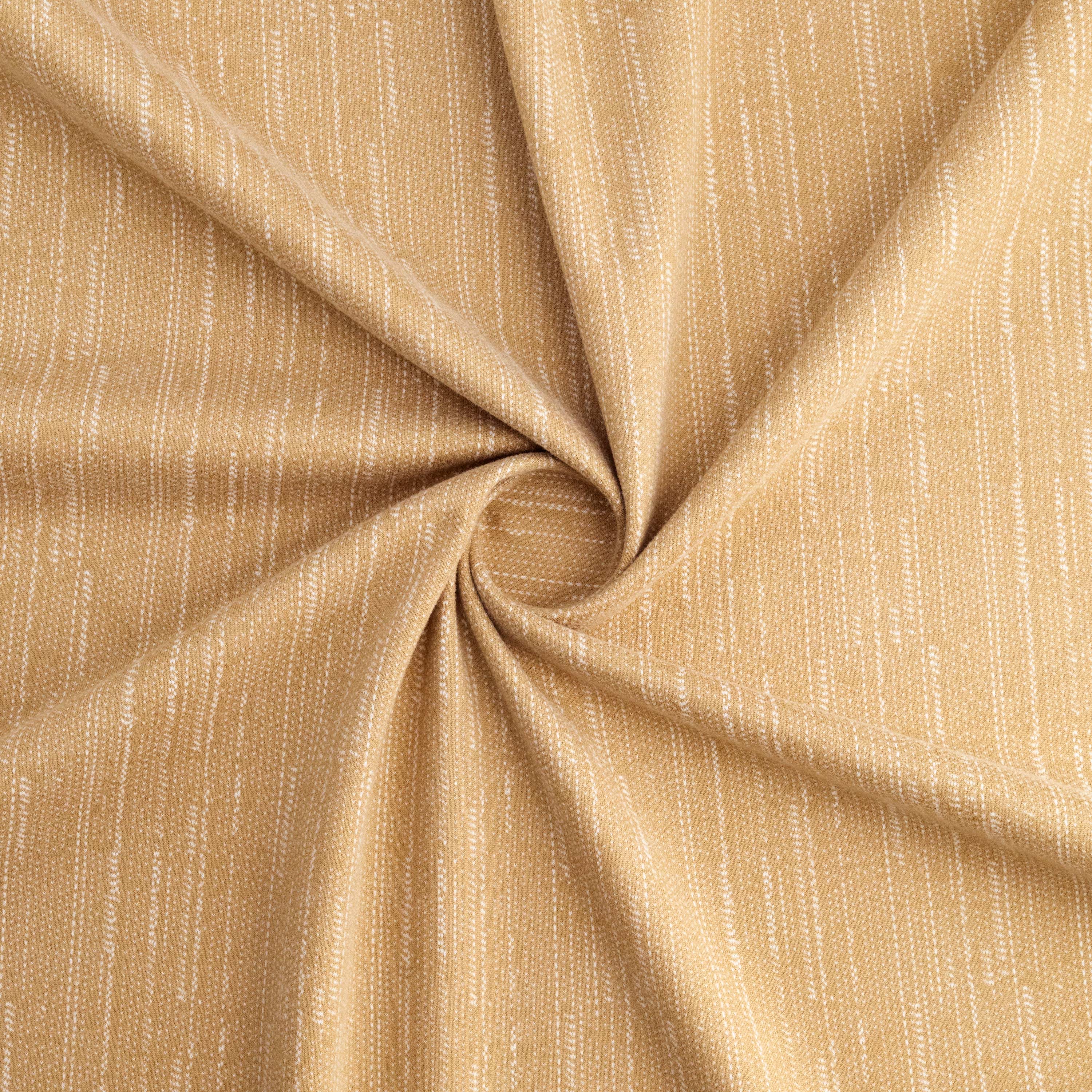
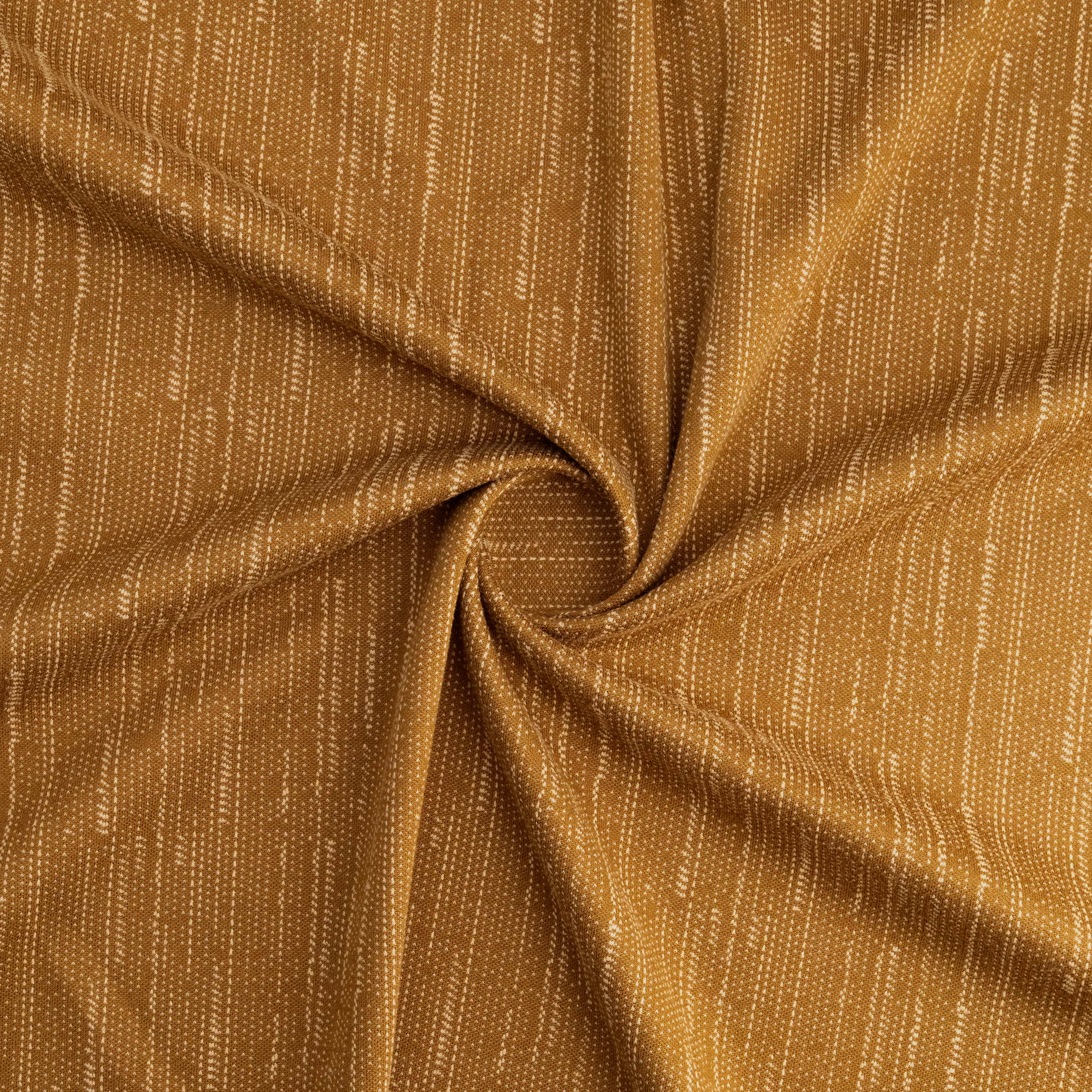
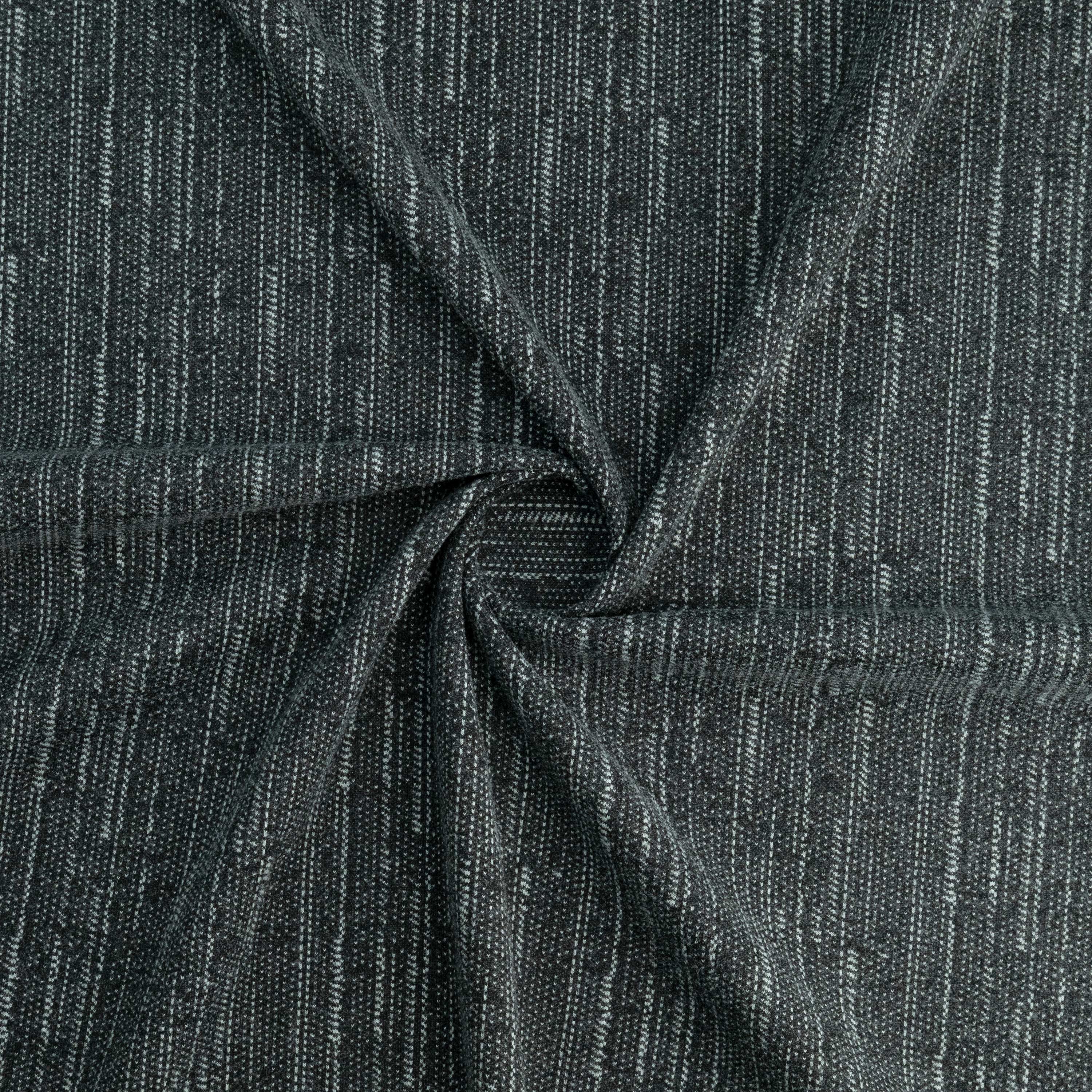
Scuba crepe jacquard bonds a jacquard woven face to a scuba crepe backing, a double-knit polyester construction with a smooth, dense hand and moderate stretch recovery. The backing adds body and suppresses fraying at cut edges, which makes this construction notably easier to sew than a loosely woven jacquard. The SCROLL SCUBA CREPE JACQUARD, ZENA HERRINGBONE SCUBA CREPE JACQUARD, and CARMEN MENSWEAR PLAID SCUBA CREPE JACQUARD are all built on this base.
Organza Jacquard
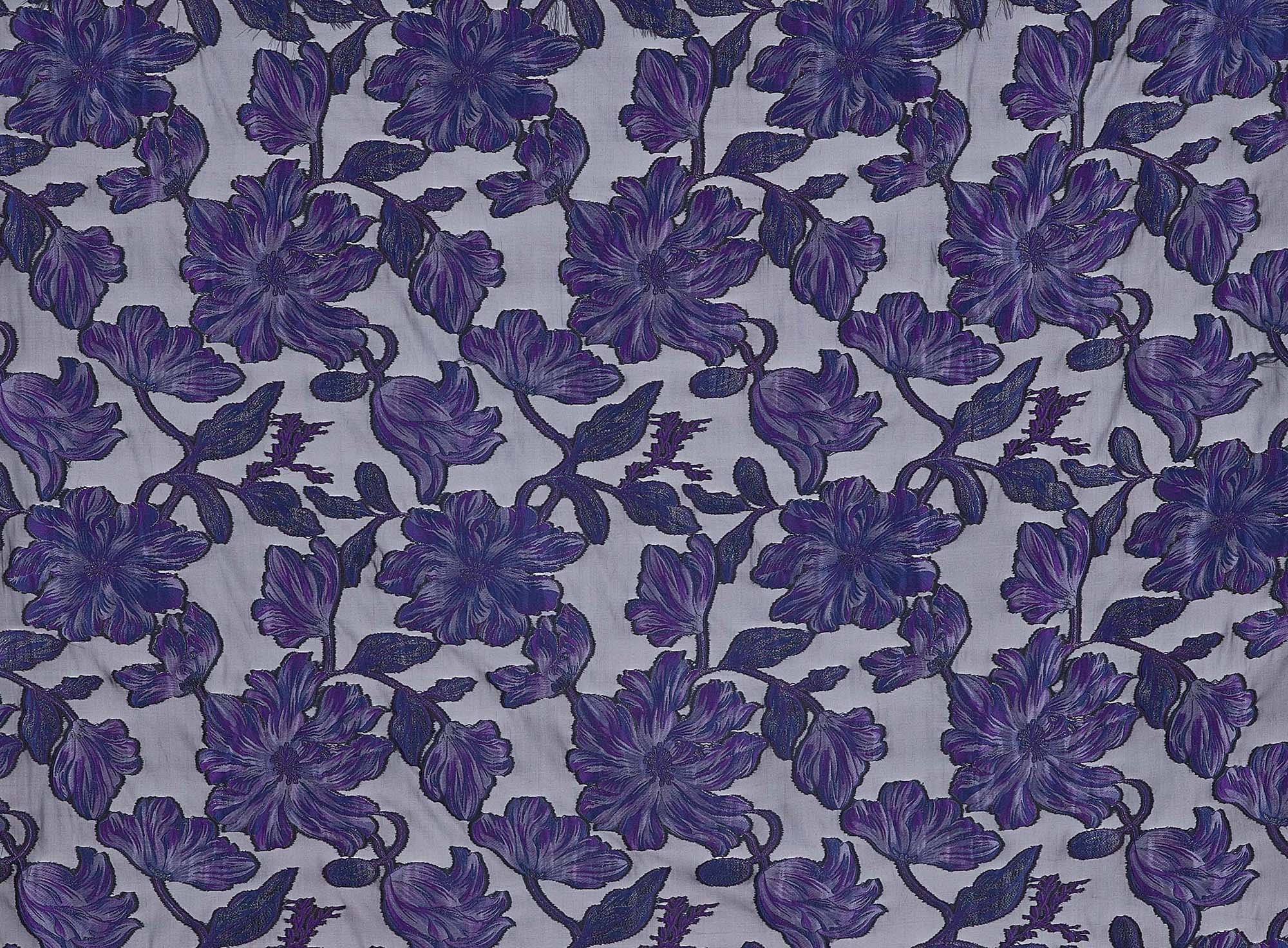
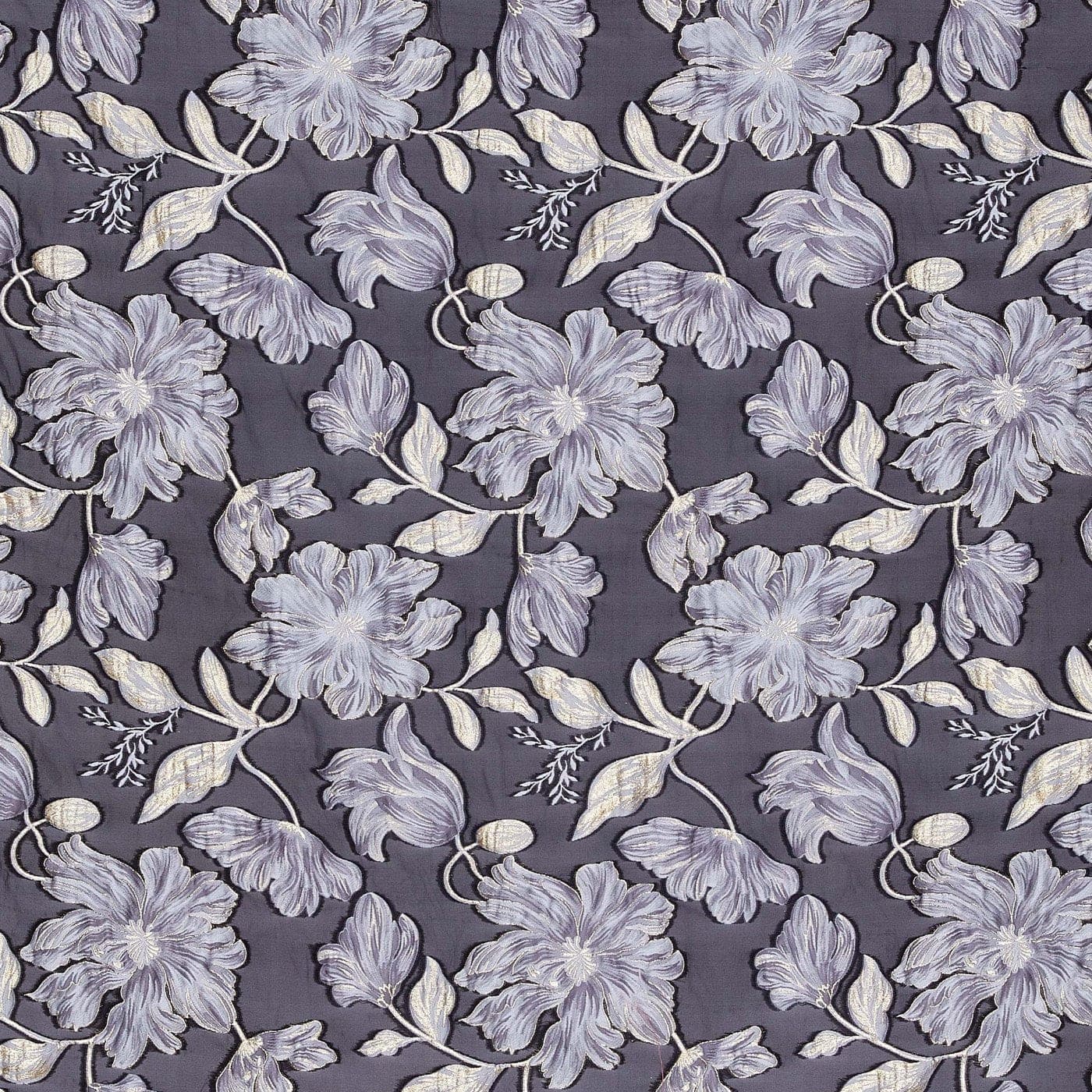
Organza jacquard weaves the jacquard pattern into a sheer, plain-weave organza ground. The result is a lightweight fabric with a crisp hand, visible pattern, and translucent ground, a construction suited to overlays, bridal fabric applications, and decorative borders. The SINGLE ROSE BORDER ORGANZA JACQUARD is a direct example of this construction in the collection.
For comparison, a dobby loom can produce small geometric textures and simple repeating patterns, but it cannot address individual warp threads independently the way a Jacquard loom does, which is why dobby fabrics have a narrower pattern vocabulary and a flatter surface profile.
Jacquard Fabric vs. Brocade vs. Damask
Brocade and damask are both woven on a Jacquard loom, which means the term “jacquard” is often used as an umbrella, while brocade and damask describe specific pattern and construction styles within that family. The distinction matters when you are choosing between them for a project, because the constructions behave differently in terms of drape, reversibility, and sewing ease.
|
Jacquard |
Brocade |
Damask |
|
|
Weaving method |
Jacquard loom; any interlacement pattern |
Jacquard loom with supplementary weft threads |
Jacquard loom; warp-faced vs. weft-faced satin areas |
|
Fiber types |
Silk, cotton, polyester, wool, blends |
Silk, polyester, cotton, metallic blends |
Silk, cotton, polyester, linen |
|
Typical use |
Eveningwear, upholstery, drapery fabric, accessories |
Structured garments, upholstery fabric, bridal |
Draperies, table runners, tonal garments |
|
Reversibility |
Varies by construction |
Generally not reversible |
Reversible fabric |
|
Price tier |
Wide range depending on fiber and complexity |
Mid to high |
Mid to high |
The key practical difference, brocade’s supplementary weft threads create a raised surface that can snag if not handled carefully, and the fabric is rarely reversible. Damask, using single-shuttle weaving within the ground cloth, produces a flatter, reversible fabric that is more forgiving in construction. A standard jacquard without supplementary threads sits between the two in terms of surface relief and sewing complexity.
What Is Jacquard Fabric Used For?
Jacquard fabric’s combination of structural integrity and surface complexity makes it one of the most versatile textiles in both fashion and home decor. The right call for any specific project depends on the construction, a scuba crepe jacquard behaves very differently from an organza jacquard, even though both are produced on the same type of loom.
Fashion and Eveningwear
Lurex jacquard and stretch jacquard are the most common constructions for cocktail dresses, eveningwear, and structured jackets. The woven pattern eliminates the need for surface embellishment, and the fabric holds its shape through a full evening of wear. Blazers and tailored coats in brocade jacquard or tapestry jacquard benefit from the fabric’s inherent body, interfacing requirements are often reduced compared to lighter wovens. For bridal fabric applications, organza jacquard overlays add pattern and texture without the weight of a fully opaque cloth.
Everyday Garments and Separates
Scuba crepe jacquard is a practical choice for skirts, trousers, and structured tops where the maker wants surface interest without sacrificing sewability. The scuba backing stabilizes the weave and reduces fraying, which suits makers who prefer to work without a serger or overlocker on every seam. The KELLY BRUSHSTROKE SCUBA CREPE JACQUARD and MIXED ANIMAL SCUBA CREPE JACQUARD are good starting points for this category.
Home Decor
Tapestry jacquard and damask jacquard are the standard constructions for upholstery, draperies, throw pillows, and table runners. The dense weave structure holds up to everyday wear in upholstery applications, and the pattern repeat is typically large enough to read clearly across a room. For decorative textiles where a lighter hand is preferred, a cotton or polyester damask jacquard is a common choice.
Accessories and Linings
Lighter jacquard constructions, particularly organza jacquard and fine lurex jacquard, are used for scarves, evening bags, and structured linings where the pattern contributes to the finished piece without adding significant weight. The LYON FLORAL METALLIC WOVEN JACQUARD is a useful reference point for this application.
If your project calls for a similarly fluid drape with surface pattern, our satin fabric collection is worth comparing alongside these options, silk charmeuse and bridal satin both offer pattern-receptive surfaces in lighter weight constructions.
How to Sew and Care for Jacquard Fabric
Jacquard fabrics reward careful handling, the same raised weave that creates their signature texture can shift or fray if cut and sewn without a few simple precautions. The specific approach depends on the exact construction, so check the product page for fiber-specific guidance before you begin.
Cutting
Use sharp shears or a rotary cutter and cut single layers where possible, particularly with loosely woven jacquards. Mark the pattern repeat before cutting and plan your seam allowance to account for pattern matching at seams, a larger seam allowance (at least 5/8 inch, ideally 3/4 inch) gives you room to align repeats without losing structural integrity. Brocade and tapestry jacquard fray readily at cut edges; finish with a serger or overlocker immediately after cutting, or apply a seam sealant to raw edges before construction begins.
Sewing
A sharp needle in size 14 to 16 suits most medium-weight jacquard constructions. Use a walking foot when sewing scuba crepe jacquard or any backed construction, it feeds the top and bottom layers evenly and prevents the layers from shifting. For loosely woven brocade or tapestry jacquard, a standard presser foot with reduced pressure works well. Interfacing is worth considering at collar stands, button bands, and pocket openings where the weave structure needs additional support.
Pressing
Press from the wrong side using a pressing cloth between the iron and the fabric surface. Steam works well on most polyester and cotton jacquards, but test on a scrap first, lurex threads can distort under direct heat. A moderate iron temperature is the right starting point; increase only if the fabric does not respond.
Care
Many polyester jacquards can be hand-washed in cold water with a gentle detergent, but silk jacquard and heavily embellished lurex constructions are typically dry-clean-only. When in doubt, dry cleaning is the safer choice for any jacquard with a complex pattern repeat or supplementary weft threads. Always check the product page for fiber-specific care instructions before washing.
Frequently Asked Questions About Jacquard Fabric
Is jacquard fabric stretchy?
It depends on the construction. Standard woven jacquard has little to no stretch. Stretch jacquard and knit jacquard constructions incorporate elastane or a knit base to deliver four-way stretch recovery, making them suitable for fitted garments. The product page for each style specifies the stretch behavior.
Is jacquard fabric good for upholstery?
Tapestry jacquard and upholstery-grade damask jacquard are well-suited to upholstery applications. They are woven at a higher GSM range and with a tighter thread count than fashion-weight jacquards, which is what allows them to hold up to everyday wear. Fashion-weight lurex jacquard and organza jacquard are not appropriate for upholstery.
What fibers is jacquard fabric made from?
Jacquard is a weaving method, not a fiber. The collection includes polyester jacquard, cotton jacquard, and blended constructions. Silk jacquard and wool jacquard exist in the broader market. Always check the product page for the specific fiber content of the style you are considering.
Is jacquard fabric expensive?
Price per yard varies considerably depending on fiber content, pattern complexity, and construction. Polyester jacquard is the most accessible price point. Silk jacquard commands a premium. The Zelouf collection spans a range of price points; ordering a swatch before committing to yardage is a practical way to assess hand and quality before purchase.
Can jacquard fabric be washed at home?
Many polyester jacquards can be hand-washed in cold water. Silk jacquard and heavily embellished lurex constructions are typically dry-clean-only. Check the product page for fiber-specific care instructions before washing, and when in doubt, dry cleaning is the safer choice.
What is the difference between jacquard and brocade?
Brocade is a specific type of jacquard. Both are woven on a Jacquard loom, but brocade uses supplementary weft threads that float across the surface to create a raised, embossed pattern. Standard jacquard builds its pattern within the ground weave structure without supplementary threads. The practical result is that brocade has more surface relief and is generally stiffer, while a standard jacquard tends to drape more fluidly depending on the fiber.
*Order a swatch before committing to yardage. Free fabric swatches are available on each product page.