
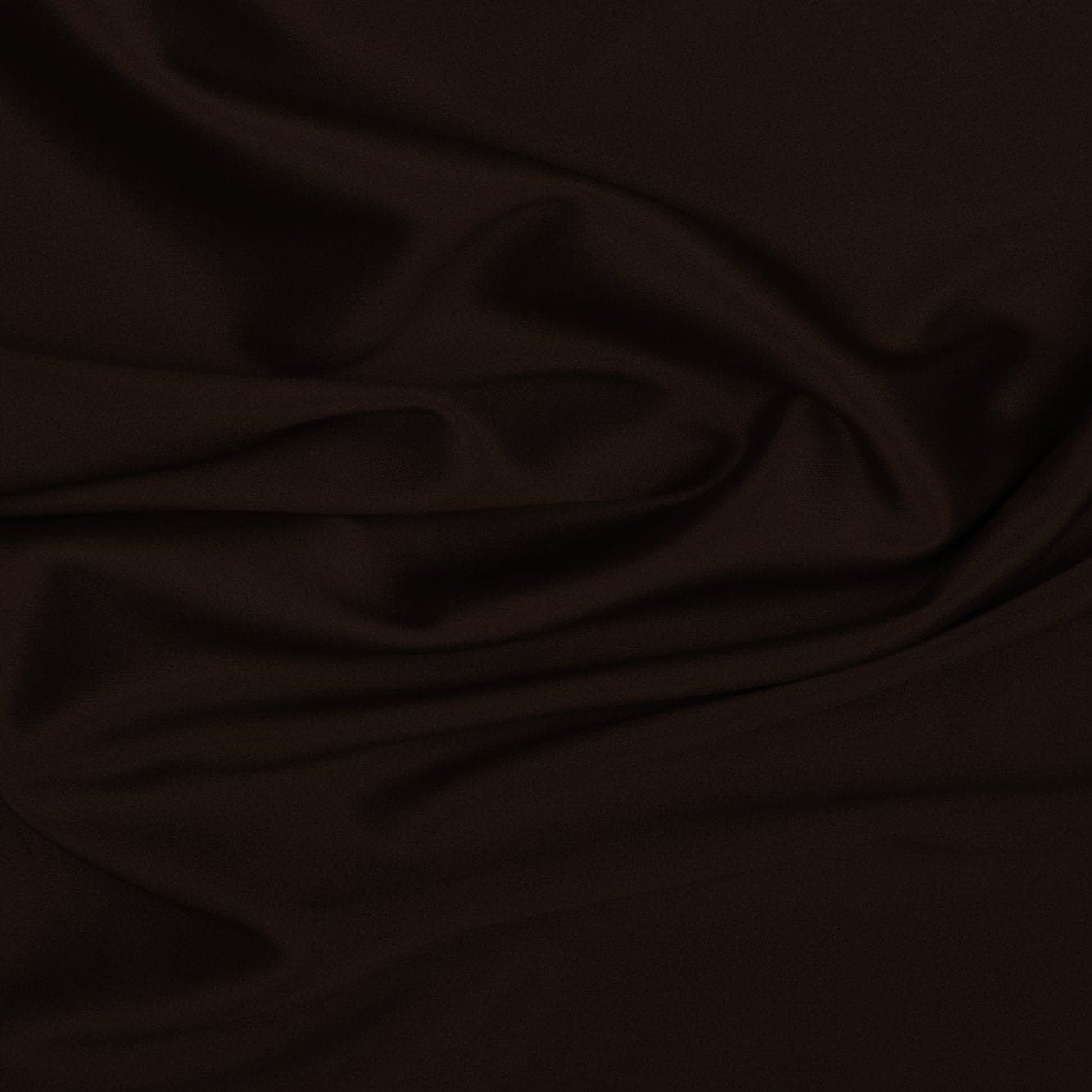
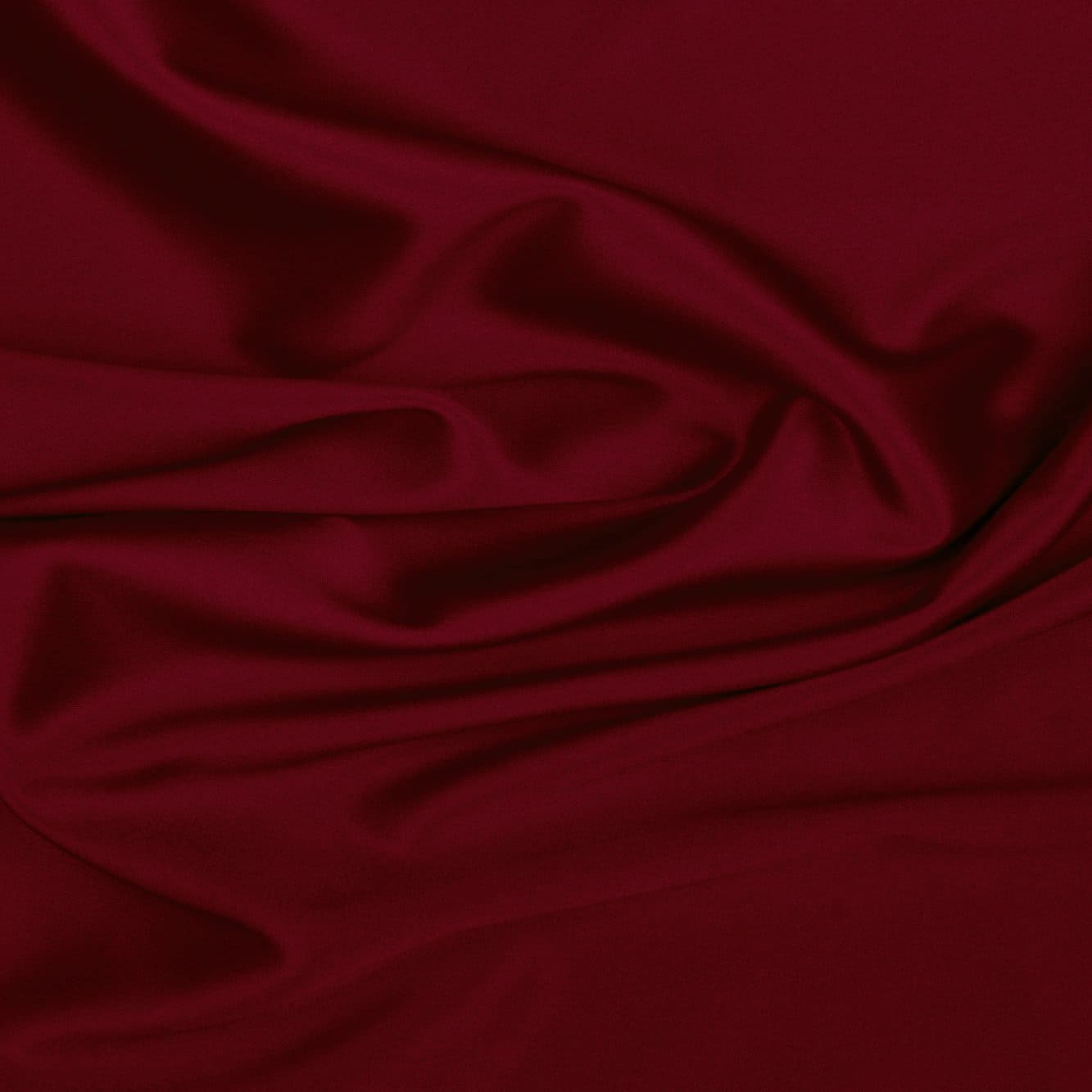
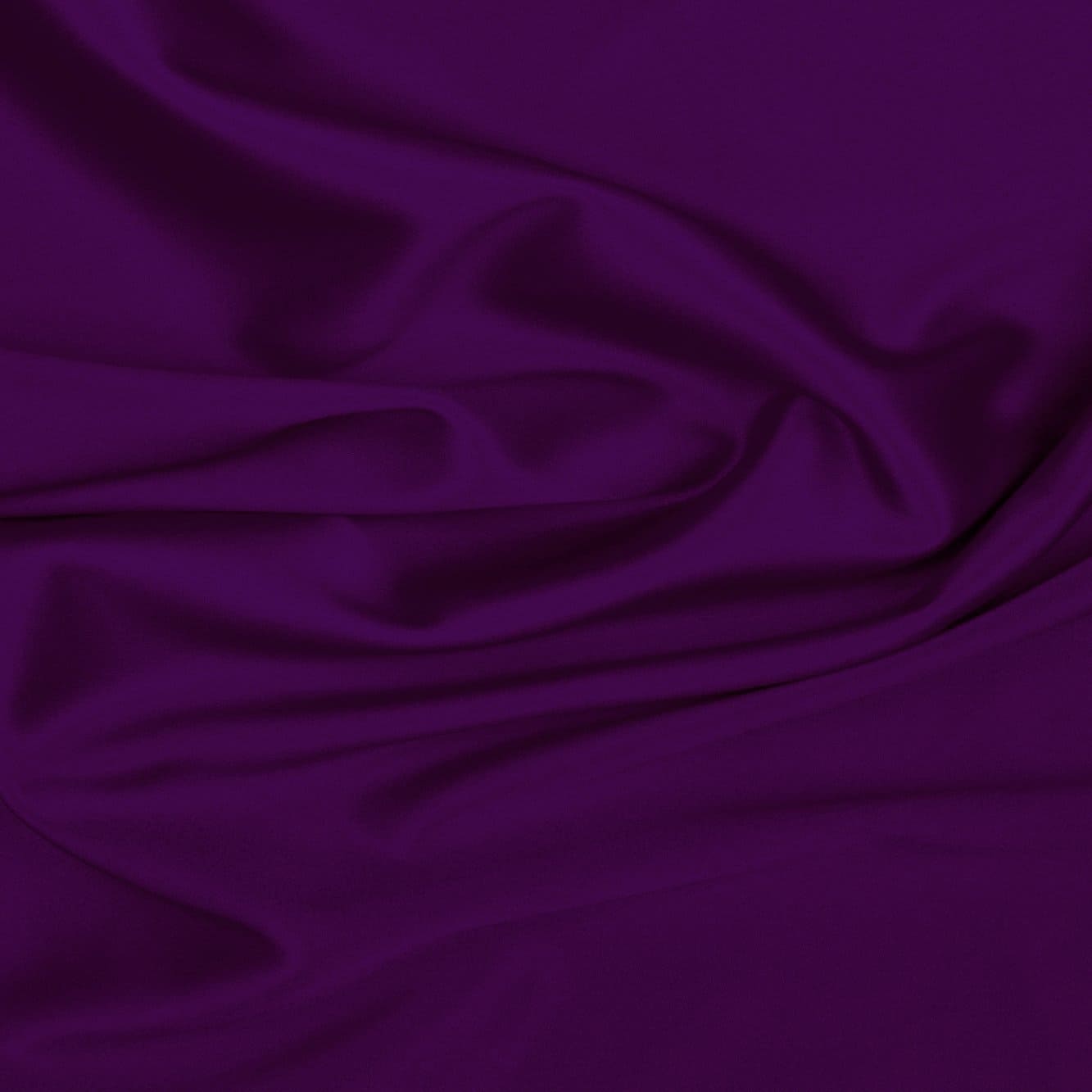
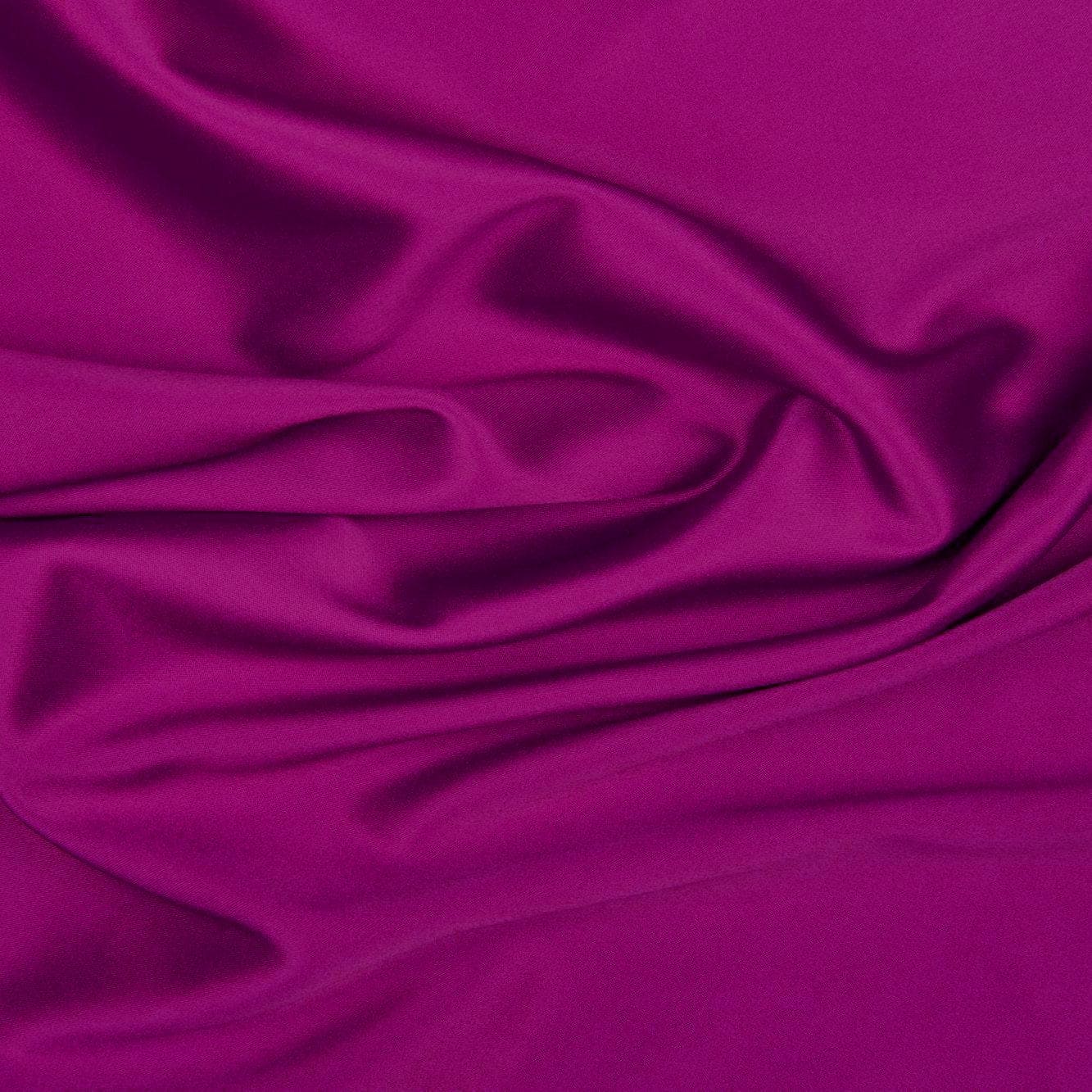
What Makes Matte Satin and Peau de Soie Distinctive
If you're exploring additional satin styles beyond matte finishes, our main satin fabric collection offers a full range of textures and colors. Designers looking for specific palettes can also browse red satin fabric, blue satin fabric, and pink satin fabric to complement their matte satin selections. Bridal makers often pair matte satin with options in our bridal satin fabric collection when creating gowns and accessories.
Matte satin stands apart from traditional shiny satin through its dull finish rather than the high gloss associated with charmeuse or duchess varieties. This polyester-based textile, weighing 250 - 299 gsm, sits in the medium-weight category - heavier than chiffon or organza, lighter than duchess satin - making it versatile across both structured and draped silhouettes. The 54-inch width accommodates efficient pattern layouts for garments and décor applications.
Matte satin uses the same four-over-one (or five-over-one) warp-faced satin weave as glossy satin, but the face yarn is a low-luster, fine-denier polyester rather than a high-twist filament - this is what suppresses the mirror-like reflection without sacrificing the smooth hand. The dull surface results from using matte-finish yarns or a delustering finish applied during manufacturing, not from a different weave count. Japanese matte satin is a premium variant woven with finer yarns and a tighter thread count, producing a noticeably silkier hand that is closer to silk charmeuse in feel but without the shine. Peau de soie - French for "skin of silk" - takes the category a step further, woven with a finer filament yarn and a slightly higher thread count that gives it a heavier drape and a subtly grainy texture on the reverse.
Fabric Construction and Performance
The satin weave floats long warp threads over multiple weft threads - typically four or five - before interlacing. This minimizes surface interruptions, creating the smooth, continuous face that defines satin regardless of finish type. The result is a surface that reflects light gently, making this material particularly suitable for bridal applications where understated sophistication matters.
Polyester matte satin typically achieves a wrinkle-recovery angle above 250° (warp and weft combined), meaning garments hold their shape through a full event without requiring re-pressing. The synthetic fiber base accepts reactive and disperse dyes well, resulting in strong wash-fastness ratings - typically Grade 4 - 5 on the ISO 105-C06 scale - which matters for bridal and formalwear that may be cleaned only once but must look pristine. Both matte satin and peau de soie maintain consistent performance through wear and care cycles.
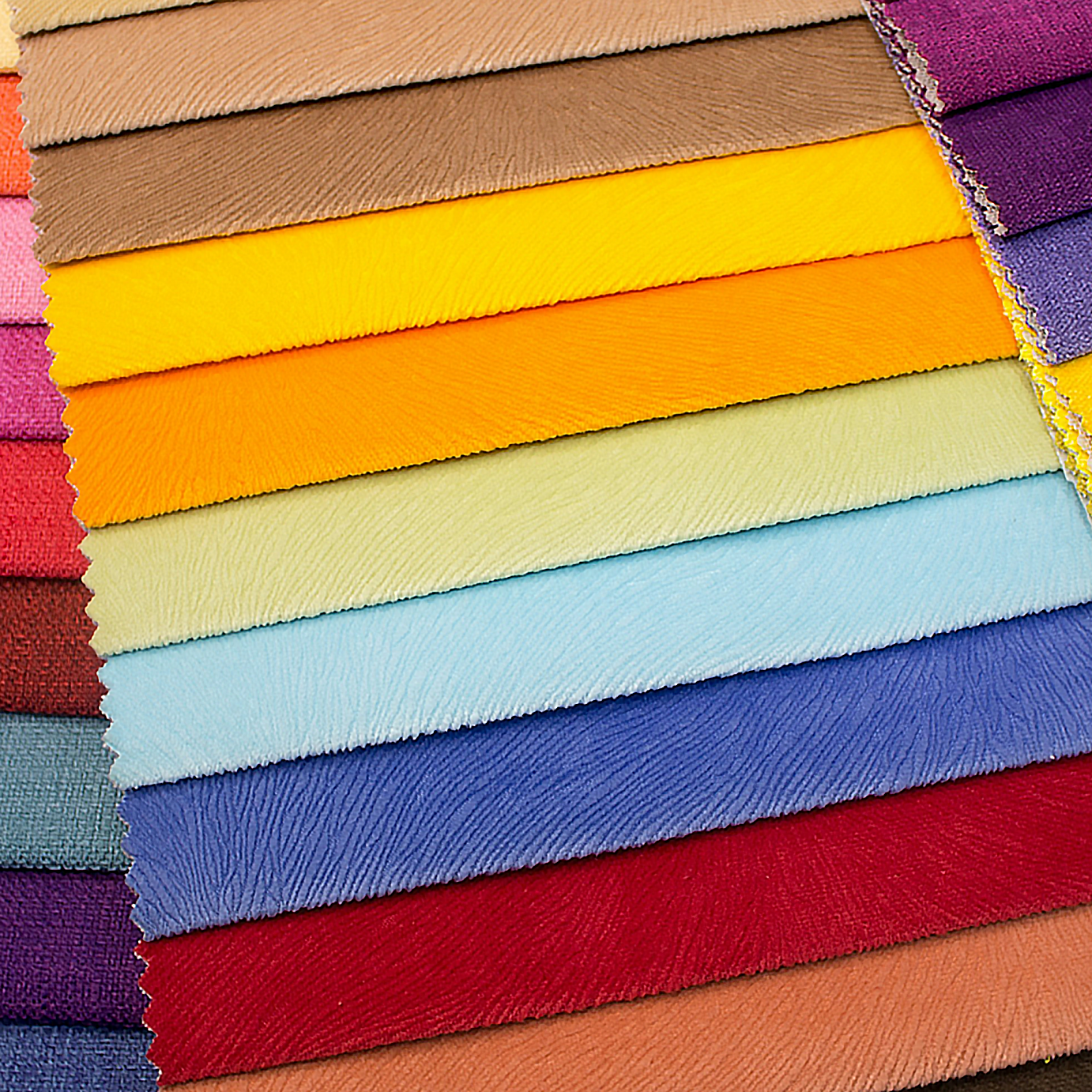
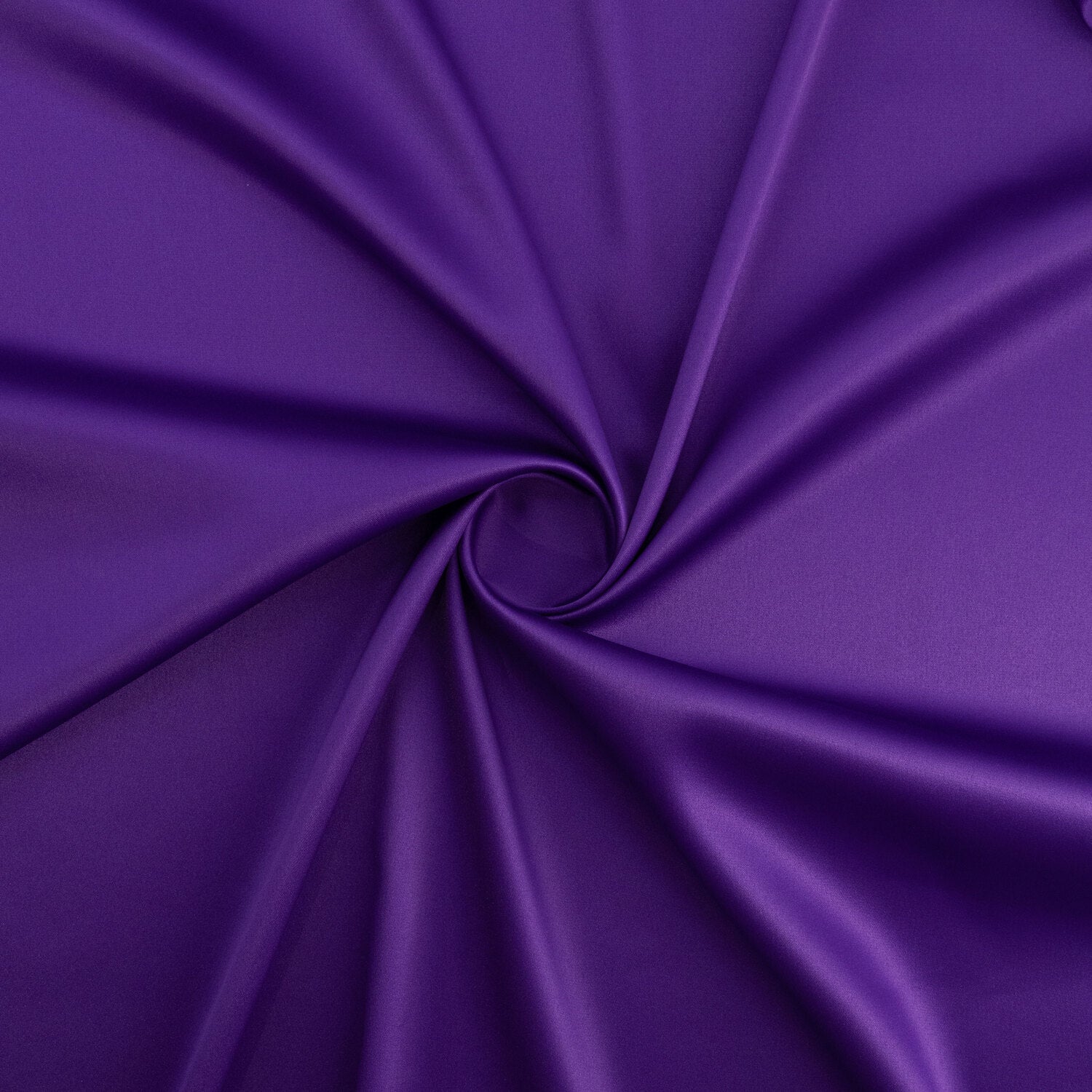
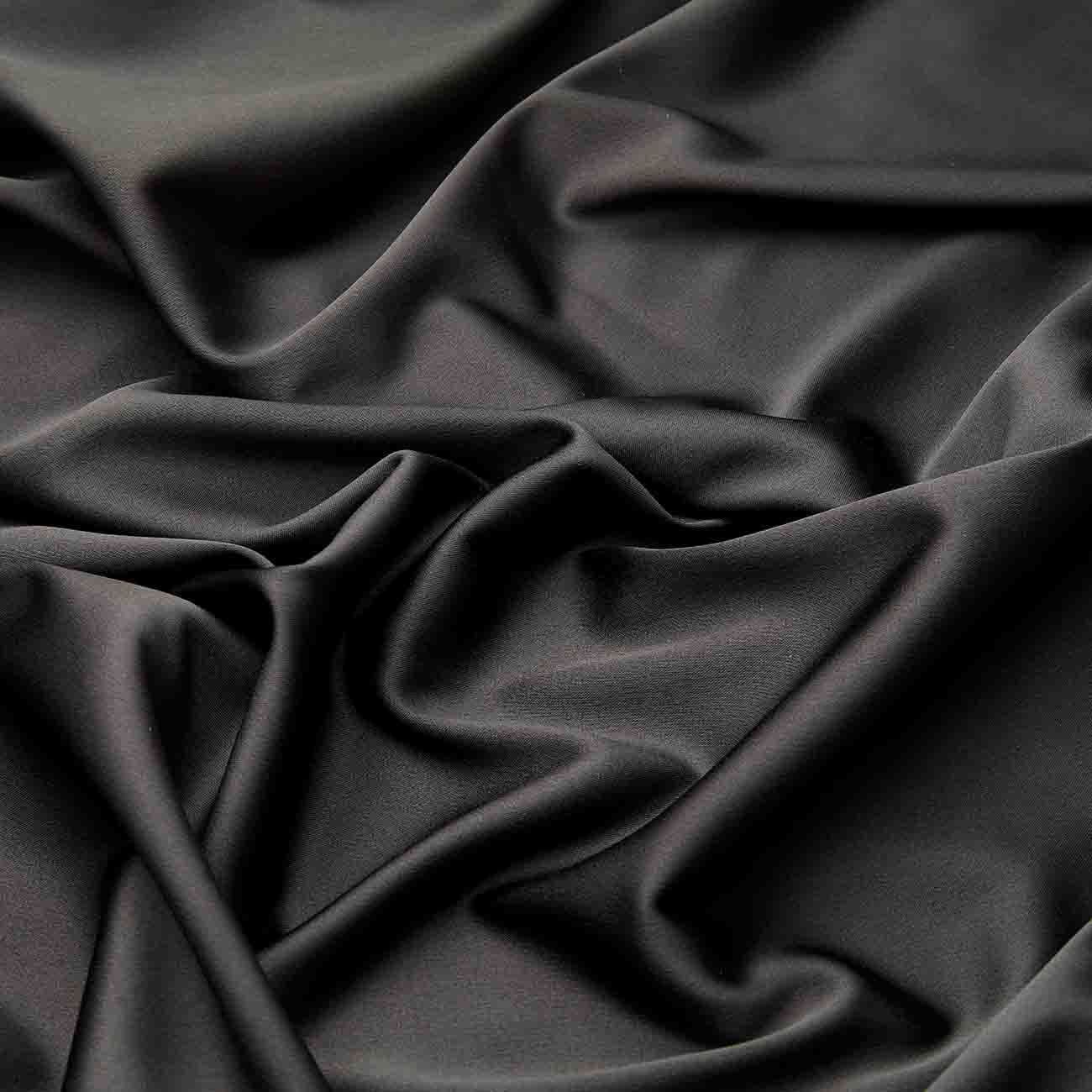
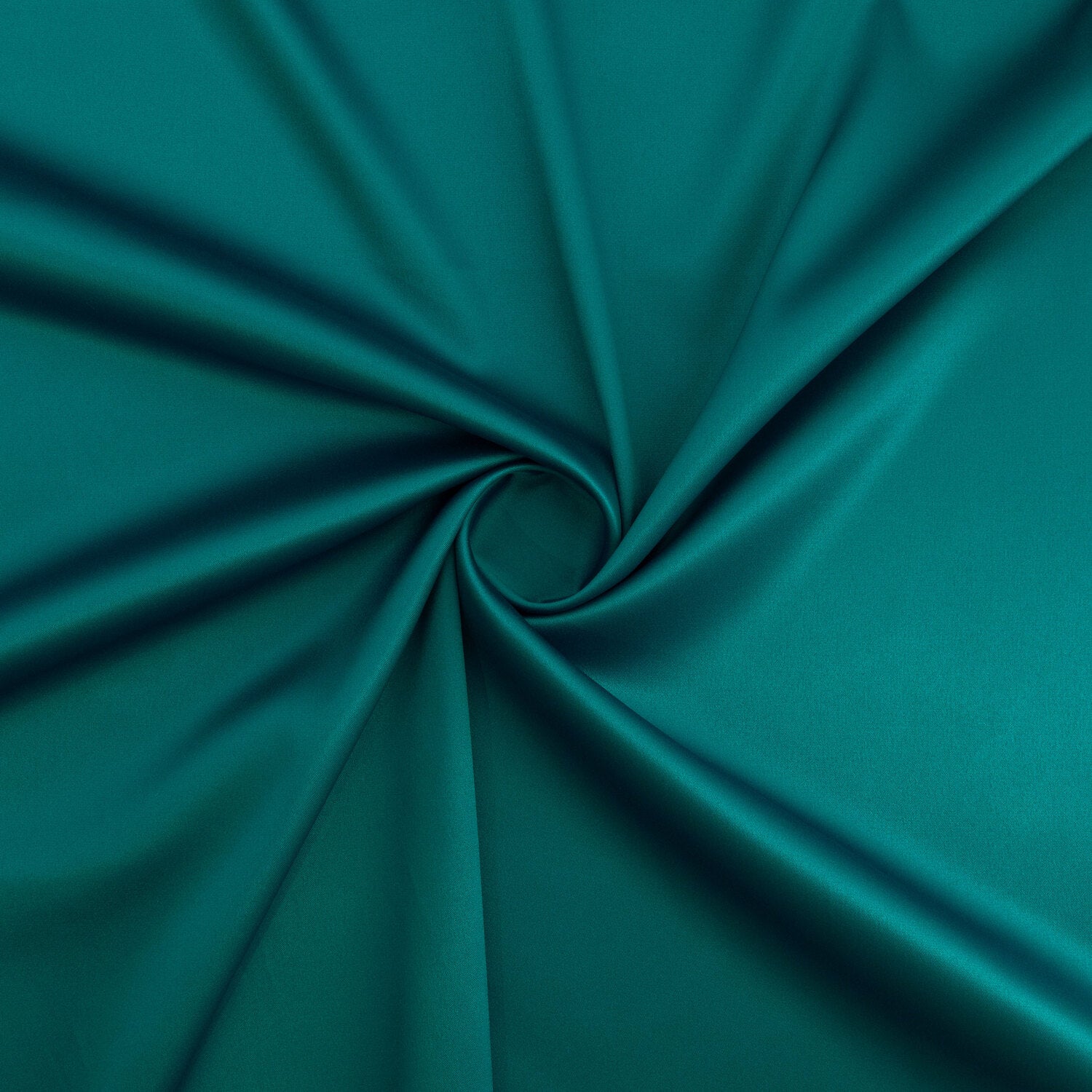
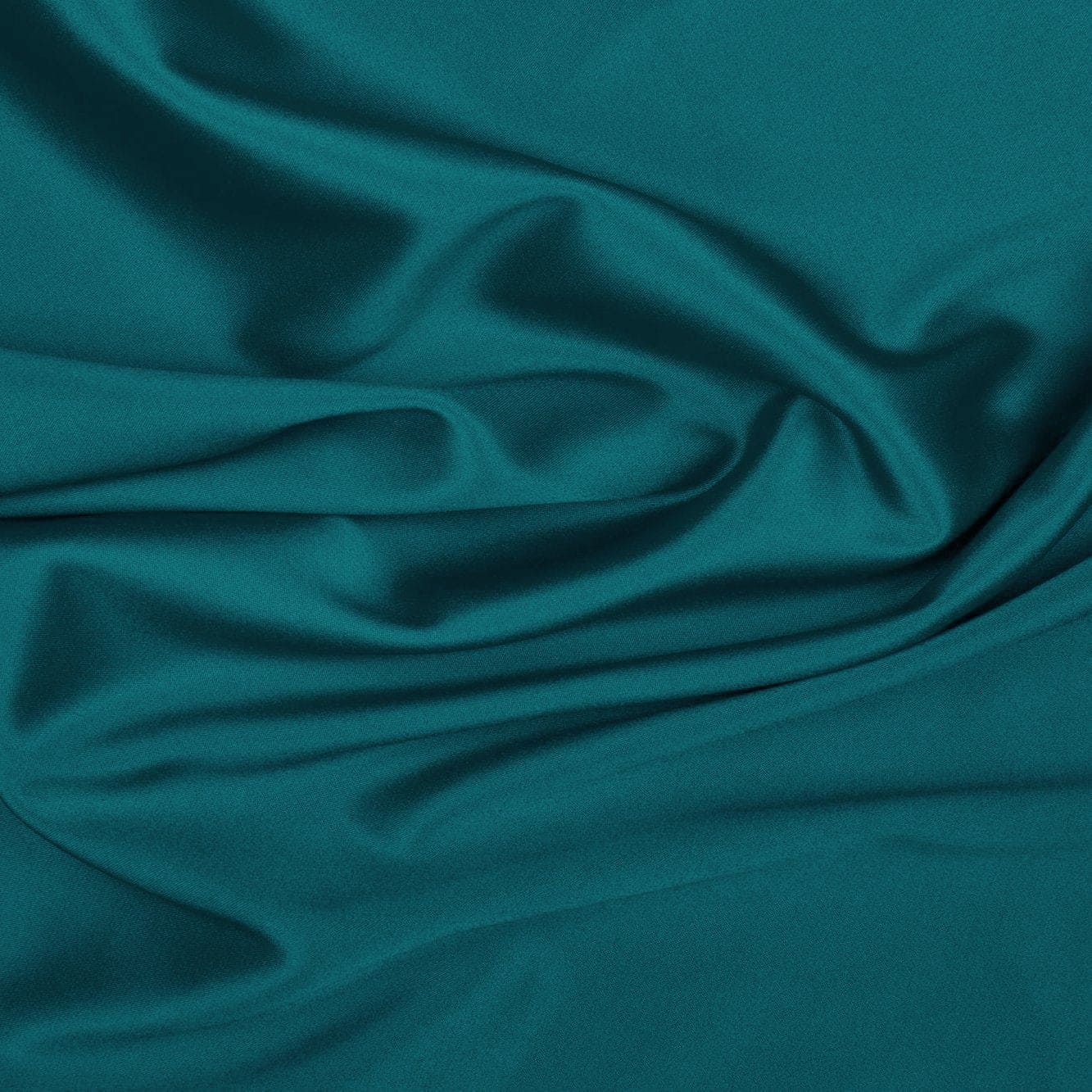
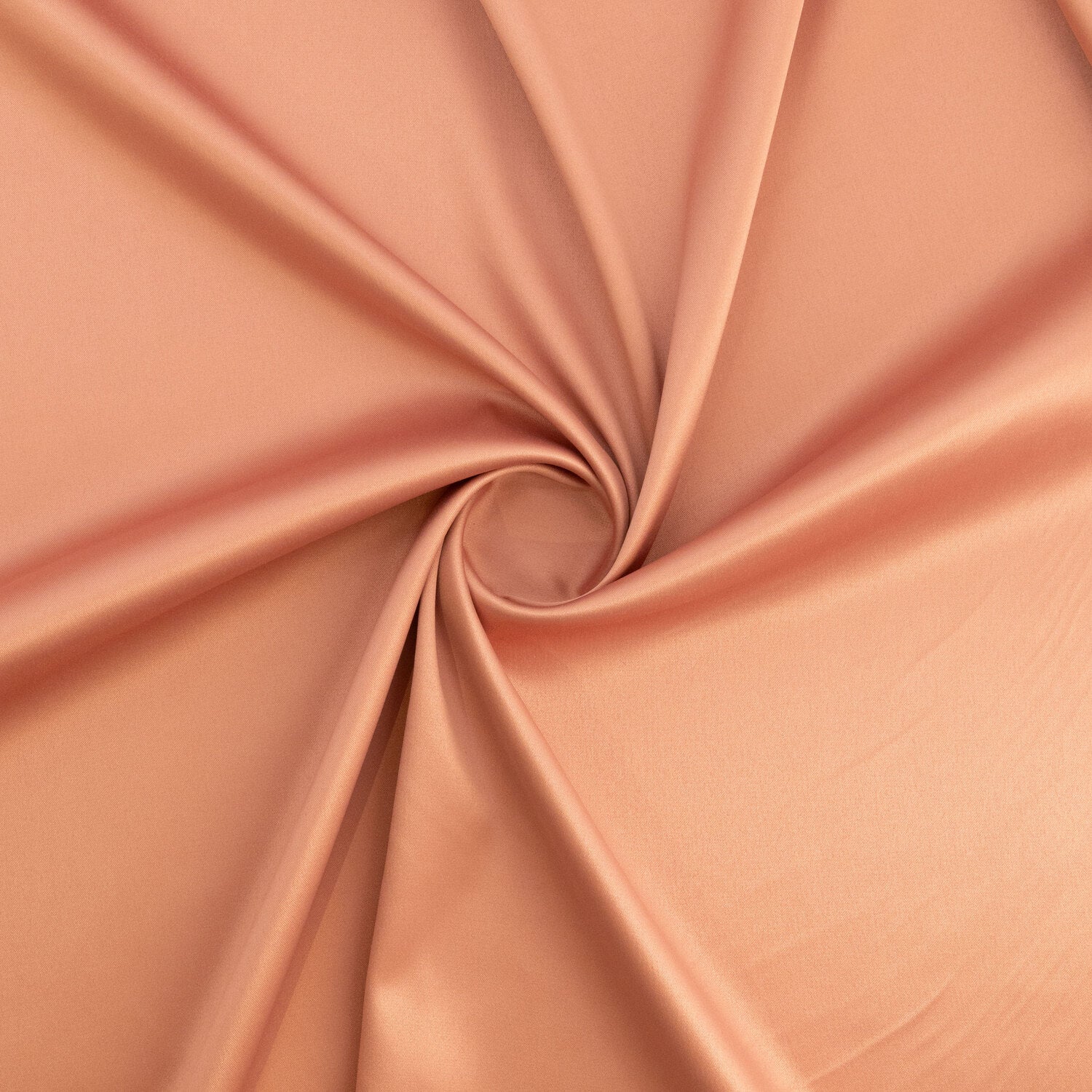
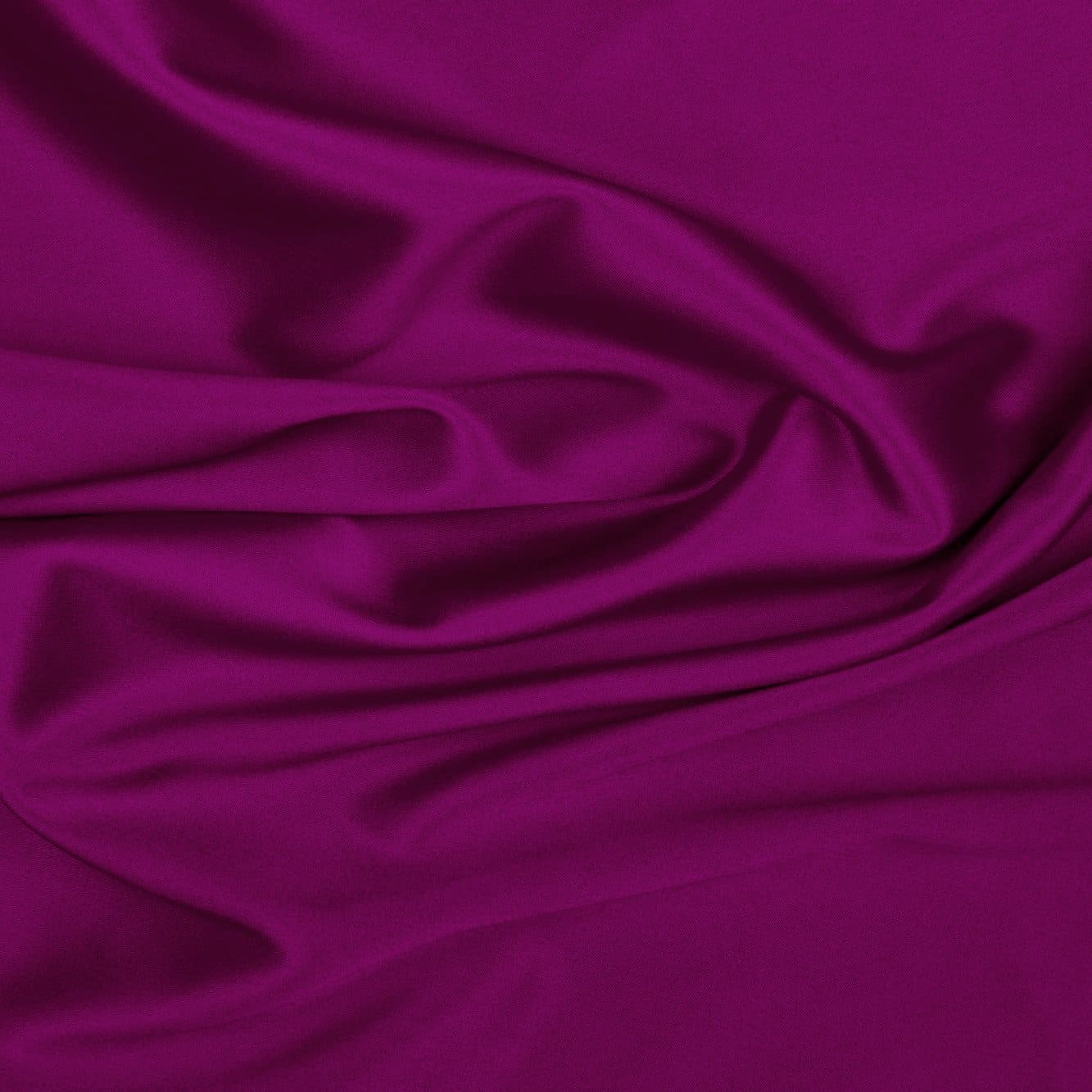
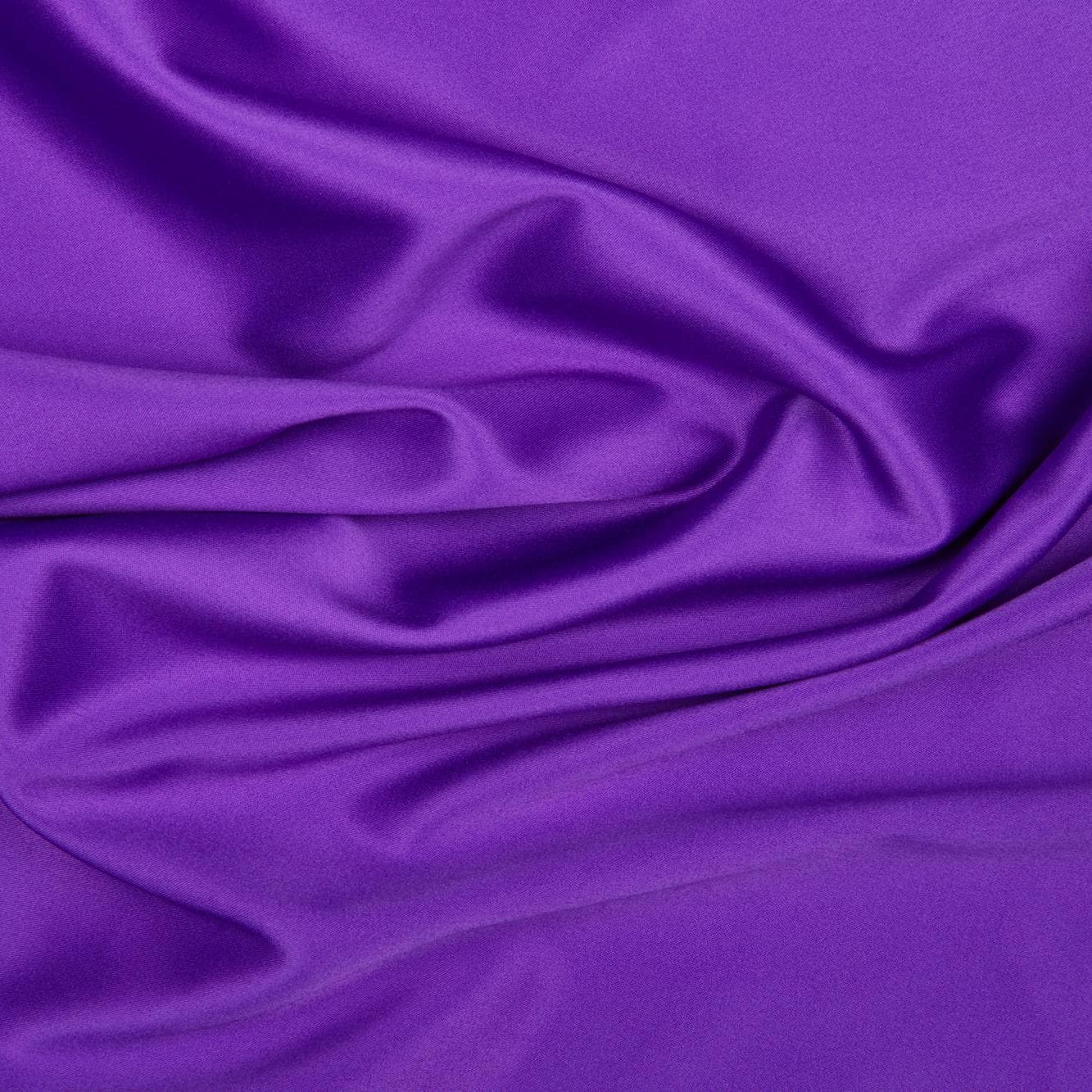
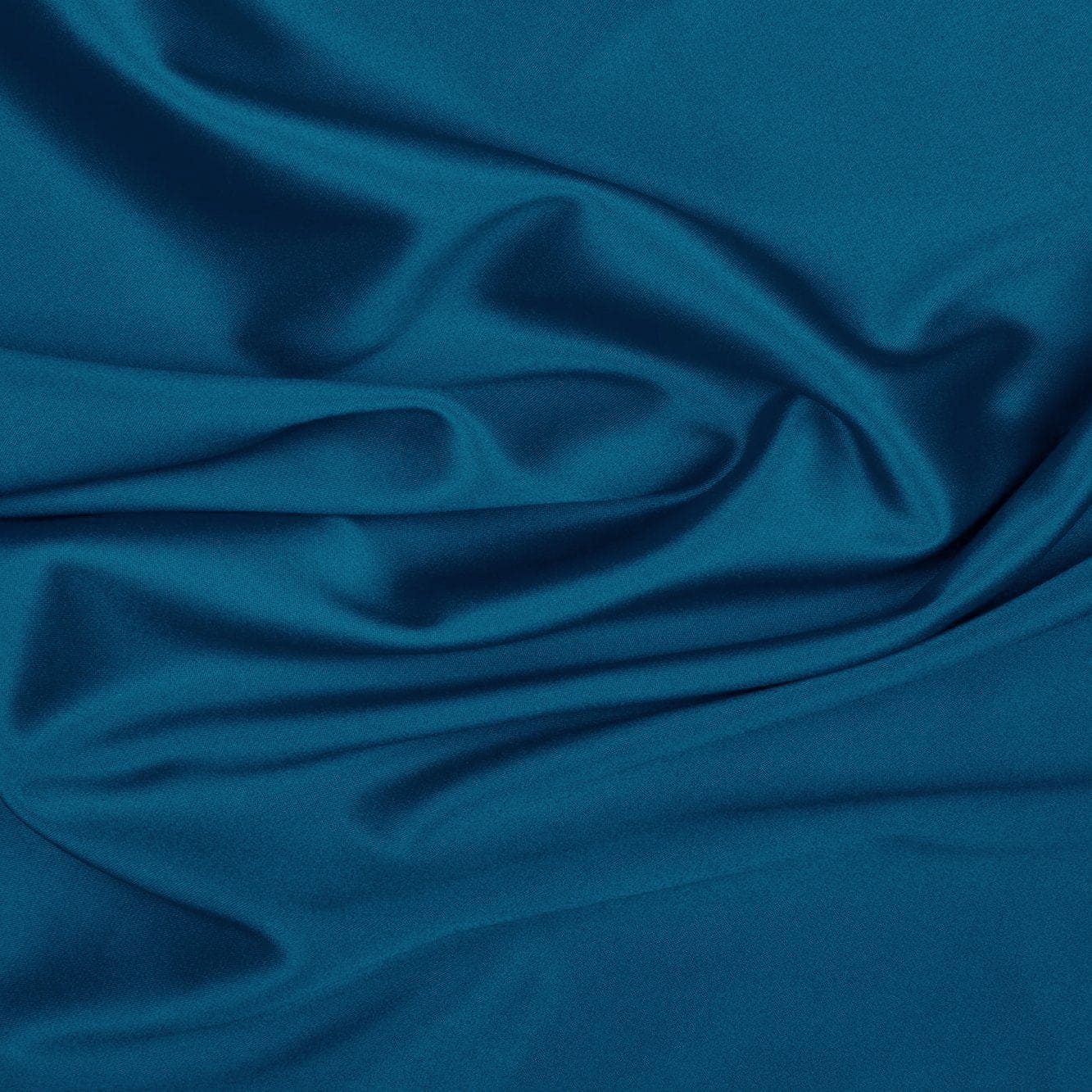
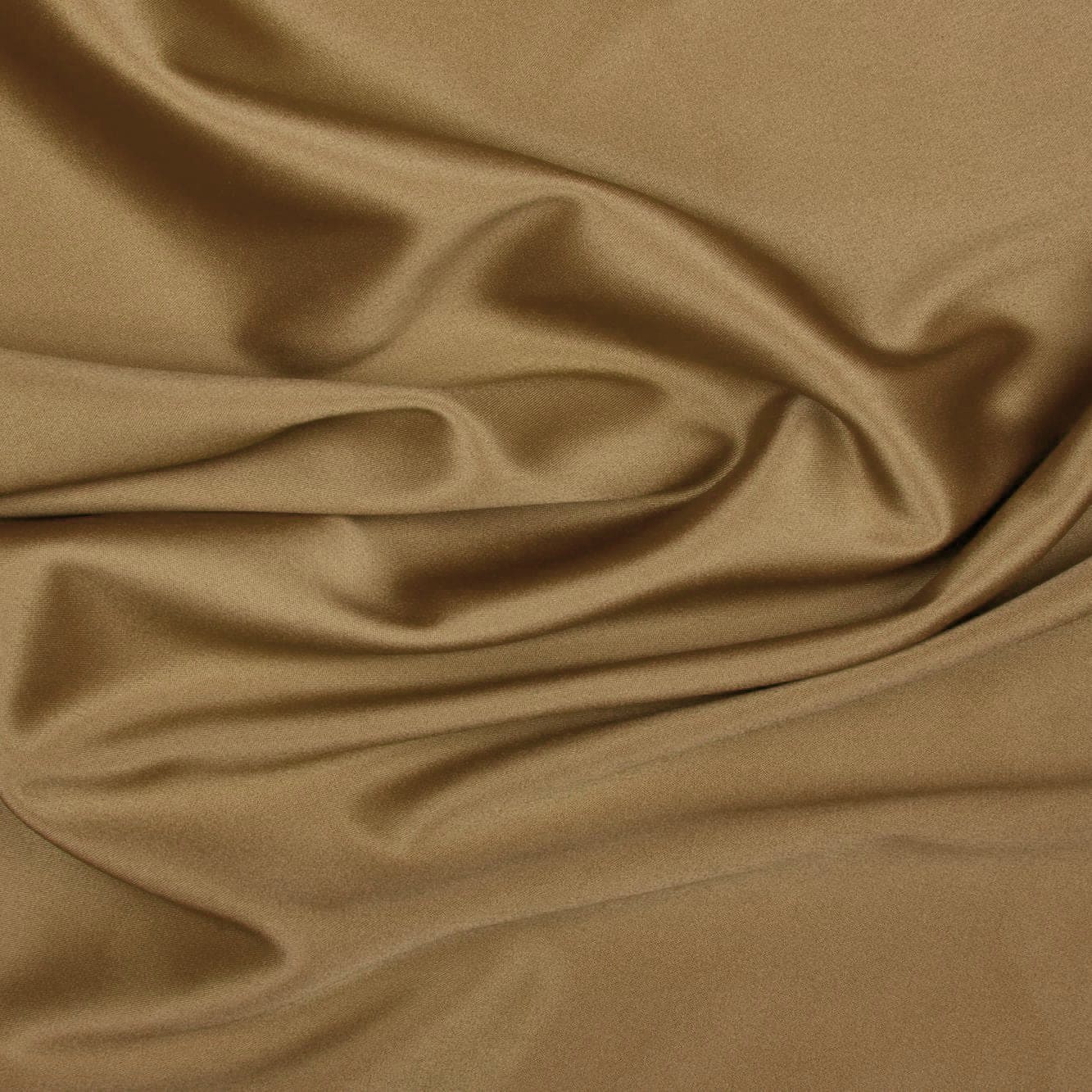
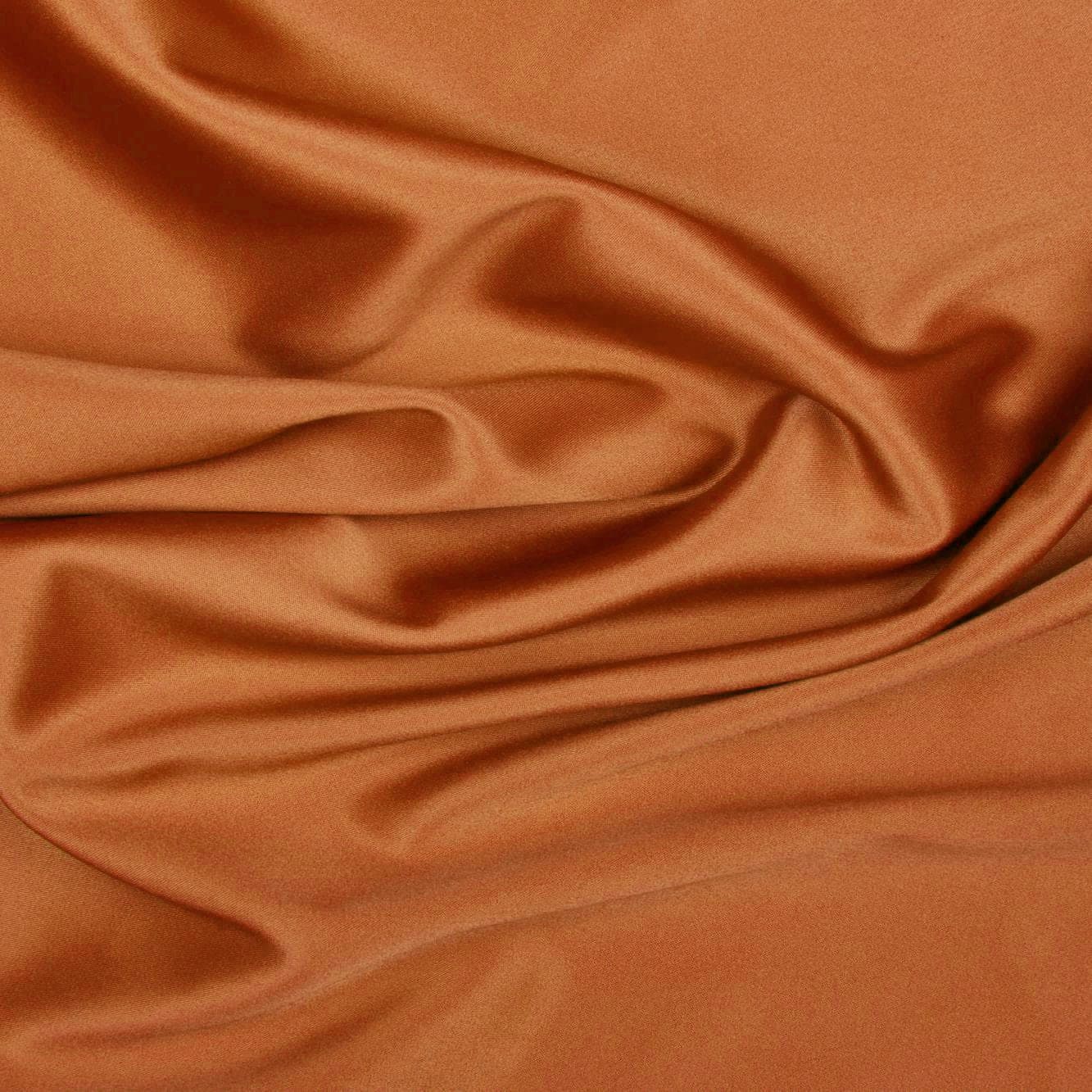
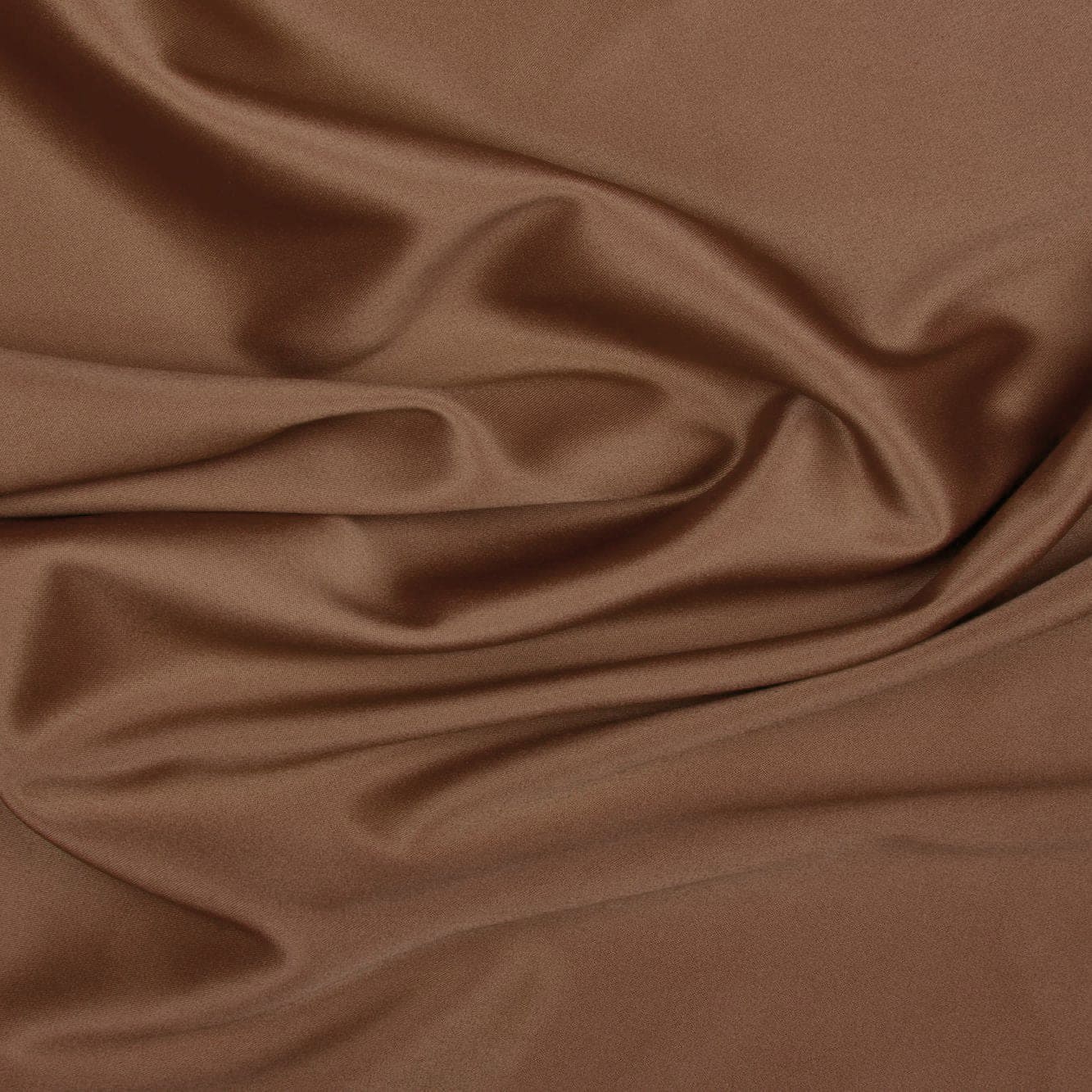
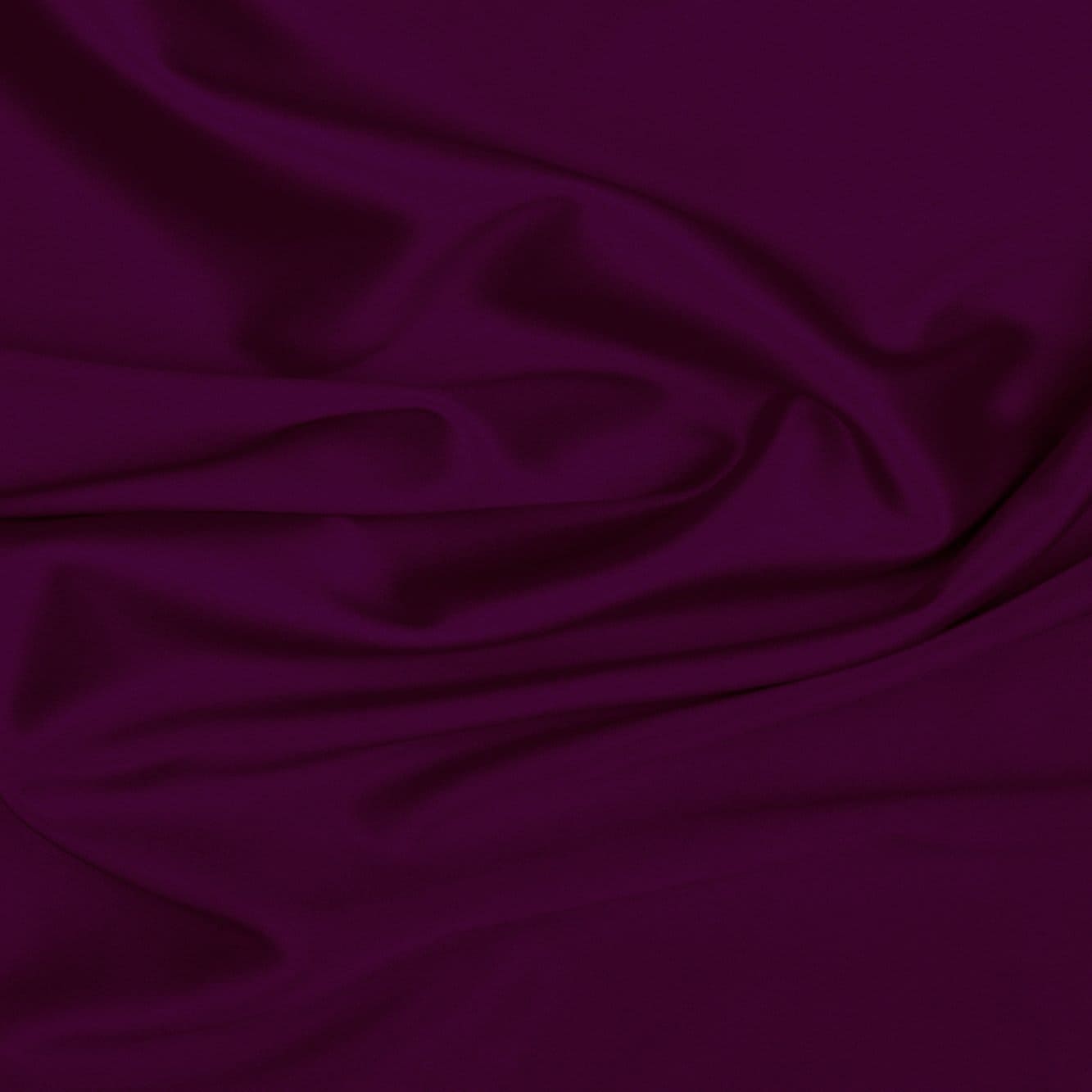
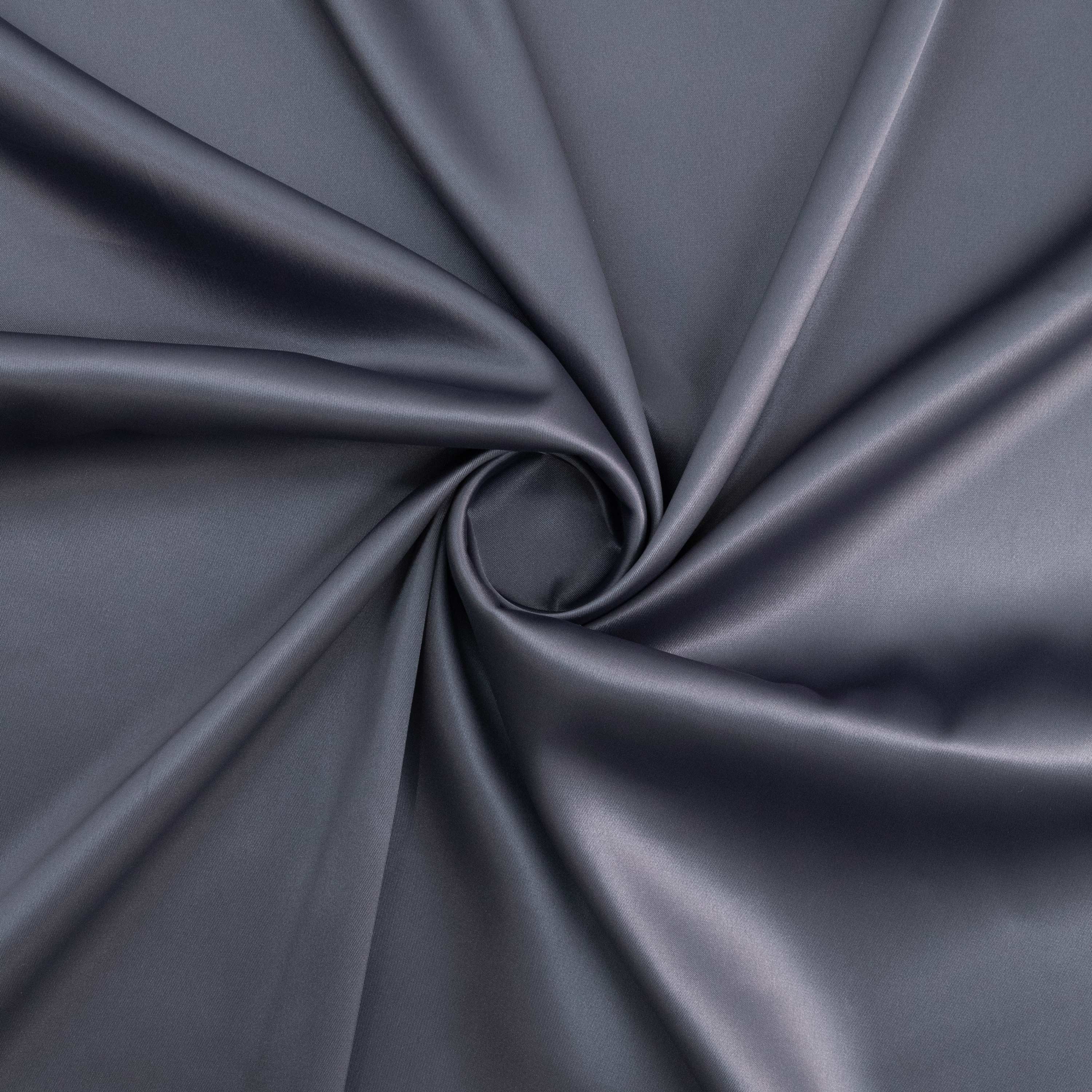
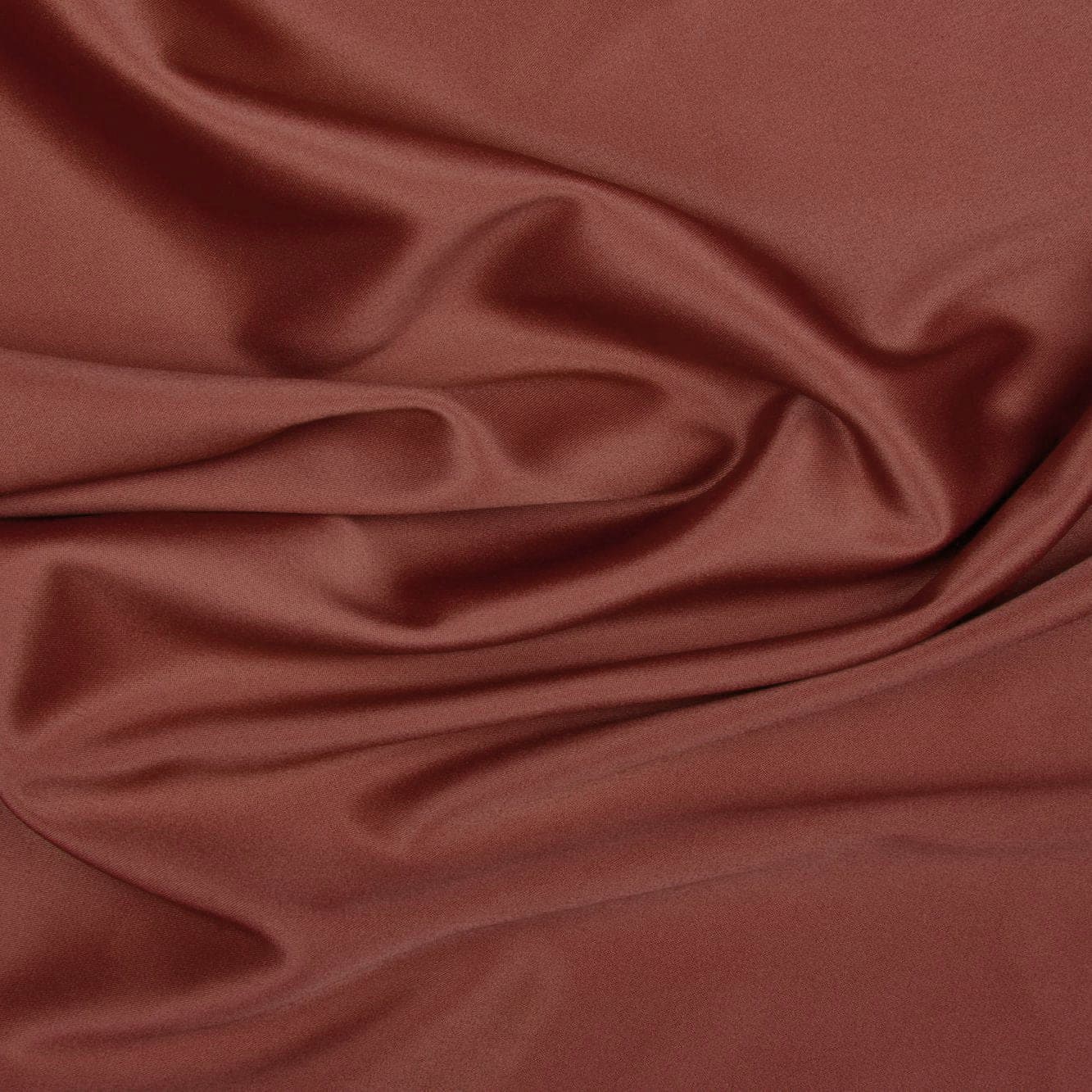
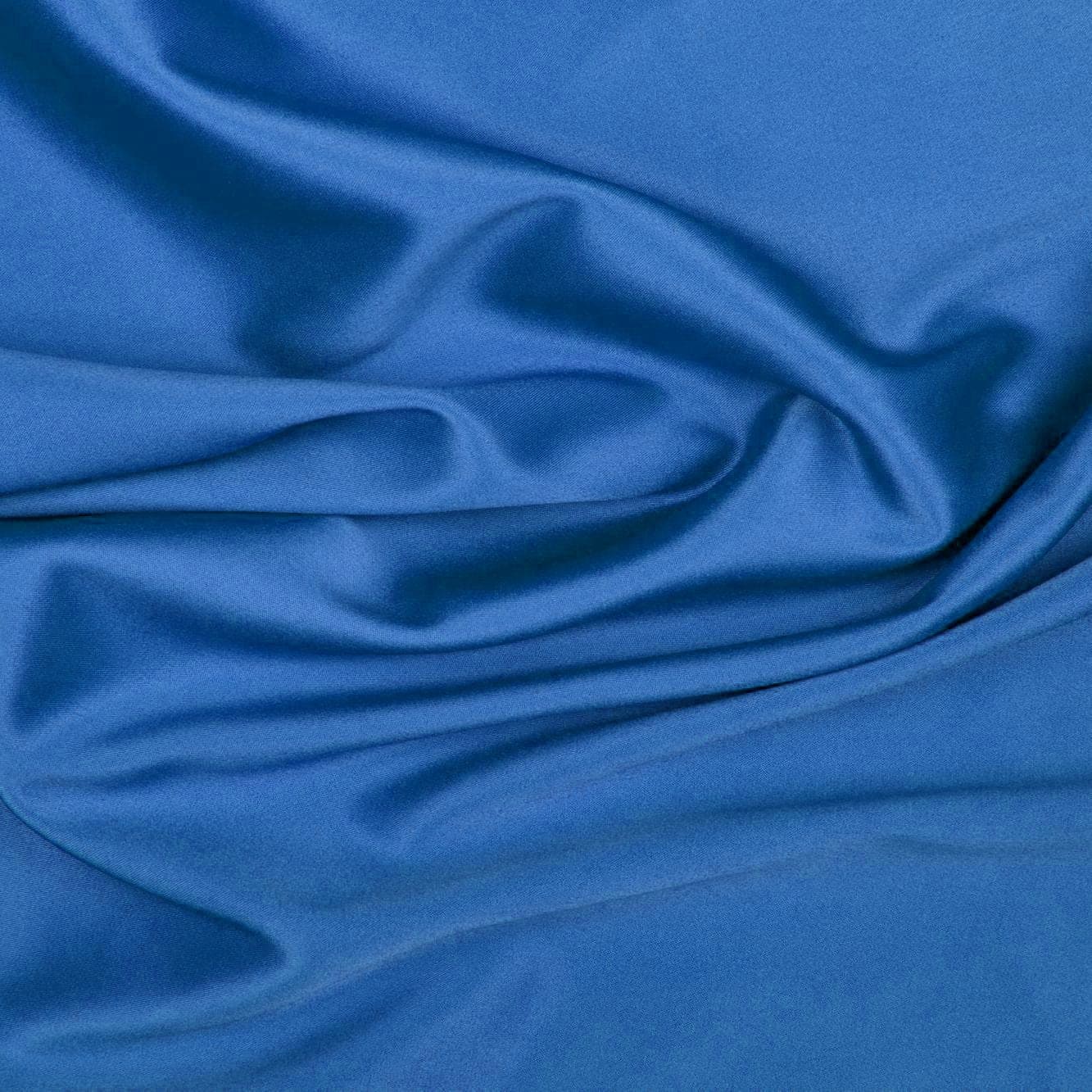
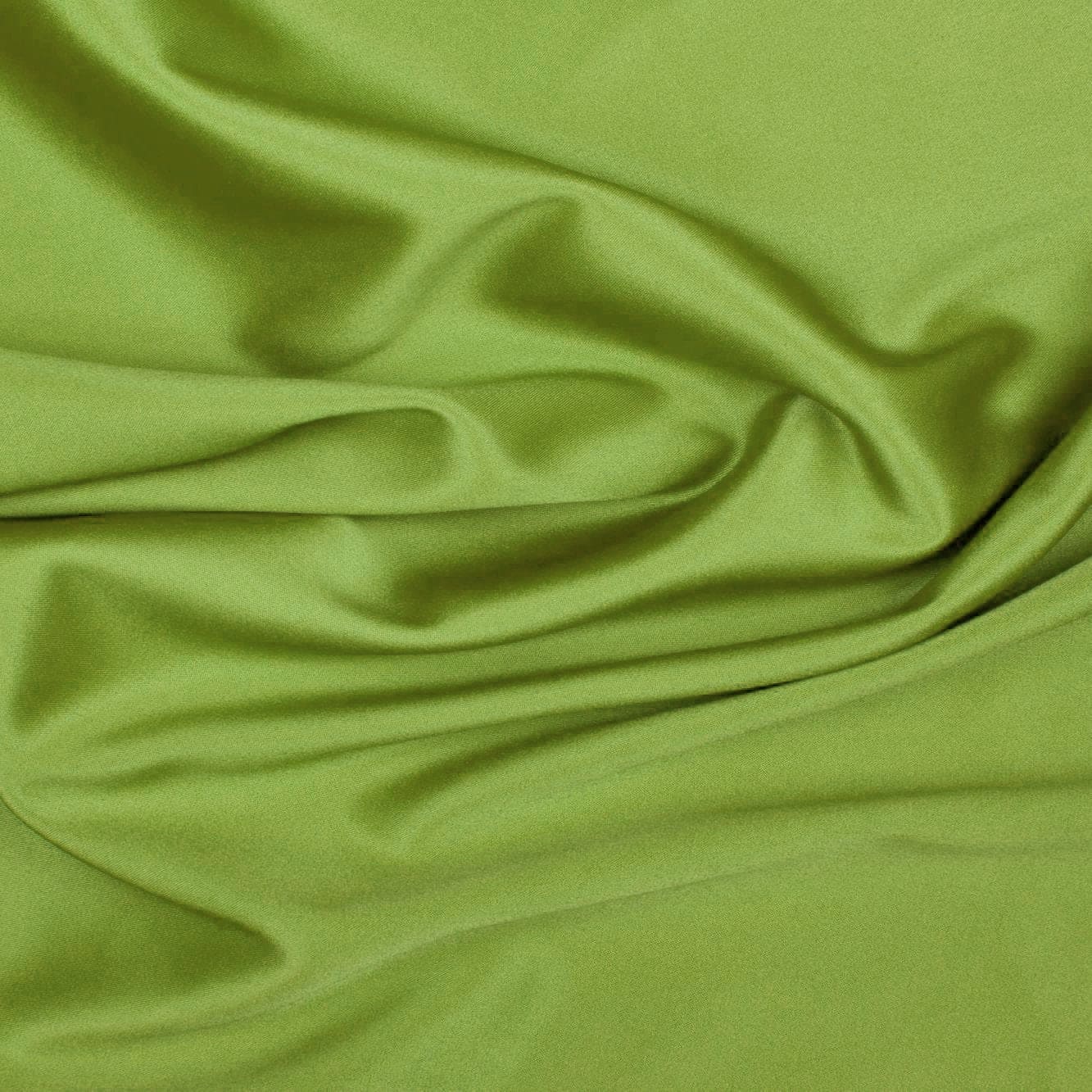
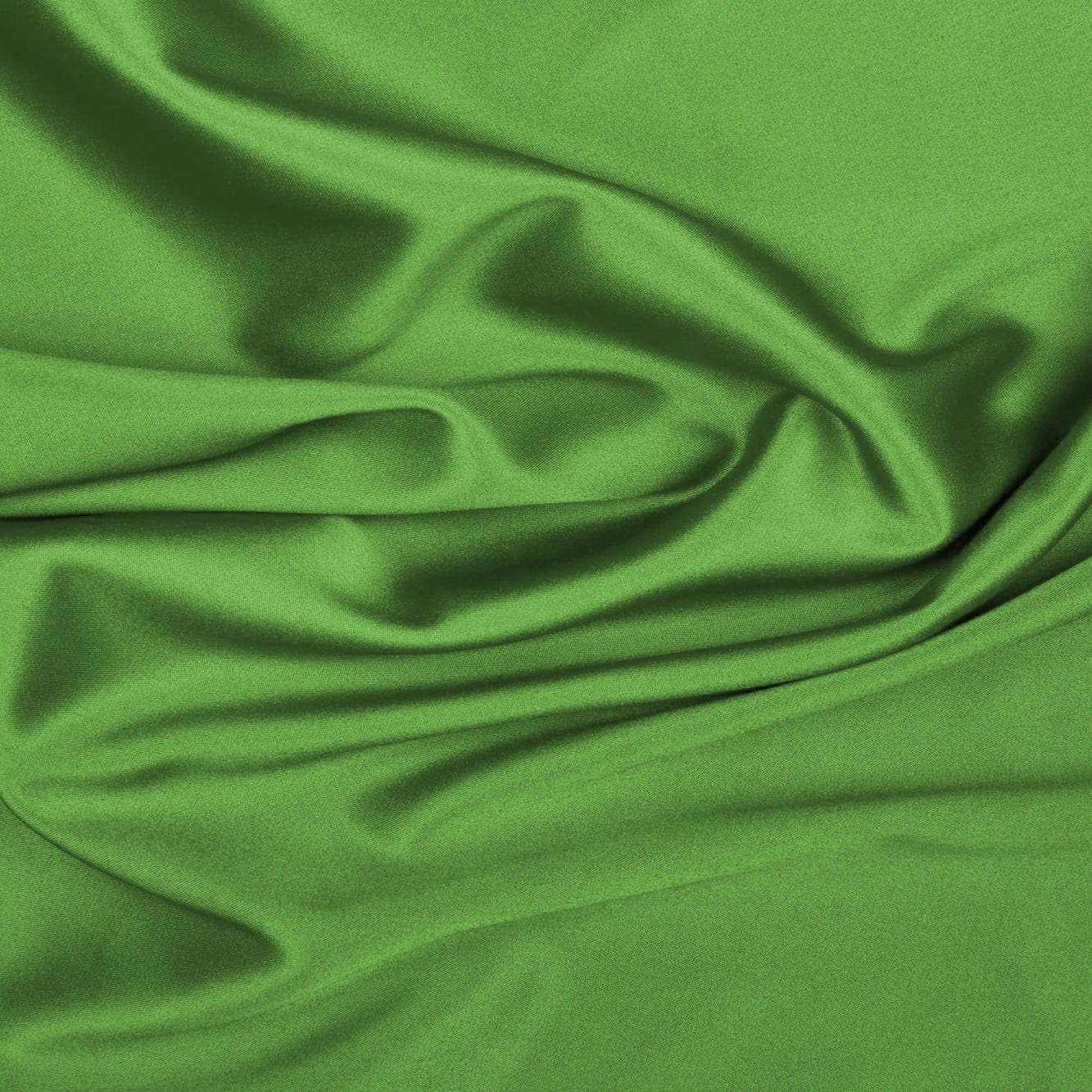
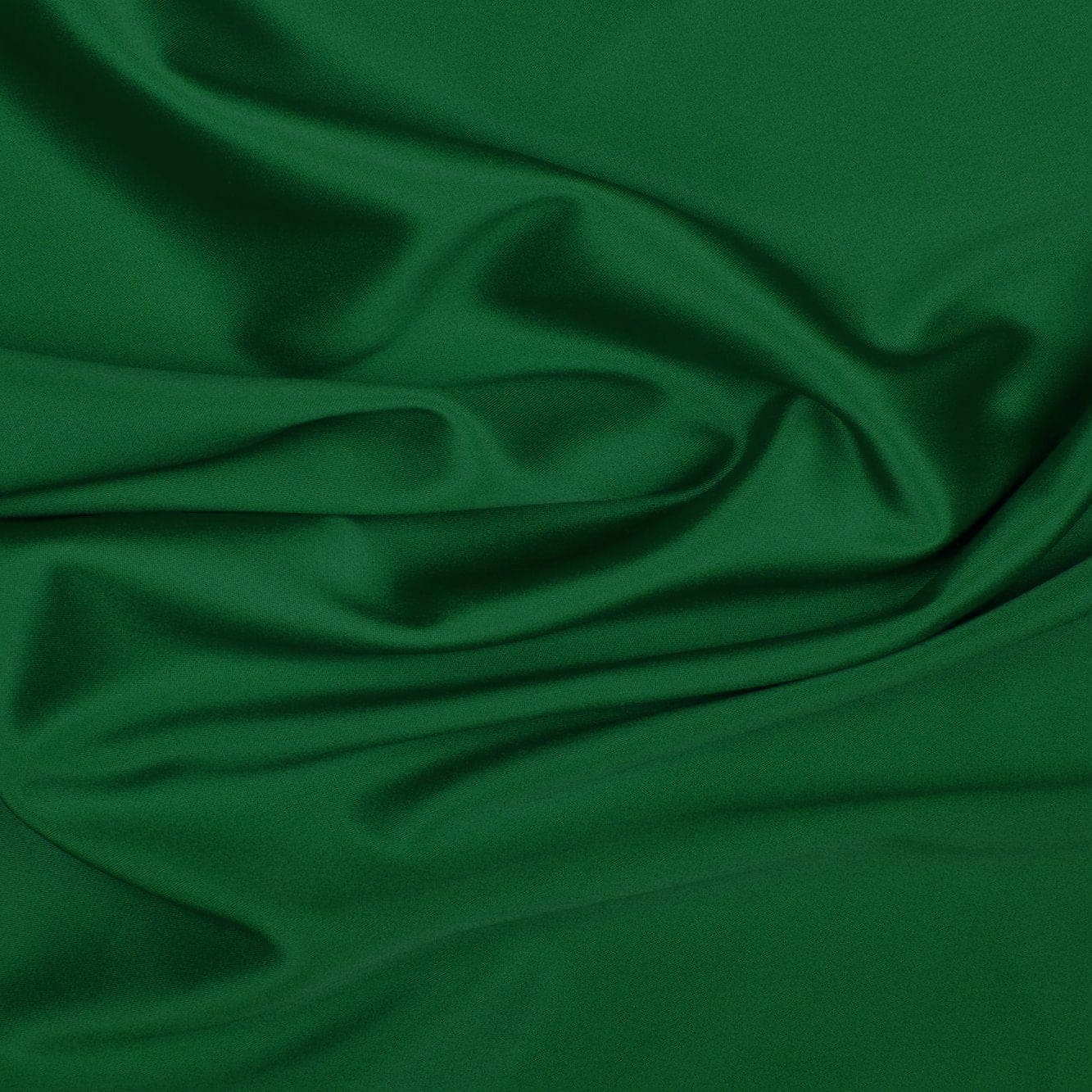
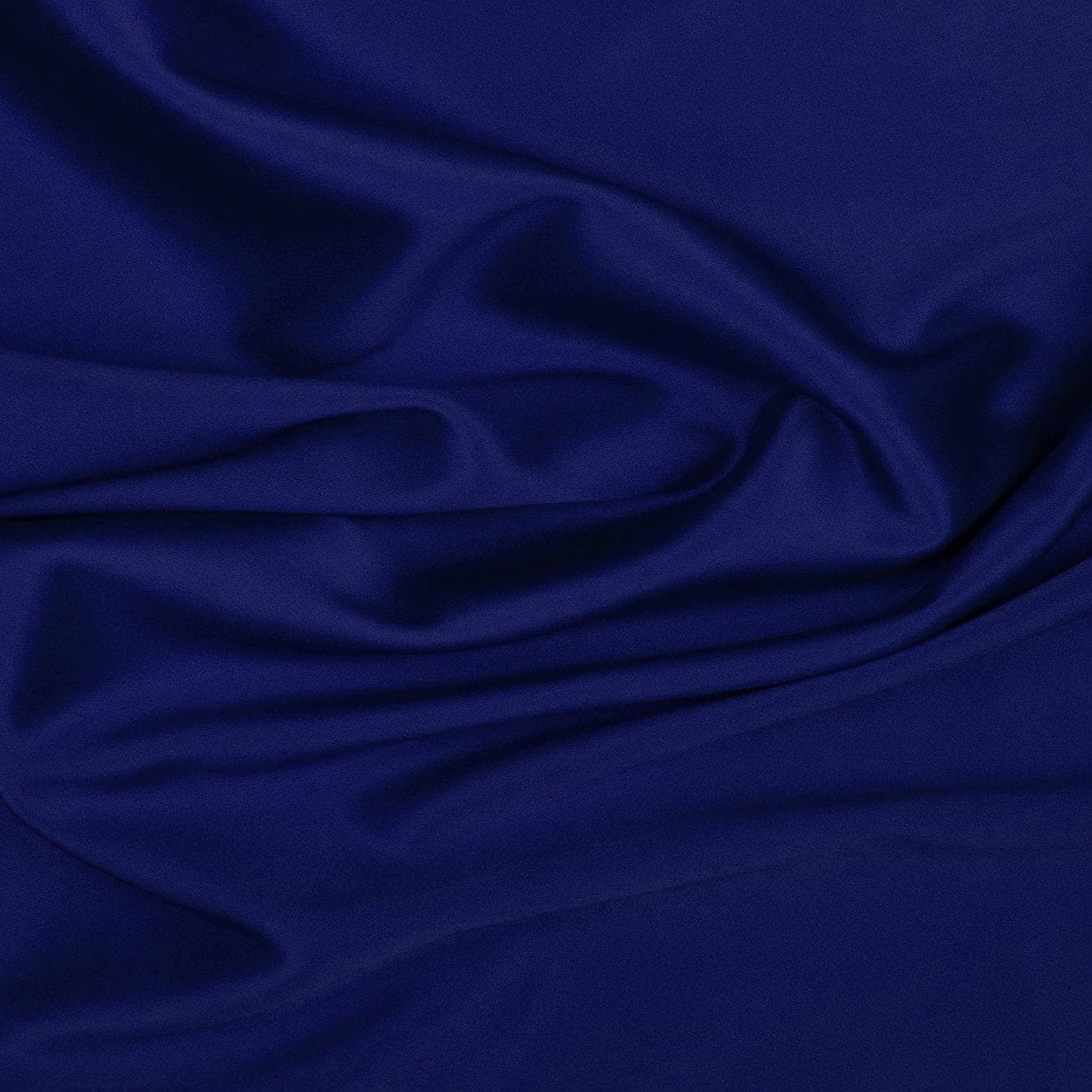
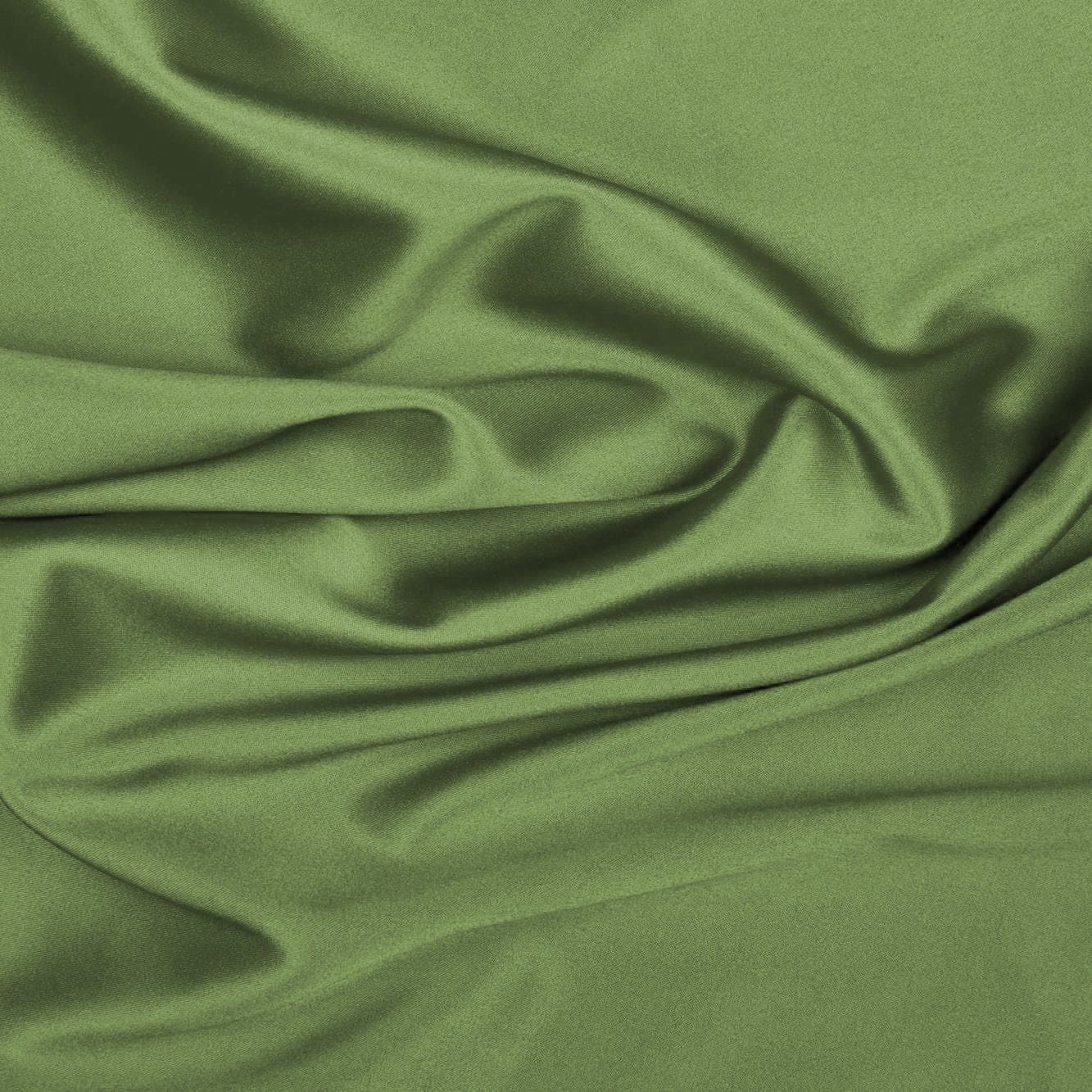
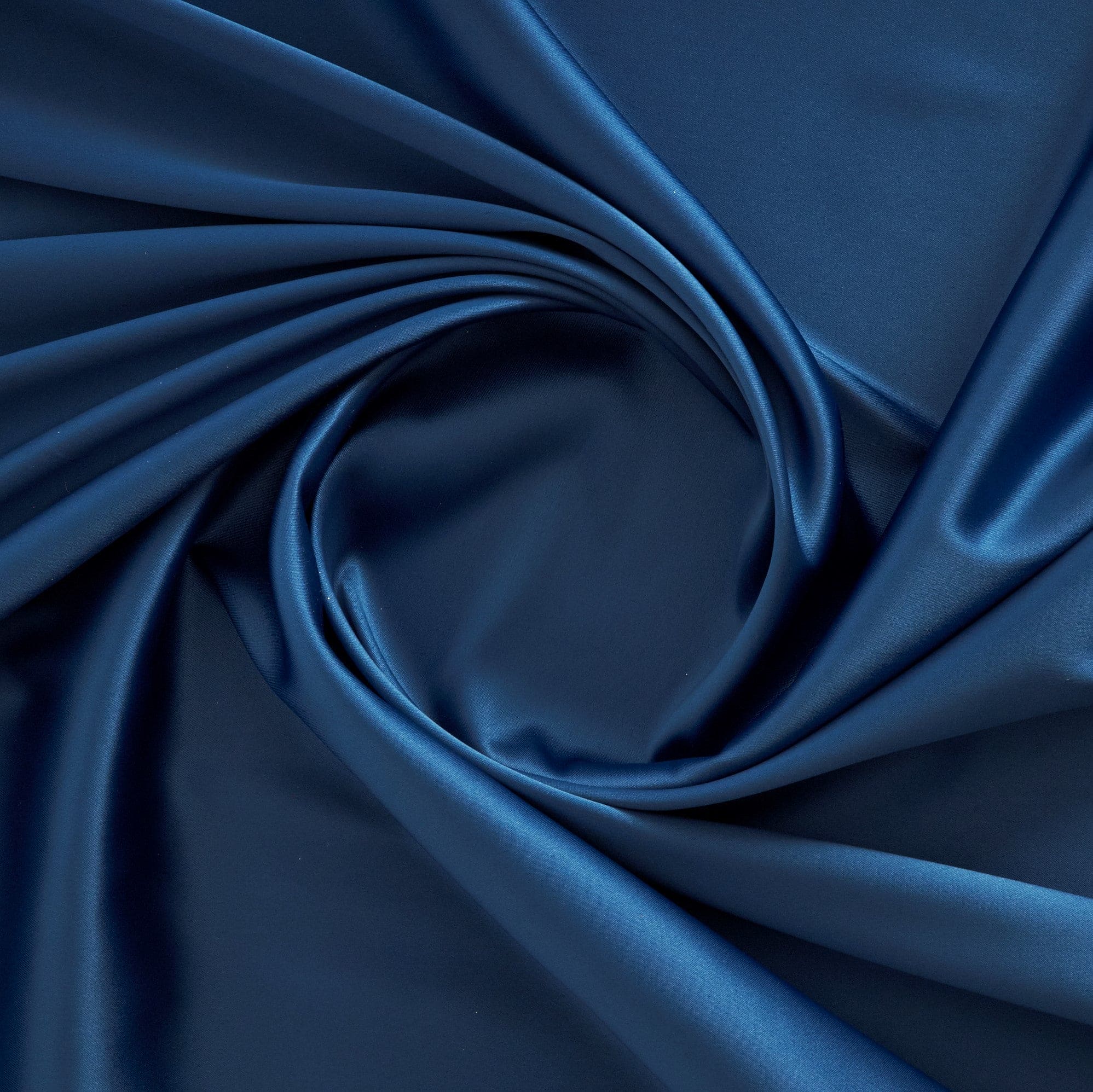
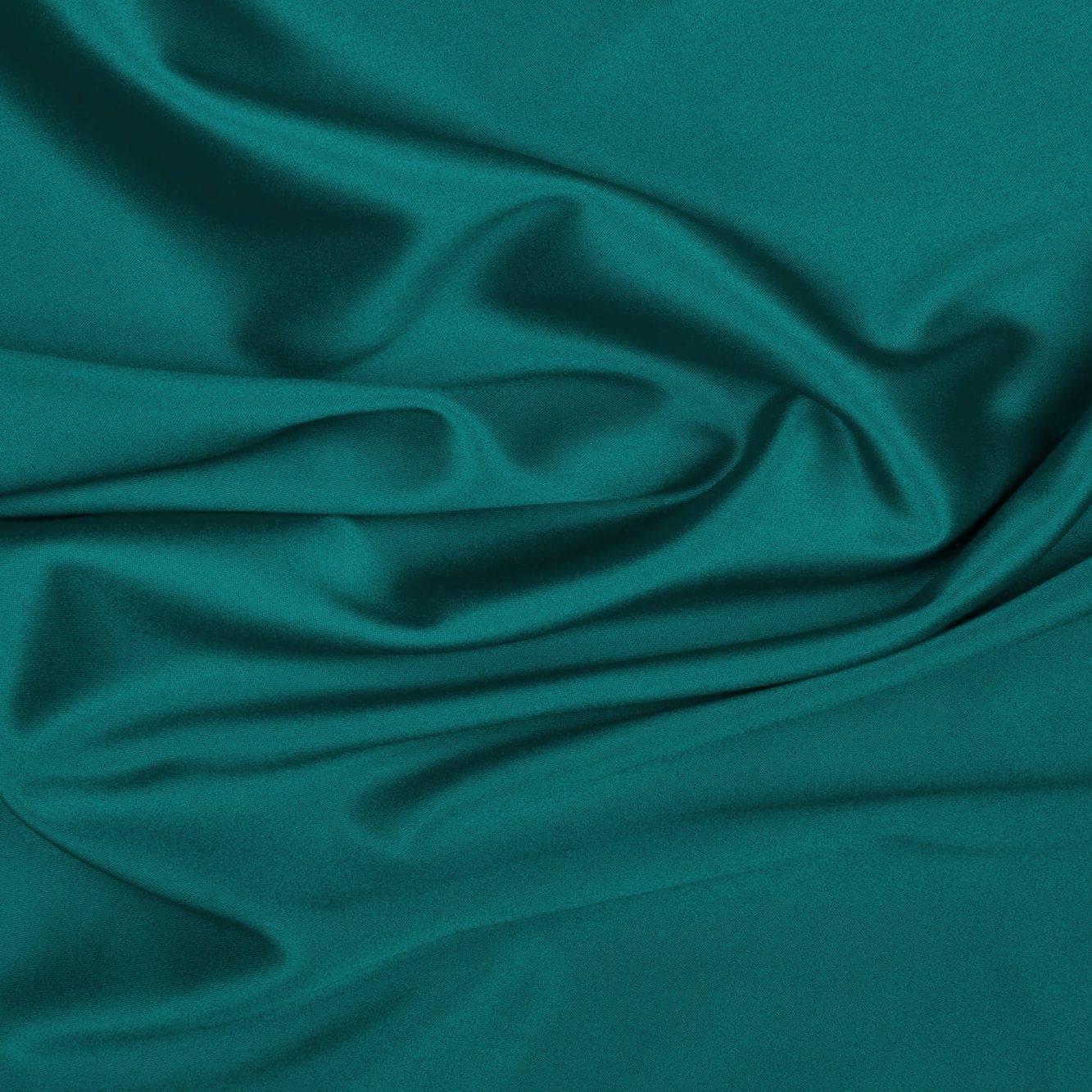
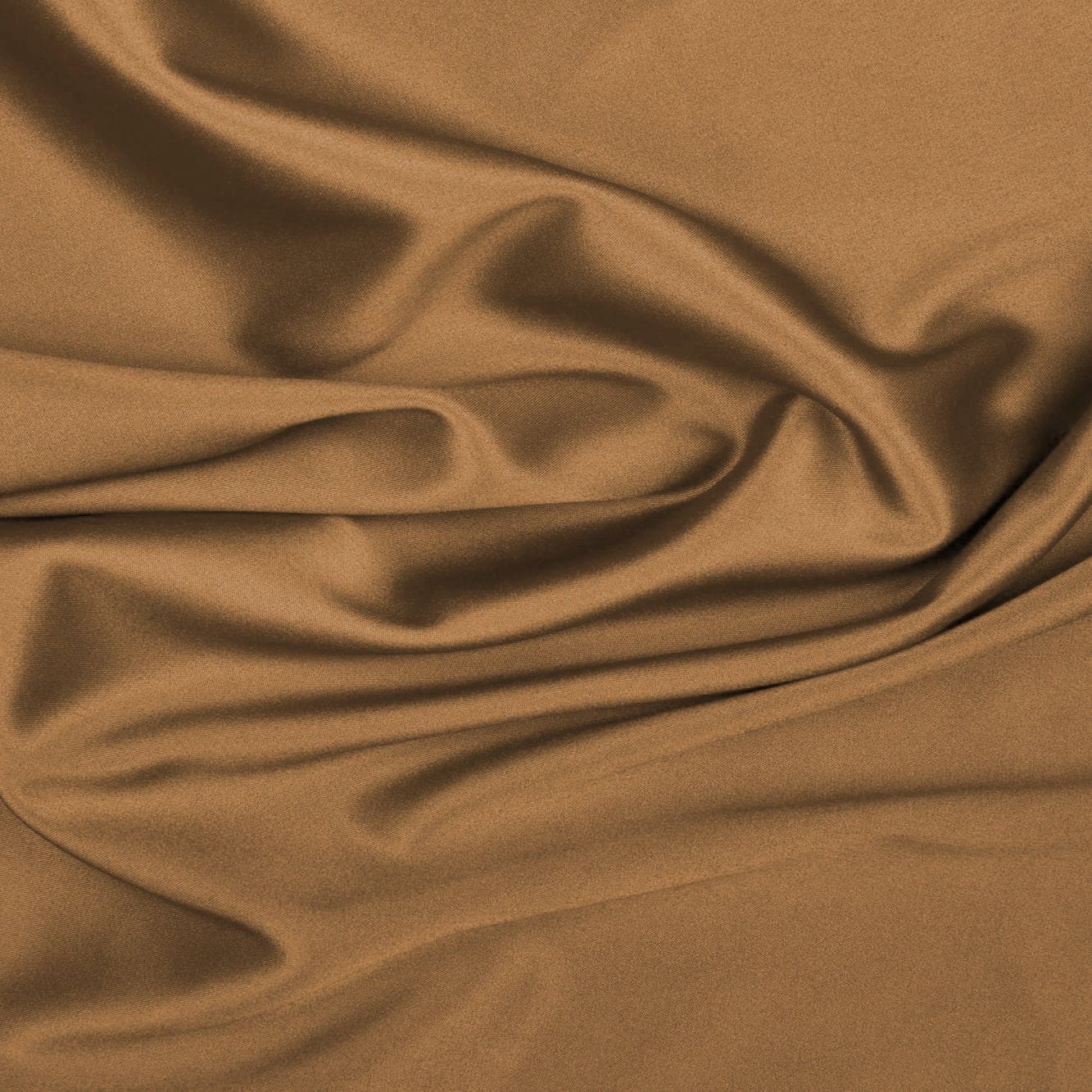
Our selection spans a wide range of colorways, from white and ivory to champagne, navy, burgundy, and deeper jewel tones including Major Teal, Lovely Rose, and Slate Obsession. Matte finishes absorb rather than reflect ambient light, which makes mid-tone and jewel-tone colors appear richer and more saturated than the same dye on a glossy satin - a meaningful distinction when you're matching to a specific palette or photographing finished garments.
How Matte Satin Compares to Other Satin Types
Choosing the right satin starts with understanding how matte satin's finish, weight, and drape differ from the other major satin varieties - each has a distinct look and a specific set of applications where it performs best.
|
Fabric Type |
Finish |
Weight |
Drape |
Best For |
Care |
|
Matte Satin |
Dull, low-luster |
250 - 299 gsm |
Controlled, medium |
Bridal, formalwear, costume |
Machine wash gentle, low heat |
|
Duchess Satin |
High sheen |
300+ gsm |
Stiff, structured |
Ball gowns, structured bodices |
Dry clean recommended |
|
Charmeuse |
High sheen |
75 - 100 gsm |
Very fluid, bias-friendly |
Lingerie, slip dresses, draped gowns |
Hand wash or dry clean |
|
Crepe-Back Satin |
Dual finish (satin face, crepe back) |
150 - 200 gsm |
Fluid with body |
Reversible garments, blouses |
Hand wash or dry clean |
|
Peau de Soie |
Dull, fine-grained |
280 - 320 gsm |
Heavy, refined |
Bridal, couture, structured gowns |
Dry clean recommended |
|
Bridal Satin |
Semi-sheen |
250 - 300 gsm |
Smooth, moderate |
Wedding gowns, formal accessories |
Dry clean recommended |
When structure is the priority, duchess satin delivers more rigidity - but it can read as stiff on camera and under stage lighting. When fluid drape is the goal, charmeuse moves beautifully but offers little body for tailored work. Matte satin occupies the practical middle ground, enough structure for A-line and ballgown silhouettes, enough drape for bias-cut panels, and a finish that photographs cleanly without hot spots. For the most refined hand in the category, peau de soie is the step up - at a corresponding increase in weight and care requirements.
Applications Across Design Categories
Fashion and Apparel
- Wedding dresses requiring controlled drape and refined appearance
- Evening gowns and formal skirts with structured silhouettes
- Costume design where sheen management is critical
- Dancewear and performance clothing
- Bridal accessories and special occasion pieces
For wedding dresses, the controlled drape of matte satin allows designers to achieve clean A-line and ballgown silhouettes without the stiffness of duchess satin or the slipperiness of charmeuse. For evening gowns, the fabric's medium weight supports bias-cut construction while maintaining enough body for structured bodices.
Home Decor Projects
- Upholstery requiring a smooth texture
- Drapery panels with gentle light filtering
- Decorative tablecloths and textile accents
- Craft applications where structure matters
In upholstery applications, matte satin's tight weave resists snagging better than looser-woven fabrics, though it is best suited to low-abrasion surfaces such as decorative cushions, headboards, and accent chairs rather than high-traffic seating.
Costume and Theatrical Design
Matte satin is a staple in costume design because it photographs without the hot spots that glossy satin creates under stage or studio lighting. It reads as polished on camera while remaining manageable for quick-change applications - a practical advantage that production teams and costume designers consistently rely on.
Working with This Textile
The medium-weight construction supports tailored designs that require both body and movement. Unlike delicate materials like organza or sheer options, this satin offers dependable stability without requiring excessive care.
Cutting, Use sharp rotary cutters or fabric scissors - never serrated blades - and cut on a single layer when possible to prevent the smooth surface from shifting. Secure layers with fine silk pins placed within the seam allowance to avoid leaving visible holes.
Sewing machine setup, Set your machine to a fine needle (size 70/10 or 75/11 microtex) and a stitch length of 2.0 - 2.5 mm. A walking foot or Teflon foot reduces drag on the slippery surface and prevents uneven feeding.
Pressing, Press matte satin from the wrong side using a low-heat setting (polyester/synthetic setting, approximately 150°C / 300°F) with a pressing cloth to prevent shine marks on the face.
Care, Machine wash on a gentle cycle in cold water, or hand wash with a mild detergent. Tumble dry on low or lay flat to dry. Avoid high heat, which can cause polyester fibers to distort. Most matte satin garments can be lightly steamed to remove wrinkles - hold the steamer 2 - 3 inches from the surface.
When selecting between variants, consider how the surface interacts with your design intent. Japanese matte satin produces an especially soft hand, making it ideal for garments worn close to the skin, such as lingerie, pajamas, or slip dresses, where the softer hand reduces friction against the skin. For structured pieces such as suits or tailored dresses, the standard weave offers better support.
Ready to begin? Browse our matte satin collection and request swatches to evaluate texture and color firsthand. This textile brings refined results to dresses, skirts, accessories, and décor that demand a polished, controlled finish.
Frequently Asked Questions
What's the difference between matte satin and peau de soie?
Peau de soie offers a softer hand feel and slightly heavier weight than standard matte satin, though both feature the same dull finish. Peau de soie also has a subtly grainy texture on the reverse that distinguishes it from standard matte satin. Both work well for bridal wear and formal apparel.
Can matte satin fabric be used for wedding dresses?
Yes, the smooth drape and refined finish make this textile ideal for bridal gowns, especially when you want sophistication without excessive shine. The medium weight provides good structure for A-line and ballgown silhouettes without the rigidity of duchess satin.
How does matte satin compare to duchess satin fabric?
Duchess satin has a high sheen and crisp structure, while matte satin features a dull surface with a softer drape. Choose matte satin when you prefer subtle sophistication over glossy appearance, or when the finished garment will be photographed under bright lighting.
What garments work best with polyester matte satin?
This textile excels in dresses, skirts, blouses, bridal wear, evening gowns, and costume applications. It also works well for home décor items, such as drapery, upholstery, and decorative accents.
Does matte satin have stretch or spandex content?
Standard matte satin is a woven polyester textile without stretch. For projects requiring flexibility, look for satin styles blended with spandex, though traditional matte satin provides better structure for formal wear.
Is matte satin the same as silk satin?
No. Matte satin describes the finish and weave structure, not the fiber. Silk matte satin is woven from natural silk filaments and carries a higher price point and dry-clean-only care requirement. Polyester matte satin delivers a similar look and feel at a fraction of the cost and is more durable for everyday wear and washing.
How do I care for matte satin fabric?
Machine wash on a gentle cycle in cold water or hand wash with mild detergent. Tumble dry on low heat or lay flat to dry. Press from the wrong side on a low polyester setting with a pressing cloth. Avoid bleach and high-heat drying, which can damage polyester fibers.
What is the difference between matte satin and charmeuse?
Charmeuse is a lightweight, high-sheen satin with a very fluid drape, typically woven from silk or fine polyester. Matte satin is heavier, has a dull finish, and offers more structure - making it better suited to tailored garments and bridal wear where charmeuse would appear too casual or clingy.