






How to Use Ombre Chiffon Fabric in Fashion Design
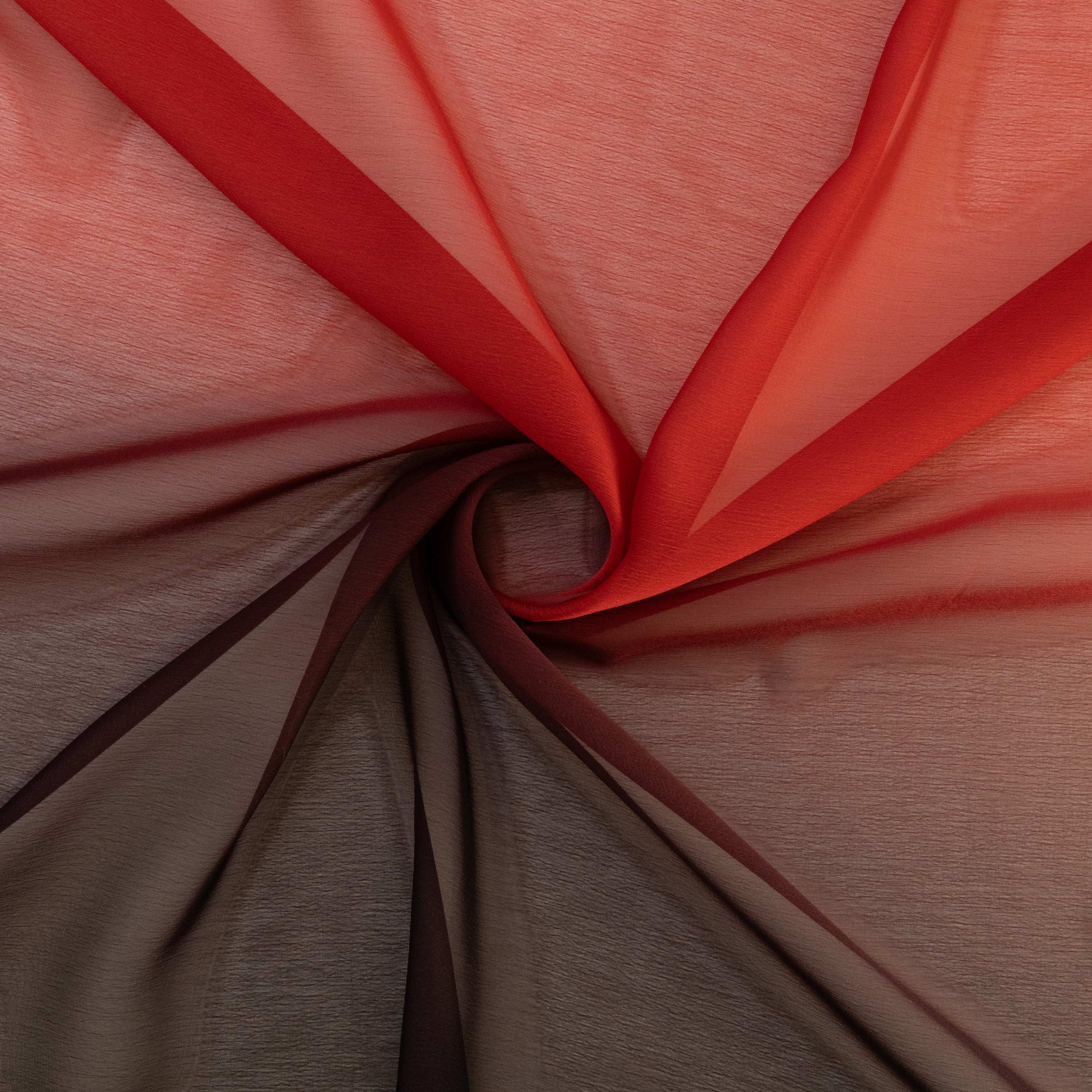
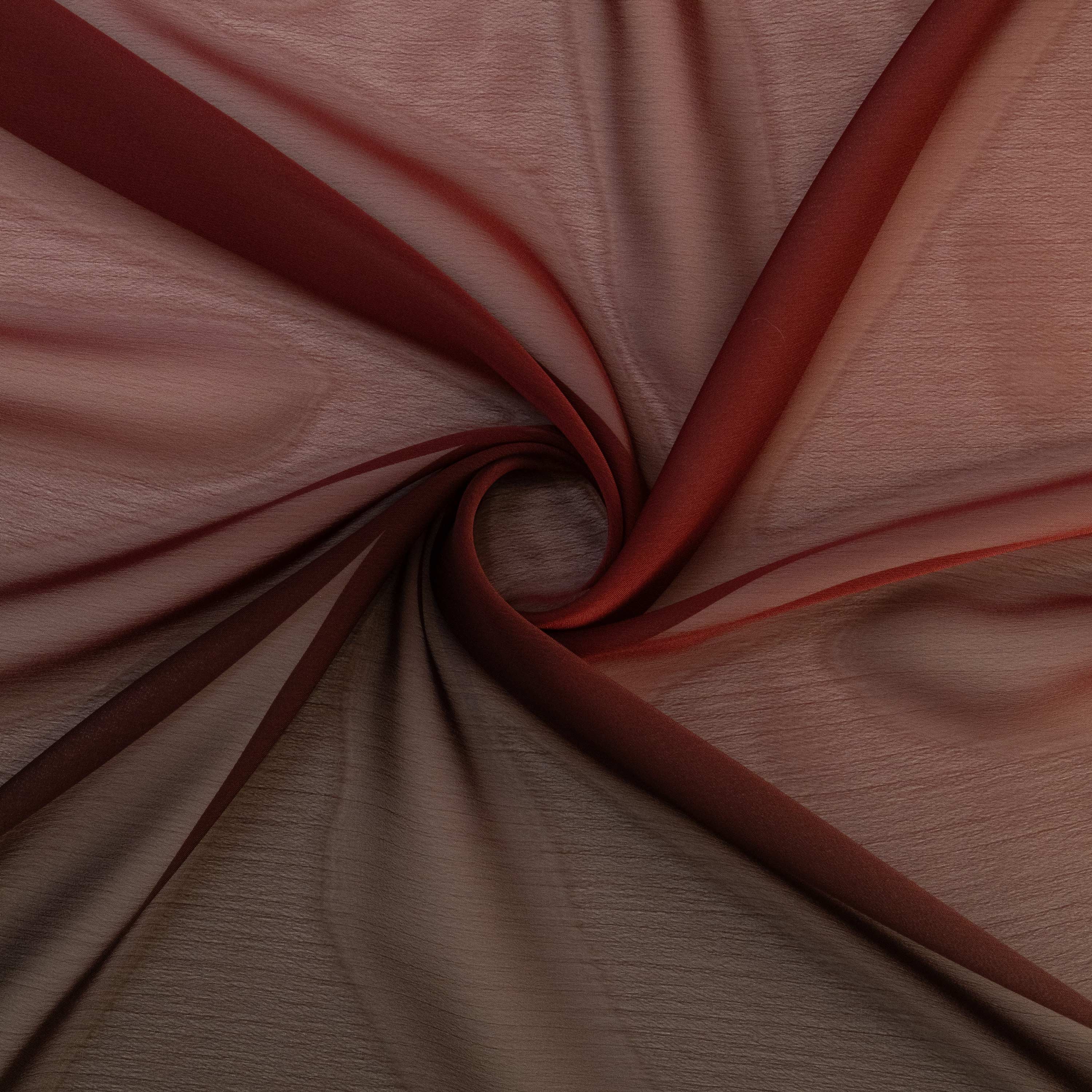
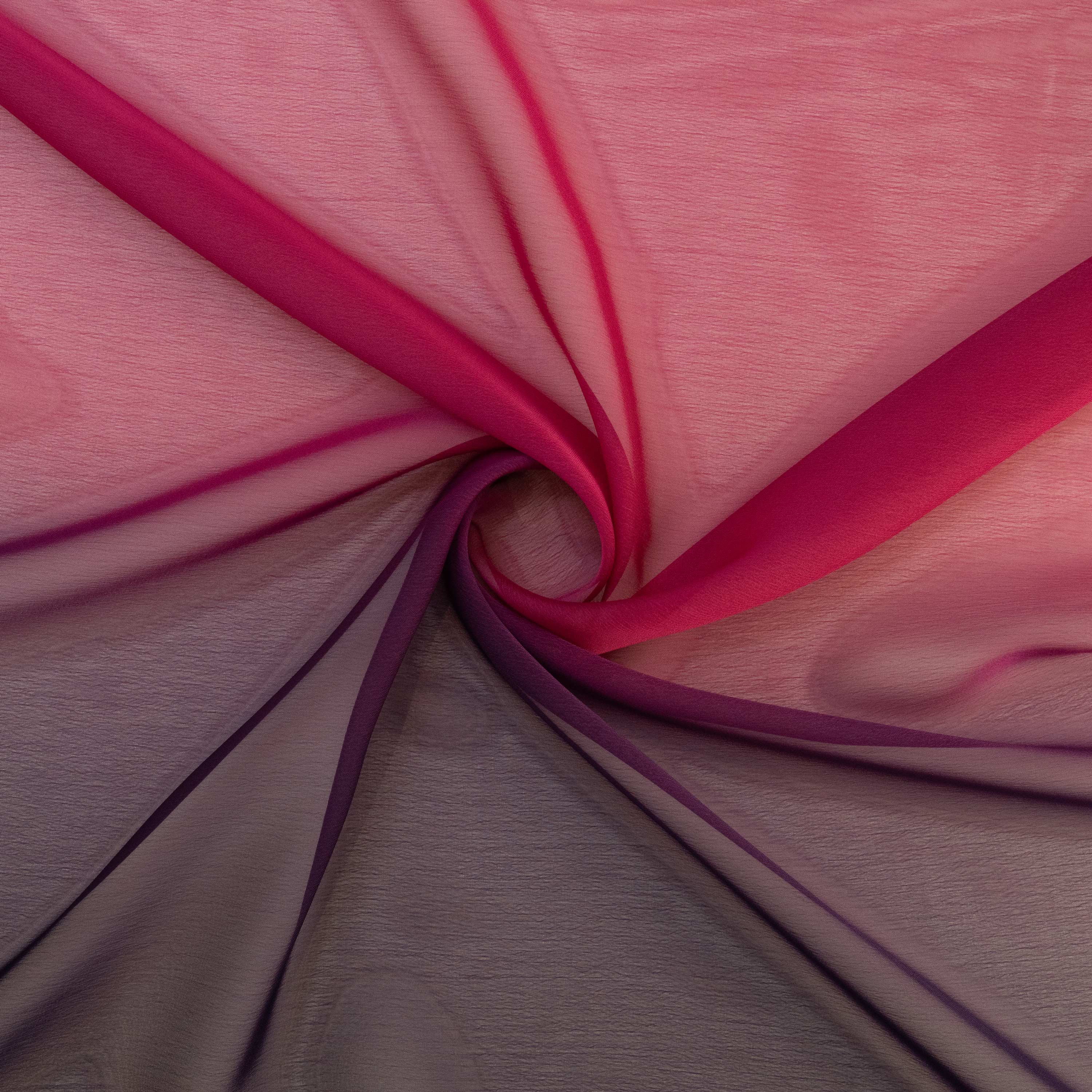
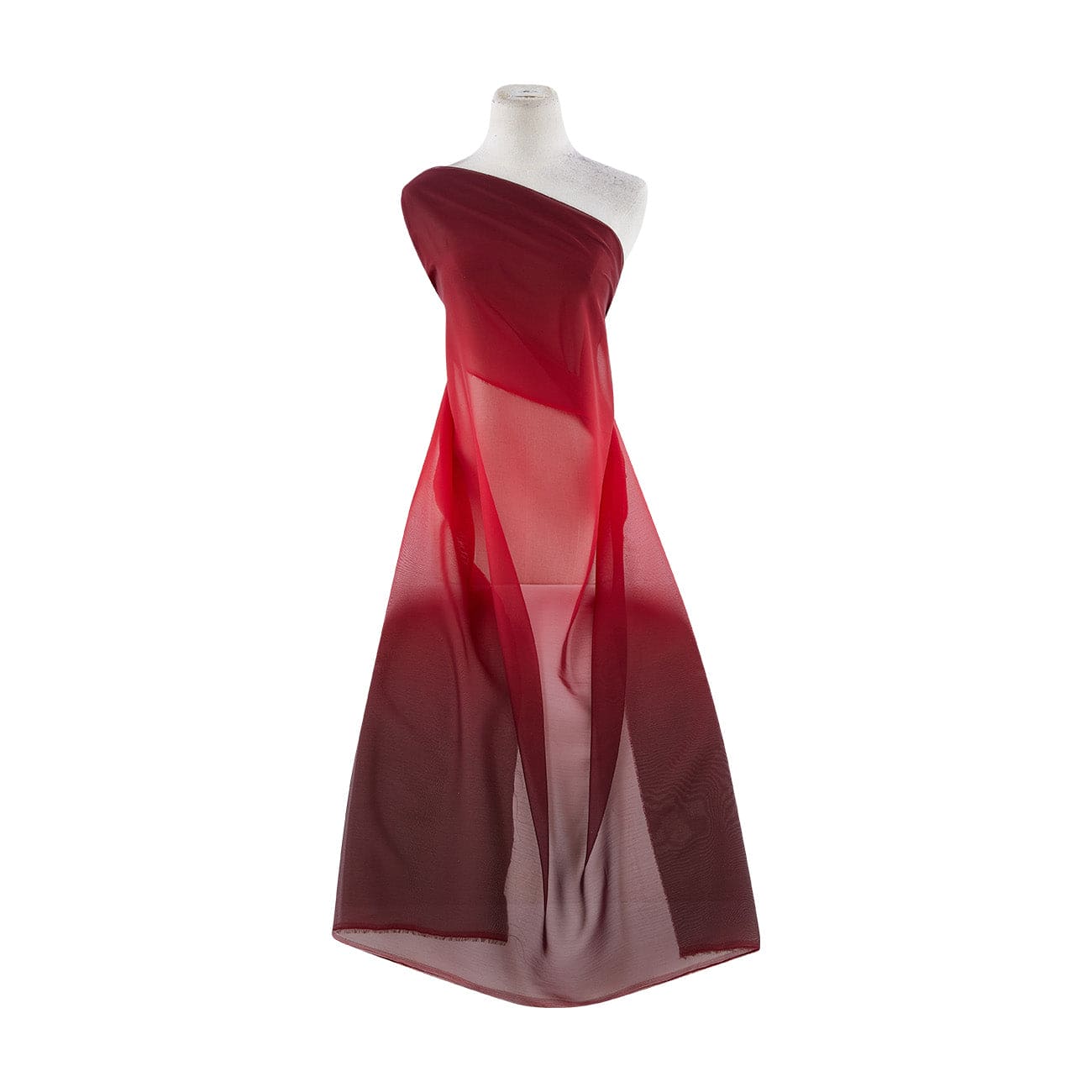
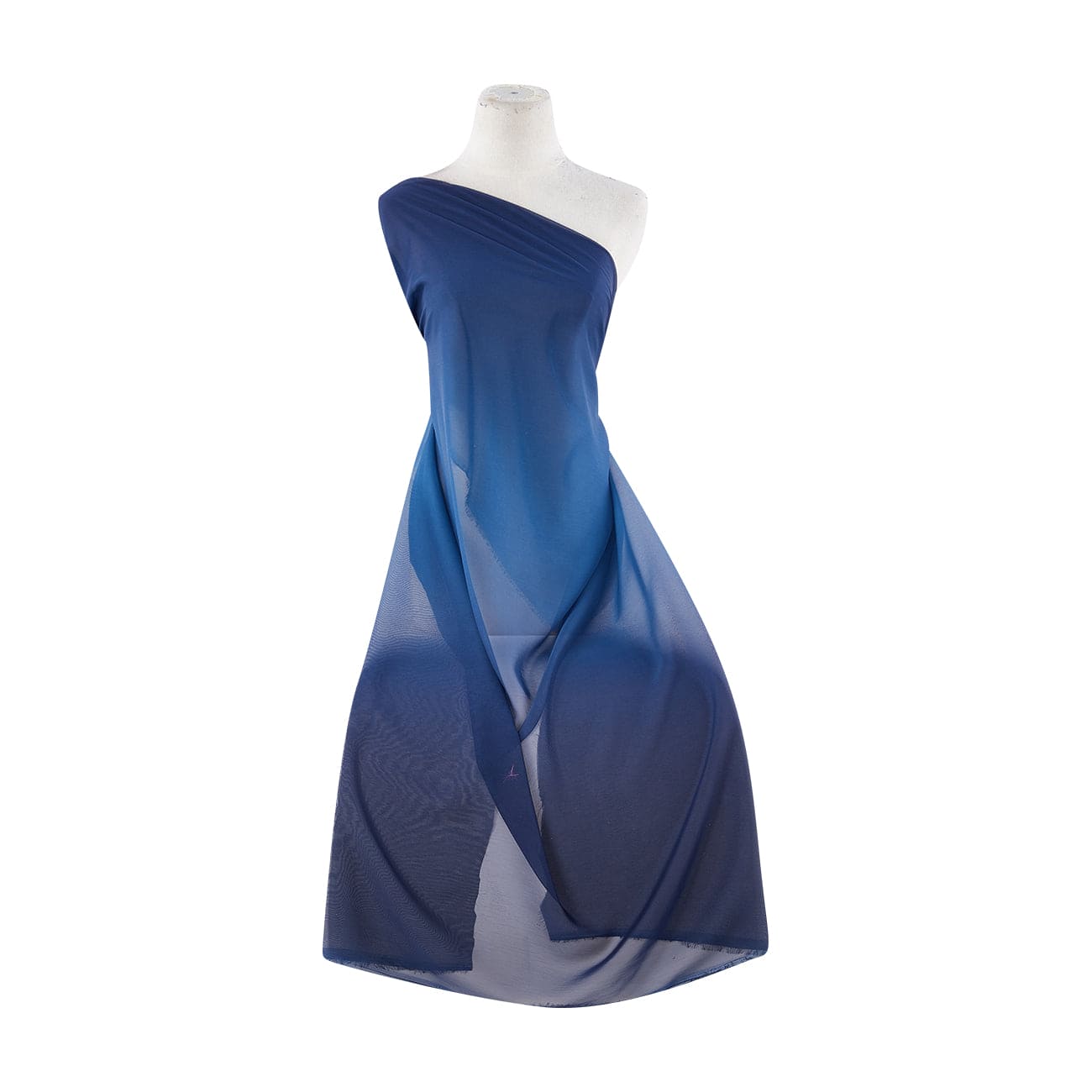
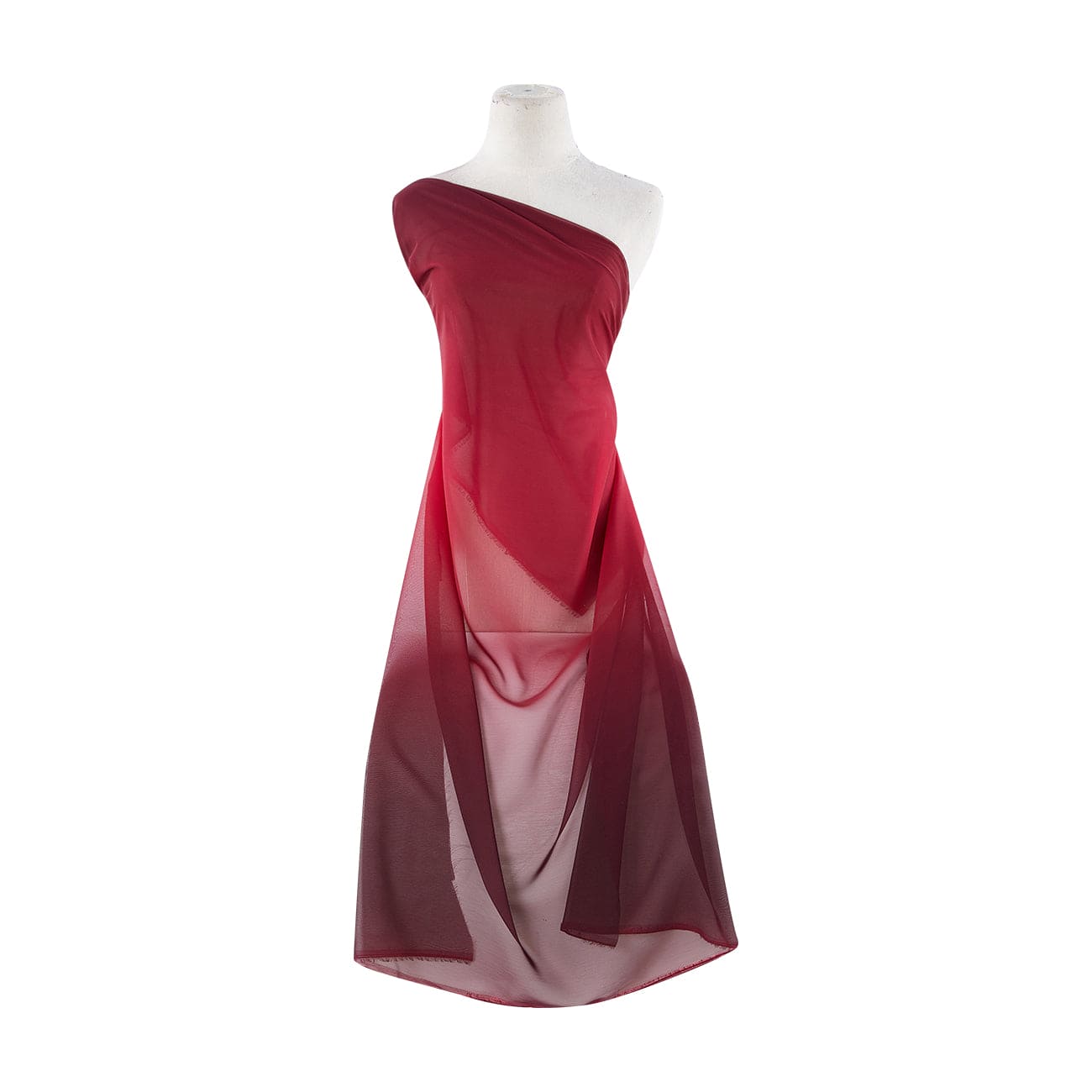
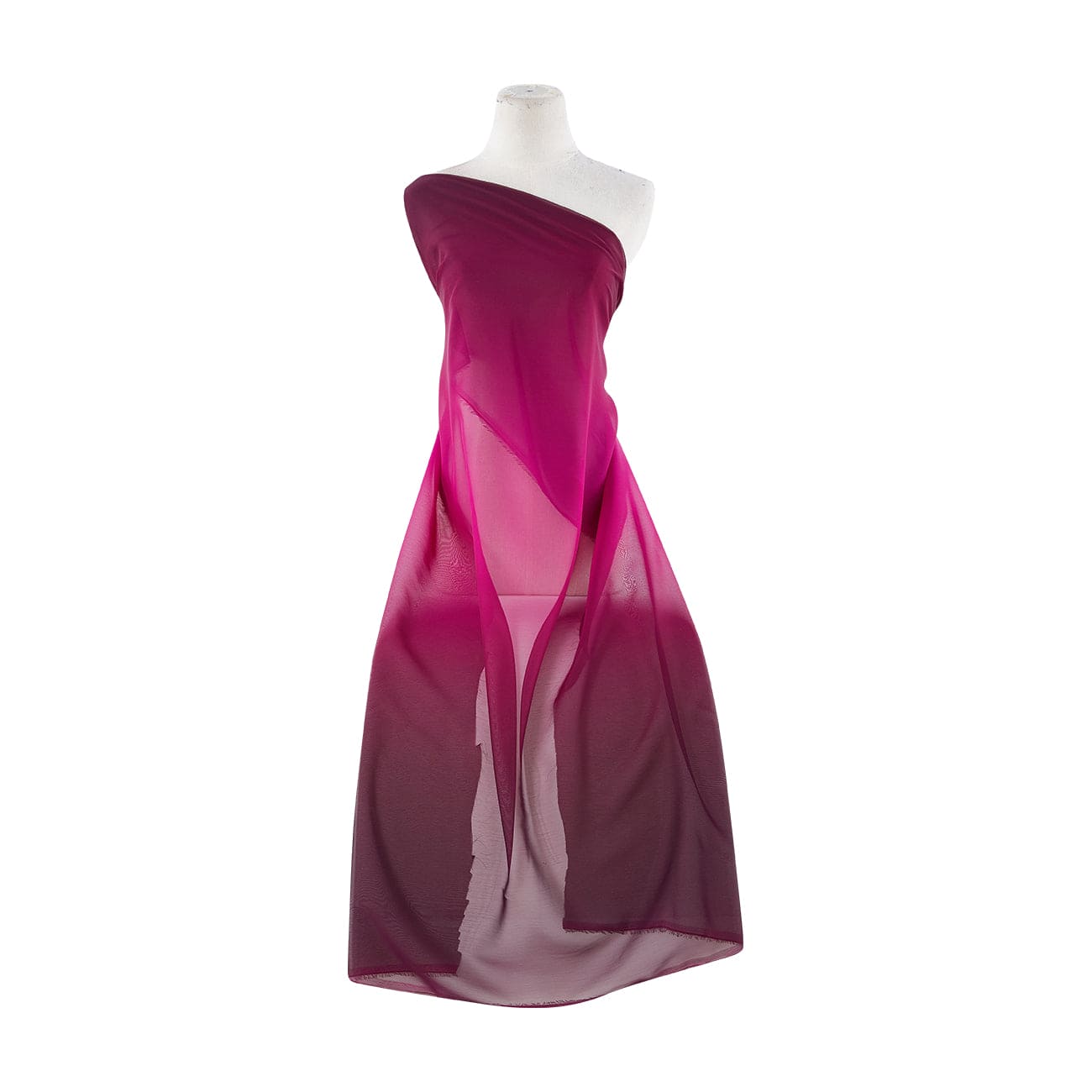
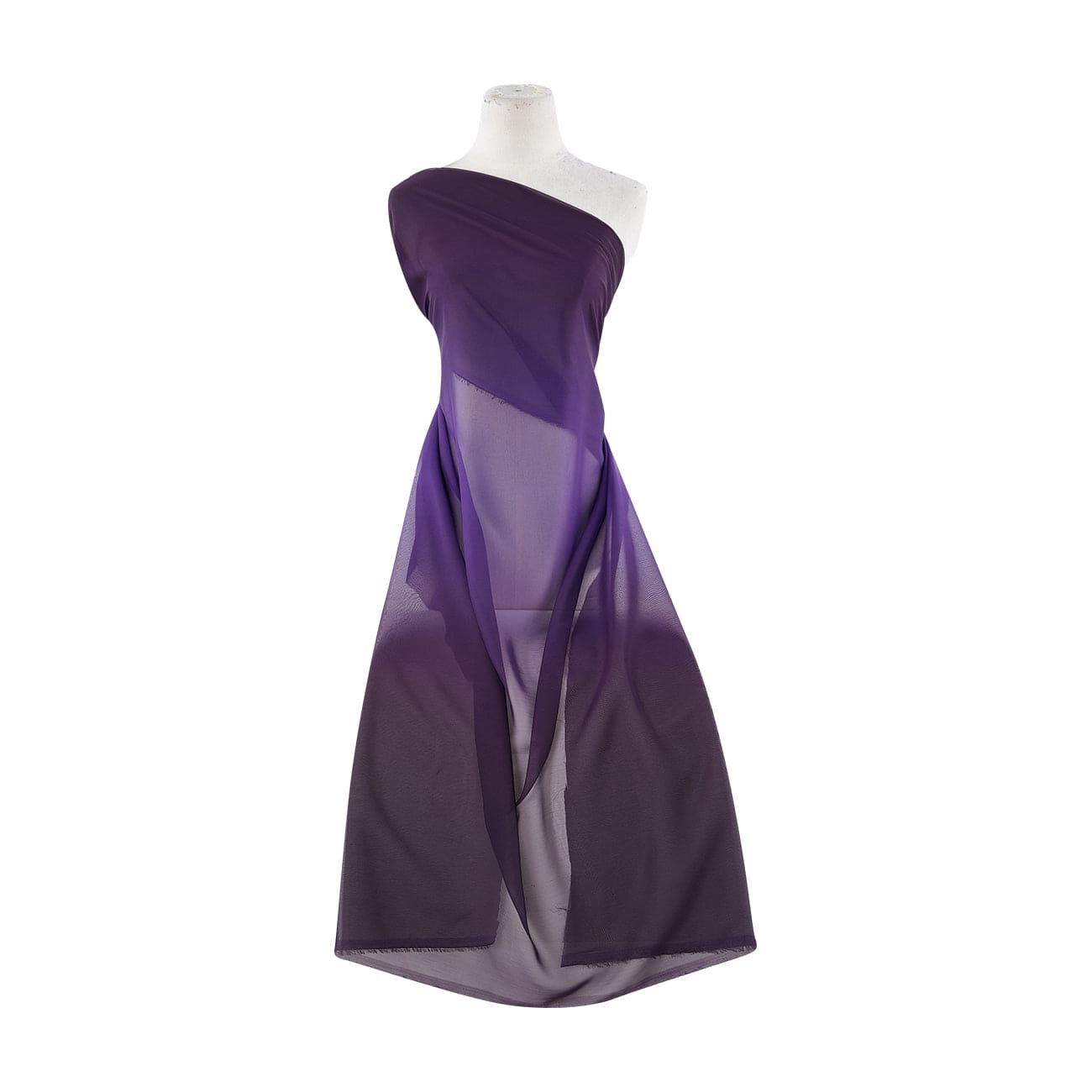
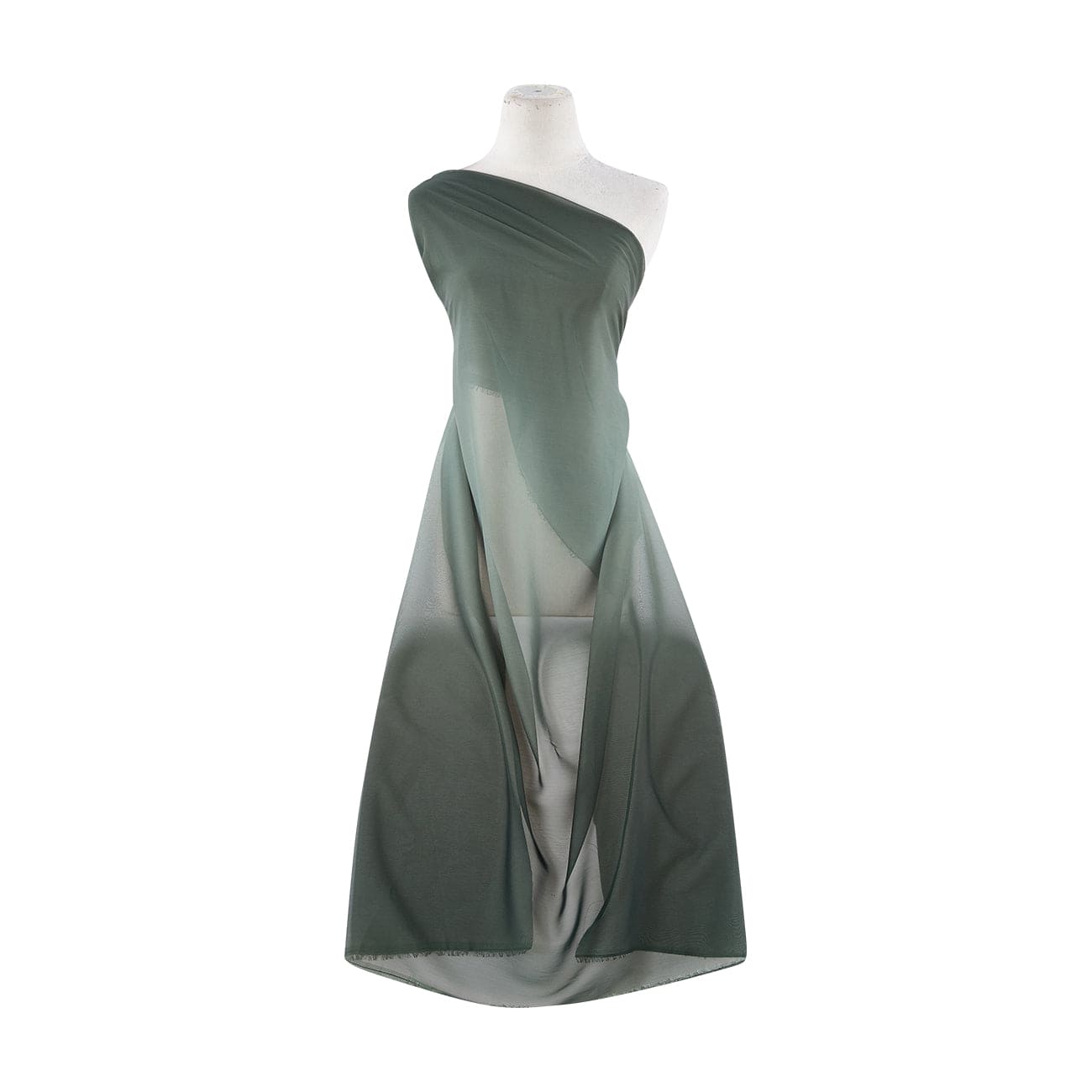
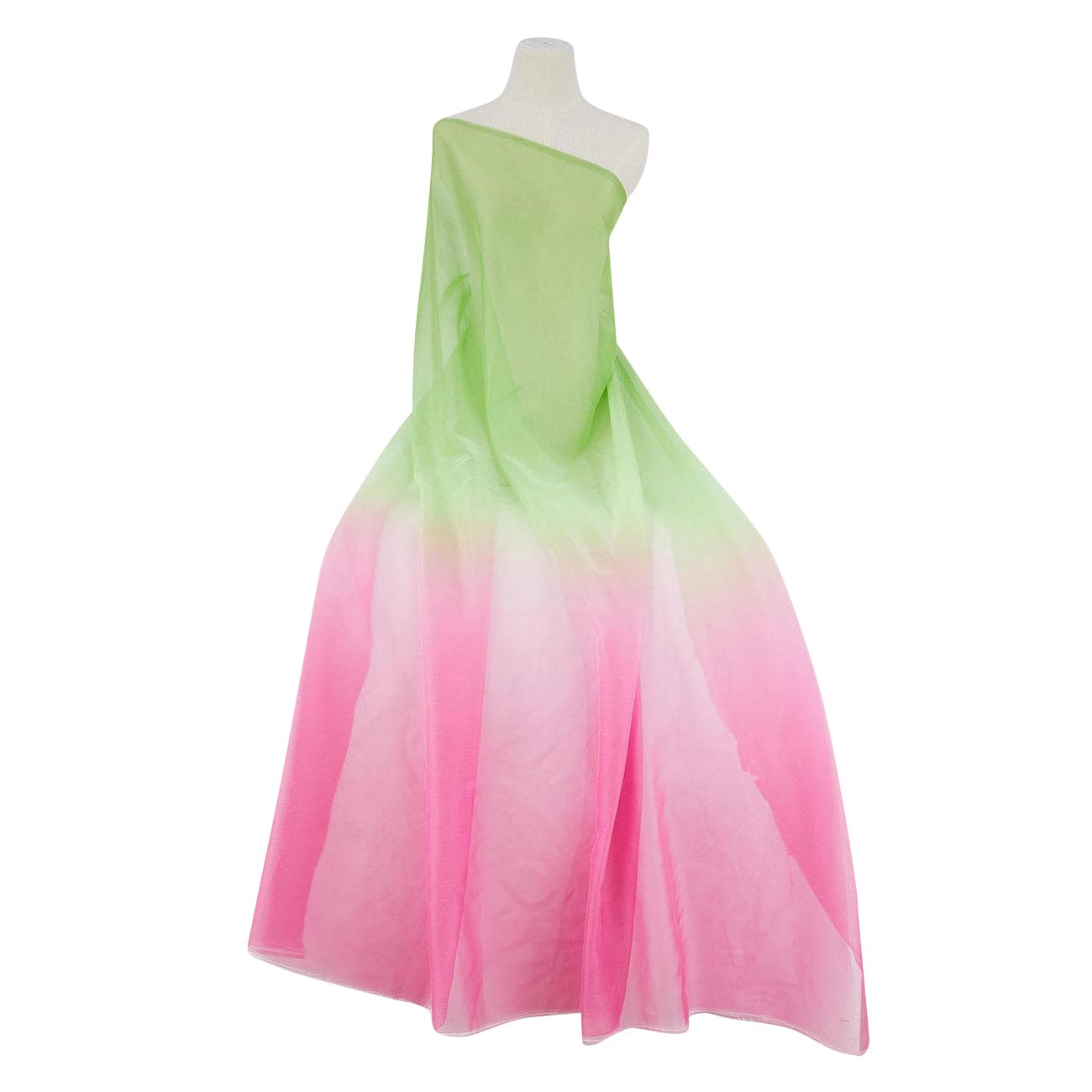
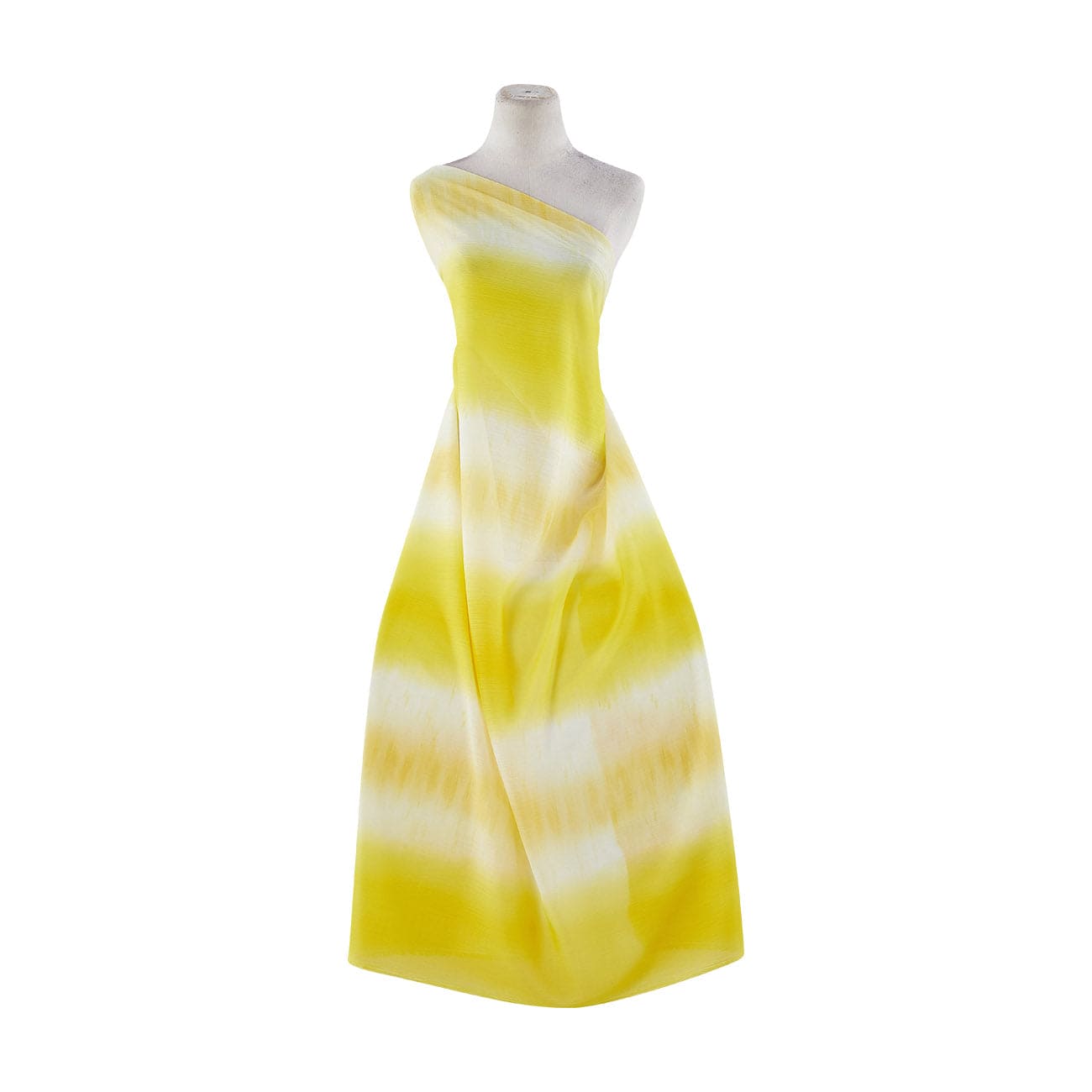
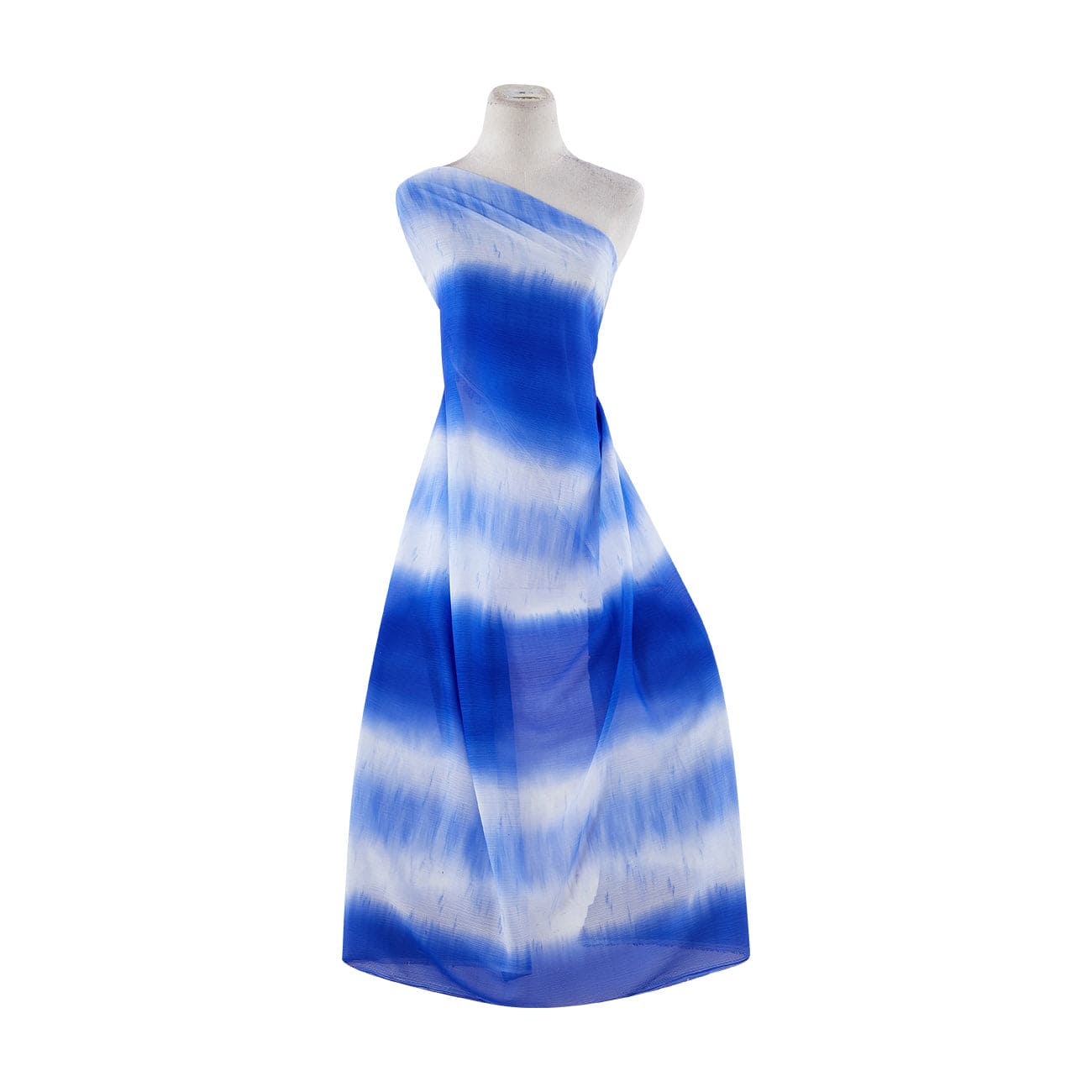
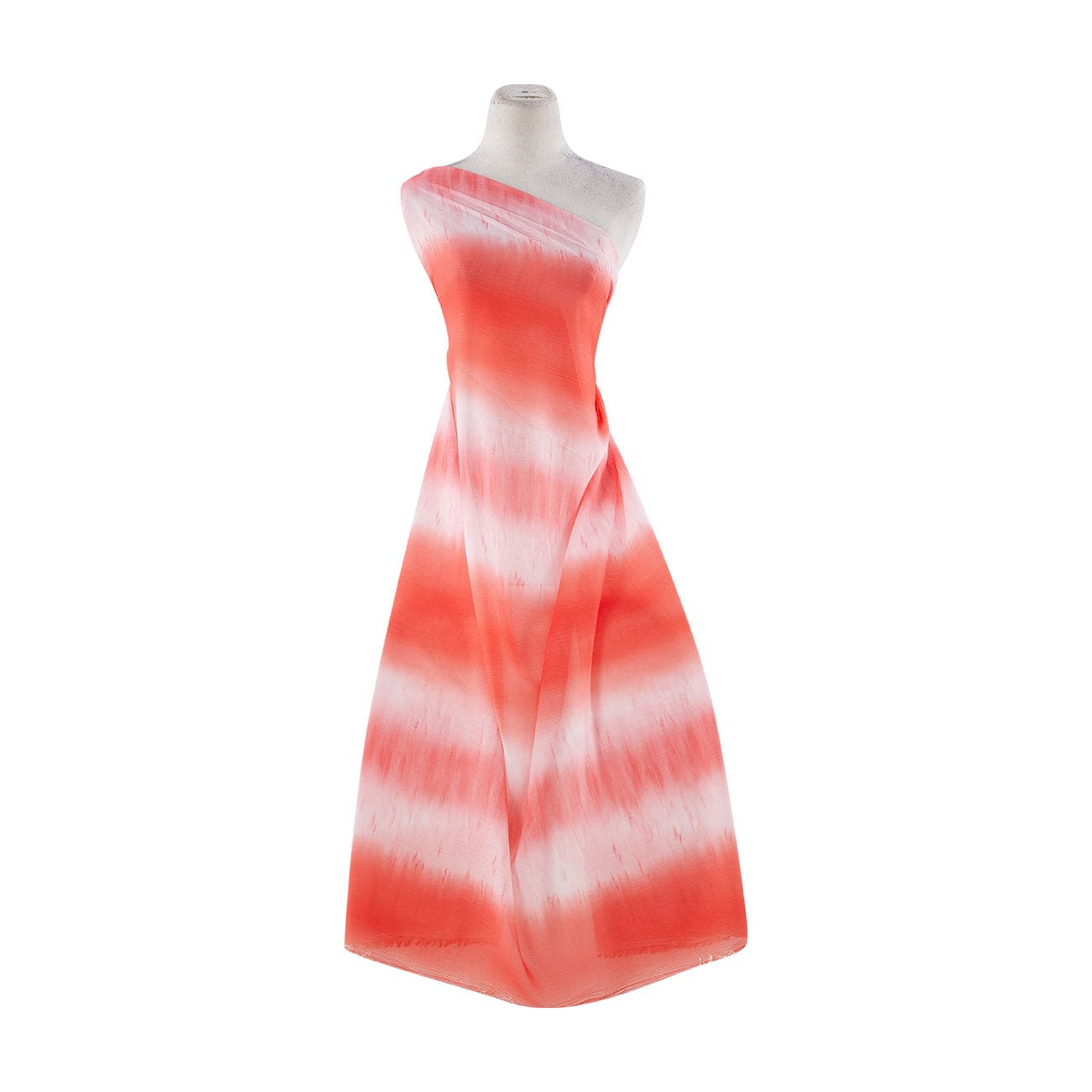
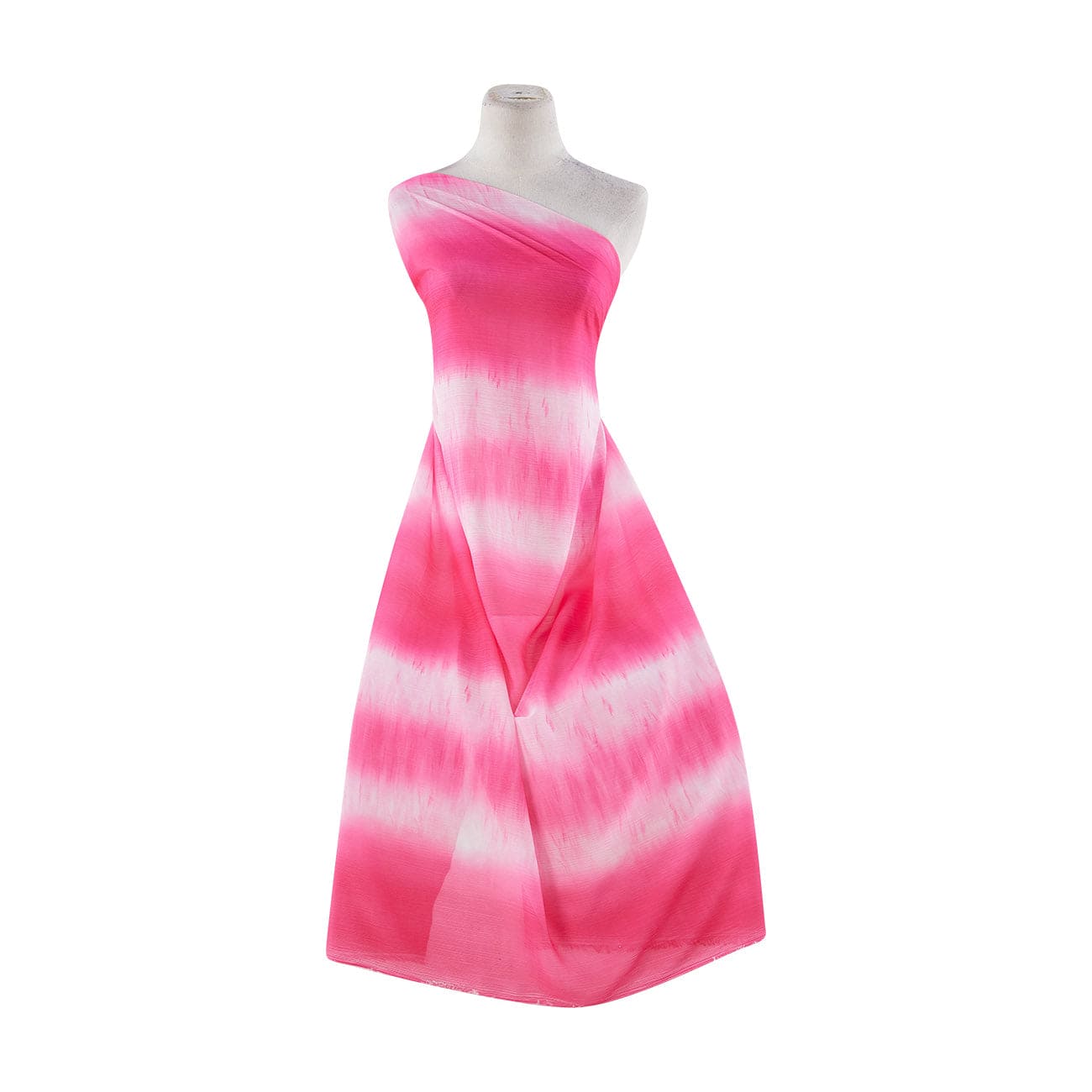
Ombre chiffon is one of the most visually impactful fabrics available to a designer precisely because the color transition creates movement even when the garment is still. The gradient draws the eye through the silhouette, elongates proportions, and adds a sense of deliberate artistry that solid fabrics require embellishment or complex construction to achieve. The key lies in understanding how to orient, cut, and position the gradient to work with — rather than against — the silhouette and design intent.
Evening Gowns and Formal Wear
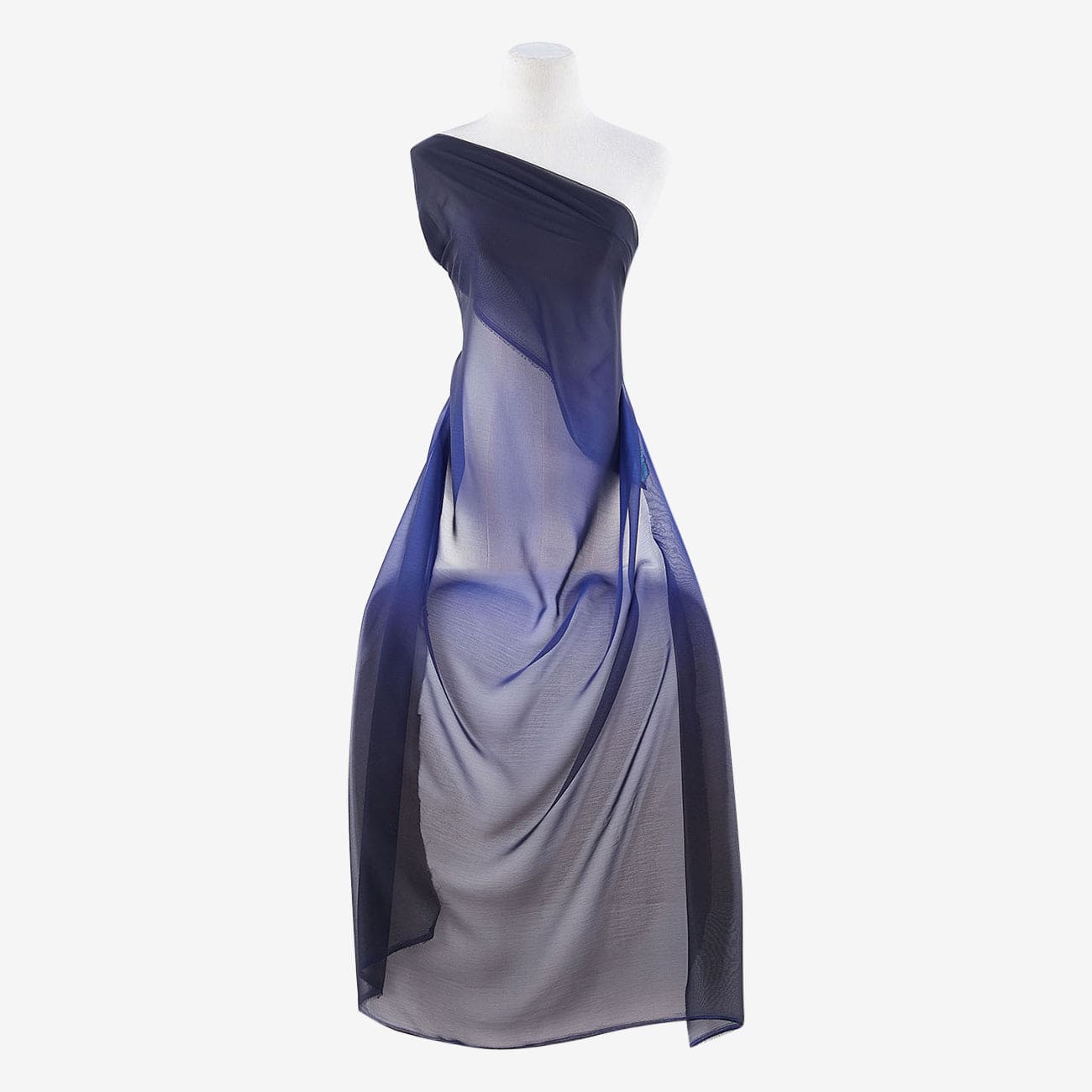
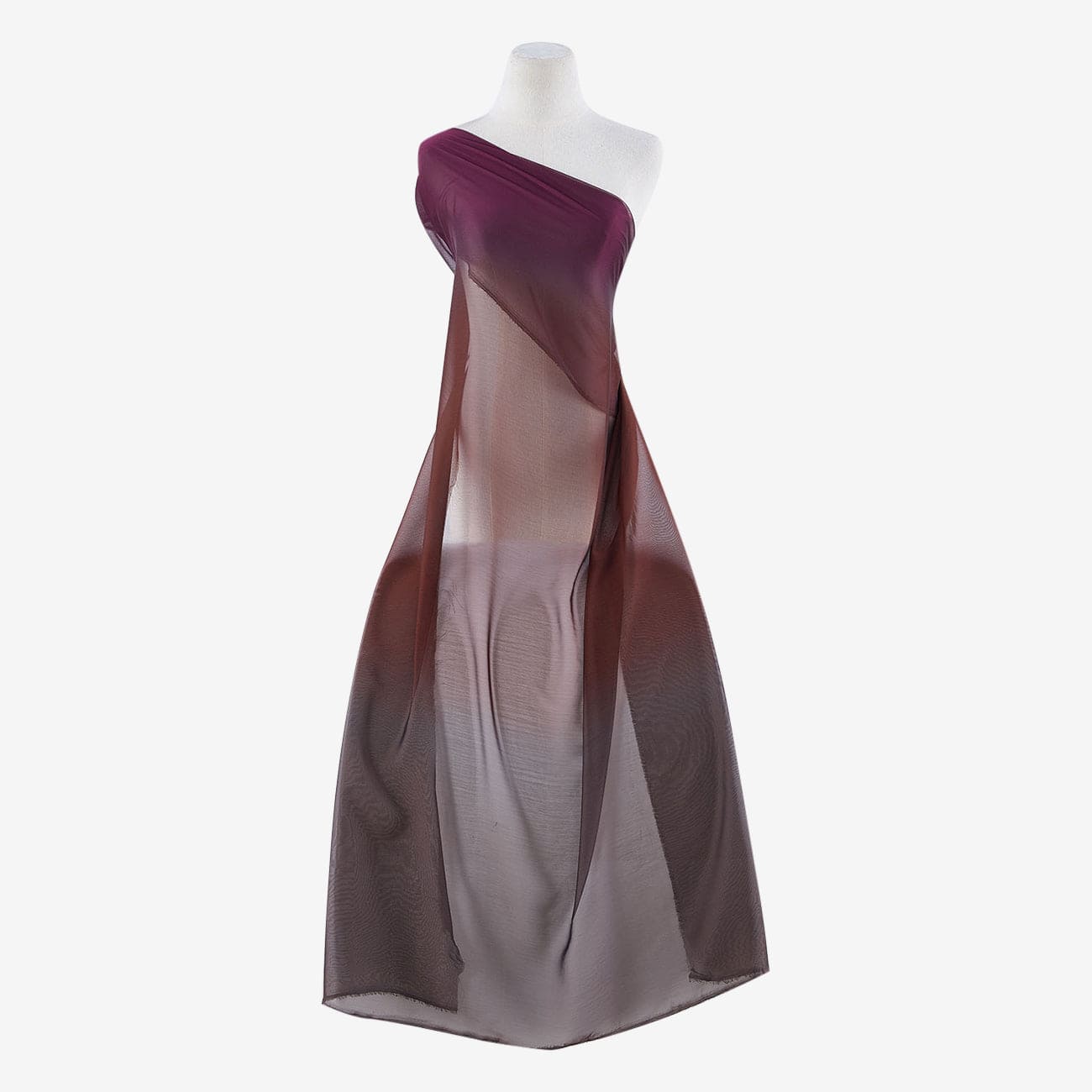
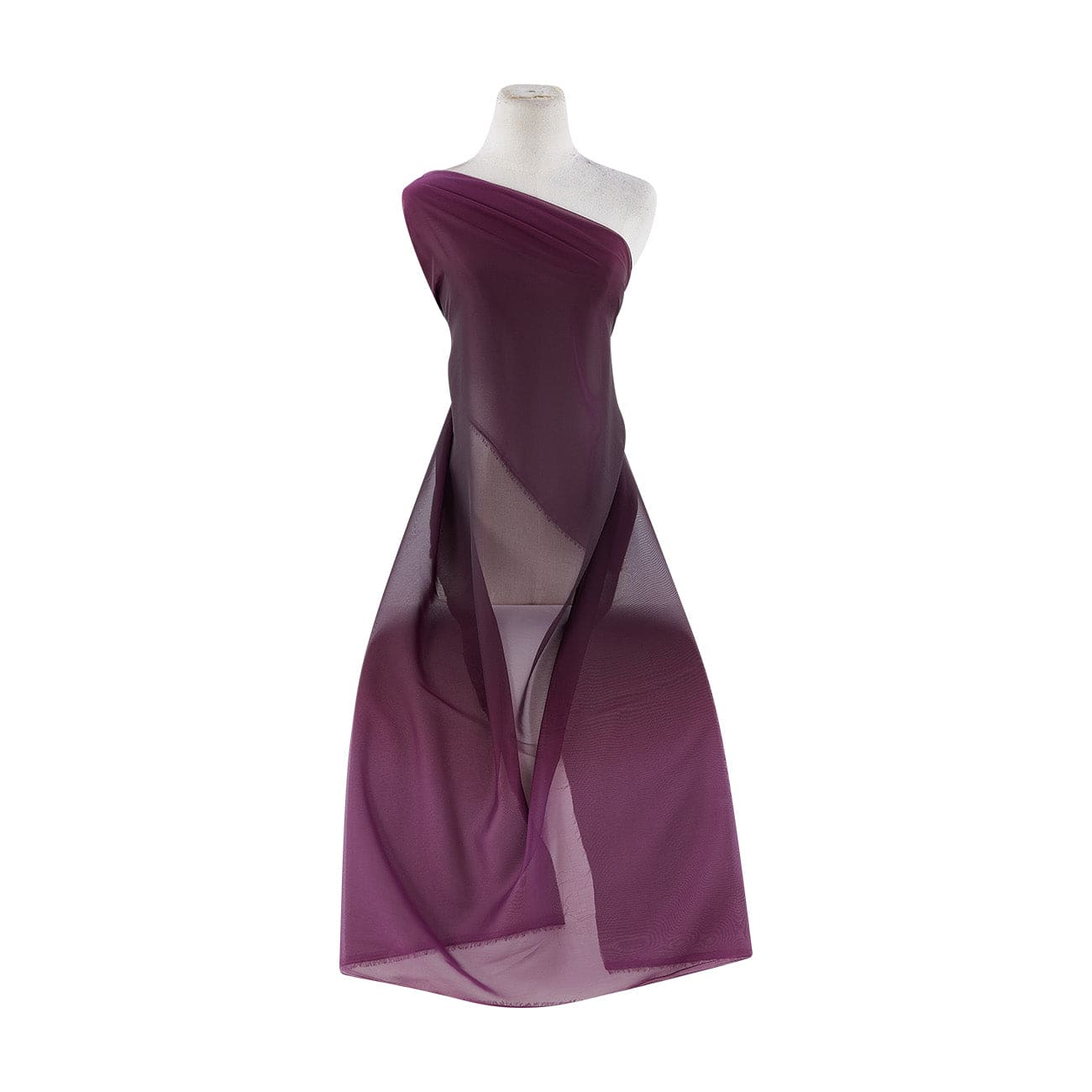
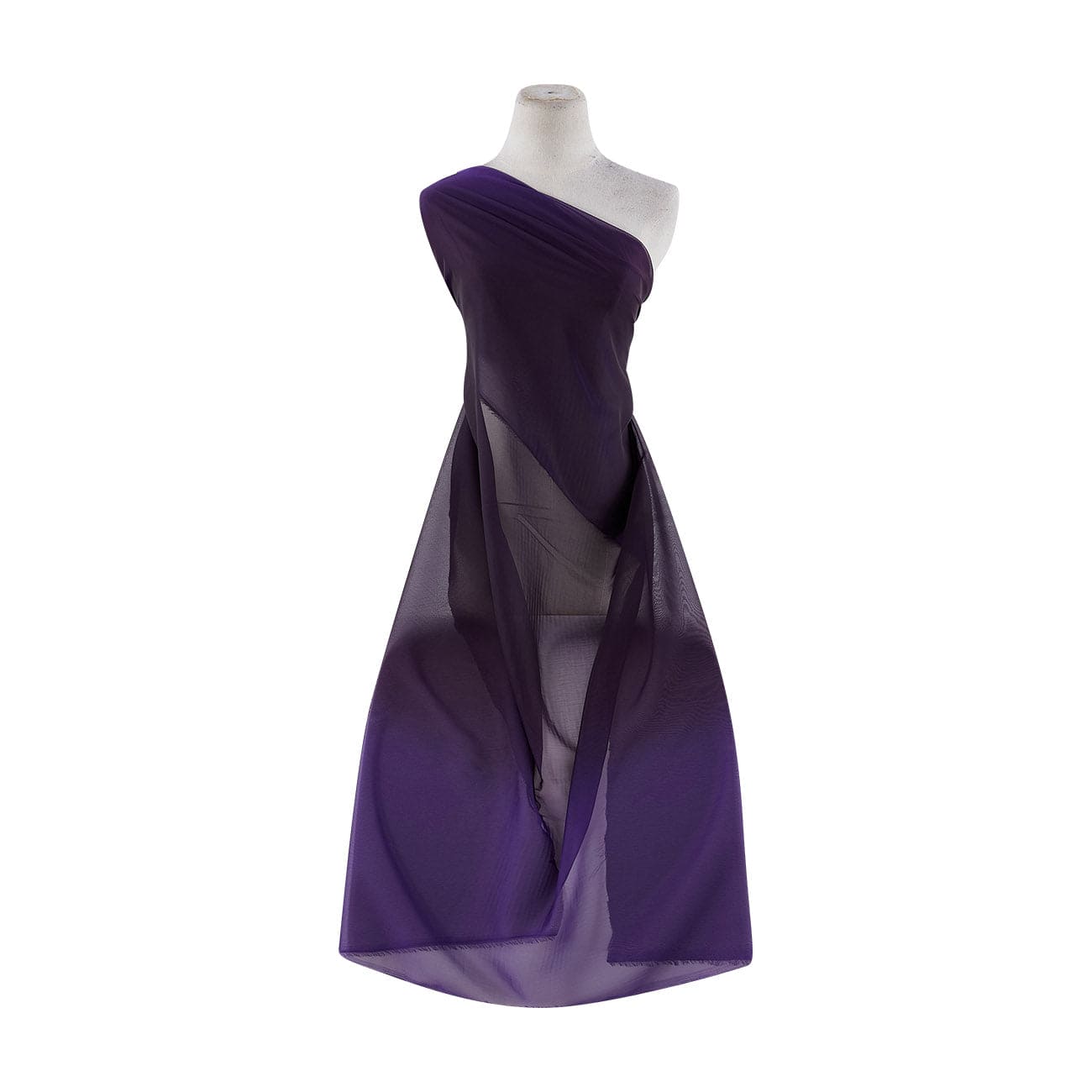
Ombre chiffon is at its most dramatic in longer, more voluminous formal silhouettes where the full gradient has room to unfold. A gown that transitions from pale champagne or blush at the bodice through to deep rose or burgundy at the hem creates an immediate, floor-to-ceiling color story that reads as extraordinary under event lighting. Vertical gradients elongate; horizontal or diagonal gradients create volume and dimension. The gradient itself functions as the design — minimal construction and embellishment allow the color transition to take full effect.
Overlay Skirts and Attached Panels
Ombre chiffon works exceptionally well as a gathered or tiered overlay skirt above a solid base — as the skirt moves, the gradient animates, creating a constantly shifting color effect that reads as dynamic and alive. For performance and theatrical applications, pair with stretch chiffon fabric as the underlayer — the compatible drape of the two fabrics creates a cohesive, layered effect while the stretch base allows full freedom of movement beneath the ombre overlay.
Bridal and Occasion Wear
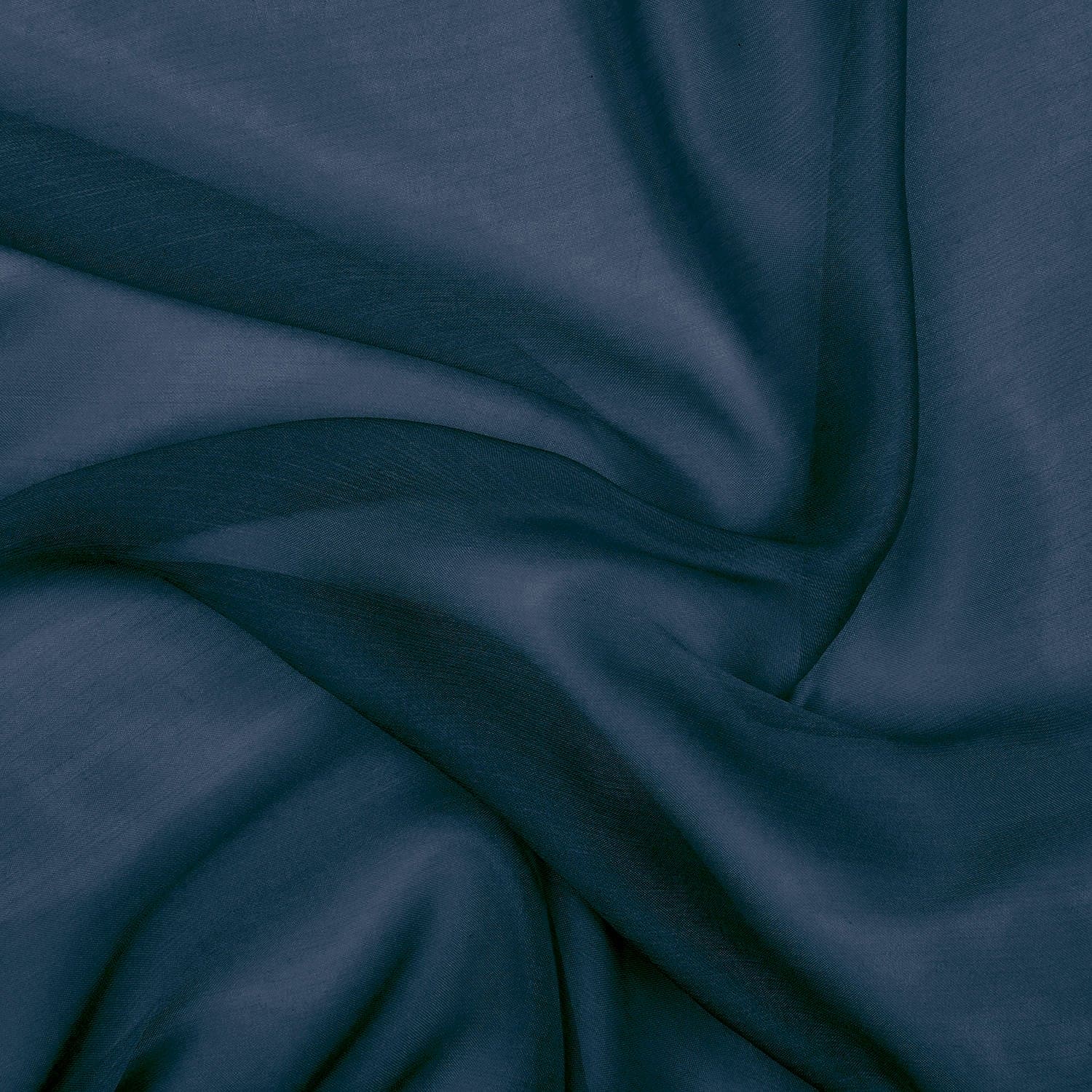
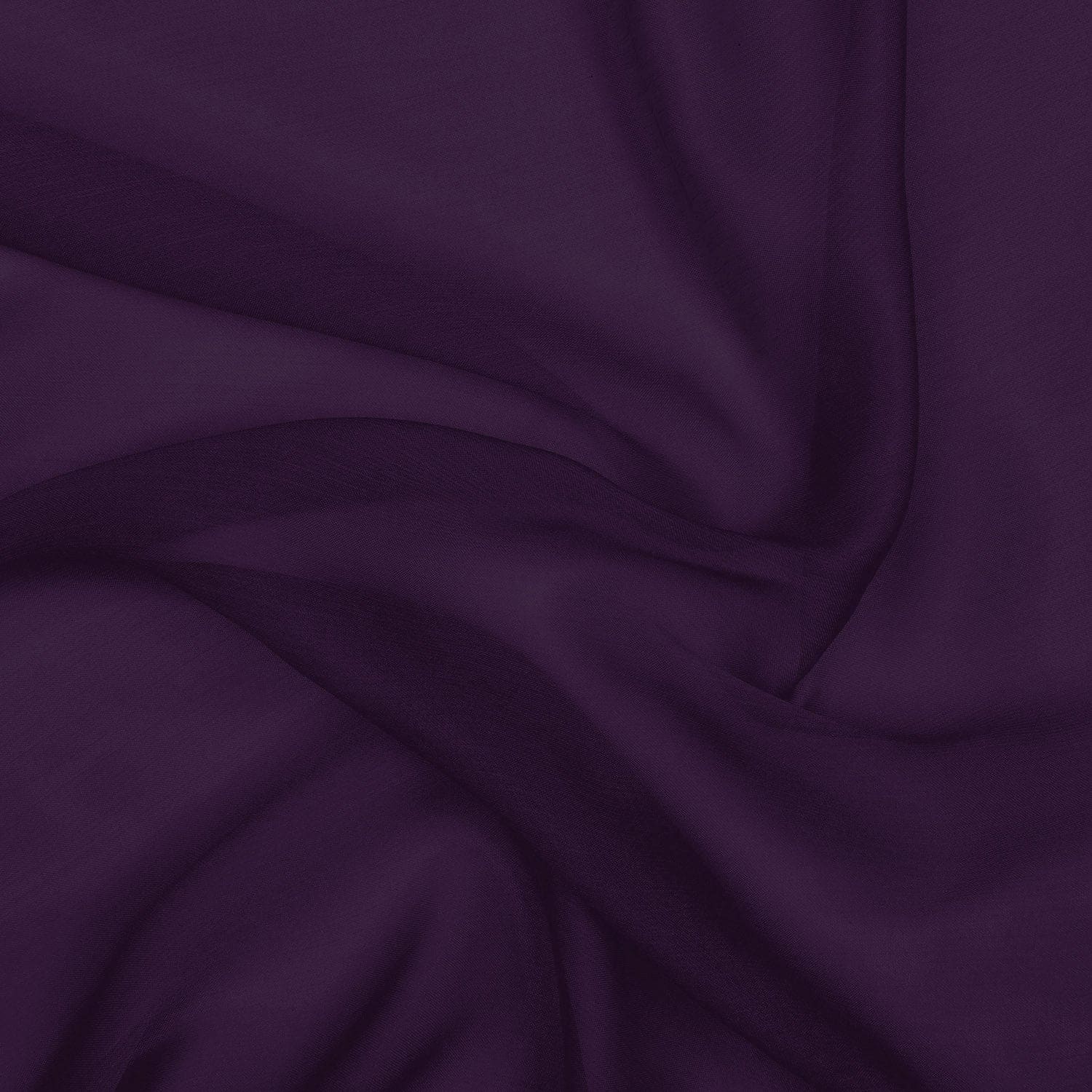
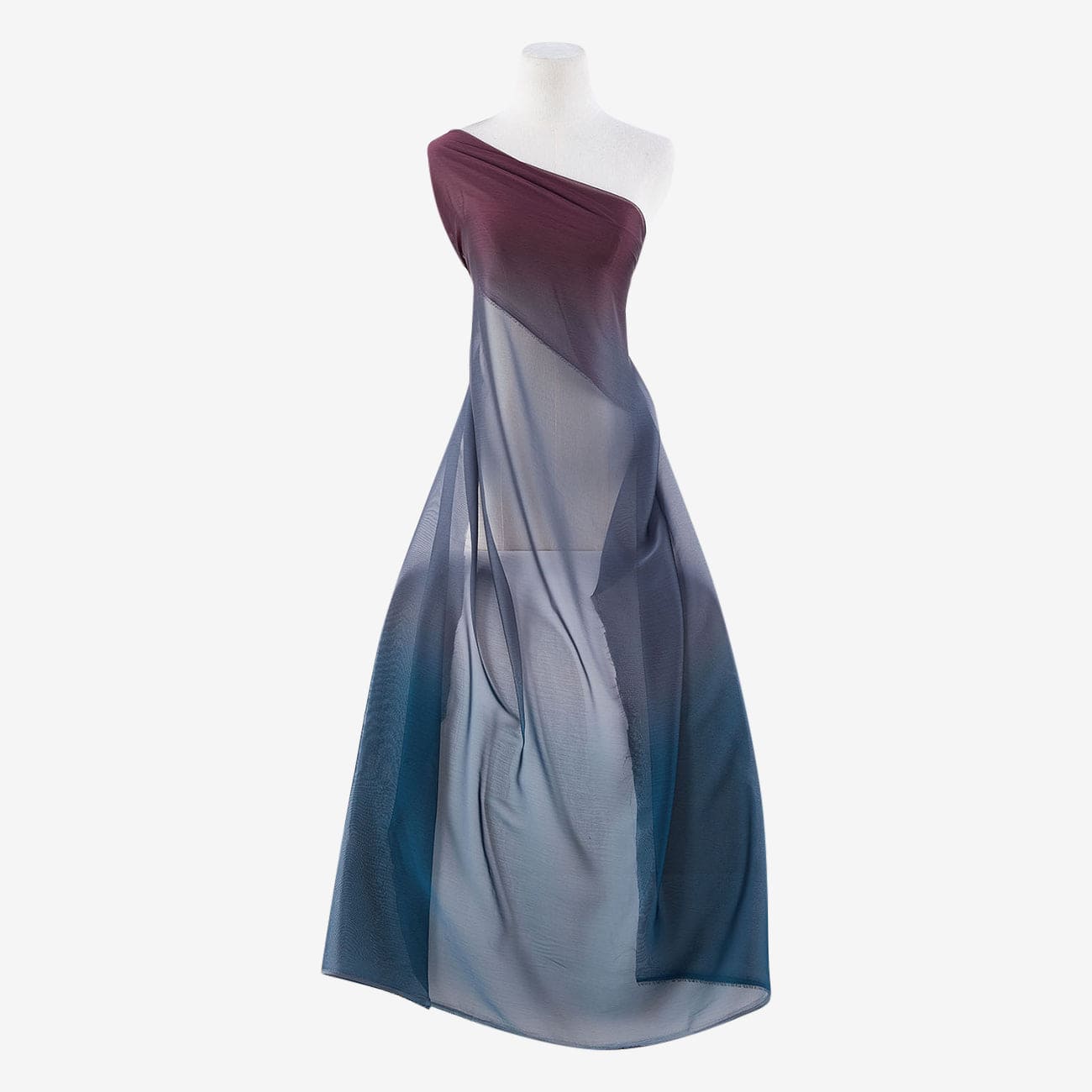
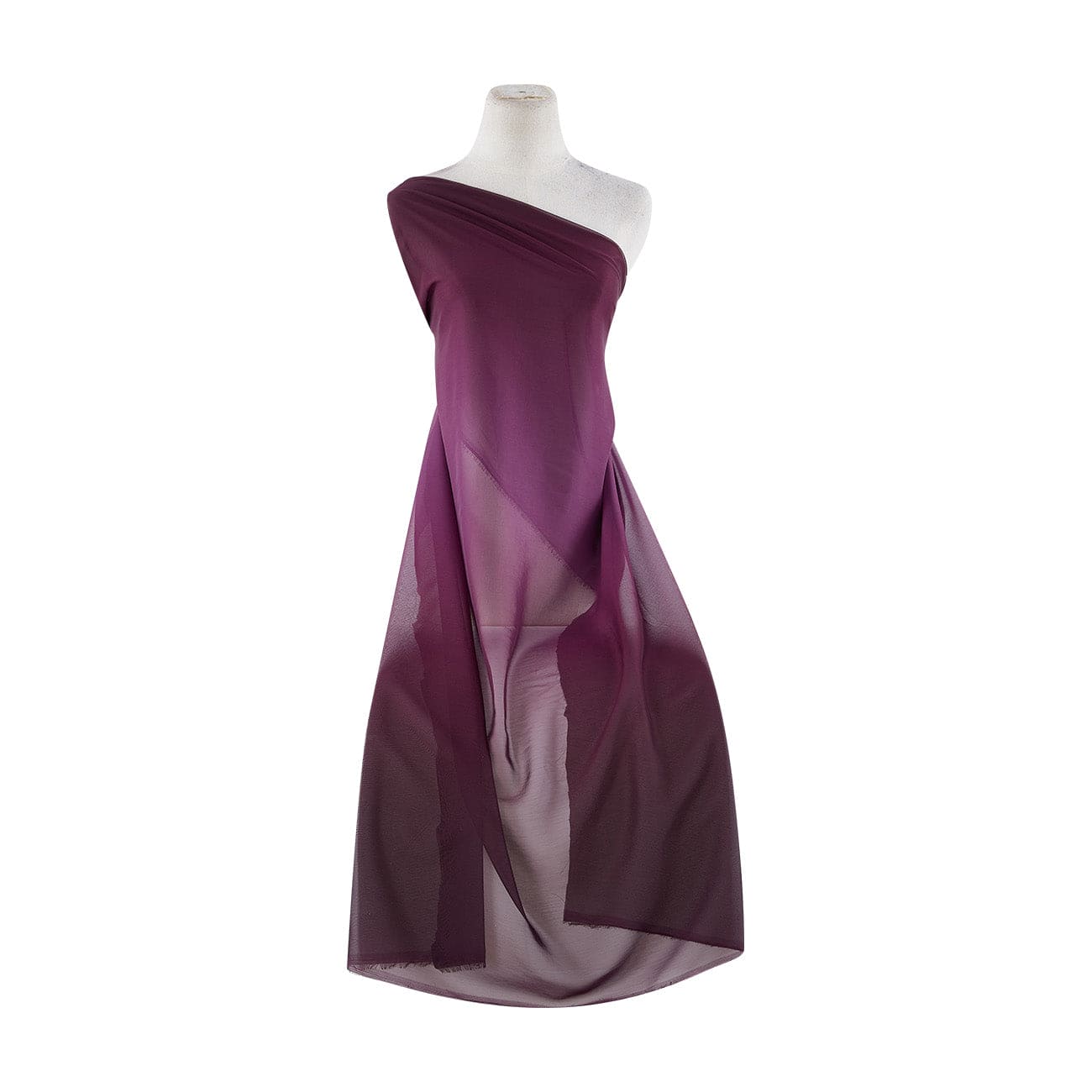
Soft ombre transitions — blush to ivory, champagne to white, pale rose to blush — work naturally in bridal and occasion contexts where a subtle gradient adds visual interest without departing from a romantic, neutral palette. A bride or bridesmaid in a soft ombre chiffon gown reads as considered and distinctive without the graphic impact of a bold color change. For mother-of-the-bride and occasion dressing, deeper ombre transitions in jewel tones — teal to navy, mauve to plum — create sophisticated, event-ready color stories that work across venue styles and lighting conditions.
Theatrical and Dance Costuming
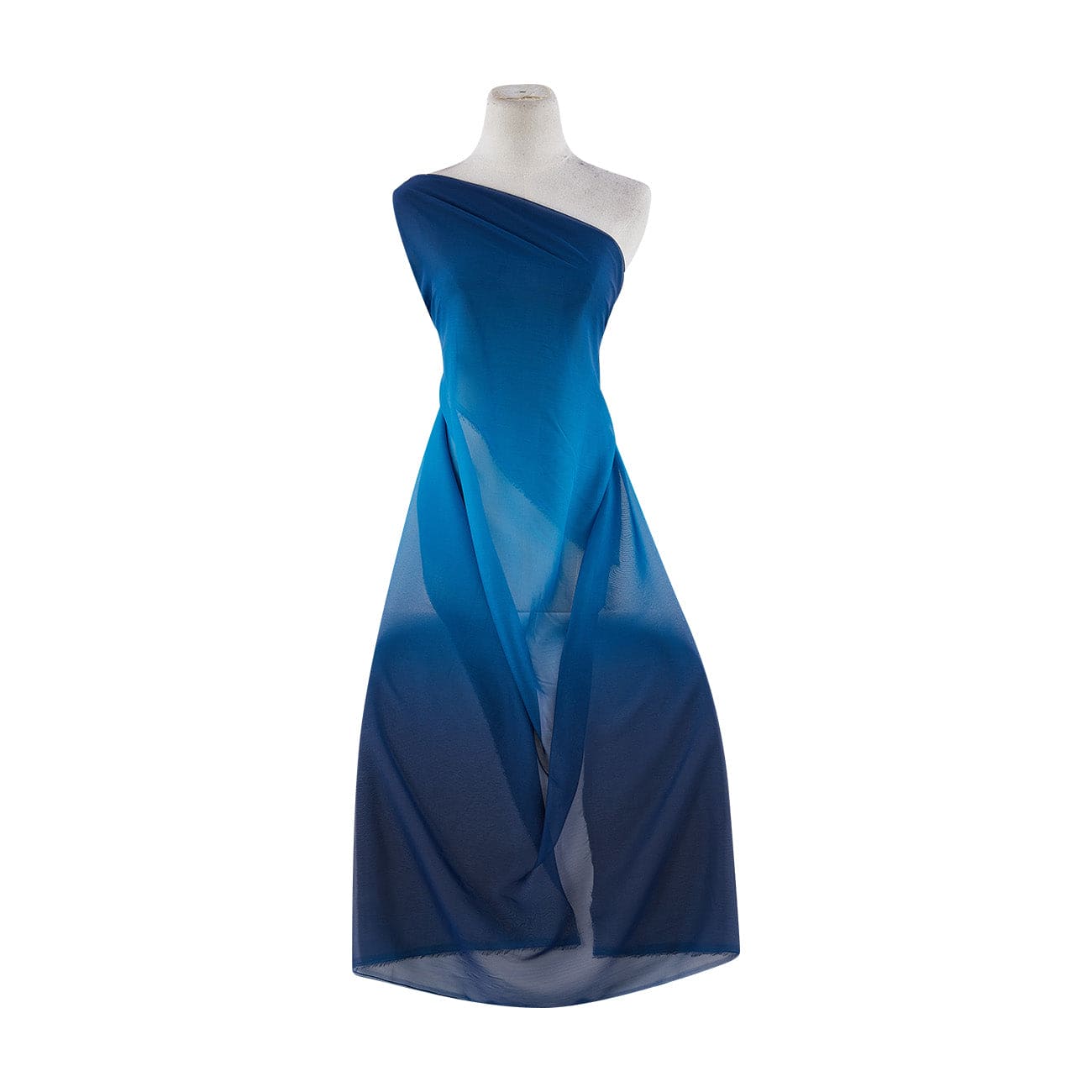
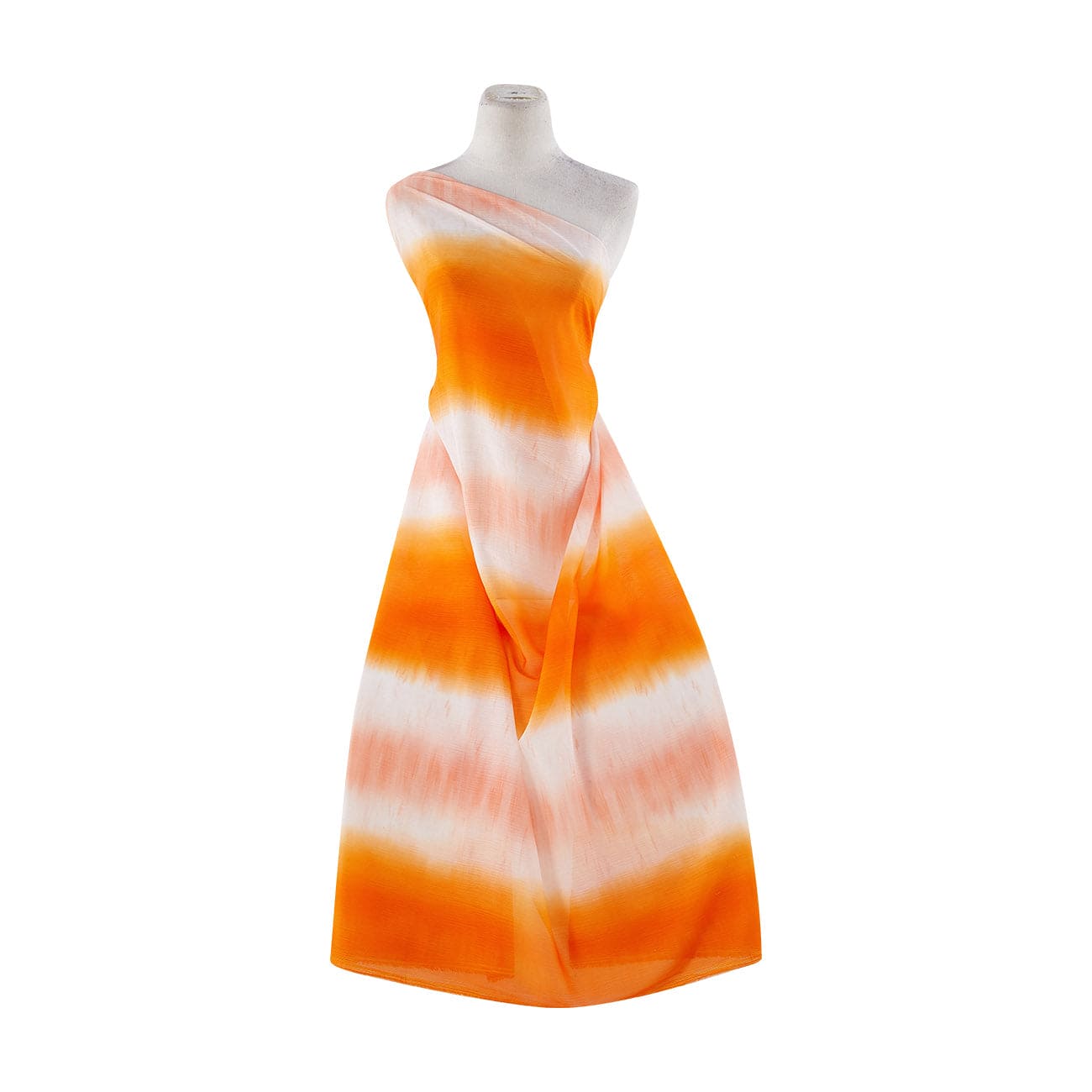
Ombre chiffon has a natural home in theatrical and performance design, where the gradient creates visual narrative that communicates character, environment, and emotion from a distance. A sunrise progression from deep orange to pale gold reads as dawn; a ocean-inspired teal-to-midnight transition creates immediate environmental storytelling. Combine with stretch chiffon fabric for performance applications where the costume needs to move with the dancer or performer, or add surface texture alongside pleated chiffon fabric in coordinating tones for theatrical costumes where dimensional complexity reads well from the audience.
Sleeves and Decorative Panels
Ombre chiffon used selectively — for sleeves, shoulder panels, or back overlays on an otherwise solid garment — introduces gradient color as a design accent without committing the entire silhouette to the transition. A solid navy dress with ombre chiffon sleeves that fade from navy to pale blue at the cuff reads as architectural and fashion-forward. A blush gown with ombre chiffon back panels that deepen toward the hem creates a reveal quality that rewards movement and photographs beautifully.
Resort and Contemporary Dressing
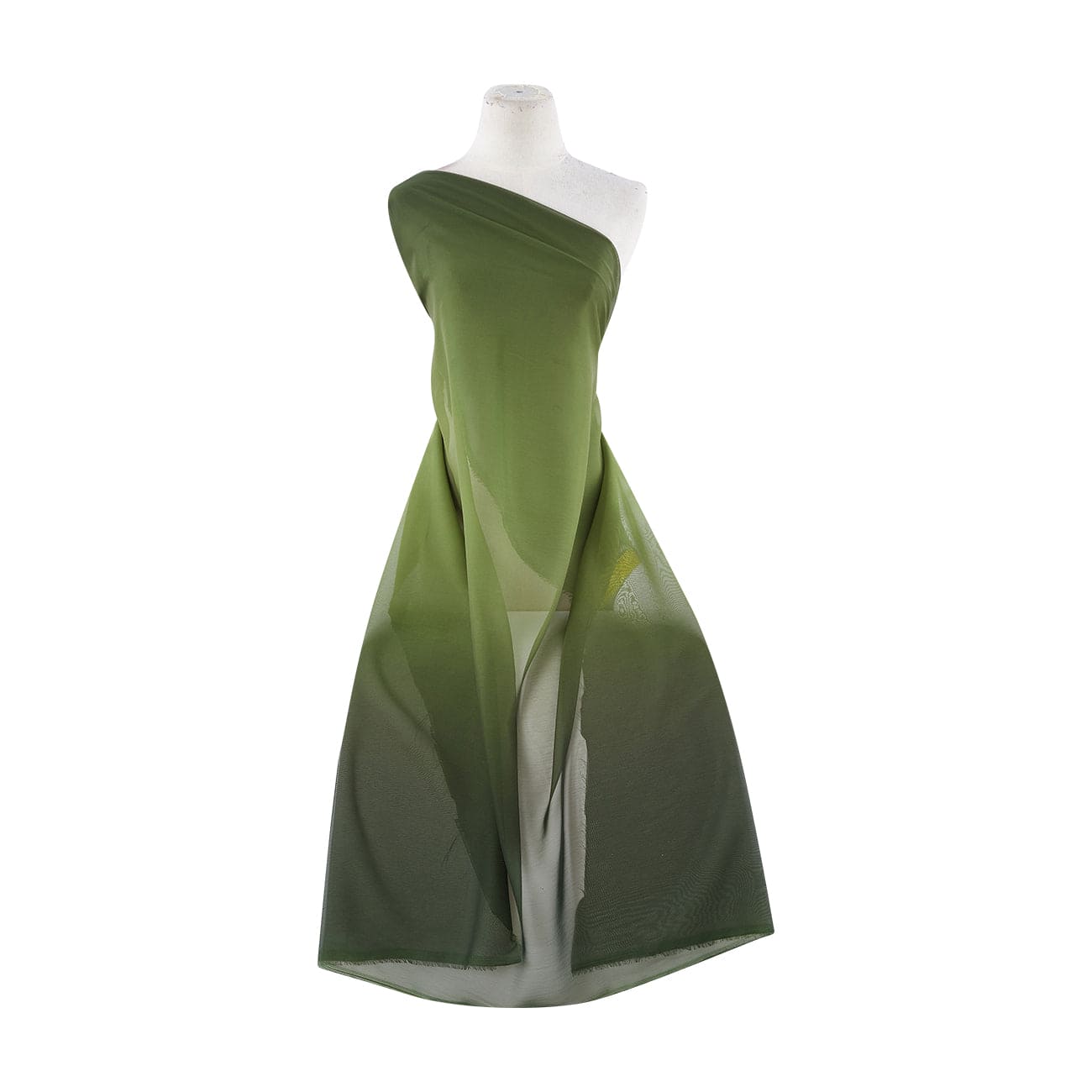
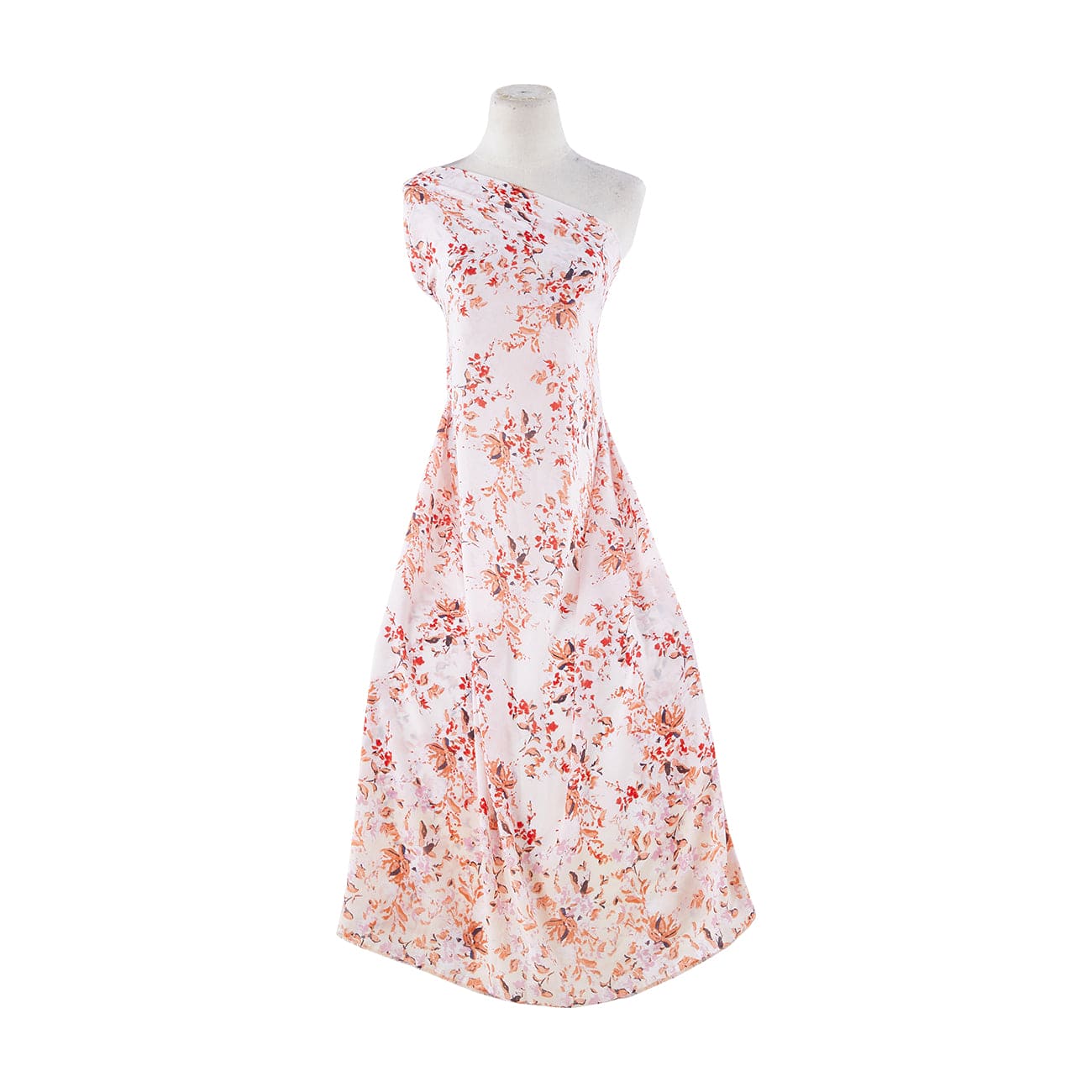
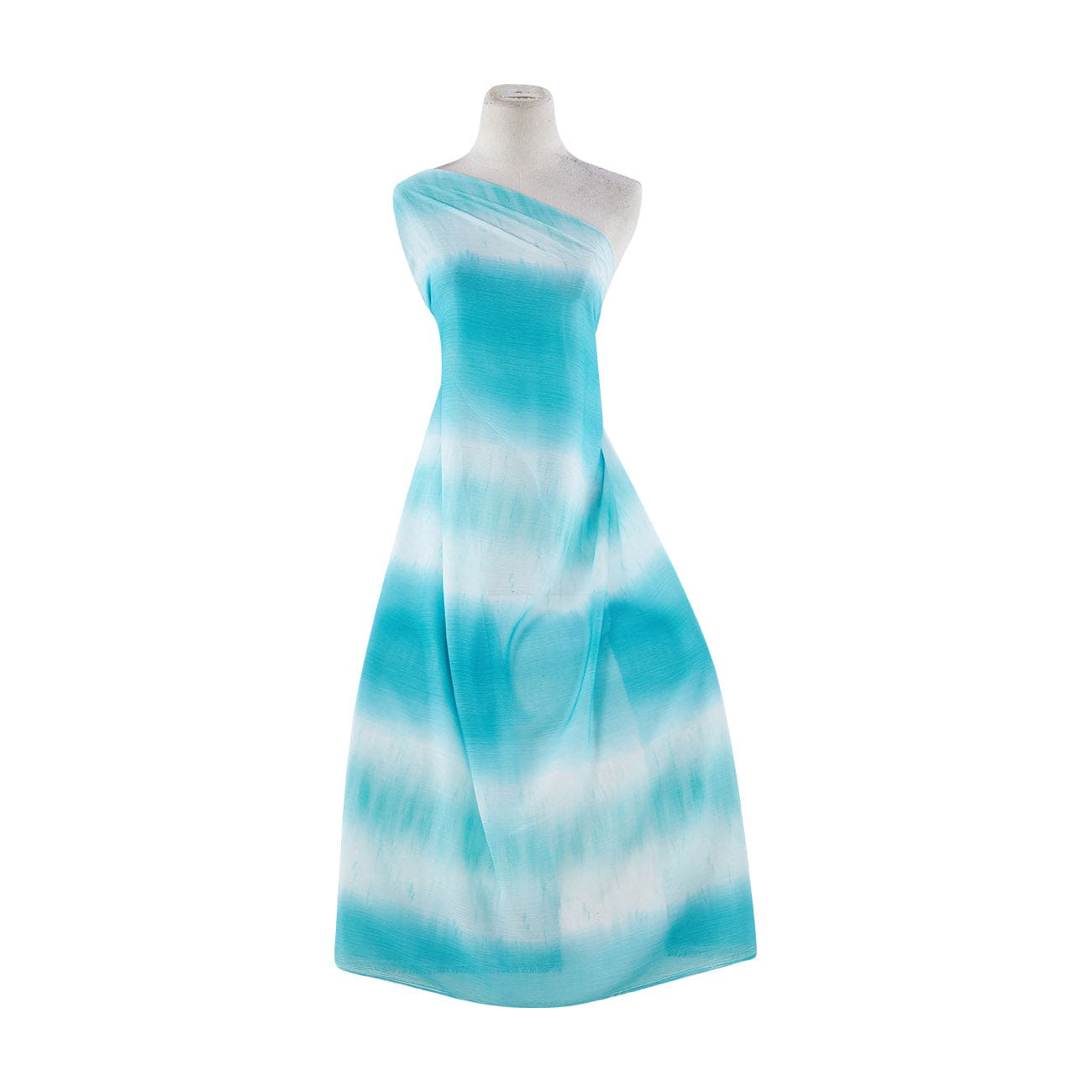
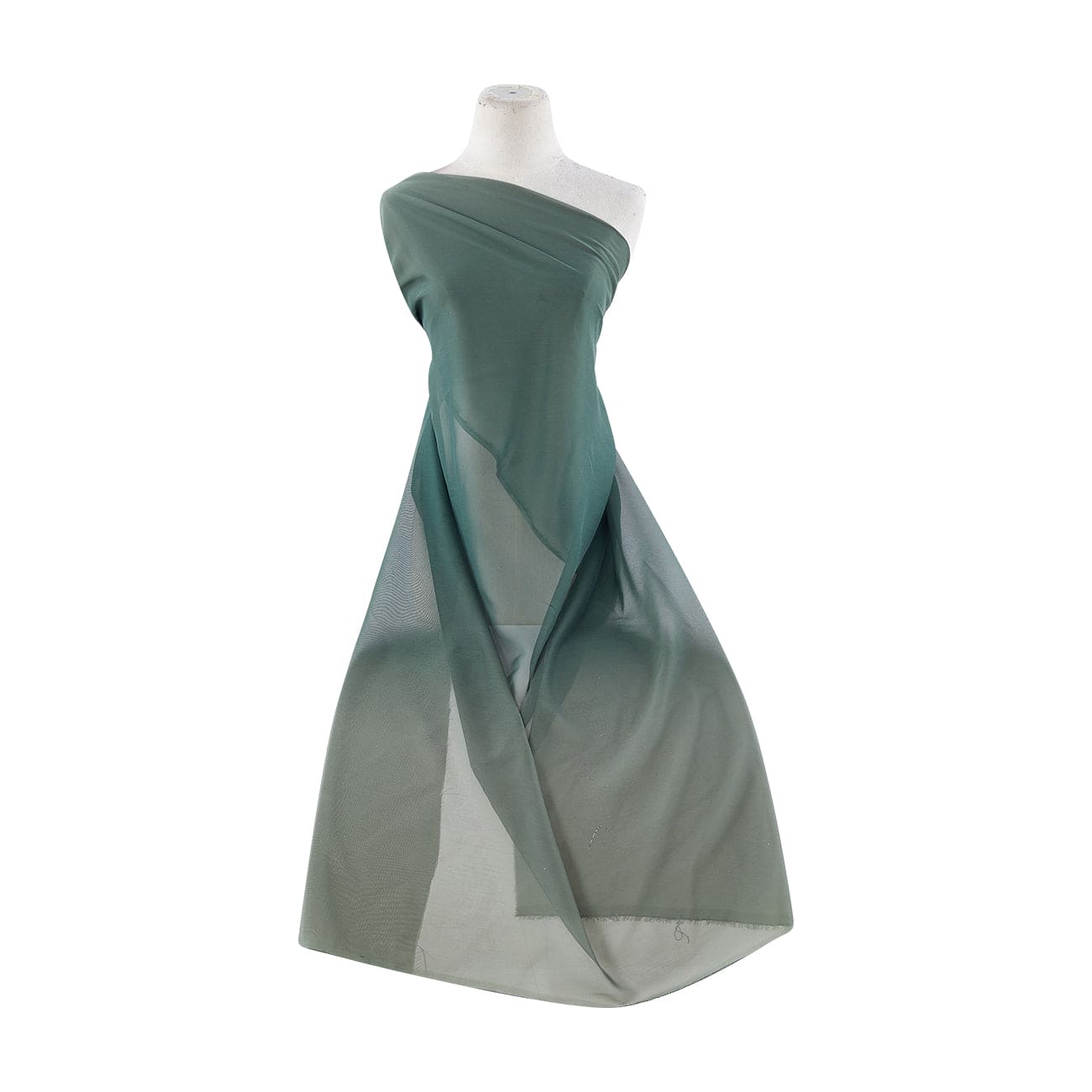
Warm gradient progressions — coral to gold, turquoise to aqua, sunrise orange to blush — translate naturally into resort and contemporary contexts where color and movement are the primary design tools. Ombre chiffon kaftans, wrap skirts, and wide-leg pants in warm or oceanic color progressions carry the visual richness of a complex design with the ease and wearability of simple construction. For nature-inspired gradient directions, combining ombre chiffon with green chiffon fabric in coordinating botanical tones creates layered, organic color stories that work beautifully in resort and contemporary collections.
Each gradient direction and color progression carries its own design personality and market positioning. For the full range of chiffon styles, weights, and finishes in solid colorways and surface treatments, explore our complete chiffon fabric collection.
Why Choose Ombre Chiffon
Ombre chiffon earns its place in the workroom because it delivers a level of visual complexity and design impact that would otherwise require significant construction skill, time, and material investment to achieve. A gradient that flows seamlessly from one color to another across an entire yard of fabric creates the kind of designed, considered aesthetic that positions a garment above its construction level — a simple gathered skirt in ombre chiffon reads as a designer piece; the same silhouette in a solid fabric requires additional embellishment or detail to achieve a comparable effect.
The chiffon base is uniquely suited to carrying ombre and gradient colorways. Its sheer, lightweight construction allows the color transition to read with full clarity — there is no opacity to muddy the gradient, and the fluid drape means the color progression moves and shifts as the fabric does, creating a dynamic, living quality that static swatches cannot fully communicate. Under event and stage lighting, ombre chiffon's gradient is amplified — light passing through the sheer fabric at different points in the transition creates subtle shifts in color intensity that make the gradient feel dimensional rather than flat.
Ombre chiffon also works exceptionally well in combination with other surface treatments and fabric types. Layered beneath embroidered chiffon fabric, a gradient base adds color depth to embroidered designs that would read as flat on a solid ground. Set alongside pleated chiffon fabric in coordinating tones, ombre chiffon creates a contrast between smooth gradient color and structured surface texture that reads as deliberate and sophisticated. Combined with stretch chiffon fabric for performance applications, the ombre effect animates with movement in a way that amplifies both the gradient and the choreography it accompanies.
Fabric Types and Use Cases
|
Fabric Type |
Best Used For |
|
Soft Ombre Hi-Multi Chiffon |
Bridal overlays, romantic occasion gowns, soft gradient sleeves |
|
Bold Ombre Cationic Chiffon |
Saturated color transitions, eveningwear, statement formal gowns |
|
Performance overlays, dance skirts, theatrical costuming |
|
|
Textured gradient overlays, dimensional formal and theatrical pieces |
|
|
Luxury occasion wear, embellished formal gowns, bespoke bridal |
|
|
Warm-Tone Ombre Chiffon |
Resort wear, sunset-inspired designs, vacation and occasion dressing |
|
Cool-Tone Ombre Chiffon |
Ocean-inspired designs, theatrical costuming, contemporary evening |
|
Botanical designs, nature-inspired costuming, resort collections |
|
|
Neutral Ombre Chiffon |
Bridal, occasion, and contemporary designs in ivory, blush, and champagne |
Each ombre construction and color direction brings a different mood and design application. Soft neutral progressions suit bridal and occasion markets; bold jewel-tone transitions suit evening and theatrical contexts; warm gradient progressions work naturally in resort and contemporary categories; stretch ombre constructions add performance capability to gradient designs that need to move with the body.
How to Choose the Right Ombre Chiffon
Selecting the right ombre chiffon comes down to color direction, gradient scale, fabric weight, and how the transition will be oriented within the finished design.
Color Direction and Progression
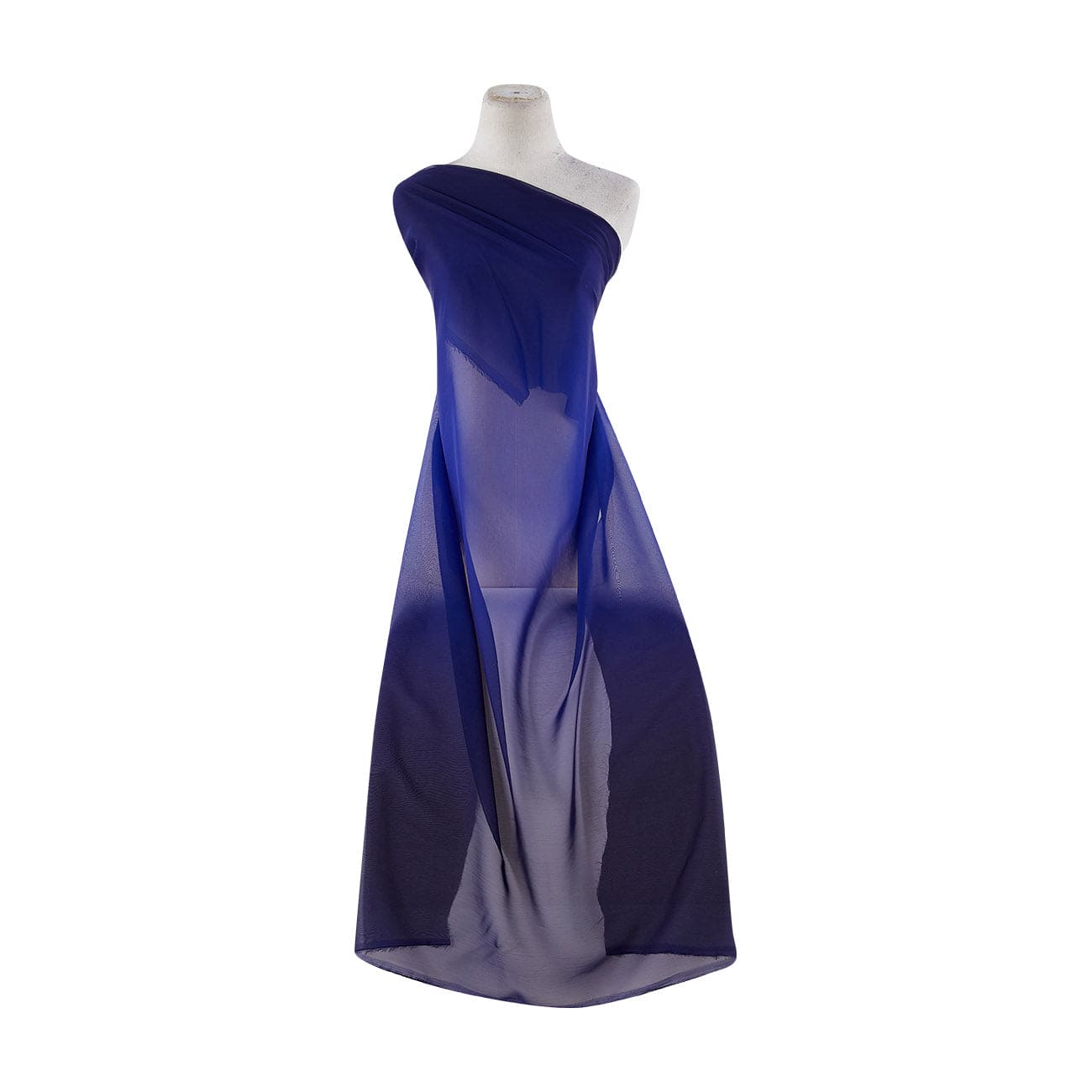
The color family and direction of the gradient determines the overall mood and market positioning of the design more than any other element. Neutral progressions — blush to ivory, champagne to white, taupe to cream — read as romantic, bridal-adjacent, and accessible across markets. Jewel-tone progressions — sapphire to navy, teal to midnight, mauve to plum — create immediate evening and formal impact. Warm progressions — coral to gold, rose to amber, peach to ivory — suit resort and contemporary contexts. Cool progressions — sky blue to navy, mint to teal, lavender to violet — work naturally in theatrical, performance, and contemporary formal applications. Consider how the gradient interacts with green chiffon fabric or other solid chiffon layers when building a multi-fabric design — the transition color at each end of the gradient determines which solid fabrics coordinate naturally.
Gradient Scale and Transition Speed
Some ombre chiffons transition gradually across a full yard or more of fabric, creating a slow, subtle color shift that reads as almost tonal in shorter garment lengths. Others transition more rapidly, completing the full gradient within a shorter yardage. Understanding the gradient scale before cutting is essential — for a maxi gown where the full gradient needs to read from bodice to hem, a slow-transition ombre requires significantly more yardage than a rapid-transition version. Always review how the gradient reads across the full length of fabric before cutting pattern pieces.
Gradient Orientation in Cutting
The direction in which you cut ombre chiffon relative to the gradient determines how the color transition reads in the finished garment. Cutting with the gradient running vertically from top to bottom of a skirt panel creates an elongating color story. Cutting horizontally creates bands of color that read as wider and more voluminous. Cutting on the bias creates a diagonal gradient that moves differently in both construction and wear. Plan your cutting layout carefully before committing, and cut all panels in the same orientation to maintain a consistent gradient direction across the finished garment.
Surface and Texture Combinations
For designs that call for both gradient color and surface dimension, pleated chiffon fabric in coordinating solid tones alongside ombre chiffon creates a contrast between smooth gradient color and structured surface texture. For luxury occasion and bridal designs, layering embroidered chiffon fabric above an ombre chiffon base adds embellishment depth to the gradient — the embroidery reads differently across the color transition, creating a design where every section of the garment has its own character.
Performance and Stretch Applications
For ombre chiffon designs intended for dance, stage, or any performance context, stretch chiffon fabric in the closest available solid colors to the ombre's transition endpoints makes an ideal companion fabric for underlayers and structural sections. The compatible drape and hand of stretch chiffon alongside ombre woven chiffon creates a cohesive aesthetic across the full costume while ensuring the performance sections of the garment move freely with the performer.
Sewing and Construction Tips
Use a fine microtex needle (size 60/8 or 70/10) and reduce presser foot pressure to maintain clean seams without puckering. Cut all pattern pieces in a single layer to control the gradient orientation precisely — never fold ombre chiffon for double-layer cutting, as the gradient will not align symmetrically across the fold. Use pattern weights rather than pins where possible to keep the fabric stable during cutting. Finish raw edges with a French seam, rolled hem, or serger. Press from the wrong side on a low heat setting or use a steamer, and avoid direct iron contact with the fabric surface, which can dull or distort the gradient colorway.
Mixing Fabric Styles
Ombre chiffon pairs naturally with the full range of Zelouf fabrics and works particularly well in multi-fabric designs where the gradient anchors the color story and other fabrics build around it. Combine it with satin or charmeuse in a color that matches one end of the gradient — a champagne satin lining beneath a blush-to-ivory ombre chiffon creates a cohesive, tonal layering where the gradient reads above a consistent warm base. Layer it over crepe or ponte in a matching solid for structured mixed-fabric designs where the ombre chiffon provides a fluid, colorful counterpoint to a stable base.
For surface texture and dimension, pair ombre chiffon with pleated chiffon fabric in a solid tone that coordinates with one end of the gradient — the contrast between the smooth color transition and the structured pleated surface creates visual and textural complexity that suits formal, theatrical, and high-fashion applications. For luxury occasion and bridal designs, layer embroidered chiffon fabric above an ombre chiffon base — the embroidery shifts in appearance as it crosses the gradient, reading differently in the lighter sections than in the deeper tones and creating a garment where the design rewards close inspection as much as it makes an impact from a distance.
For nature and botanical-inspired collections, coordinate ombre chiffon in warm or cool green progressions with green chiffon fabric in solid coordinating tones — mint to sage ombre alongside solid sage chiffon creates a layered, organic color story that suits resort, contemporary, and theatrical design contexts equally. For performance and dance applications, stretch chiffon fabric in coordinating solid colors alongside ombre chiffon overlay panels creates costumes that are as practical in performance as they are visually striking from the audience.
Order free swatches to experience the gradient, hand, and drape firsthand. Every ombre chiffon style is available by the yard and ready to ship, so you can design, sample, and produce without delay.
Frequently Asked Questions
How do I cut ombre chiffon to make the gradient read correctly in a finished garment?
Plan your cutting layout before making any cuts and always work in a single layer so you can see exactly how the gradient is oriented in each pattern piece. Mark the direction of the gradient on each cut piece immediately after cutting so orientation is not lost during construction. For symmetrical garments, mirror your pattern pieces carefully so the gradient reads consistently across both sides of the finished design.
How much extra yardage do I need for ombre chiffon compared to solid chiffon?
The additional yardage required depends on the gradient scale of the specific fabric and the length of the finished garment. For a slow-transition ombre where the full color shift occurs over two or more yards, a floor-length gown may require significantly more yardage than the same silhouette in a solid fabric to ensure the full gradient reads from top to bottom. Always review the gradient scale across the full bolt before calculating yardage, and add a minimum of one extra yard as a planning buffer.
Can I use ombre chiffon for a garment that requires multiple panels?
Yes, but consistency of gradient orientation across panels requires careful planning. Cut all panels in the same direction relative to the gradient and, where possible, cut adjacent panels from the same continuous length of fabric so the color transition is at the same point across all pieces. For tiered skirts and multi-panel designs, decide in advance whether you want the gradient to restart with each tier or continue progressively — both are valid design decisions, but they require different cutting strategies.
Does ombre chiffon work for non-garment applications?
Absolutely. Ombre chiffon works beautifully for event draping, wedding backdrops, ceiling installations, and table runners where the gradient creates a color story across a space rather than a silhouette. A backdrop that transitions from pale blush to deep rose, or from ivory to champagne, creates a sophisticated event environment that flat-color draping cannot match. The lightweight nature of chiffon makes large-scale installation practical without the weight concerns of heavier gradient fabrics.
How do I care for ombre chiffon fabric?
Most polyester ombre chiffon can be gently hand washed in cool water with a mild detergent, then dried flat or hung to dry away from direct sunlight. Avoid high heat in washing or drying, which can cause the gradient colors to shift or the fabric to distort. Dry cleaning is always the safest option for finished garments, particularly those with complex construction, embellishment, or multiple fabric combinations.