
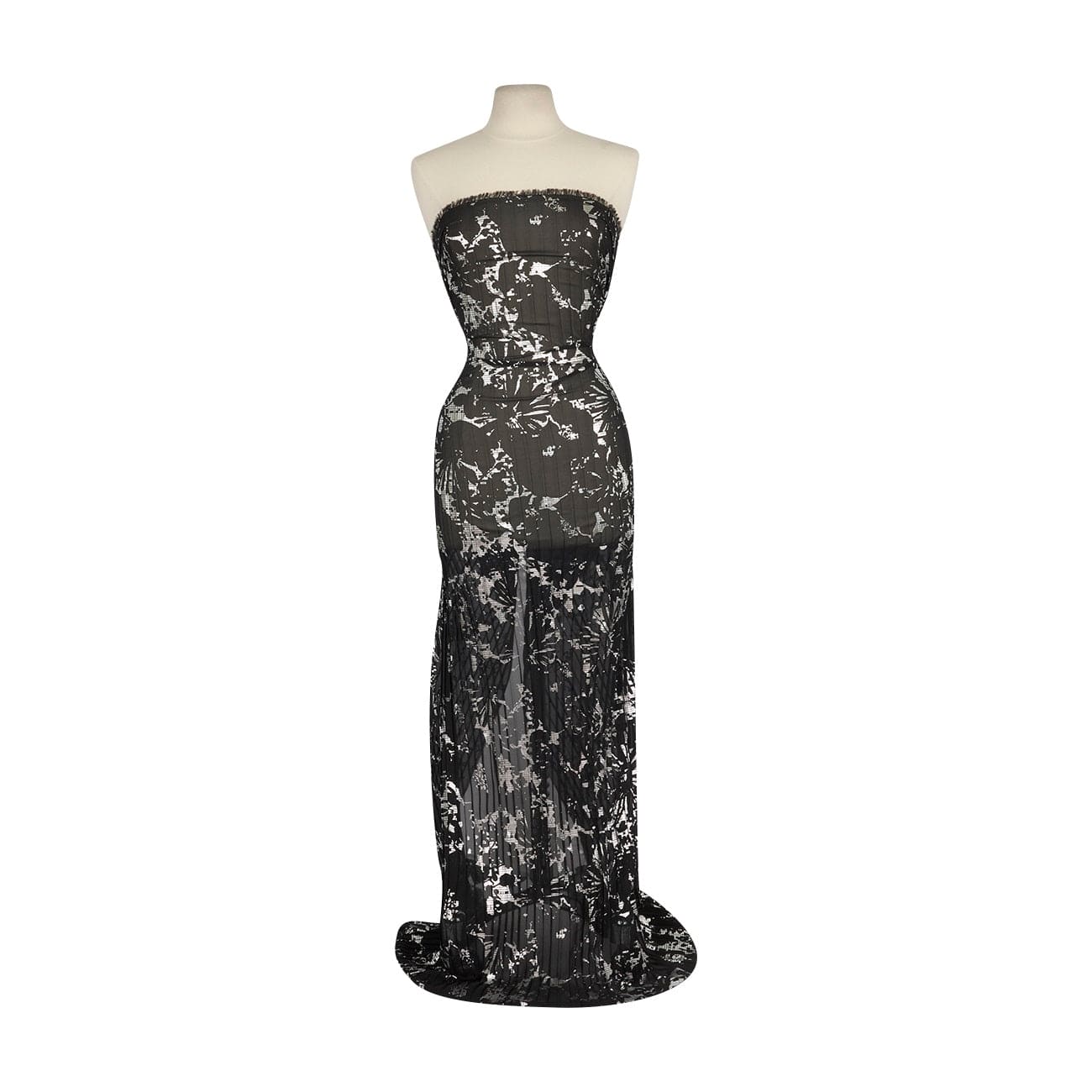
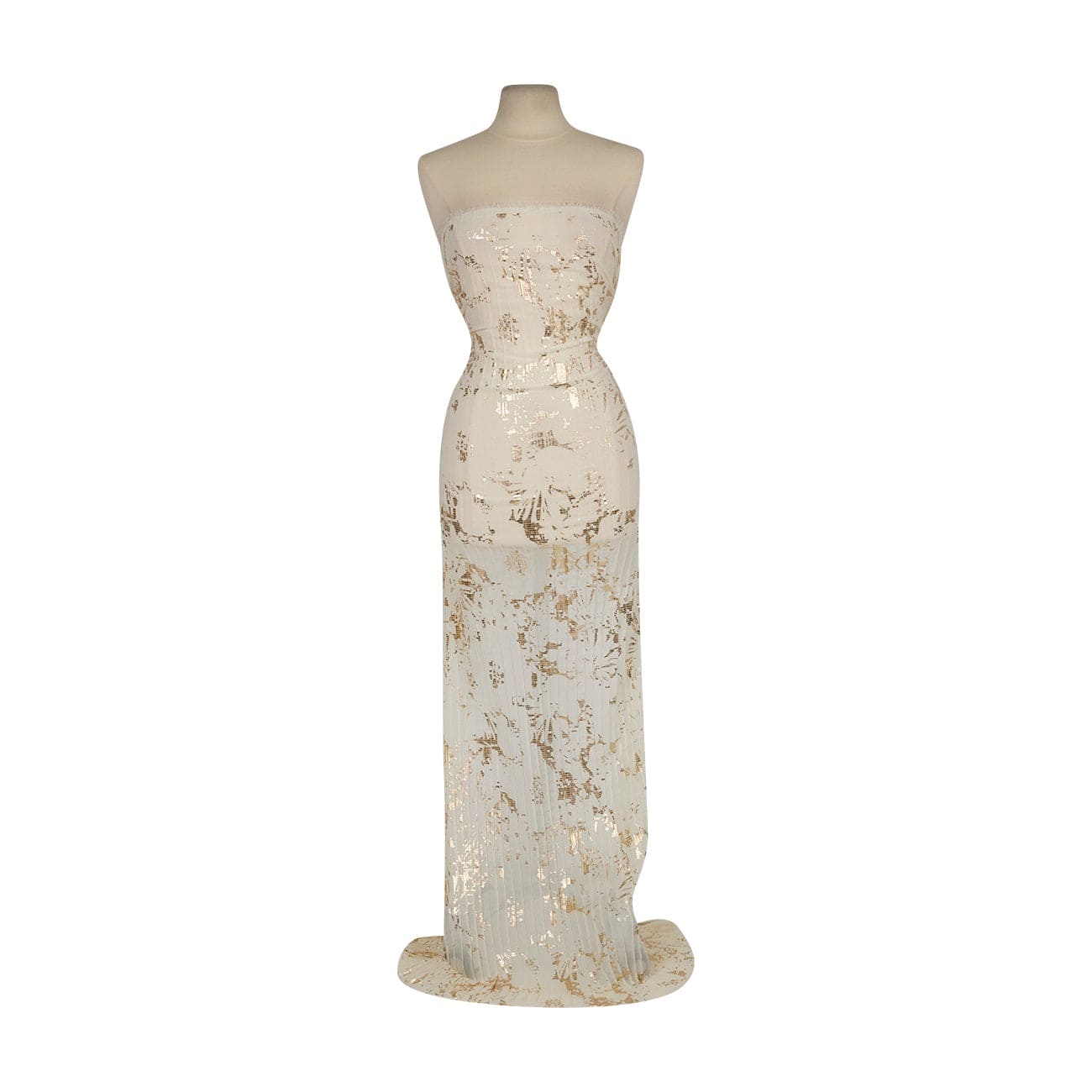
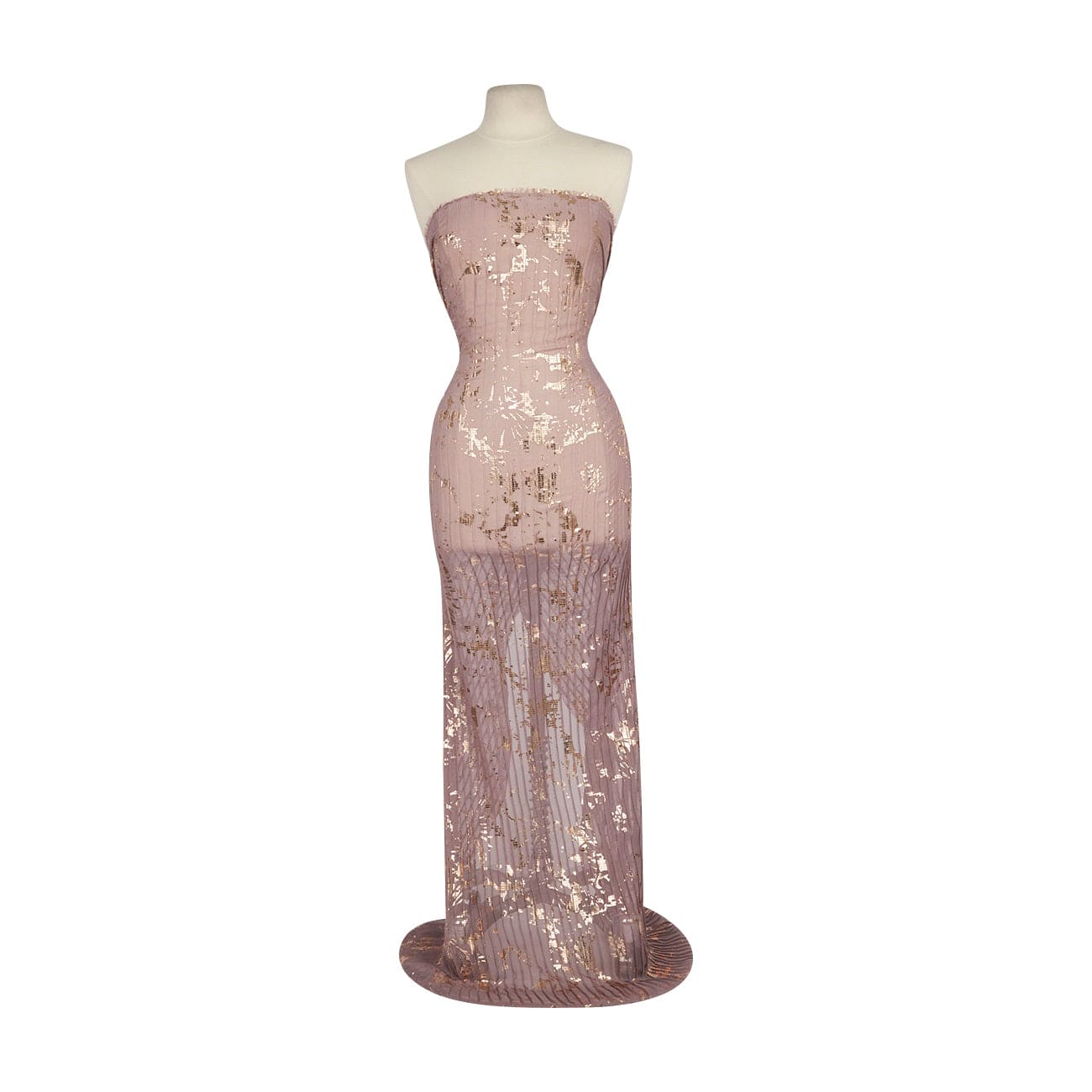
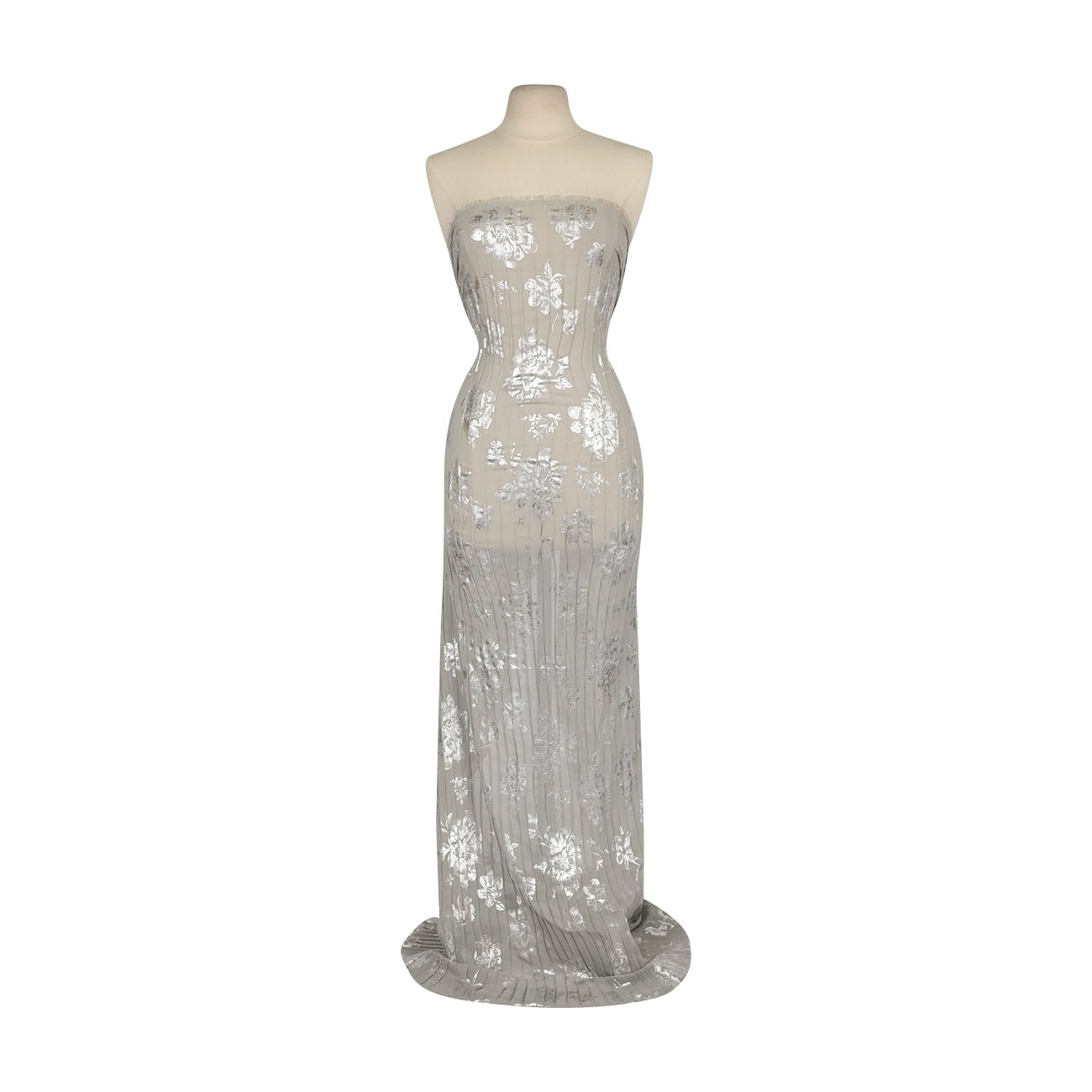


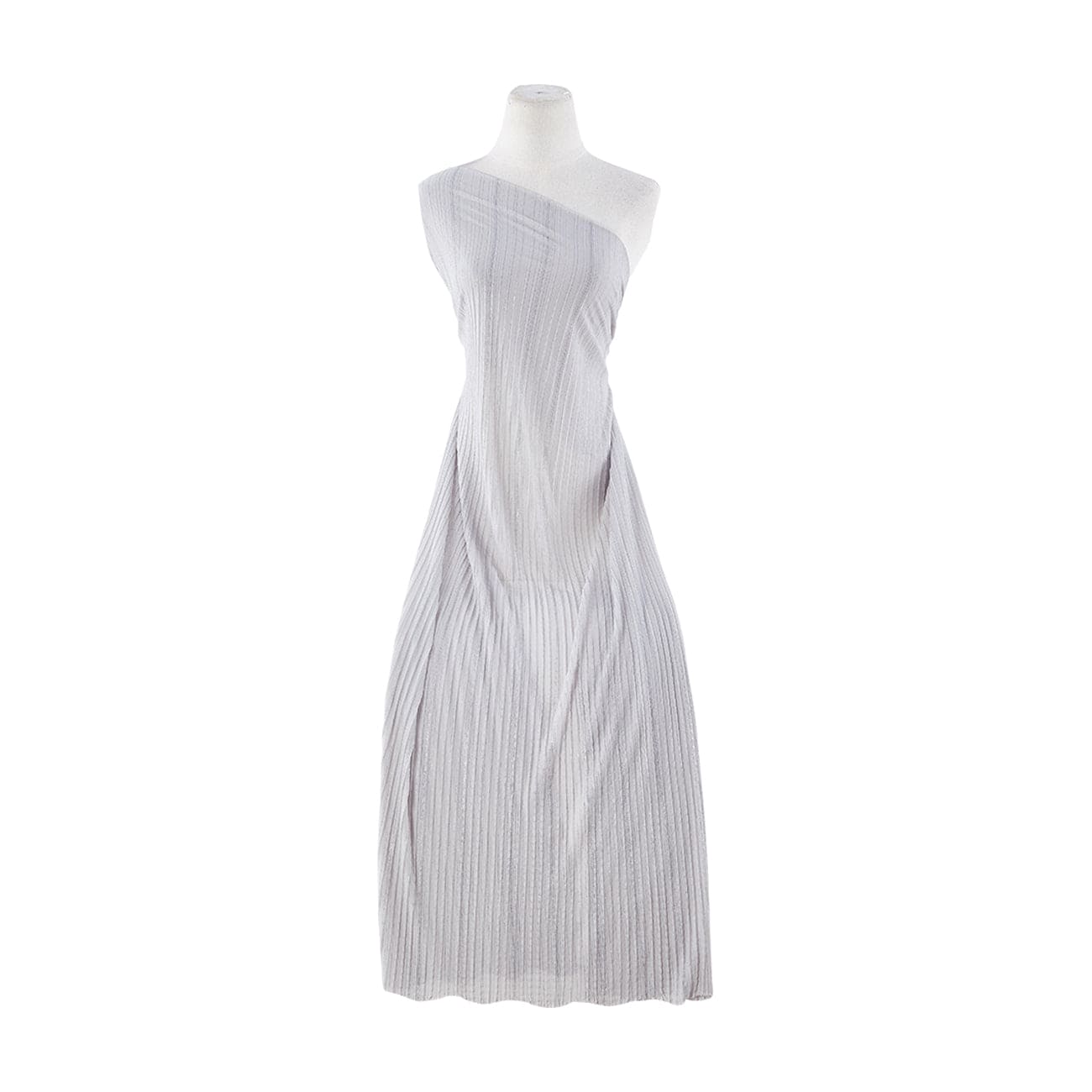
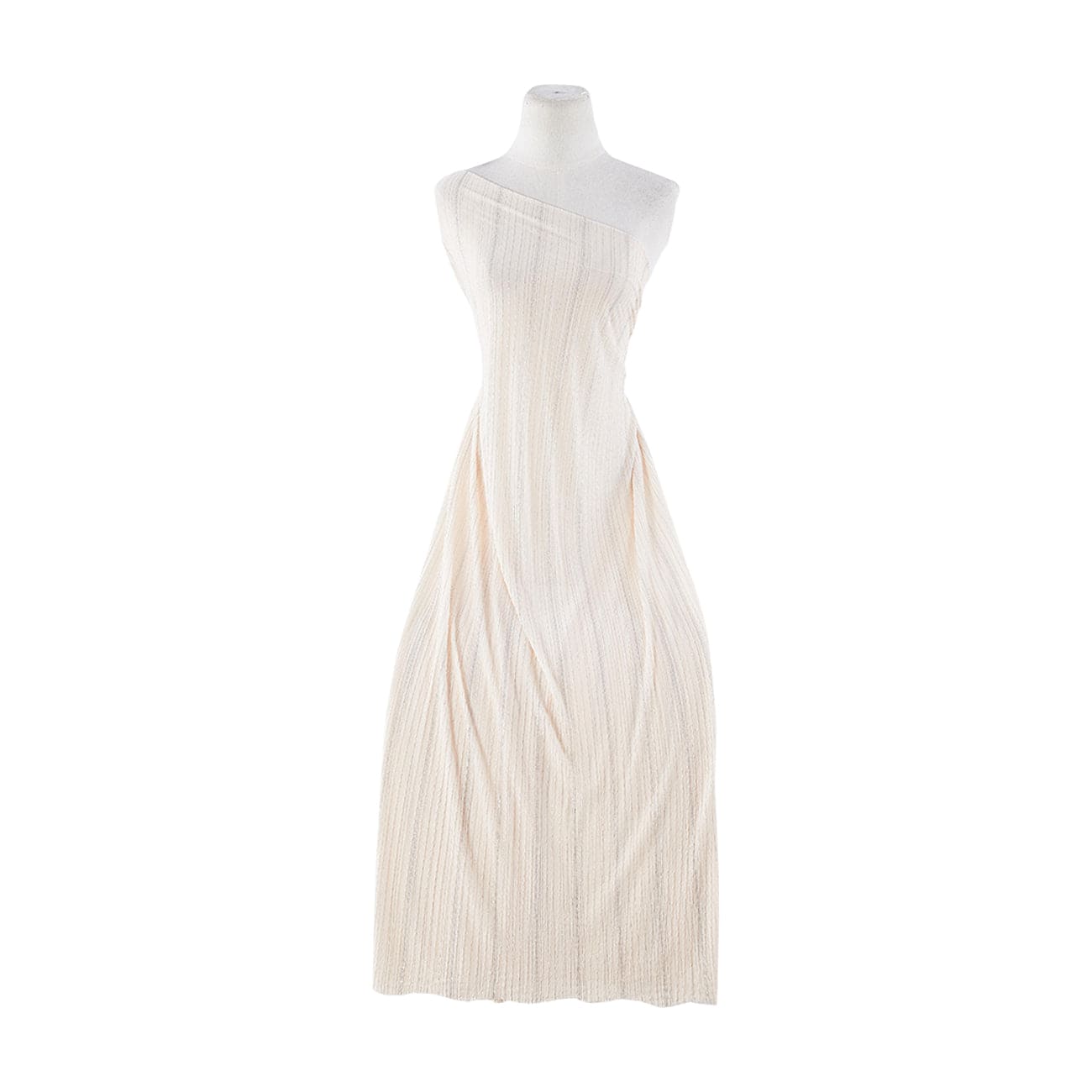
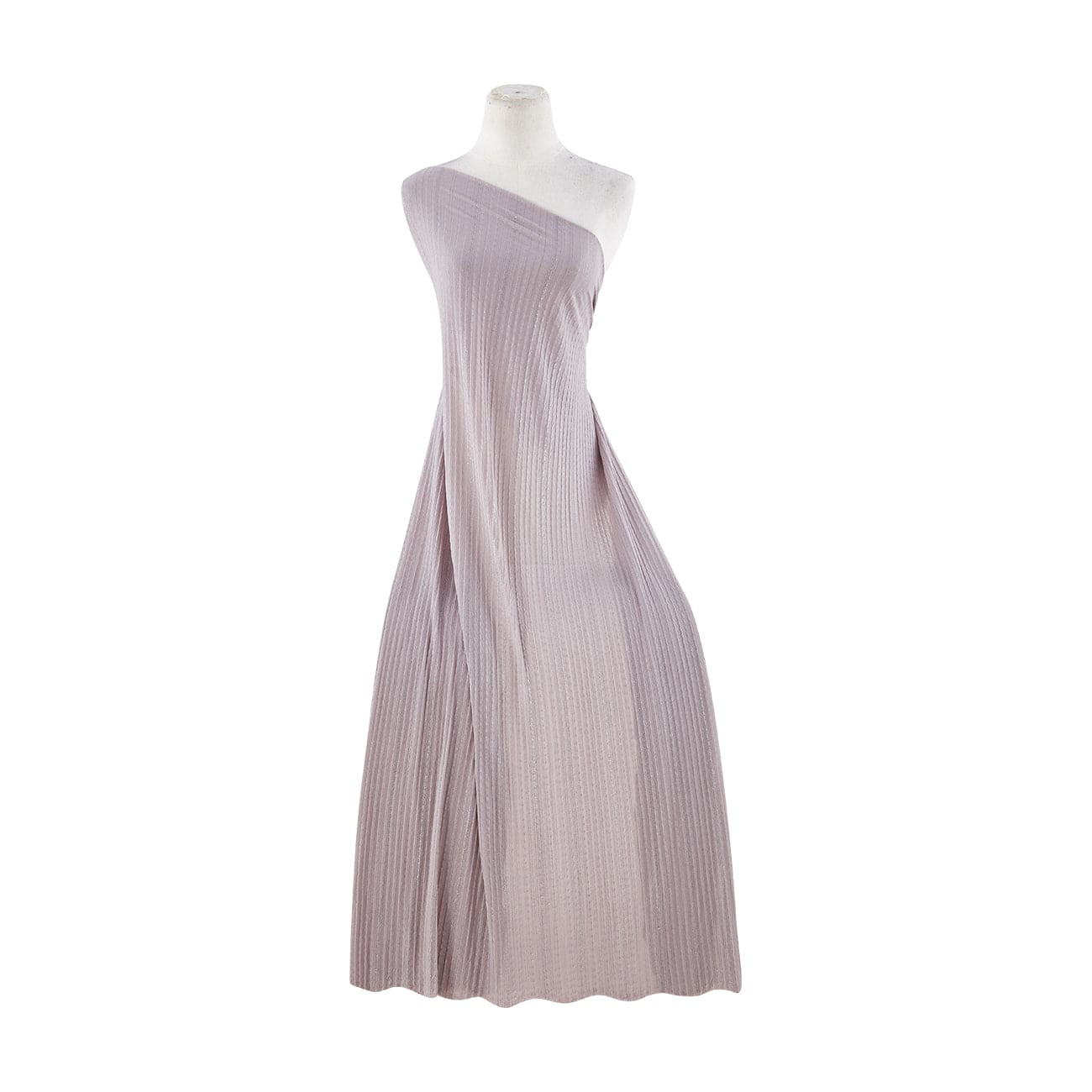
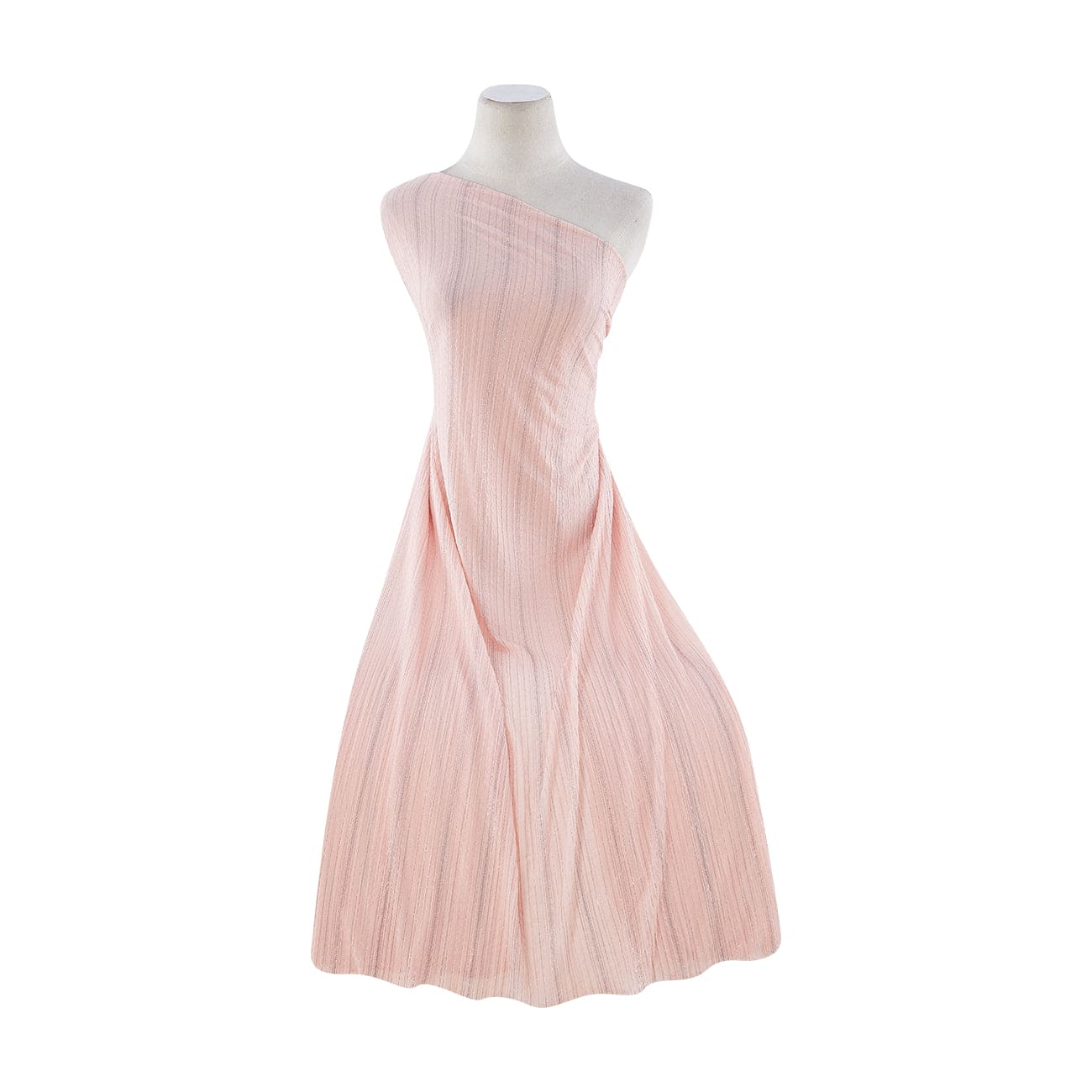
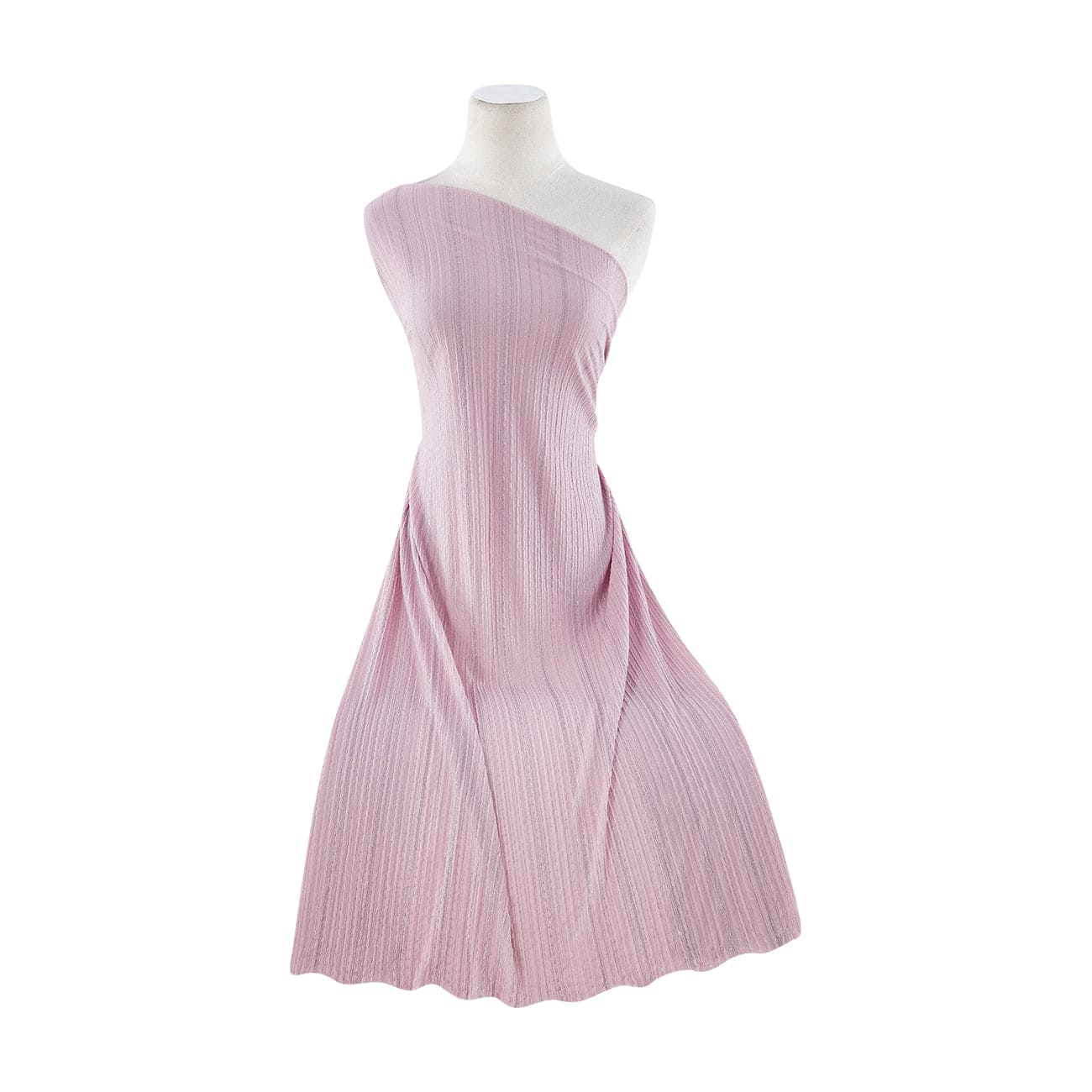
How to Use Pleated Chiffon Fabric in Fashion Design
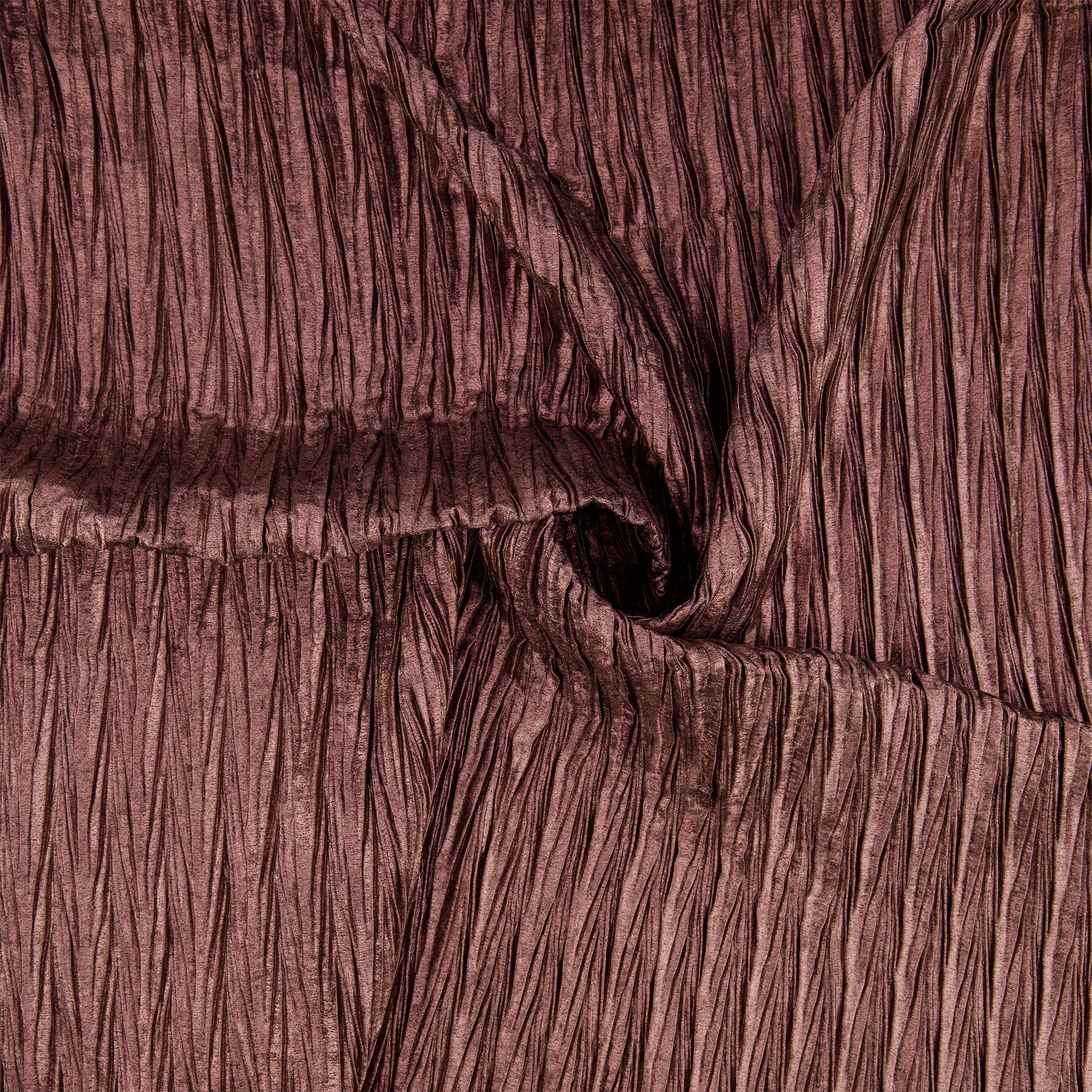
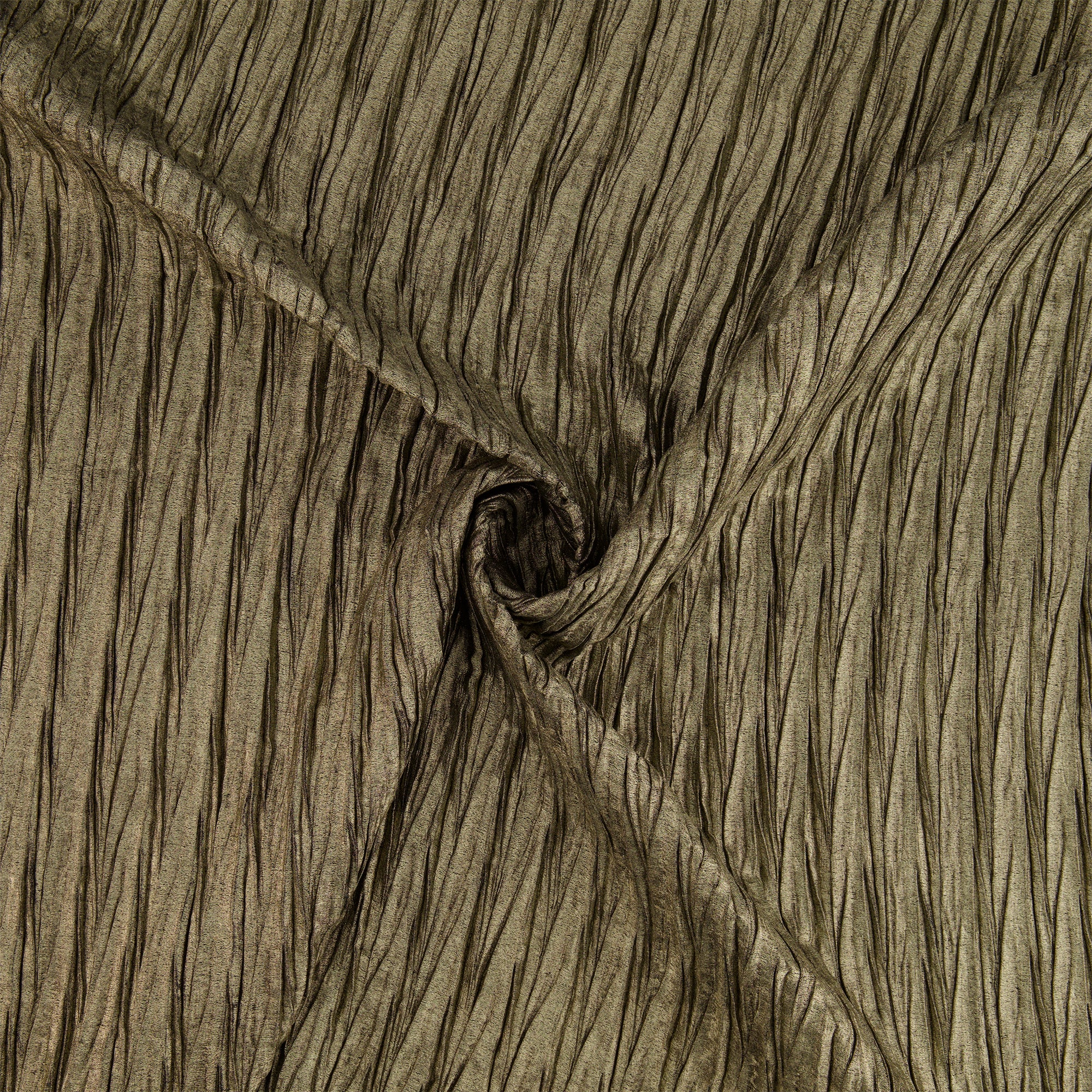
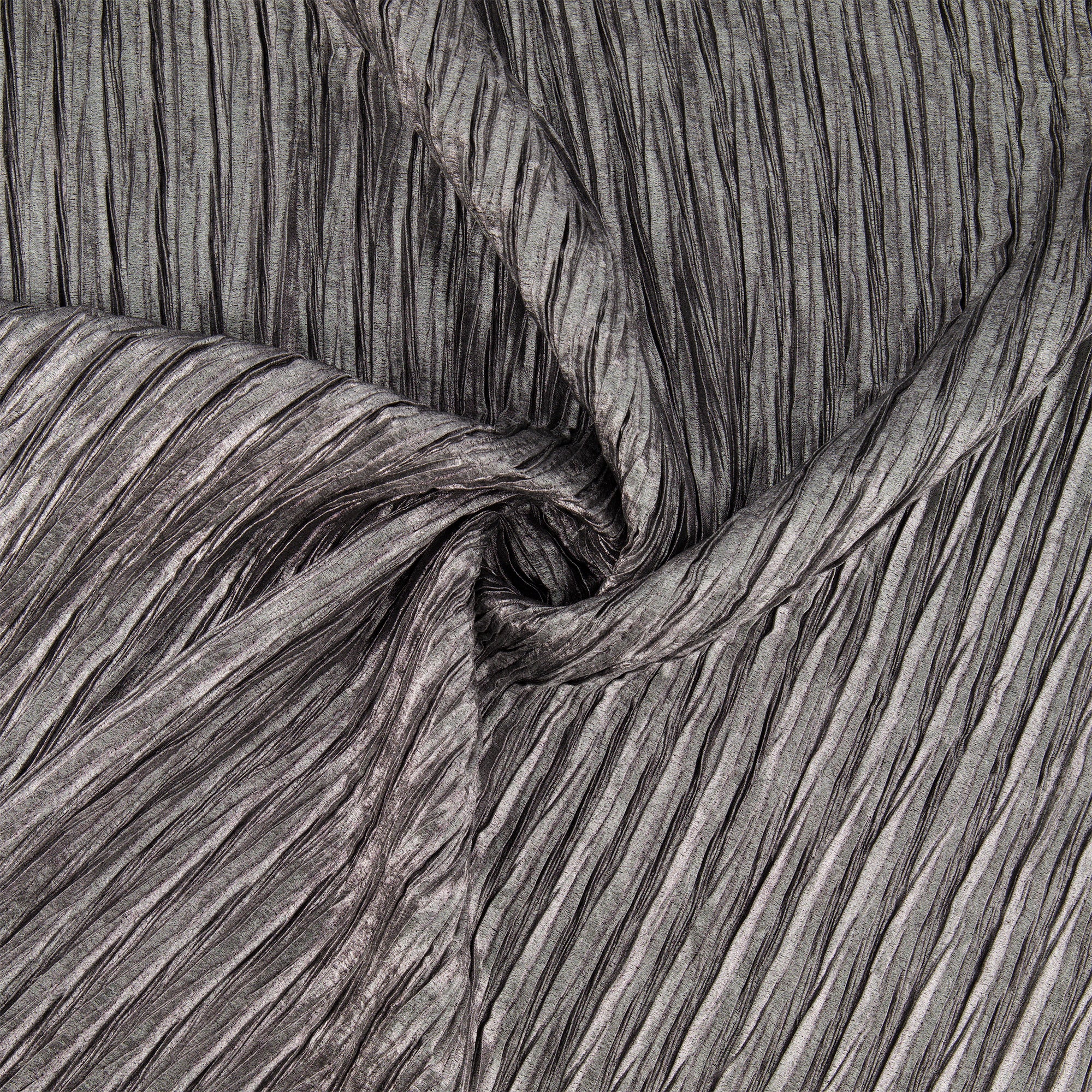
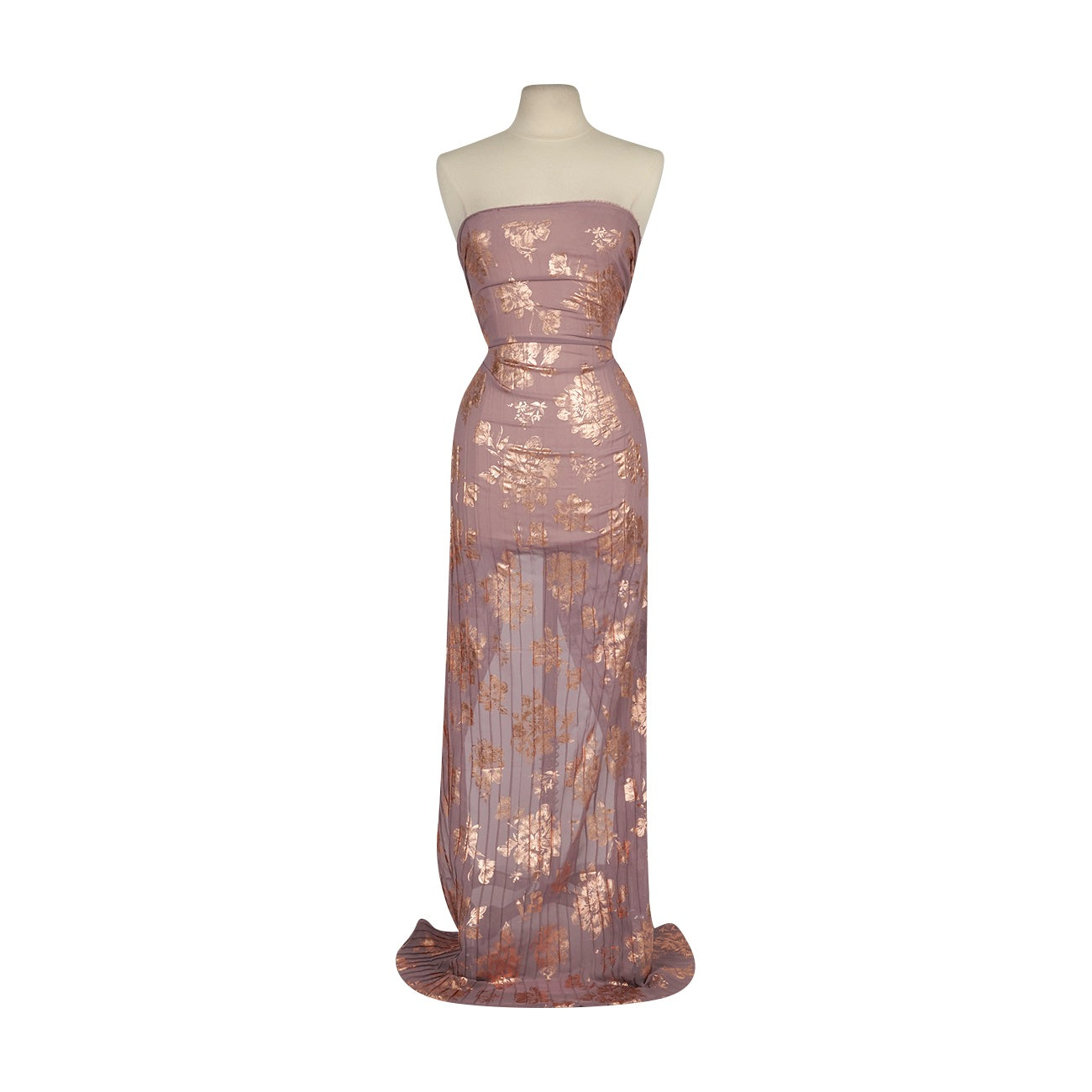
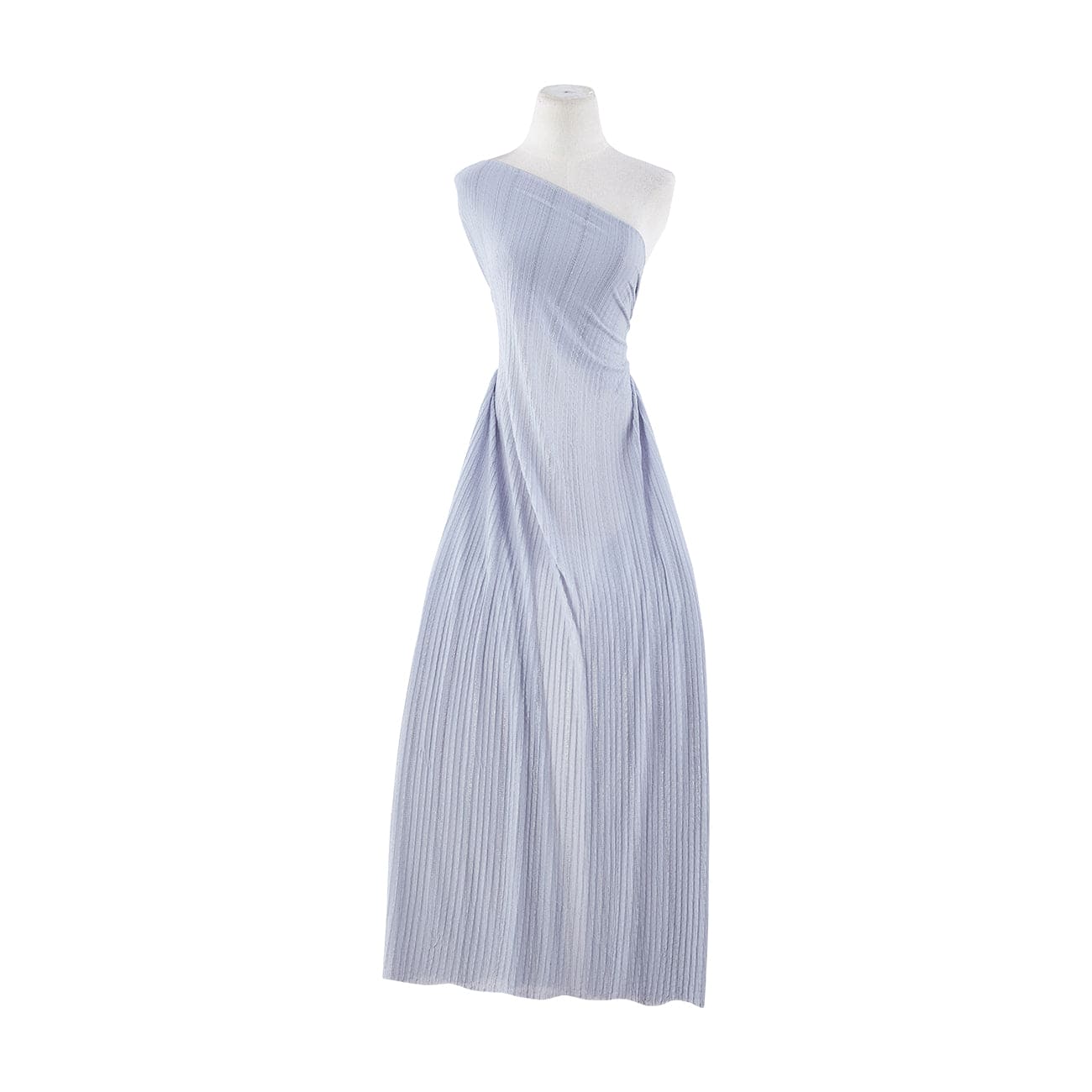
Pleated chiffon occupies a unique position in the chiffon family — it offers the same sheer, lightweight quality as plain chiffon while adding a surface character that makes it as visually interesting as embellished or printed alternatives. The pleats do design work independently, creating movement, texture, and light interaction that plain fabric requires additional elements to achieve. The key lies in understanding how the pleat structure behaves in construction and wear, and choosing the right pleat scale and density for the demands of your design.
Evening Gowns and Formal Wear
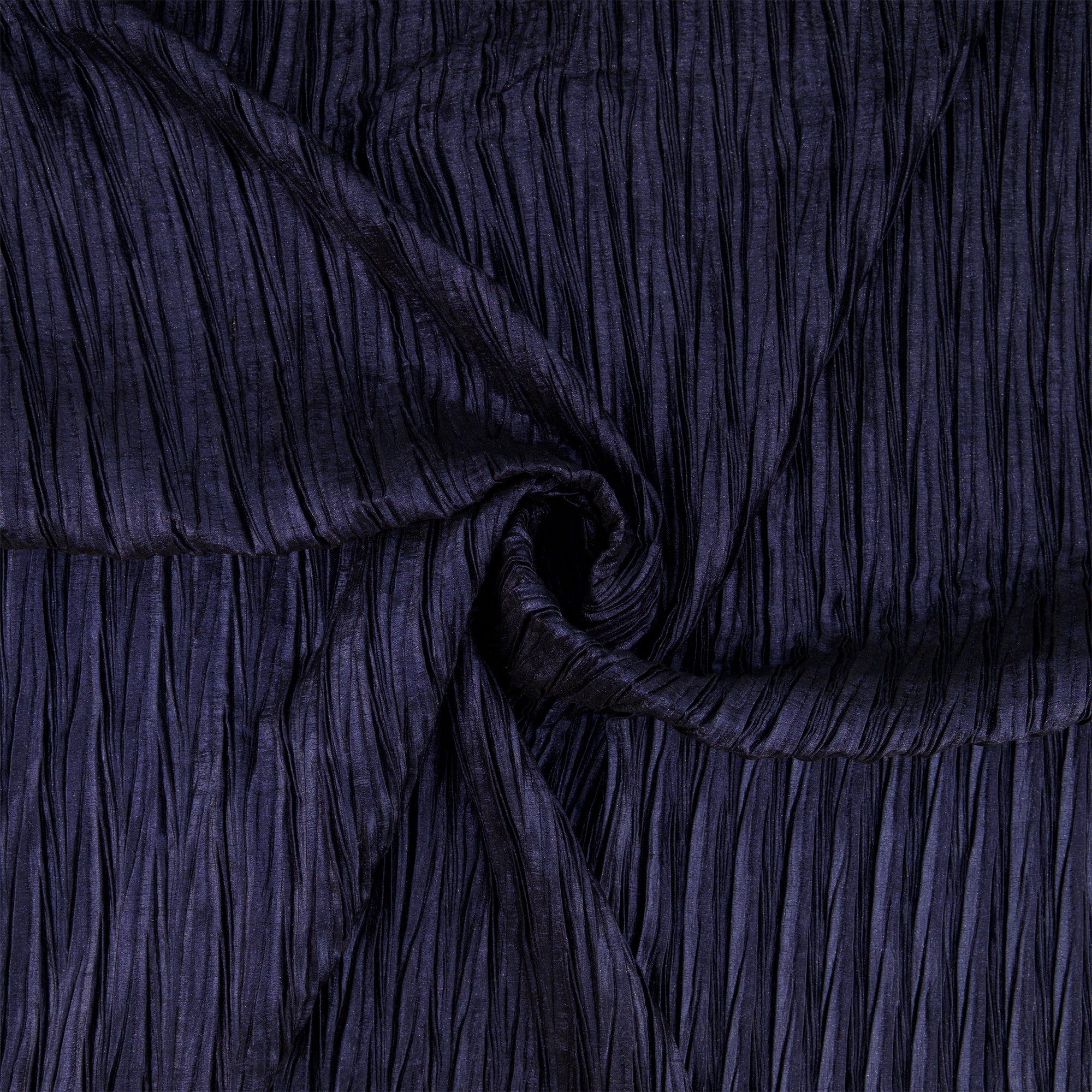
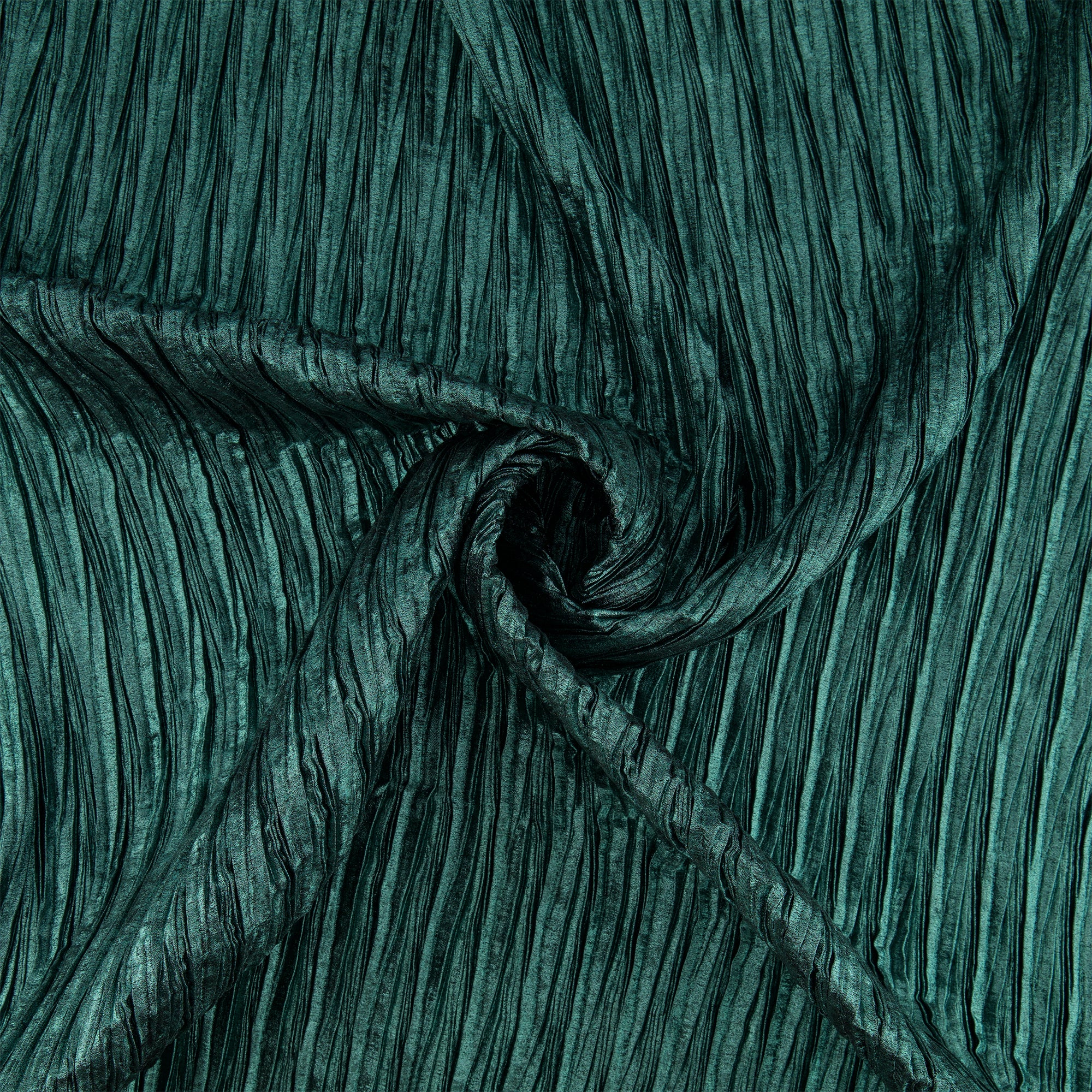
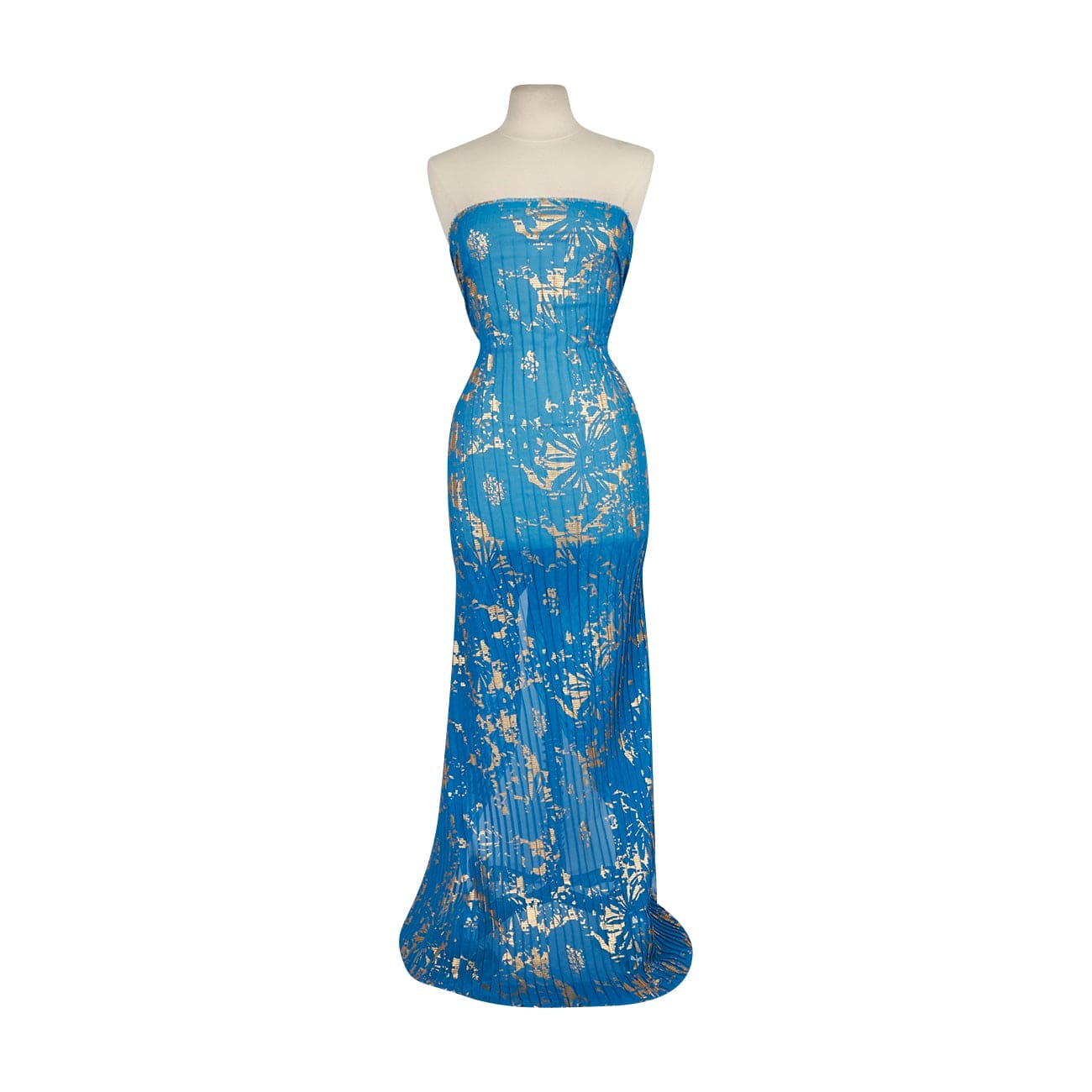
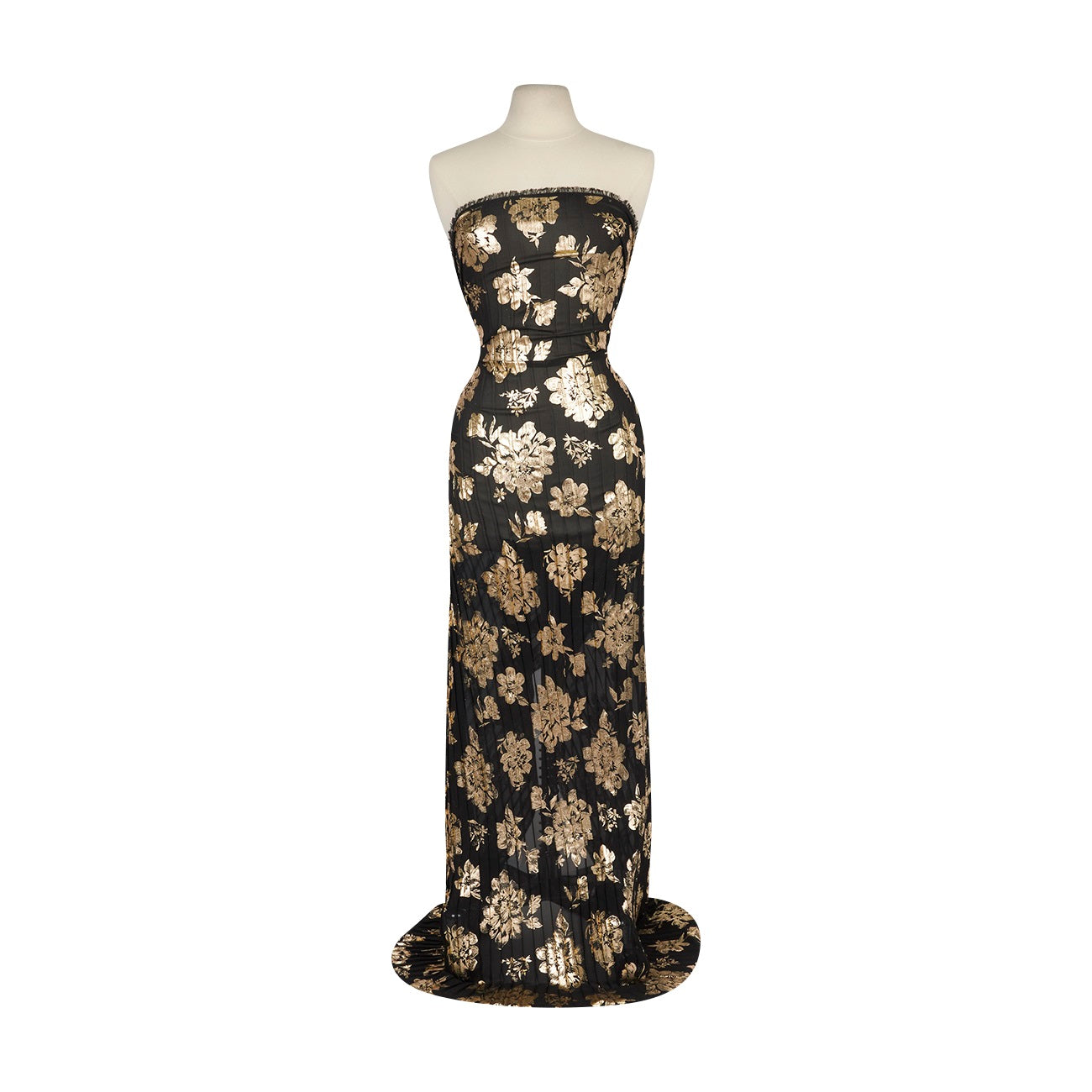
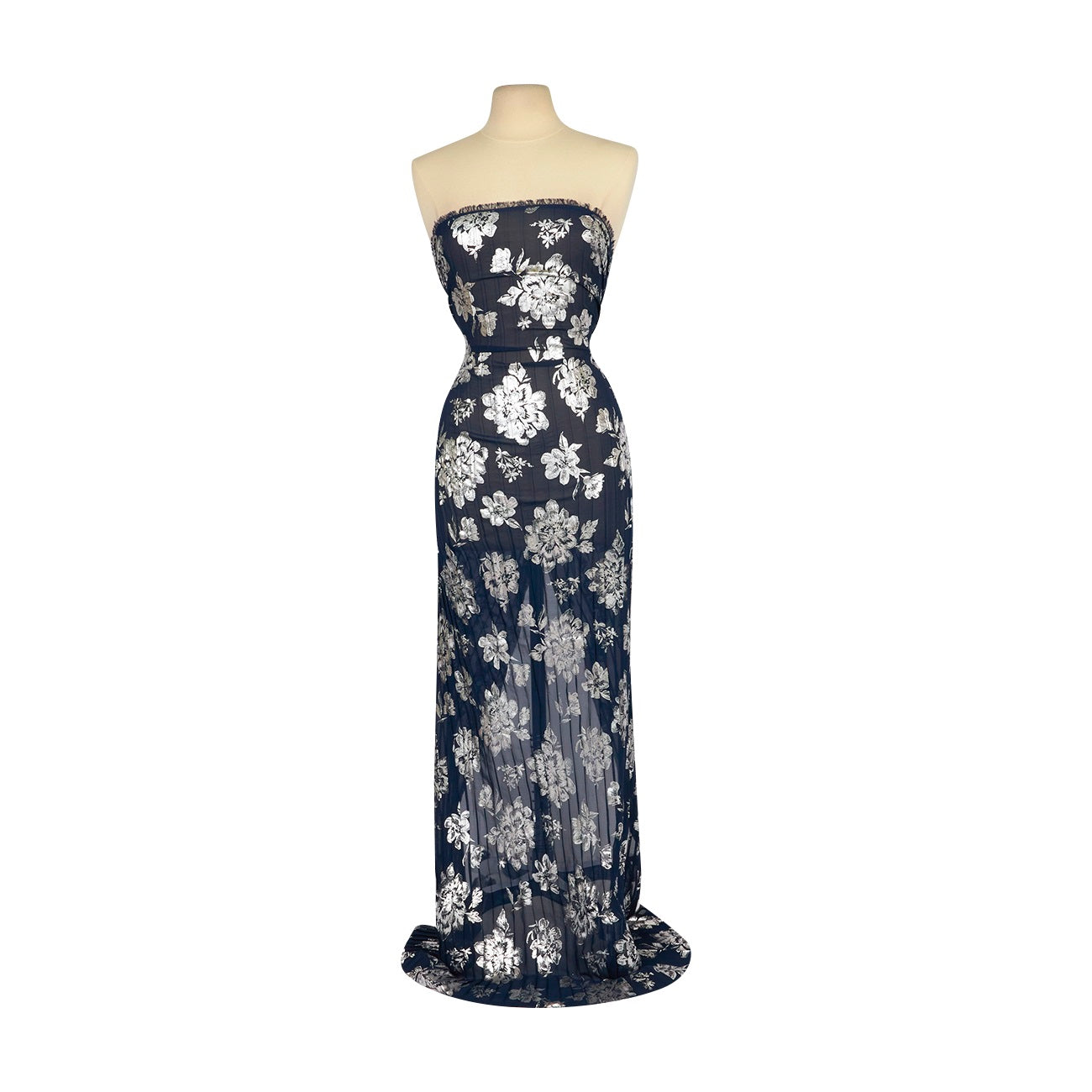
Pleated chiffon in deep, saturated colorways — midnight navy, emerald, burgundy, black — creates evening garments of immediate sophistication. The pleated surface catches event lighting differently at every angle, creating a constantly shifting, dimensional appearance that flat chiffon cannot approach. A column gown or A-line skirt in pleated chiffon reads as complete and considered without requiring additional embellishment — the surface texture itself provides the visual interest that beading or sequins would otherwise supply. For gradient color effects alongside pleated texture, pair with ombre chiffon fabric — the combination of gradient color and structured surface creates a design with both visual depth and physical dimension.
Skirts and Overlays
Pleated chiffon skirts and overlay panels are among the most commercially successful applications of the fabric — the pleated surface creates volume and movement without the bulk of gathered or ruffled construction, and the compressed folds allow generous visual fullness from relatively modest yardage. Tiered pleated chiffon skirts read as both structured and fluid simultaneously, a combination that works across occasion, contemporary, and editorial markets. As an overlay above a solid base, pleated chiffon adds a layer of texture and dimension that plain chiffon overlays cannot achieve.
Blouses and Tops
Pleated chiffon blouses and tops carry a polished, considered quality that plain chiffon occasionally lacks — the surface texture reads as deliberate and designed, giving even simple constructions an elevated appearance. Pleated chiffon works particularly well for front panels, yokes, and sleeves where the texture is positioned as a focal point rather than distributed evenly across the entire garment. A plain crepe or satin blouse body with pleated chiffon sleeves creates a sophisticated contrast of flat versus textured surface within a single, cohesive design.
Theatrical and Performance Costuming
Pleated chiffon has a natural home in theatrical and performance design, where its ability to create visual interest from a distance — the compressed folds catching stage lighting in constantly shifting patterns — makes it more effective than plain chiffon for costumes that need to read clearly and dynamically from the audience. For nature and elemental-inspired productions, pleated chiffon in coordinating tones with green chiffon fabric creates layered, organic textures that suggest botanical structure — leaf surfaces, tree bark, forest canopy — in a way that flat fabric cannot. For fire and warmth-inspired theatrical work, set pleated chiffon against red chiffon fabric panels to create a contrast between structured texture and fluid solid color that animates dynamically under stage lighting.
Scarves and Draped Accessories
Pleated chiffon scarves and stoles carry their surface texture through every fold and drape of the accessory, creating a richness and complexity that plain chiffon scarves cannot match. The compressed pleats mean that even a relatively narrow scarf has visual presence and weight of appearance, and the texture catches light as the accessory moves — making pleated chiffon a strong choice for accessories designed to be noticed and appreciated in motion as much as in stillness.
Occasion and Bridal Wear
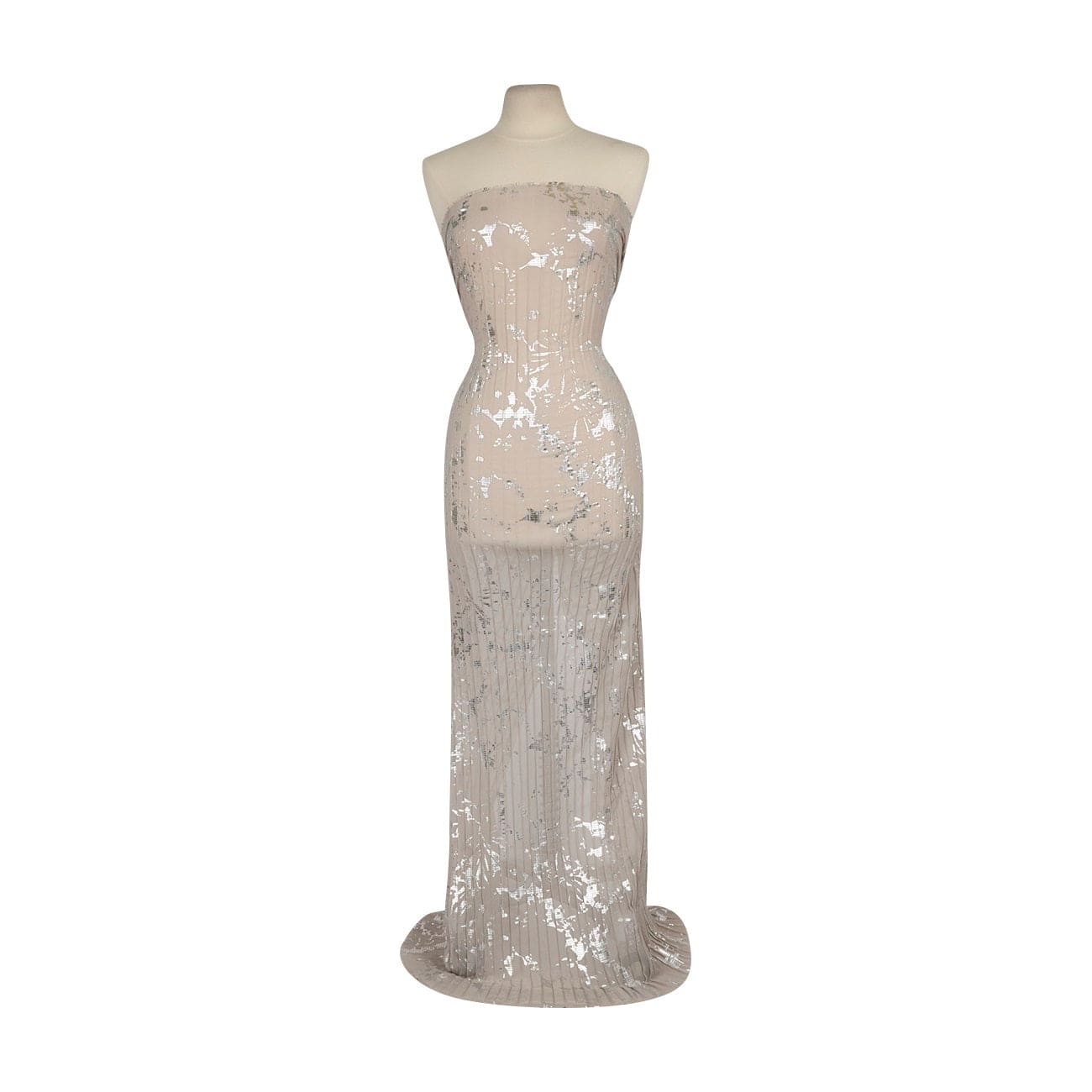
In bridal and occasion contexts, pleated chiffon adds texture and dimension to silhouettes that might otherwise rely entirely on embellishment for their surface interest. An unembellished pleated chiffon bridal gown reads as architectural and contemporary — a strong choice for the bride who wants fabric quality and structural interest over traditional lace or beading. For occasion dressing where pleated texture is combined with surface embellishment, layering embroidered chiffon fabric panels alongside pleated chiffon sections creates a rich, multi-textural design where the two surface treatments complement rather than compete.
Each pleat style and scale carries its own design personality — fine, densely packed pleats read as almost fabric-like in their uniformity and suit refined formal and bridal applications; broader, more open pleats create a more graphic, architectural surface that suits contemporary and editorial design directions. For the full range of chiffon styles, weights, and finishes beyond pleated options, explore our complete chiffon fabric hub.
Why Choose Pleated Chiffon
Pleated chiffon earns its place in the workroom because it delivers visual complexity and surface dimension without the construction investment that achieving similar results in plain fabric would require. Creating consistent, professional pleating in construction is a technically demanding process — it requires precision, time, and specialist equipment to achieve results that pleated chiffon delivers from the bolt, ready to cut and sew. This makes pleated chiffon particularly valuable for designers working at speed, at scale, or without access to specialist pleating services.
Beyond its practical efficiency, pleated chiffon offers an aesthetic quality that is genuinely distinctive. The compressed folds create a surface that interacts with light in a fundamentally different way to flat fabric — under direct lighting, the pleats create shadow and highlight simultaneously, giving the fabric a three-dimensional quality that makes garments look more carefully made and more expensive than their construction complexity alone would suggest. Under stage and event lighting, this quality is amplified — the pleated surface catches and reflects light from multiple angles simultaneously, creating a visual dynamism that is impossible to achieve with flat chiffon.
Pleated chiffon also works exceptionally well in combination with other surface treatments and fabric types within the same design. Alongside ombre chiffon fabric, the combination of gradient color and structured surface texture creates a design with two independent visual dimensions — color movement and physical movement — that work together rather than competing. Alongside embroidered chiffon fabric, pleated chiffon provides a textural counterpoint to the embroidery's surface detail — two different forms of surface complexity that read as complementary when managed within a shared color palette.
Fabric Types and Use Cases
|
Fabric Type |
Best Used For |
|
Fine Pleated Hi-Multi Chiffon |
Bridal overlays, delicate occasion blouses, refined formal scarves |
|
Broad Pleated Silky Chiffon |
Contemporary skirts, editorial overlays, architectural formal pieces |
|
Pleated Cationic Chiffon |
Rich colorway occasion dresses, deep-toned formal pleated panels |
|
Pleated Iridescent Chiffon |
Eveningwear, gala and performance pieces, shimmer pleated overlays |
|
Gradient formal gowns, theatrical overlays, dimensional statement pieces |
|
|
Botanical costuming, nature-inspired occasion wear, theatrical design |
|
|
Theatrical contrast, bold occasion dressing, high-impact formal pieces |
|
|
Luxury occasion wear, multi-textural formal and bridal designs |
|
|
Pleated Chiffon Scarves |
Draped accessories, stoles, textured neck pieces for occasion dressing |
Each pleated chiffon construction brings a different scale and character of surface texture. Fine pleats create a fabric that reads almost like a dense crinkle in smaller views but resolves into deliberate structure in larger silhouettes; broader pleats make an immediate architectural statement that reads clearly at any scale and from any distance.
How to Choose the Right Pleated Chiffon
Selecting the right pleated chiffon comes down to pleat scale, fabric weight, color, and how the pleated surface will interact with the construction and silhouette of your design.
Pleat Scale and Density
The scale of the pleats — how wide and deep each individual fold is — determines how the fabric reads in a finished garment more than any other single factor. Fine, densely packed pleats create a surface that reads as almost uniformly textured from a distance, resolving into individual folds only on close inspection. This quality suits refined, formal applications — bridal wear, occasion blouses, evening gowns — where subtlety and quality of texture are more important than graphic impact. Broader, more open pleats make an immediate architectural statement that reads clearly from a distance and suits contemporary, editorial, and theatrical applications where the pleating is intended as an explicit, visible design element rather than a refined surface treatment.
Color and Light Interaction
The color of pleated chiffon determines how dramatically the pleat shadows and highlights read against the fabric surface. In pale and neutral tones — ivory, champagne, blush — the shadow created by each pleat is subtle, reading as gentle surface dimension rather than graphic texture. In deeper tones — navy, emerald, burgundy, black — the contrast between the lit surface of each pleat and the shadow in the fold beside it is significantly more pronounced, creating a more dramatic, dimensional surface that reads powerfully under event and stage lighting. For gradient color effects that work with the pleat structure rather than independently of it, ombre chiffon fabric in pleated construction creates a surface where both color and physical dimension shift simultaneously as the eye moves across the fabric.
Construction Compatibility
Pleated chiffon requires different construction consideration than plain chiffon. The pleat structure means the fabric has a fixed, finished surface — it should not be gathered or ruched in construction, as doing so will distort the pleat regularity and create an uneven, compressed appearance. Instead, pleated chiffon works best in designs that allow the pleated surface to remain flat and undistorted — paneled constructions, overlay applications, and skirt panels where the fabric hangs free rather than being worked into additional construction detail. Seam allowances on pleated chiffon require careful handling to avoid the pleats unraveling or spreading at the seam edge — stay-stitching seam allowances before construction helps maintain pleat integrity through the construction process.
Combining with Other Surfaces
For designs that incorporate multiple fabric types and surface treatments, the positioning of pleated chiffon within the design is important. Pleated chiffon reads most effectively when placed in the most visible areas of the garment — skirt panels, sleeves, front bodice sections — where the texture can be seen and appreciated across its full surface. Pairing pleated chiffon panels with embroidered chiffon fabric sections requires careful color coordination to ensure the two surface treatments read as complementary — keep the color palette tight and the scale of the embroidery pattern and pleat width in proportion for the most cohesive result.
Sewing and Construction Tips
Use a fine microtex needle (size 60/8 or 70/10) and sew at a reduced speed to maintain clean seams without distorting the pleat structure. Cut with sharp scissors or a rotary cutter in a single layer, taking care to cut along the pleat structure rather than across it where possible to maintain the integrity of the surface. Press as little as possible — the pleat structure is heat-set into the fabric and excessive pressing can flatten or distort the folds. Where pressing is necessary, use a steamer from a distance rather than direct iron contact, working on the wrong side of the fabric and avoiding compression of the pleat surface.
Mixing Fabric Styles
Pleated chiffon pairs naturally with the full range of Zelouf fabrics and works most effectively in designs where it is positioned as the primary texture and supported by simpler, flat-surface companion materials. Combine it with plain satin or charmeuse for a classic contrast of structured texture against liquid flat surface — pleated chiffon overlay above a satin base is a combination that reads as polished and multi-dimensional in both bridal and formal occasion contexts. Layer it over crepe or ponte for mixed-fabric designs where the pleated chiffon provides a sheer, textured counterpoint to a stable, flat base — the contrast in surface character between the two fabrics creates visual interest that neither fabric achieves alone.
For color-driven combinations, set pleated chiffon in deep jewel tones against red chiffon fabric panels — the contrast between the structured pleated surface and the fluid plain red chiffon creates a dynamic, high-impact combination that suits theatrical design, bold occasion dressing, and any context where strong visual contrast between fabric types is a deliberate design tool. For nature-inspired and botanical design directions, combine pleated chiffon with green chiffon fabric in coordinating tones — the pleat structure suggests organic geometry that amplifies the botanical associations of the green without requiring print or embroidery to make the connection.
For gradient and color movement alongside physical texture, incorporate ombre chiffon fabric within the same design as pleated chiffon — use the ombre for the most visible flat panels where the gradient can be appreciated in full, and the pleated chiffon for overlay and accent sections where the texture creates dimensional contrast against the smooth gradient ground. For luxury occasion and bridal designs that call for both texture and embellishment, pair pleated chiffon sections with embroidered chiffon fabric panels — the pleated texture and the embroidered surface are two distinct expressions of surface complexity that read as complementary when held within a shared color palette and proportional design balance.
Order free swatches to experience the pleat structure, hand, and drape firsthand. Every pleated chiffon style is available by the yard and ready to ship, so you can design, sample, and produce without delay.
Frequently Asked Questions
Will washing flatten the pleats in pleated chiffon?
The pleats in most polyester pleated chiffon are heat-set into the fabric during manufacturing, which means they are significantly more durable than pleats created in construction. Gentle hand washing in cool water with a mild detergent and flat drying will generally preserve the pleat structure. Avoid wringing, twisting, or machine washing, all of which can distort or flatten the pleats permanently. Dry cleaning is the safest option for finished garments where maintaining the pleat integrity is critical.
Can pleated chiffon be gathered or ruched in construction?
It is not recommended. Gathering or ruching pleated chiffon compresses the pleat structure and creates an uneven, distorted surface that loses the regularity and refinement of the original pleating. Pleated chiffon works best in constructions that allow the fabric to hang flat and undisturbed — paneled skirts, overlay applications, and sleeve panels are all ideal. If gathering is required elsewhere in the design, use plain chiffon for the gathered sections and reserve the pleated chiffon for flat, paneled areas.
How does pleated chiffon behave differently from plain chiffon in construction?
The primary difference is in how the fabric feeds through the sewing machine and how seam allowances behave. The pleat structure can make the fabric slightly more resistant to feeding evenly — reduce presser foot pressure and sew at a slower speed to compensate. Seam allowances on pleated chiffon can spread or distort at the cut edge — stay-stitching seam allowances immediately after cutting helps maintain the pleat structure through the construction process.
Is pleated chiffon suitable for draping and event installation?
Yes — pleated chiffon works beautifully for event draping, ceremony backdrops, and ceiling installations where the pleated surface adds texture and dimension to the installation that plain chiffon cannot provide. The pleat structure catches and redirects light across the installation, creating a surface that reads as more complex and intentional than flat chiffon draping. Ensure the installation method does not crush or compress the pleated surface, which can flatten the structure and diminish the textural effect.
How do I care for a finished garment made from pleated chiffon?
Hand wash gently in cool water or dry clean. Hang or lay flat to dry away from direct sunlight. Do not wring or twist. Store hanging rather than folded where possible — folding pleated chiffon creates secondary crease lines across the pleat structure that can be difficult to remove without steaming. If steaming is required to refresh the garment, hold the steamer at a distance from the fabric surface and work in the direction of the pleats rather than across them.