
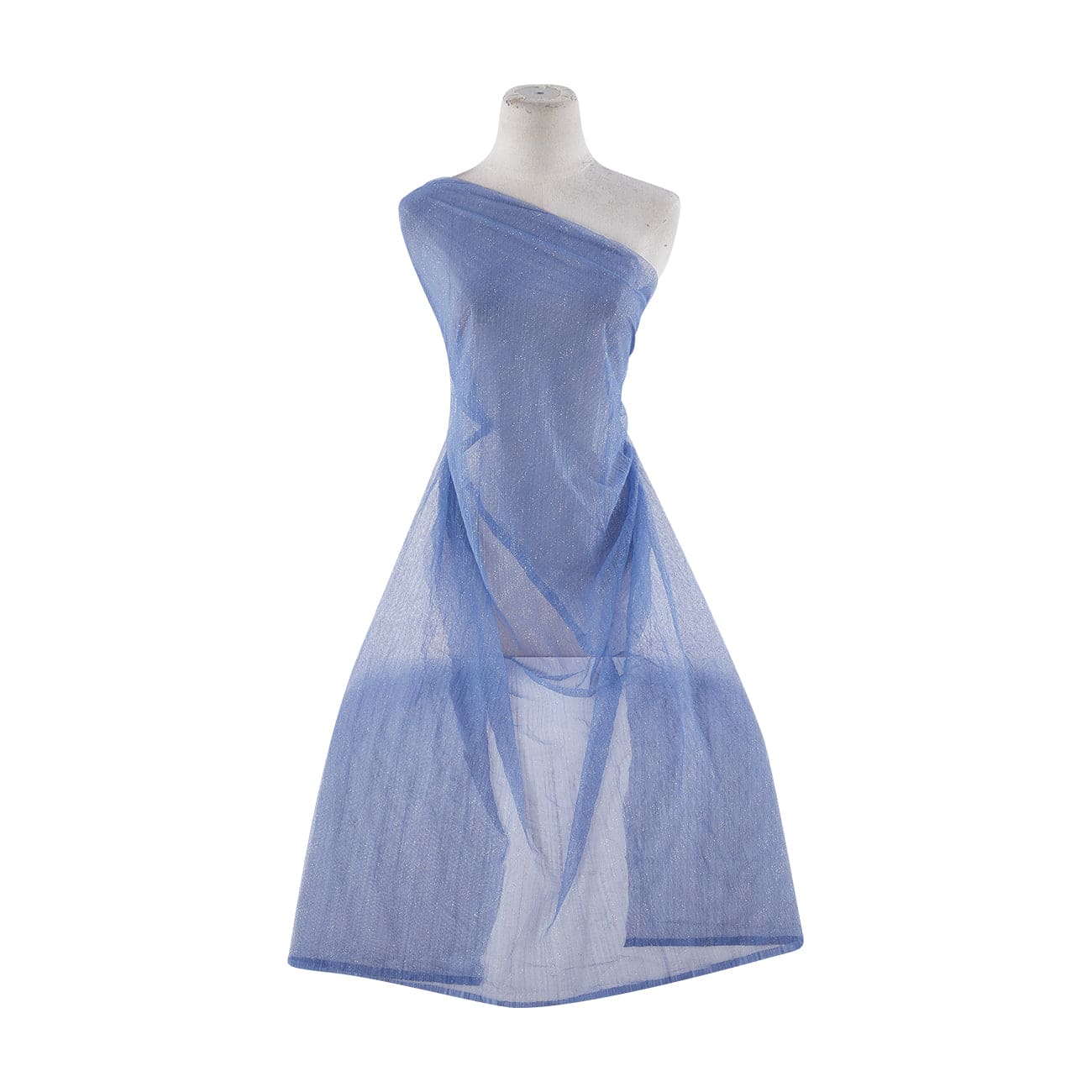
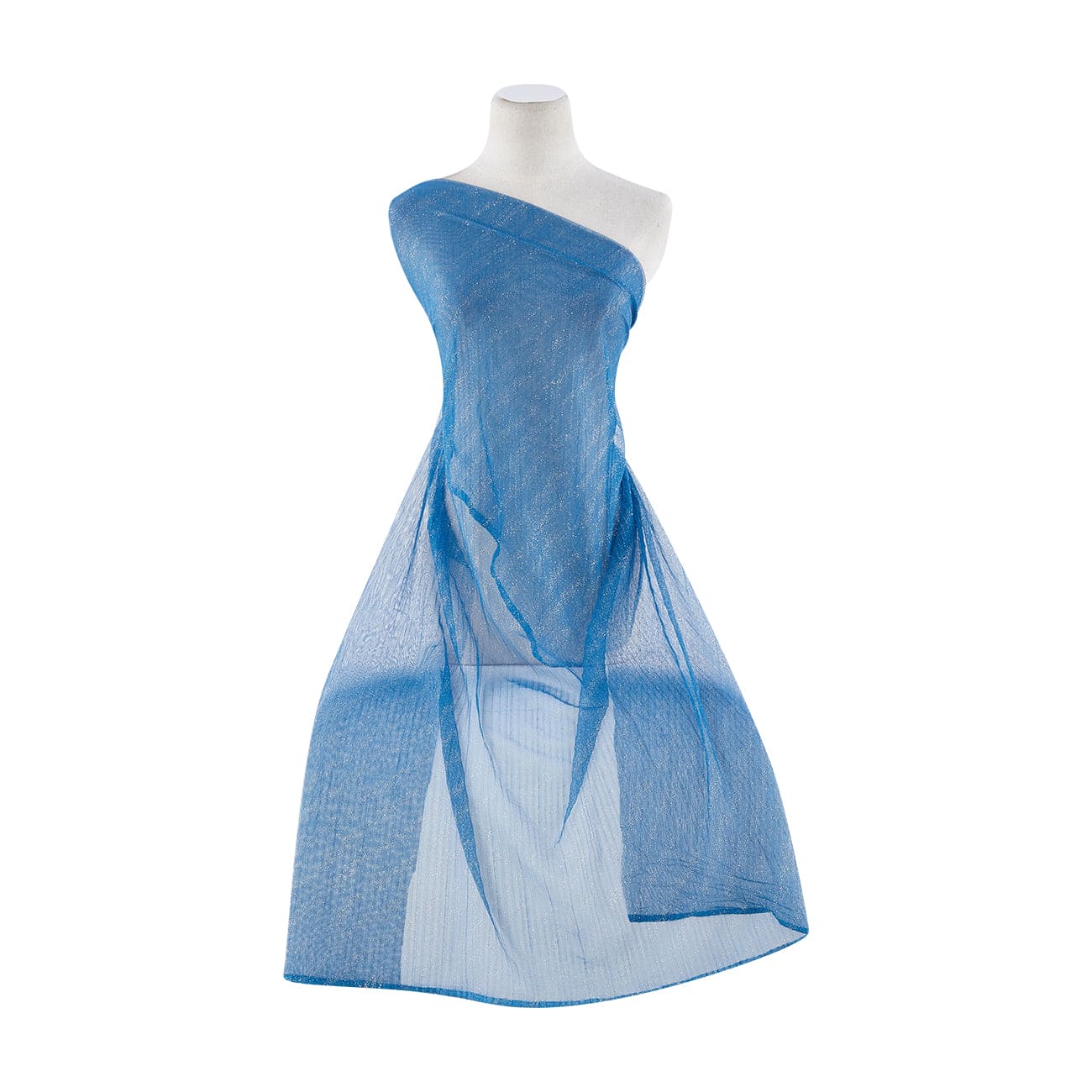
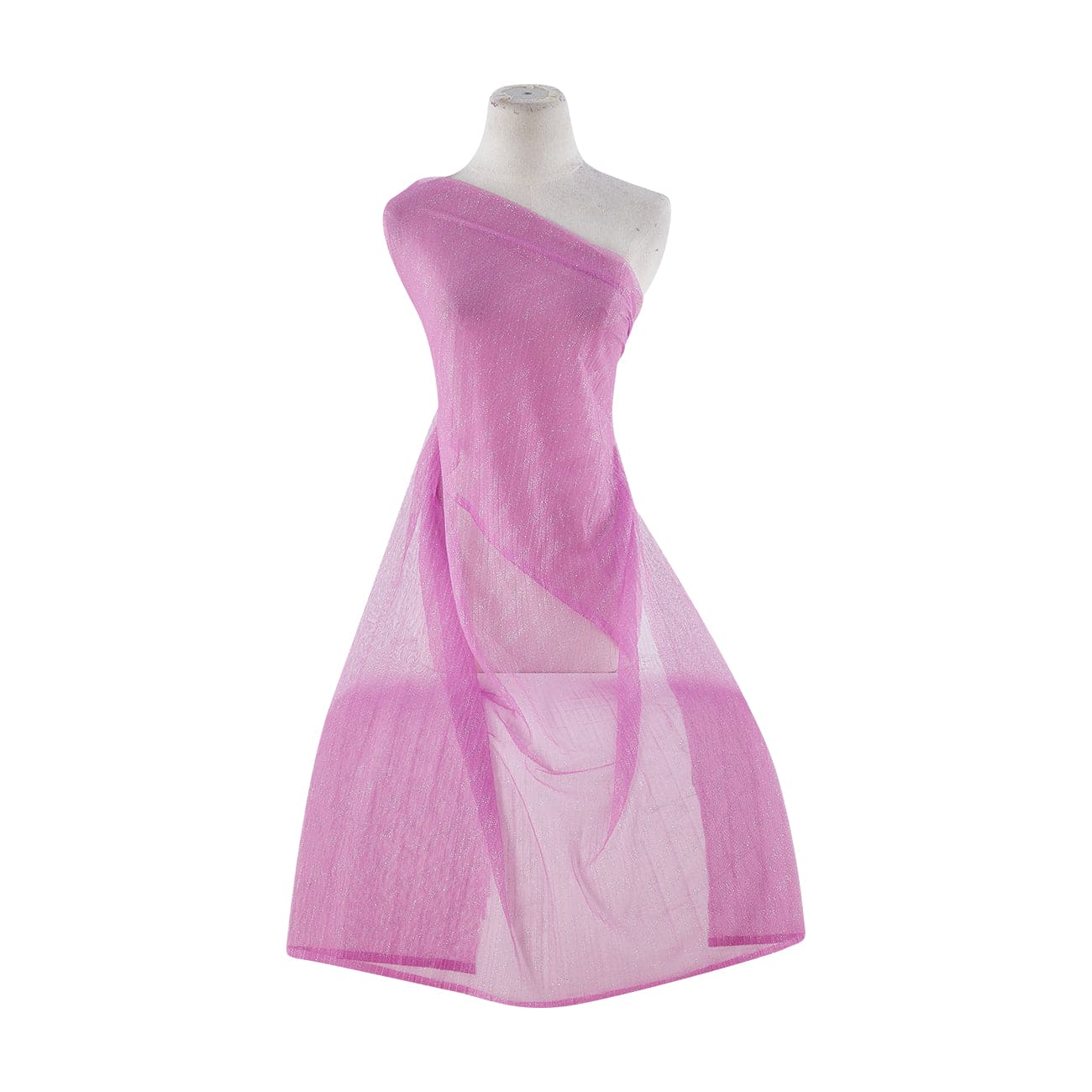
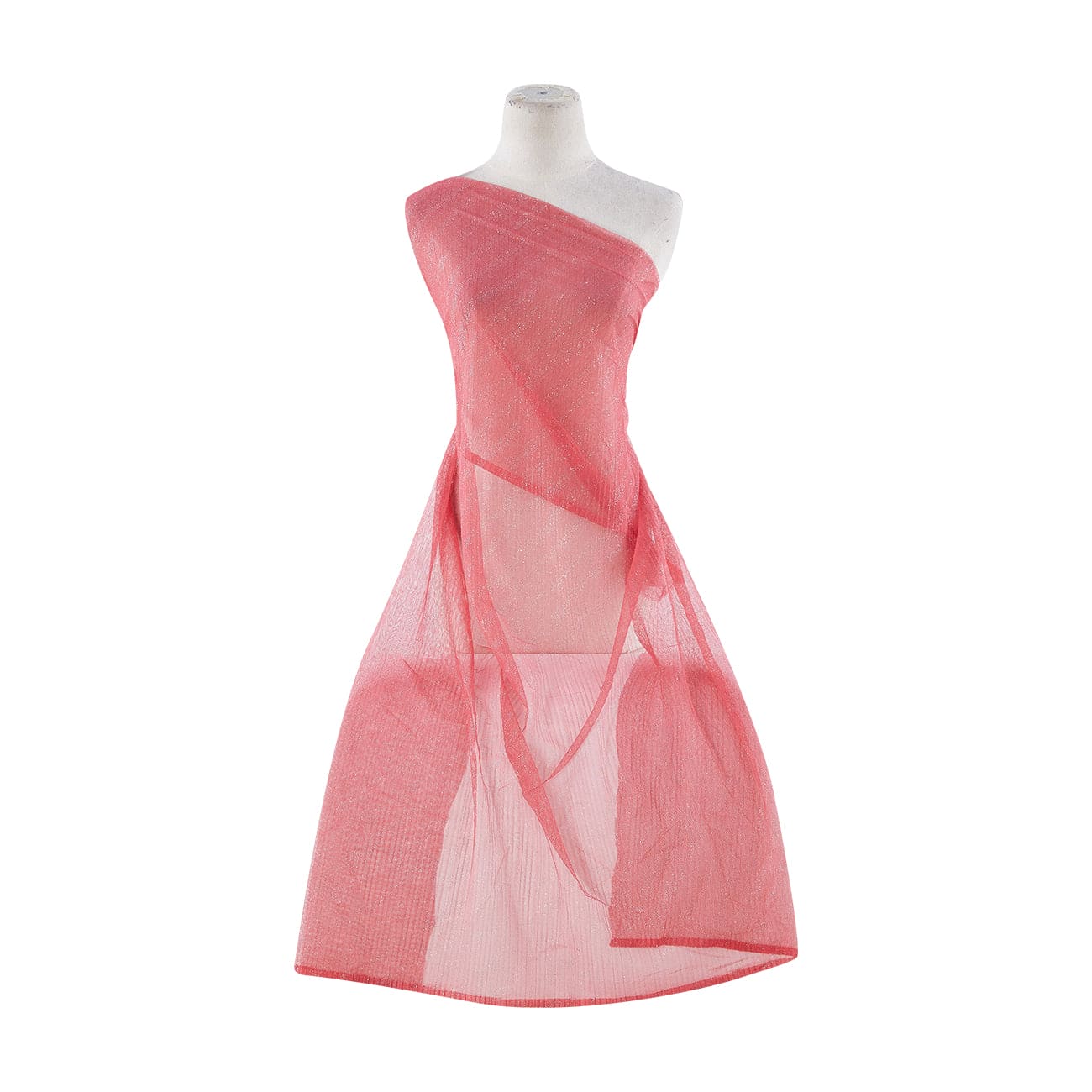
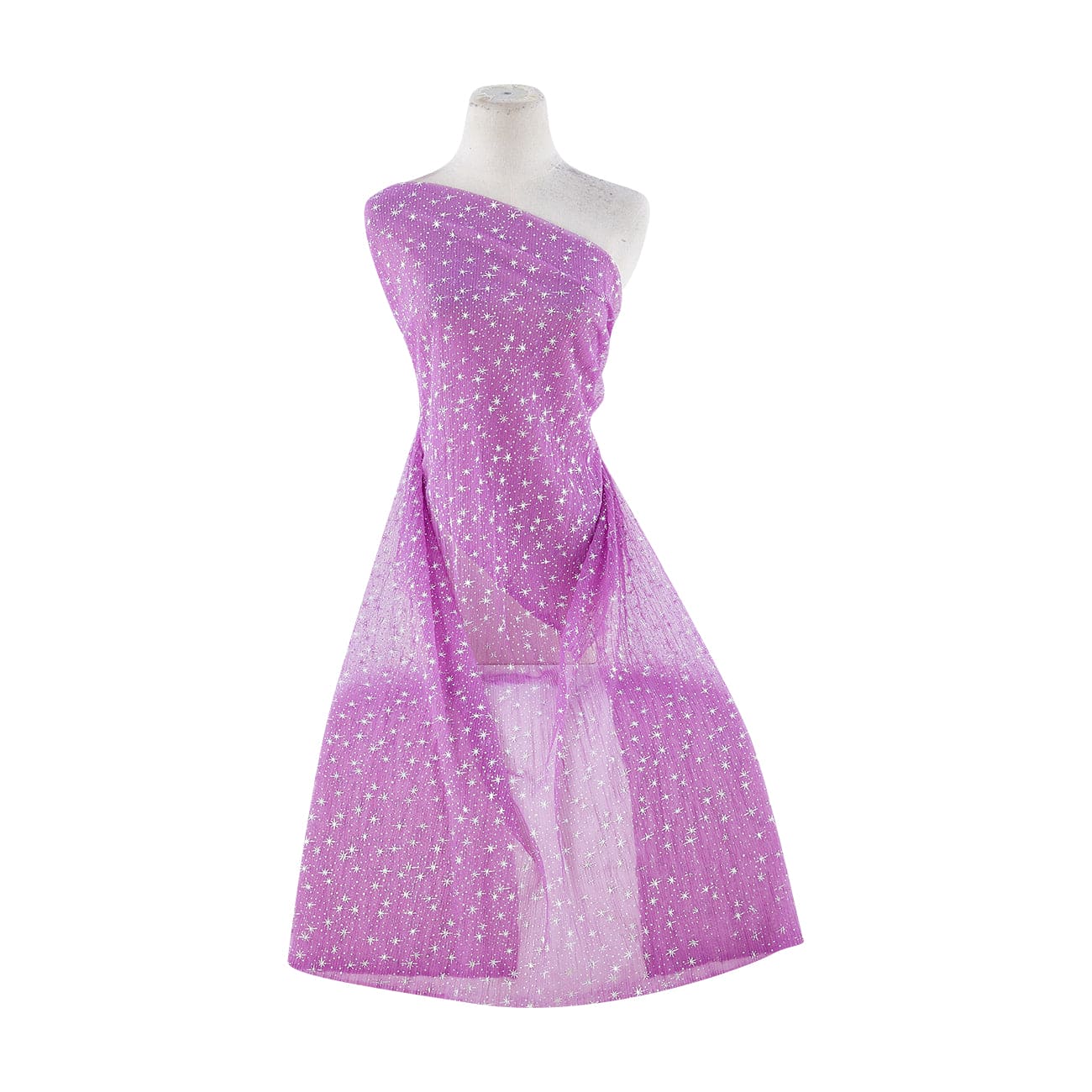
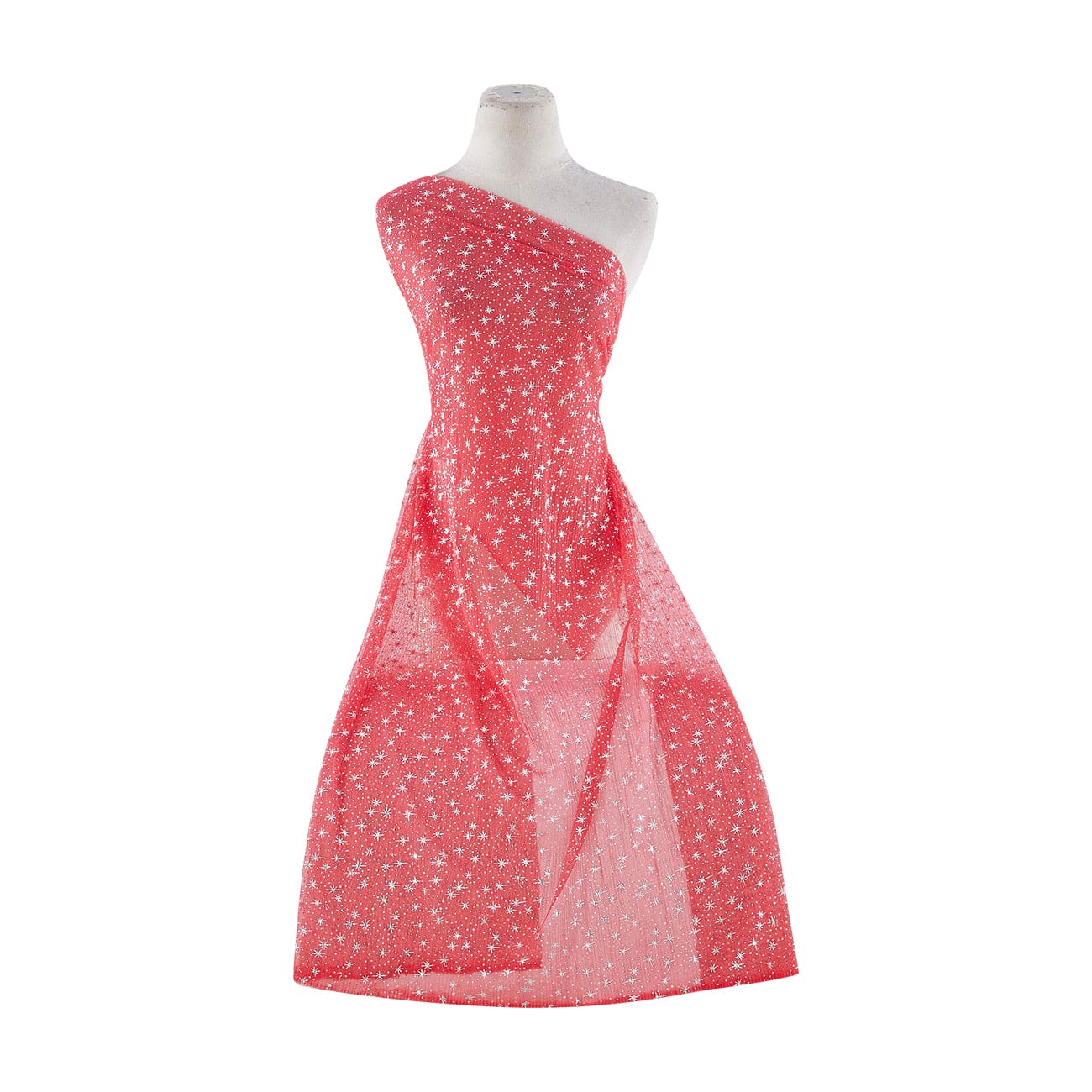
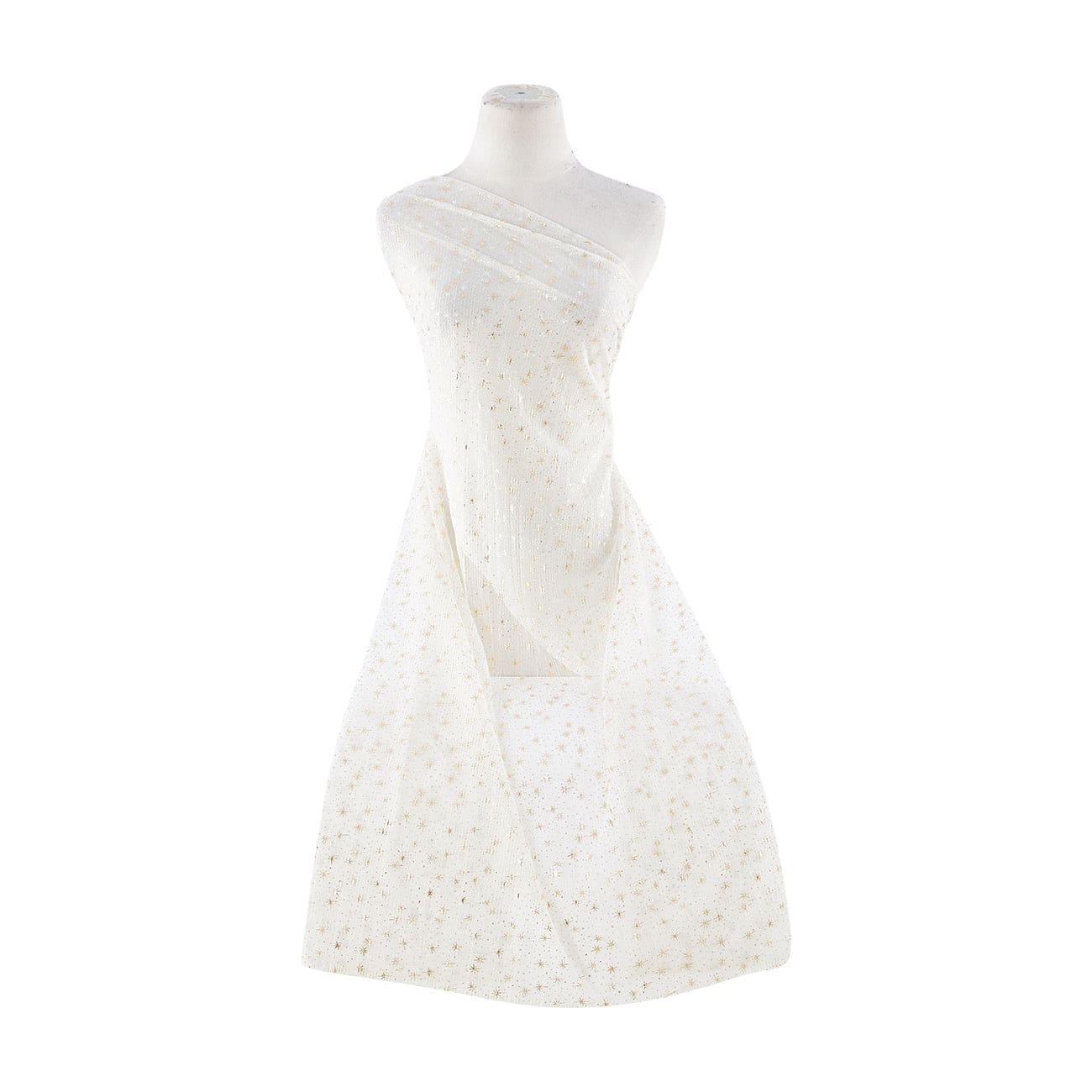
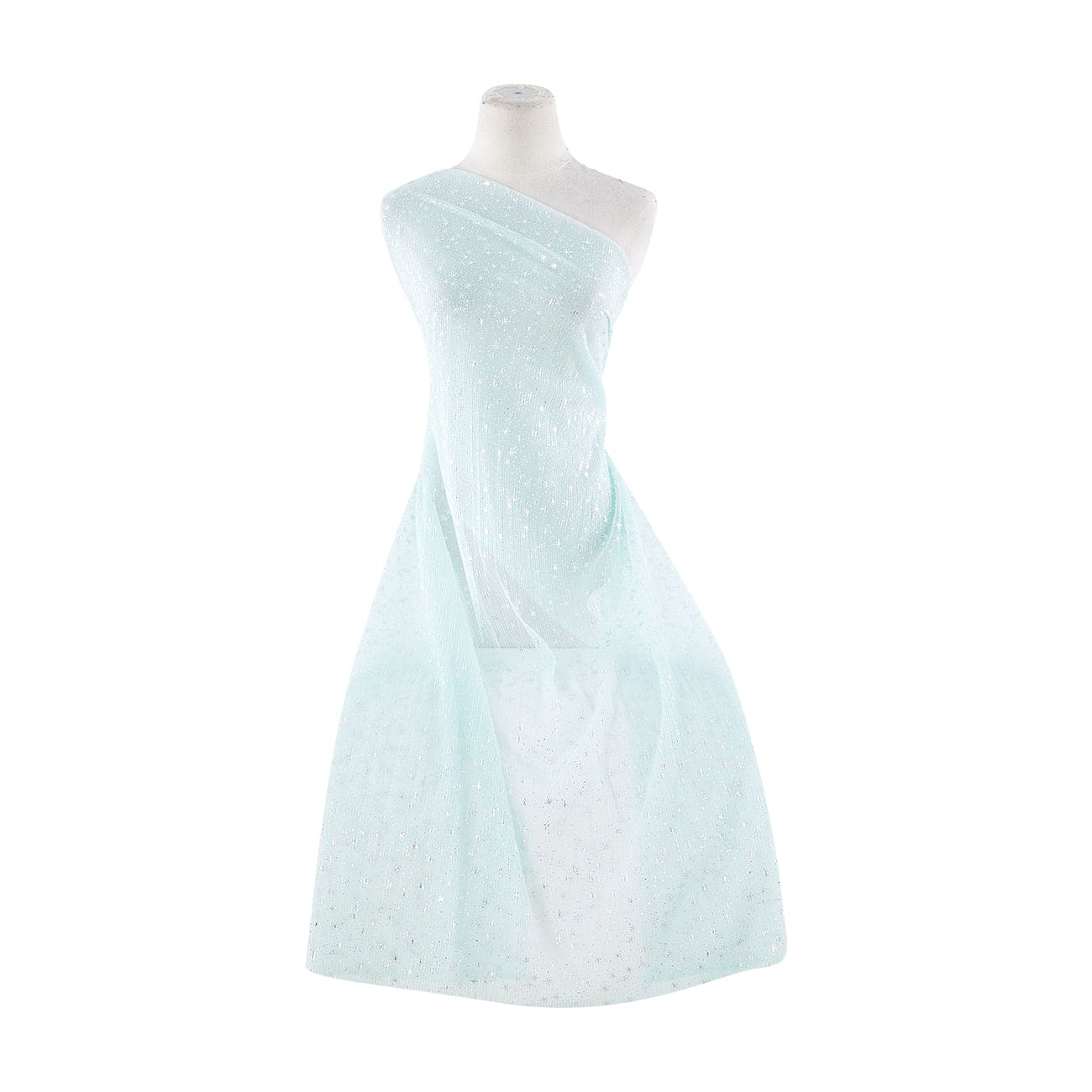
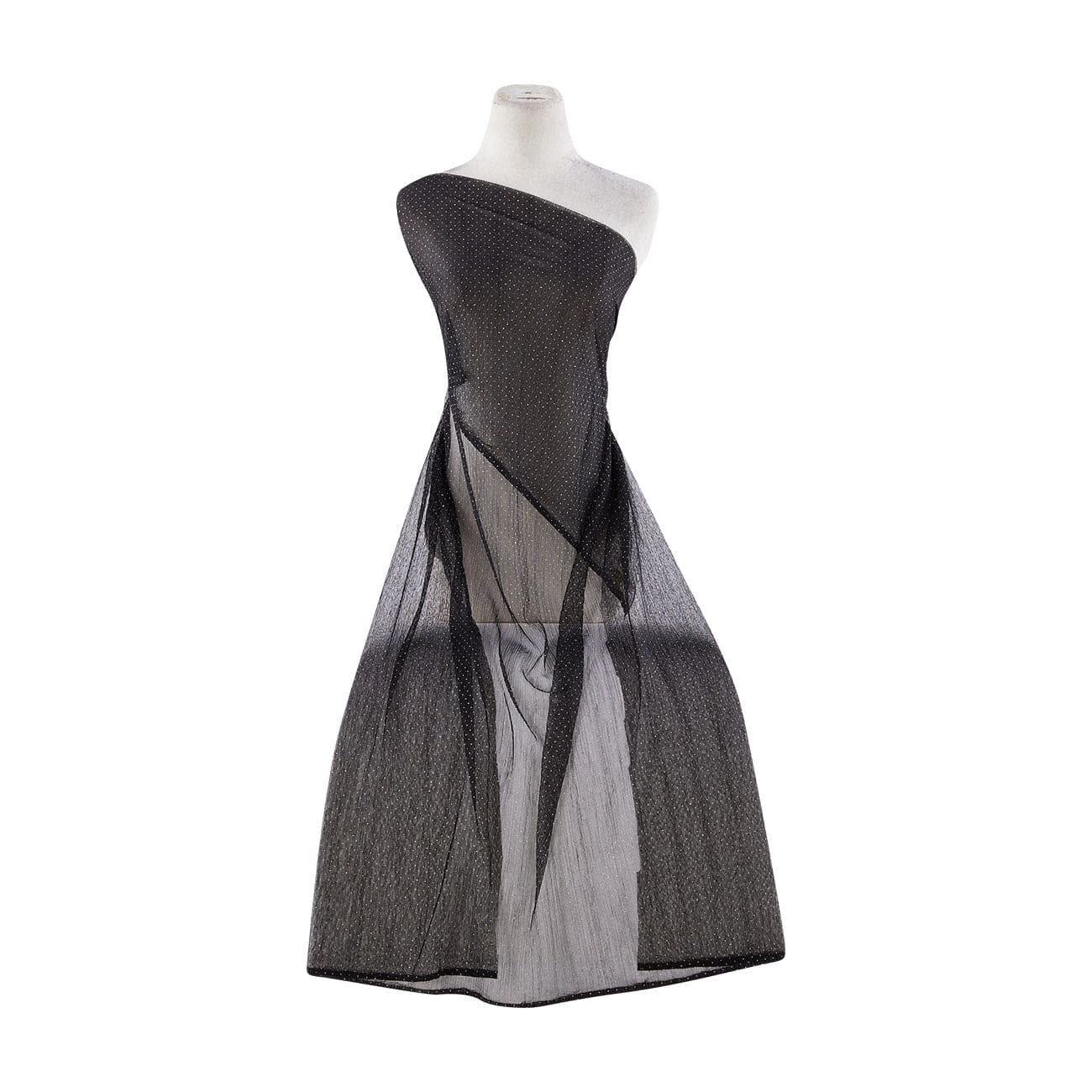
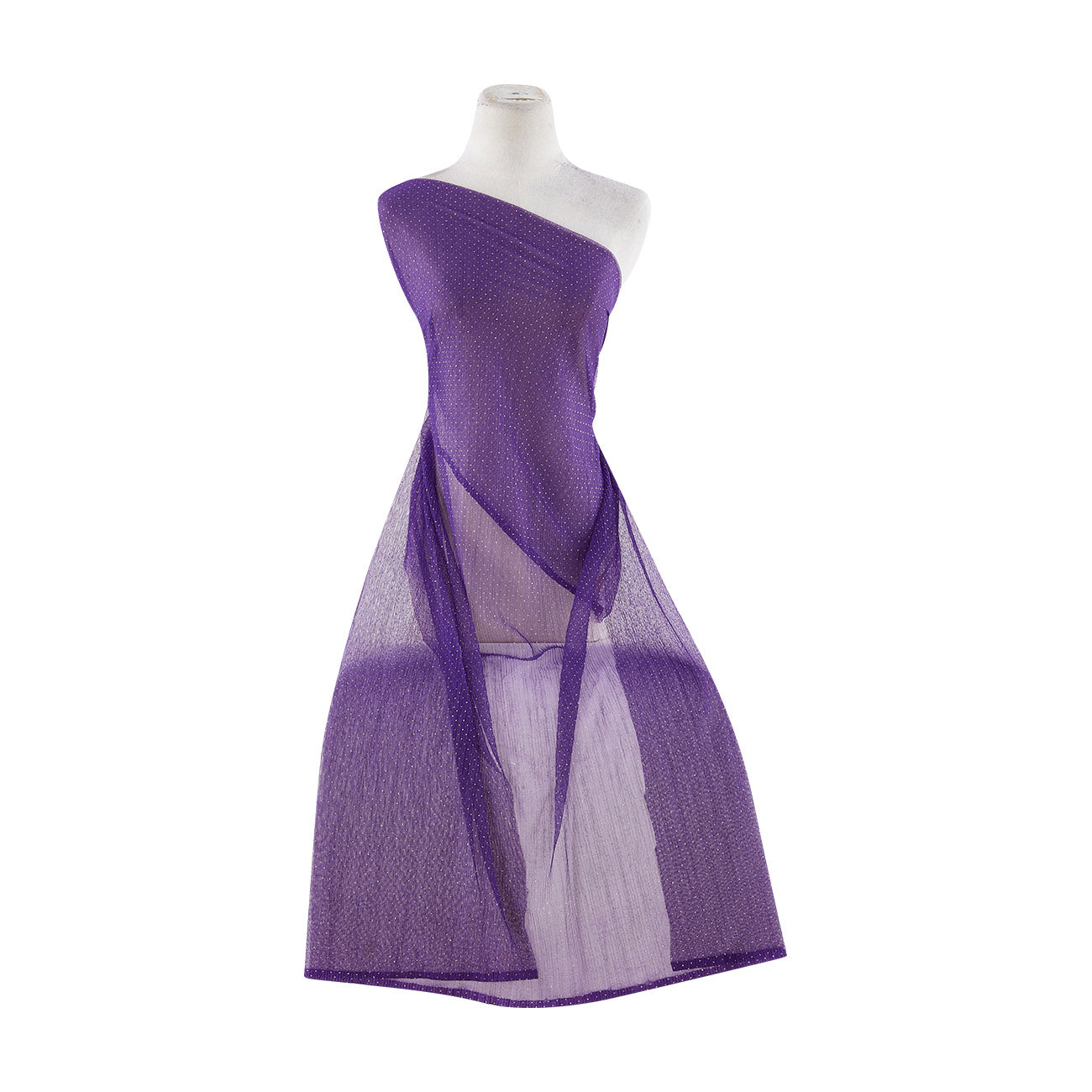
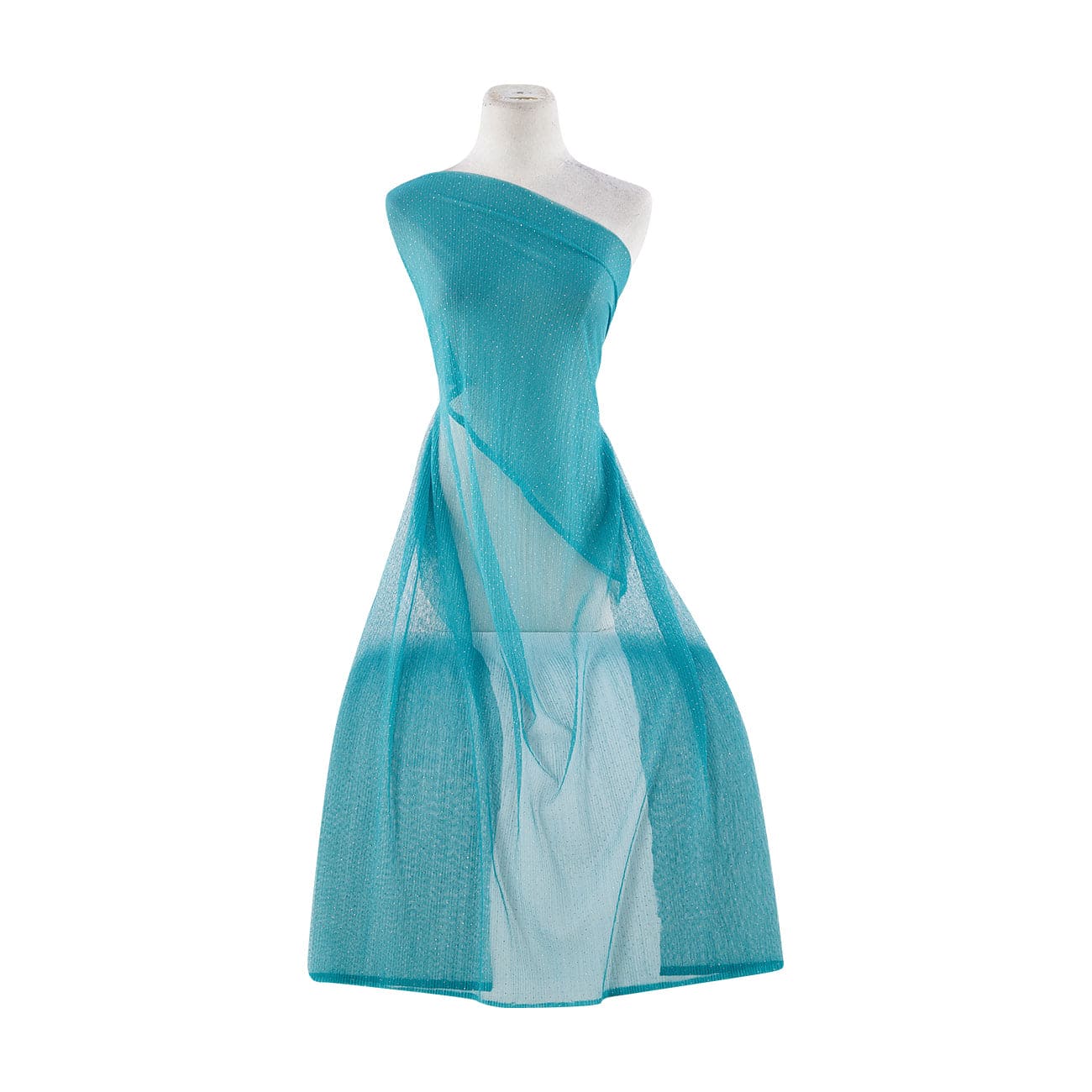
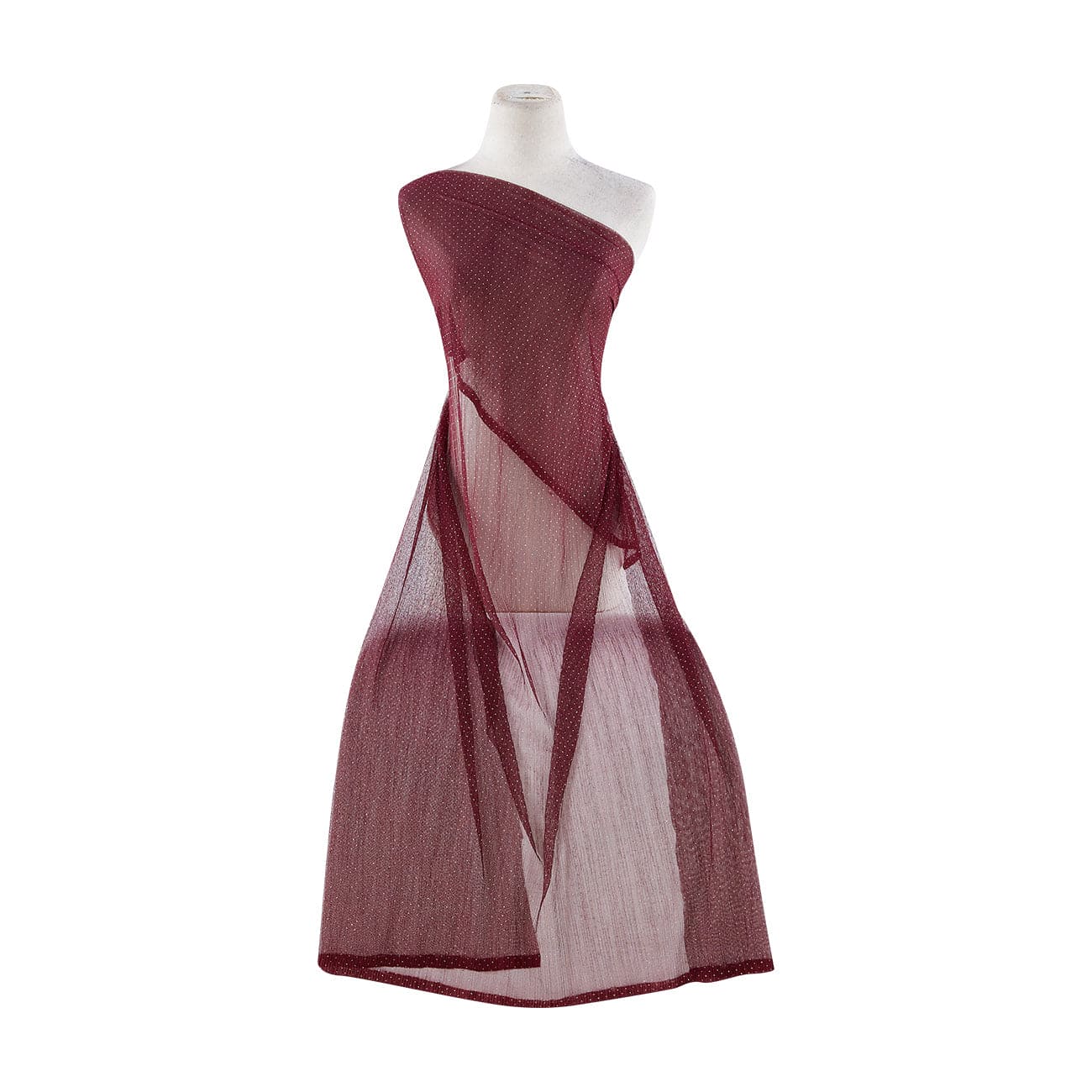
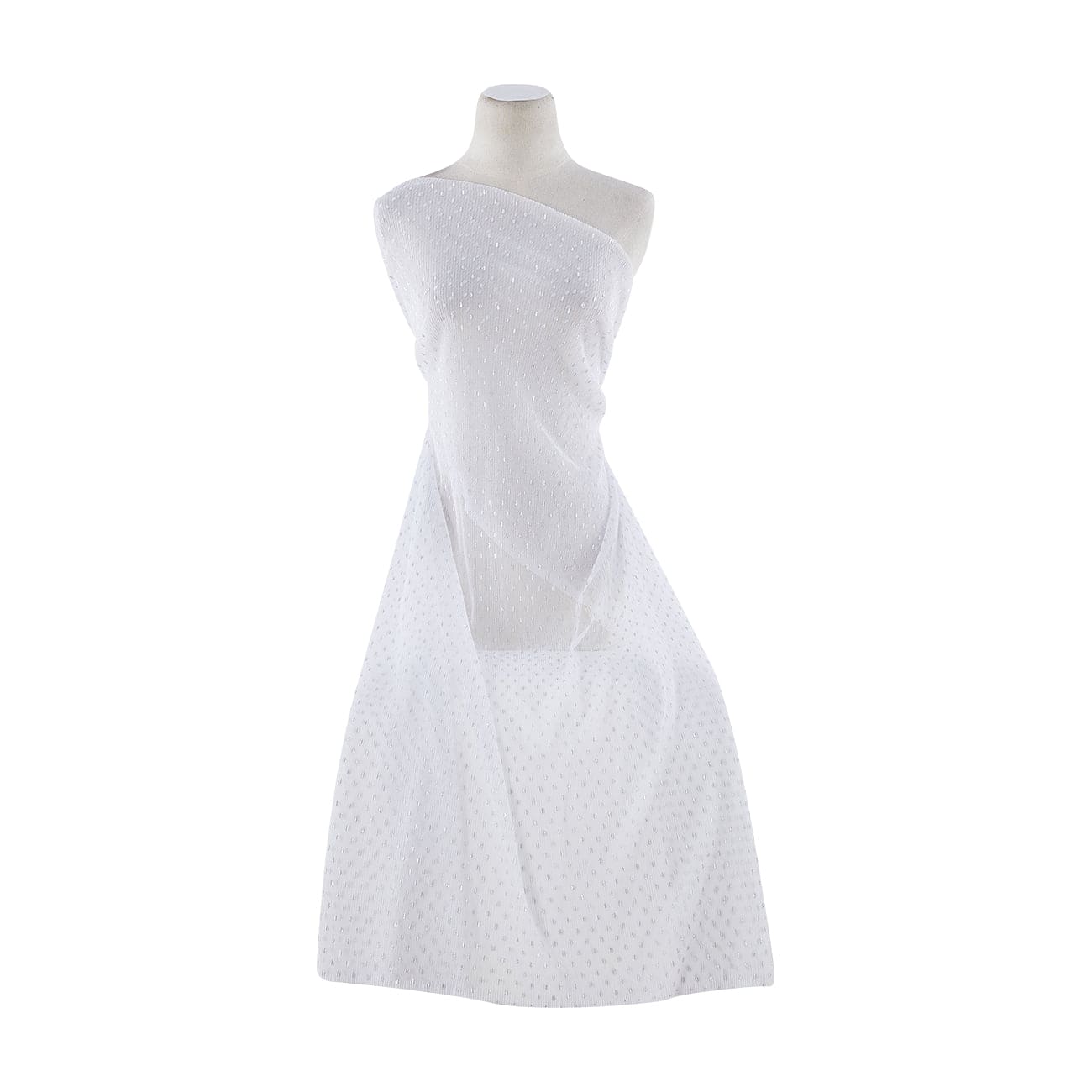
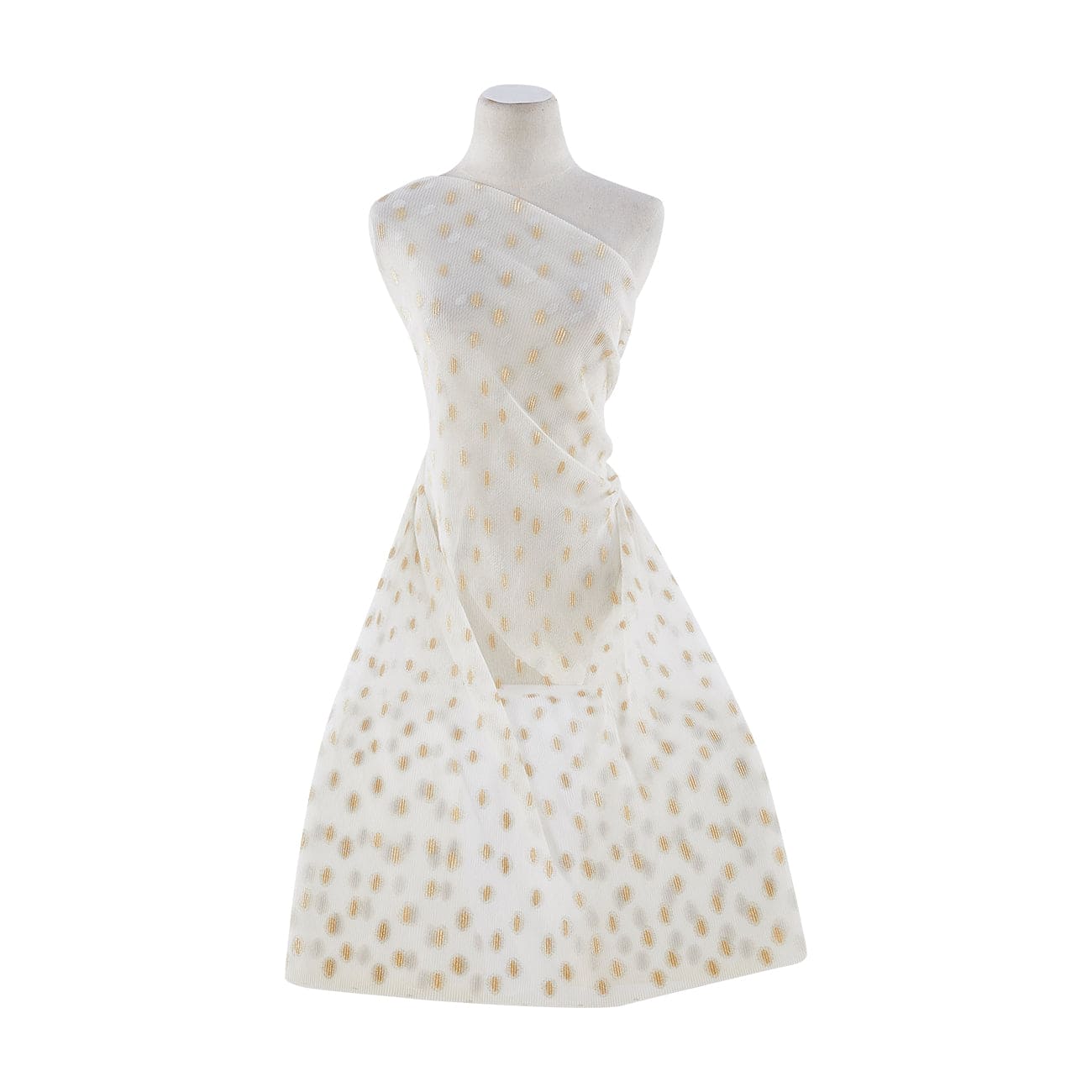
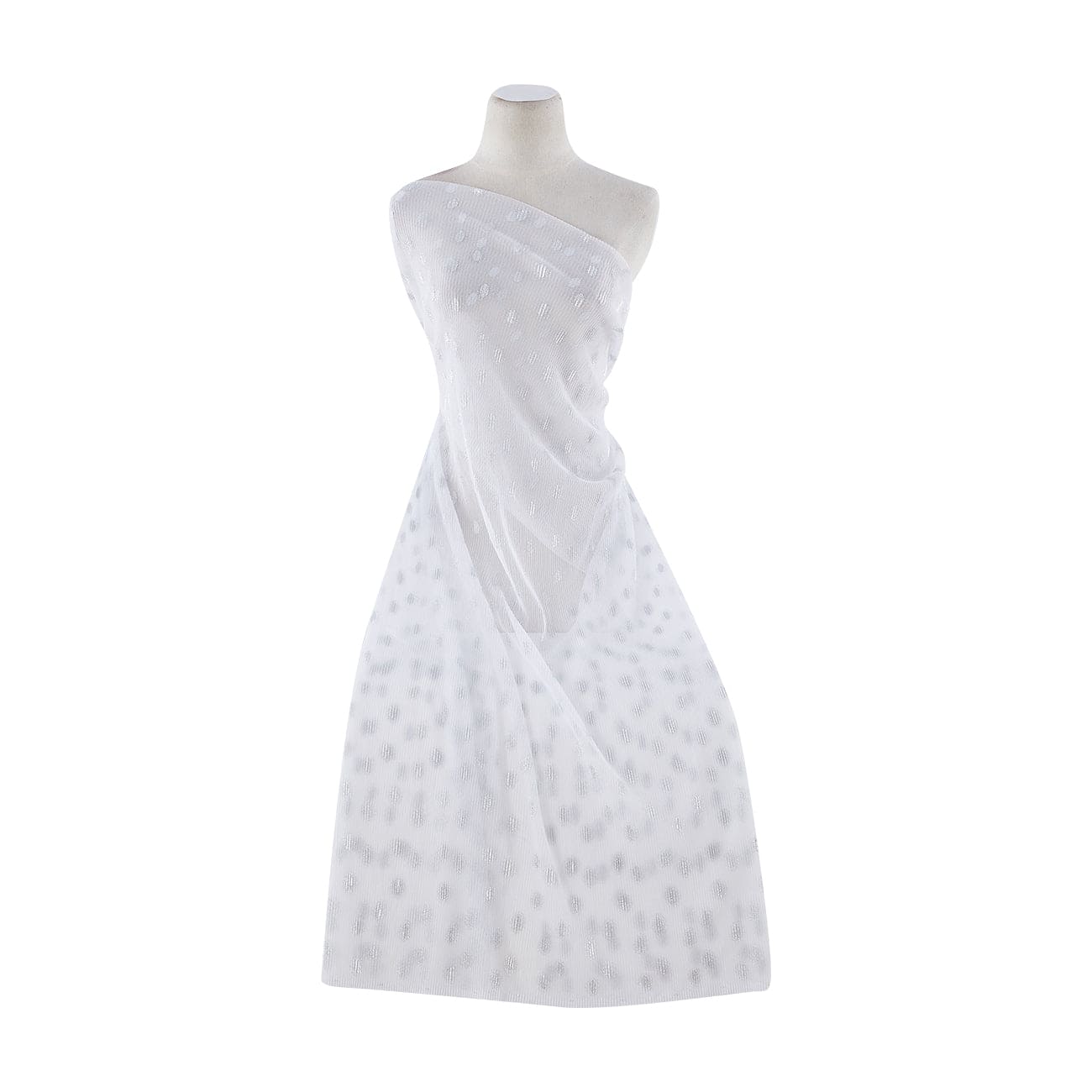
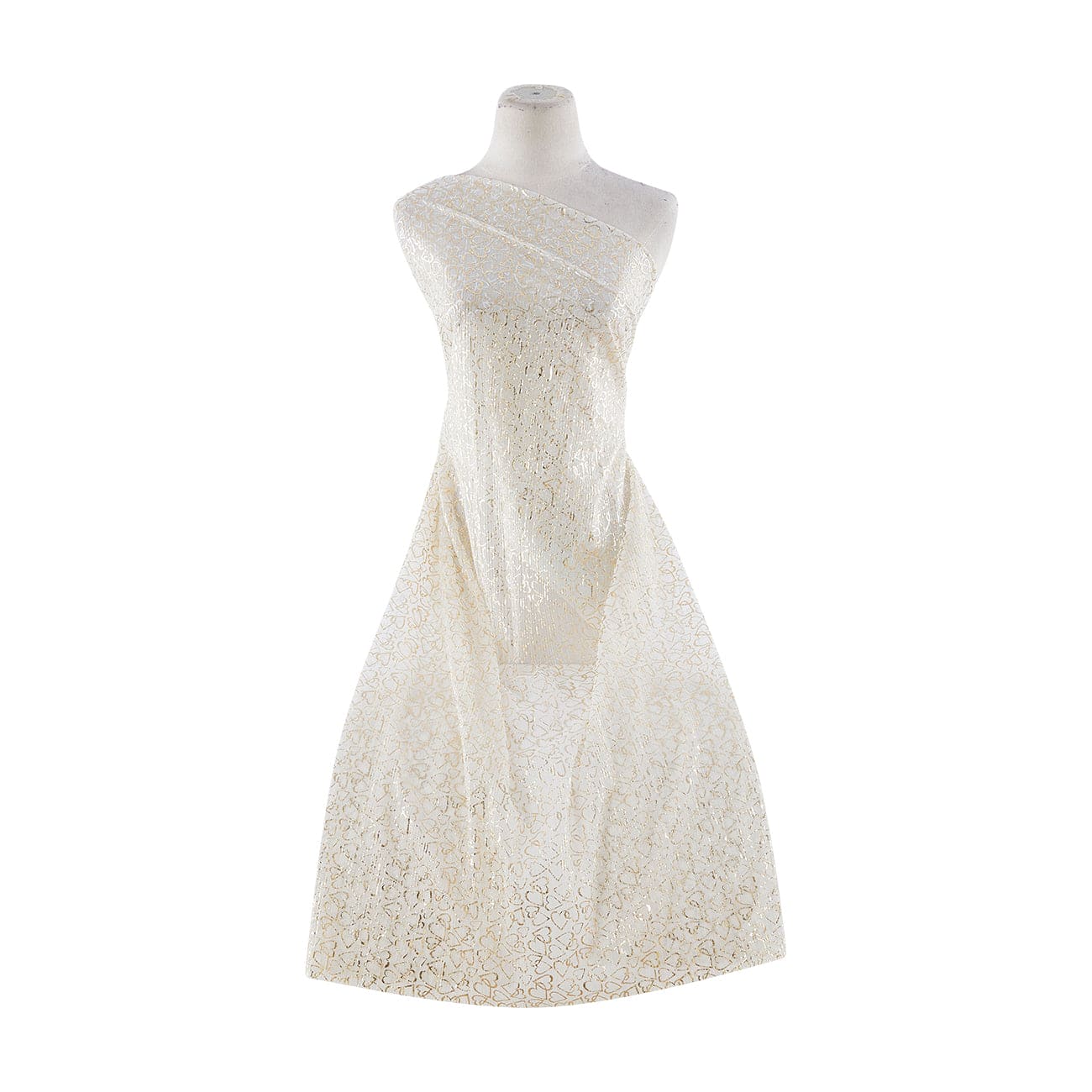
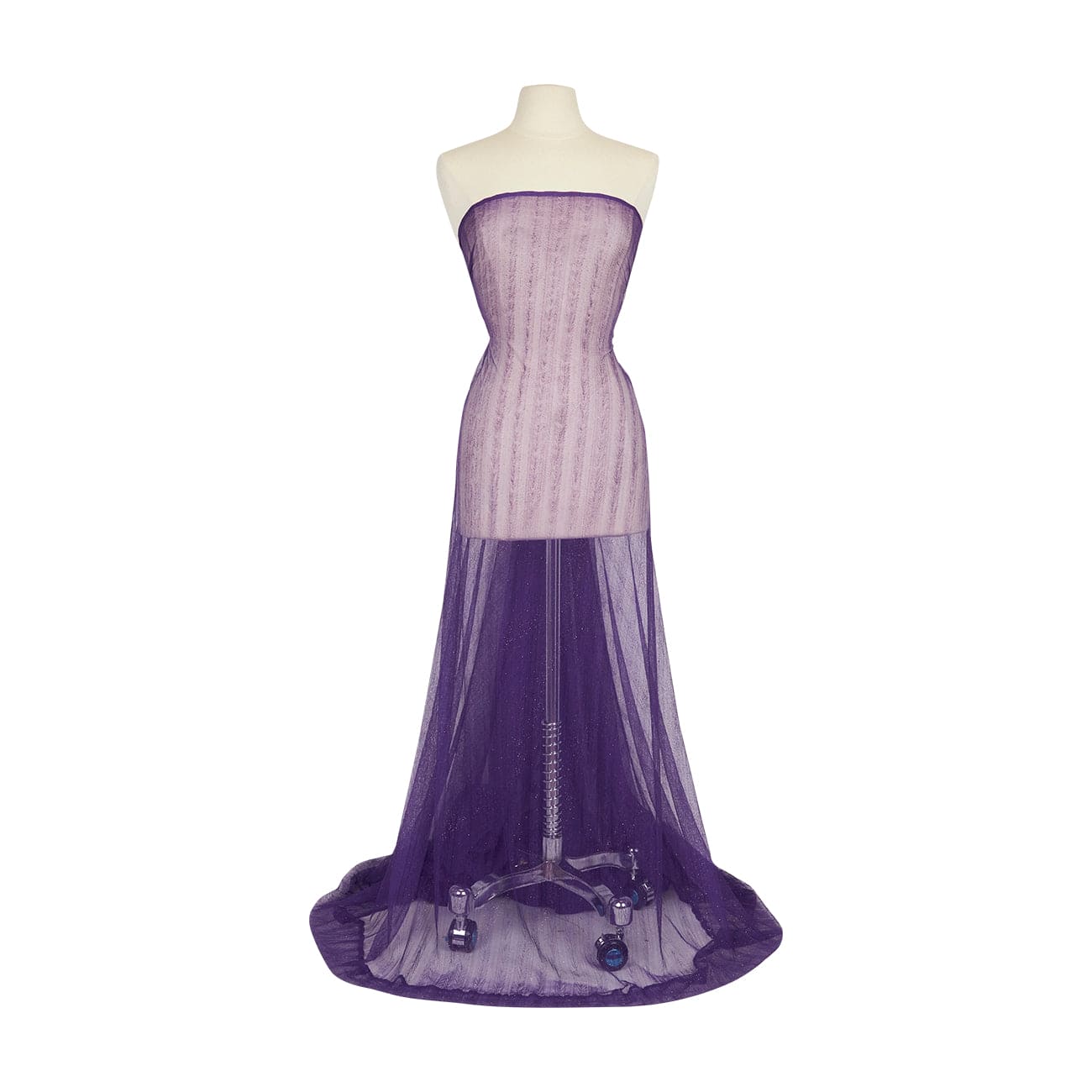
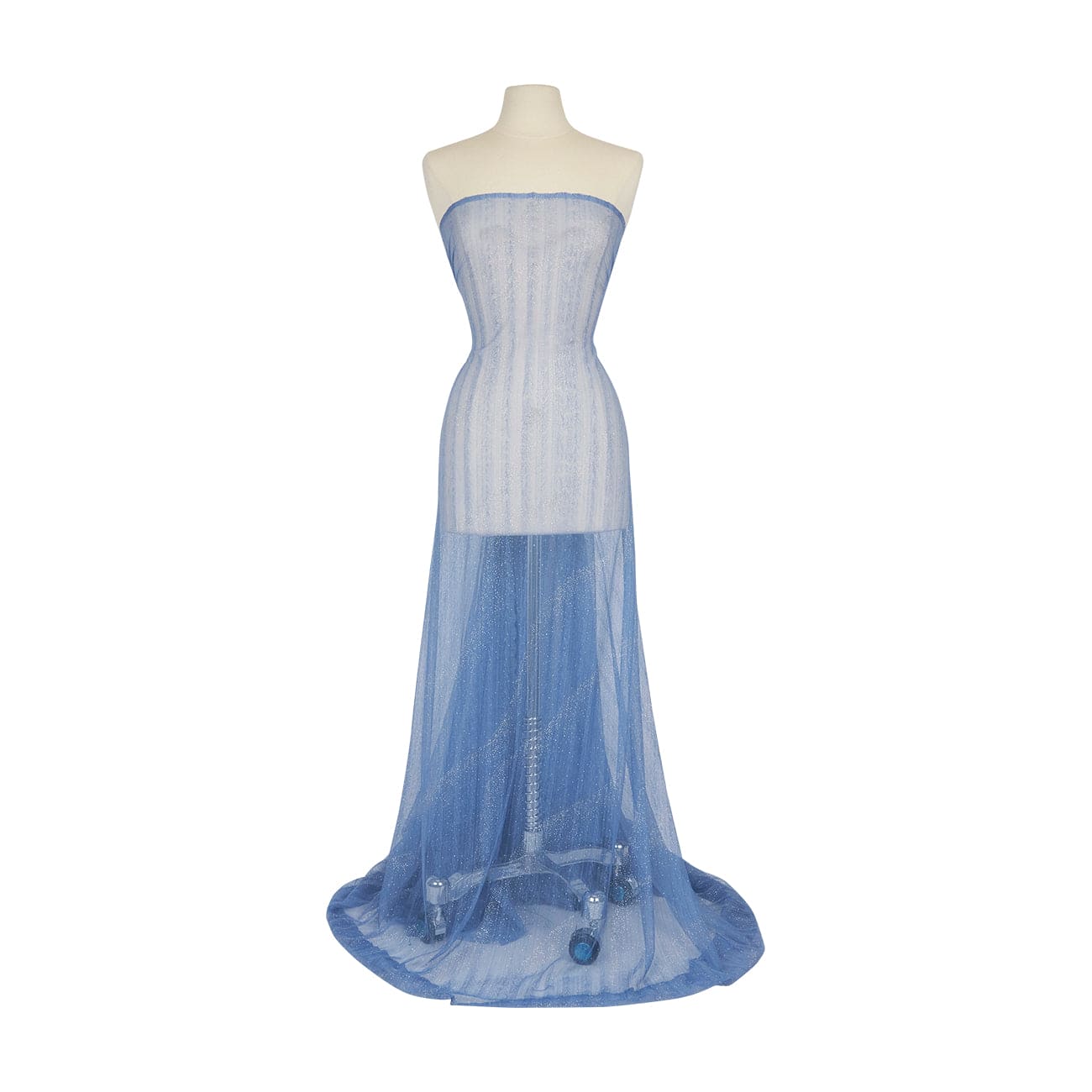
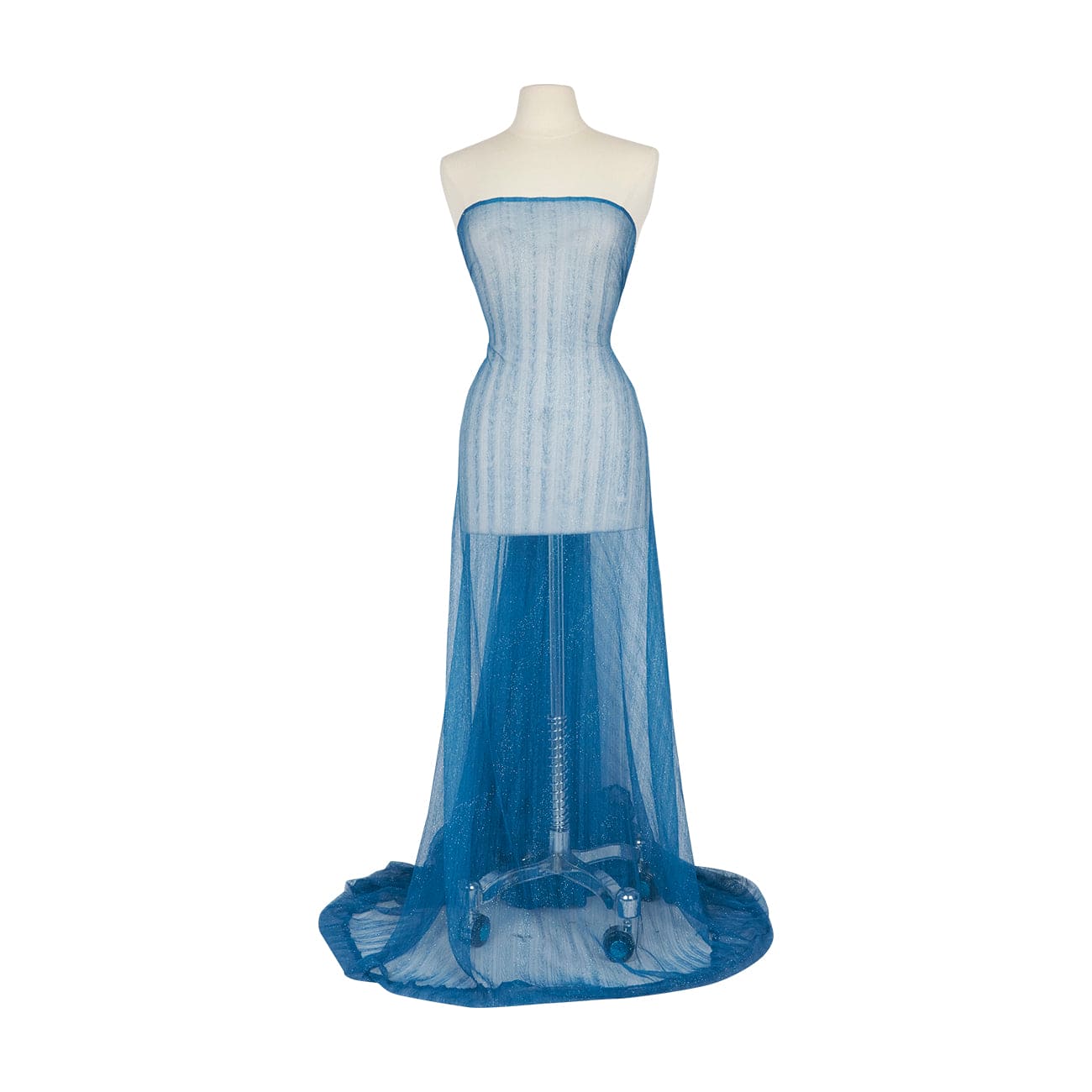
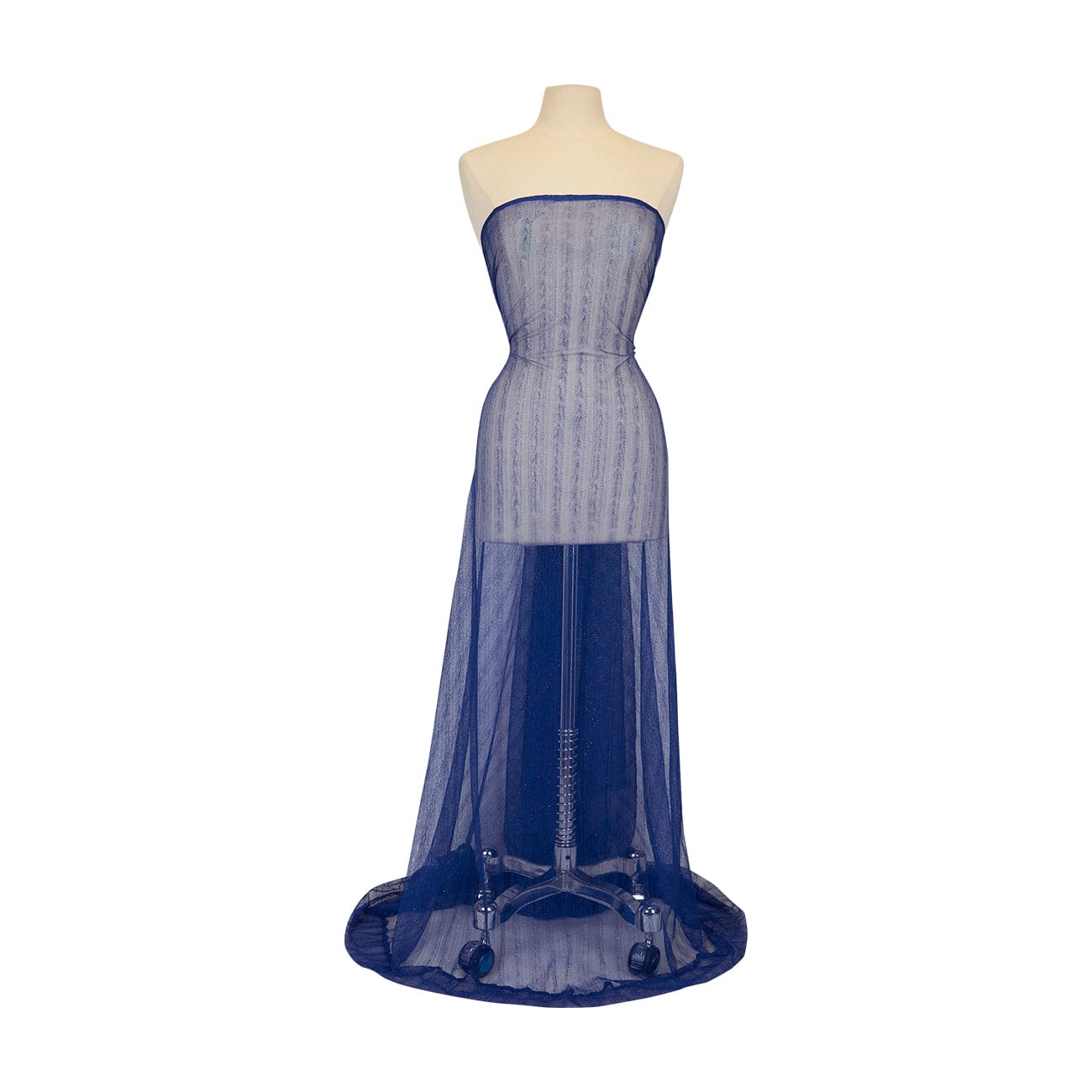
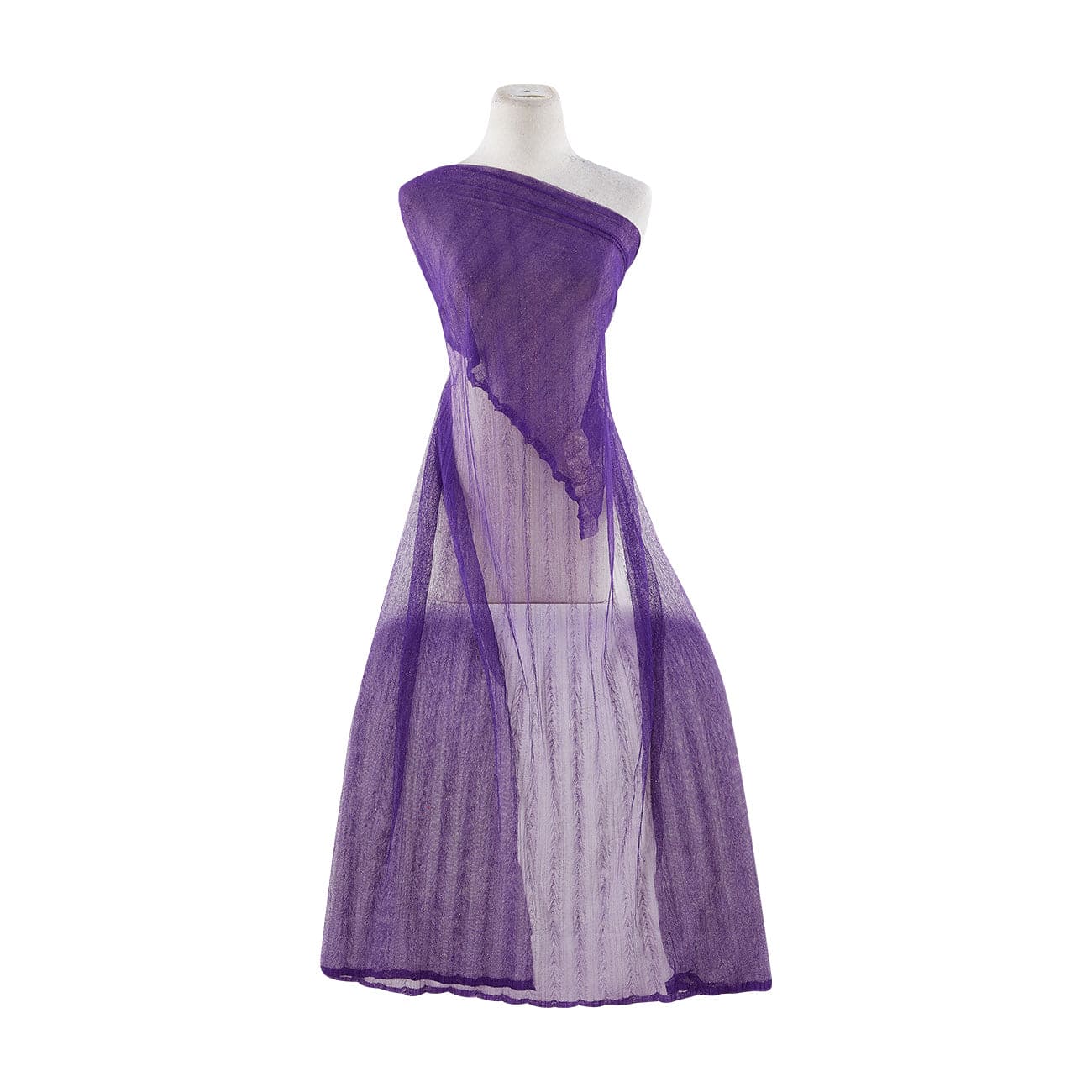
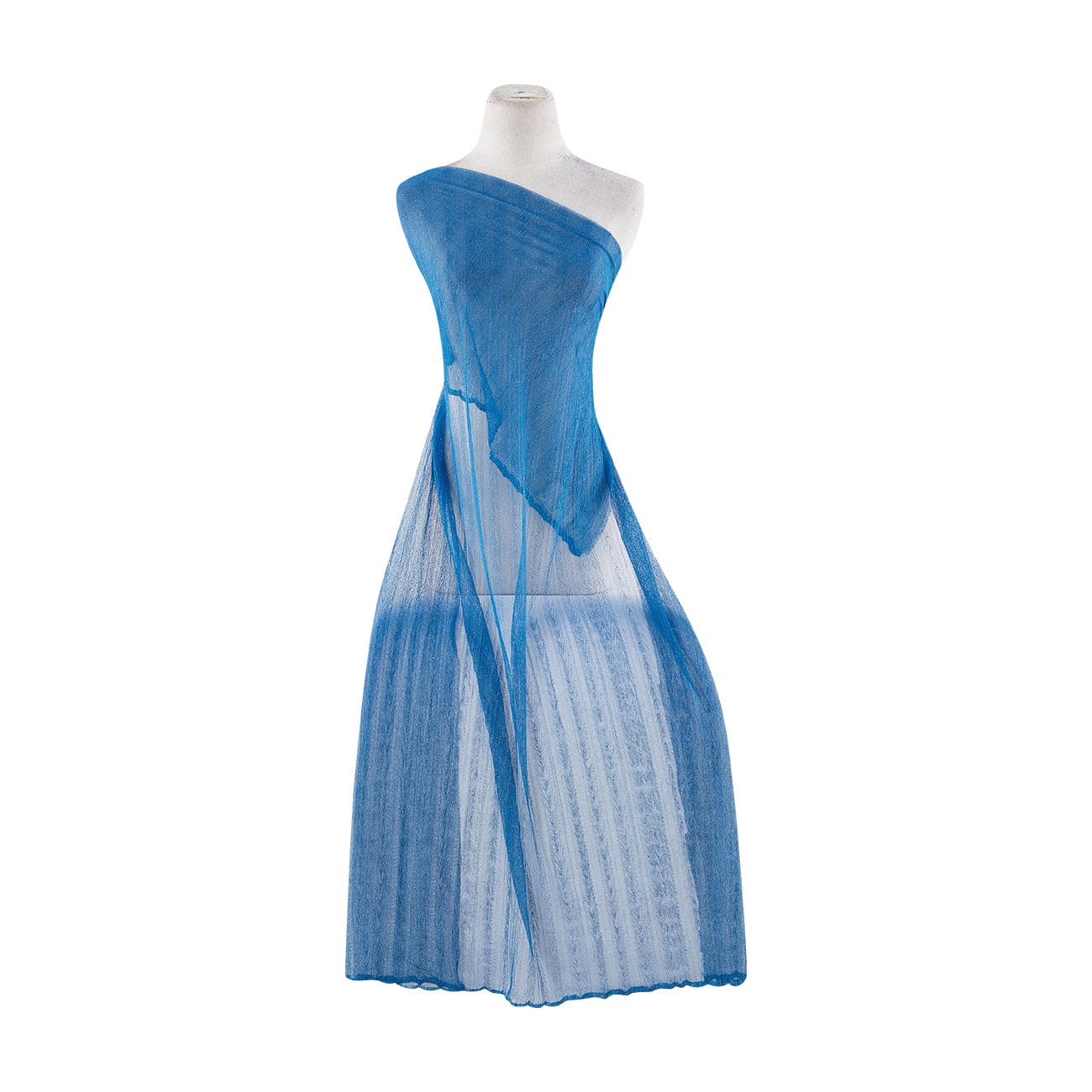
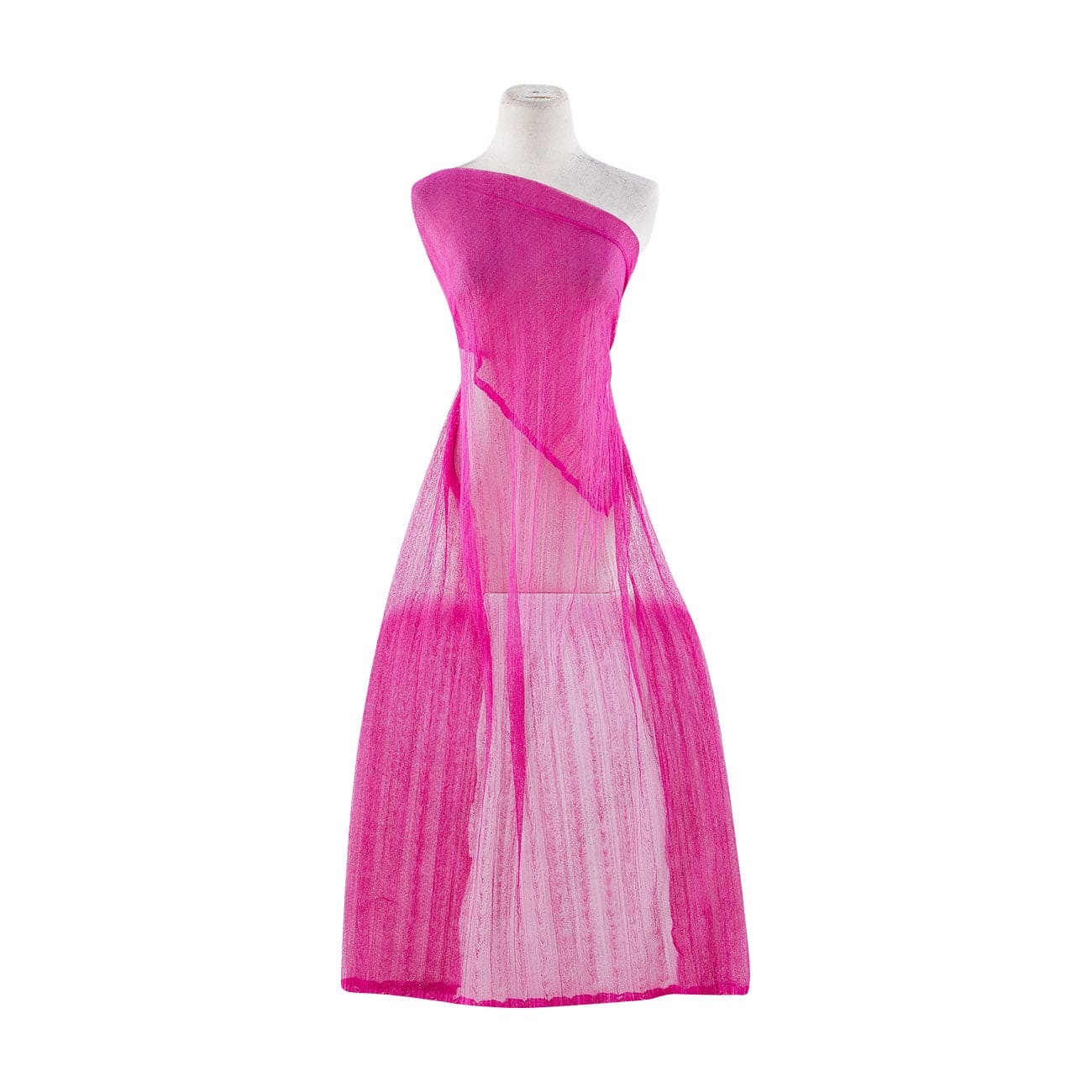
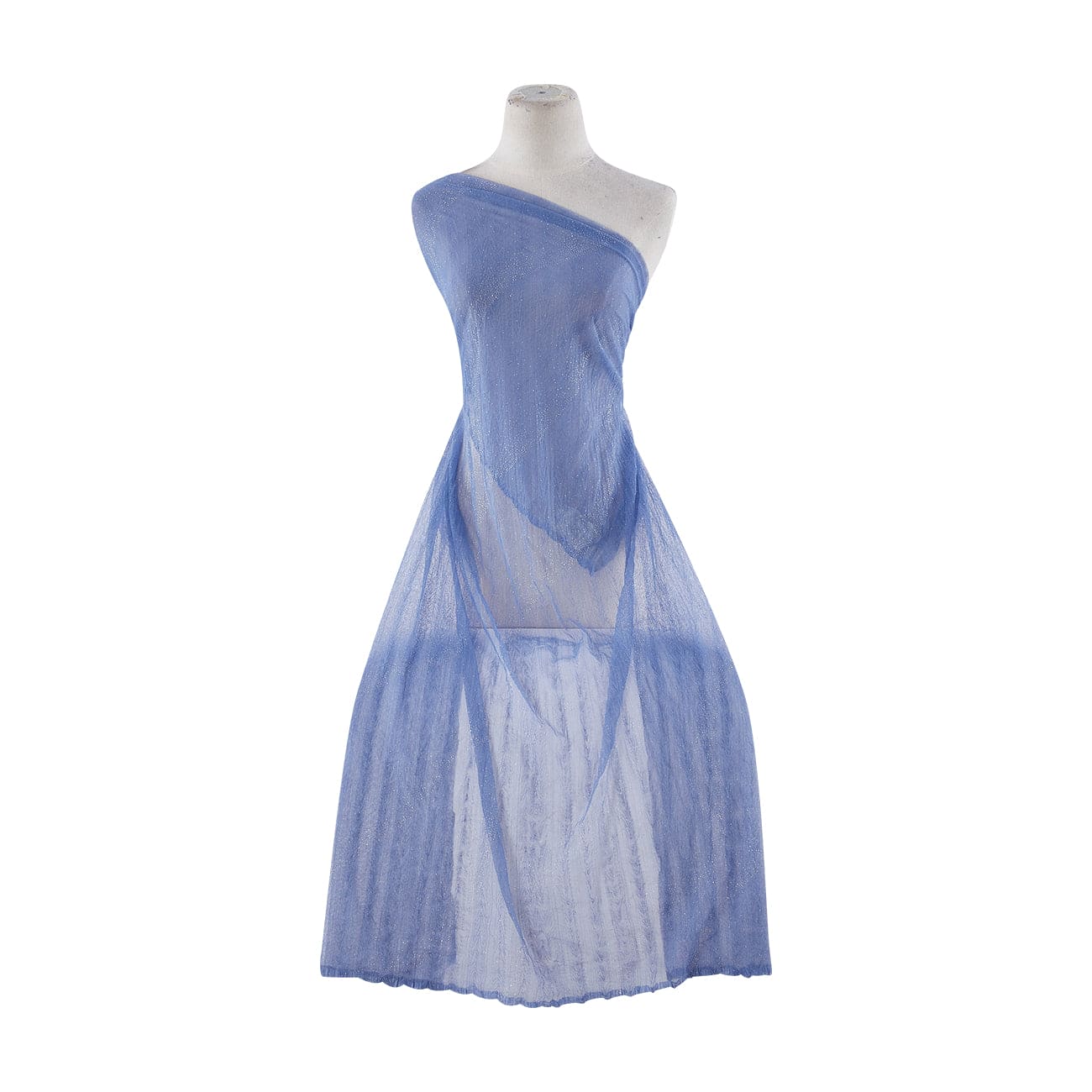
How Pleated Tulle Performs in Bridal and Eveningwear Construction
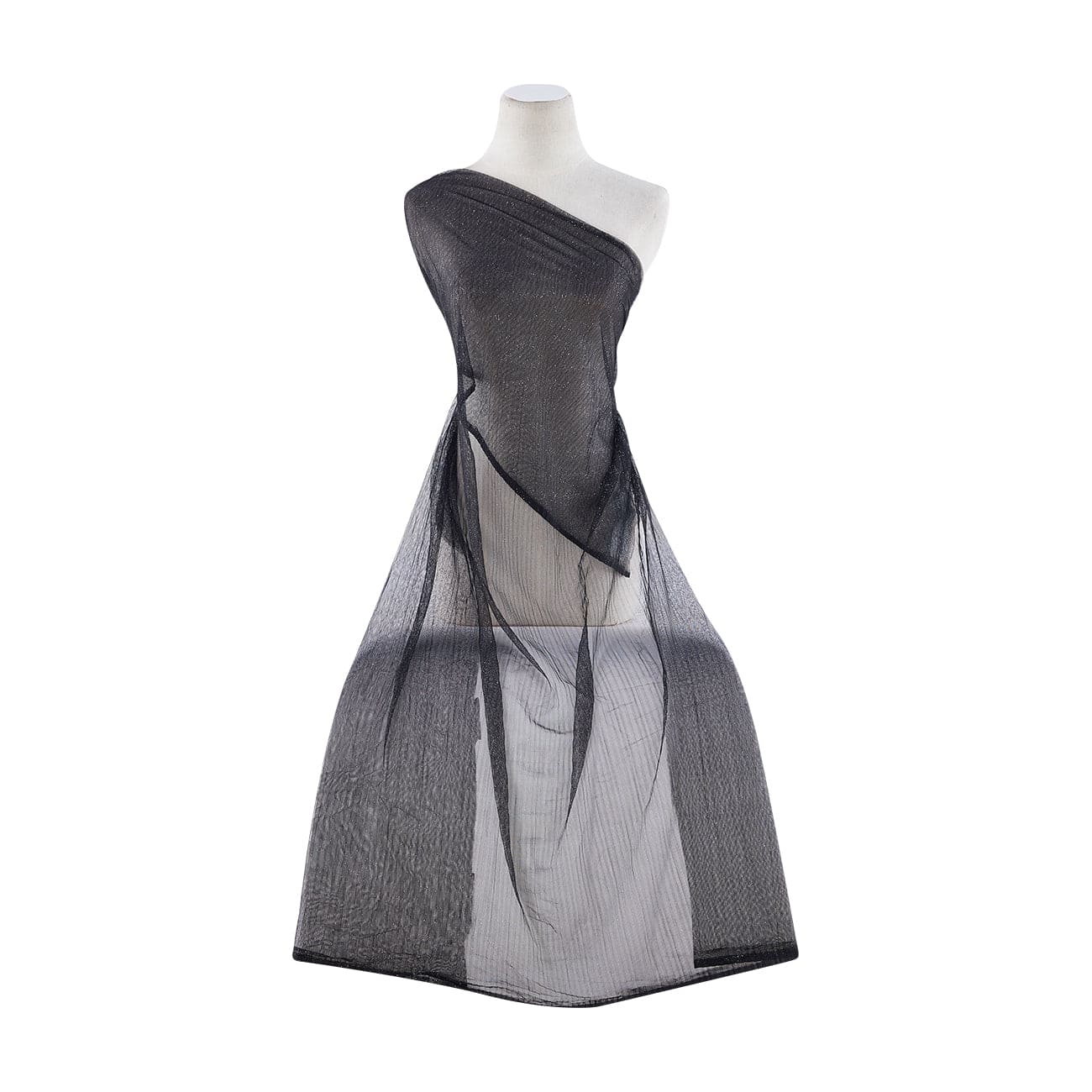
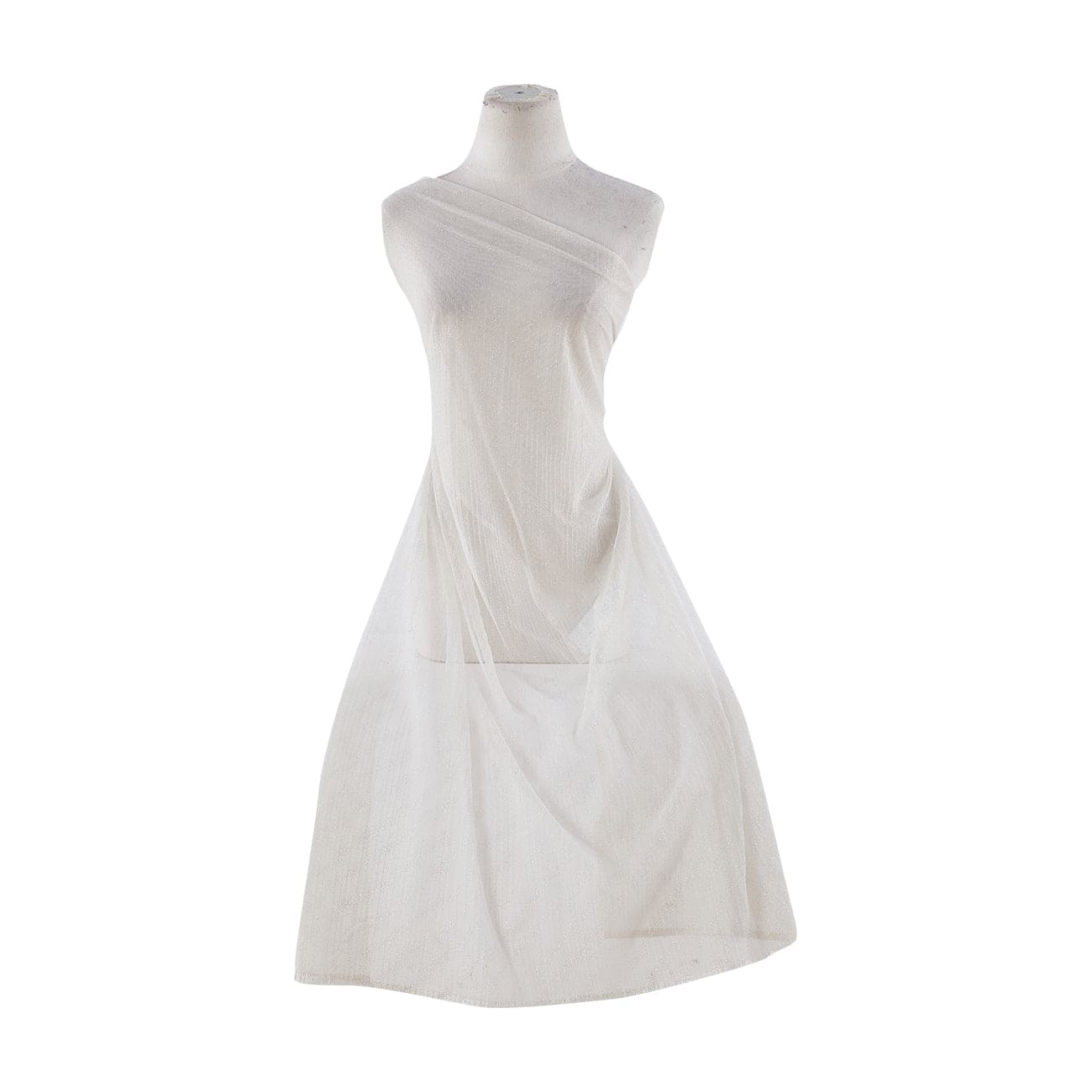
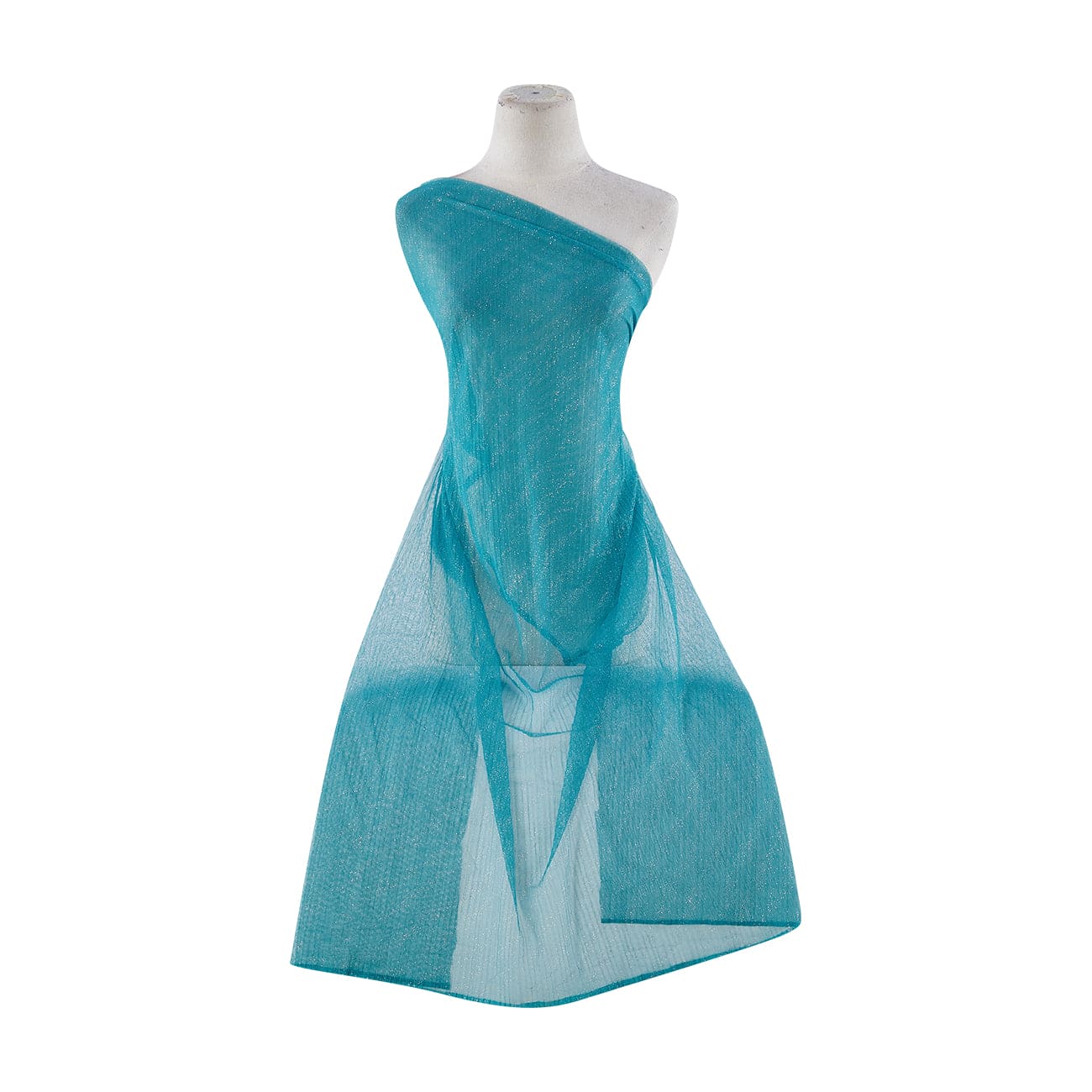
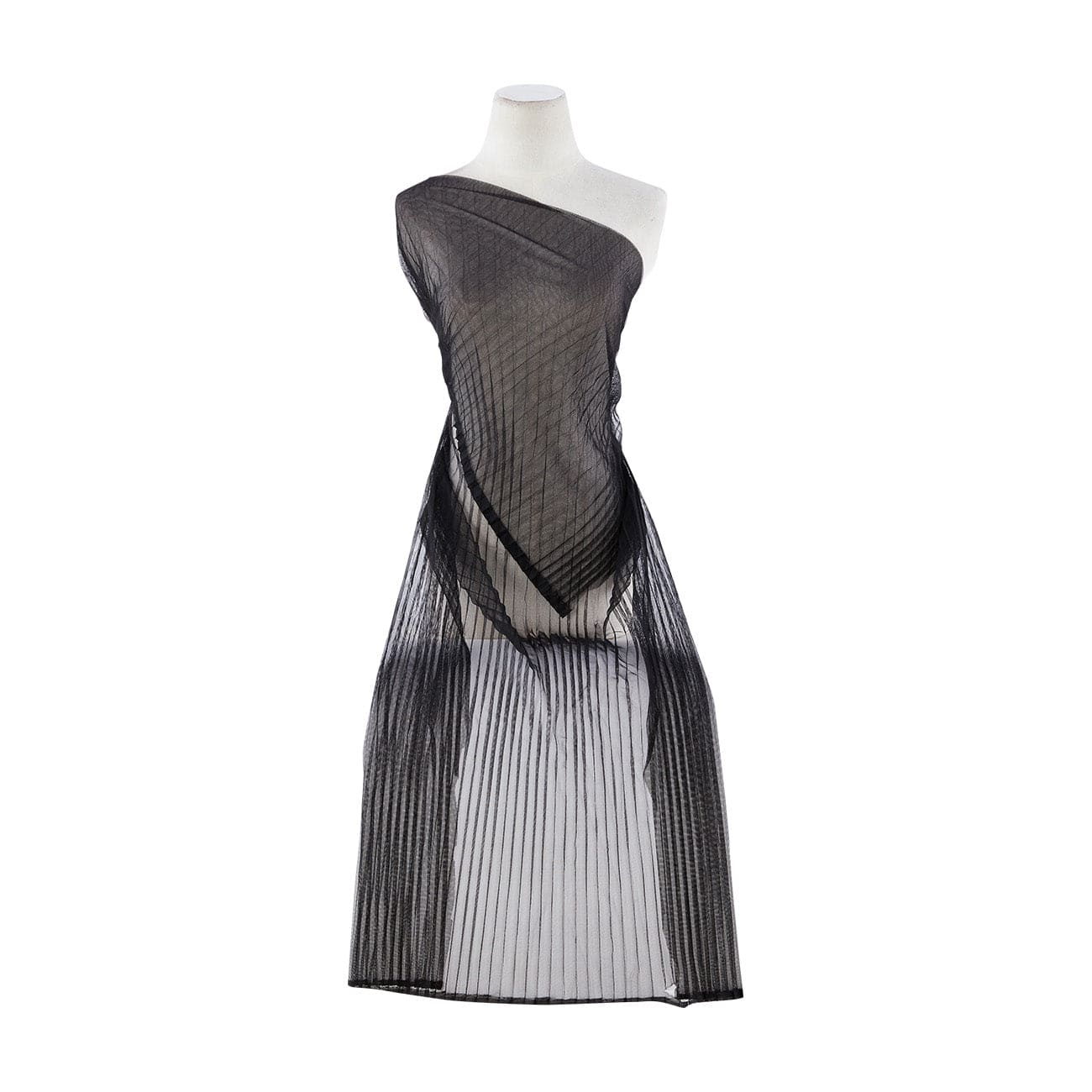
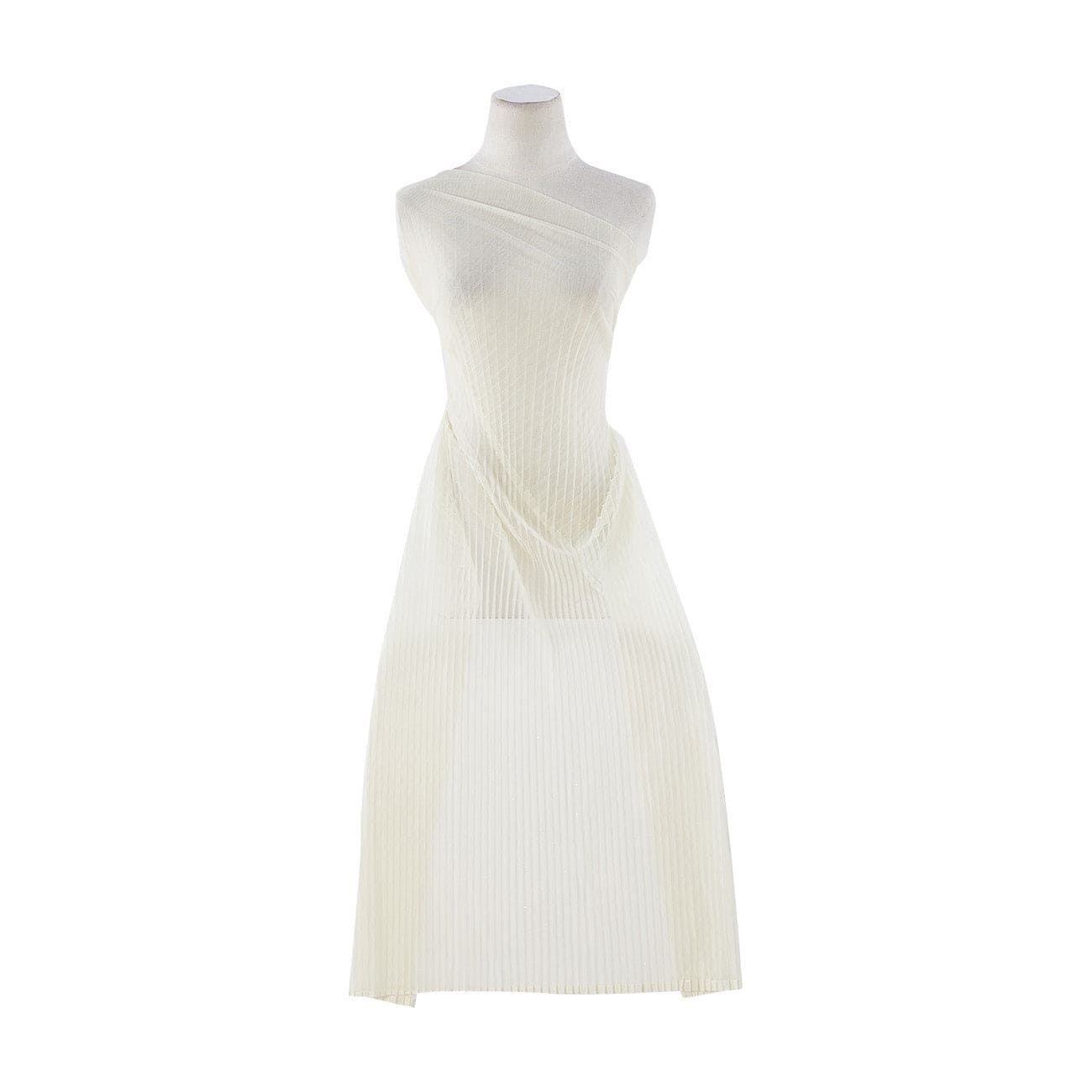
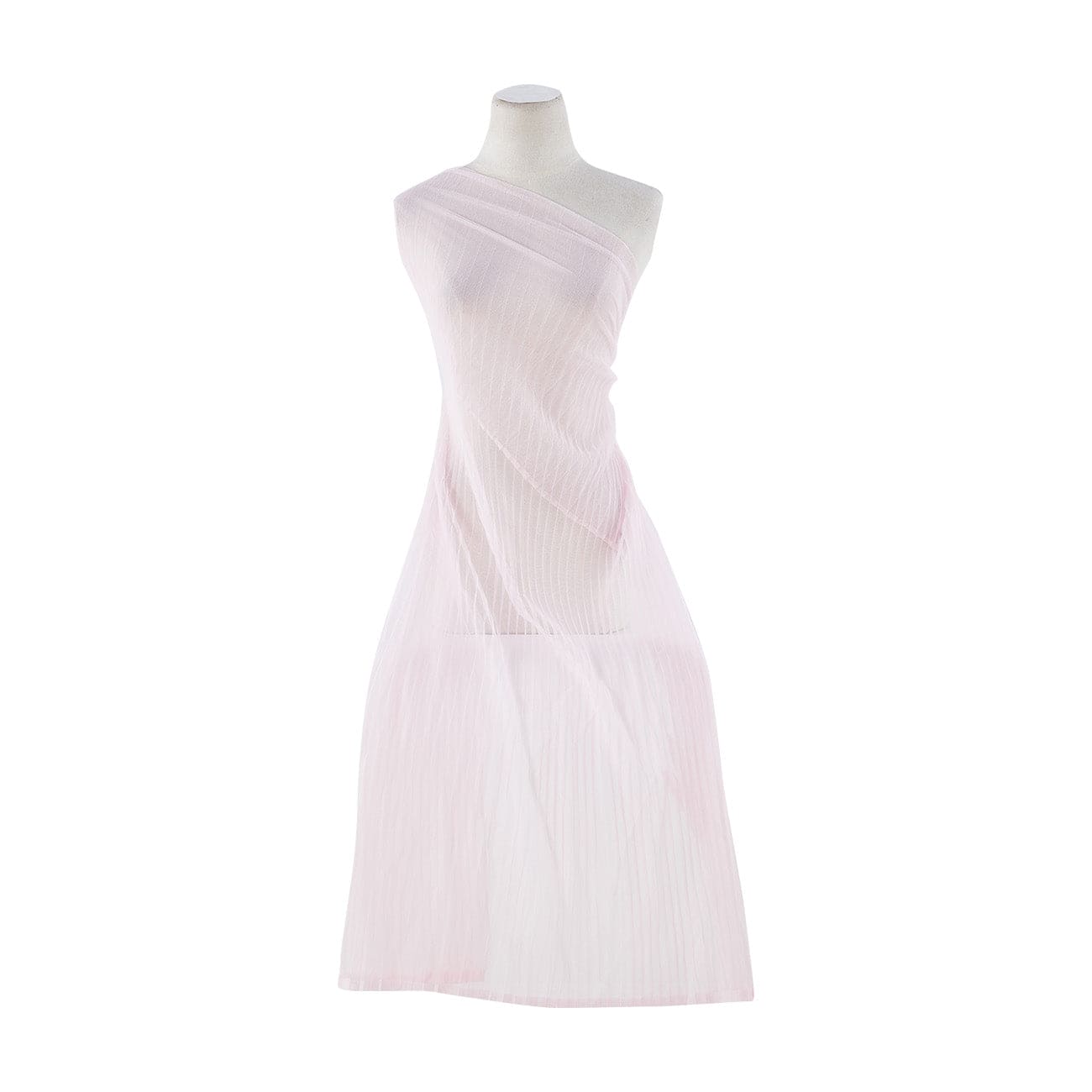
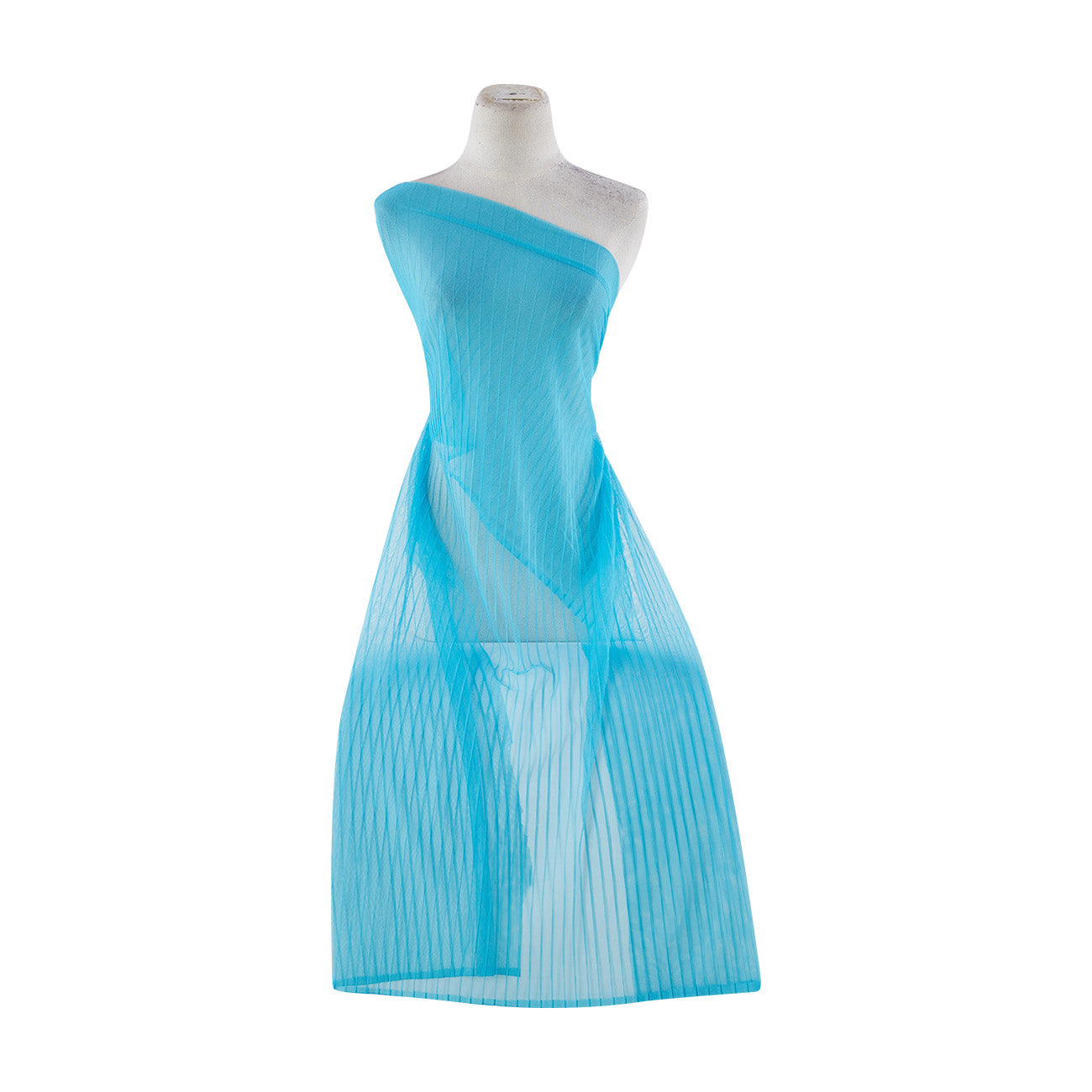
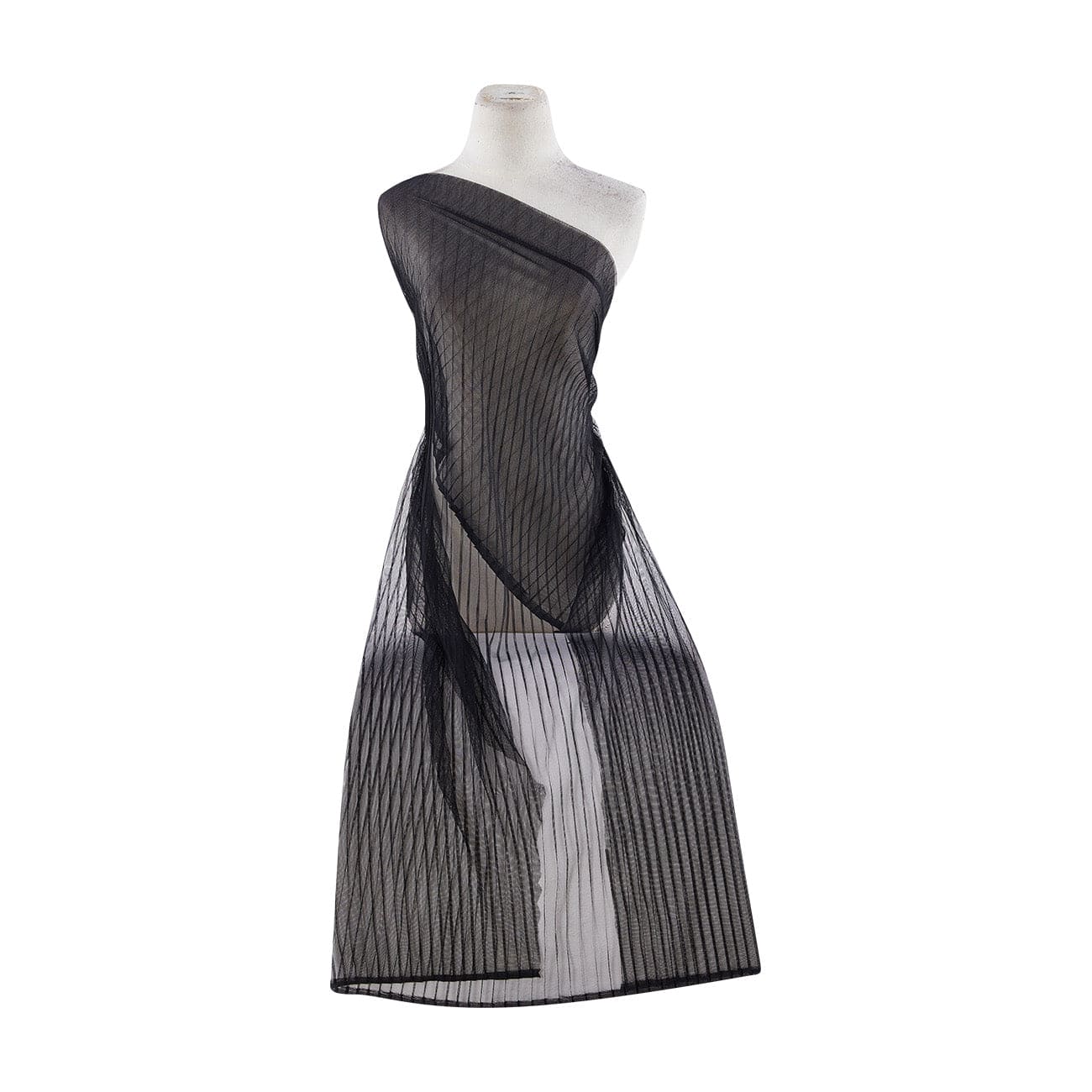
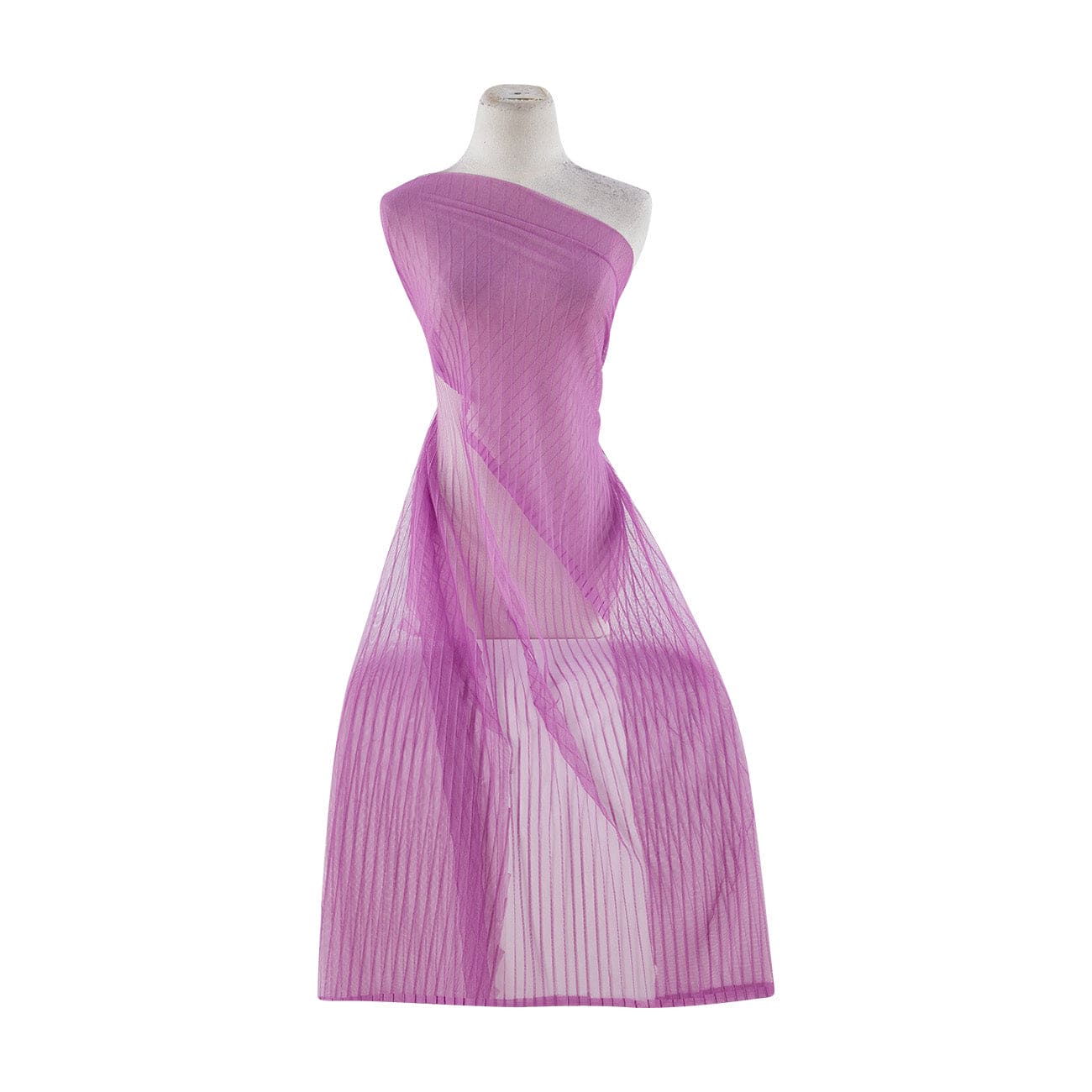
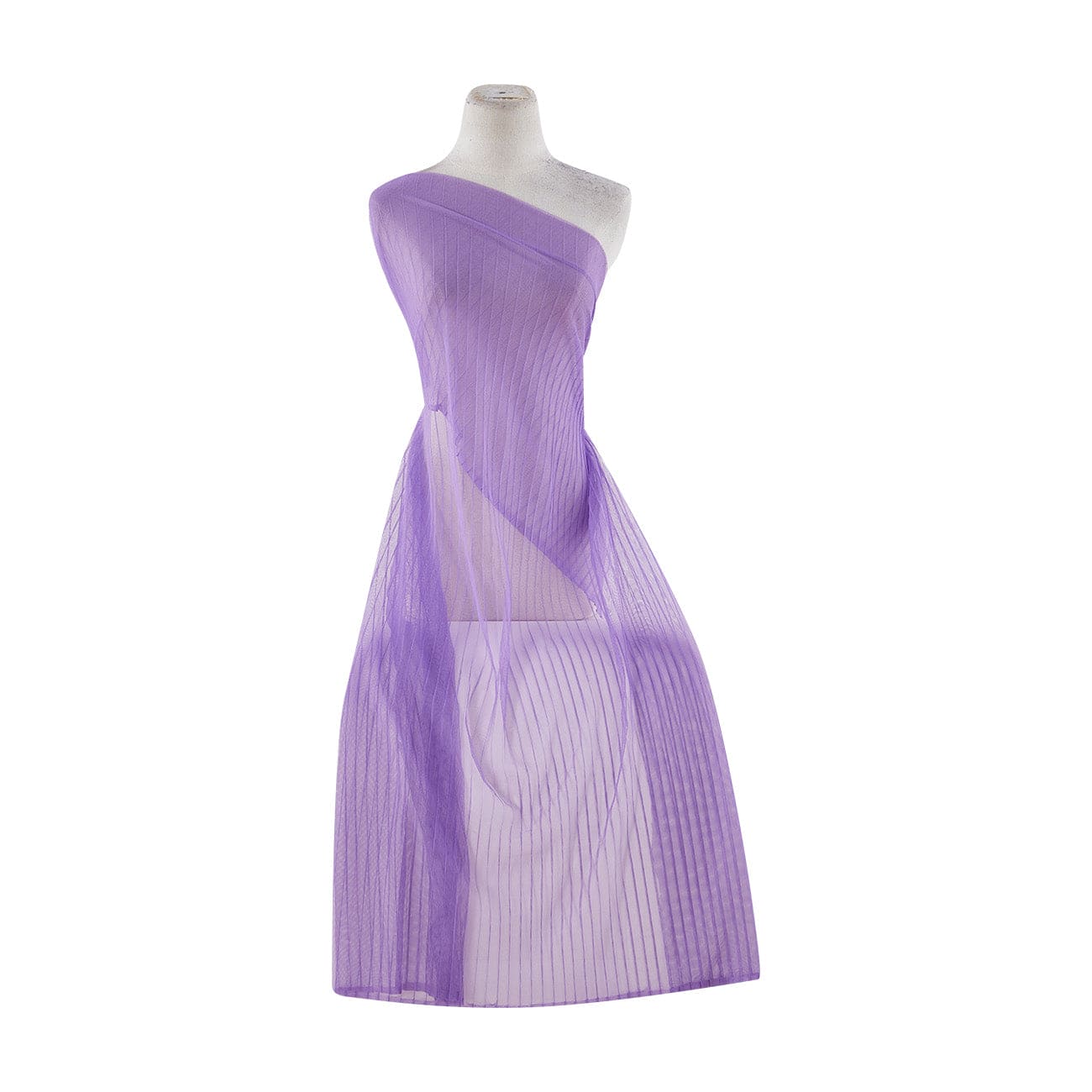
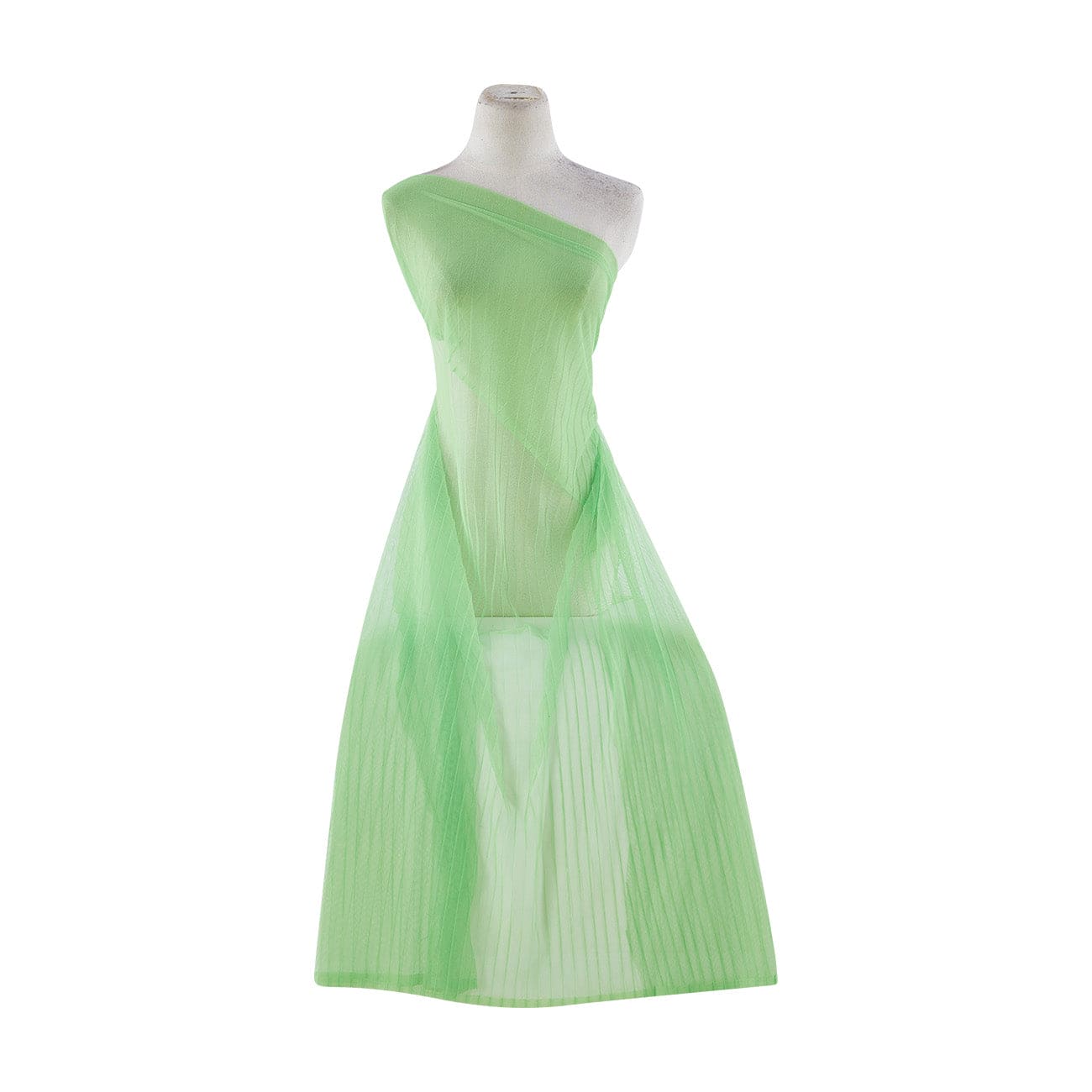
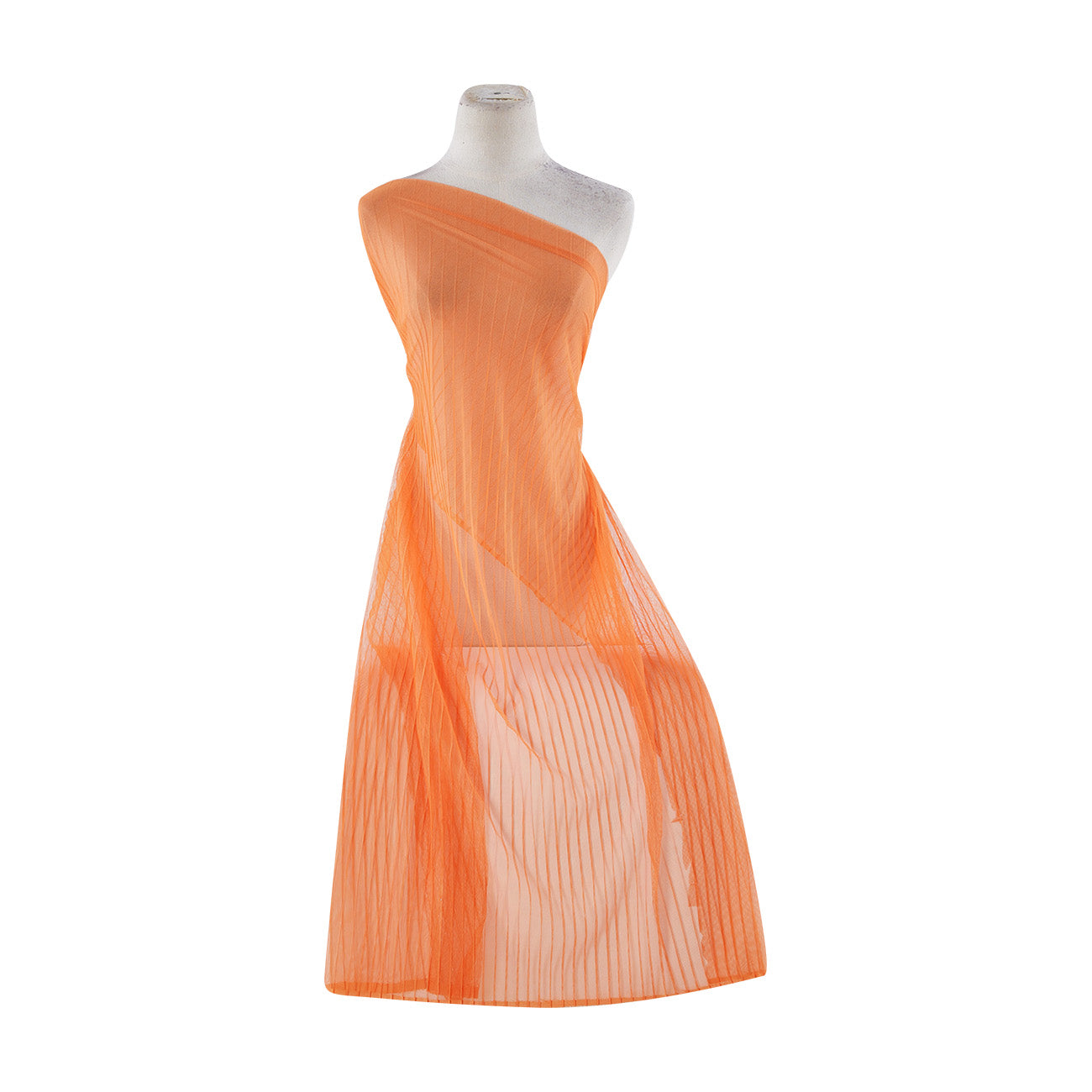
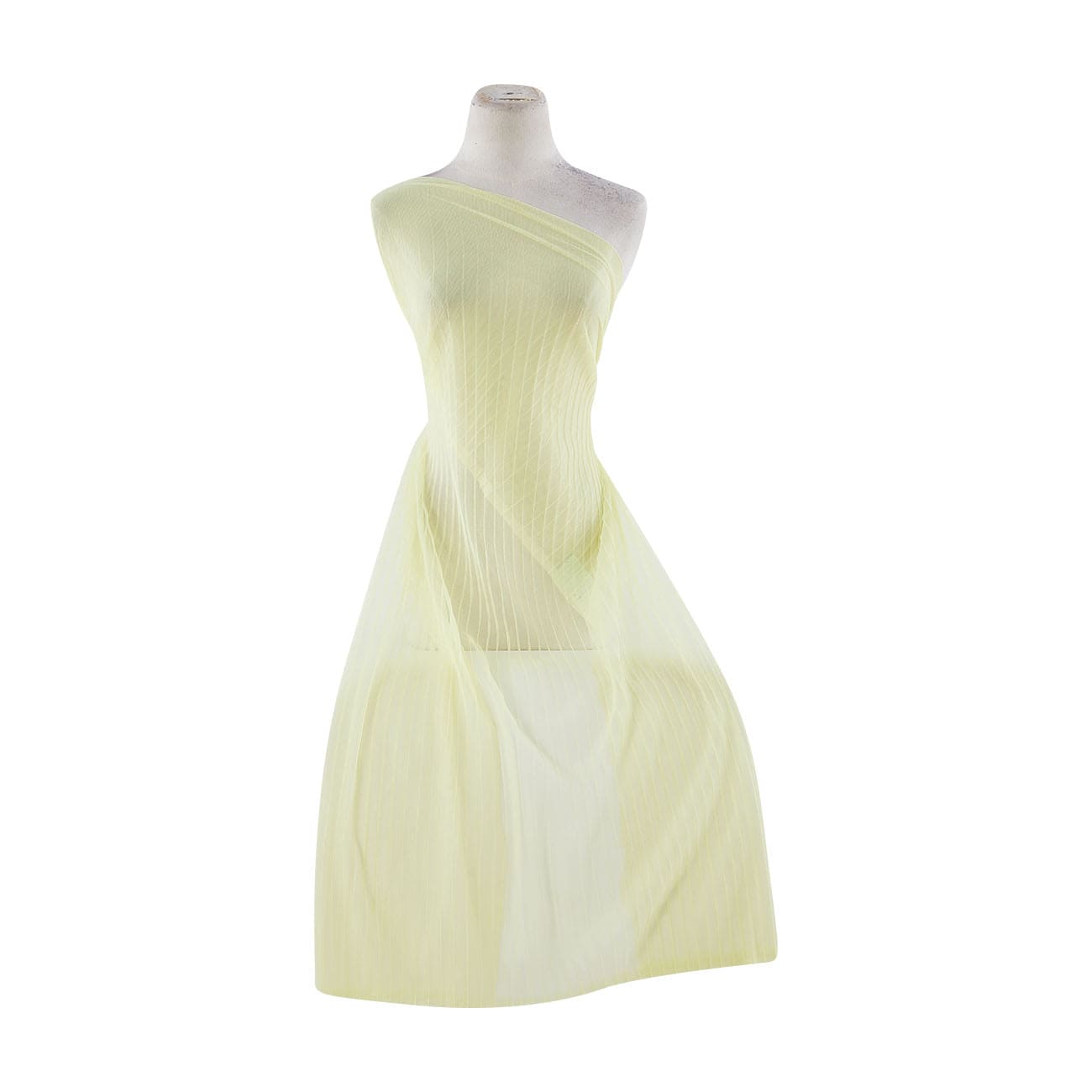
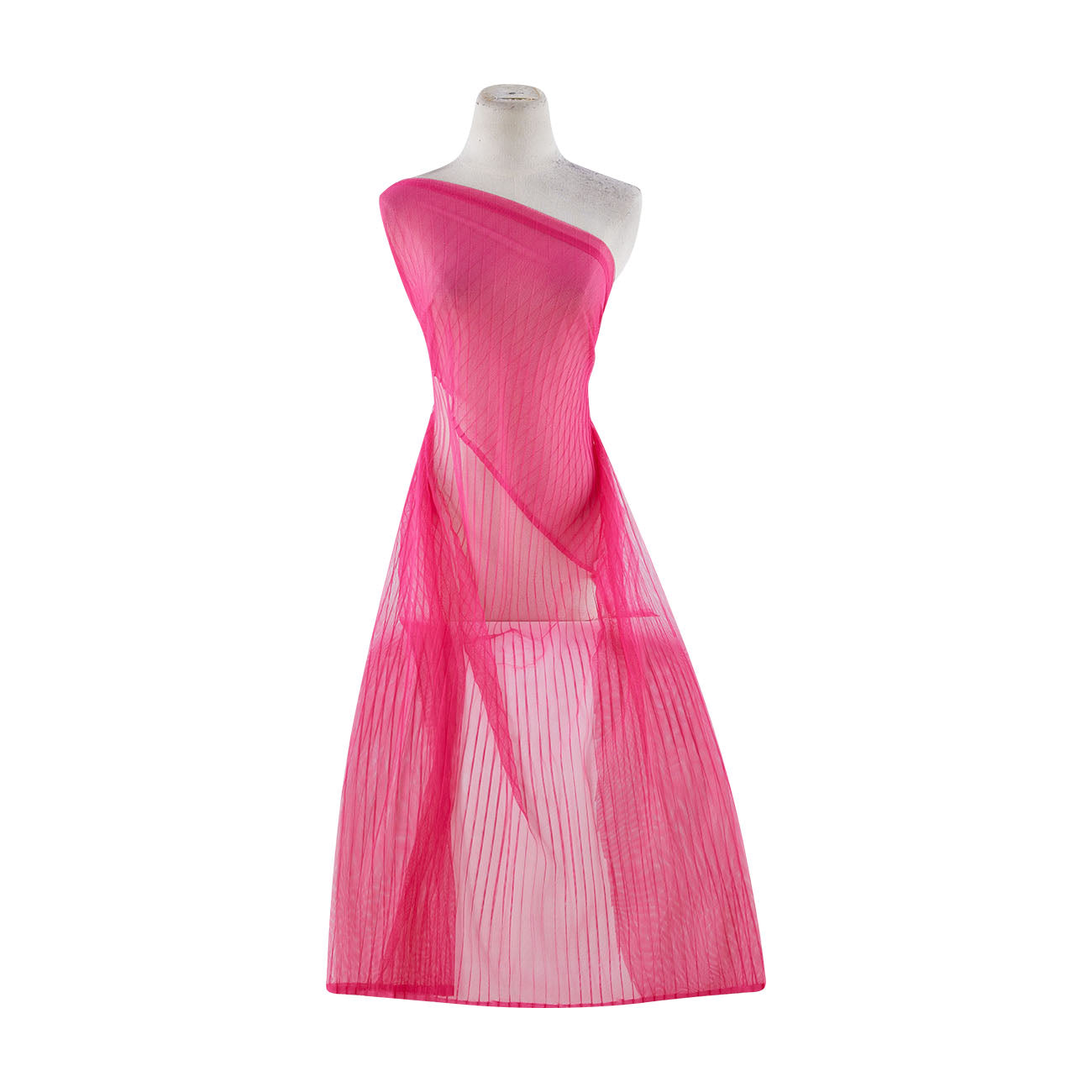
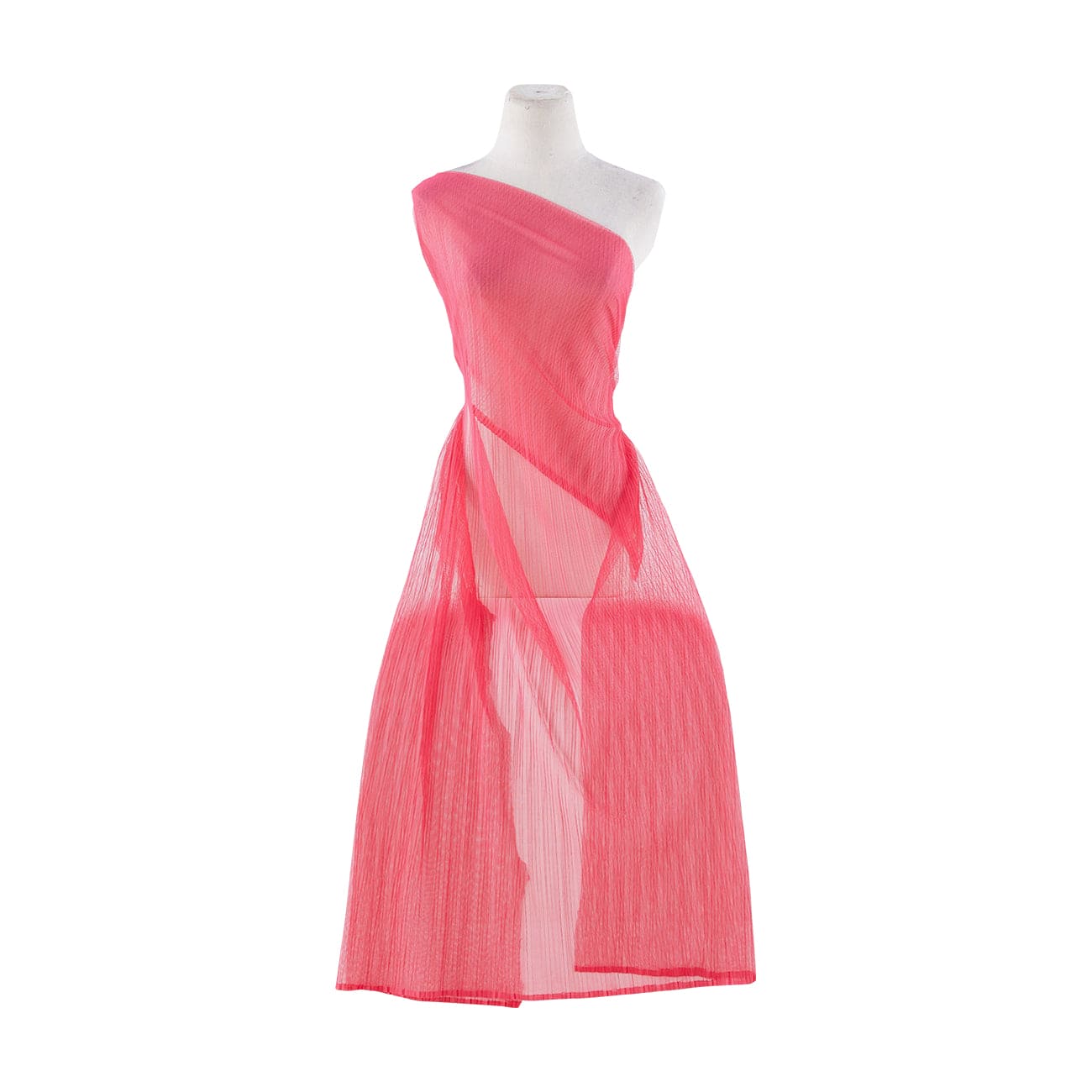
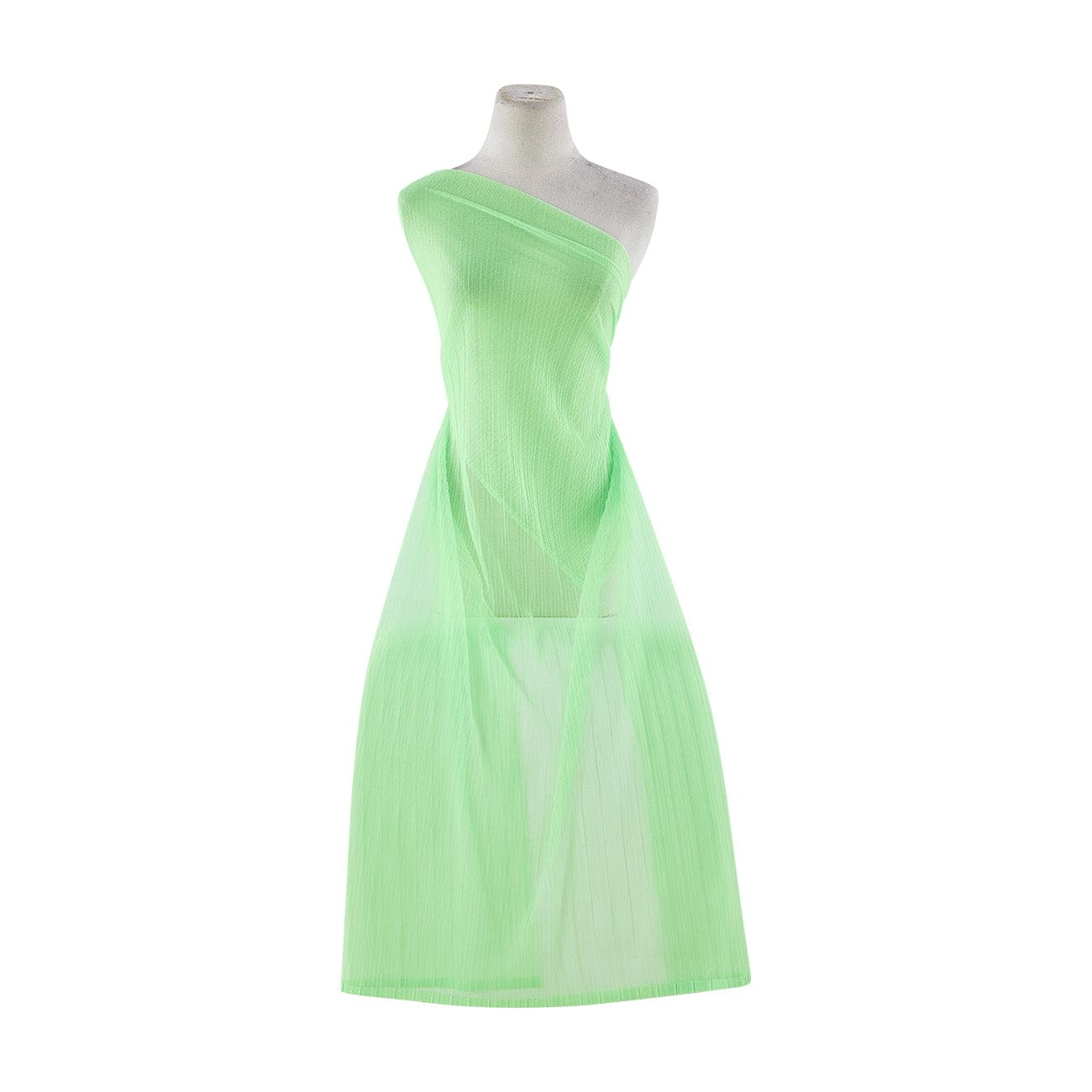
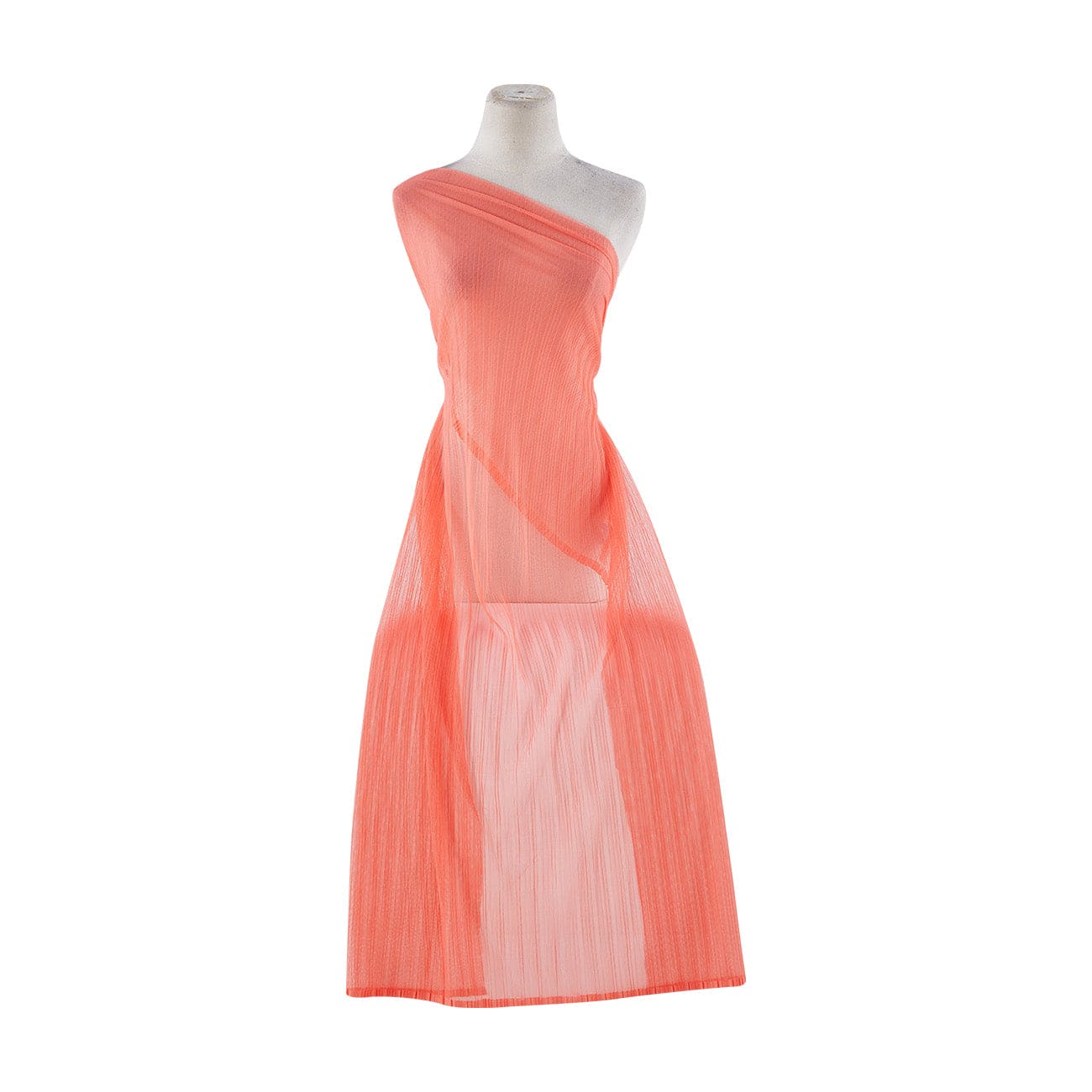
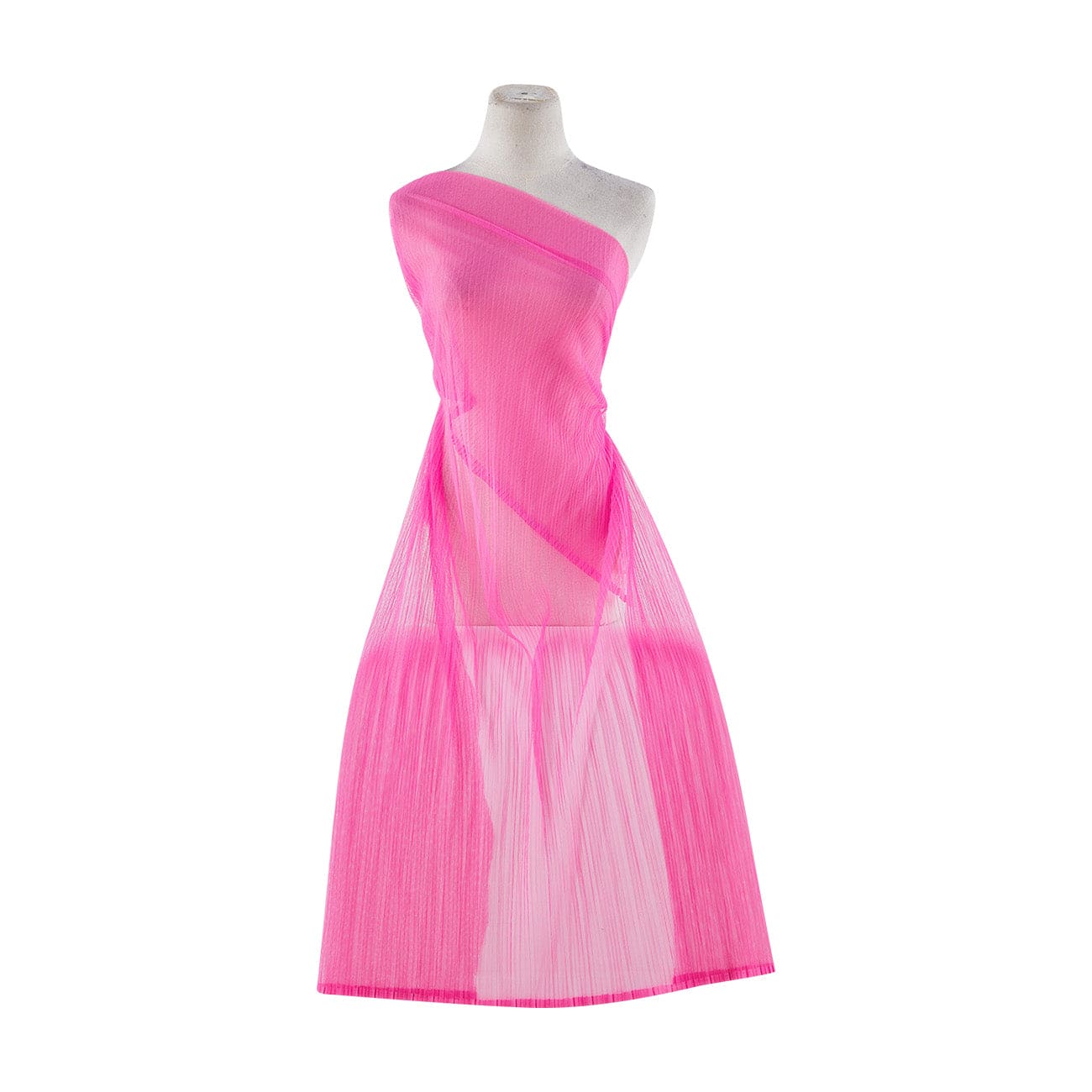
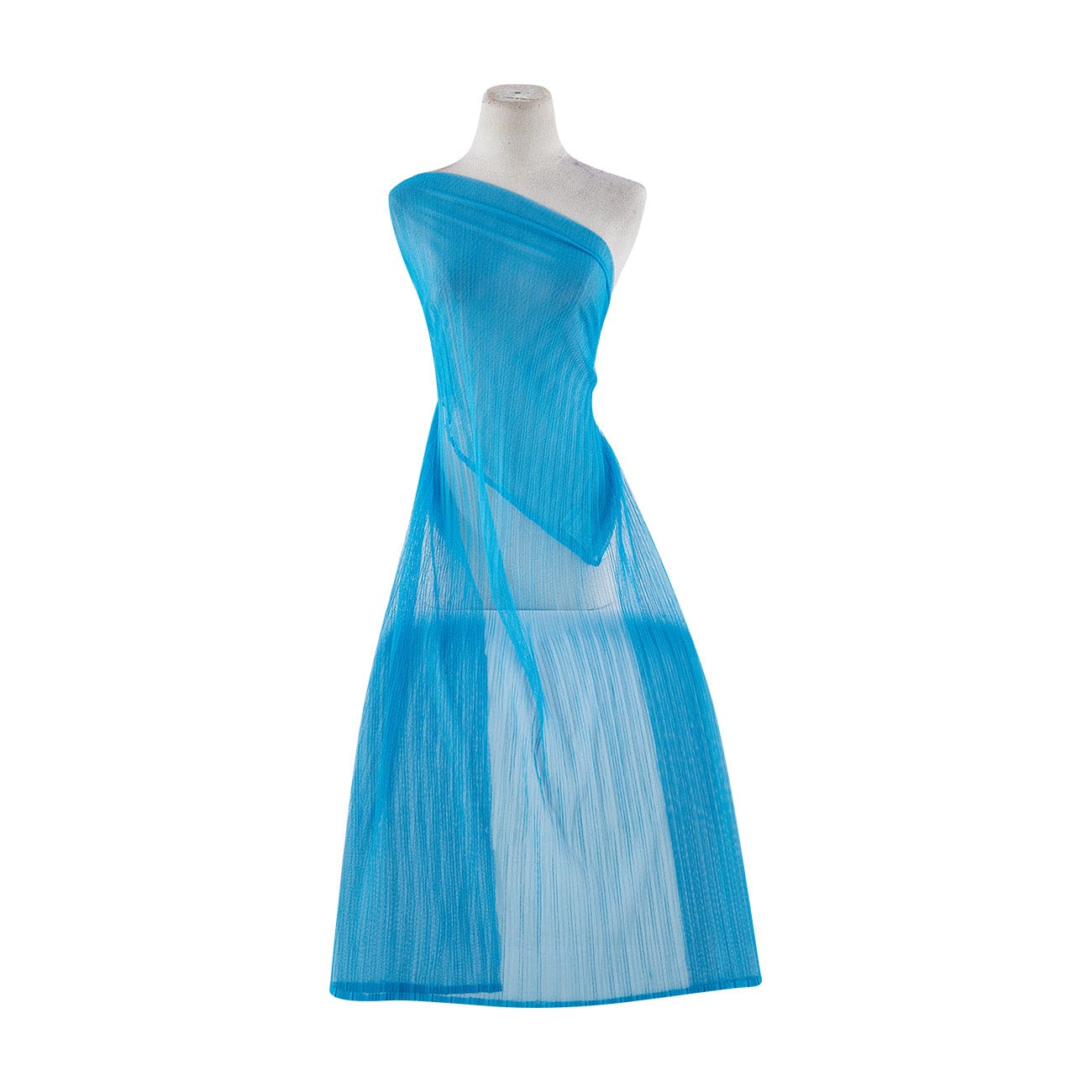
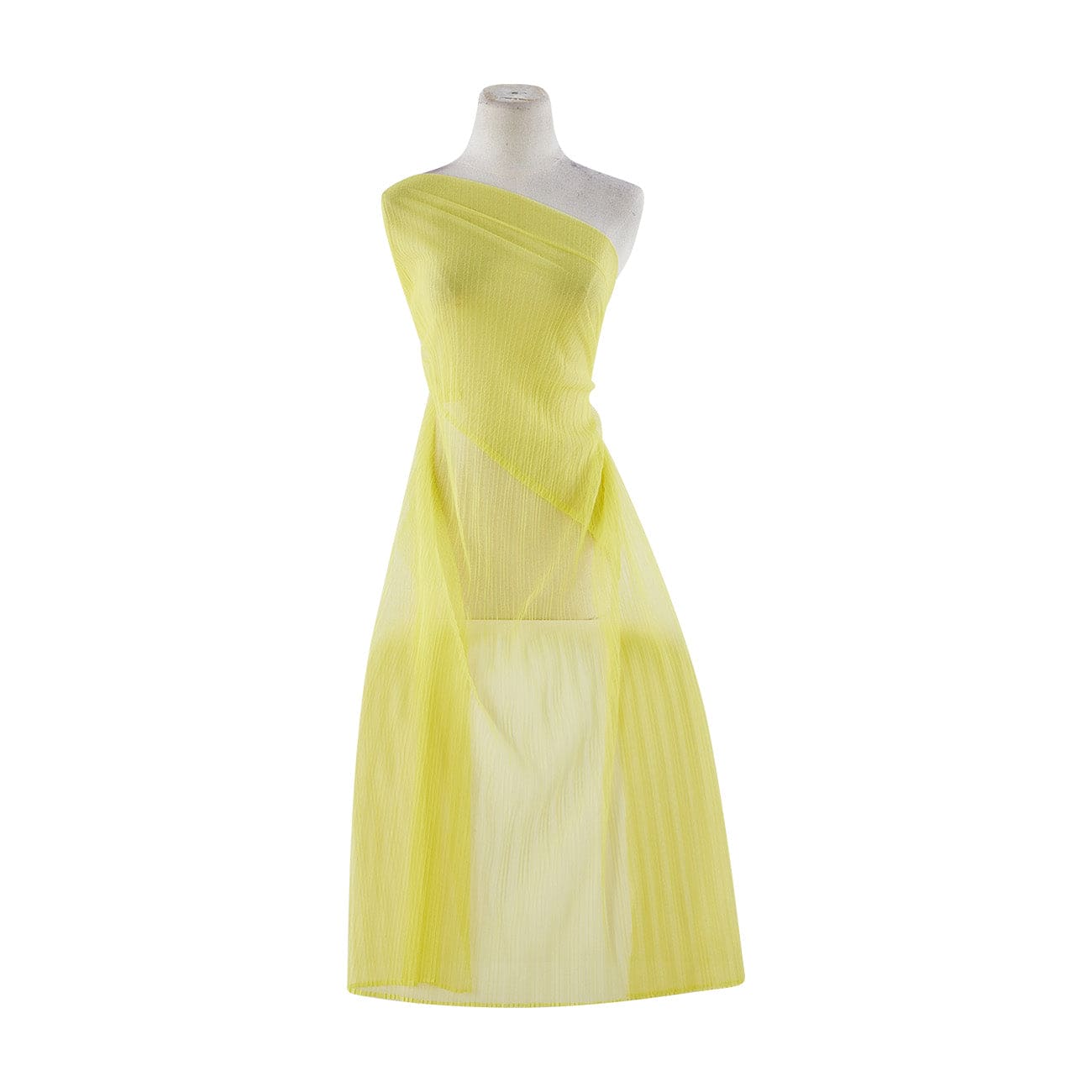
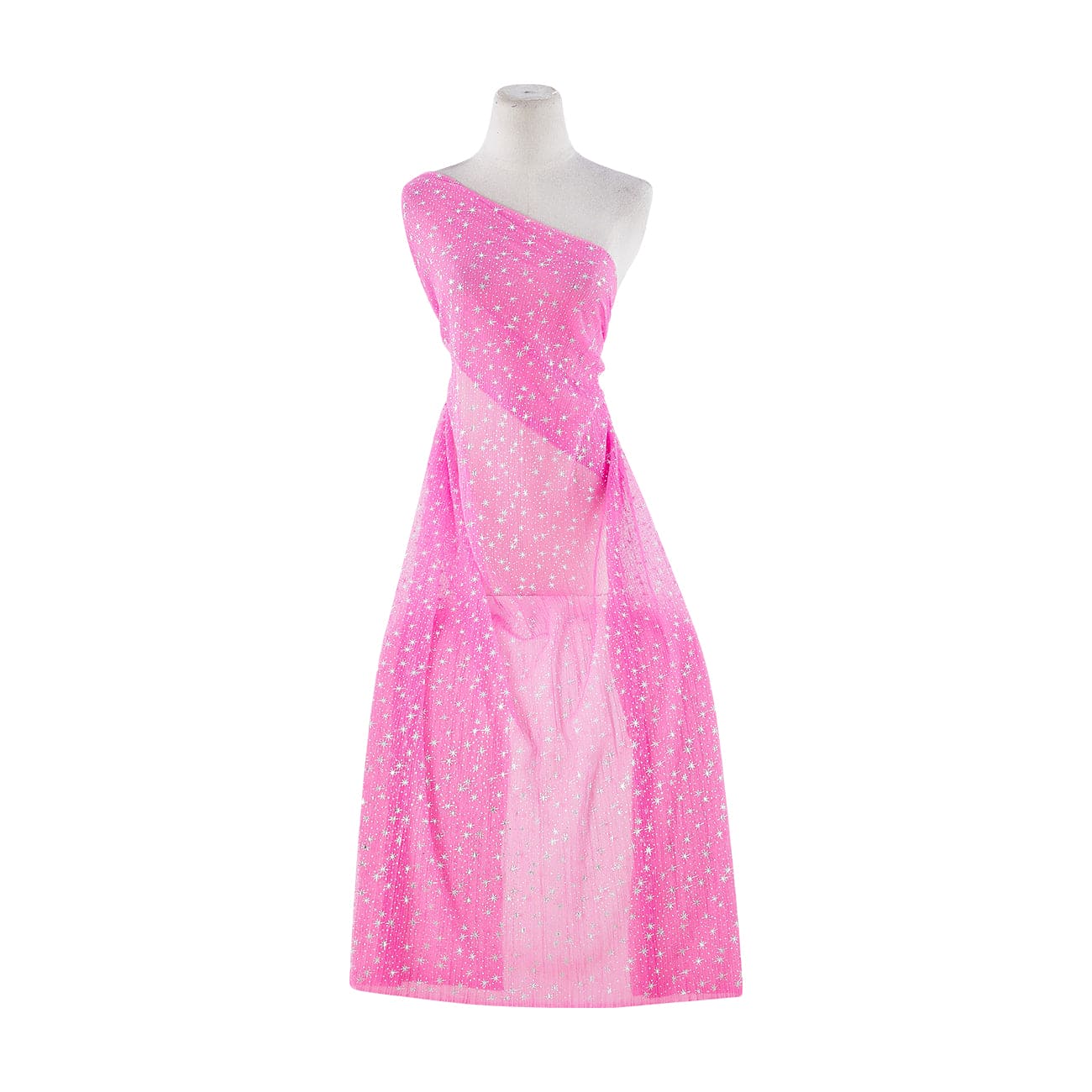
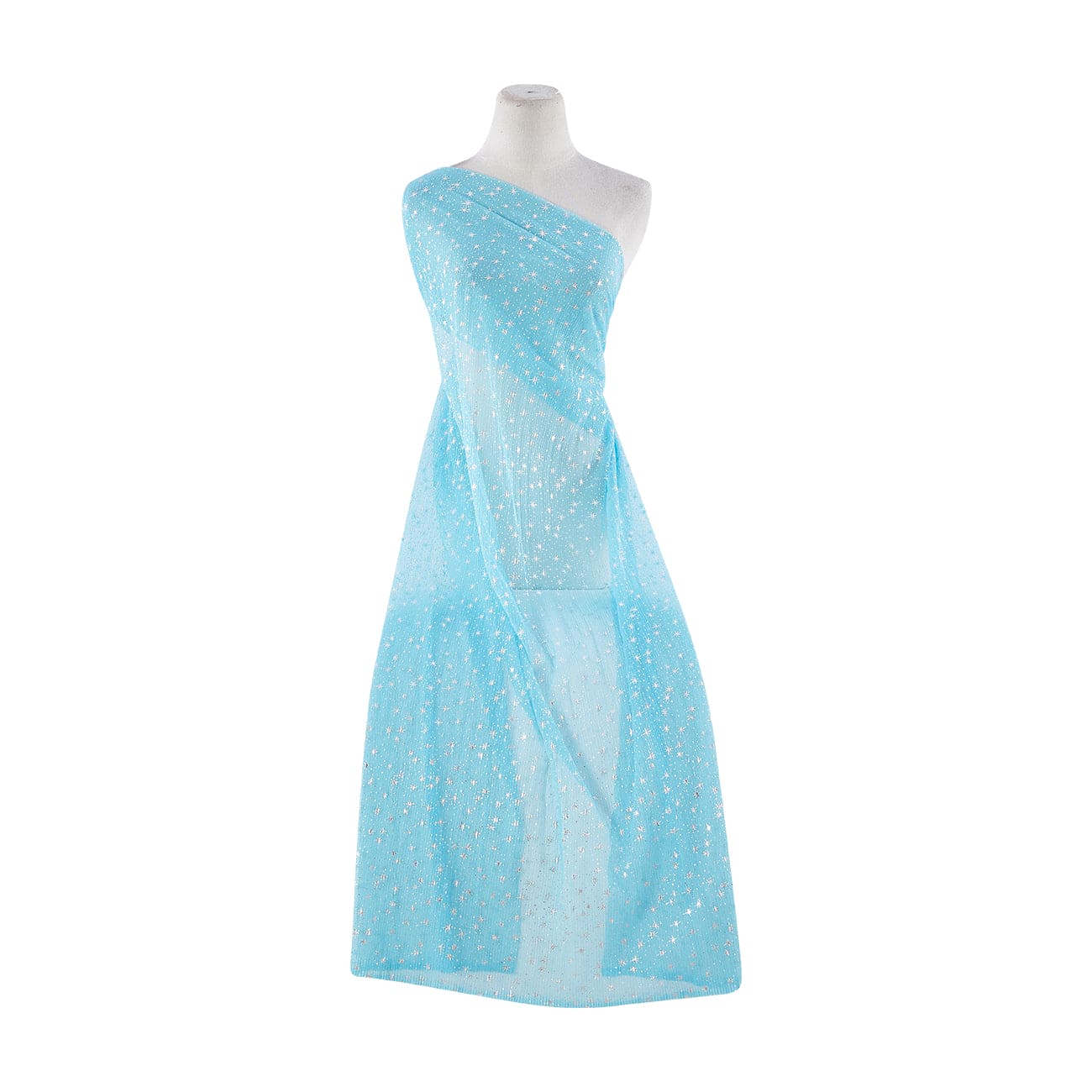
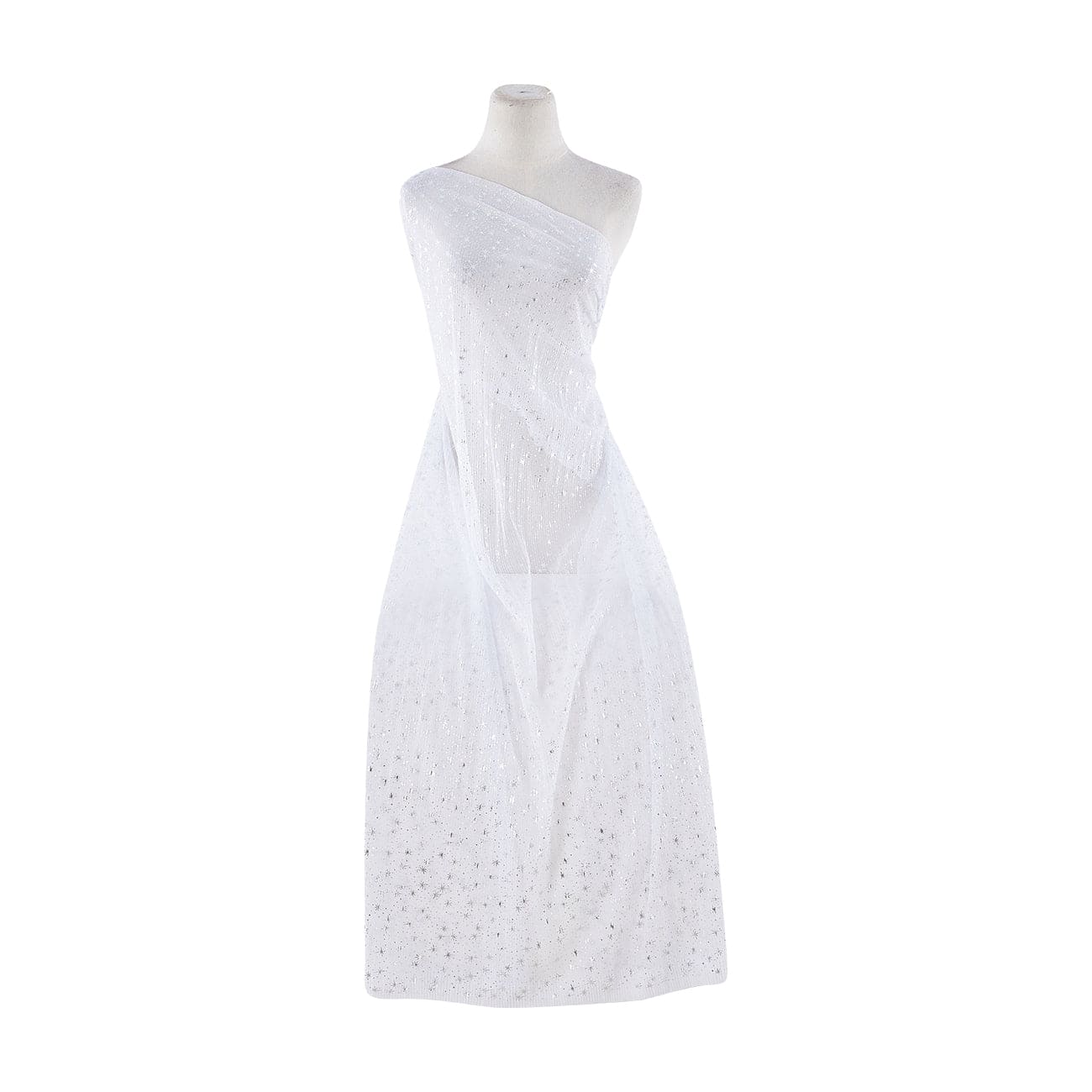
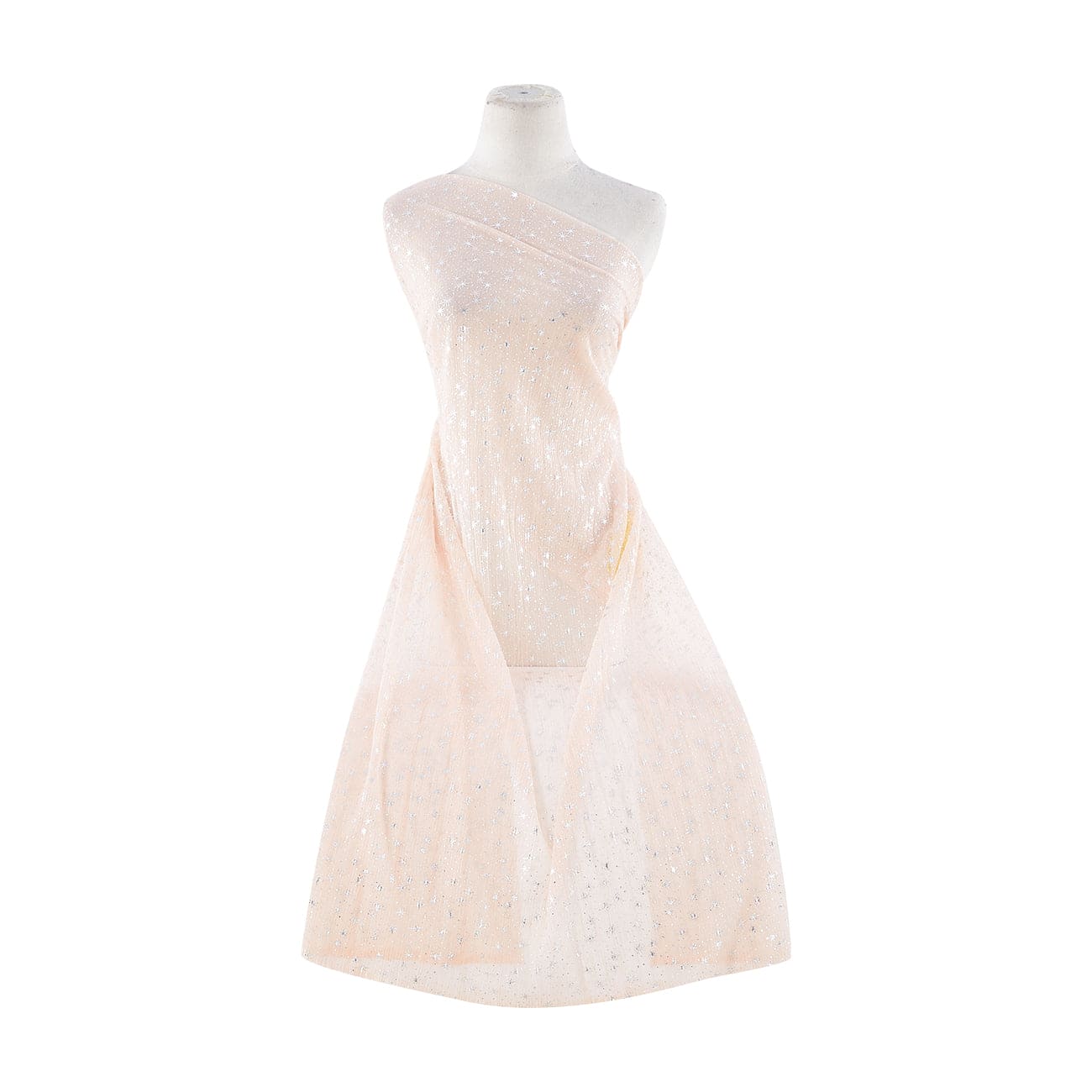
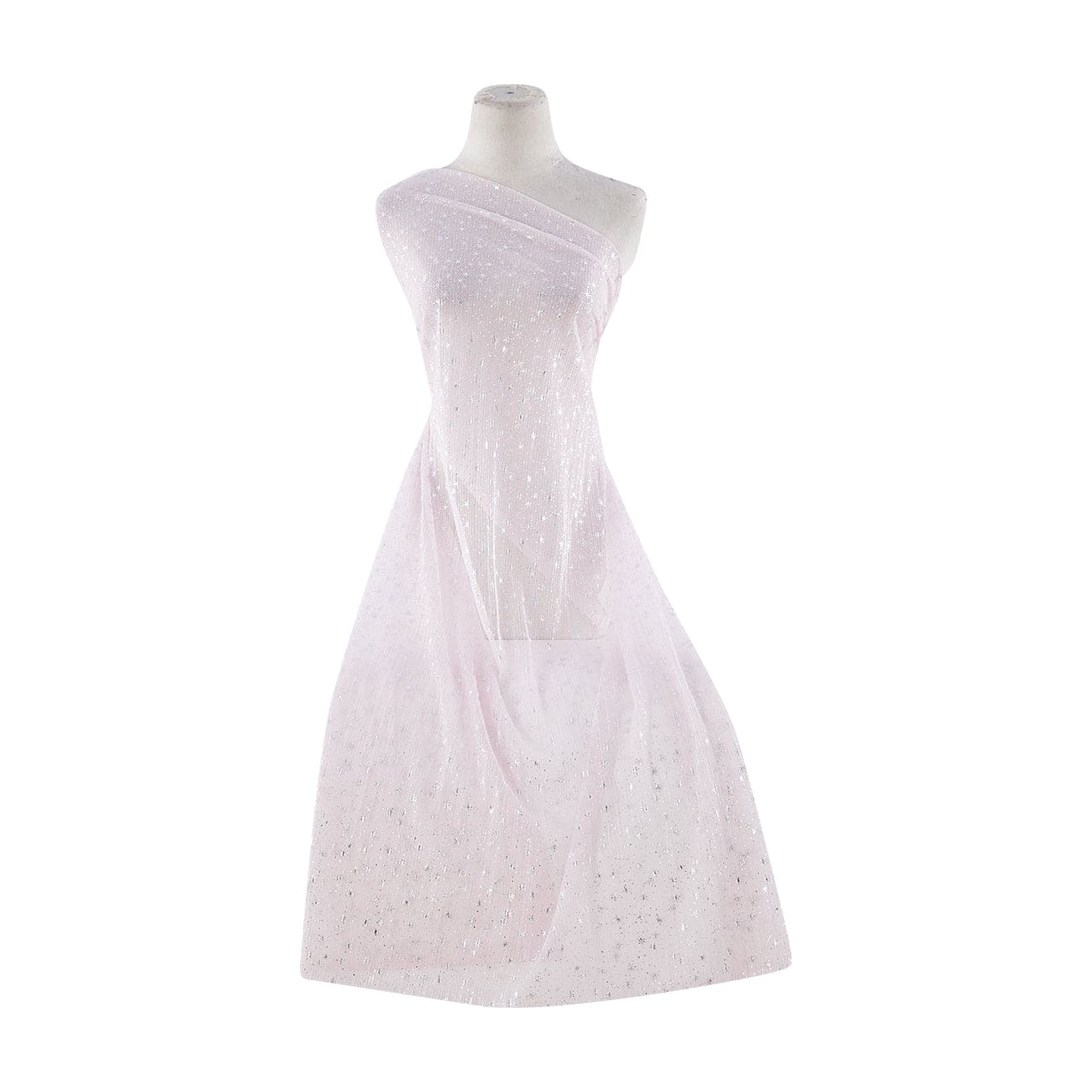
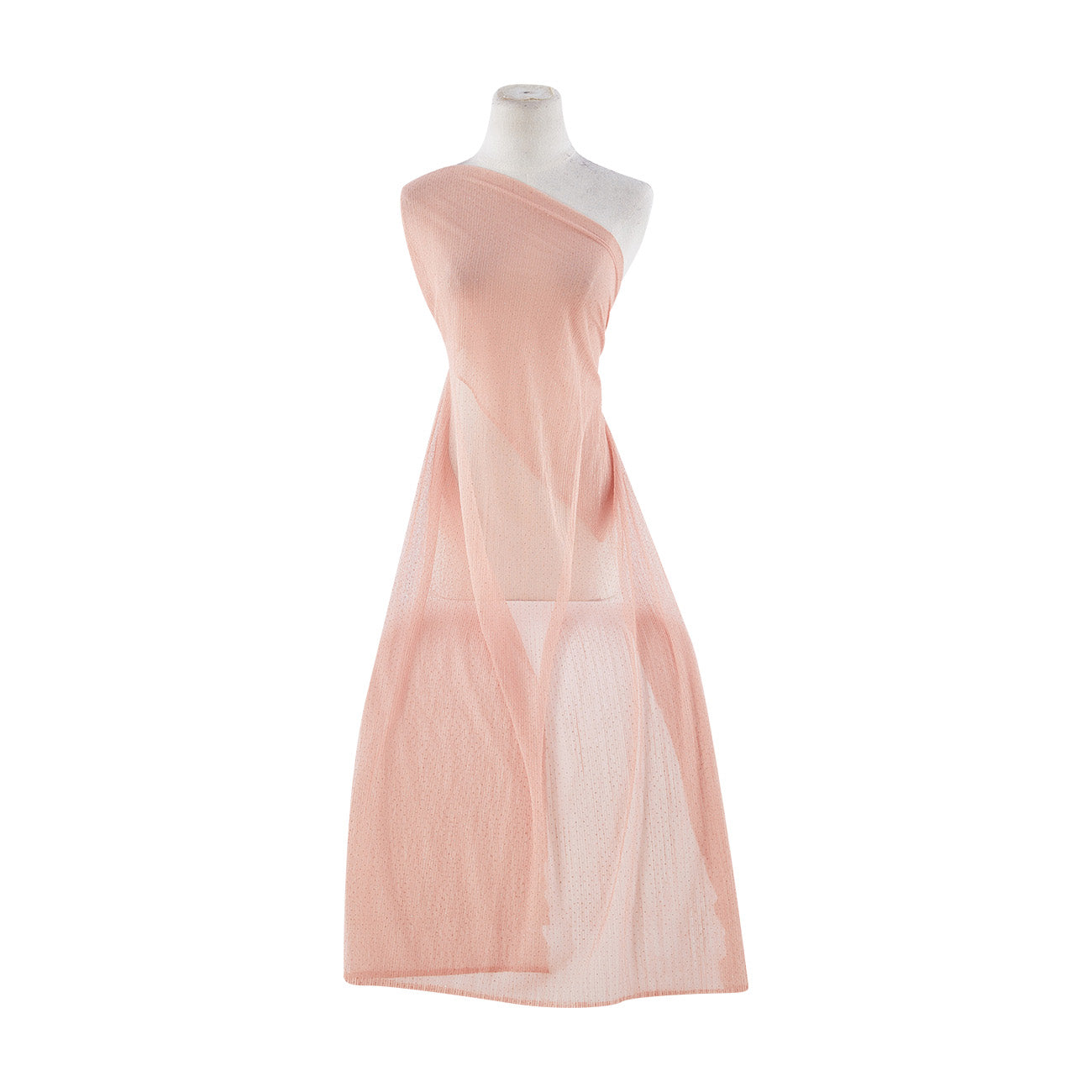
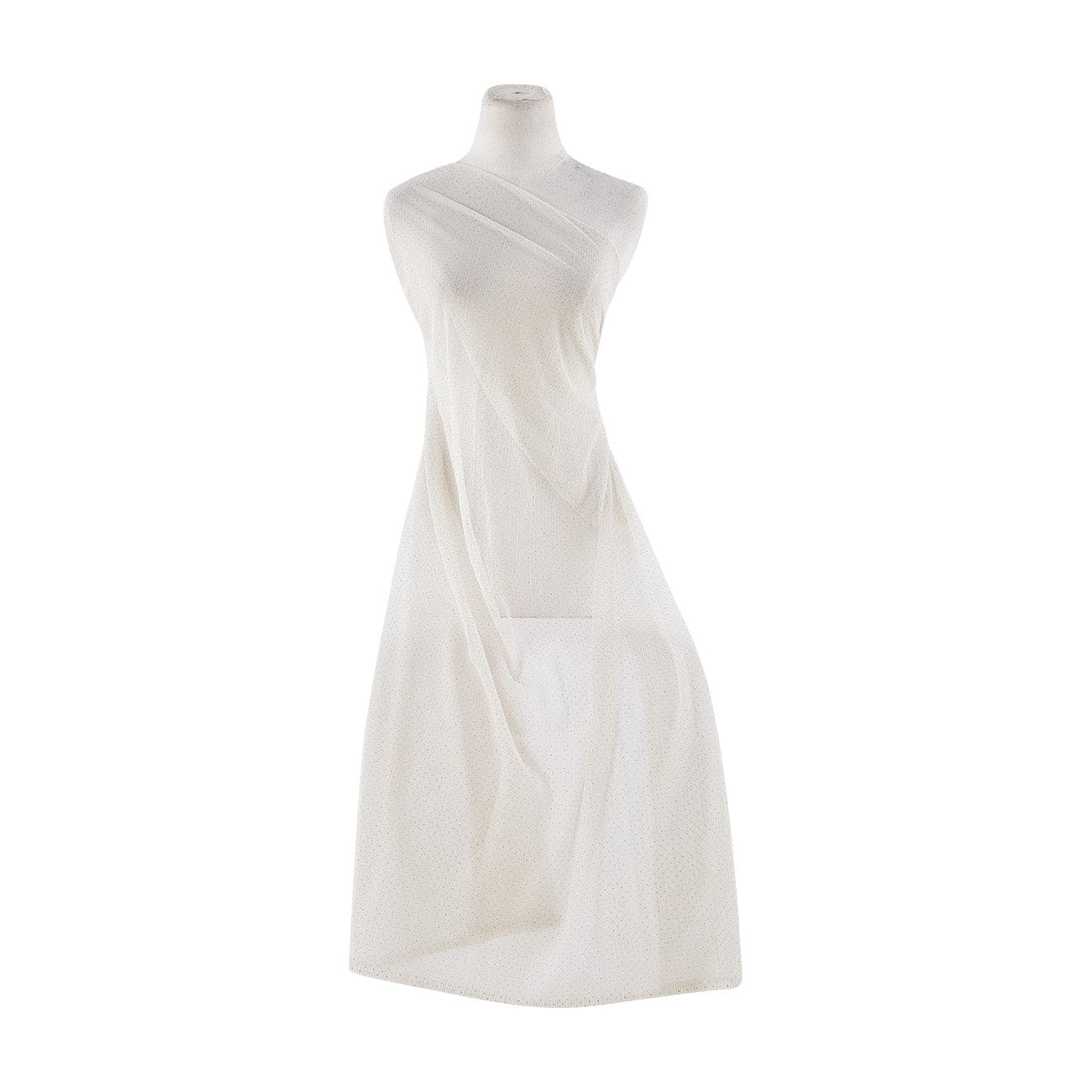
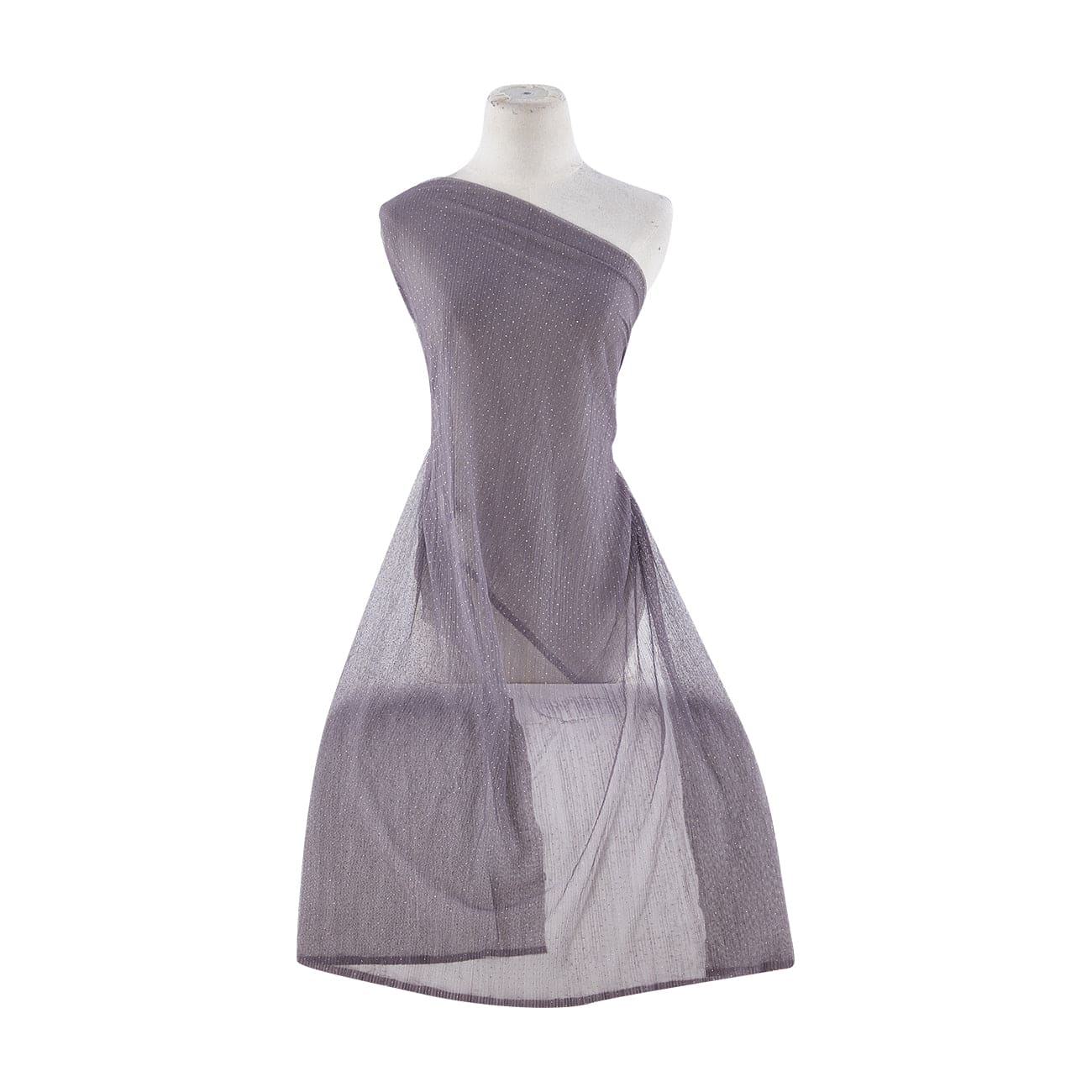
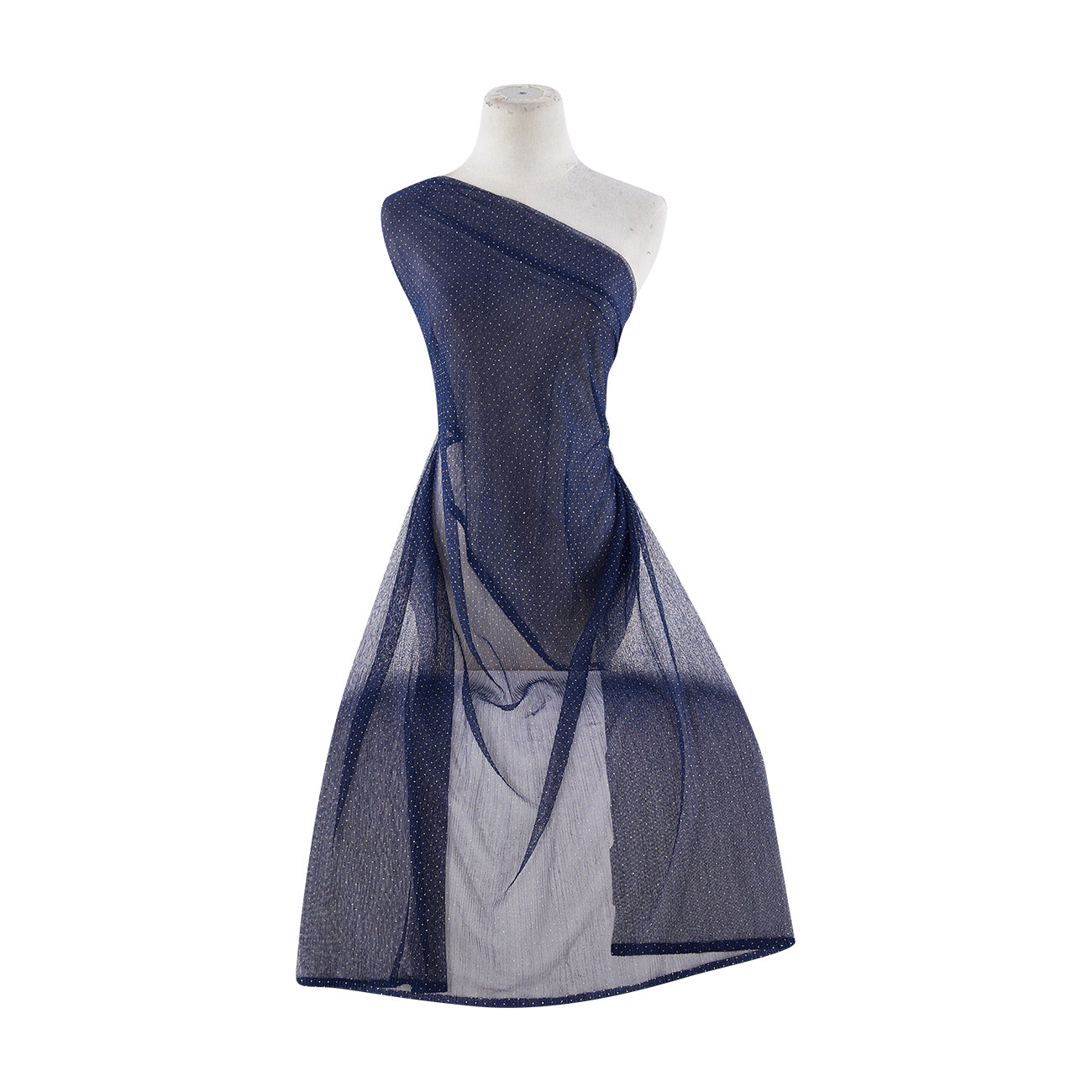
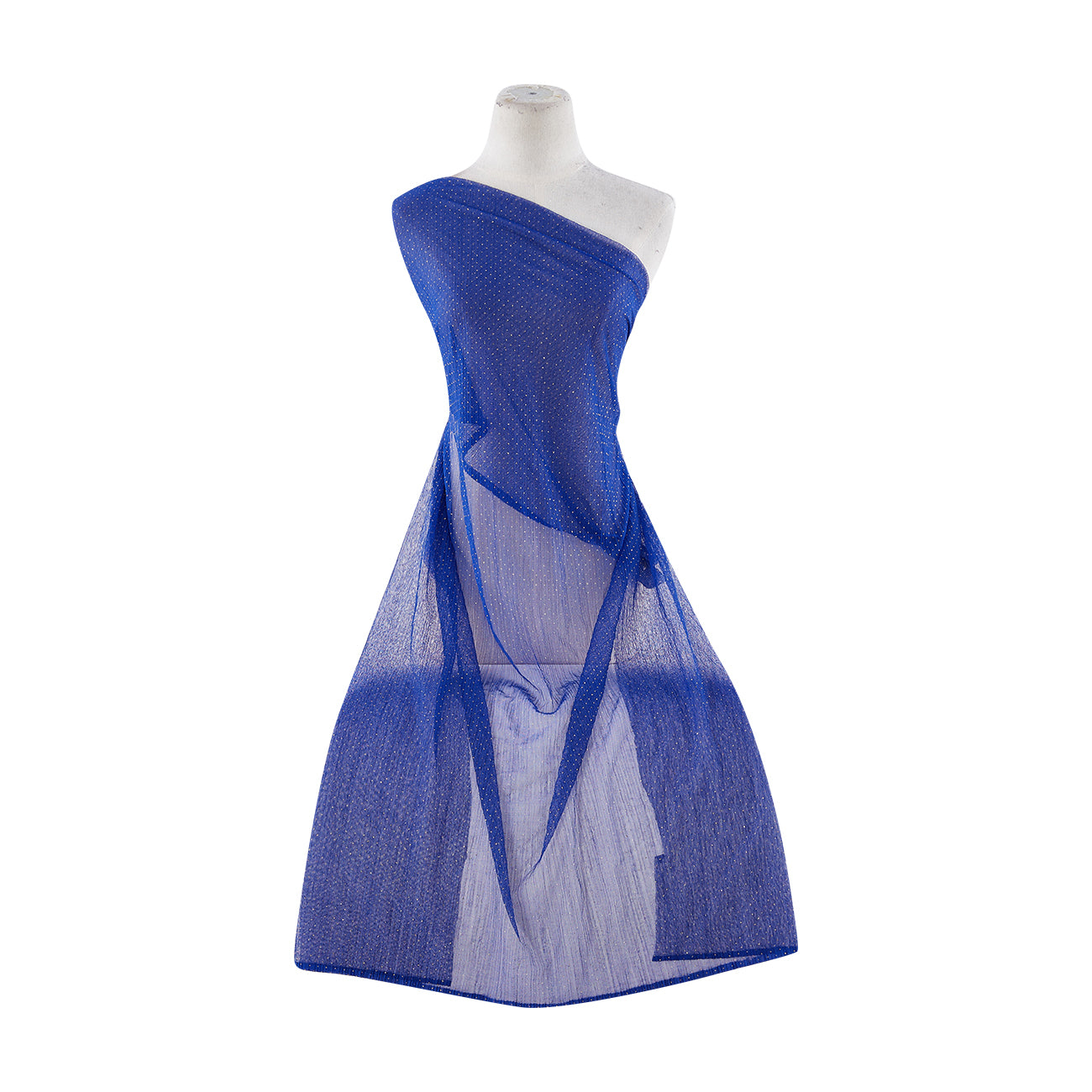
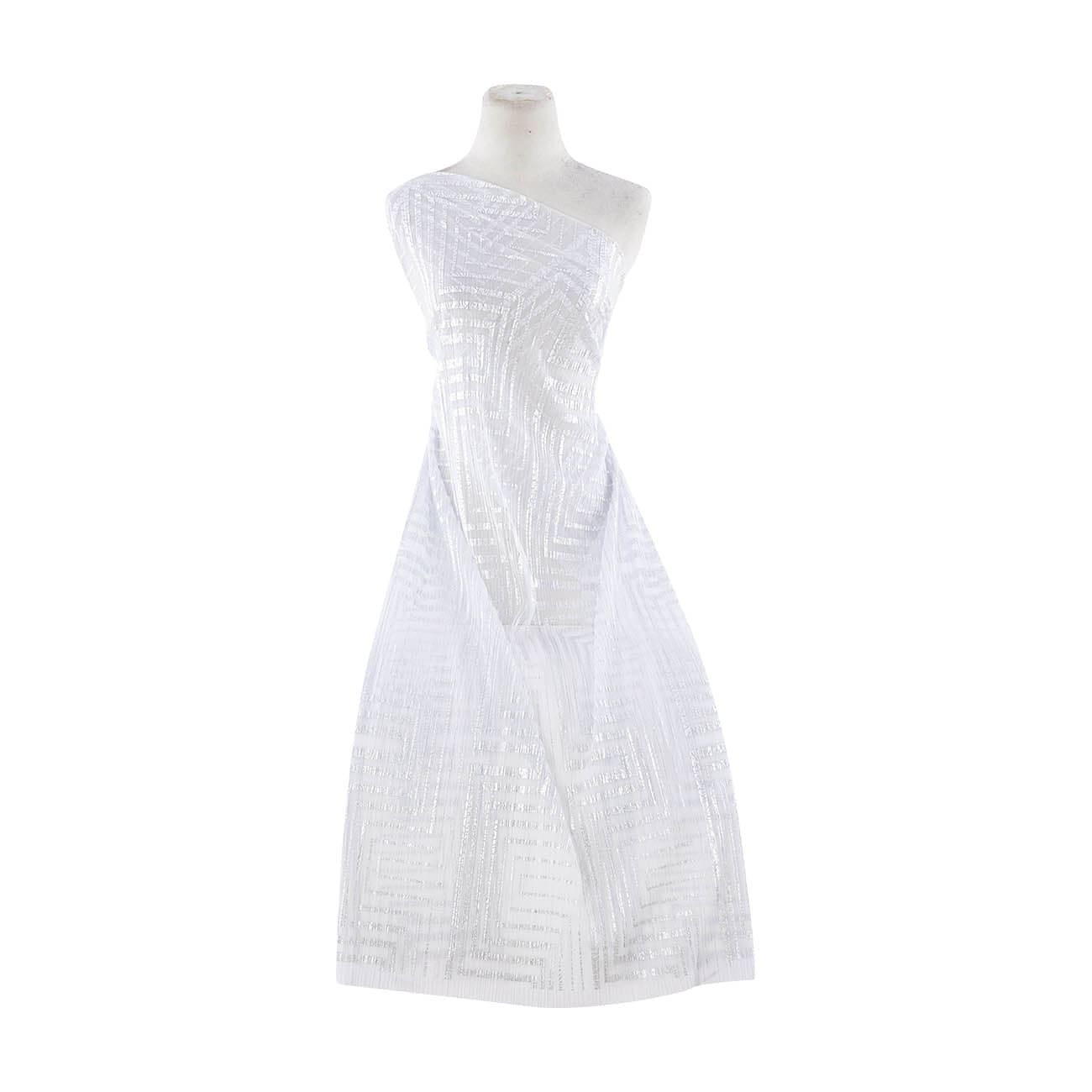
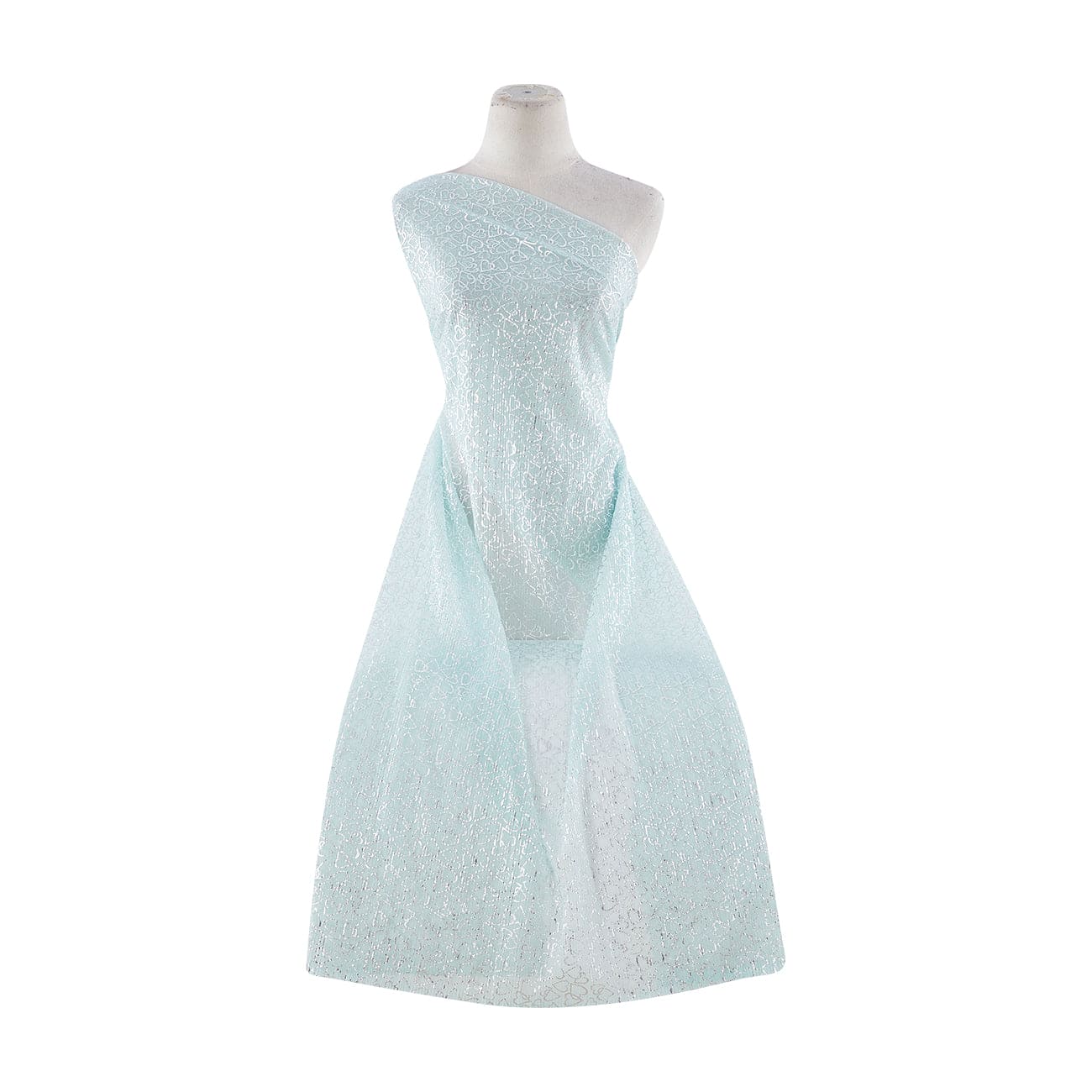
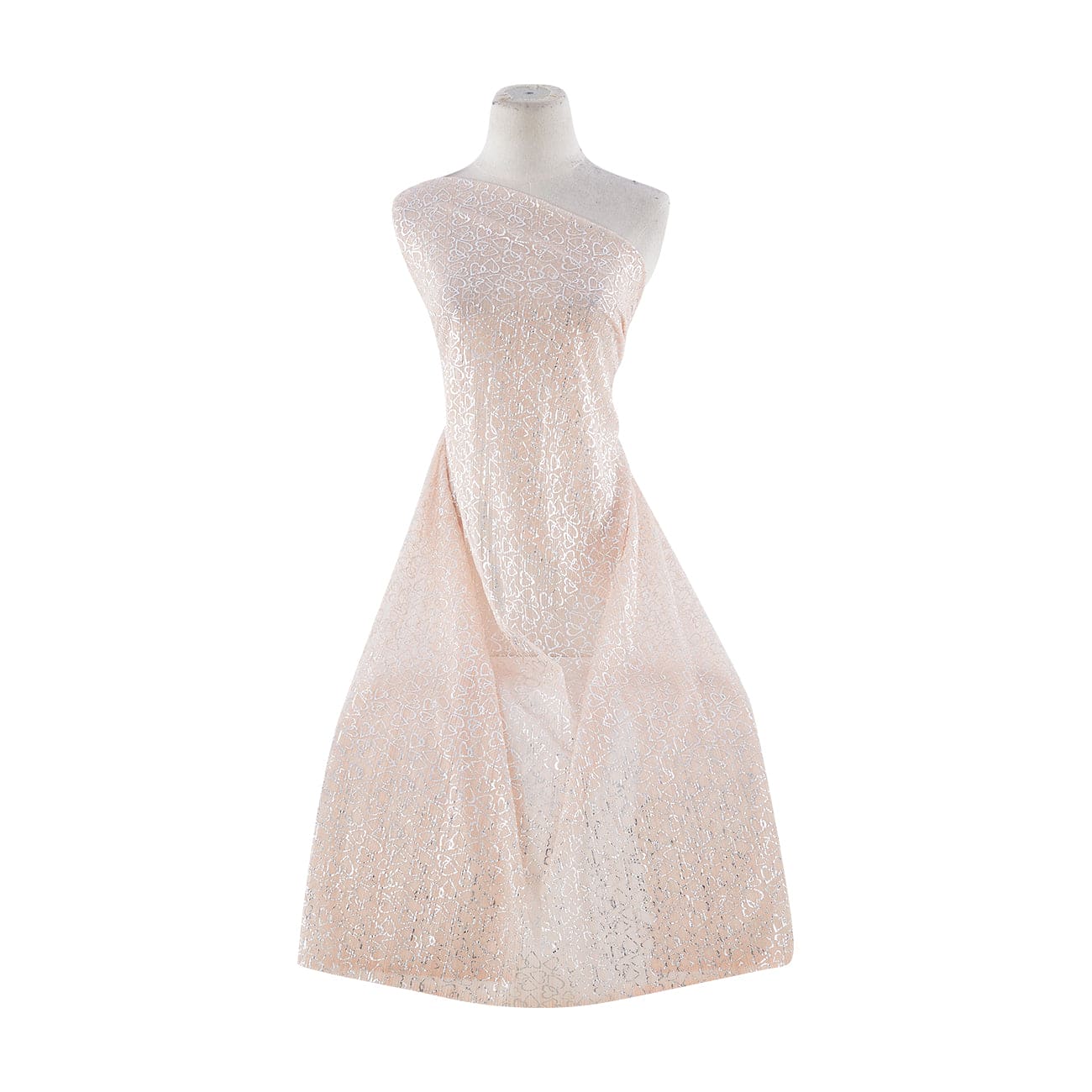
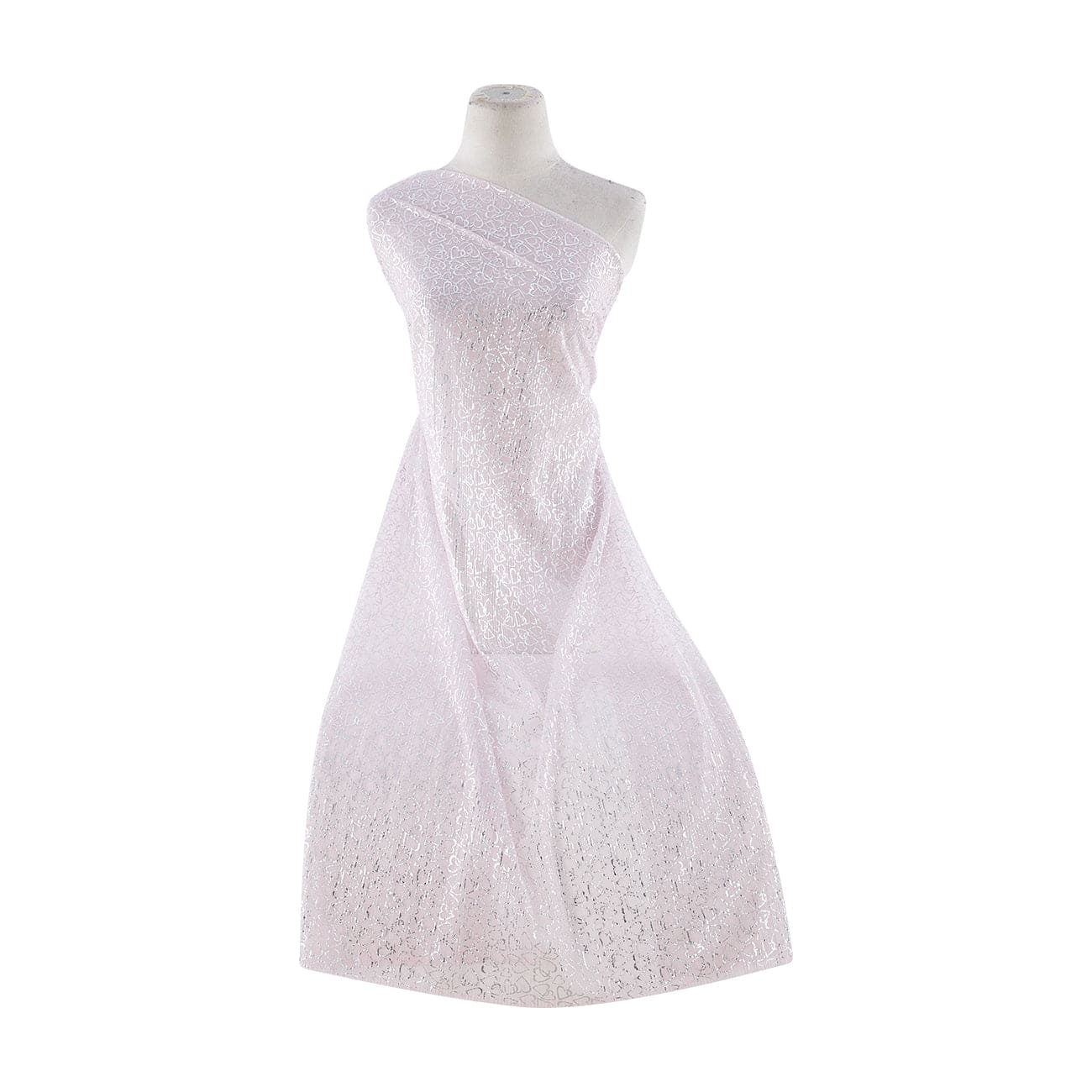
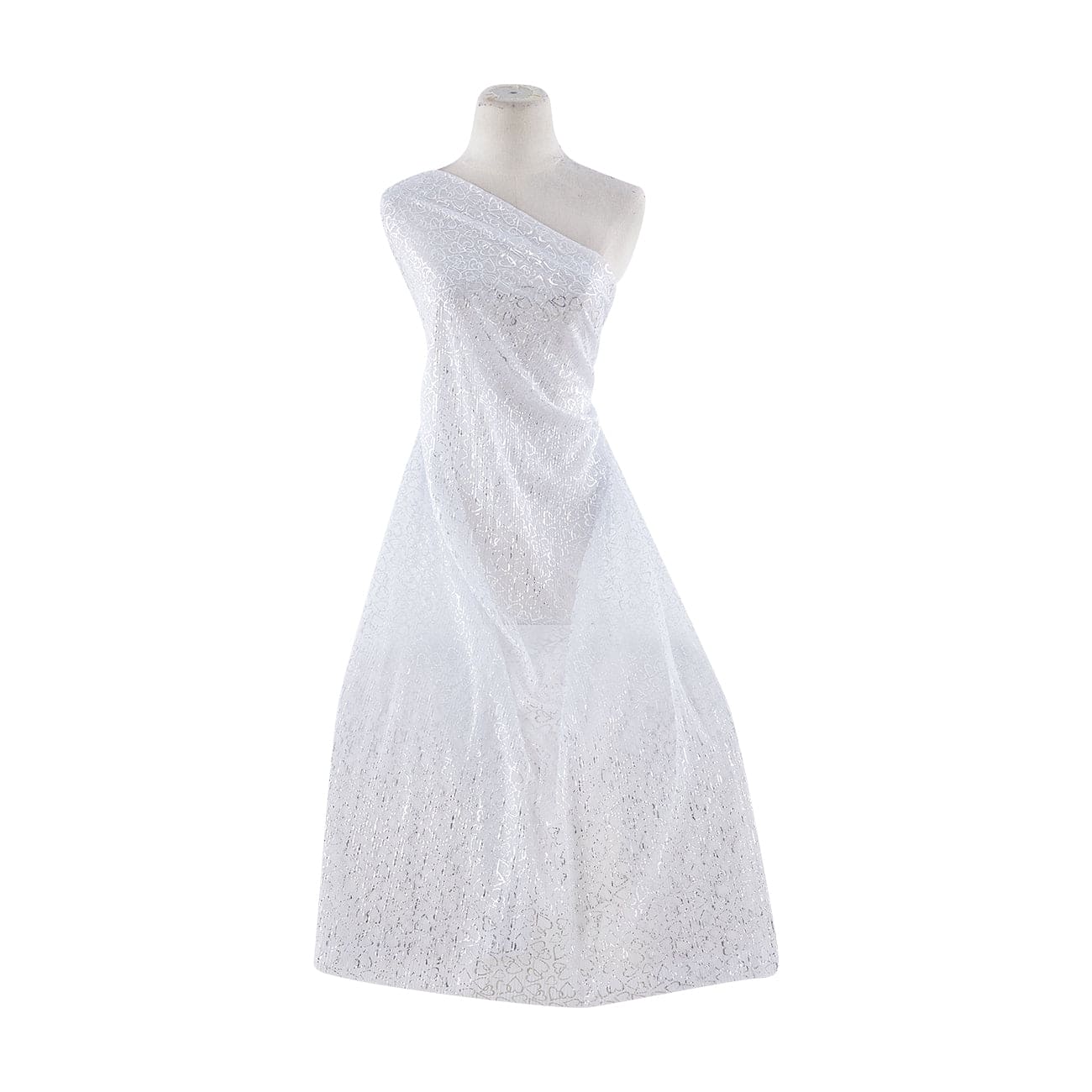
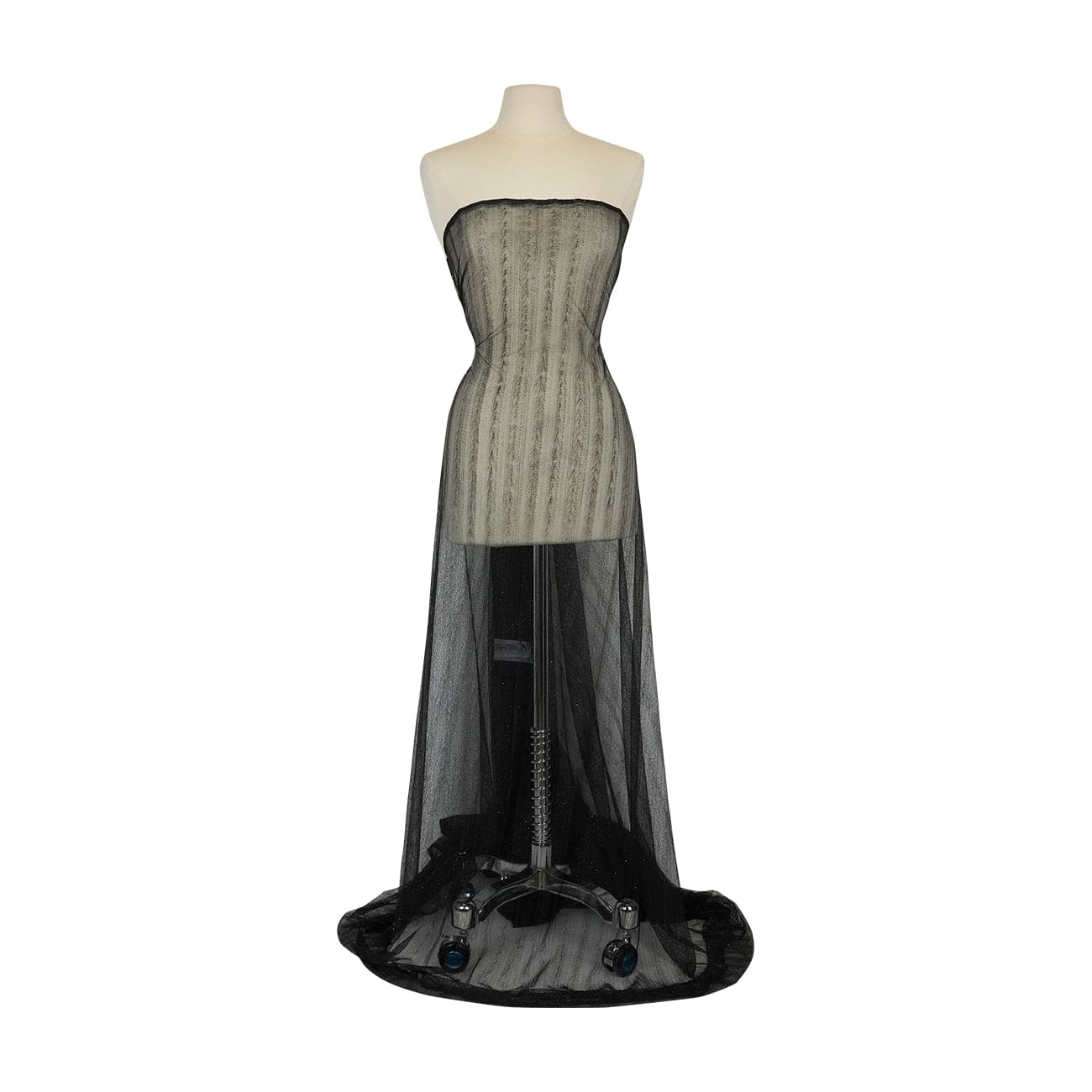
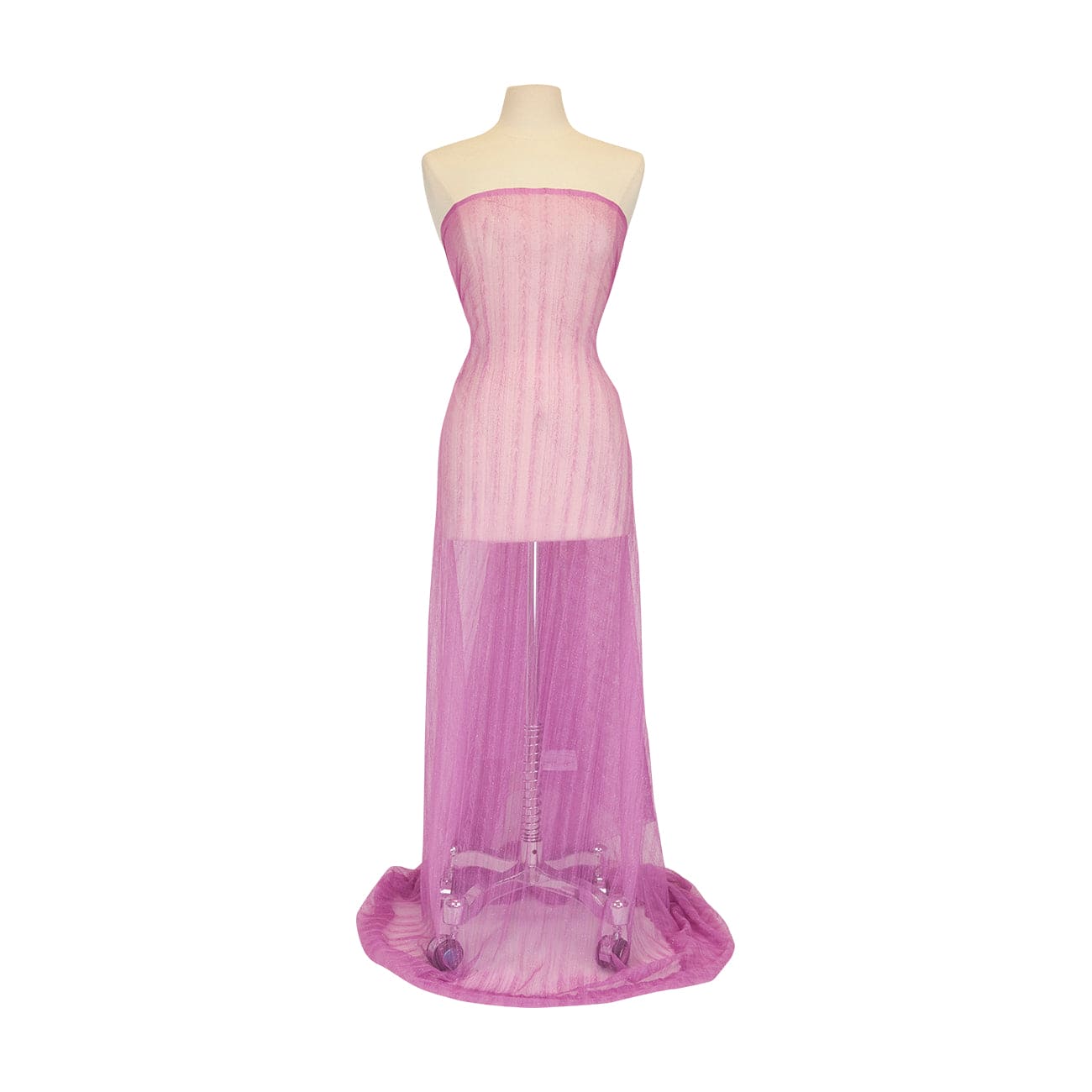
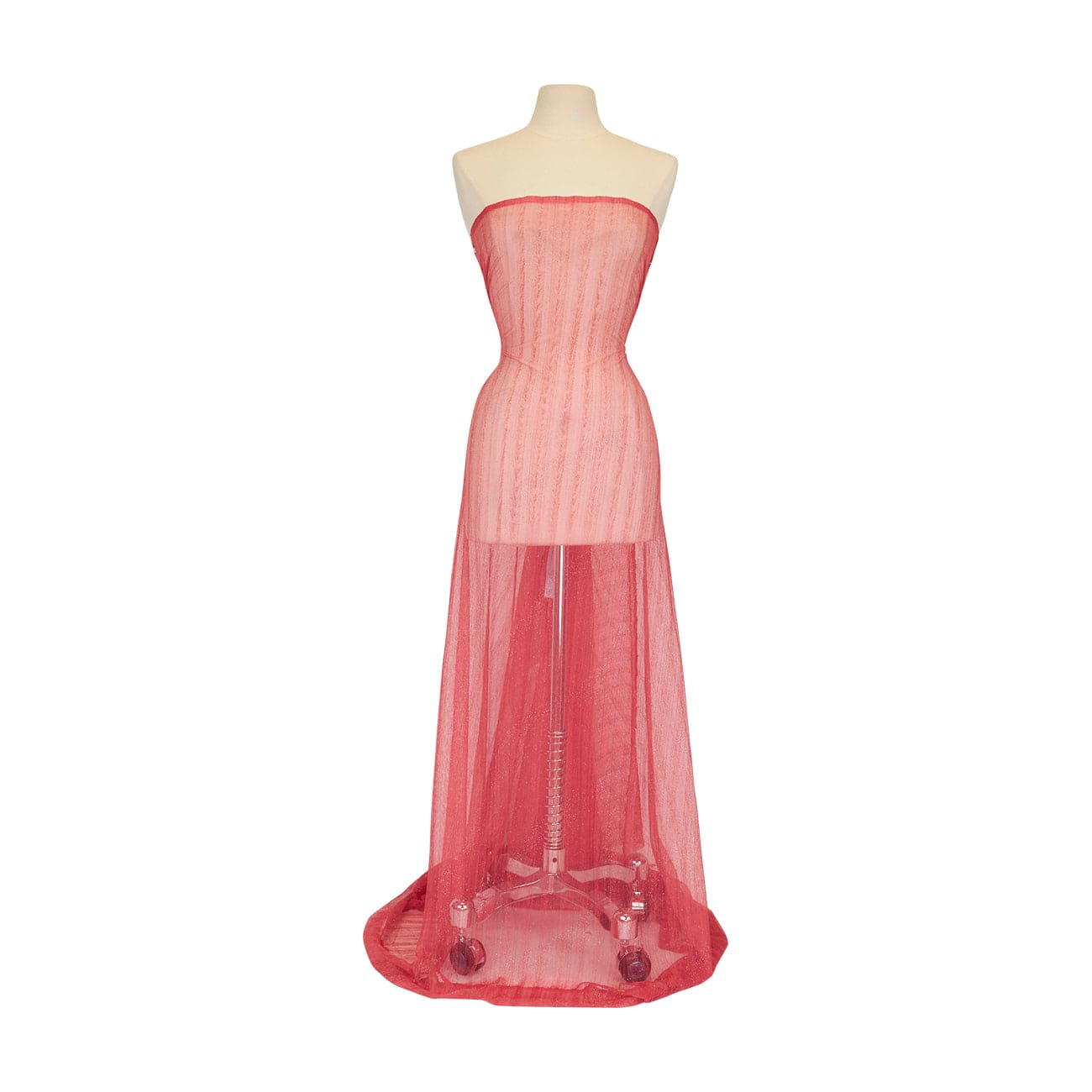
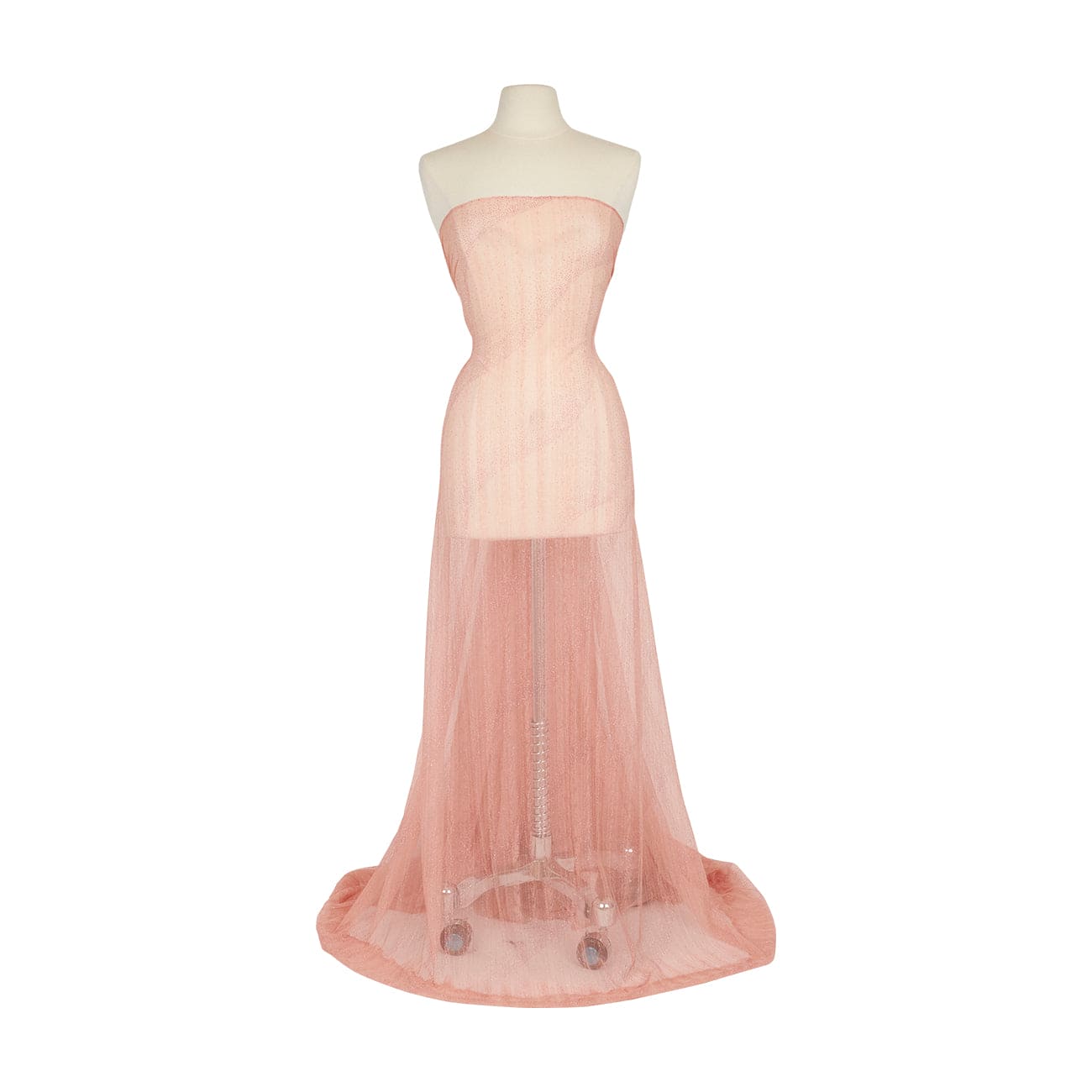
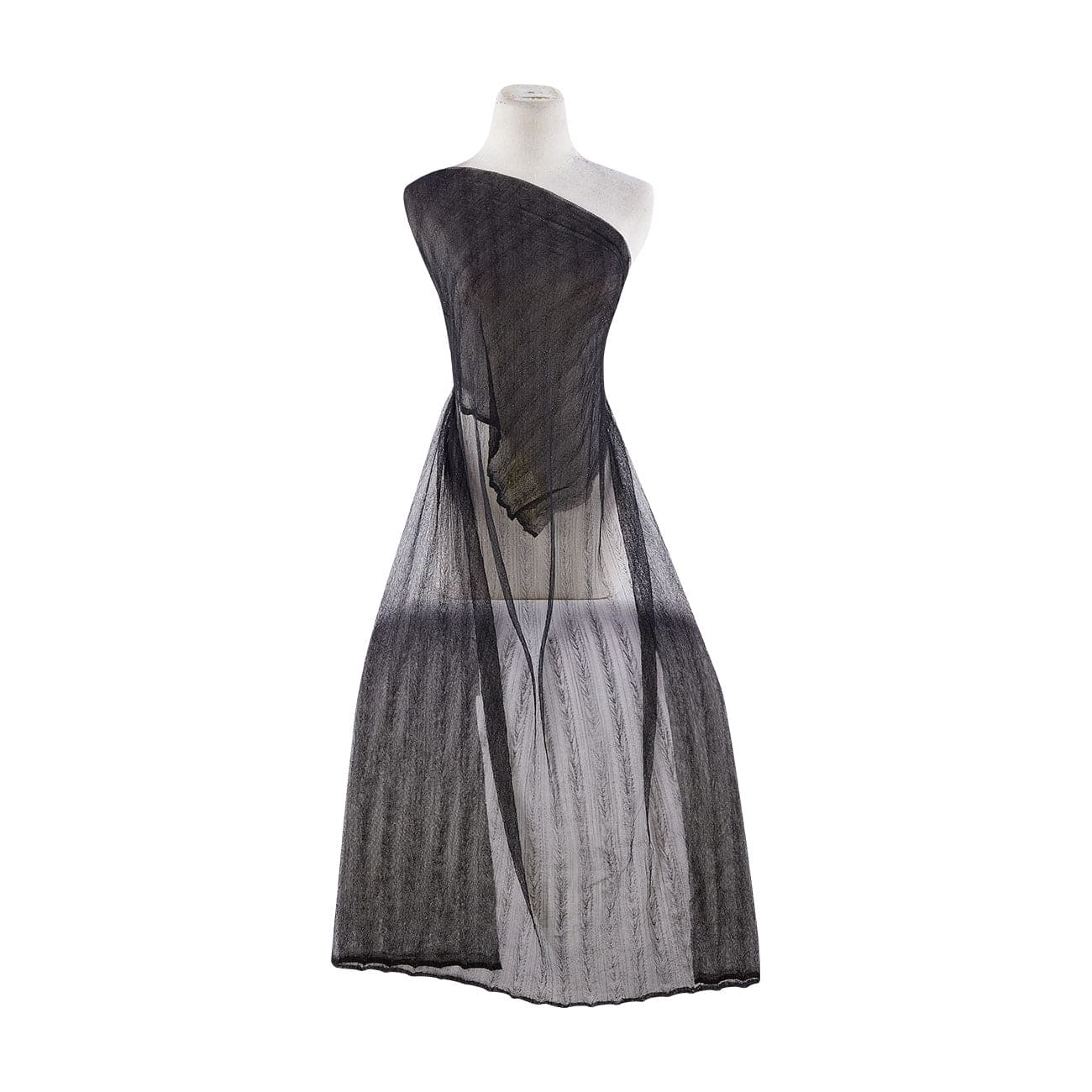
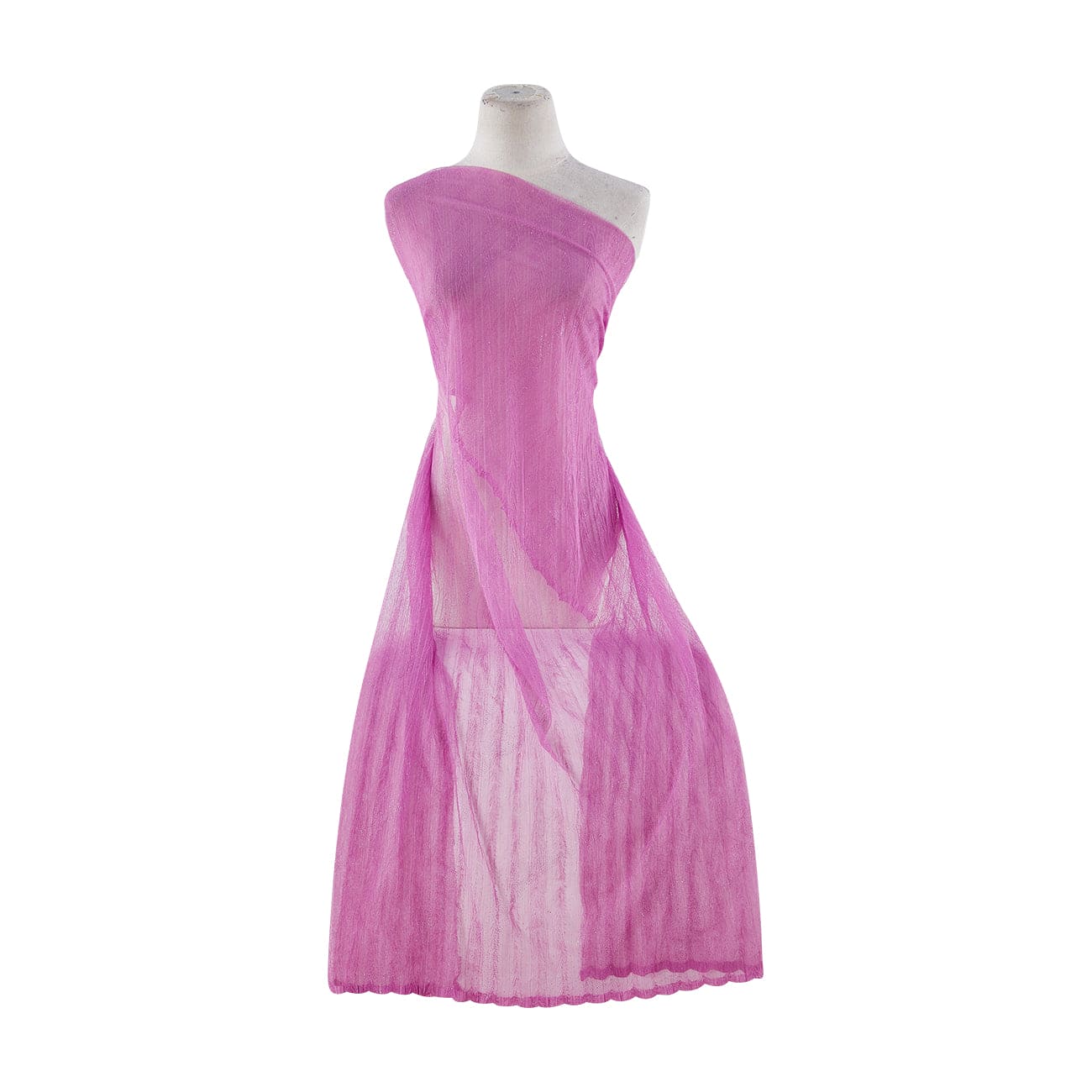
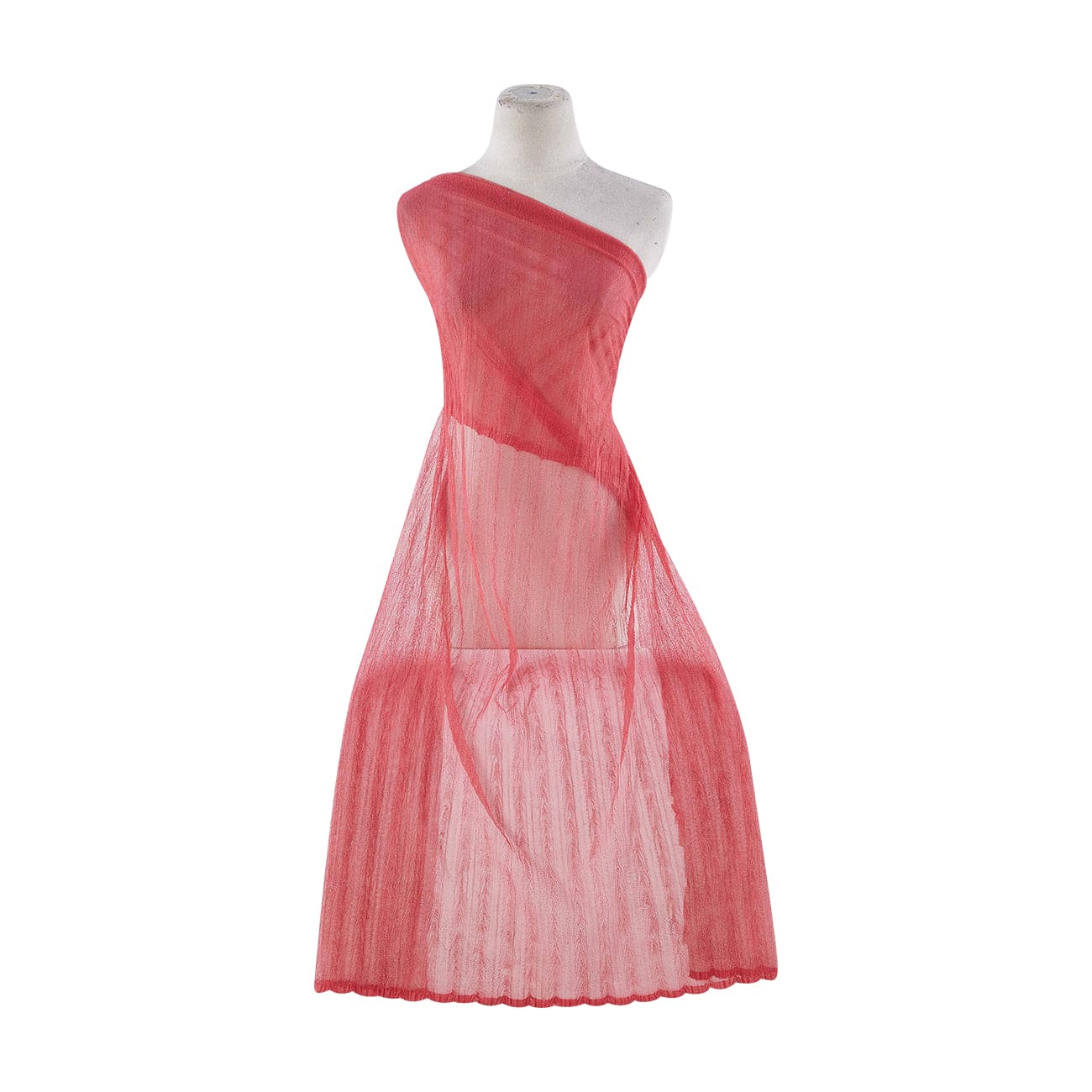
Pleated tulle adds texture, dimension, and movement without the extra work of manually gathering or pleating fabric. The permanently set pleats create a consistent finish across the garment, making it a practical choice for both custom dressmaking and production work.
Bridal Applications
Bridal designers use pleated tulle to create veils, overskirts, sleeves, trains, and layered bodice details with added depth and visual interest. The pleated surface reflects light differently than flat tulle, giving wedding gowns a more dimensional appearance while preserving the fabric’s lightweight feel.
Evening and Formalwear
For evening gowns and formal dresses, pleated tulle serves as an elegant overlay that adds texture without unnecessary bulk. Its open mesh allows the lining or base fabric to remain visible, making it easy to create tonal effects or striking color contrasts. Designers often layer pleated tulle over charmeuse, satin, or other smooth fabrics to highlight the pleats while maintaining a polished finish.
Dancewear and Performance Costumes
Pleated tulle also performs well in dance costumes, theatrical garments, and pageant wear. The dimensional texture remains visible under stage lighting and from a distance, helping costumes stand out during performances. At the same time, the lightweight construction allows performers to move comfortably without sacrificing volume or visual impact.
Micro Pleated vs. Standard Pleated Tulle, Choosing the Right Construction
The size of the pleats affects how the fabric drapes, adds volume, and complements the finished garment. Choosing the right construction depends on where the tulle will appear in the design and the overall silhouette you want to achieve.
Micro Pleated Tulle
Micro pleated tulle features closely spaced pleats that create a refined texture and a softer drape. Designers often choose it for garments that require subtle dimension without excessive volume.
Best applications include:
- Fitted bodices and corset overlays
- Sleeves and illusion panels
- Decorative inserts and accents
- Eveningwear with a soft, elegant drape
Standard Pleated Tulle
Standard pleated tulle has wider, more defined pleats that create greater texture and fullness. It works well where volume and visual impact are priorities.
Best applications include:
- Full skirts and overskirts
- Bridal trains and statement sleeves
- Dance costumes and theatrical garments
- Layered designs that require added body and dimension
When deciding between micro and standard pleats, consider where the fabric will sit on the garment. Micro pleats complement close-fitting areas with a softer finish, while standard pleats add volume and structure to skirts and layered designs.
Fabric Specifications to Review Before Ordering Pleated Tulle
Pleated tulle carries a few variables that flat tulle doesn’t, so confirm them before cutting or placing a production order to prevent mismatched panels and wasted yardage.
Pleat Depth and Spacing
Pleat depth directly affects how much volume a given yardage produces. Tighter pleats yield more fabric per linear inch, translating to denser, more structured layers. Confirm pleat spacing specifications before placing a production order to ensure consistent results across multiple cuts, particularly when a garment calls for panels cut from different bolts.
Weight and Drape
Pleated tulle is lightweight, but pleat density and fiber content shift its effective weight class. Polyester constructions, on the other hand, hold pleats longer through wear and repeated handling, which makes them the more reliable choice for garments that need to maintain their shape across a full event or performance run. Nylon-based options carry a slightly softer hand feel, better suited to draped applications where a fluid finish is the goal rather than crisp structure.
For designers layering pleated tulle with other sheer or lightweight fabrics, compare it against mesh fabric to weigh texture and opacity side by side before committing to a final construction.
Color Selection
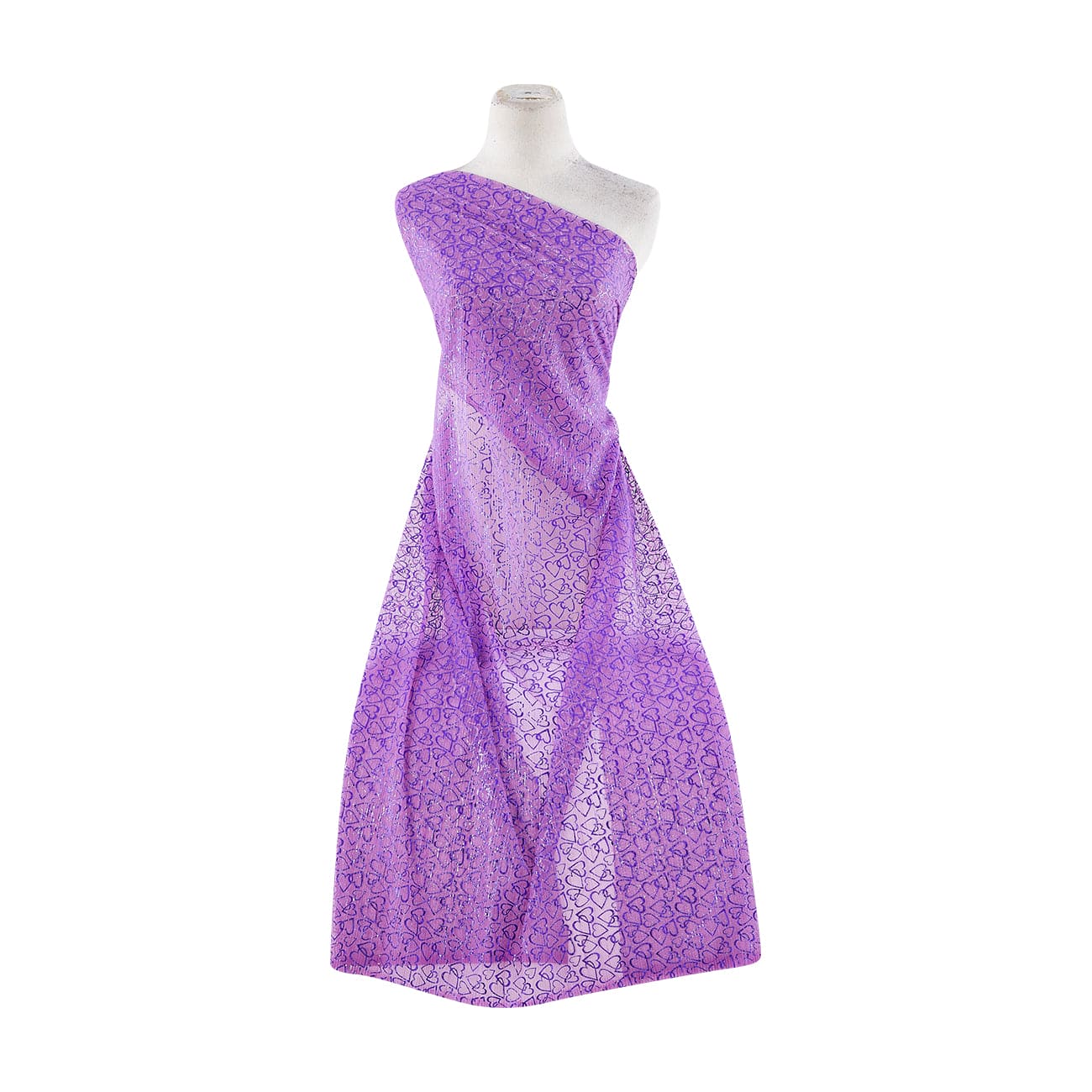
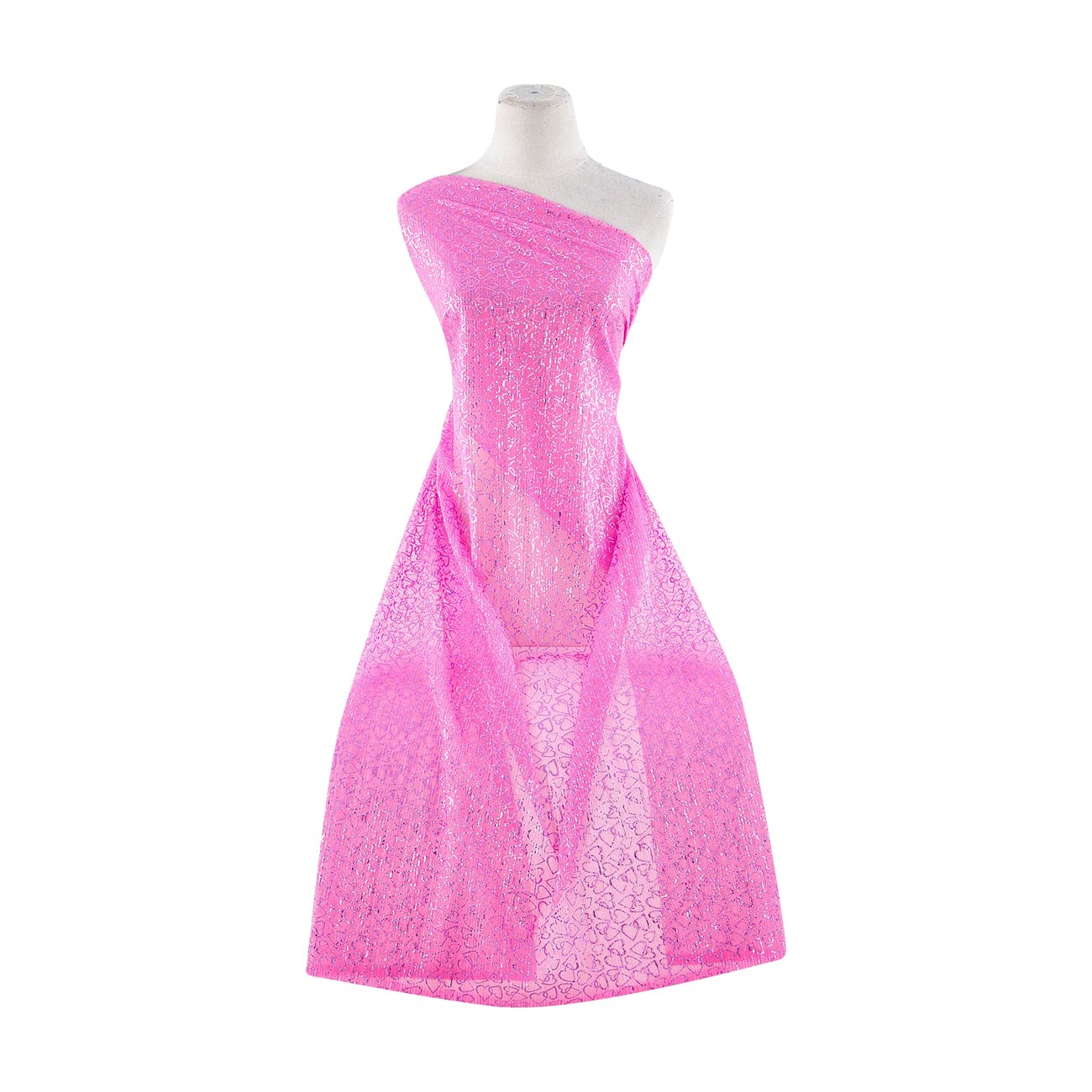
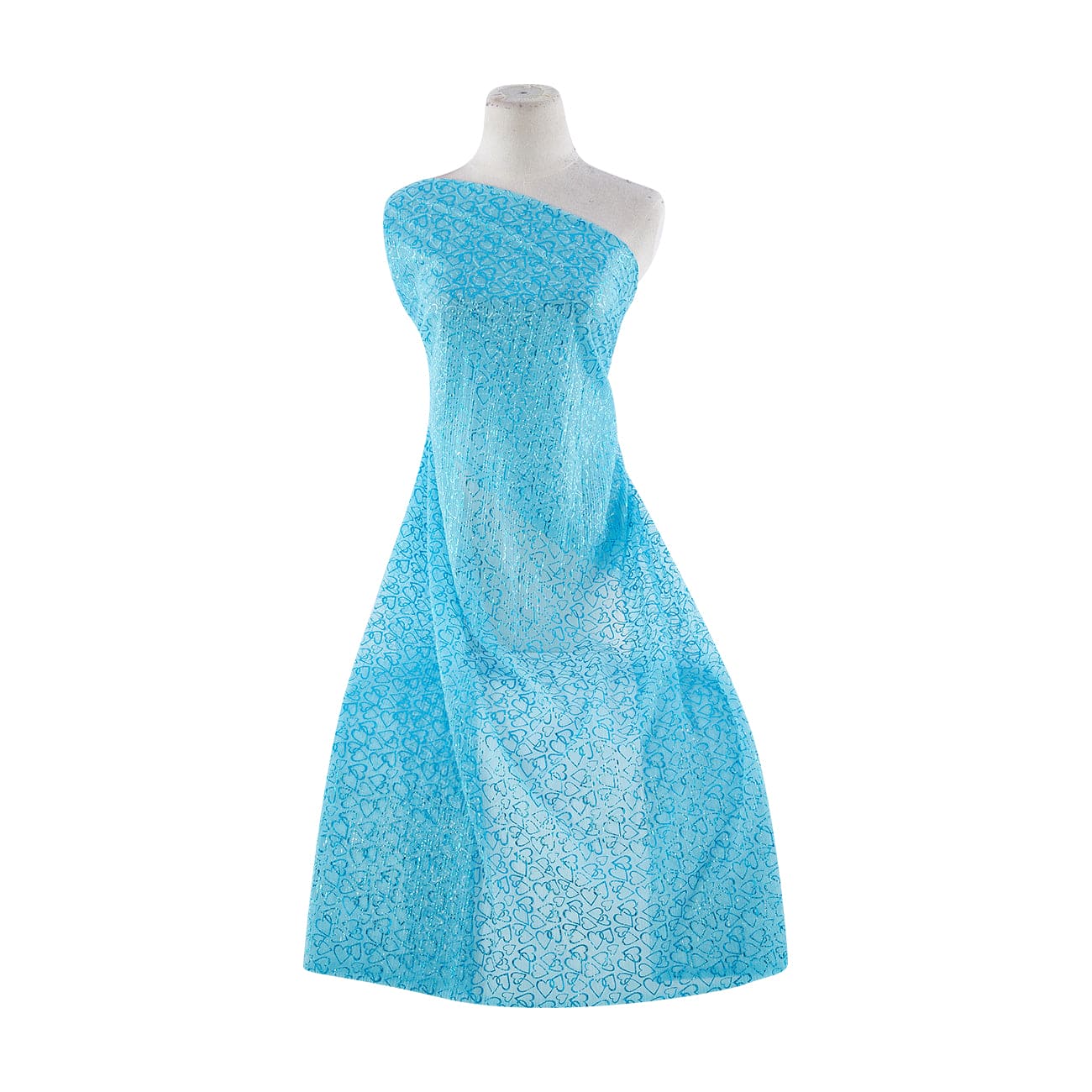
Color availability varies across pleated tulle offerings. A broader color range gives designers and manufacturers the flexibility to match existing garment palettes precisely, which is especially important in bridal and formalwear production where exact color coordination is expected.
Buyers matching pleated tulle to a soft underlay might also look at chiffon in a coordinating shade, since the two fabrics share a similar lightweight quality and layer well without adding bulk.
Fiber Content and Care
Fiber content shapes how pleated tulle holds up over the life of a garment. Polyester pleated tulle resists moisture and maintains colorfastness through repeated handling, which matters for production runs and rental garments that see heavy use. Care instructions should be confirmed against the specific product listing, since pleat definition can soften with improper washing or steaming, and heat applied directly to the pleats can flatten the texture permanently.
Sourcing Pleated Tulle for Production and Small-Run Work
Pleated tulle sits at an interesting point between decorative and structural fabric, and that dual role affects how buyers should think about sourcing it. Production houses cutting multiple garments from the same colorway benefit from ordering full yardage in a single pull to guarantee consistent pleat depth and dye lot across every panel. Independent designers and home sewers working on a single piece have more flexibility to sample a color or pleat scale before scaling up.
Either way, calculating yardage needs before ordering saves time and reduces waste. A pleated overskirt typically requires more yardage than the equivalent flat tulle layer would, since the pleating process consumes extra fabric to create the folded structure. Factoring that difference into a yardage estimate avoids a mid-project shortfall.
Find Your Pleated Tulle
Pleated tulle gives bridal, evening wear, and costume designers a way to add structure and dimension without adding excessive weight. Whether the project calls for a subtle micro-pleated bodice panel or a bold standard-pleat overskirt, matching the pleat scale and fiber content to the garment’s end use is what keeps the finished piece looking intentional.
Browse the full fabric collection to pair pleated tulle with linings, underlays, and coordinating sheers from the rest of Zelouf’s range, or explore the pleated tulle options above to pull a sample before committing to production yardage.
FAQ
What is the minimum order for pleated tulle at Zelouf Fabrics?
Zelouf Fabrics carries a $20 minimum order value. Orders over $99 qualify for free shipping.
Is pleated tulle suitable for structured garment manufacturing?
Yes. Pleated tulle is widely used in garment-grade applications including bridal gowns, evening wear overlays, veils, and costume construction. For workroom and production-floor use, confirm pleat consistency and fiber content against the product specifications before cutting.
How is pleated tulle different from standard flat tulle?
Standard flat tulle is a plain net weave with no dimensional texture, while pleated tulle is pressed or heat-set into folds that add depth, structure, and light-catching texture to the surface. Also, flat tulle is generally more versatile for layering and volume, while pleated tulle is chosen specifically for its decorative surface effect.
Does pleated tulle require special care to preserve the pleats?
Yes. Pleat definition can soften with improper washing, and direct heat or steam applied to the pleats can flatten them permanently. Hand washing in cool water and air drying flat is the safer approach for garments that need to preserve pleat structure through repeated wear.