
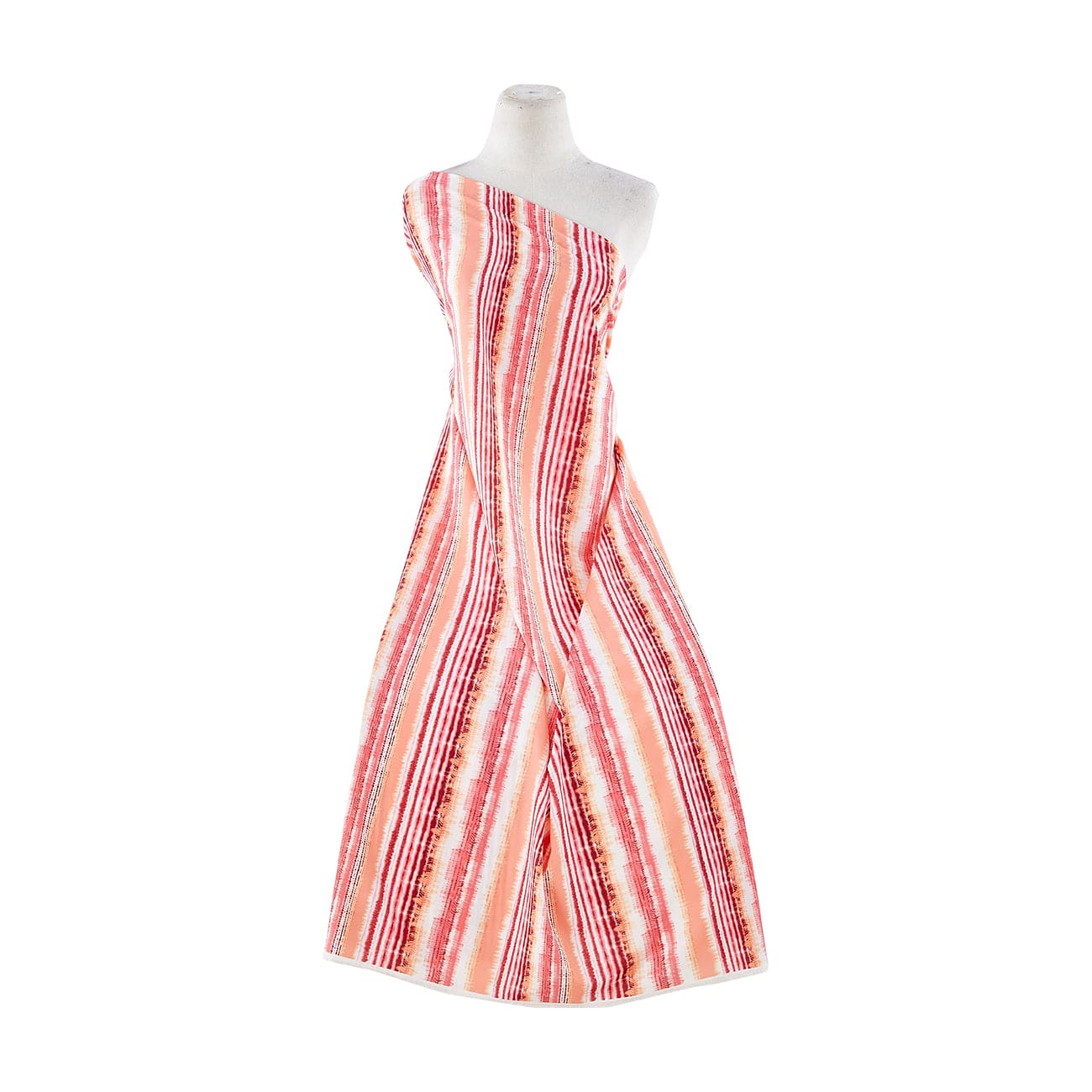
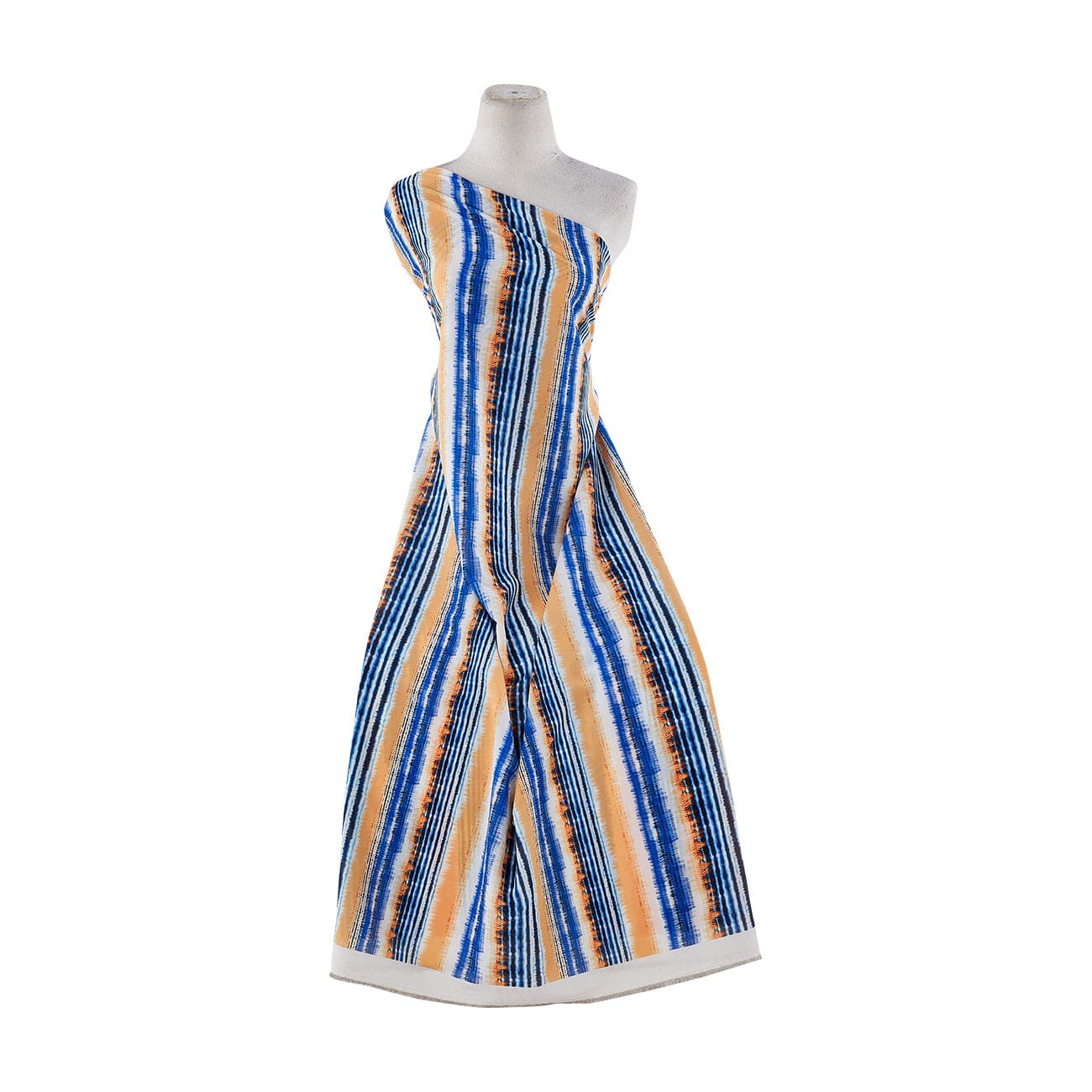
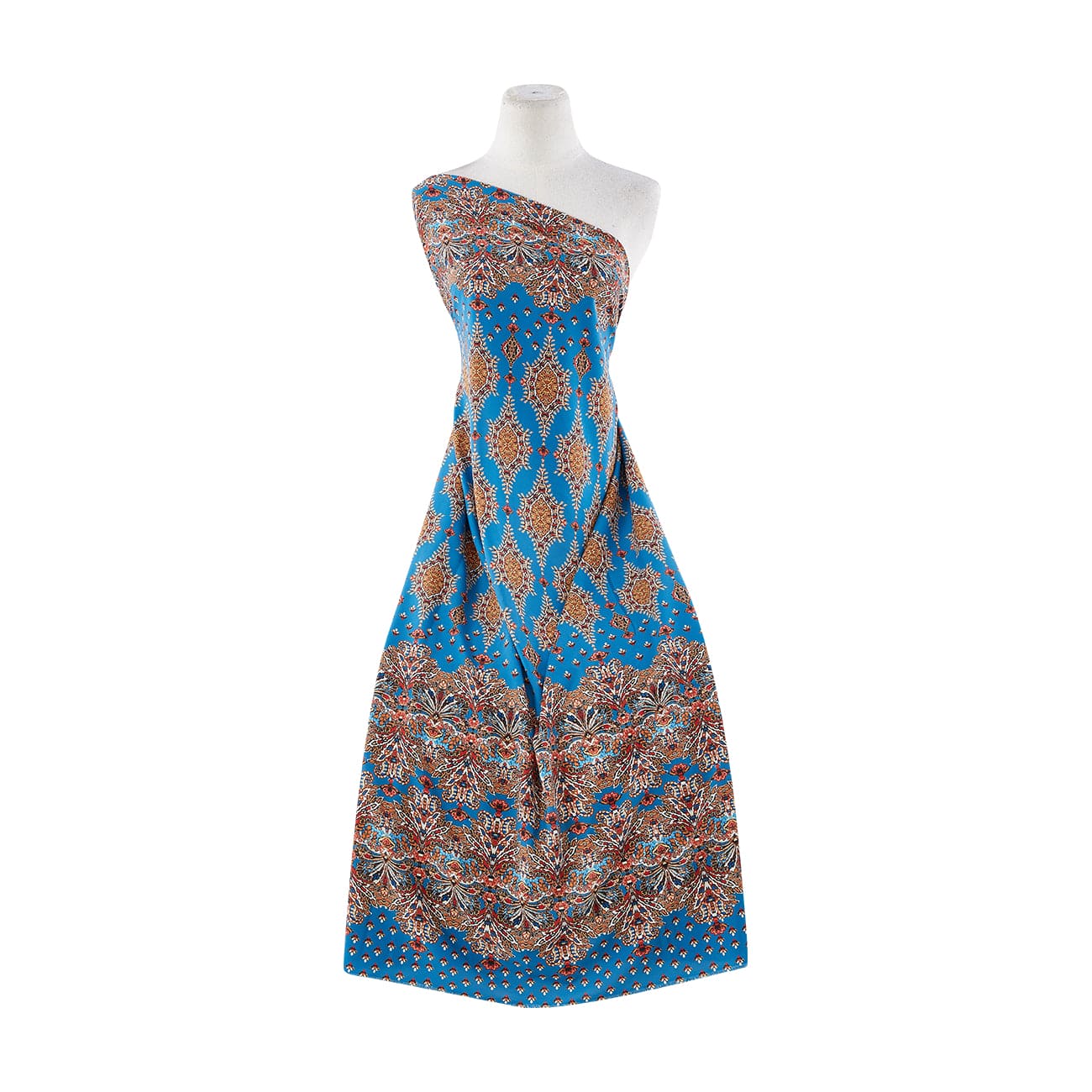
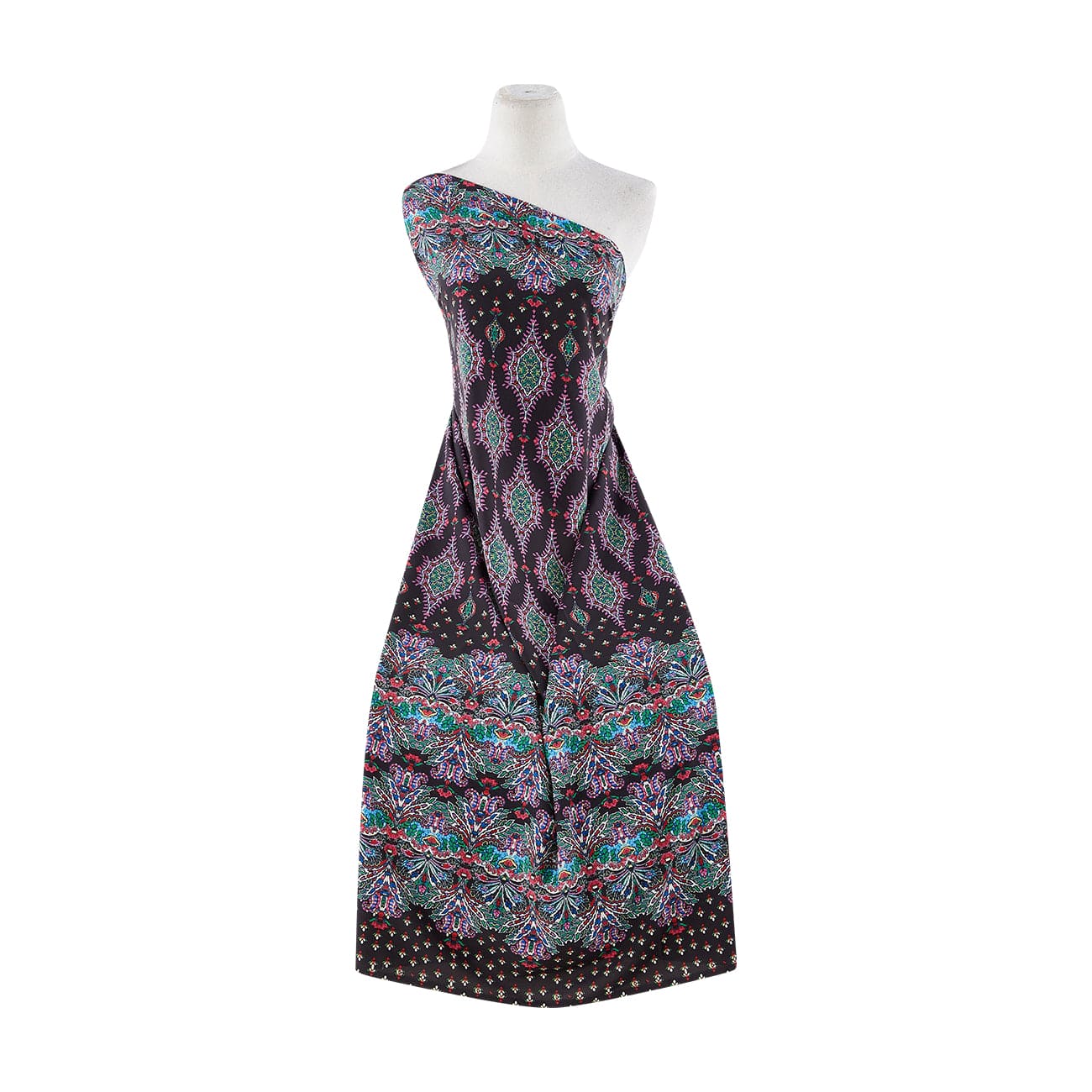
How to Use Stretch Chiffon Fabric in Fashion Design
Stretch chiffon opens up design possibilities that woven chiffon cannot access. Its combination of sheer drape and stretch recovery makes it suitable for fitted, active, and performance-oriented designs without sacrificing the lightweight, ethereal quality that defines the chiffon aesthetic. The key lies in understanding how much stretch the specific fabric offers and matching that to the demands of your design.
Dancewear and Ballet Costuming
Stretch chiffon is the standard fabric for dance skirts, overlay panels, and flutter sleeves across ballet, contemporary, ballroom, and Latin dance disciplines. Its sheer quality catches light beautifully under stage lighting, its fluid drape creates the kind of movement that amplifies choreography, and its stretch content allows the dancer full freedom of movement without the fabric pulling, tearing, or distorting. Pink and white stretch chiffon are classical dance staples; deeper jewel tones suit contemporary and theatrical performance.
Stage and Theatrical Costuming
For theatrical design, stretch chiffon offers the dramatic visual qualities of traditional chiffon — sheerness, movement, layering depth — combined with the practical durability that performance costuming demands. Capes, flowing sleeves, overlay skirts, and decorative panels in stretch chiffon hold up through repeated performance and movement in a way that woven chiffon often cannot. Pair with ombre chiffon fabric for gradient effects that create visual drama on stage without requiring complex construction.
Body-Conscious Eveningwear
Stretch chiffon allows for fitted, body-skimming evening silhouettes that woven chiffon cannot achieve without complex darting and seaming. A stretch chiffon gown or midi dress can be cut with minimal construction and still follow the body's contours through movement — making it an efficient and elegant choice for eveningwear that needs to look effortless while performing well across a full evening of wear.
Bodysuits and Fitted Tops
The stretch content in stretch chiffon makes it suitable for bodysuits, fitted tops, and structured undergarments where a sheer, delicate aesthetic is the goal but standard woven chiffon would pull and restrict. Use it for sheer overlay bodysuits above solid underlayers, or as the primary fabric in a fitted top where the stretch allows for ease of dressing and comfortable extended wear.
Overlay Skirts and Attached Panels
Stretch chiffon works exceptionally well as an overlay panel attached to a stretch base — a bodysuit, leotard, or knit underdress — because the stretch content of both layers is compatible. Where woven chiffon attached to a stretch base can pull, pucker, or restrict movement, stretch chiffon moves in harmony with the underlayer. This makes it the preferred choice for attached skirts, side panels, and decorative overlays on activewear and performance garments.
Gradient and Ombre Designs
Stretch chiffon in ombre and gradient colorways combines the movement benefits of stretch construction with the visual drama of transitional color. A stretch ombre chiffon skirt that flows from green chiffon fabric tones into deeper teal or navy creates a design that is as dynamic in its color as it is in its movement. Explore our ombre chiffon fabric collection for gradient options that work beautifully in stretch constructions.
Each application benefits from stretch chiffon's defining characteristic — the ability to move with the body without losing its sheer, flowing appearance. For the full range of chiffon styles, weights, and finishes including woven options, explore our complete chiffon fabric collection.
Why Choose Stretch Chiffon
Stretch chiffon earns its place in the workroom because it resolves a tension that designers working with traditional chiffon know well — the conflict between a fabric that looks extraordinary in stillness and one that performs well in motion. Woven chiffon drapes beautifully on a dress form or hanger, but fitted designs cut in woven chiffon restrict movement and body-skimming cuts require complex construction to achieve. Stretch chiffon eliminates this compromise entirely.
Its synthetic stretch construction — typically polyester with a spandex or elastane content — gives it a consistent hand and recovery from yard to yard, making it reliable for production work where multiple units need to behave identically. The stretch content also makes it more resistant to tearing and seam stress than woven chiffon, which is a significant practical advantage in performance and costume applications where the fabric is subjected to repeated, vigorous movement.
Aesthetically, stretch chiffon is nearly indistinguishable from its woven counterpart. Its sheer quality, fluid drape, and light-catching surface perform in the same way under stage and event lighting — it gathers, layers, and flows with the same grace as woven chiffon while offering capabilities that woven construction cannot. For designs that require color movement alongside physical movement, pairing stretch chiffon with ombre chiffon fabricor pleated chiffon fabric creates visual and textural complexity without adding construction difficulty.
Fabric Types and Use Cases
|
Fabric Type |
Best Used For |
|
Stretch Hi-Multi Chiffon |
Dance skirts, overlay panels, flutter sleeves, bridal overlays |
|
Stretch Cationic Chiffon |
Body-conscious eveningwear, rich colorway performance pieces |
|
Stretch Iridescent Chiffon |
Stage costuming, formalwear, shimmer performance overlays |
|
Stretch Silky Chiffon |
Fitted maxi dresses, draped bodysuits, soft evening separates |
|
Gradient dance skirts, theatrical overlays, statement gowns |
|
|
Textured overlays, performance skirts, structured draping |
|
|
Contemporary dance, theatrical costuming, ocean-inspired designs |
|
|
Botanical and nature-inspired costuming, contemporary performance |
|
|
Stretch Printed Chiffon |
Resort bodysuits, editorial fitted tops, printed performance pieces |
Each stretch chiffon construction brings a different surface quality to the same core performance characteristic. Hi-multi provides the lightest, most fluid hand; cationic delivers the deepest color saturation; iridescent adds shimmer that performs beautifully under stage lighting; ombre and pleated variations add visual and textural complexity to the base stretch construction.
How to Choose the Right Stretch Chiffon
Selecting the right stretch chiffon comes down to understanding the degree of stretch required, the weight and opacity appropriate for the design, and the surface finish that best suits the end use.
Stretch Percentage and Recovery
Not all stretch chiffon has the same stretch content or recovery quality. Fabrics with a higher spandex or elastane percentage offer more stretch and faster recovery — ideal for fitted bodysuits, performance costumes, and body-conscious eveningwear where the fabric needs to return to its original shape quickly and consistently. Lower stretch content suits overlay and draping applications where some give is useful but maximum stretch is not required. Always check the stretch percentage before cutting and test the recovery on a swatch to confirm it suits the demands of your specific design.
Weight and Opacity
Stretch chiffon, like its woven counterpart, is inherently sheer — though the stretch content can slightly affect how the fabric reads against the body. In lighter stretch chiffon constructions, sheerness is similar to woven hi-multi chiffon and lining or underlining is recommended for garment coverage. In denser stretch constructions, slightly more opacity may be present, but lining is still advisable for most garment applications. Test your lining or underlayer choice with the specific stretch chiffon before committing to construction.
Color and Surface Finish
For performance and stage applications, iridescent and shimmer stretch chiffon finishes perform exceptionally well under artificial lighting — the surface catches and reflects light in motion, creating a visual dynamism that flat-finish fabrics cannot match. For daytime, contemporary, and occasion applications, matte and solid stretch chiffon finishes read as more refined and understated. For designs that call for color movement, ombre chiffon fabric in a stretch construction creates gradient effects that animate with the body's movement. For textural interest without pattern, pleated chiffon fabric adds surface dimension that catches light differently than a flat weave.
Color Selection for Performance
Color choice in stretch chiffon for stage and performance should account for how the fabric reads under artificial lighting. Pale and pastel tones — blush, ivory, pale blue chiffon, soft green chiffon — can wash out under bright stage lighting unless paired with a more saturated underlayer. Deeper, more saturated tones hold their color under stage lighting more consistently and require less compensation in the underlining choice.
Sewing and Construction Tips
Stretch chiffon requires a stretch needle (ballpoint or jersey, size 70/10 or 75/11) rather than the microtex needle used for woven chiffon. Use a stretch stitch or narrow zigzag rather than a straight stitch to allow seams to move with the fabric without breaking. Reduce presser foot pressure and sew at a reduced speed to prevent the fabric from stretching during stitching. Finish raw edges with a serger where possible — a serged seam on stretch chiffon is both secure and flexible. Press from the wrong side on a low heat setting or use a steamer, and avoid stretching the fabric while pressing.
Mixing Fabric Styles
Stretch chiffon pairs naturally with other Zelouf stretch fabrics for performance and dancewear construction. Combine it with stretch jersey or knit underlayers for bodysuits and attached skirt designs where both layers need compatible stretch content. Layer it over stretch velvet or stretch satin for stage and theatrical costumes where depth, texture, and movement are all required simultaneously.
For color-driven combinations, set stretch chiffon in deeper jewel tones alongside blue chiffon fabric — navy and cobalt stretch chiffon layered together creates a rich, dimensional effect that performs as well under stage lighting as it does in motion. Pair stretch green chiffon fabric with ombre transitions into teal or aqua for nature-inspired costuming and contemporary dance pieces that carry strong visual narrative. Incorporate pleated chiffon fabric as a structured overlay above stretch chiffon underlayers to create textural contrast between a dimensional surface and a fluid base — the combination works particularly well for theatrical and competition dance costumes where visual complexity reads well from a distance.
For gradient and transitional effects, ombre chiffon fabric alongside solid stretch chiffon allows the gradient to flow naturally through a design — use the ombre for the most visible panels and solid stretch chiffon for underlayers and structural sections where the gradient is less critical but the stretch content remains essential.
Order free swatches to experience the stretch, drape, and hand firsthand. Every stretch chiffon style is available by the yard and ready to ship, so you can design, sample, and produce without delay.
Frequently Asked Questions
What is the difference between stretch chiffon and woven chiffon?
Woven chiffon is constructed from non-stretch yarns in a plain weave, giving it beautiful drape and sheerness but no stretch or recovery. Stretch chiffon incorporates an elastane or spandex content into the weave, adding two-way or four-way stretch while maintaining the same sheer, fluid aesthetic. The practical result is a fabric that moves with the body, recovers its shape after stretching, and suits fitted and performance applications that woven chiffon cannot accommodate.
How much stretch does stretch chiffon typically have?
Stretch chiffon generally offers between 10% and 25% stretch depending on the spandex content and construction. Some performance-specific stretch chiffons offer more. Always test the stretch and recovery on a swatch before cutting, particularly for fitted designs where the degree of stretch directly affects the fit of the finished garment.
Can stretch chiffon be used for non-performance garments?
Absolutely. Stretch chiffon works beautifully for everyday blouses, draped dresses, and occasion wear where a little give makes the garment more comfortable and easier to wear without changing the overall aesthetic. The stretch content is often subtle enough that the fabric reads identically to woven chiffon in a finished garment while offering noticeably more comfort in wear.
What needle and stitch should I use for stretch chiffon?
Use a ballpoint or jersey stretch needle (size 70/10 or 75/11) and a stretch stitch or narrow zigzag rather than a straight stitch. A straight stitch on stretch chiffon will break when the seam is stressed, as it cannot accommodate the fabric's movement. A serger is ideal for finishing seams in stretch chiffon — the serged seam is both secure and flexible.
Is stretch chiffon suitable for competition dancewear?
Yes — stretch chiffon is widely used in competition dance and figure skating costuming precisely because it combines the visual qualities judges and audiences respond to with the performance characteristics athletes require. Its sheer, light-catching surface reads beautifully under competition lighting, and its stretch recovery ensures the costume maintains its intended silhouette through the demands of competitive performance.