
You find a fabric online that looks exactly right in the photos, add a few yards to cart, and then pause. What if the dress comes out too stiff, the backdrop turns out too sheer, or the table drape falls flat instead of full? In my experience, that moment before checkout is where most expensive fabric mistakes happen — not because buying fabric online is unreliable, but because too many people shop by image alone and skip the specs that tell the real story.
I want to make this simple: yes, fabric online shopping can be accurate. The trick is to stop asking whether the fabric looks good on the screen and start asking whether the listing supports your actual project. Once I match weight, stretch, width, opacity, fiber content, and drape to the job at hand, I can usually tell whether I should order yardage now or slow down and request a swatch first. And when I do need to check color, hand, or opacity before committing, Zelouf Fabrics makes that step easier with a free swatch option, so there is far less room for a costly mistake.
Most online fabric disappointments come down to five things: weight, stretch, opacity, color expectation, and drape. A photo may show a satin-looking shine, but not whether the fabric is fluid or structured. A close-up may make a mesh or chiffon look substantial, but not reveal how sheer it becomes in daylight. A knit may appear smooth and polished, while the real issue is whether it has enough recovery for a fitted bodice, dance costume, or businesswear silhouette.
This is why I treat photos as helpful, not final. Product images can suggest surface, finish, and broad color family, but they cannot replace the practical information that tells me how fabric will behave when it is cut, sewn, gathered, lined, pleated, stretched, or hung. For designers, manufacturers, and crafters alike, that behavior matters more than the photo. It decides whether a toile works, whether café curtains skim the window nicely, whether a bridal skirt holds shape, whether a baby item feels soft enough, and whether a stage backdrop reads cleanly under light.
The good news is that this is a learnable skill. If I read a product page the way a buyer does, I can avoid most wrong-fabric orders before they happen.
I start with fiber content, because fiber gives me the first clue about feel and performance. Cotton often points toward breathability, easy handling, and workroom practicality. Polyester usually suggests durability, color retention, and wrinkle resistance. Nylon and spandex can signal stretch and recovery. Silk points toward softness and luxury, while blends often exist to balance strengths — structure with comfort, drape with resilience, or ease of care with a more refined finish.
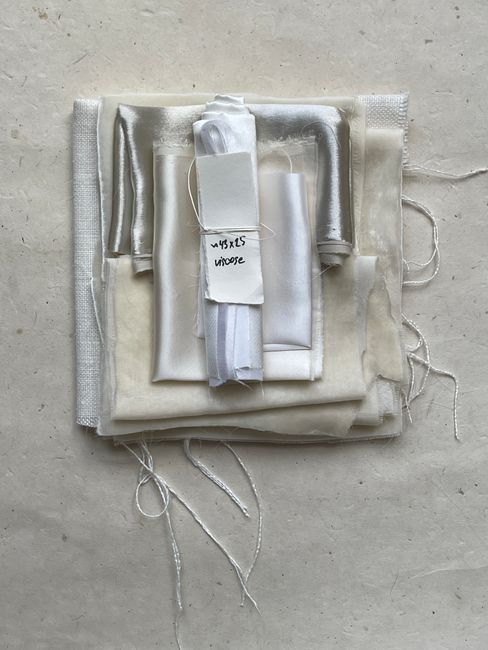
Then I look for weight. Sometimes a listing gives GSM; sometimes it uses lightweight, medium-weight, or heavy-weight language. Either way, weight is what helps me avoid ordering fabric that is too limp or too bulky. A lighter chiffon or organza may be perfect for overlays, scarves, occasion sleeves, dance accents, gift wraps, or airy event details, but it will not behave like a ponte, scuba knit, or stretch Mikado. A medium-weight poplin or broadcloth can be a true staple for shirts, crafts, linings, aprons, children’s wear, table accents, and mock-ups. A heavier taffeta, faux leather, or Mikado usually brings more body, cleaner shape, and more visible structure.
Width matters more than many people expect. A wider fabric can reduce seams, change the amount of yardage needed, and make a big difference for backdrops, table treatments, wide skirts, bedding accents, and home décor panels. If I ignore width, I may order the correct fabric but the wrong quantity. That is a frustrating mistake because it is preventable.
Stretch is next. I do not just ask whether a fabric stretches; I ask how that stretch affects the project. Jersey, ITY, power mesh, and scuba-based knits behave very differently from woven cotton, satin, taffeta, or organza. For a fitted dress, active costume, dancewear insert, or body-conscious top, stretch and recovery can be essential. For tailored pieces, crisp décor work, structured bridal styles, or certain costumes, too much stretch can actually undermine the result.
Opacity and finish come after that. A listing may describe a fabric as sheer, semi-sheer, or opaque, and that language should guide lining decisions immediately. I also pay attention to whether the finish is matte, brushed, lustrous, pebbled, coated, or smooth. Those details affect how fabric photographs, how formal it feels, and whether it suits the project. A matte crepe tells a different story than a glossy charmeuse. A crisp organza gives a different result from a soft chiffon. A power mesh layer performs differently from a decorative lace.
Finally, I look for cut information and practical selling details. Continuous-yard cuts are especially useful when I am buying for long panels, draping, table runs, event installs, costumes, and garment pieces that cannot be pieced without affecting the look. Low minimums also matter. They give home sewists room to experiment and let small brands or sample-makers test ideas without overcommitting. That bridge between hobby and professional sourcing is one of the most useful things an online fabric source can offer.
For garments, I start with movement and shape
If I am making a fitted knit dress, performance top, rehearsal piece, or costume base, I care most about stretch, recovery, and whether the fabric skims or clings. Jersey and ITY can offer fluid movement, while ponte gives more control and coverage. Scuba and scuba crepe can create a smoother, more sculpted line. If I am making a structured evening look, bridal piece, or occasion silhouette, I am more likely to favor a fabric with body, such as Mikado, satin with substance, or taffeta, because the shape needs support.
If I am sewing a toile, lining up a first sample, or testing fit before cutting into fashion fabric, I want a true workhorse. This is where staples like muslin or poly-cotton poplin shine. They are useful across countless sewing projects — toiles, mock-ups, quilt backing, craft bases, home décor tests, dye experiments, backdrops, baby items, and general utility sewing. In a busy workroom, this is the kind of staple I keep stocked.
For linings and layered looks, I think about opacity first
Lining choices are less about trend and more about function. If the outer layer is chiffon, lace, organza, mesh, or a light satin, I want to know whether the underlayer needs to add modesty, softness, structure, or slip. A fabric may be beautiful on its own and still require support underneath. That is not a flaw; it is simply part of planning correctly.
For costumes and performance pieces, I think under light and in motion
Costume and stage fabrics need to behave beyond the fitting room. Mesh, stretch satins, knits, faux leather, sequined bases, and specialty synthetics can all be excellent choices, but I always ask how they move, how they reflect light, and whether they recover after wear. A fabric that seems dramatic online may read weak under stage lighting if it is too sheer, or feel restrictive if the stretch is wrong.
For backdrops, draping, and table treatments, width and fullness lead
Décor buyers and event makers often get tripped up because they shop by color first. Color matters, but width, weight, and drape are what determine whether the final install looks rich or skimpy. For backdrops, ceiling draping, table skirts, runners, chair accents, photography panels, booth treatments, and soft staging, I want to know how much volume the fabric creates and whether it hangs cleanly. A narrow or overly crisp fabric may technically cover the space but still miss the visual effect.
When I Order a Swatch — And When I Buy Yardage Right Away
Not every project needs a swatch. But some absolutely do. I use a simple decision filter before checkout. And because Zelouf Fabrics offers a free swatch option, it is easier to slow down when precision matters instead of guessing from a screen.
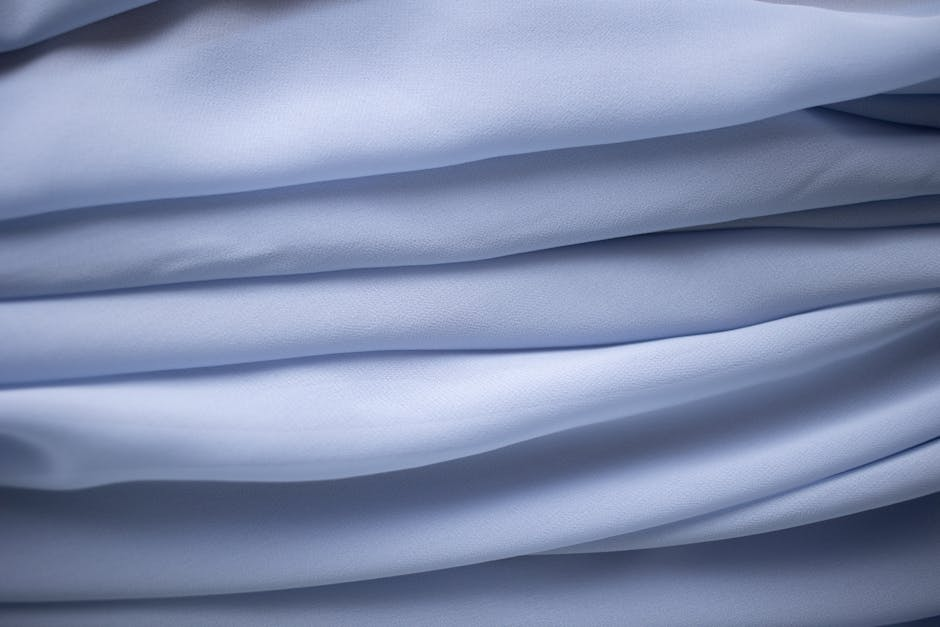
- Order a swatch if color matching is critical, especially for bridal, branding, uniforms, coordinated décor, or multi-fabric garments.
- Order a swatch if drape is the whole point, as with gowns, blouses, scarves, overlays, table draping, or backdrop fabric.
- Order a swatch if opacity will determine whether you need lining, support, or a second layer.
- Order yardage now if the fabric is a familiar staple and the listing gives clear specs you already know how to use.
- Order yardage now if you are buying a workhorse utility fabric for mock-ups, test garments, craft use, quilt backing, dust covers, or general sewing room stock.
- Order a swatch first if the project is expensive enough that a wrong choice will cost more than the extra step.
If I am unsure, I ask one simple question: is the risk in the fabric, or in the project? If the project is high-stakes — a final bridal look, a client piece, event décor with a deadline, or a fitted garment with little margin for error — I slow down and swatch. A free swatch makes that decision even more practical, because I can verify color, texture, and behavior before I commit to full yardage.
The Four Costly Mistakes I See Most Often
Buying the wrong weight
This happens when someone wants fluid movement and orders a fabric with too much body, or wants crisp structure and orders something too soft. The fix is to stop using words like pretty or luxe as decision tools and start using weight and use-case language. Ask what the finished piece must do: skim, hold shape, gather, hang, support, or float. Then match the weight to that job.
Buying the wrong stretch
Not all stretch fabrics are interchangeable. Some stretch mostly across the width. Some have stronger recovery. Some are comfortable but not supportive. Others are stable enough for cleaner lines. If the project is fitted, performance-based, or movement-heavy, this matters immediately. If the project is tailored or structured, excess stretch can become the problem. The fix is to compare the garment or item you are making to fabrics you already know, then confirm the listing supports that behavior.
Trusting color on screen too literally
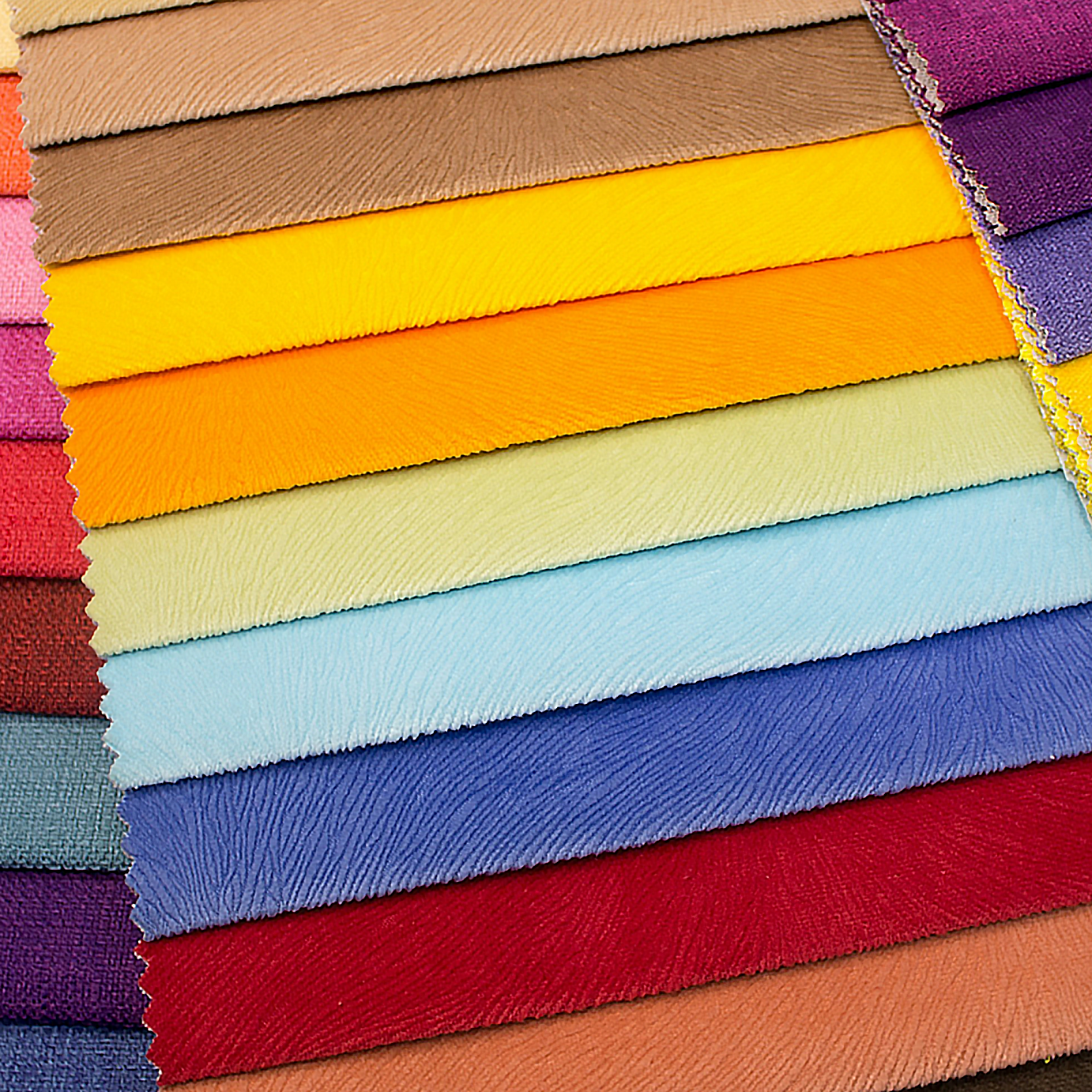
Screens vary. Lighting varies. Finish changes color perception. A matte crepe and a glossy satin in a similar shade may read very differently in person. The fix is to be more cautious anytime exact tone matters. Swatches are smart for weddings, brand colors, matching separates, event palettes, and projects mixing multiple fabric families.
Assuming drape from photos
This is one of the biggest mistakes in fabric online shopping. A flat product photo cannot fully tell you how a fabric falls, folds, collapses, or holds volume. Drape is what separates a blouse from a bodice, a soft table drop from a sculptural panel, and a flowing overlay from a crisp statement skirt. The fix is to read for clues: fiber content, weight, stretch, finish, and fabric family. Chiffon, crepe, organza, satin, mesh, ponte, jersey, and taffeta each point toward different movement. If the project depends on that movement, order the swatch.
Frequently Asked Questions
Does fiber content tell me everything about drape?
No. Fiber content helps, but it is only part of the picture. Weight, weave or knit structure, finish, and stretch all affect drape. Two polyester fabrics can behave completely differently if one is a crisp organza and the other is a fluid charmeuse.
How many swatches should I order?
I usually recommend narrowing the field first, then ordering a small set of serious contenders rather than collecting swatches at random. Compare them against the exact project: silhouette, lining needs, color goal, and how much structure or movement you want. If you are sourcing through Zelouf Fabrics, the free swatch option makes it easier to compare with less risk.
Does width really change how much I need?
Yes. Width can significantly affect yardage, especially for wide skirts, curtains, backdrops, table covers, bedding accents, and pattern pieces that need more crosswise room. Always calculate with width in mind, not just yards.
Can I safely buy basics online without swatching?
Often, yes — especially if you are buying familiar staples with clear descriptions. Workhorse fabrics like muslin, poplin, and other utility basics are often reasonable to purchase by the yard when the specs are straightforward and the use is forgiving.
What care information should I look for?
Care guidance is a trust signal. Clear instructions help you predict shrinkage, handling, and long-term performance. A dependable listing should make care feel manageable, not mysterious. For many washable fabrics, a consistent format is best: Machine Wash, Cold; Gentle Detergent, No Bleach. Tumble Dry, Low Heat. Do not wring.
The Smarter Next Step
When I buy fabric online with confidence, I do not start with the prettiest photo. I start with the project, then I verify the specs that control the result: weight, stretch, opacity, width, fiber content, and drape. From there, the decision becomes clear — either order a swatch because the project demands precision, or move ahead with yardage because the listing gives enough real information to support the choice.
That is exactly why clear, educational product pages matter so much. When a source gives practical descriptions, continuous-yard options, accessible minimums, trade-informed guidance, and a free swatch option for checking the details in person, fabric online shopping becomes far less risky for designers, manufacturers, and crafters alike. If you want to buy more like a professional buyer and less like a nervous guesser, Zelouf is built for that kind of decision.