
You’ll leave knowing what satin actually means and which option—satin, charmeuse, or silk satin—fits your project best before you order.
If you’ve ever thought, “They all look shiny, so what’s the real difference?” this is the point where fabric names stop being confusing and start telling you how your project will actually look, feel, sew, and wear.
We see this mix-up all the time: someone shops for “satin” as if it were one exact material, then gets a fabric that is too stiff, too slippery, too sheer, or simply wrong for the job. The fix is simple once the terms are clear. Satin is often a weave or fabric family, charmeuse is usually a lighter, more fluid satin type, and silk satin is satin made with silk fibers. Those names overlap in appearance, but they do not behave the same way.
- Choose satin when you want shine with more body, easier budget control, and a fabric that can suit formalwear, costumes, linings, or décor depending on weight and fiber content.
- Choose charmeuse when you want softer drape, a more fluid fall, and that liquid look for bias cuts, slips, blouses, and softer linings.
- Choose silk satin when the project truly calls for silk’s hand, breathability, luxury feel, or specific high-end bridal and formalwear performance—and when the budget and care requirements make sense.
In other words, we would not choose by the fanciest name. We would choose by what the fabric needs to do once it becomes a dress, lining, or event setup.
In plain English, satin usually refers to a weave structure that creates a smooth, lustrous face. That matters because the word does not automatically tell you the fiber. A satin can be polyester, silk, acetate, or another fiber blend. It also does not tell you the exact weight, drape, or firmness on its own.
That is why two fabrics can both be called satin and still behave very differently. One may have body for a structured gown or table runner, while another may collapse into soft folds better suited to a slip dress or lining.
How satin, charmeuse, and silk satin differ at buying time
The easiest way to untangle these names is to separate weave from fiber and then look at behavior.
| Option | What it usually means | Typical look | Typical behavior | Best when you want |
|---|---|---|---|---|
| Satin | A broad category or weave-based fabric family | Smooth surface with shine | Can range from fluid to structured depending on fiber and weight | Flexibility, value, and shine matched to the project |
| Charmeuse | A lightweight satin-type fabric, often with a glossy face and dull back | Liquid, elegant sheen | Softer drape, more slip, often lighter and clingier | Movement, drape, and softness |
| Silk satin | Satin woven from silk fibers | Refined luster, rich hand | Luxurious feel, breathable, often delicate and higher maintenance | True silk performance and high-end finish |
Charmeuse is not just “better satin,” and silk satin is not automatically “best satin.” A polyester bridal satin may outperform a silk satin for a structured formal gown that needs body. A charmeuse may outperform both if the goal is a fluid, slinky silhouette. The right answer changes with the finished result.
What changes in the final result
Drape
Drape is often the deciding factor. If you want the fabric to fall close to the body and move easily, charmeuse usually gets you there faster. If you want shape, volume, or a cleaner architectural line, a heavier satin is often the smarter pick.
Shine
All three can be lustrous, but the quality of shine differs. Silk satin often reads as more nuanced and less synthetic-looking. Charmeuse tends to give a sleek, fluid shine. Many satins, especially polyester satins, can range from subtle to very glossy depending on finish and weight.
Body
Body is what helps a fabric stand away from itself. This is why a structured gown, bow, sash, or table accent may benefit from satin with more firmness rather than charmeuse. If the fabric needs to hold shape, too much fluidity can work against you.
Opacity
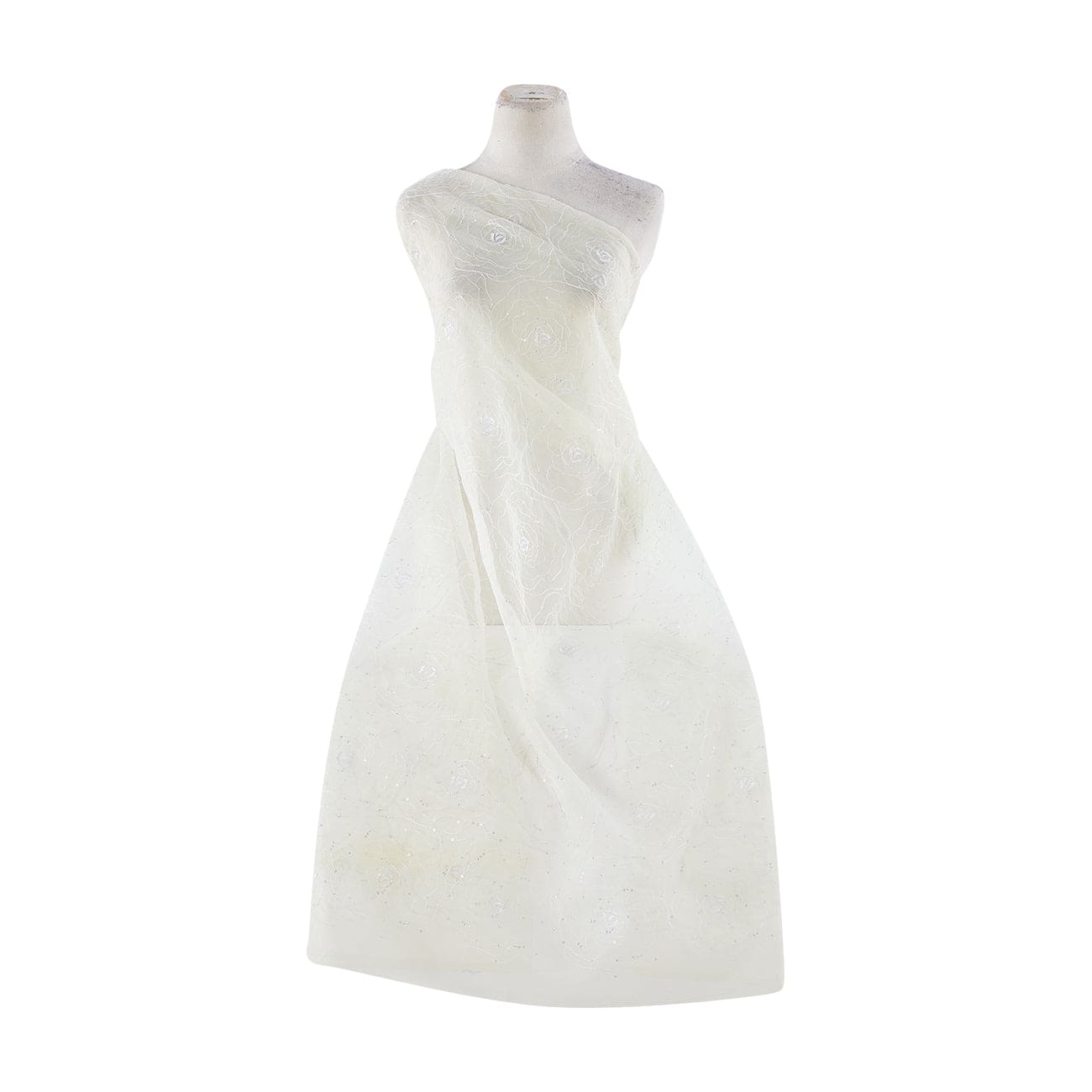
Not every shiny fabric gives full coverage. Lighter charmeuse and some satins can need lining, especially in light colors. We always recommend checking opacity before assuming a dress or lining layer can stand alone.
Wrinkling
Silk satin can wrinkle more noticeably and may require more careful handling. Some synthetic satins resist wrinkling better, which can be a major advantage for events, costumes, and travel. For décor especially, wrinkle tolerance matters as much as beauty.
Sewability
Slippery fabrics can humble even experienced sewists. Charmeuse and silk satin often shift more during cutting and stitching. A satin with a little more body can be easier to handle, easier to press into shape, and less frustrating for first attempts.
Care
If the project needs easy repeat use, easy storage, or simple care, synthetic satin options often make more practical sense. If the project is special-occasion, luxury-driven, and worth more delicate maintenance, silk satin may be the right call.
Choosing for dresses
This is where the confusion usually gets expensive, because the same shine can produce completely different silhouettes.
For structured gowns and formalwear with shape
We usually lean toward satin with more body—often bridal satin, duchess-style satin, or another fuller satin depending on the exact effect. This kind of fabric helps the dress hold cleaner lines through skirts, bodices, bows, and draped details that need support. If you choose charmeuse for this kind of look, the dress may end up softer and less defined than you intended.
For fluid dresses, slips, and bias-cut looks
Charmeuse is often the better answer. It skims, moves, and catches light in a way that feels softer and more liquid. If your mental image is slinky rather than sculpted, this is usually the lane to explore first.
For bridal and luxury projects
Silk satin can be beautiful when the brief genuinely calls for silk’s hand, breathability, and elevated finish. It is especially worth considering when feel matters as much as appearance and the client expects a true luxury fiber. But we would still pause and ask: does the design need silk, or does it need body, shine, and performance? Those are not always the same requirement.
For costumes and budget-conscious occasionwear
A well-chosen polyester or blended satin can be the smarter purchase. You can often get strong visual impact, reorder confidence, and easier care without paying for silk where silk is not changing the result enough to justify the cost.
For dresses that need a lining
Do not assume your outer fabric answers every question. A satin exterior may still need a separate lining for opacity, comfort, or cleaner construction. This is especially true with lighter colors, fitted styles, and garments meant for long wear.
Choosing for linings
Lining decisions are less about prestige and more about comfort, slip, durability, and what the outer garment needs from the inside.
When you want smooth slip
Many satin linings work well because they help the garment move over the body or over other layers. Here, a practical synthetic satin can be an excellent choice if it feels comfortable and is not too clingy.
When you want softness and drape inside the garment
Charmeuse can work beautifully, especially in robes, dresses, and special pieces where the inside experience matters. Just remember that more drape often means more slipperiness at the cutting table.
When durability matters most
For jackets, costumes, or garments that will be worn often, we usually look closely at synthetic satin lining options. They can offer reliable performance and easier care, especially when the lining is doing functional work rather than serving as the luxury headline.
When coverage matters
Some satiny linings are too light to solve transparency on their own. If coverage is the goal, check opacity and weight instead of choosing by name alone.
Choosing for event décor
Satin is not only an apparel fabric conversation. In event work, the right satiny fabric changes how tables, drapes, and backdrops photograph, install, and hold up through the day.
For table runners, accents, and décor that need polish
A satin with some body is often easier to manage. It reads clearly, catches light well, and can look more intentional across flat surfaces or tied details. If the fabric is too fluid, it may look limp instead of elegant.
For soft draping and decorative swags
Charmeuse can be beautiful because it falls in looser, more graceful folds. If the look is romantic and flowing rather than crisp, softer drape usually helps.
For backdrops and photo finish
We look at both shine and wrinkle behavior. A fabric that photographs beautifully but arrives heavily creased may create more setup stress than it is worth. Synthetic satins can be strong candidates here because they often balance shine, cost, and wrinkle practicality.
For repeat events or large yardage needs
Budget and reorder consistency matter. In many cases, silk satin is simply not the most practical décor choice unless the event brief is highly specialized and the budget supports it. For many installations, the smarter decision is a satin that delivers the visual effect without the extra cost and care burden.
Before you order, check these things
This is the part that saves money.
- Fiber content: Confirm whether you are looking at polyester, silk, or a blend. The name alone may not tell you enough.
- Weight: Weight changes drape, opacity, and structure more than many shoppers expect.
- Width: For dresses, linings, and décor alike, width affects yield and total yardage.
- Opacity: Especially for light shades, ask whether you will need lining or layering.
- Face and back: Some fabrics, like many charmeuses, have a very shiny face and a duller back.
- Wrinkle behavior: Critical for events, travel, and formalwear.
- Slip during sewing: If you dislike fighting fabric, do not ignore handling difficulty.
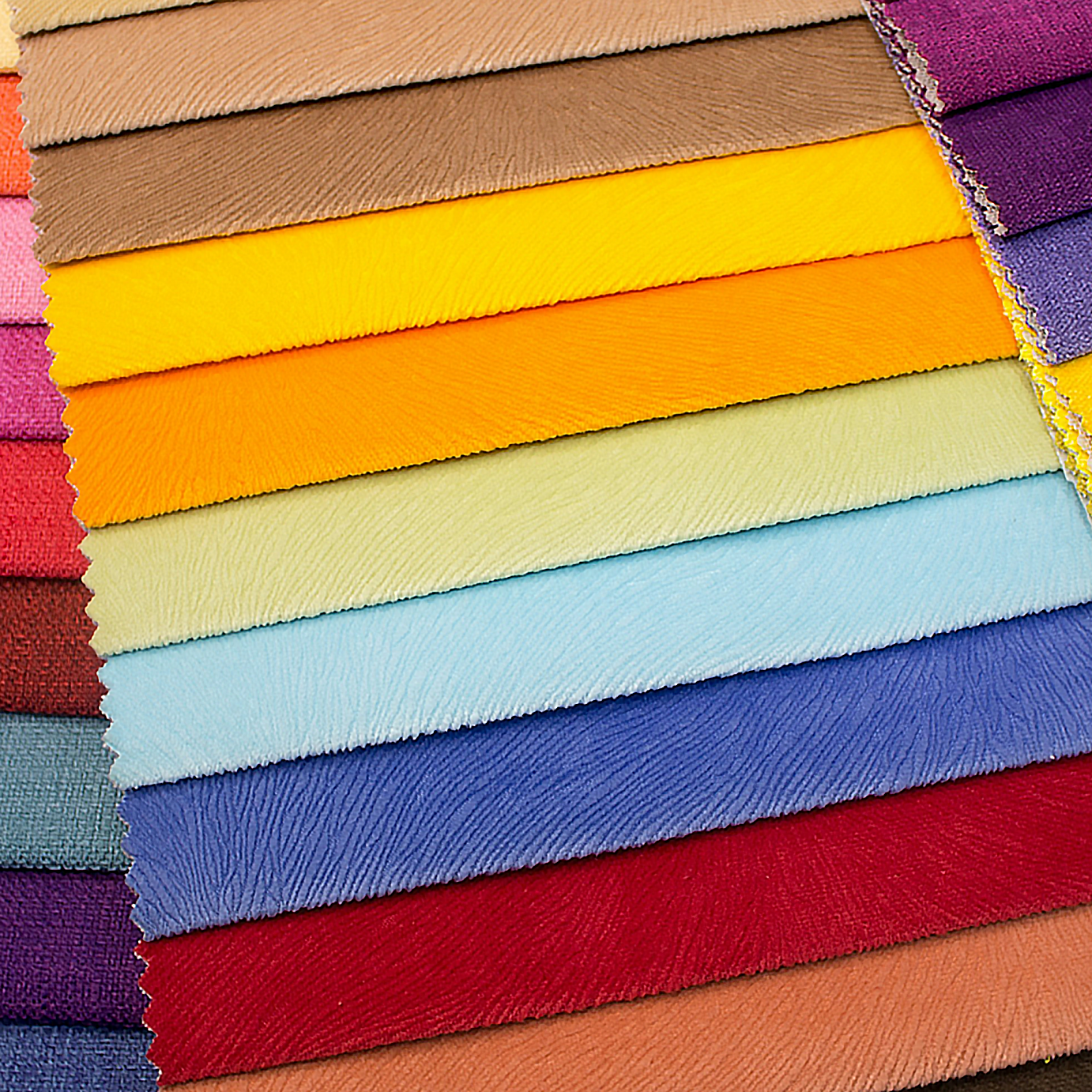
- Swatches: If the project matters, order the swatch. Shine, hand, and body are hard to judge from a screen.
- Test yardage: For an important dress or repeat décor order, a small trial cut can prevent a large mistake.
We also recommend thinking beyond the fabric in isolation. Ask what the fabric has to do once cut: hold a silhouette, skim the body, line a garment comfortably, survive an event install, or reorder consistently later. That question usually points to the right category faster than the name alone.
Common questions that trip shoppers up
Is satin a fiber?
Usually no. Satin often refers to a weave or fabric category rather than a specific fiber. You still need to check whether it is silk, polyester, acetate, or something else.
Is charmeuse the same as satin?
Charmeuse is a satin-type fabric, but not every satin is charmeuse. Charmeuse is generally associated with a lighter, softer, more fluid hand.
Is silk satin always better?
No. It is better when your project benefits from silk specifically. If you need easier care, lower cost, more structure, or better practicality for décor or repeat use, another satin may be the stronger choice.
Which is easiest to sew?
Usually the satin with more body. Very fluid charmeuse and silk satin can be more slippery and less forgiving during cutting and stitching.
Which works best for lining?
That depends on whether you need slip, softness, durability, or opacity. Many practical satin lining options perform very well without needing to move up to silk.
Should I order a swatch first?
For anything important, yes. We strongly prefer a swatch or small test yardage when drape, sheen, opacity, or color accuracy will affect the final result.
The simplest way to decide
If you need shape, start with satin that has body. If you need fluid movement, start with charmeuse. If you specifically need silk’s hand and luxury performance, explore silk satin. Then confirm your choice with a swatch, check weight and opacity, and only commit to yardage once the fabric’s real behavior matches the job.
That is the whole goal: choose the fabric that behaves right for the project, not the one with the fanciest name.