
One sheer bow stands up exactly the way you pictured it, catching light and holding its shape through the whole event. Another, made from a fabric that looked similar on screen, sinks into a soft droop by the time it is tied. The same thing happens with veils, sleeves, and draped panels: one version stays airy and sculptural, while the other goes limp, overly shiny, or strangely flat. That gap is why organza matters. It is not just a pretty sheer. It is a fabric chosen for a very specific job.
When we help designers, manufacturers, costumers, decorators, and home sewists sort through sheer fabrics, the real question is usually not “what is organza?” in the abstract. It is “will organza give this project the body, transparency, and light-catching finish I want, or am I about to buy the wrong sheer?” That is the right question to ask, because organza can be brilliant for crisp overlays, sculptural sleeves, statement bows, veils, layered formalwear, and event draping with lift. It can also be the wrong call when the project needs softness, fluidity, or a more matte, relaxed fall.
Organza fabric is a sheer, lightweight woven fabric with a crisp hand and visible body. In plain English, that means it is transparent, light-catching, and structured enough to hold shape better than softer sheers. If chiffon floats and melts, organza stands a little taller. That is the short answer.
We reach for organza when a project needs lift, form retention, and a clean, airy layer rather than liquid drape. It is especially useful for overlays, puff or sculptural sleeves, formalwear accents, bridal details, costume volume, bows, veils, table accents, decorative swags, backdrops, and installations that need to catch light without becoming heavy. It is one of those specialty sheers that earns staple status because the result is so specific.
We do not usually recommend organza when the visual goal is softness first. If you want a skirt overlay that collapses into movement, a scarf-like sleeve, or draping that puddles and flows without resistance, organza may feel too crisp. In those cases, a softer fabric family often gives a better finish and wastes less yardage.
Organza is often mistaken for “just another sheer,” and that is where frustration starts. A bridal sewist may want an airy overlay and end up with more stiffness than expected. A costume maker may need a sleeve that holds volume under stage light, only to cut it from a fabric that falls flat. An event stylist may plan a light-catching installation and discover too late that the fabric reads limp in photos, or reflects more shine than the room can handle. These are not tiny differences. They change silhouette, movement, opacity, labor, and final mood.
For professionals, those mistakes affect repeatability, labor time, and material efficiency. For advanced home sewists and crafters, they usually show up as wasted cuts, extra lining decisions, or a project that looks less intentional than it did in the sketch. Organza rewards a clear goal. If you know the job it needs to do, it becomes much easier to choose well.
The easiest way to understand organza is through behavior. Its crispness means it resists collapsing into soft folds. Its sheerness means it layers beautifully, but rarely offers enough coverage on its own. Its sheen can range from subtle to more noticeable depending on fiber and finish, which affects how it reads in daylight, venue lighting, flash photography, and on stage. Its body helps it keep volume in ruffles, sleeves, peplums, and bows, and that same body is what makes it so useful for decorative draping.
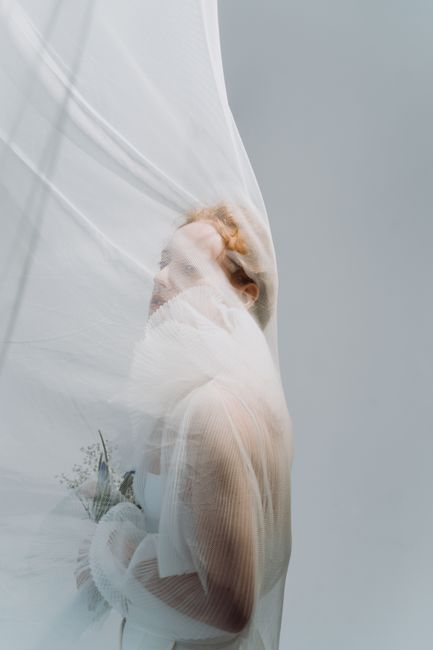
That crisp hand is the defining trait. On a garment, it creates outline and space around the body rather than clinging closely to it. On a veil, it keeps an airy frame instead of going slack. In event décor, it can create visual lift across arches, backdrops, chairs, tables, and ceiling treatments without looking dense or heavy. For that reason, organza often appeals to both couture-minded makers and practical decorators: it gives drama without a lot of bulk.
Its transparency is also part of the appeal. Organza lets color, light, and underlayers show through. That can make a dress look dimensional, a costume look luminous, or a backdrop feel lighter and more spacious. But transparency cuts both ways. If modesty, full coverage, or visual solidity matter, organza usually needs lining, layering, or pairing with another fabric.
Where Organza Really Earns Its Place
When You Want A Crisp Overlay
Organza is excellent for overlays when you want the top layer to add shape and light rather than blur into softness. It can give skirts and bodices a lifted, airy finish, help layered gowns feel more dimensional, and add visual texture without the heaviness of an opaque fabric. We especially like it when the goal is formalwear with presence — something polished, romantic, or sculptural rather than casual and flowing.
The watch-out is comfort and movement. If the overlay needs to collapse softly over the base fabric, organza can feel too assertive. It suits readers who want that clean, elevated outline more than those chasing a washed, fluid look.
When Sleeves Need Shape, Not Slouch
For puff sleeves, gathered sleeves, dramatic short sleeves, and occasionwear shapes that need to stand away from the body, organza does exactly what many softer sheers cannot. It helps maintain volume. It keeps the shape visible in motion and in photos. It also allows the sleeve to stay light, which matters in bridal, costume, dance, and eventwear applications where bulk would be distracting.
If the sleeve concept is dreamy and draped, though, organza may push the design toward crispness instead of softness. That is often the difference between “editorial volume” and “romantic flow.” Both can be beautiful, but they are not interchangeable.
When The Bow Is Supposed To Stay A Bow
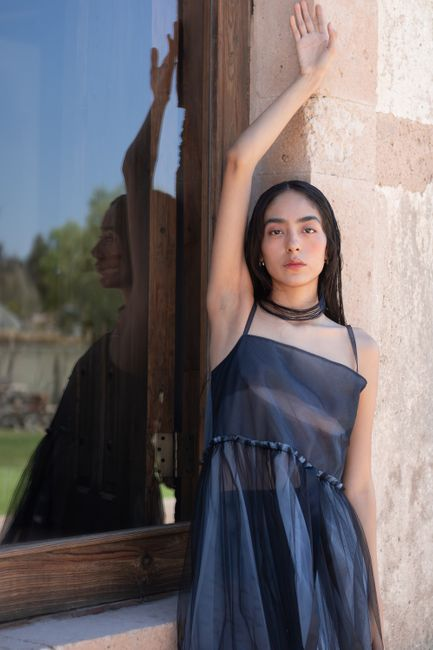
This is one of the clearest use cases. Statement bows, sash details, gift-style accents, hair pieces, costume trims, chair bows, and décor ties all benefit from organza’s ability to hold loops and keep a cleaner silhouette. A bow made from organza usually reads intentional and airy. A bow made from a softer sheer may droop, twist, or lose definition much faster.
That makes organza useful across fashion and non-fashion projects alike. We see it work well in bridal waist details, flower girl sashes, costume styling, pew accents, favors, gift wraps, holiday décor, and event installation details. This is exactly the kind of cross-category staple that rewards keeping a few good options in rotation.
When A Veil Needs Airy Body
Organza can be a strong choice for veils when the desired effect is structured softness rather than netted volume or liquid drape. It gives a veil a light frame and catches light beautifully, which can be especially effective for editorial bridal looks, costume headpieces, and dramatic layered accessories. It also works well when the veil is meant to hold a shape, edge, or gathered fullness.
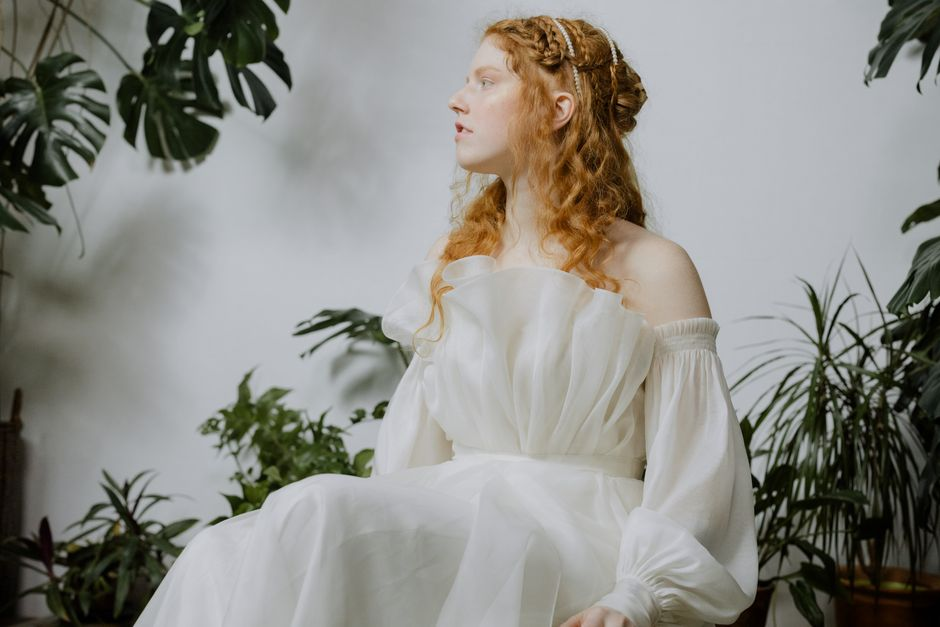
Still, it is not the default answer for every veil. If you want the familiar net-like bridal look, tulle may make more sense. If you want movement with a softer, more flowing fall, chiffon may be better. Organza shines when the brief is airy, luminous, and shaped.
When Event Draping Needs Lift And Light
For event draping, backdrops, ceiling accents, chair details, soft swags, tablescape touches, stage pieces, and photo-friendly layered installations, organza can be a beautiful solution when you want a touch of sheen and visible air between layers. It catches uplighting, daylight, and movement well, and it can help a setup feel celebratory without becoming visually dense.
The caution is that organza can read crisper and shinier than expected depending on the venue and lighting. In some rooms that is an advantage. In others, it may feel less soft than chiffon or less opaque than the design plan needs. For installers and planners, this is where reading specs and planning layers really pays off.
How It Compares To Other Fabrics People Confuse With It
| Fabric | Best Known For | Choose It When You Want | Less Ideal When You Need |
|---|---|---|---|
| Organza | Crisp sheer structure | Lift, shape, airy volume, light-catching overlays, bows, sleeves, veils, and draping | Soft liquid movement |
| Chiffon | Soft sheer drape | Flow, softness, flutter, and gentler movement | Strong shape retention |
| Tulle | Netted volume | Mesh-like structure, classic veil effects, pouf, and support | Smooth woven sheen or polished overlay feel |
| Satin | Opaque shine and surface richness | Gloss, coverage, smoothness, and body depending on construction | Sheer layering by itself |
The key is to sort by finished result. If you want softness and movement, chiffon usually leads. If you want visible net structure or traditional tutu-and-veil language, tulle is often the better fit. If you want shine and opacity, satin belongs in the conversation. If you want a sheer that can still stand up, catch light, and hold design intention, organza is often the right tool.
That does not make organza “better” in the abstract. It makes it better at a specific job. That is the lens we find most useful when buying fabric online or sourcing for repeat production.
How To Read Organza Specs Before You Order
Good product descriptions make organza easier to judge, especially if you are buying for bridal, costume, business use, event décor, or a one-time special project. Before checkout, we suggest checking a few basics:
- Fiber content: This affects sheen, hand, durability, and care expectations.
- Width: Important for veil fullness, backdrop planning, bow scale, and efficient cutting.
- Hand and stiffness: Look for language like crisp, structured, airy, soft, or fluid.
- Transparency: Decide early whether you want sheer layering or need lining underneath.
- Surface finish: A subtle sheen and a high shine can photograph very differently.
- Intended uses: Strong descriptions often tell you whether the fabric suits apparel, décor, costume, bridal, or crafts.
If a product page explains what the fabric is, how it feels, how it drapes, and what it is used for, you can make a much smarter decision. That is especially helpful for both low-minimum buyers and volume buyers who need confidence before committing yardage.
Where Organza Goes Wrong
Most organza disappointment comes from asking it to behave like a softer fabric. If the design depends on fluid folds, body-skimming softness, or a matte romantic effect, organza may feel too crisp. If the project needs full coverage, its transparency may create extra work through lining or layering. If the room has intense uplighting or flash-heavy photography, sheen can read stronger than expected. None of these are flaws. They are simply behavior traits that matter.
Sewing expectations matter too. Organza is lightweight, but it is not always forgiving. Its crispness can make seams, edges, and construction choices more visible, especially on sheer applications. That makes clean finishing important for bridal, costume, and formalwear work. For décor, handling and installation matter just as much, because folds, clamps, and layer density affect the final look in the room.
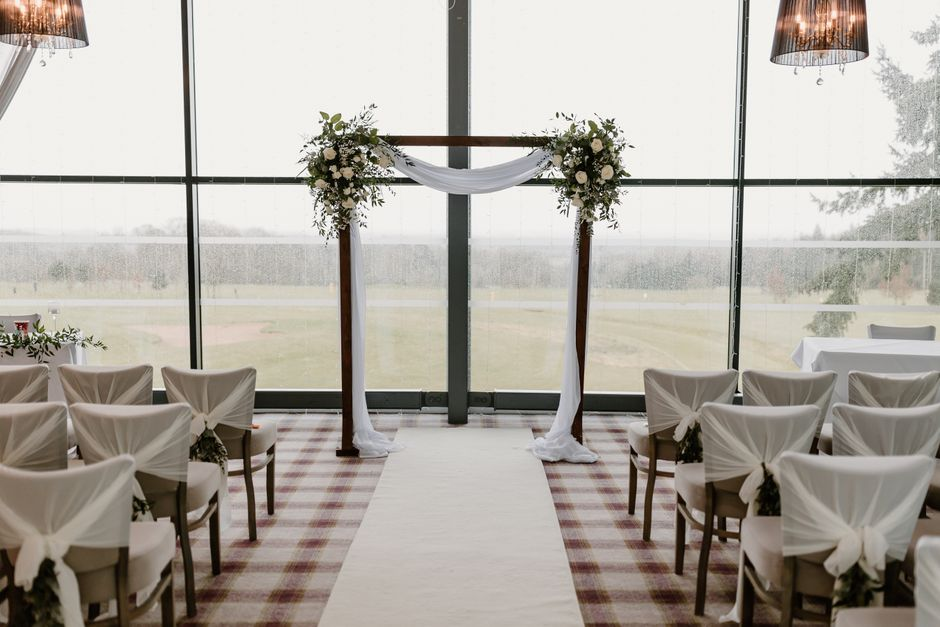
Layering is often the answer. Organza works beautifully over satin, lining fabrics, and other base layers when you want depth, shimmer, and dimension. It can also be paired with softer sheers to balance structure and movement. In other words, organza does not have to do everything alone. It often performs best as part of a fabric system.
Frequently Asked Questions
Is organza soft or stiff?
Organza is generally on the crisp side rather than the soft side. Some versions feel lighter or more refined than others, but the reason people choose organza is usually its body and shape retention.
Do I need to line organza?
Often, yes. Because organza is sheer, many apparel projects need a lining or underlayer for coverage. In décor, layering may be used for color depth, opacity, or a fuller visual effect.
Is organza good for event draping?
Yes, especially when you want light-catching drape with lift rather than heavy coverage. It works well for swags, backdrops, chair details, table accents, arches, and decorative installations, but the level of sheen and transparency should match the venue and lighting plan.
How is organza different from chiffon?
Organza is crisper and holds shape better. Chiffon is softer and more fluid. If the project needs structure, organza is often the better choice. If it needs movement and softness, chiffon usually makes more sense.
Is organza hard to sew?
It can be a little more exacting than everyday workhorse fabrics because it is sheer and crisp, which makes construction details easier to see. Careful cutting, clean seams, and thoughtful finishing matter.
How does organza photograph?
Usually very well when the goal is light, shape, and dimension. It can catch light beautifully, but that also means sheen may appear stronger under flash, uplighting, or direct sun. Testing the effect with your intended setting in mind is helpful.
What is organza used for most often?
Common uses include overlays, puff sleeves, ruffles, bows, veils, bridal accents, formalwear layers, costume details, stage looks, backdrops, chair sashes, table décor, holiday crafts, and decorative event installations. Its versatility is part of what makes it such a useful specialty staple.
How should I care for organza?
Machine Wash, Cold; Gentle Detergent, No Bleach. Tumble Dry, Low Heat. Do not wring.
If your visual goal is crisp shape, airy transparency, and light-catching structure, organza is often exactly the right fabric to keep stocked. The smartest next step is to match the job to the behavior, then choose from a supplier that gives you usable specs, clear descriptions, and accessible yardage so the fabric performs the way the project needs it to.