
The fabric is already in the cart. The color is right, the price works, and the photos seem promising, but the real question is still unresolved: will it skim softly, stand away with clean shape, collapse when gathered, or hold the bow you have in mind? I see this hesitation all the time, and it matters because drape is not a styling detail after the fact. It is the difference between a dress that moves fluidly, a sleeve that keeps its lift, a backdrop that pools elegantly, and a project that misses the silhouette entirely.
When we buy fabric online, we are really trying to predict behavior from clues. A strong listing helps, but no single line item can do the whole job. The practical skill is learning how to read fiber, weight, construction, stretch, finish, opacity, and use-case language together, the way an experienced fabric counter would, so we can make a smarter call before we commit to yardage.
In plain English, drape is how willingly a fabric falls. A high-drape fabric tends to skim, flow, pool, flutter, or cling closer to the line beneath it. Think chiffon, charmeuse, or certain soft mesh qualities. Body is different. Body means the fabric has some presence of its own, so it does not simply surrender to gravity. It may stand slightly away from the body, keep a cleaner outline, or support gathers and folds with more definition. Structure goes one step further: it holds shape more firmly, making it useful for sculptural sleeves, overskirts, bows, tailored effects, or décor details that need lift.
A few trade terms help once we translate them. Hand is how a fabric feels in the hand — dry, crisp, smooth, soft, springy, dense, papery, or slippery. Recovery is how well it returns after being stretched or crushed. Opacity affects how much visual weight the fabric seems to have, but opacity alone does not guarantee structure. A fabric can be opaque and fluid, or sheer and surprisingly crisp. That is why I never treat one descriptor as the answer.
How I Read a Listing Like a Fabric Counter
The first clue I read is fiber content, because fiber often hints at mood and behavior. Polyester can range from airy and fluid to firm and sculptural, so it is not a one-word answer, but it often appears in fabrics designed for resilience, wrinkle resistance, or a cleaner finish. Cotton can read soft and breathable, but in workhorse staples like muslin or poplin it can also feel crisp, stable, and highly usable for structure, mockups, shirting, linings, home décor, café curtains, quilting support, backdrops, and crafts. Silk and silk-like constructions often suggest elegance and movement, while blends can shift the balance by adding stretch, durability, or shape retention.
Next, I look at weight, but carefully. Weight tells me how substantial the fabric may feel, not how it will behave on its own. A heavier fabric can still pour if the construction is supple. A lighter fabric can still feel crisp if the yarns or finish give it snap. This is where buyers get misled: they assume heavier means more structure every time, when in practice the weave, knit, coating, and finish may matter just as much.
Construction is often the most revealing clue after weight. Wovens and knits do not just differ in stretch; they differ in posture. A knit like scuba crepe stretch knit may have thickness, spring, and body that support cleaner lines and sculptural silhouettes, while a woven like charmeuse can read smoother, slinkier, and more liquid. Poplin often behaves like a staple with a clean, practical crispness. Chiffon usually signals air, float, layering, and movement. Stretch power mesh can skim the body, layer beautifully, and work across dancewear, sleeves, illusion panels, overlays, costume accents, athletic styling, and fitted details, but it will not behave like a shape-holding satin or Mikado.
Stretch deserves its own caution. Stretch does not automatically mean soft drape. Some stretch fabrics are sleek and clingy. Others are dense and buoyant. I pay attention to whether the listing suggests two-way or four-way stretch, whether recovery is emphasized, and whether the fabric is described as springy, stable, substantial, or fluid. Recovery often tells me whether a fabric will snap back into shape or simply relax and hang.
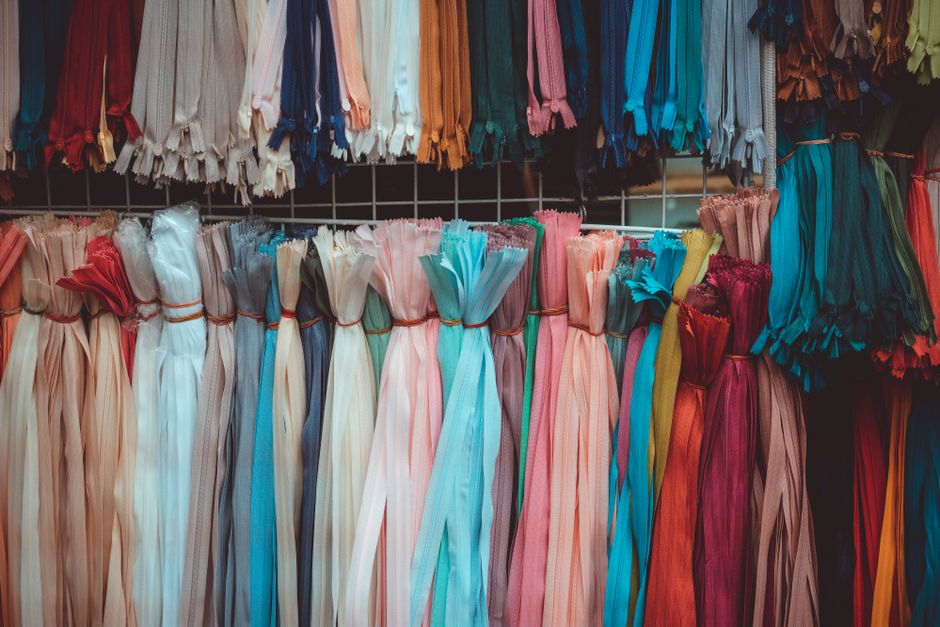
Finish can change everything. A satin face can make a fabric seem more fluid than it is. A coated or faux-leather surface can add firmness, visual weight, and shape. A brushed or matte finish may soften the read. Crispness, sheen, peached texture, and coated surfaces all affect how the fabric catches light and how it sits in folds. Opacity adds another layer: a sheer fabric can still hold a soft wave, while an opaque one might drape closer to the body than expected.
Finally, I read the use-case language closely. This is one of the most practical clues on a well-built product page. If a fabric is repeatedly positioned for blouses, bias-cut dresses, scarves, overlays, and fluid event draping, that points one way. If it is described for bows, structured gowns, decorative panels, tailored fashion, sculptural sleeves, or formalwear with volume, that points another way. This is where educational listings really help, because they translate specs into finished-project behavior instead of leaving the reader to decode everything alone.
What Those Clues Usually Mean in Real Projects
If I am trying to predict a soft skim for dresses, blouses, or skirts, I look for a listing that combines fluid language with a construction known for movement. Charmeuse is a classic example: smooth surface, elegant drape, and a tendency to fall closer to the body. Chiffon also signals movement, but in a lighter, airier way — better for flutter, layering, and softness than for coverage or shape on its own. Stretch mesh can contour beautifully, especially when layered, but it usually follows the body more than it builds silhouette away from it.
If the goal is fullness in gathers, I want to know not only whether the fabric drapes, but whether it has enough body to show the gathers clearly. Too fluid, and the gathers may collapse into softness. Too stiff, and they may stack awkwardly. Poplin often lands in a useful middle zone for certain projects, which is why it remains such a staple. It can support skirts, children’s wear, shirting, aprons, crafts, lightweight décor, pocketing, and practical costume work with reliable performance across countless sewing projects. Muslin, depending on type and weight, can do something similar in a more utilitarian register — this is the muslin to keep stocked when you need a workhorse for toiles, test garments, dye projects, quilt backing, curtain testing, photo backdrops, pattern development, and general studio use.
For sleeves, the question is whether you want drop or lift. A bishop sleeve, soft ruffle, or floaty overlay wants drape. A puff, sculptural cap, or statement formal sleeve needs body or structure. That is where fabrics like Mikado, certain satins, organza-family looks, or scuba-style knits often earn their place. Stretch Mikado, in particular, is typically chosen when the design needs polish and support rather than limp shine. It can help sleeves, overskirts, bows, occasion dresses, bridal elements, costume details, and formal separates keep their shape more convincingly than a liquid satin would.
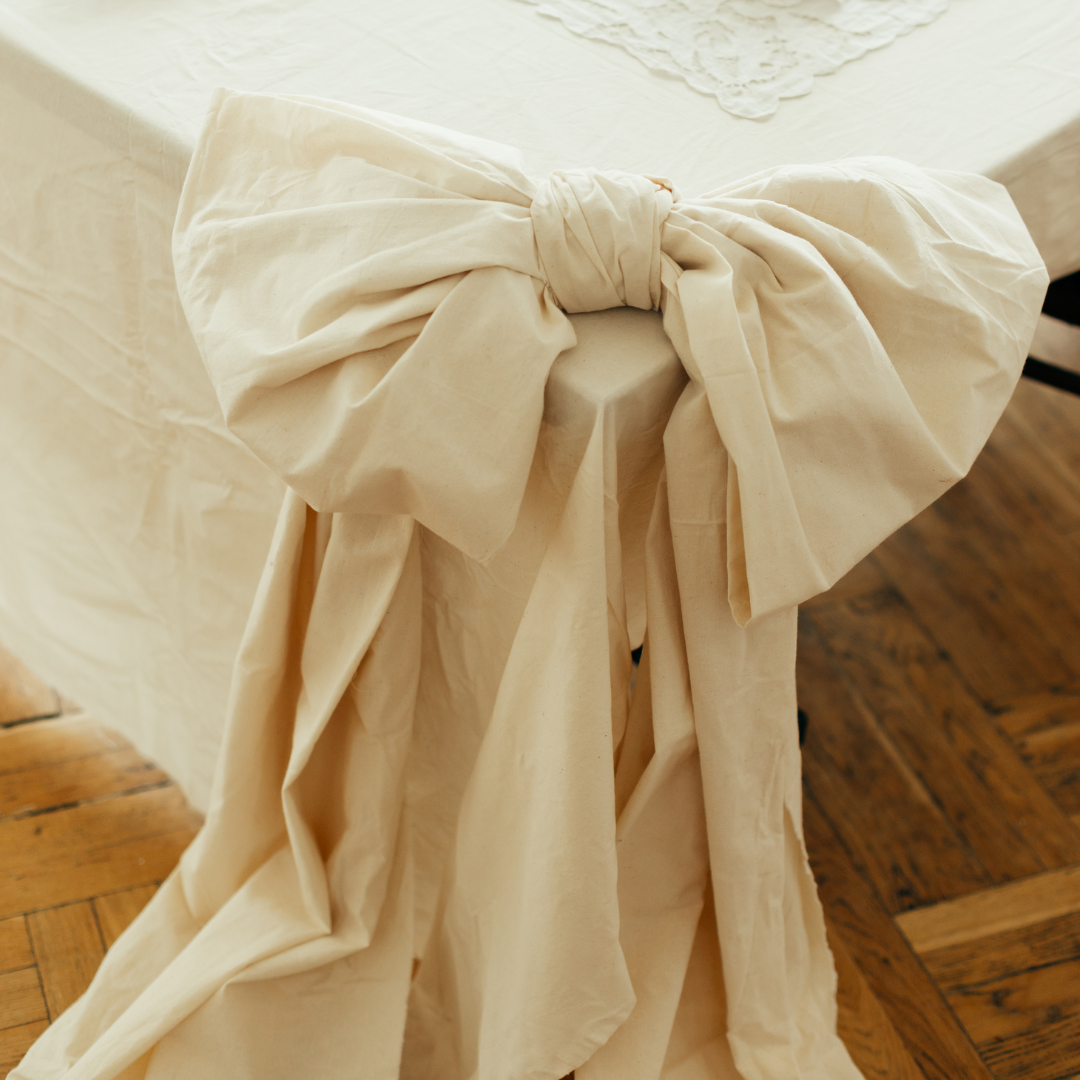
Bows reveal fabric truth very quickly. If the listing suggests softness, slink, and collapse, expect a bow that droops or relaxes. If it signals crisp hand, body, and shape retention, the bow has a better chance of standing up. Faux leather is another clear example of a material with visual and physical presence. It does not behave like chiffon or mesh; it creates cleaner edges, stronger folds, and more graphic shape. For trim, accessories, costume accents, upholstery-style details, bags, headpieces, structured panels, and fashion-forward statement pieces, that difference matters.
For overskirts and formal silhouettes, I ask whether the fabric needs to float, sweep, or hold architecture. A fluid overlay can soften a gown and create graceful movement. A structured outer layer can lift the silhouette and preserve volume. If the listing stresses formal structure, clean body, and substantial finish, I read that as support for shape. If it stresses softness and flow, I expect movement over architecture.
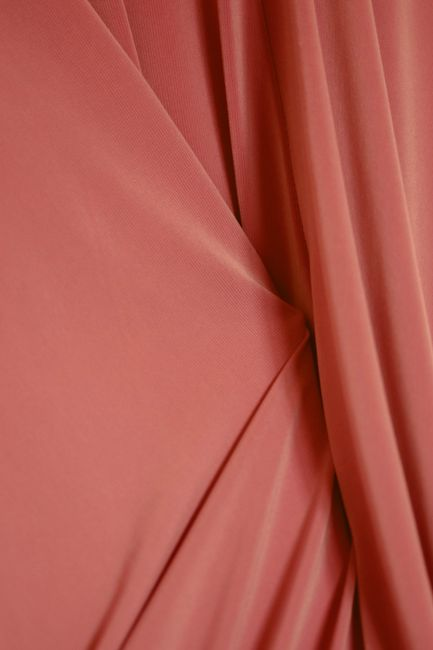
Backdrops and table treatments follow the same logic, just on a larger scale. A backdrop that needs elegant pooling wants drape. A table treatment that needs cleaner edges or decorative volume may need more body. Muslin can be a practical backdrop staple depending on weight and finish. Chiffon creates softness and translucence. Poplin offers a cleaner, crisper line. Mesh can layer attractively. Structured formal fabrics can create dramatic event details, but they may not puddle the way a fluid fabric does. For designers, manufacturers, and crafters alike, the behavior over a table edge or hanging from a stand often tells the story before the first cut.
A Simple Pre-Checkout Decision Block
When I need to make the call quickly, I sort the listing into one of three buckets:
- Trust the listing: The fiber, weight, construction, stretch notes, finish, and use cases all point in the same direction. The description clearly suggests either fluid fall or shape-holding body.
- Proceed with caution: The photos look good, but the language is vague, or the clues conflict — for example, a heavier fabric described as soft and flowing, or a stretchy fabric presented as highly sculptural without explanation.
- Order a swatch: Silhouette precision matters, the project is high-stakes, or the listing leaves too much unanswered about hand, opacity, recovery, or structure.
That last step is not hesitation for its own sake. It is the smart move when the exact result matters, especially for bridalwear, fitted occasionwear, costume builds, production sampling, statement bows, or décor installs where the wrong fabric behavior becomes expensive fast.
Common Misreads That Lead to Expensive Mistakes
The most common mistake is trusting photography more than the description. Lighting, pinning, styling, and layering can make a fabric appear firmer, softer, fuller, or more opaque than it really is. A second mistake is assuming lining or interfacing will solve everything. Those supports can absolutely help, but they do not erase the base behavior of the fabric. A very fluid fabric with interfacing still does not become true Mikado. A structured fabric with lining does not suddenly pour like charmeuse.
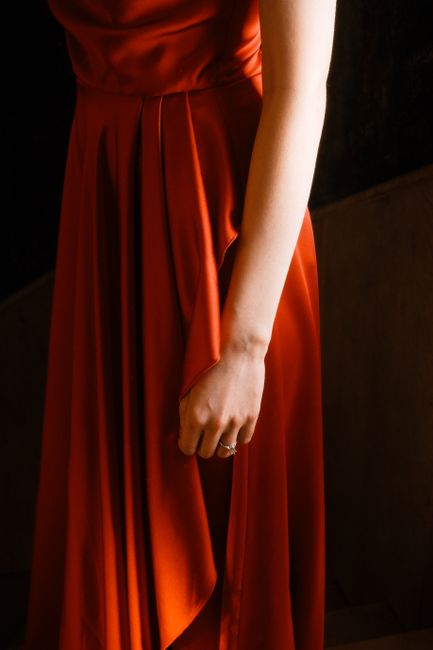
Another trap is reading one adjective too literally. Words like luxurious, elegant, and beautiful are mood words, not behavior words. Useful behavior words are crisp, fluid, airy, substantial, structured, soft, stable, springy, sheer, opaque, and stretchy with good recovery. I also watch for unstated assumptions. If a fabric is shown in a lined dress, a multi-layered backdrop, or a heavily gathered sleeve, the finished look may depend on more than the base cloth alone.
And again, weight by itself can fool buyers. A substantial knit may still contour rather than hold a sculptural edge. A lightweight woven may look delicate but keep more crispness than expected. That is why the safest approach is always to combine clues instead of looking for one magic spec.
Frequently Asked Questions
Does polyester always mean fluid drape?
No. Polyester can be airy and flowing, but it can also be crisp, dense, or structured depending on construction and finish. I treat polyester as a fiber clue, not a final answer.
Does stretch mean a fabric will be soft?
Not necessarily. Stretch can mean cling, spring, contour, or recovery rather than softness. A stretch mesh, a scuba knit, and a stretch Mikado may all stretch, but they do not create the same silhouette.
Can gathering make a fluid fabric look fuller?
Yes, but fullness and structure are not identical. Gathering adds volume, yet a very fluid fabric may still collapse into soft folds instead of holding a rounded or architectural shape.
When is a swatch really worth it?
It is worth it when the silhouette has to be exact. If you are choosing fabric for bridal details, formalwear, fitted garments, production sampling, dramatic sleeves, bows, overskirts, or event draping where the hang is the whole point, a swatch is often the most cost-effective decision.
What care language should I expect on a reliable listing?
Clear care instructions are a trust signal because they show the fabric is being presented with practical use in mind. A consistent pattern like this is helpful: Machine Wash, Cold; Gentle Detergent, No Bleach. Tumble Dry, Low Heat. Do not wring.
The good news is that this gets easier fast. Once I stop asking a listing whether the fabric is simply “nice” and start asking what it will actually do — skim, cling, pool, float, fold, or stand away — the right clues become much easier to spot. And when the silhouette matters enough that I do not want to guess, I would rather buy from a source that explains fabrics clearly and makes the swatch-or-yardage decision feel informed, not risky.