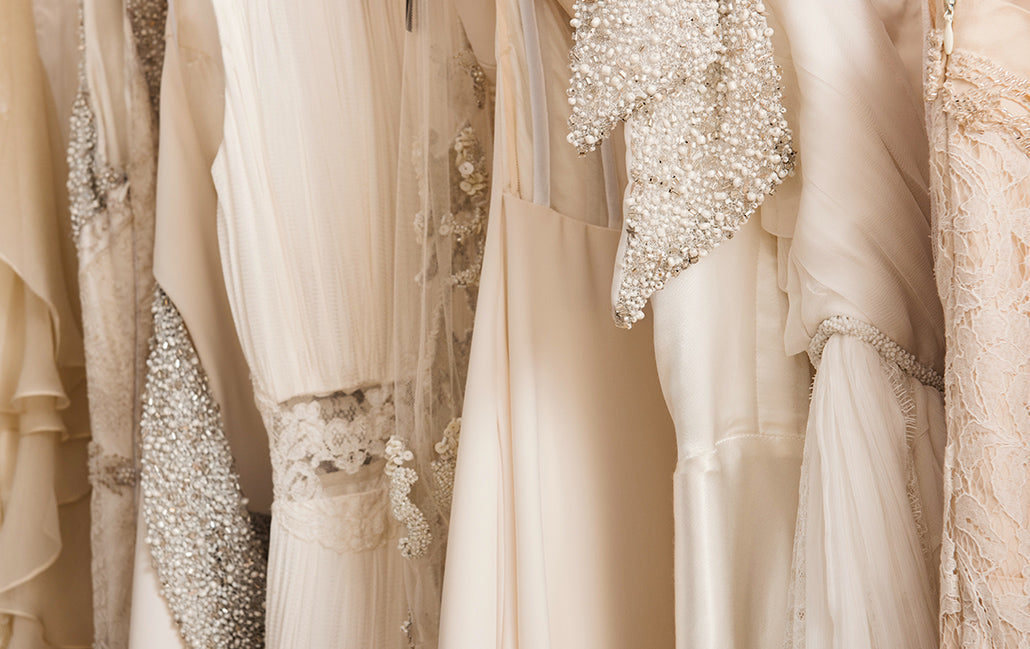

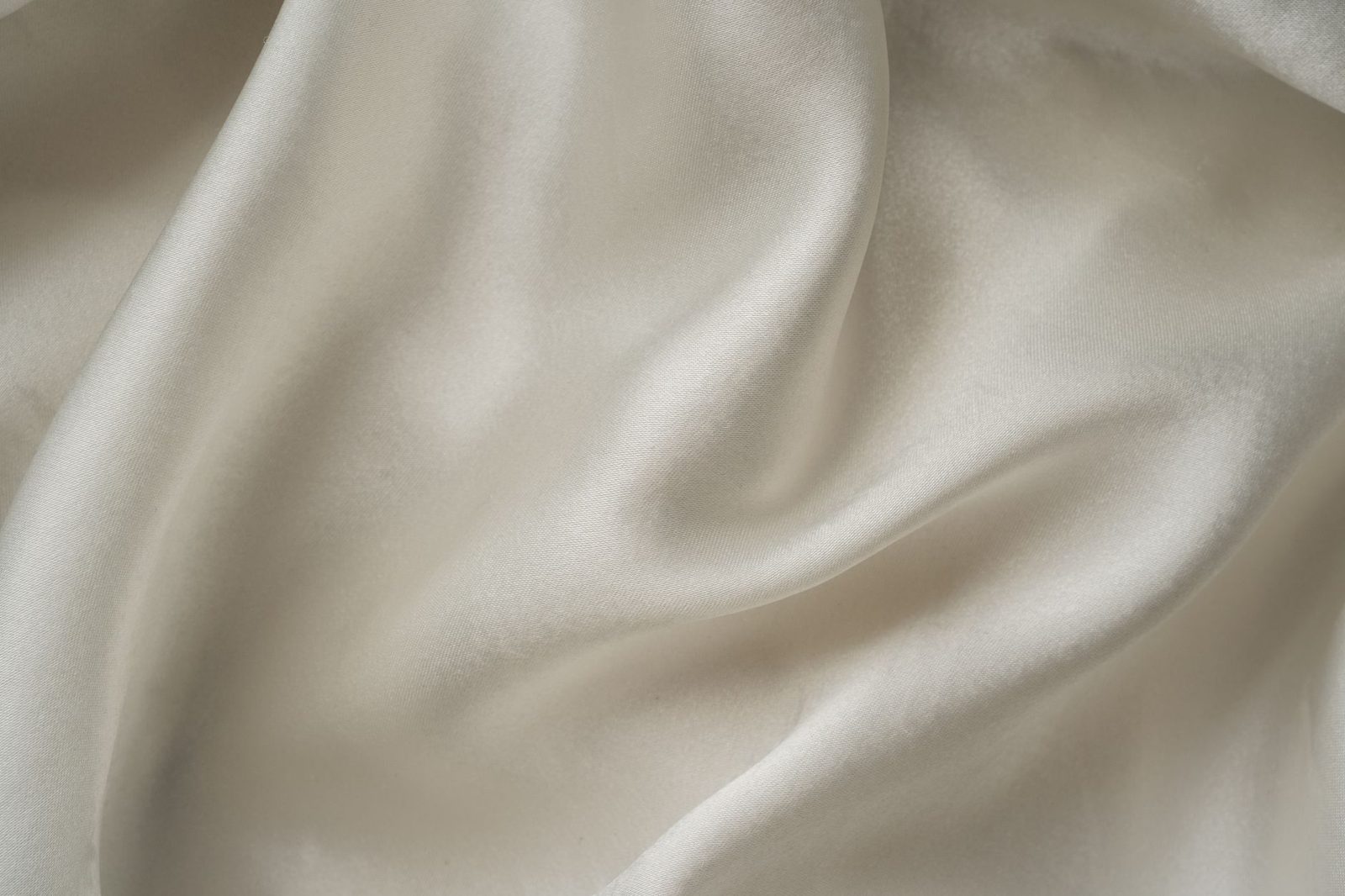
We hold an uncut length of glossy satin against the dress form. The fitted bodice is easy to picture, but what happens below the waist: broad folds that stand away from the hips, or a skirt that slips into a softer outline? The face catches the light either way. Sheen cannot tell us how much shape the fabric will hold, and a full skirt may get its volume from the satin, the cut, or what sits beneath it.
What Shape Must the Skirt Hold?
Before choosing a satin cloth dress fabric, we would sketch the skirt in profile. Does it need a defined, stand-away shape with visible folds? Or should it have generous fabric that moves and settles closer to the body? Both can be full skirts, but they ask different things of the outer fabric.
Body is a fabric’s tendency to resist collapsing into itself; drape is the way it falls under its own weight. Neither is established by gloss. A skirt pattern supplies the shape and amount of fabric, while pleats or gathers arrange that fabric at the waist. An underskirt or other internal support can hold it farther out. Those jobs overlap, but they are not interchangeable: adding gathers to a very fluid satin creates more fabric at the waist, not necessarily the broad folds shown in a structured gown illustration.
Can This Satin Make the Folds?
A body-bearing satin tends to make wider, more distinct folds and keep some space between the skirt and the legs. A fluid satin tends to make narrower folds that fall downward and closer to the body. We would look at heavyweight bridal satin and charmeuse as different starting points for that shape test, not assume either will reproduce a particular pattern illustration.
If a sample is available, lift a generous edge, let it hang, and form a few pleats or gathers by hand. Notice whether the folds keep their width or narrow toward the floor. A small sample can reveal useful differences in hand, surface, and fold behavior, but it cannot reproduce the weight, circumference, and seams of a finished skirt. For a bridal collection or a single gown sewn at home, a small test cut is evidence — not a guarantee.
Will It Work in the Fitted Bodice?
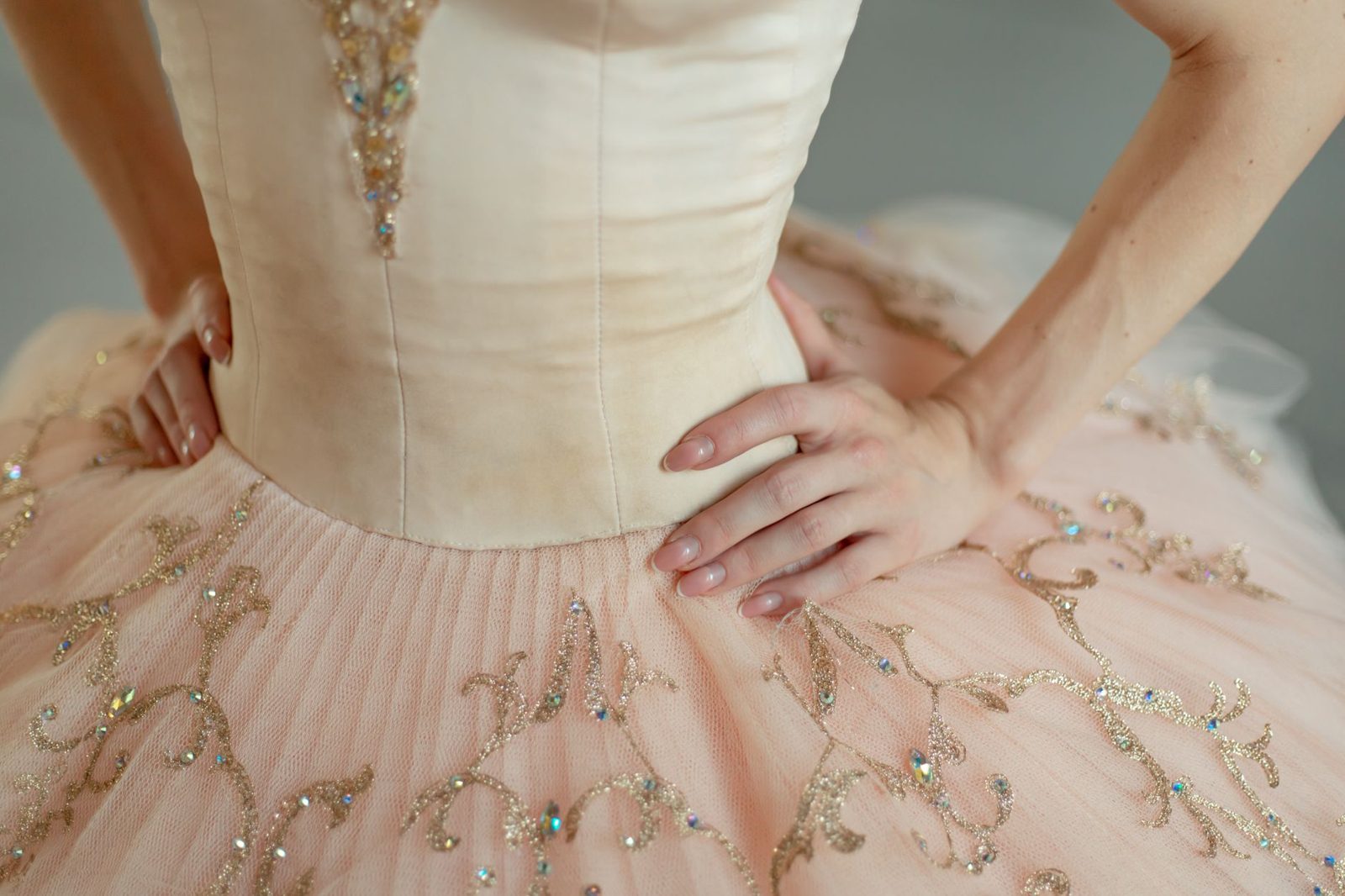
The skirt and bodice deserve separate decisions. A satin with enough body for pronounced skirt folds may be less cooperative around curved princess seams, darts, or a close waist seam. Multiple seam allowances, a lining, and the gathered or pleated skirt can create bulk where the bodice needs a clean fit. A more fluid satin may shape smoothly in one area but show every change of tension or handling in another.
We would sew a short test seam with the intended seam allowance, then press it according to the fabric’s verified care guidance. If the design includes a waist join, test a small pleated or gathered section there as well. Check whether the allowances lie flat, the satin shows press marks, or the join becomes too thick for the intended finish. When a satin suits the skirt but not the bodice, the pattern and design may allow a different bodice fabric; that is a construction choice to plan before ordering, not an adjustment to improvise after cutting.
Three Ways the Finished Skirt Can Behave
Pronounced Folds From the Outer Fabric
With enough body, a satin can help pleats open into visible folds and give a full skirt a defined outline. The pattern still matters: the number, depth, and placement of pleats determine where that fullness begins. This can serve a formal dress or stage costume that needs a clear silhouette, provided the same fabric also passes the bodice and waist-seam tests.
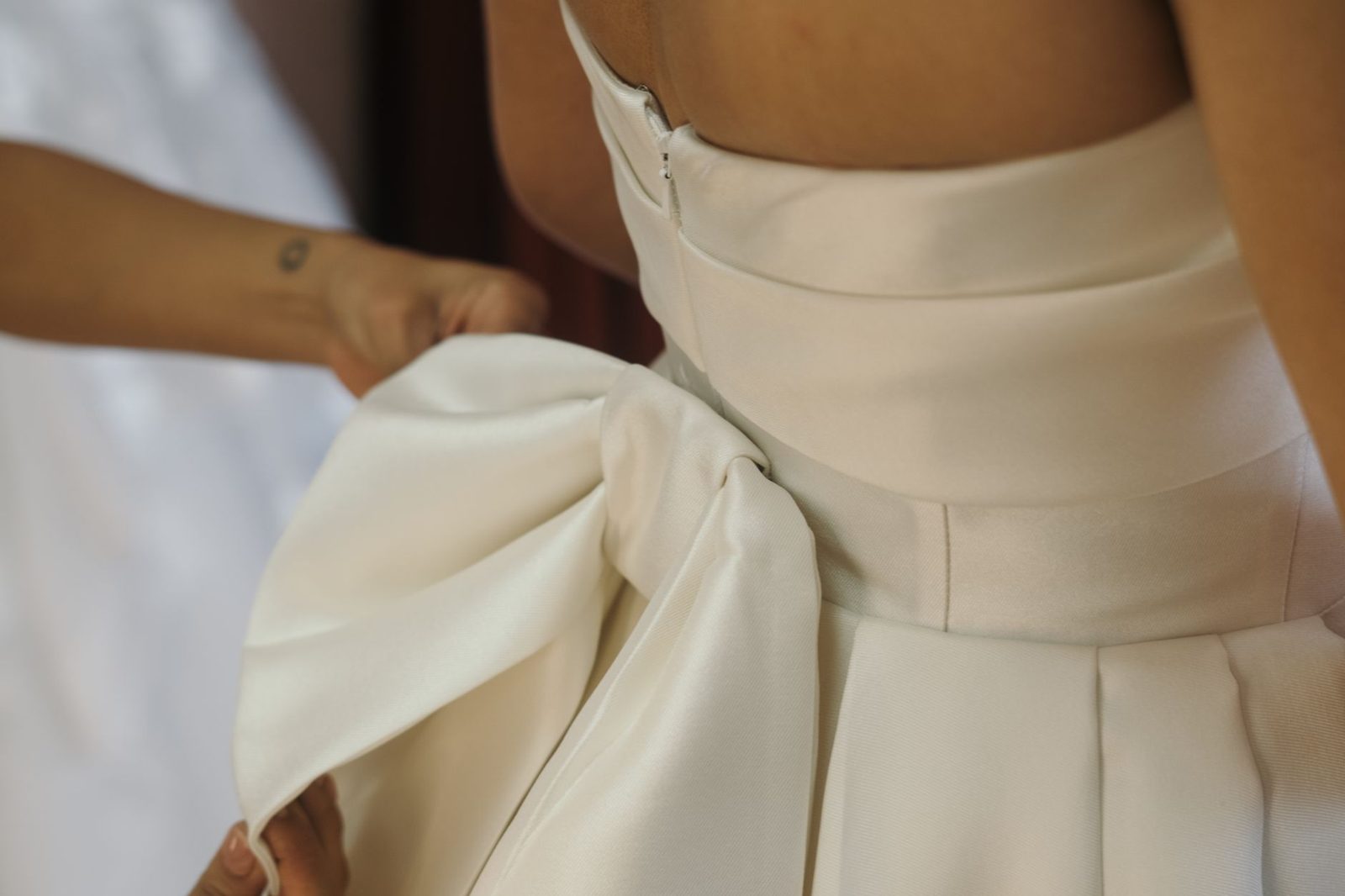
Soft Fullness That Falls Close
A fluid satin can give a skirt movement and ample sweep while falling closer to the hips. Gathers may read as many fine folds rather than a few broad ones. That is not a flaw if the intended dress is soft and flowing; it is a mismatch if the sketch calls for a skirt that stands well away from the body. For a fuller discussion of how fluid satin behaves, the distinction between charmeuse and other satins is useful, but the individual fabric still needs testing.
Volume Built Beneath the Satin
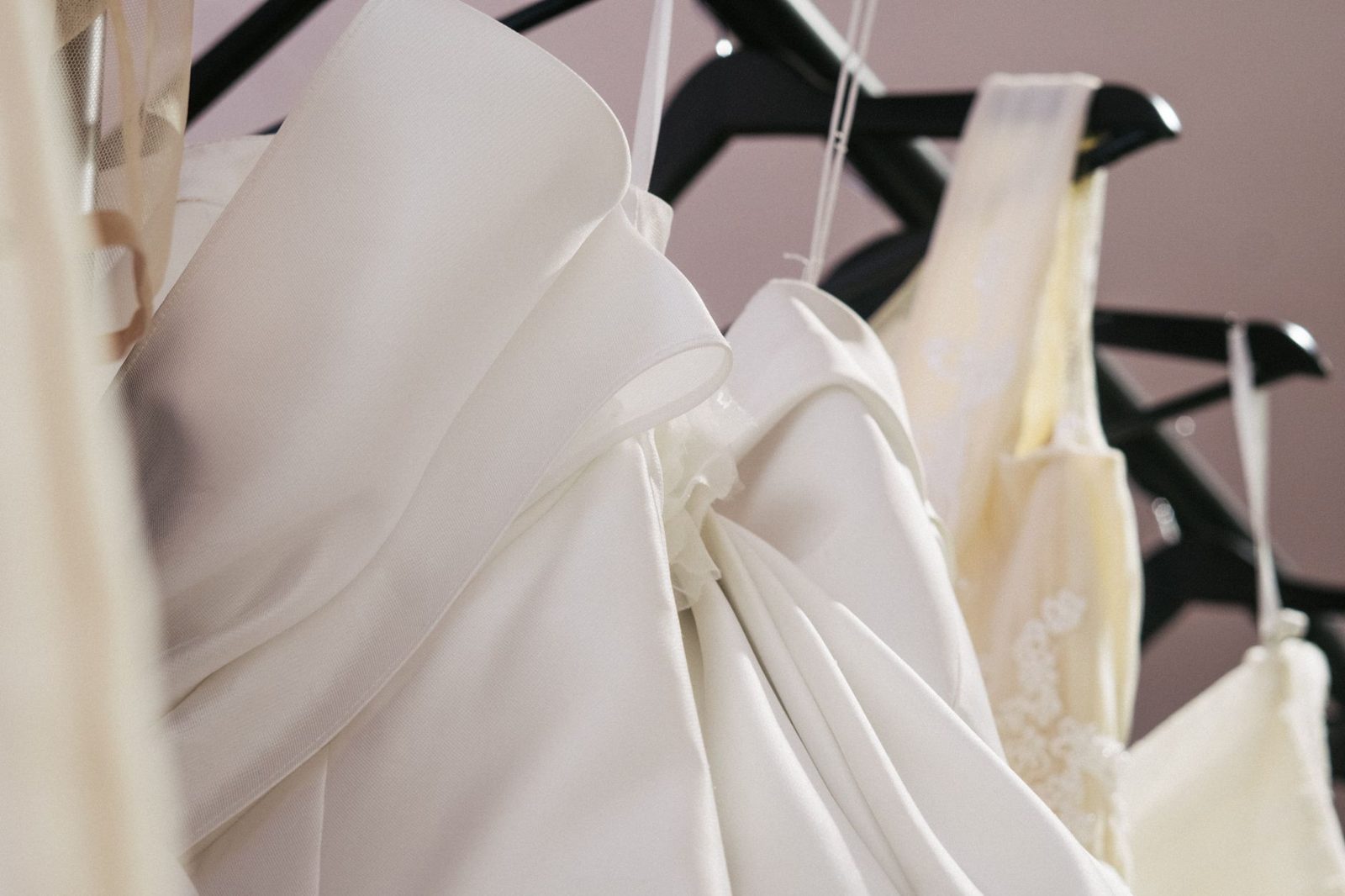
If the silhouette calls for dramatic projection, an underskirt, petticoat, or other planned internal structure may do much of the work. The satin then needs to fall attractively over that support without clinging to it or losing the intended fold pattern. Pleats and gathers control the outer layer at the waist; they do not replace the structure beneath it. We would assess the outer satin, skirt pattern, and support together, because none alone promises a ball-gown profile.
Before Ordering From Zelouf
Zelouf’s satin fabric selection is the practical next stop once we know the shape we want. We would compare an individual listing with the dress pattern, rather than treat “satin” as a specification. This is a workroom decision for a one-off gown as much as for a small production run.
- Check the listing for body, drape, weight, width, fiber content, and care wherever those details are supplied; confirm missing details before relying on them.
- Compare the candidate fabric with the pattern’s suggested fabrics and the silhouette shown, then check the layout for the listed fabric width.
- If a sample or small test cut is available, examine its folds and sew a bodice or waist-seam test; do not expect a swatch to prove the finished skirt shape.
- Calculate the order from the complete, width-specific layout, including skirt and bodice pieces, plus separate yardage for lining and support materials where the design requires them.
Care also belongs in that decision. Follow the selected fabric’s instructions rather than applying one rule to every satin; when the listing calls for it, the workroom wording is: “Machine Wash, Cold; Gentle Detergent, No Bleach. Tumble Dry, Low Heat. Do not wring.” If pressing is permitted, test a concealed area first; pressing satin safely matters especially around fitted seams and a visible waist join.
Looking for a softer-falling satin? Browse charmeuse →
Frequently Asked Questions
Can Satin Alone Create Ball-Gown Volume?
Some satins have enough body to support pronounced folds in a generously cut skirt, but satin alone does not guarantee a ball-gown silhouette. If the dress must project dramatically from the waist, plan the skirt cut and internal support for that shape, then choose a satin that behaves well over the finished structure.